

Yes — most truffle oil is fake. The vast majority of commercial truffle oil is flavored with 2,4-dithiapentane, a synthetic chemical compound that mimics one note of real truffle aroma. It has never been near a truffle.
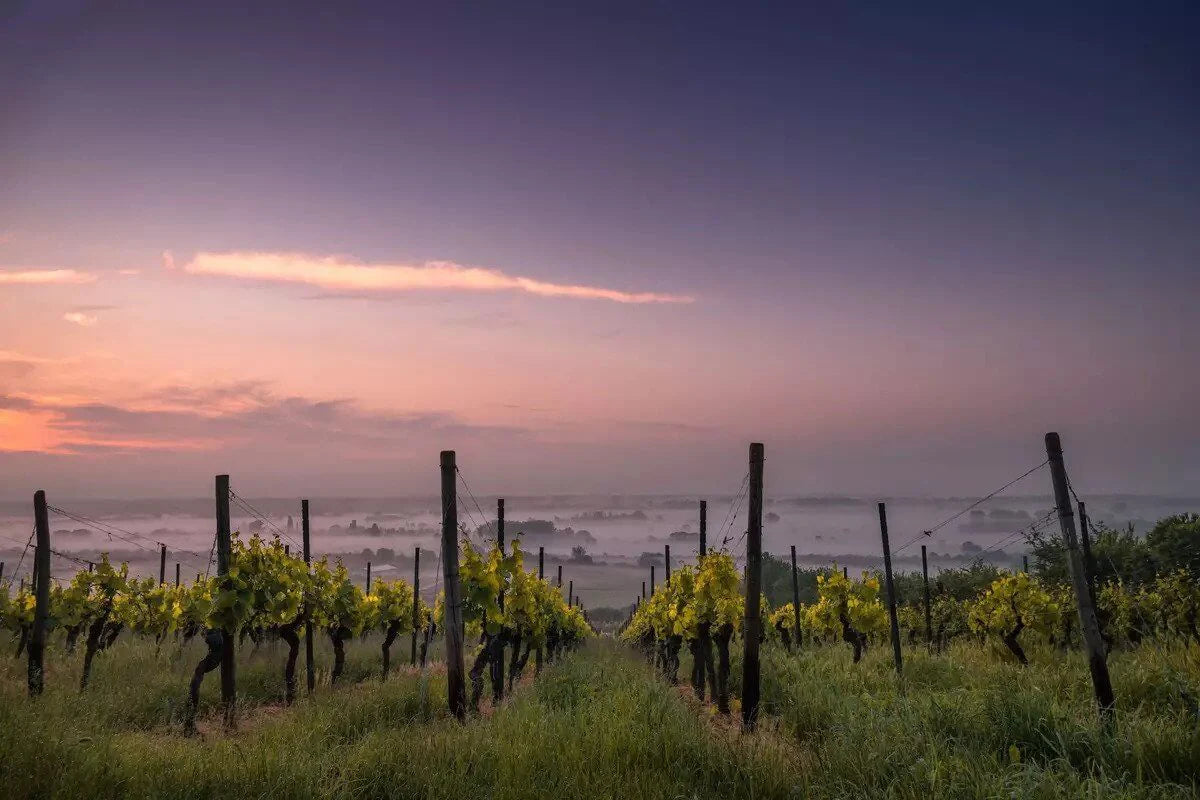
The same logic applies to much of what fills wine shelves: products engineered in a lab or factory to taste consistent, approachable, and cheap — but with no connection to a place, a season, or a family that grew the grapes.
Key Takeaways
- Most truffle oil is made with 2,4-dithiapentane — a synthetic aromatic compound, not derived from truffles. This is the industry standard, not an exception.
- China now produces roughly 70% of the world's truffle supply, mostly Tuber indicum — a species so flavor-poor that European chefs and researchers have called it economically fraudulent when sold as black truffle.
- Real truffles (Tuber melanosporum, Tuber magnatum) are rare, seasonal, impossible to fake in terms of true complexity — and increasingly hard to find as climate change shrinks harvest yields.
- The same mass-production logic governs cheap wine: additives, reverse osmosis, mega-purple, oak chips, and industrial yeast strains are used to make a product that tastes the same every year, regardless of what the season actually produced.
- What's worth paying for is imperfection — wine that changes vintage to vintage, truffles dug from a specific hillside, made by people who have staked their livelihoods on the land.
The Bottle That Never Touched a Truffle
Walk into almost any supermarket, high-end grocer, or specialty food shop and you'll find rows of truffle oil. White truffle oil, black truffle oil, truffle-infused olive oil, truffle salt. The packaging is luxurious. The price is remarkably accessible. And in most cases, it's a lie.
In 2007, the New York Times ran a piece that became a watershed moment in culinary honesty. The reporter asked prominent chefs — people who had been using truffle oil for years — to smell the synthetic compound 2,4-dithiapentane. The reaction was visceral. Mario Batali said it smelled "totally industrial." Daniel Boulud compared it to cheap perfume. The journalist noted that the compound, also used in natural gas odorization, was the basis for virtually every bottle of truffle oil on the American market.
That was nearly twenty years ago. The situation has not improved. Studies and investigations since have consistently found the same thing: truffle oil is almost never made from truffles. A 2022 analysis by researchers at the University of Camerino in Italy confirmed what food scientists had long known — the dominant aroma compound in commercial truffle oil is synthesized, not extracted from Tuber species. The product is, in effect, flavored cooking oil wearing a luxury costume.
This isn't a fringe problem or a gray area. It is, as food writer Rowan Jacobsen has written, "the most routinely fraudulent product in the American food supply." Not the most dangerous. Not the most expensive fake. Just the most casually, cheerfully accepted one — because we've gotten used to it.
Enter China — and the Truffle That Looks Right but Tastes Wrong
The fake-truffle problem has a second, less-discussed chapter: the rise of Chinese truffles.
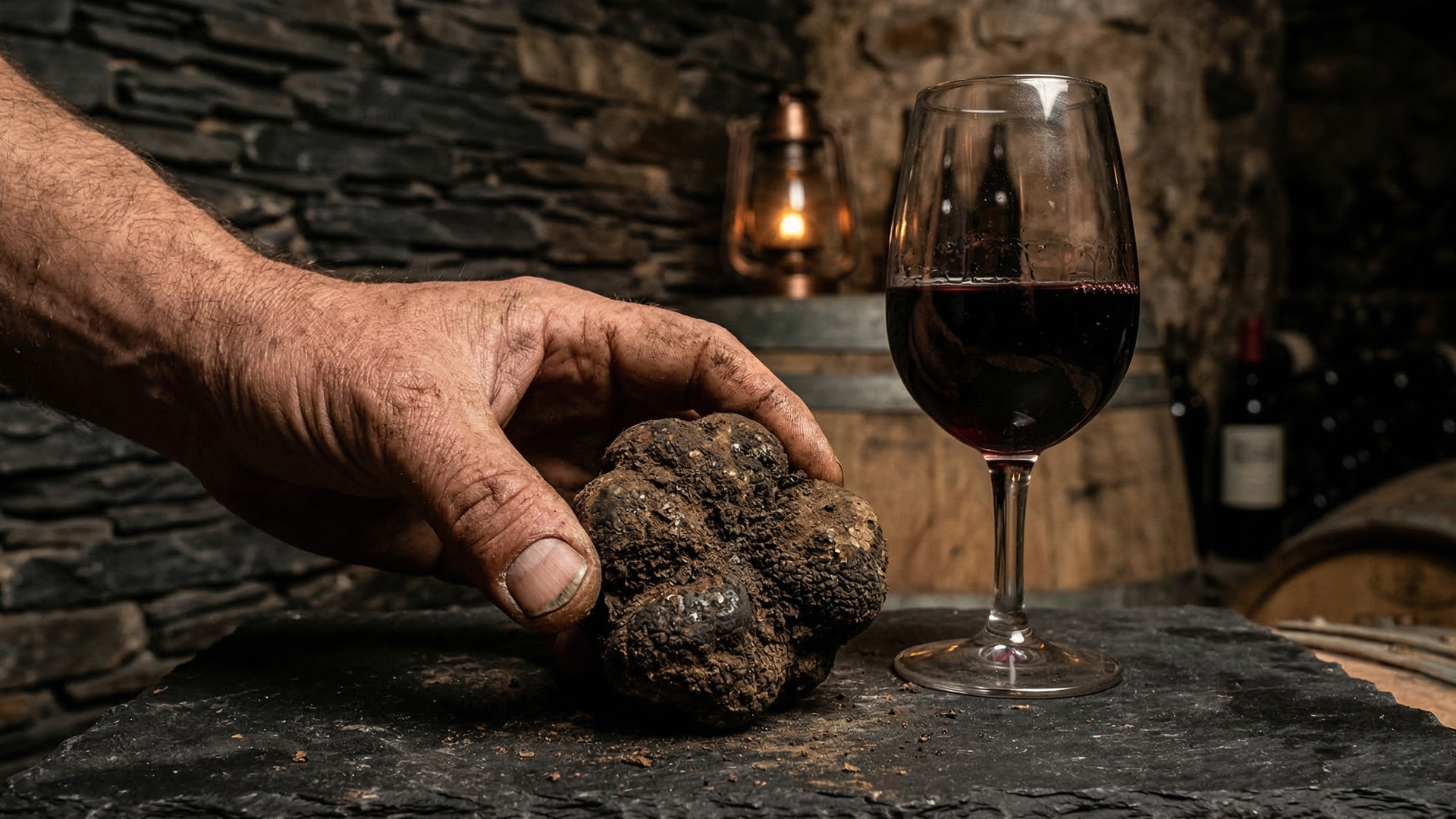
Tuber indicum and Tuber sinense — Chinese truffle species — look nearly identical to the prized Périgord black truffle (Tuber melanosporum) to the untrained eye. They're the same rough shape, the same dark exterior, the same warted surface. They cost a fraction of the price. And they've flooded European markets for decades.

The difference is in the nose and the palate. Real Périgord black truffle has a complex aromatic profile — earthy, musky, chocolatey, with a depth that builds over time and perfumes a dish from ten feet away. Tuber indicum has almost none of this. Italian and French researchers have described it as "organoleptically neutral" — scientific language for "it doesn't taste like much." Its aromatic compounds are present at a fraction of the concentration found in T. melanosporum.
According to data from the European truffle trade and reports by the Italian National Truffle Study Center (Centro Nazionale Studi Tartufo), China now produces somewhere between 40 and 70 percent of the world's truffle volume by weight. Much of it enters the supply chain mislabeled or mixed into truffle products that imply — but don't state — genuine European origin.
The result: most people who believe they've eaten truffles haven't. They've eaten the suggestion of them.
This Is the Exact Story of Mass-Market Wine

If you've been nodding along, here is the part where the parallel becomes impossible to ignore.
The wine industry has its own version of 2,4-dithiapentane. It's called Mega Purple — a thick, heavily concentrated grape juice additive used to deepen color, add sweetness, and smooth out wines that taste thin, green, or underripe. It's used in millions of cases of wine each year. Producers aren't required to disclose it. Consumers have no idea it's there.
But Mega Purple is just one tool among many. Industrial winemakers also use reverse osmosis to remove alcohol or water, vacuum evaporation to concentrate flavor, commercial yeast strains engineered for specific taste profiles, added tartaric acid, sulfur dioxide above minimum thresholds, and oak staves or chips steeped in the wine to simulate barrel aging at a fraction of the cost.
The goal of all of this is the same goal as synthetic truffle oil: to make something that tastes consistent, approachable, and cheap. To give the consumer something that feels like luxury without requiring the underlying conditions that create it.
And it works. The wine industry has gotten very good at it. The problem — as with truffle oil — is what you don't notice until you've had the real thing: the engineered product is one-dimensional. It doesn't change. It doesn't surprise you. It doesn't make you think about where it came from. Because it didn't really come from anywhere — it came from a process designed to remove geography, season, and risk from the equation.
The Comparison: Fake vs. Real, Plate and Glass

Real Truffles Are Getting Harder to Find — and So Is Honest Wine

Here is the uncomfortable ecological footnote to this story: real truffles are disappearing.
A 2019 study published in Science of the Total Environment by researchers including Paul Thomas of the University of Stirling found that Tuber melanosporum harvests in France and Spain have declined by 80% since the 1970s. The drivers are complex — climate change, land use changes, the decline of traditional oak forests — but the trend is unmistakable. The thing that truffle oil is pretending to be is becoming rarer by the decade.
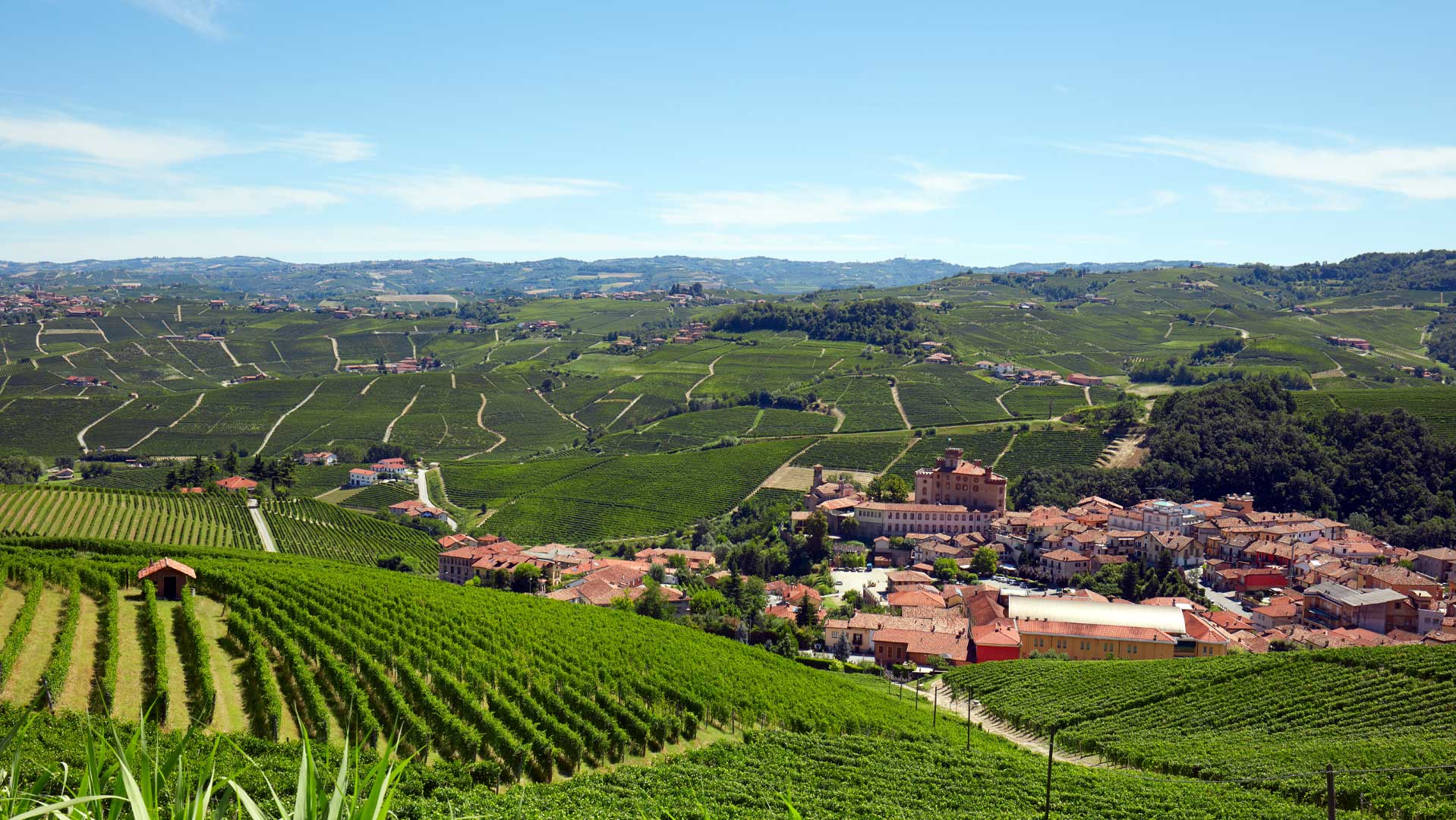
The same pressure exists in wine. Climate change is reshaping where grapes can grow, what varieties thrive, and how vintage character expresses. A Burgundy from 2021 is not the same as a Burgundy from 2018. A Barolo from a wet, cool year has different structure than one from a drought year. This is not a flaw — it's the record of a living place responding to real conditions.
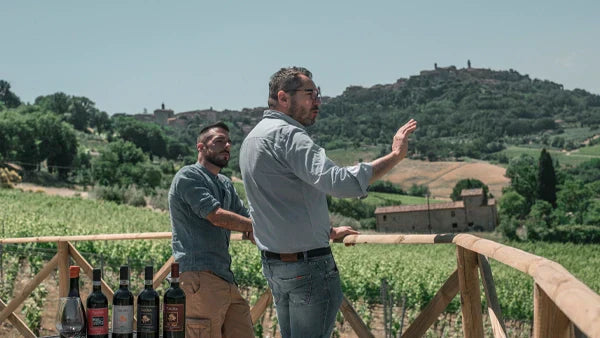
Family producers — the people making wine on estates their grandparents farmed — can't engineer these variations away, and most of them wouldn't if they could. The vintage is their document. It tells you what happened. That year, in that place, with those hands.
How to Actually Tell the Difference: A Decision Framework
Whether you're at a cheese counter eyeing a jar of "truffle" something, or standing in a wine shop, these six steps will serve you well.

What We've Traded Away — and Why It Matters
The question isn't really about truffles or wine. It's about what happens to our relationship with quality when we accept the imitation long enough.
Gordon Shepherd, a neuroscientist at Yale and author of Neuroenology, has written that wine tasting is one of the most cognitively complex things a human being can do — it activates more of the brain than almost any other sensory experience. The same is plausibly true for a genuine truffle. These aren't just foods. They're events.
When we substitute the synthetic for the real — when we eat truffle oil convinced it's teaching us about truffles, or drink heavily manipulated wine convinced it's teaching us about Napa or Burgundy — we're not just spending money on a lesser product. We're calibrating our expectations to something that doesn't exist in nature. We're training ourselves to prefer the fake, because the fake is engineered to be easy.
This is the quiet cost of mass-market everything: not that the product is bad, but that it makes the real thing harder to recognize. The person who has only drunk industrial Chardonnay may genuinely not enjoy a real white Burgundy on first taste — because the real thing is more demanding, less predictable, less immediately flattering.
Real things ask something of us. Real wine, real truffles, real olive oil from a real mill, real aged cheese.
They have texture, flaw, season, story. Some years are better than others. Some batches aren't ready yet. Some cost more than you were hoping to spend. That's not a bug — it's the entire point.
Mini-Glossary
2,4-Dithiapentane: A synthetic aromatic compound that mimics one element of truffle aroma. Used in the majority of commercial truffle oils in place of actual truffle extract. Also used as a sulfur-based odorant.
Tuber melanosporum: The Périgord black truffle — the most prized black truffle species, native to France, Spain, and parts of Italy. Highly aromatic, seasonal (winter harvest), expensive.
Tuber magnatum: The white truffle, primarily from Alba in Piedmont, Italy. The most expensive truffle in the world. Harvested autumn through early winter. Cannot be cultivated.
Tuber indicum: Chinese black truffle species, visually similar to T. melanosporum but with far less aromatic complexity. Widely used in commercial truffle products, often undisclosed
Mega Purple: A commercially produced grape juice concentrate used in wine to deepen color, add body, and increase perceived sweetness. Widely used in industrial wine production. Not required to be disclosed on labels.
Terroir: French term for the complete natural environment — soil, climate, topography, aspect — in which a wine or food product is produced. The reason genuine wines taste different from place to place and year to year.
Vintage variation: The natural differences in a wine between harvest years, driven by climate, rainfall, temperature, and farming decisions. A sign of authenticity and terroir in serious wine.
Reverse osmosis: A filtration technique used in winemaking to remove water, alcohol, or undesirable compounds. Can improve poor-quality fruit but strips character when overused.
Organoleptically neutral: Scientific term for a substance with little detectable flavor or aroma. Applied by Italian researchers to Tuber indicum in comparison to European truffle species.
Estate wine: Wine produced from grapes grown on the winery's own property, typically with more attention to terroir and vintage expression than blended commercial wine.
Frequently Asked Questions
1. Is all truffle oil fake?
Not all — but the overwhelming majority of commercial truffle oil contains no real truffle. A small number of artisan producers use actual truffle pieces or genuine extract in their oil. To find them, look for products listing Tuber melanosporum or Tuber magnatum as an ingredient, not "truffle aroma" or "natural truffle flavoring." Expect to pay significantly more.
2. What is 2,4-dithiapentane?
It's a sulfur-based organic compound that occurs naturally in truffles in very small amounts — but can also be synthesized in a lab at a fraction of the cost. It replicates one aromatic element of truffle but not the full complexity. Most commercial truffle oils use the synthetic version exclusively. It is also used to odorize natural gas so leaks can be detected.
3. Why are Chinese truffles a problem?
Tuber indicum and related Chinese species are sold at low prices and often mislabeled or blended into products implying European truffle origin. They look nearly identical to prized black truffles but have dramatically less flavor and aroma. Italian and French authorities have raised repeated concerns about fraud in the truffle supply chain driven by cheap Chinese imports.
4. Are truffle harvests really declining?
Yes. A 2019 peer-reviewed study found that French and Spanish Tuber melanosporum harvests have declined approximately 80% since their peak in the early 20th century. Climate change, land abandonment, and the decline of traditional forest management all contribute. White truffle (T. magnatum) yields are similarly under pressure in Italy.
5. Is cheap wine made with chemical additives?
Many mass-market wines use legal additives including Mega Purple (a color and body enhancer), commercial yeast strains, tartaric acid, sulfur dioxide, and fining agents. Reverse osmosis and vacuum concentration are also common. None of these need to be disclosed on the label in most markets. They are legal and widely used — but they replace rather than express terroir.
6. How is mass-market wine made to taste the same every year?
Through a combination of blending (mixing vintages or regions), additive use, and processing techniques like reverse osmosis and micro-oxygenation. The goal is a consistent flavor profile that matches consumer expectations regardless of what the actual harvest produced. This is explicitly opposite to the philosophy of estate and artisan wine.
7. Does vintage variation mean the wine is inconsistent?
Vintage variation means the wine accurately reflects its growing year — which is a sign of minimal manipulation and genuine terroir expression, not inconsistency. Think of it the way you'd think of a small-batch olive oil or a farmhouse cheese: what you want is the record of a real place and season, not an engineered facsimile.
8. Why does real wine from small producers cost more?
Because everything that makes it real costs more: lower yields, hand harvesting, smaller fermentation tanks, genuine barrel aging (not oak staves), less mechanization, and the simple fact that a family estate can't spread costs across millions of cases. You're also paying for specificity — a wine that could only have come from that place, that year, with those people.
9. What should I look for when buying truffle products?
Read the ingredient list carefully. Look for a named truffle species (Tuber melanosporum, T. magnatum, T. aestivum) listed as an actual ingredient — not "truffle aroma," "truffle flavoring," or "natural truffle flavoring." A country of origin and named producer are positive signals. White truffle oil is almost impossible to make genuinely — fresh white truffles lose their aroma within days.
10. How do I find honest wine the same way?
Look for named estates rather than brand names. Look for vintage dates and appellation designations that have legal weight (AOC, DOC, DOCG). Ask your merchant who produces it — if they can tell you the family's name and what their farming philosophy is, that's a good sign. A reputable merchant curates rather than warehouses.
11. What's the best entry point if I want to try real family-estate wine?
Start with regions where the estate system is strong and fraud is rare: Burgundy, Barolo, Brunello, Chablis, the Mosel, Ribera del Duero. Ask for a producer you've never heard of rather than a famous label — the famous labels are often the most commercial. Price isn't always the best guide; some extraordinary wines from small estates are genuinely affordable.
12. Are there real truffle products worth buying?
Yes. Whole preserved truffles (in their own juice, not oil) from reputable Italian or French producers are genuine. Dried truffle slices from European suppliers are real, if less aromatic than fresh. Some artisan truffle butters and pastes use real truffle. And during truffle season (roughly November through March for black truffle), fresh truffles imported from Périgord or Umbria can be found at premium food shops and some restaurants.
Explore Further
If this article has made you want to drink better — not more expensively, just more honestly — here are a few ways to start.
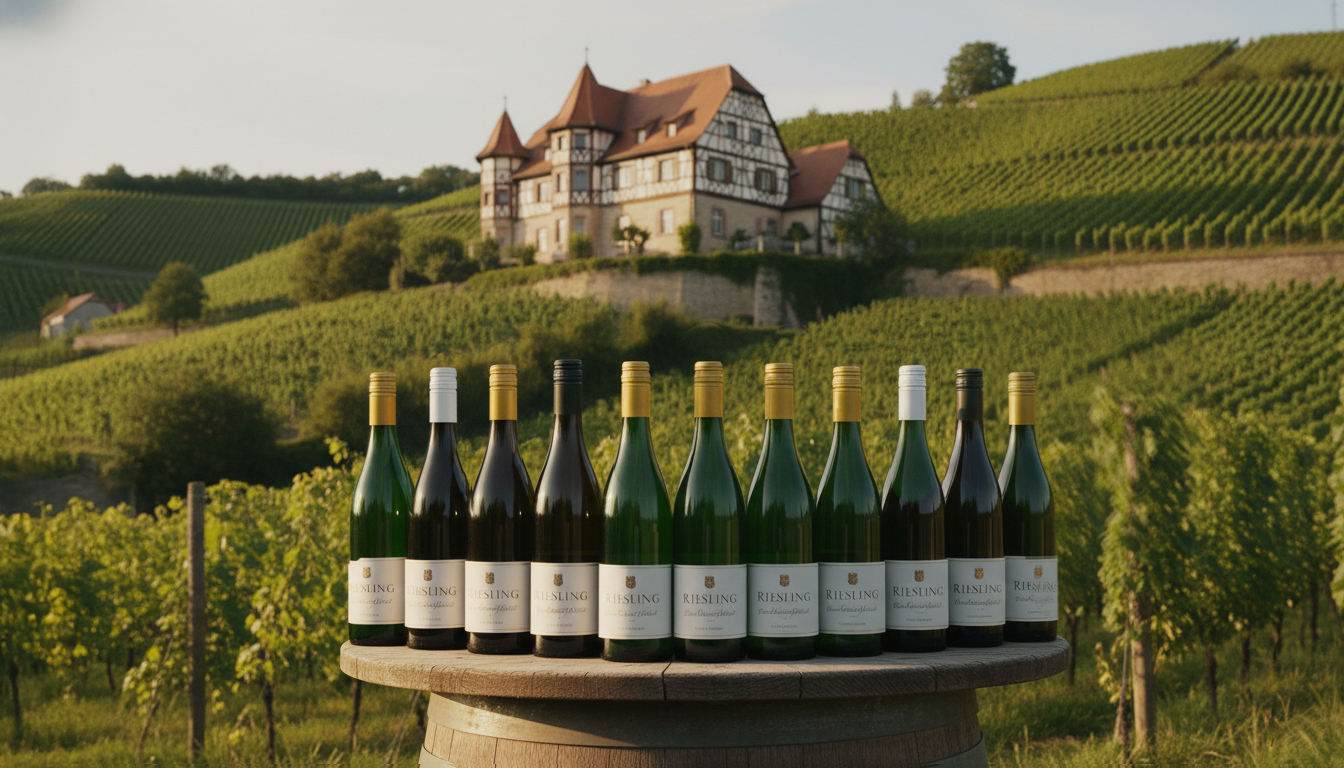
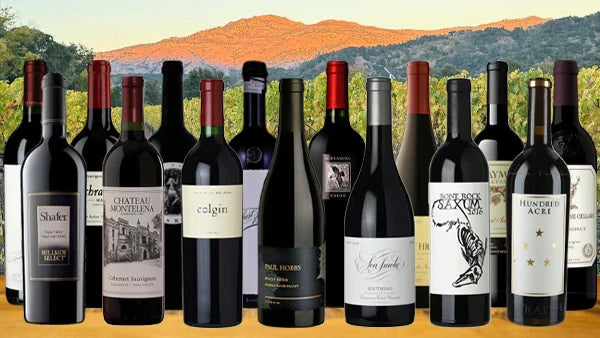
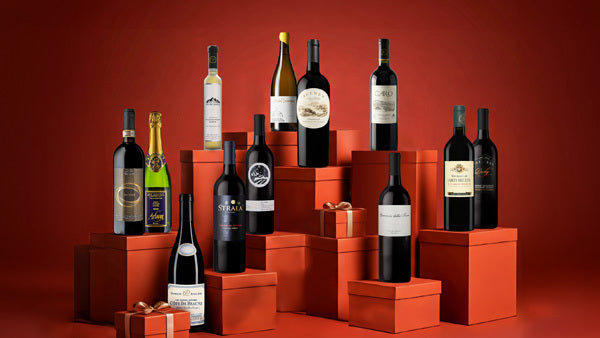
Our collection focuses on family-owned estates and small producers who put their name on what they grow. Start with our curated selection and filter by region or style to find something specific.



























Share:
The Best Cocktail I've Ever Created (And Why It Works)
Comments Section