


Ever picked up a bottle of wine at the grocery store and wondered what's actually inside? If you have, you're not alone—and the answer might surprise you.
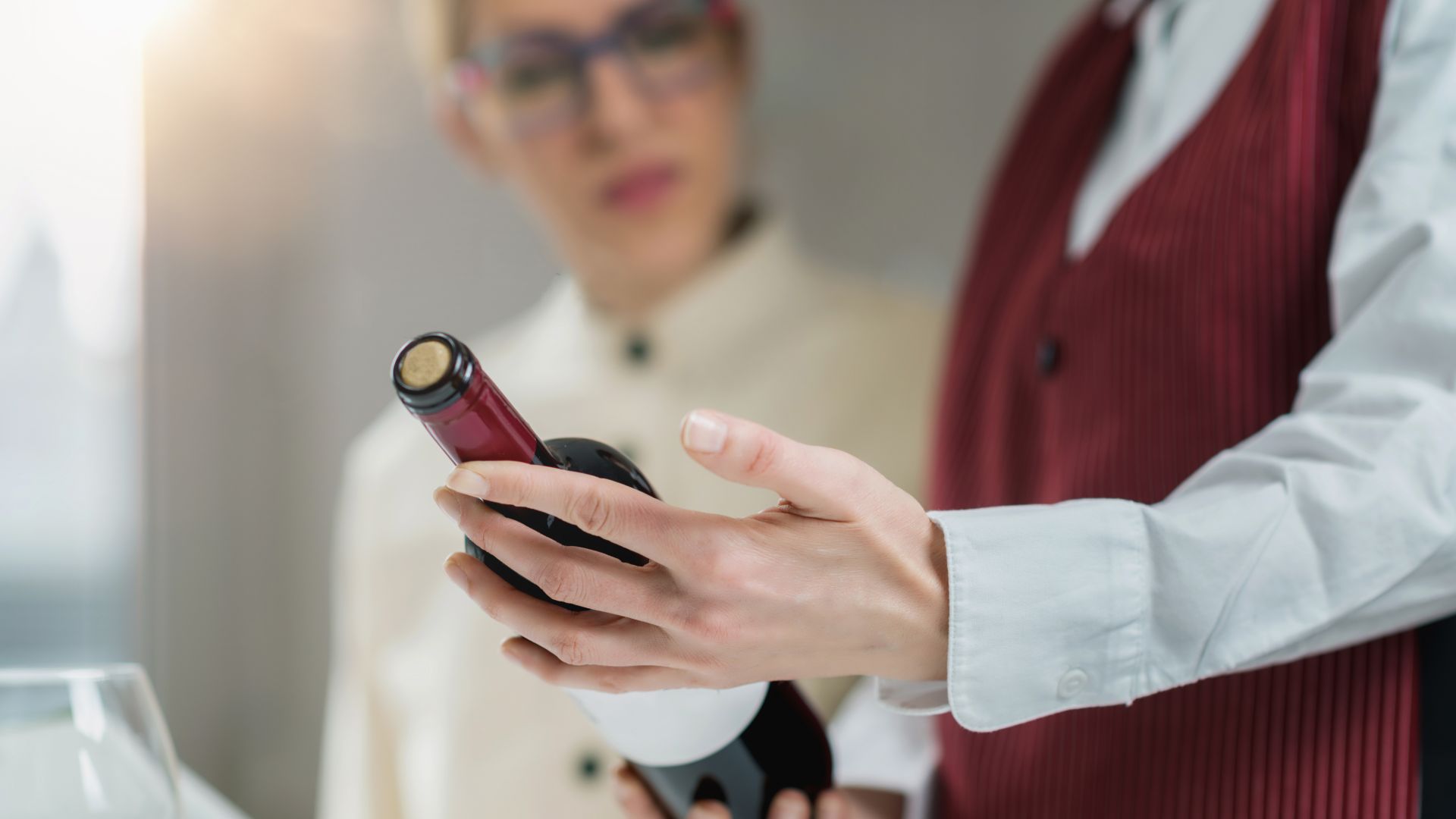
Here's a simple test: Next time you're shopping, flip over a box of crackers, a jar of sauce, or literally any packaged food. You'll find a complete ingredient list, nutritional facts, and everything else you need to make an informed choice. Now try the same thing with a bottle of wine. Notice something missing? That blank label isn't an oversight—it's by design.
In this post, we're pulling back the curtain on the mass market wine industry. You'll discover why most supermarket wines aren't what they seem, what additives might be lurking in your glass, and most importantly, how to find authentic, quality wine that's actually worth drinking.
The Ingredient Label Mystery: Why Wine Gets a Free Pass

Walk down any grocery aisle and transparency is the norm. Food manufacturers are required to tell you exactly what's in their products. But wine? It operates under completely different rules.
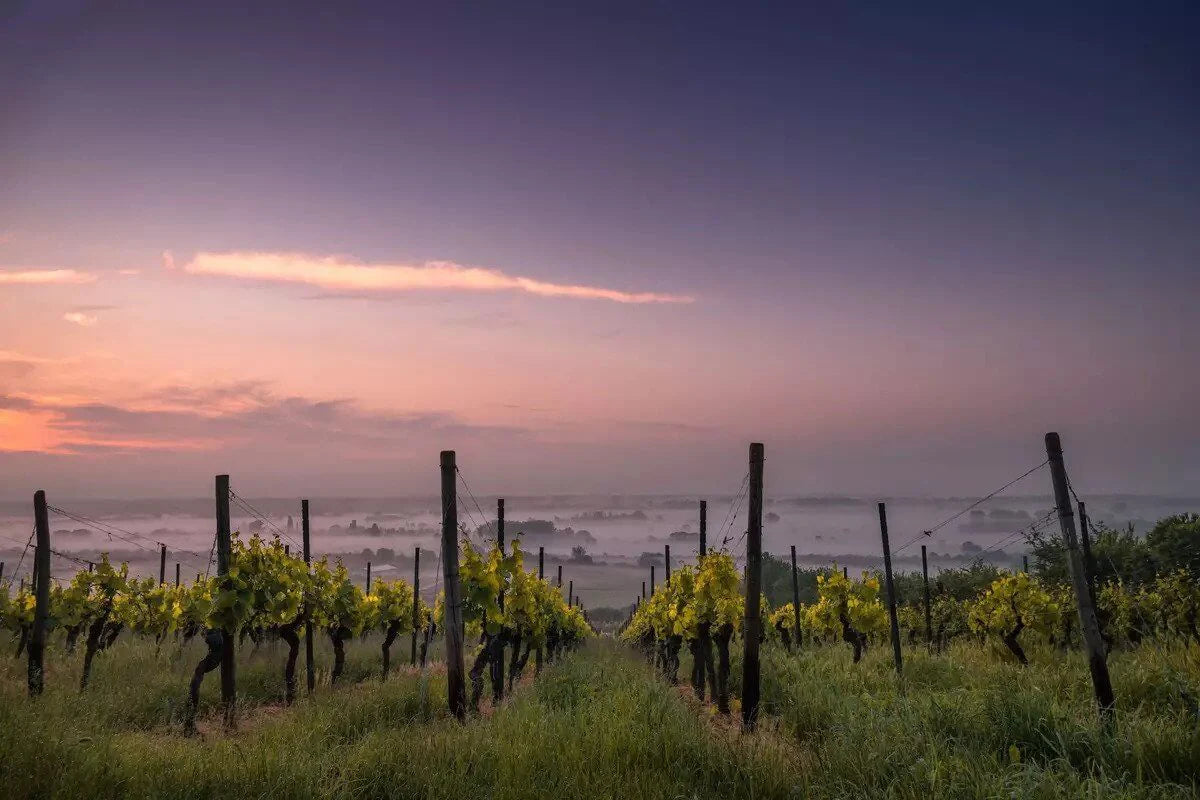
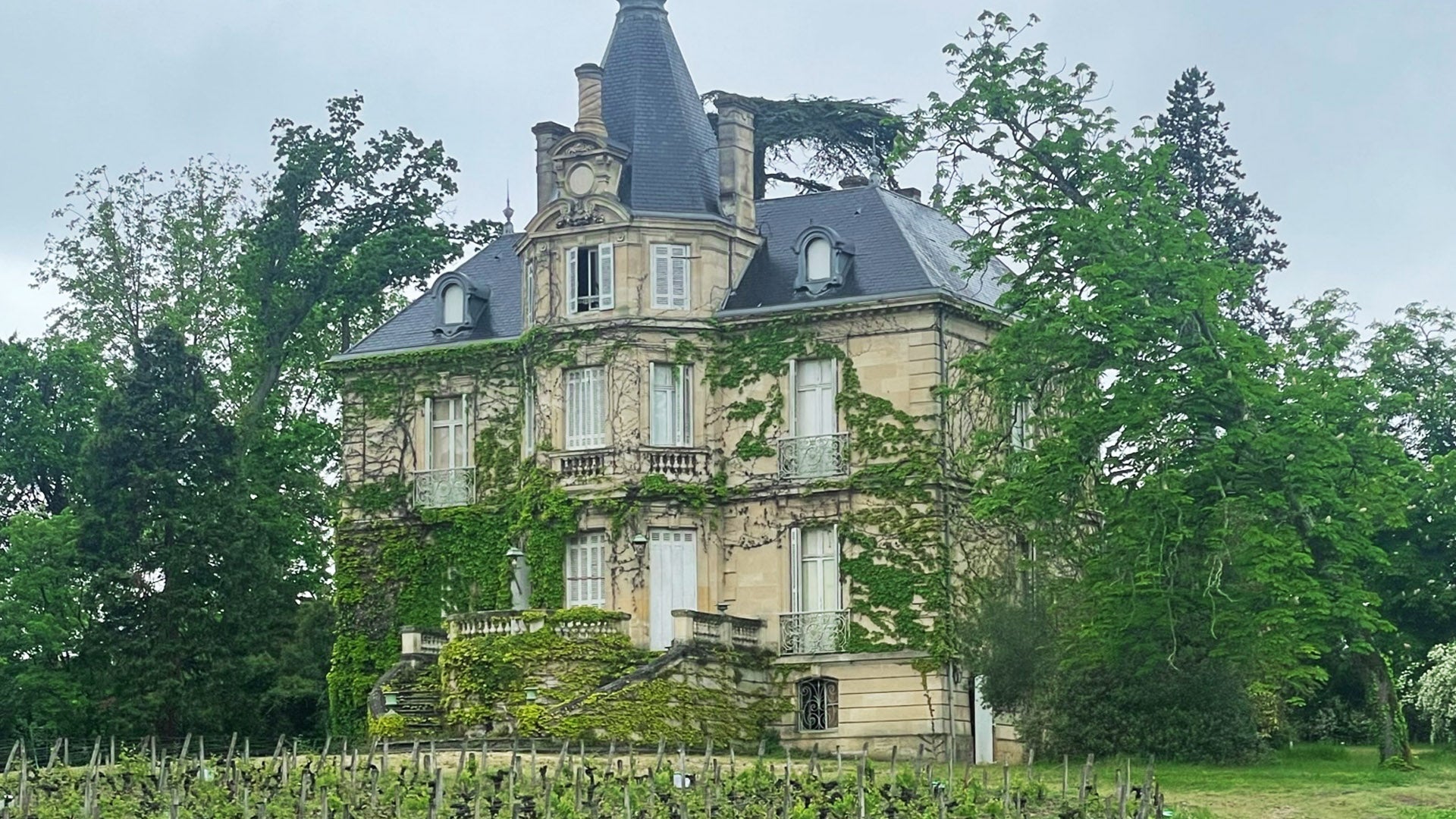
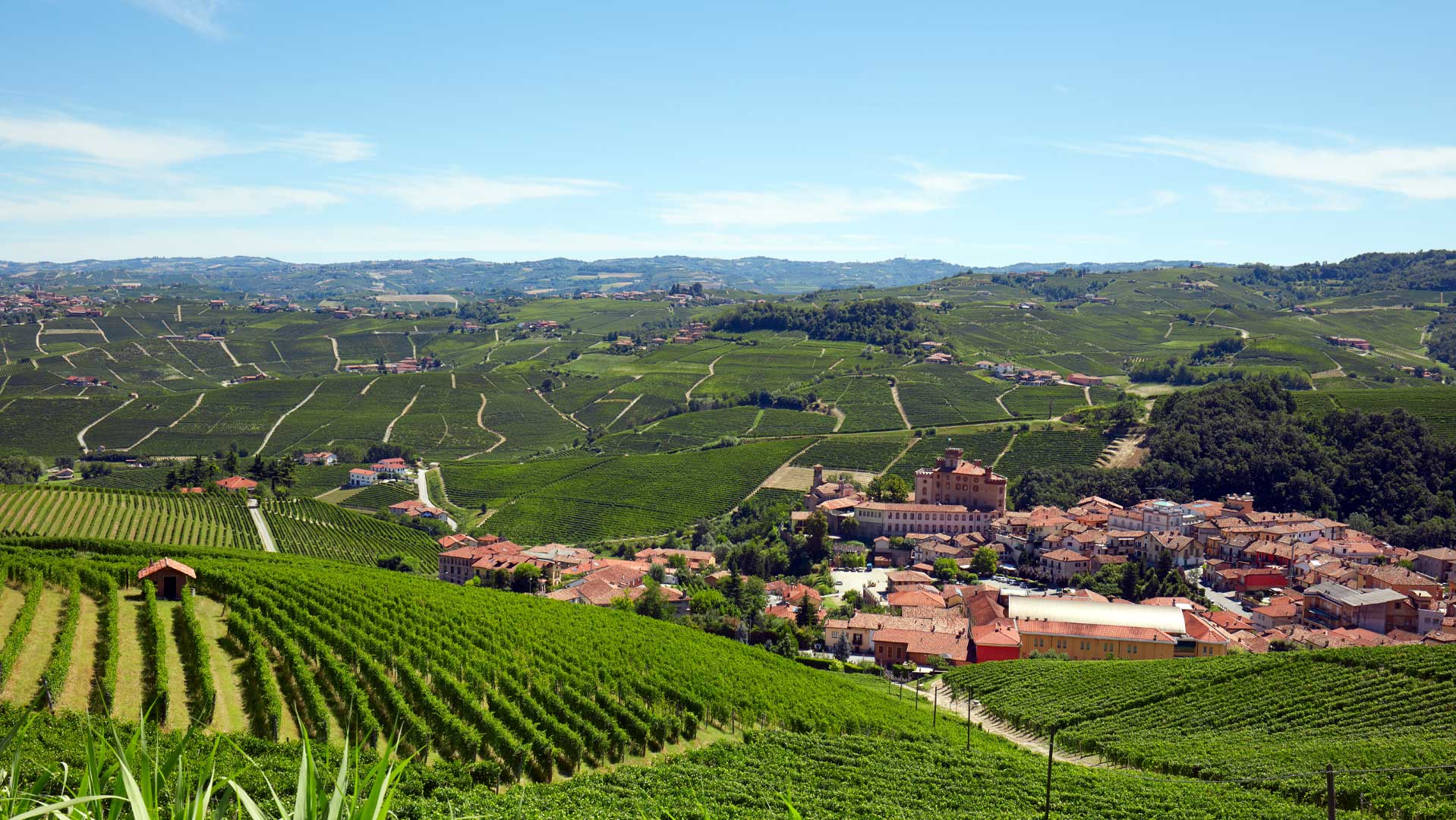
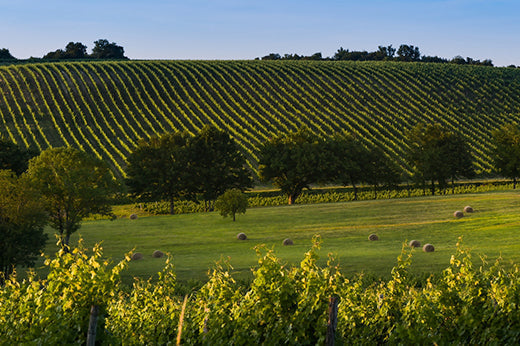
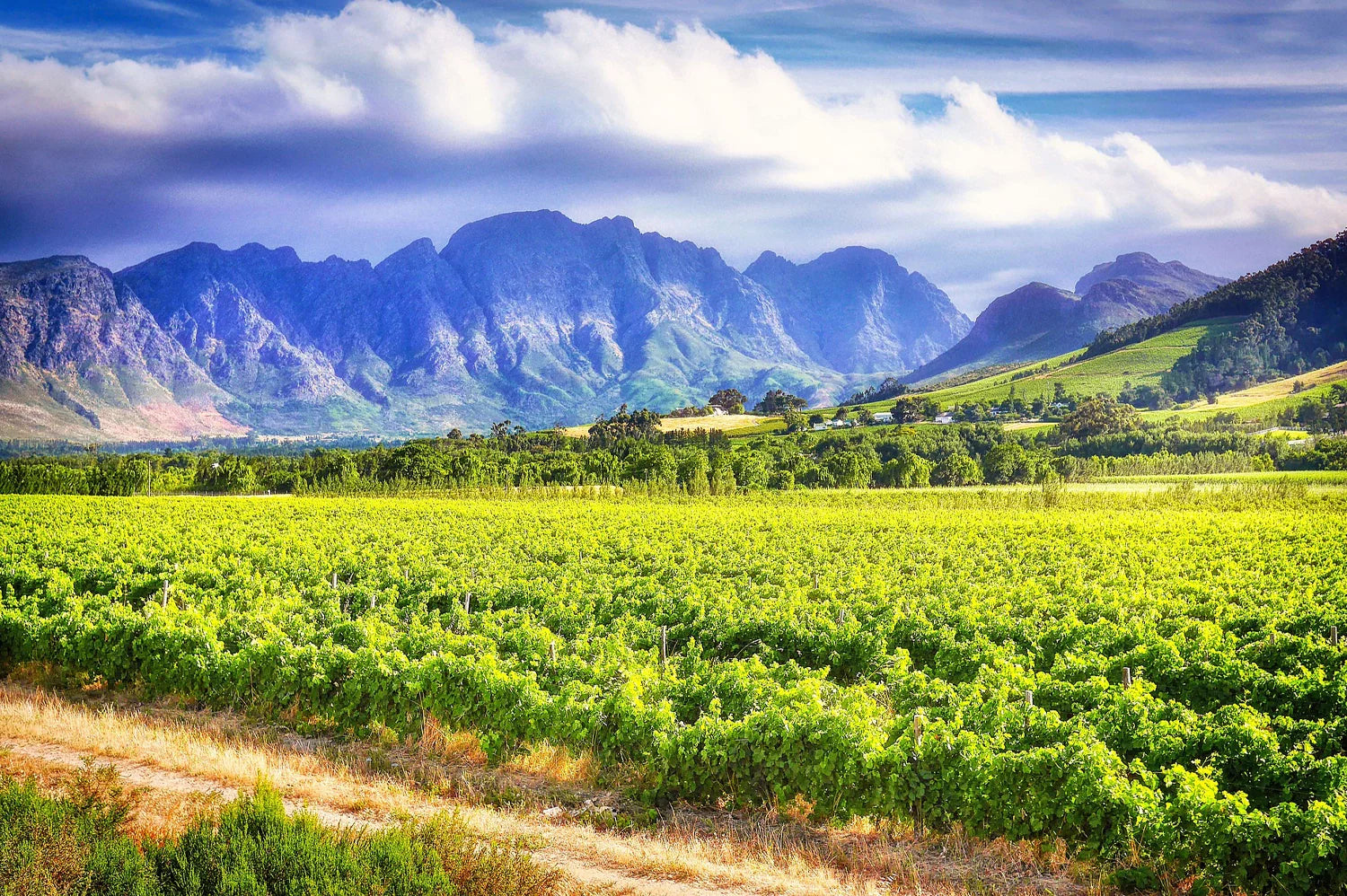
The wine industry has successfully maintained a romantic image—sun-drenched vineyards, generations of families tending the vines, ancient traditions passed down through centuries. It's a beautiful story, and for some wines, it's absolutely true.
But for those mass-produced bottles filling supermarket shelves, the reality is far less picturesque. You're not looking at the product of a family farm. You're looking at the output of an industrial facility.
Wine Has Become the New Fast Food
Here's what separates real wine from industrial wine: authenticity and variation.
Genuine wine is a living, breathing product. It changes from year to year based on weather, soil conditions, and countless other natural factors. For traditional winemakers, this variation is part of wine's magic—what makes each vintage unique and special.
But for corporate wine brands, variation is a nightmare. They need that $8 bottle to taste exactly the same whether you buy it today, next month, or three years from now. Consistency is their business model.
So how do they achieve it? They transform a natural agricultural product into an engineered industrial one. The result is predictable, repeatable, and completely stripped of character.
The Additives Nobody Talks About: Sawdust and Mega Purple

Here's where things get truly eye-opening.
In the United States, winemakers can legally use over 60 approved additives in their wines—without disclosing a single one on the label. Let that sink in for a moment.
That pleasant vanilla and toasty oak flavor you're tasting? It might not come from barrel aging at all. Industrial producers often add wood chips, sawdust, or liquid oak essence directly into massive tanks. It's cheaper and faster than traditional barrel aging.
What about that deep, rich purple color that looks so appealing in the bottle? There's a good chance it comes from a product called Mega Purple—a grape concentrate additive that's become an industry standard for color correction.
You're not drinking authentic wine crafted from grapes alone. You're drinking a laboratory-formulated beverage designed to meet specific taste and appearance targets.
The most frustrating part? Without an ingredients list, there's no way to tell the difference just by looking at the bottle. The wine loaded with additives sits right next to authentic wine on the shelf, and they look identical.
How to Protect Yourself When Labels Won't Tell the Truth
So if you can't trust the label, how do you find real wine?
The answer comes down to one critical factor: knowing the source.
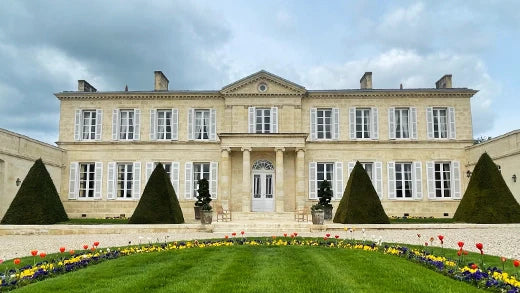
Look for wines made by actual families who farm their own land, not faceless corporations running industrial operations. Seek out producers who prioritize quality over quantity, who care more about making exceptional wine than hitting quarterly profit targets.
The challenge, of course, is that finding these producers takes time, expertise, and a lot of tasting. Most people don't have the resources to personally visit dozens of wineries or sample thousands of wines each year.
The Big Hammer Wines Difference: A Curated Approach to Quality

This is exactly why Big Hammer Wines exists.
Every year, we taste over 5,000 wines from around the world. We're not just looking for "good enough". Only the top 4% makes the cut.
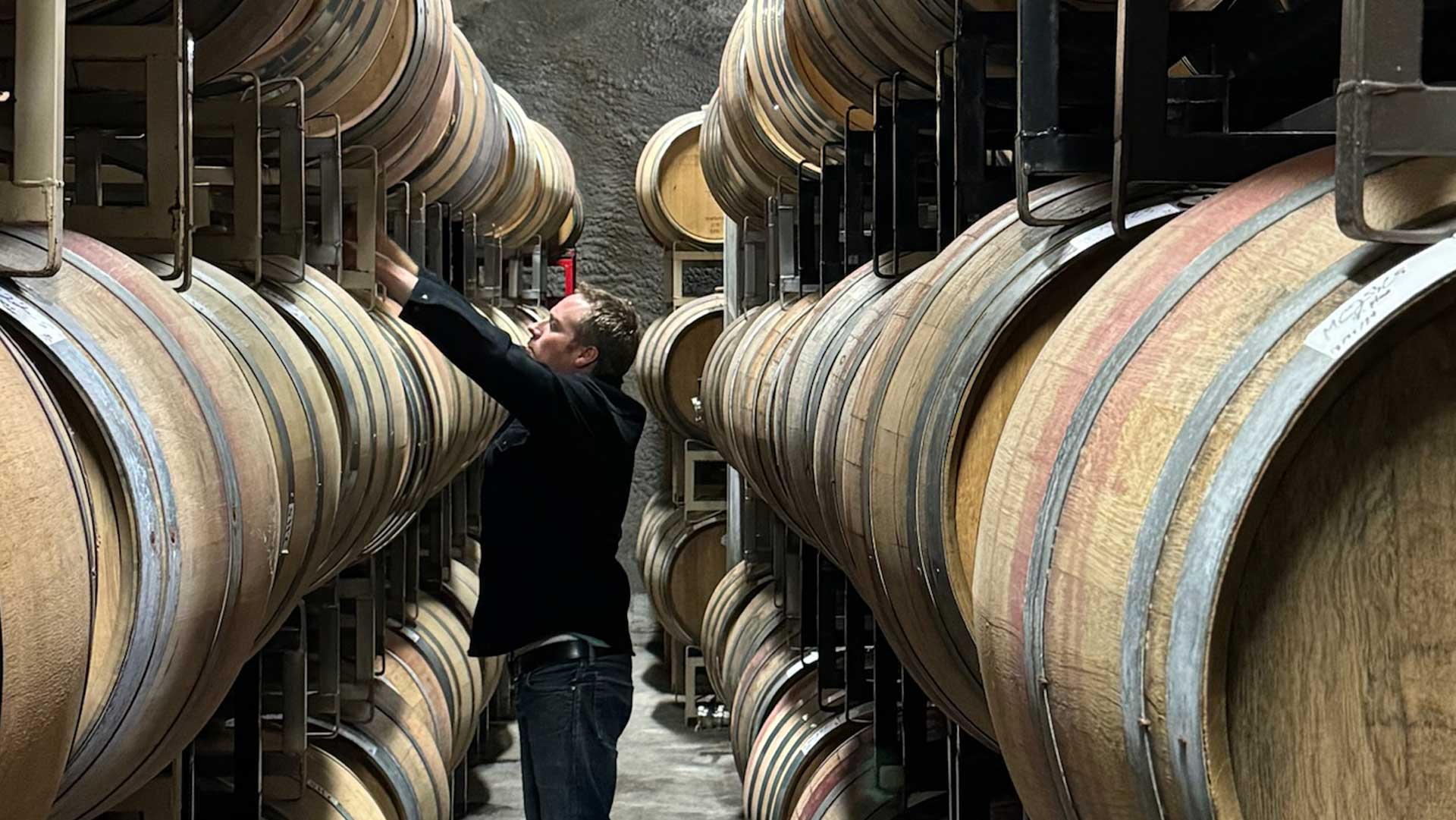
What makes a wine worthy? It starts with the source. Big Hammer works directly with small, independent, family-run wineries around the globe. These are producers who invest their money into farming exceptional grapes and crafting genuine wine, not funding marketing campaigns or cutting corners with additives.
By eliminating middlemen and working directly with quality-focused wineries, Big Hammer passes both superior quality and cost savings directly to customers. You're not paying for supermarket markup or distributor fees—you're paying for the wine itself.
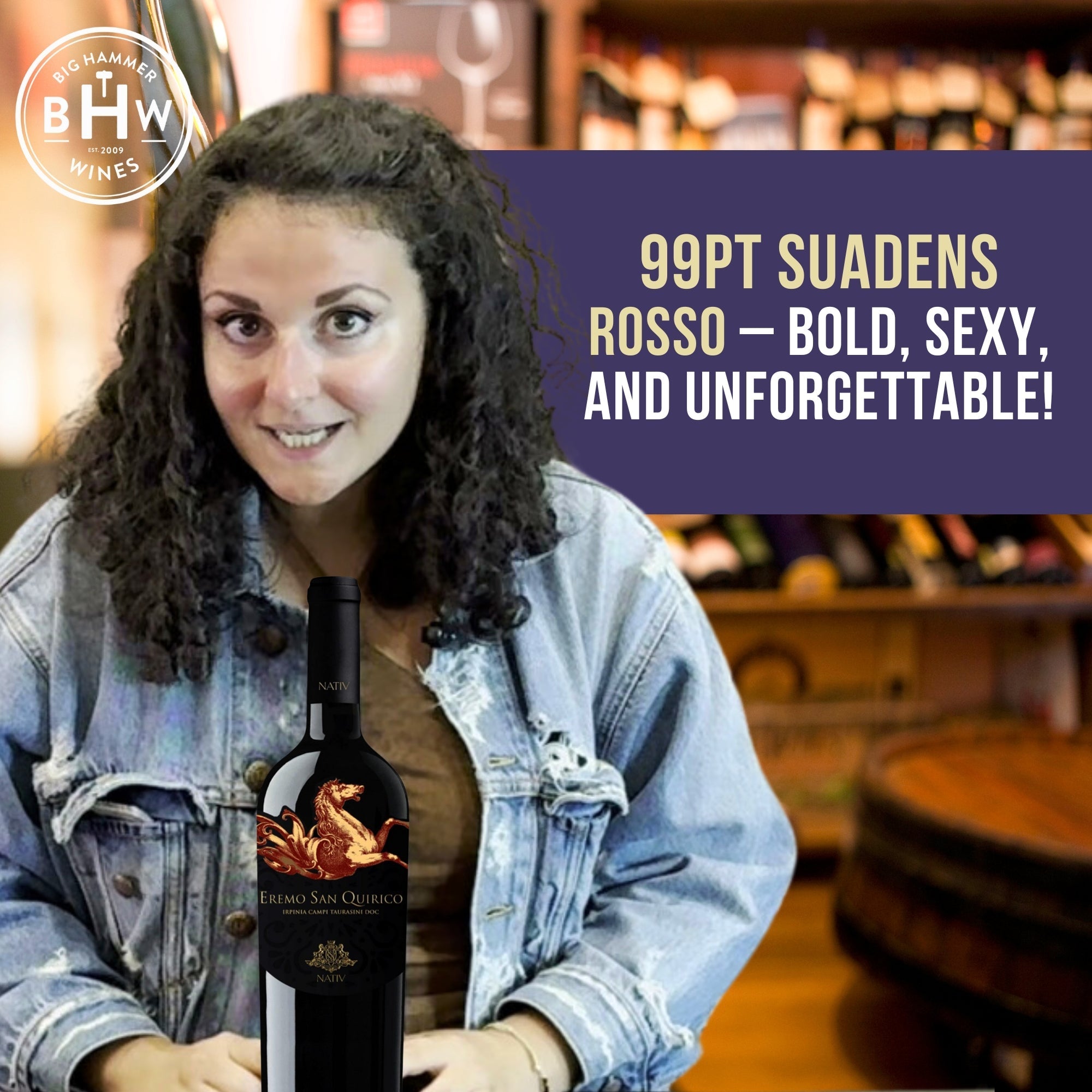
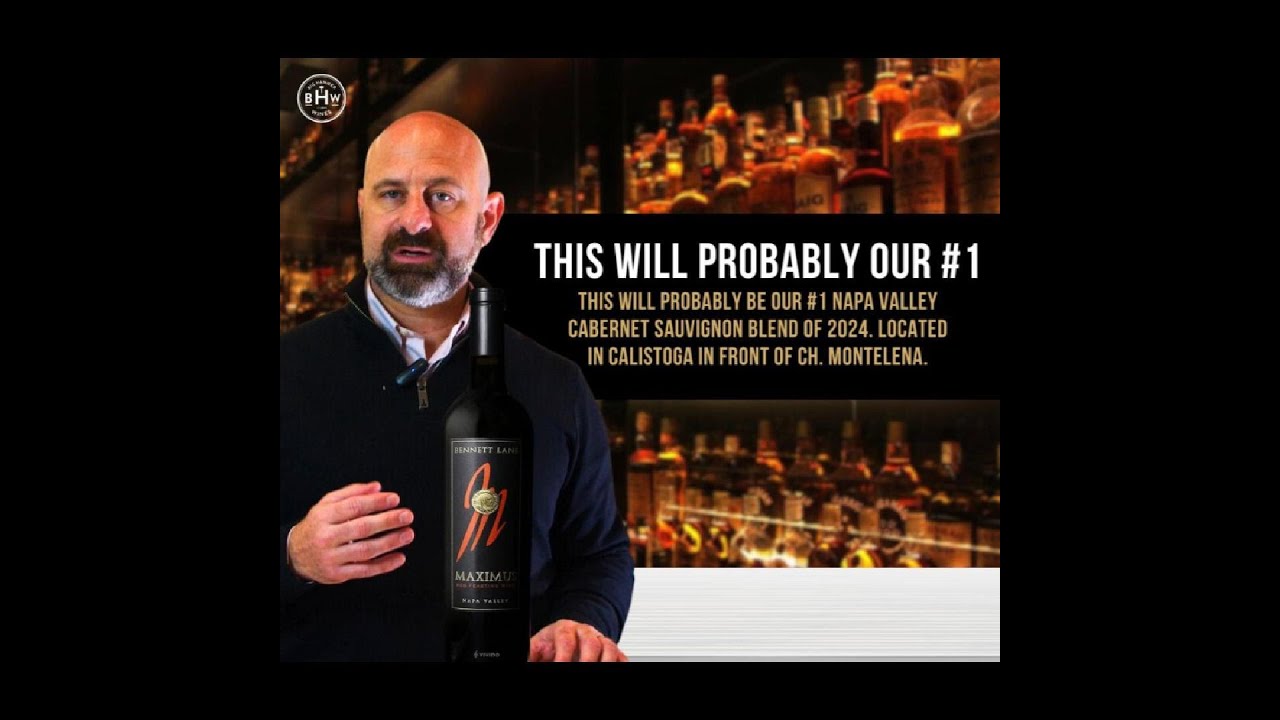
The proof is in the ratings. Most wines offered at BigHammerWines.com carry 90+ point scores from independent critics—impressive validation, especially for small wineries that don't have massive marketing budgets.
Stop Settling for "Forgettable" Wine
Mass market wines are engineered exactly like fast food. They're designed to be inoffensive, slightly sweet, and ultimately forgettable. There's no story, no history, no connection to place or people.
These wines aren't selling you tradition or craftsmanship. They're selling you a predictable, manufactured beverage that happens to contain alcohol.
You deserve better.
Frequently Asked Questions About Wine Labels and Quality
Q: Why aren't wine producers required to list ingredients like other food products?
A: Wine has historically been regulated differently than other foods, partly due to its classification as an alcoholic beverage and partly due to industry lobbying. While some countries require more transparency, U.S. regulations allow winemakers to use dozens of additives without disclosure.
Q: Are all grocery store wines low quality?
A: Not necessarily, but it's harder to find authentic, quality wines in typical supermarkets. The business model of large retailers favors consistent, mass-produced wines with higher profit margins. Some specialty stores and higher-end markets do carry quality options, but you need to know what to look for.
Q: What's wrong with wine additives if they're approved?
A: The additives themselves may be legally safe, but they represent a fundamental shift from traditional winemaking. They allow producers to mask flaws, create artificial consistency, and manufacture flavors rather than expressing what the grapes and terroir naturally provide. Many wine lovers prefer the authentic expression of place and vintage.
Q: How can I tell if a wine is "real" versus industrial?
A: Look for several indicators: smaller production wineries, family ownership, specific vineyard designations, vintage variation (if they make the same wine each year and it's always identical, that's a red flag), higher quality certifications, and recommendations from trusted sources who prioritize authentic winemaking.
Q: What does a 90+ rating really mean?
A: Wine ratings from reputable critics (like Wine Spectator, Wine Advocate, or Wine Enthusiast) use a 100-point scale. Scores of 90+ indicate "outstanding" quality—wines with excellent character, complexity, and aging potential. For small, independent wineries, achieving these scores without big marketing budgets is particularly meaningful.
Q: Is wine from small producers always expensive?
A: Not at all! When you buy directly or through specialized services that work directly with wineries, you often pay less than you would for lower-quality wine in stores. You're cutting out distributor markups, retail margins, and marketing costs that inflate prices without improving what's in the bottle.
Want to See the Full Story?
This post is based on our eye-opening video that dives deep into the wine industry's hidden practices. If you want to see the complete breakdown with visual examples and even more insider insights, watch the full video on our YouTube channel.
While you're there, make sure to:
- Subscribe for weekly wine education and tips
- Hit the notification bell so you never miss our latest wine discoveries
- Share this with a friend who's still buying wine blindly at the grocery store
We're building a community of wine lovers who deserve transparency and quality. Join us on YouTube and let's continue this conversation!
Your Next Step Toward Better Wine
Now that you understand what's really happening in the mass market wine industry, you have a choice to make.
You can continue buying blind, hoping that attractive label or shelf talker represents something genuine inside the bottle. Or you can seek out wines from sources you can trust—producers who care about quality, transparency, and authenticity.
The world of real wine is waiting for you. Whether you're a seasoned enthusiast or just beginning your wine journey, there's something extraordinary about drinking wine that tells a true story—one shaped by soil, sun, and human dedication rather than laboratory engineering.
Ready to discover what you've been missing? Explore the curated selection at BigHammerWines.com and taste the difference that authentic, family-crafted wine makes.
What's your experience with grocery store wine versus specialty selections? Have you discovered hidden gems, or been disappointed by mass-market bottles? Share your thoughts in the comments below—we'd love to hear your wine journey!
Cheers to drinking better, not just more.














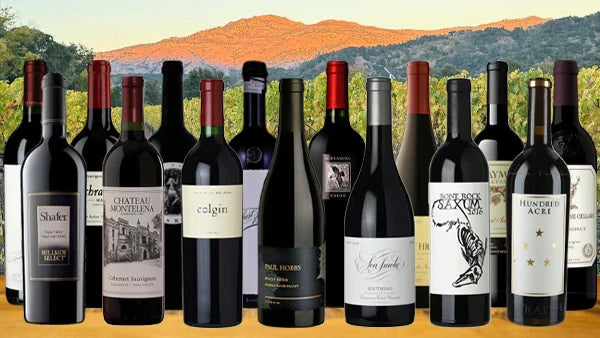
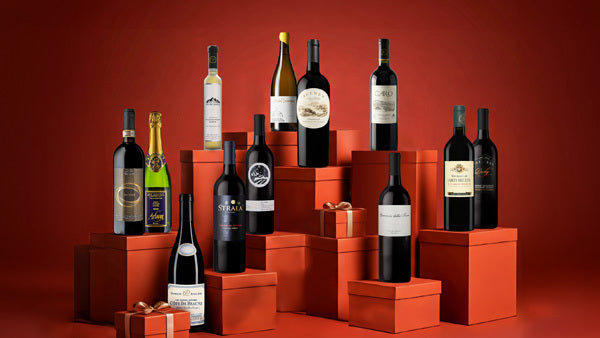







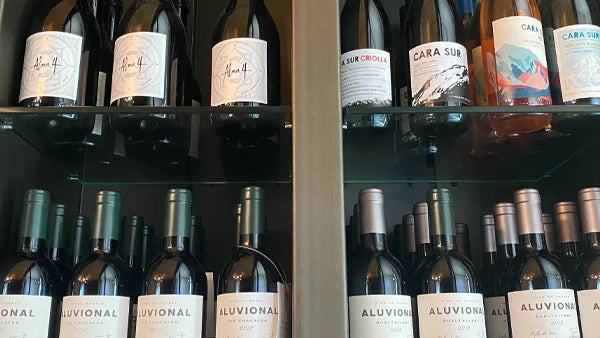

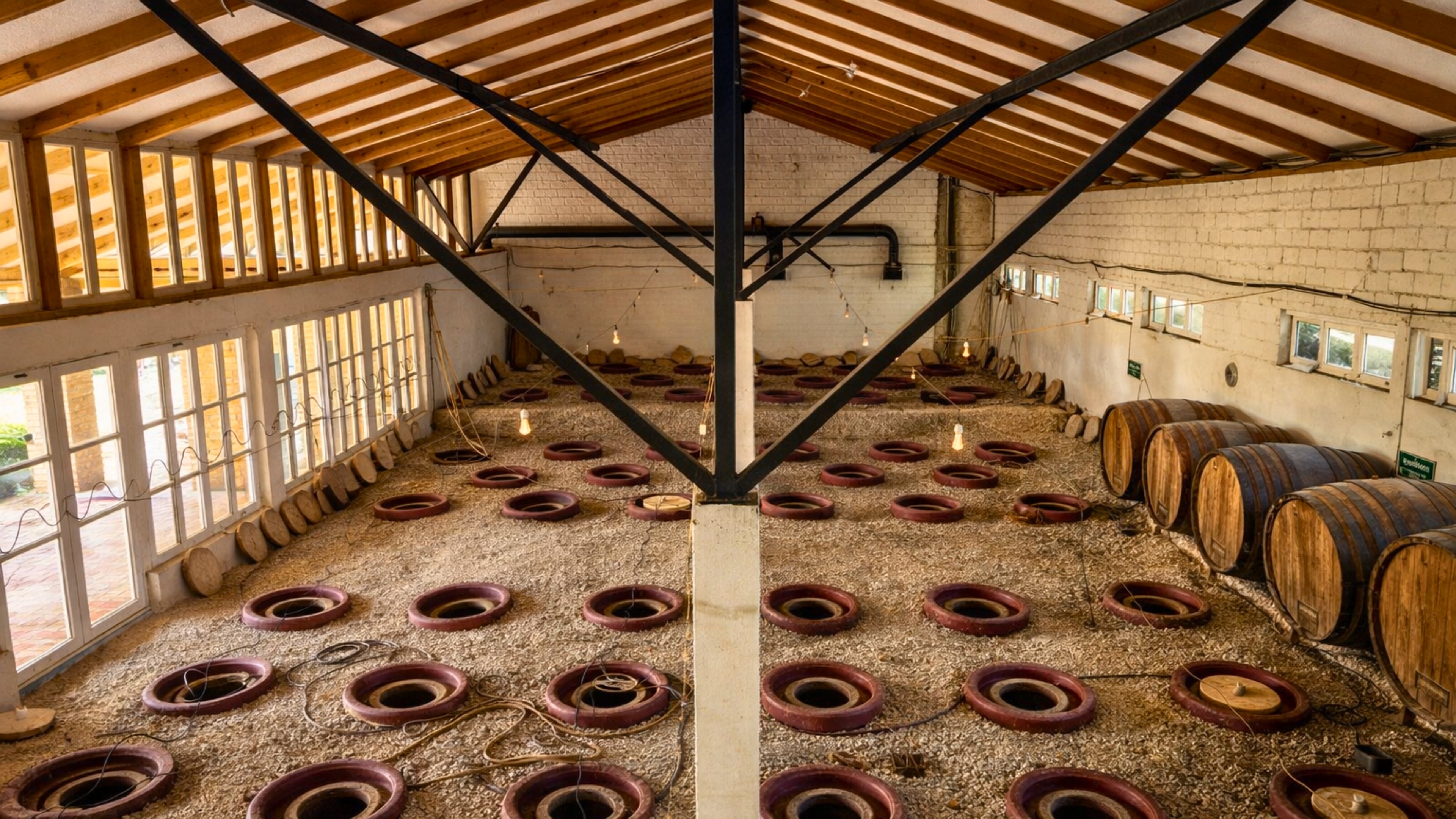
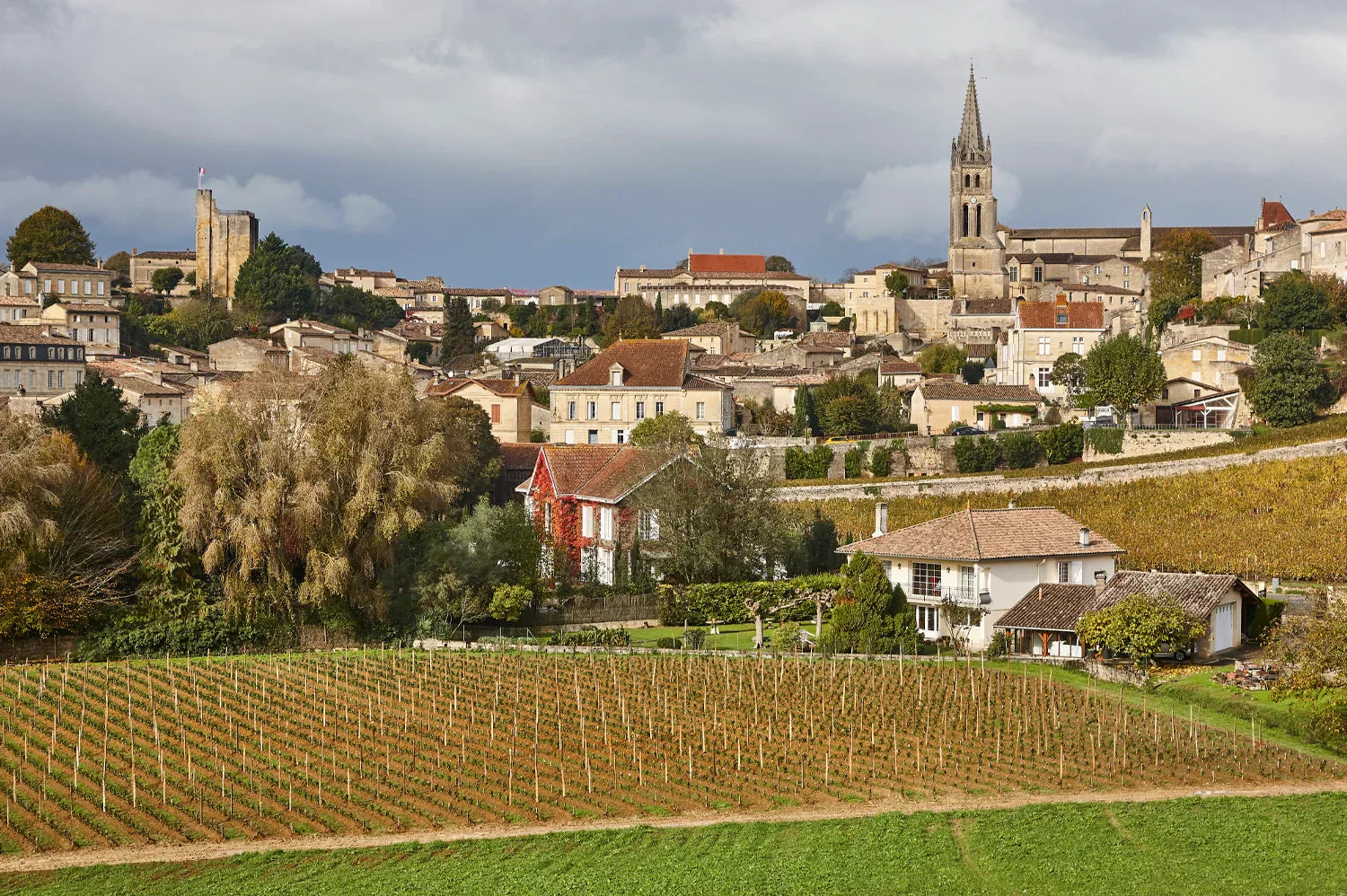
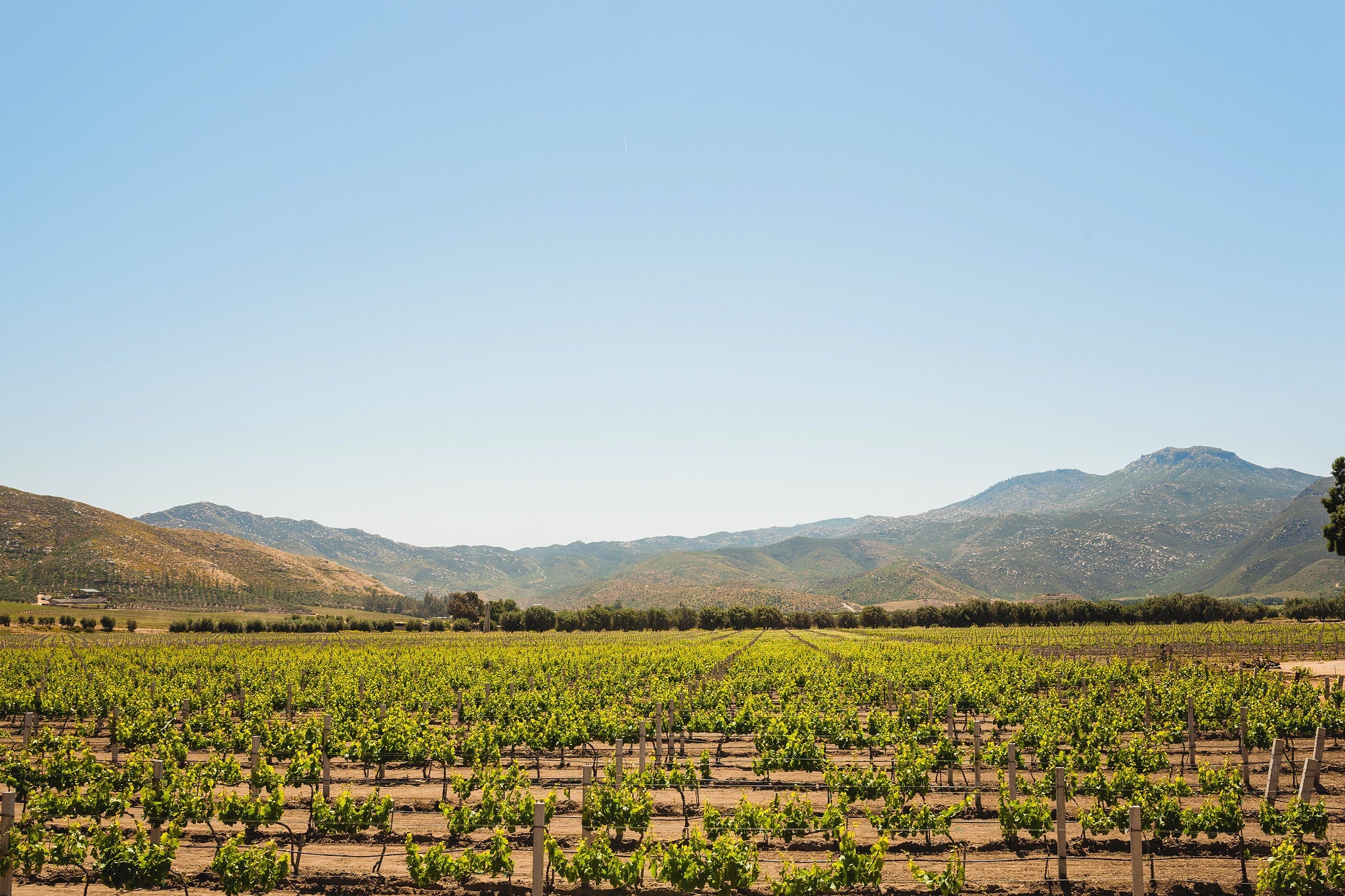



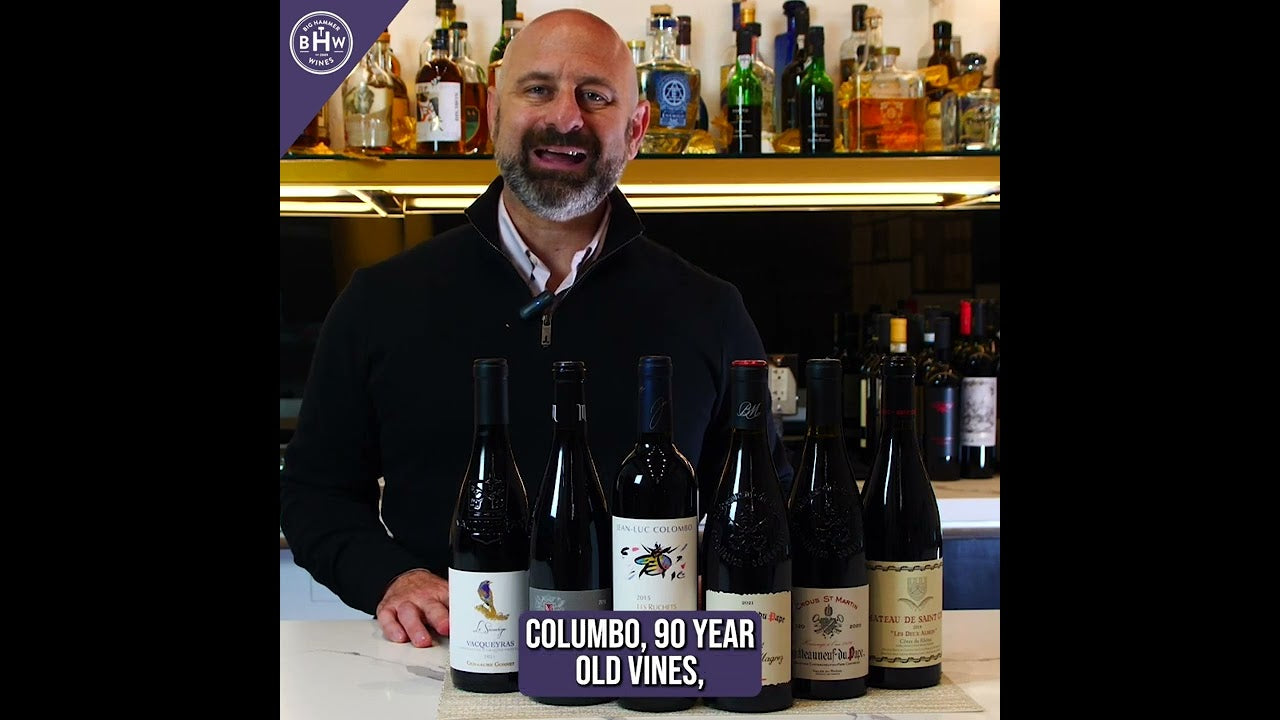
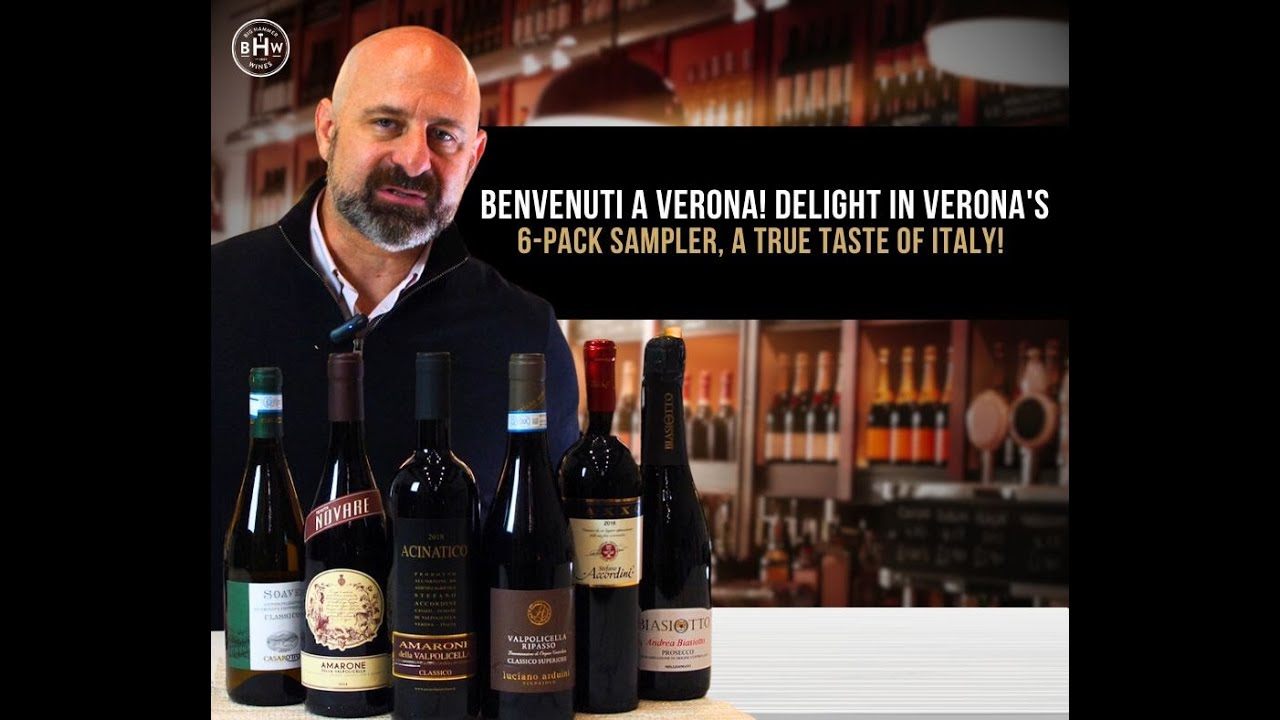
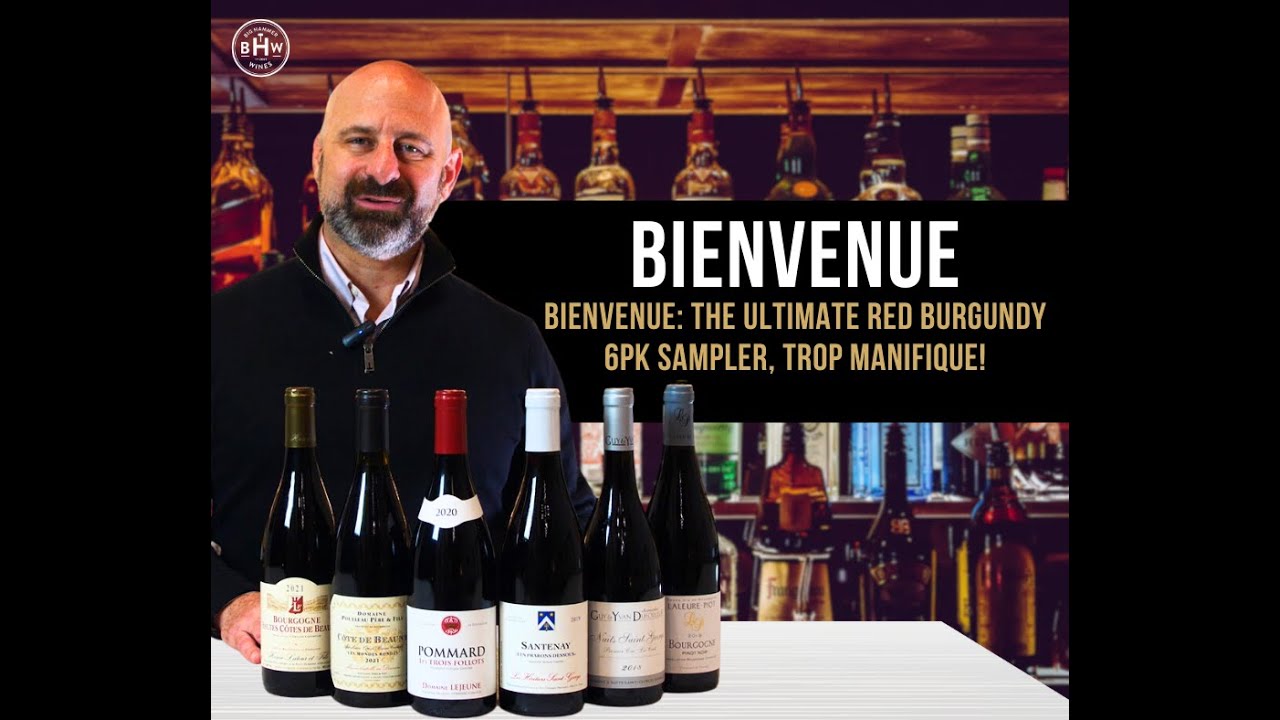
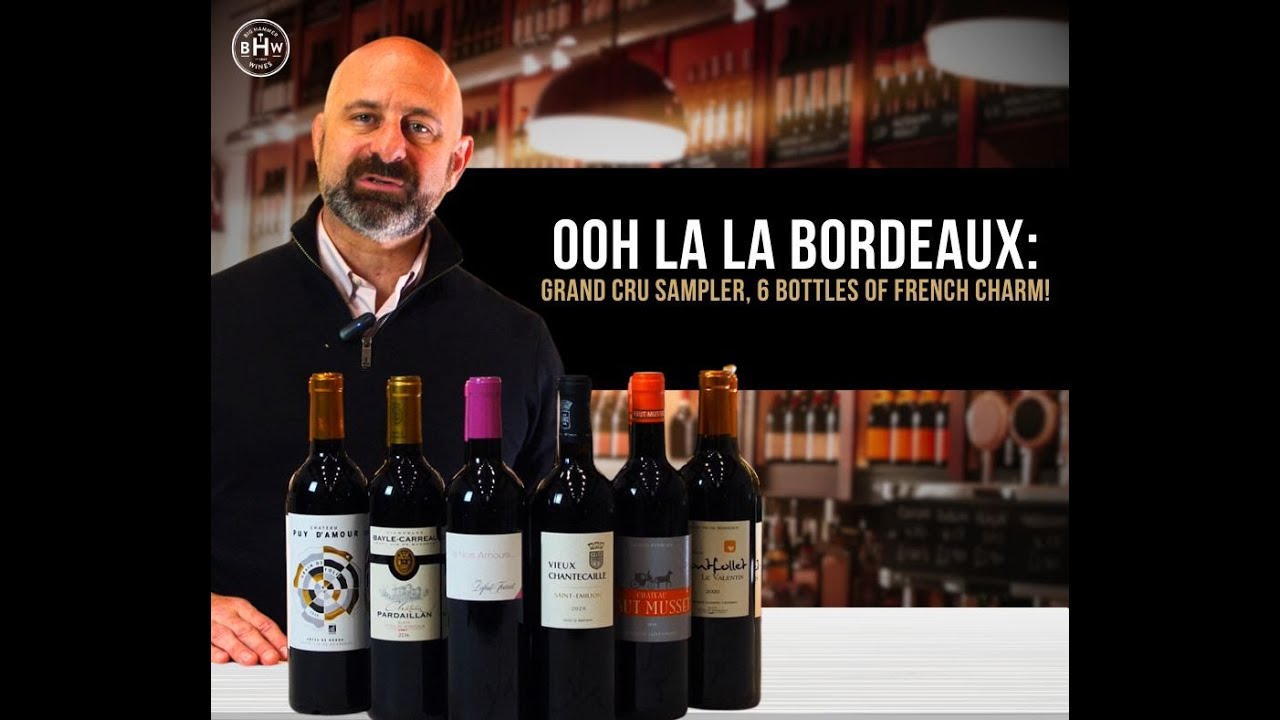
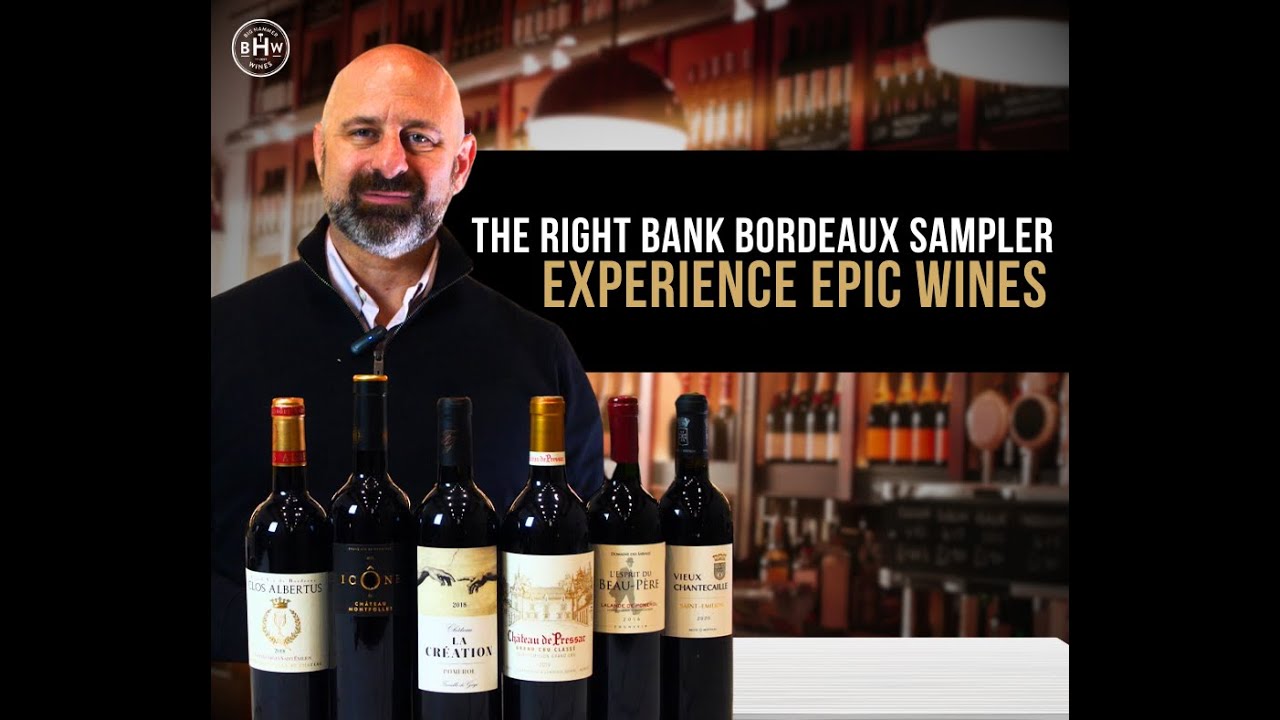
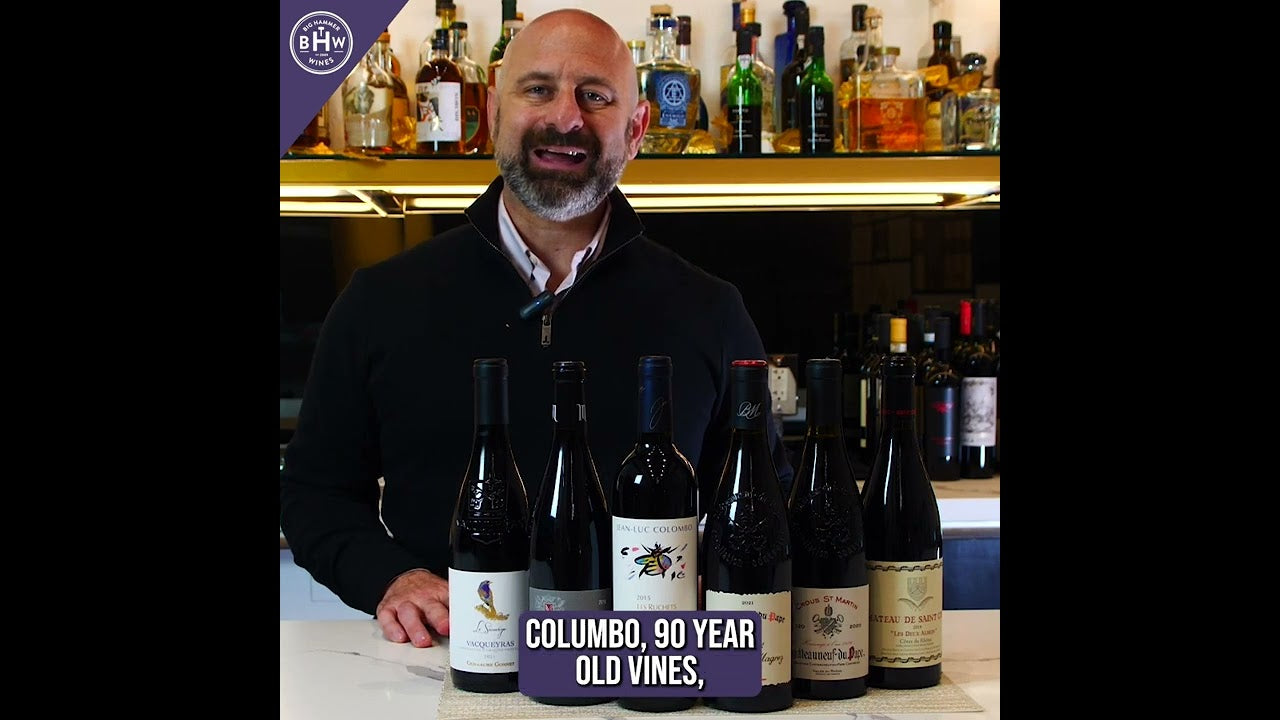
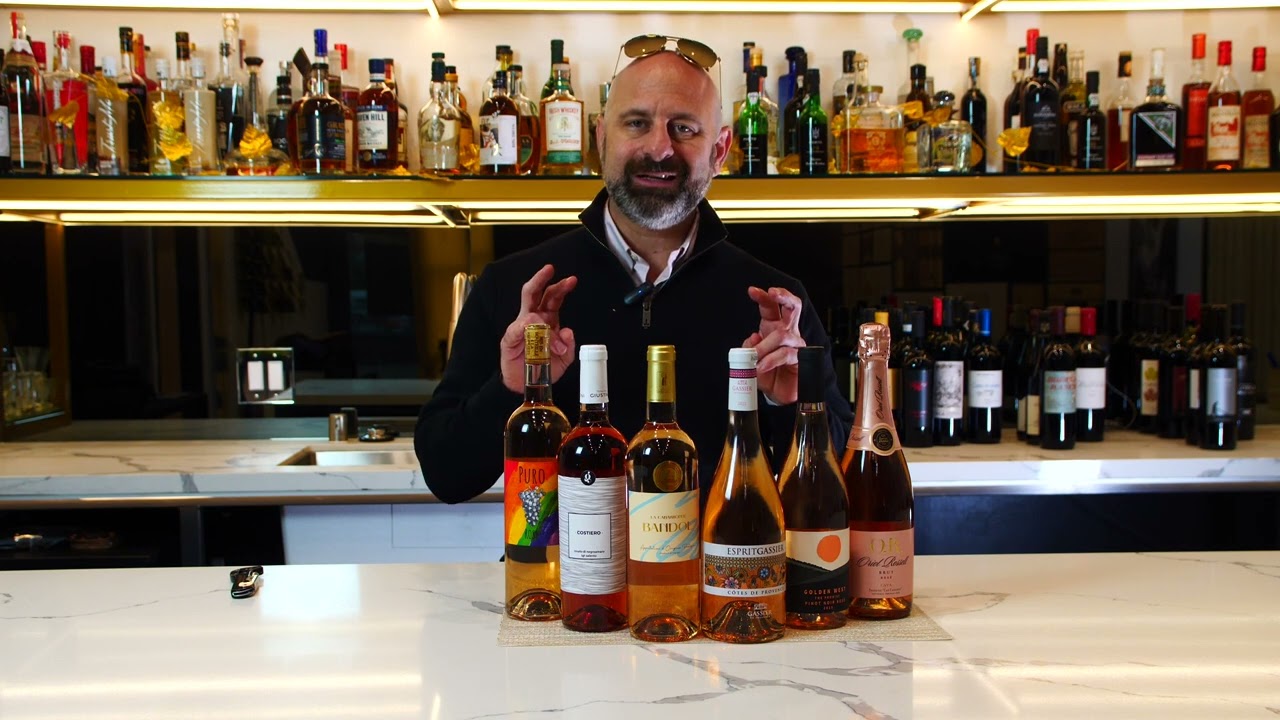
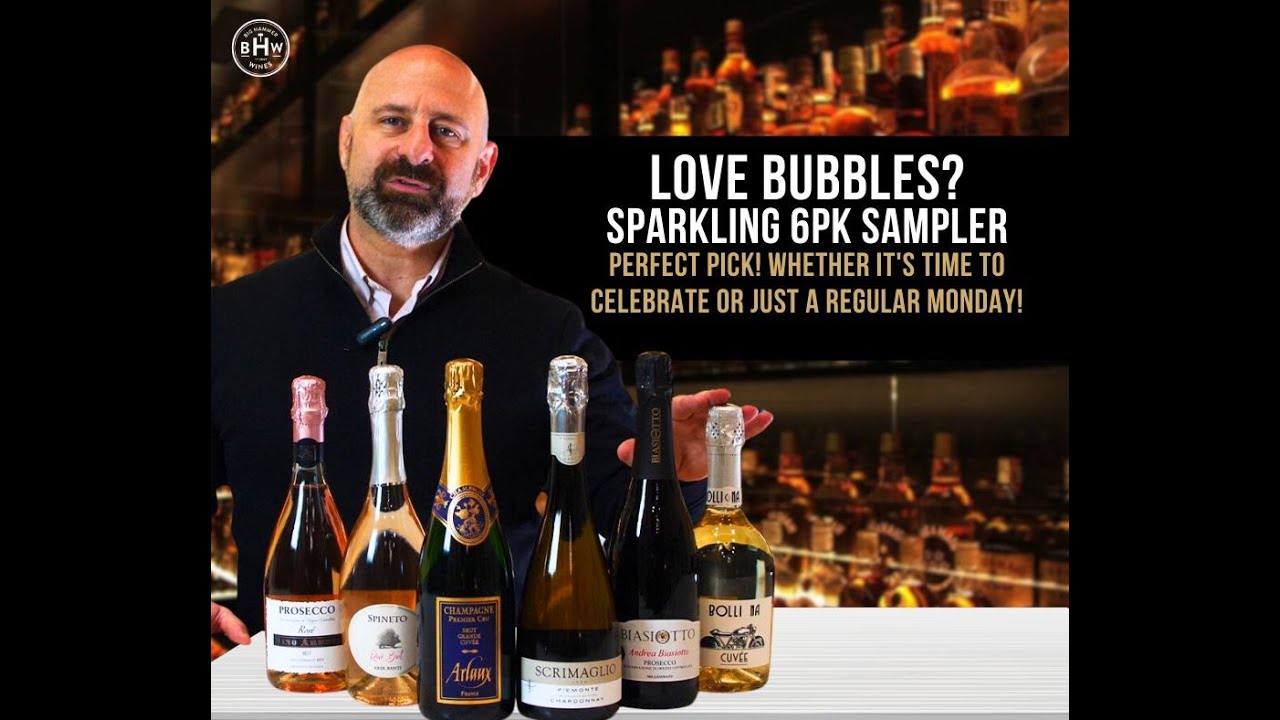
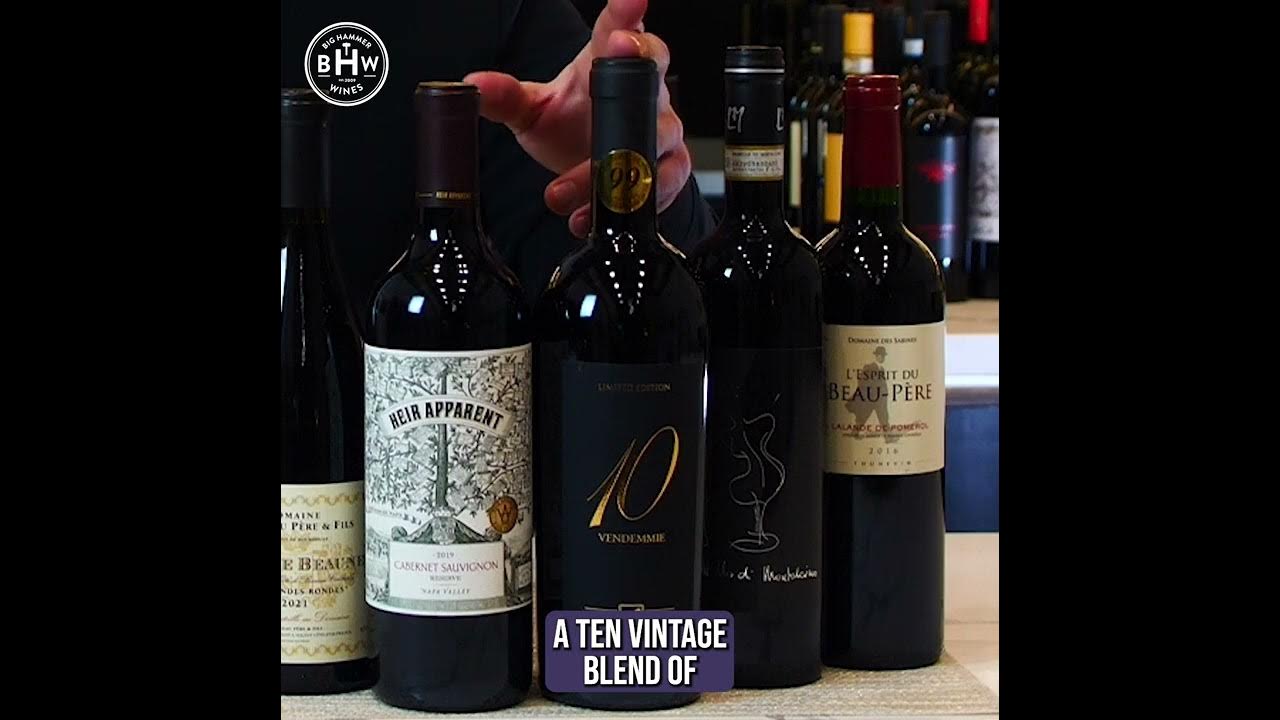
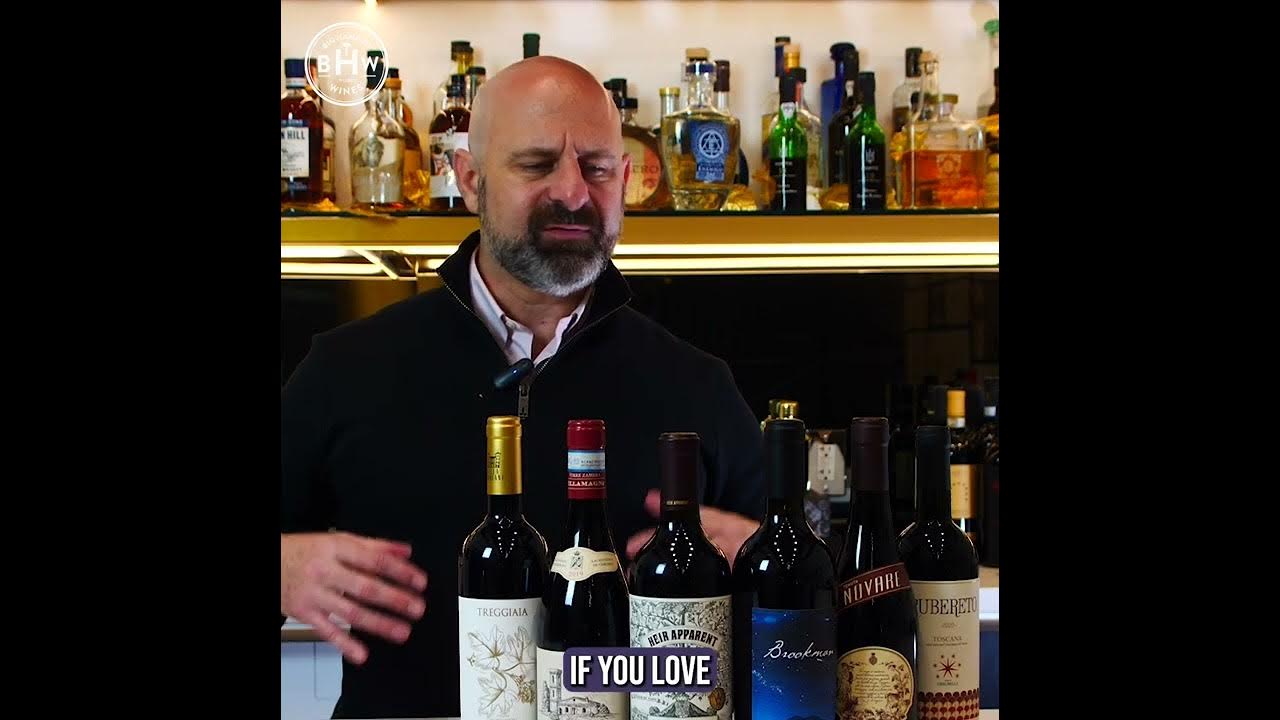
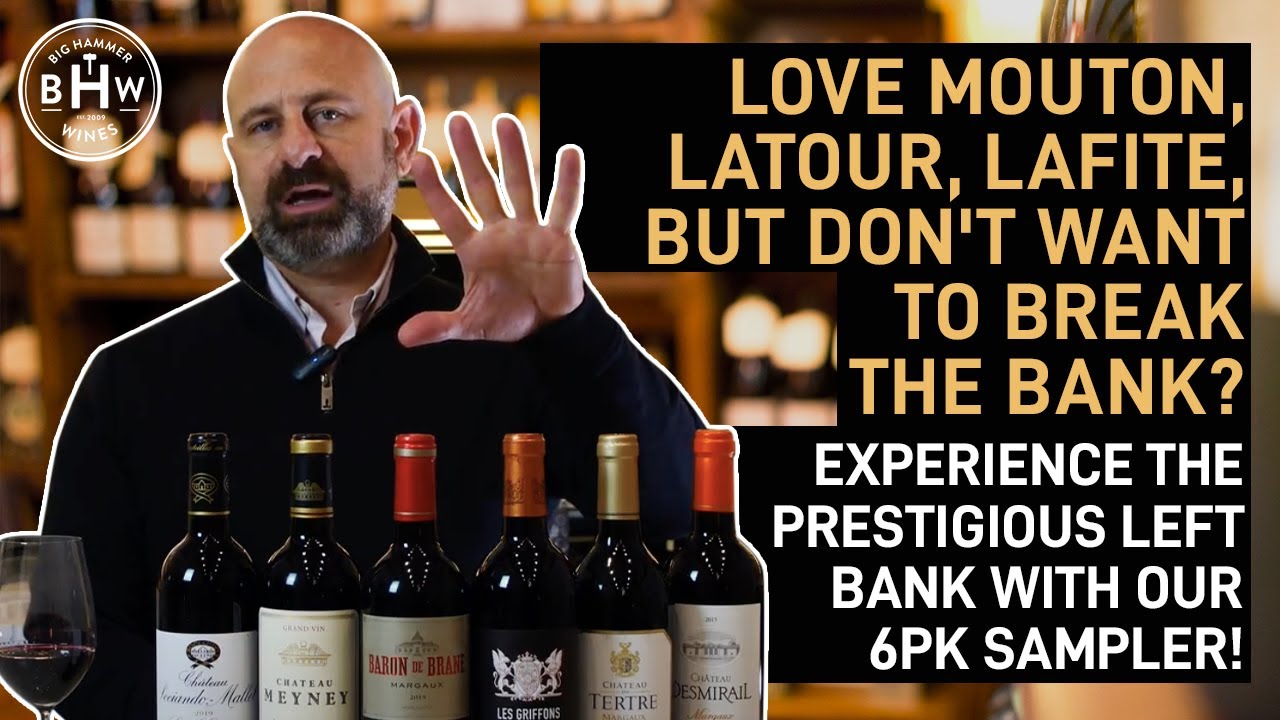
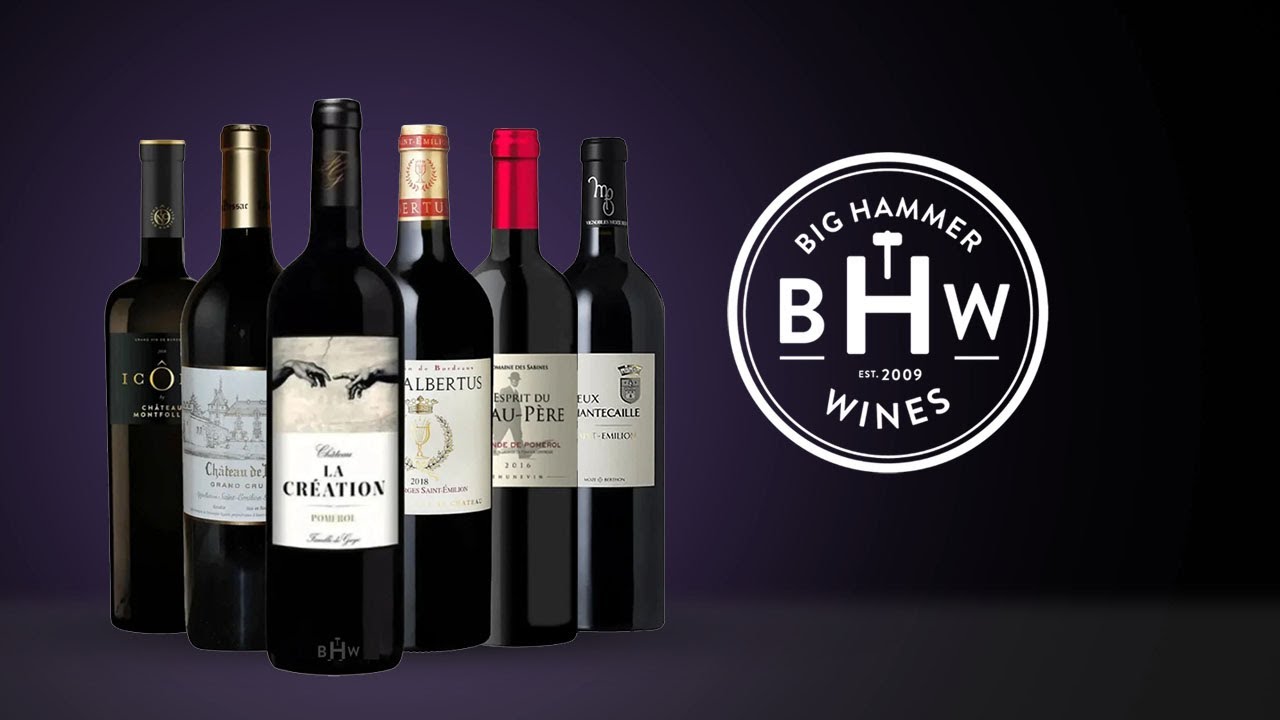

These wines are waiting for you – shop now!
SHOP COLLECTIONShare:
Sulfur in Wine: What You Need to Know
Comments Section