

Key Takeaways
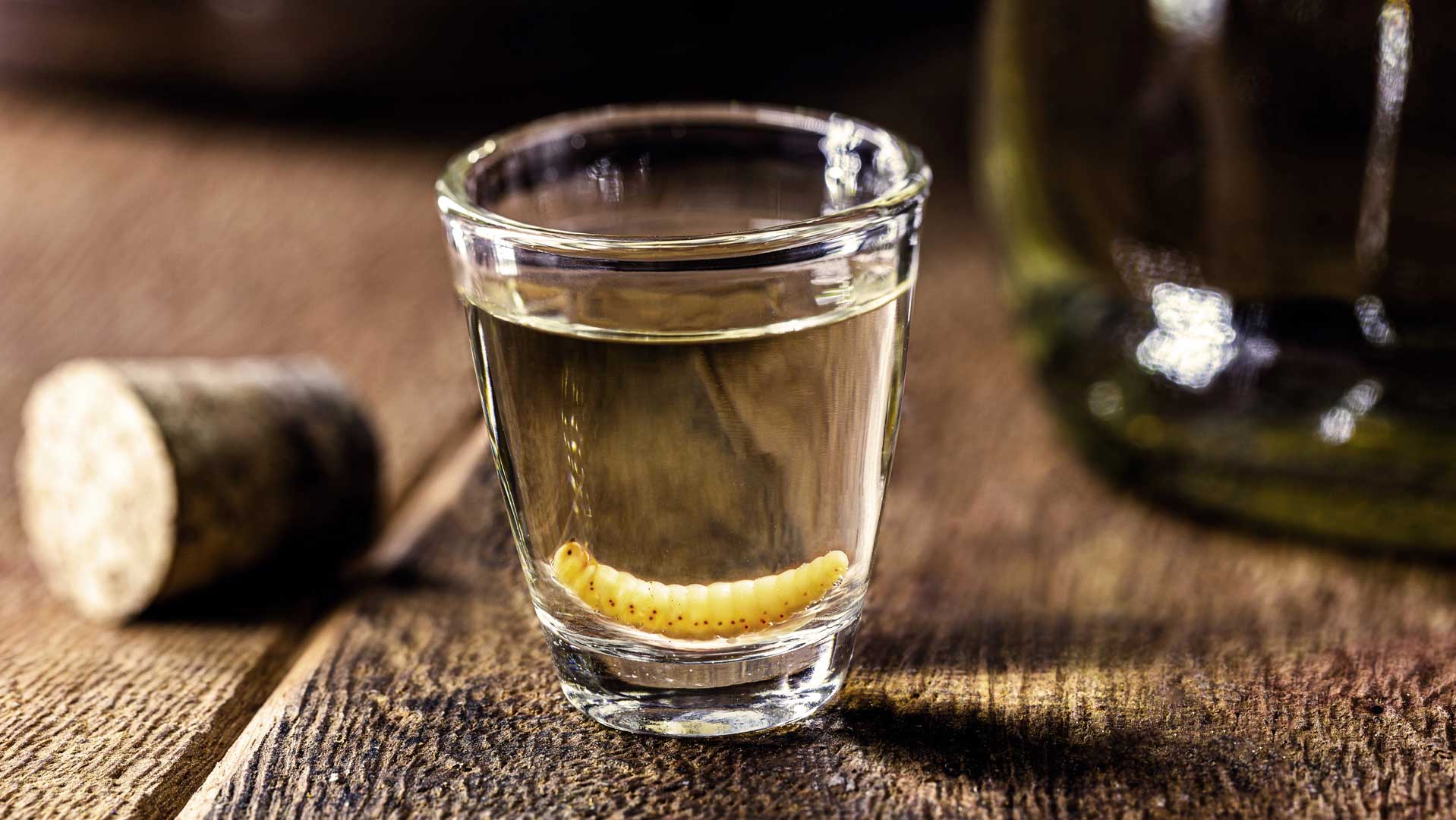
- The "worm" is technically the larva of a moth or weevil that lives inside the agave plant — it's called gusano de maguey.
- It appears in mezcal only, not in quality tequila. The idea that tequila contains a worm is a widely-held myth.
- The practice is largely a 20th-century marketing invention, not an ancient tradition — and it's centered in the municipality of Santiago Matatlán, Oaxaca.
- Finding a worm in a bottle is actually a signal the mezcal may be aimed at tourists, not connoisseurs. Quality artisan mezcal skips the worm entirely.
- The worm is edible — and in Oaxaca, gusanos are eaten in tacos, salted, and used as a condiment. It's a legitimate regional ingredient, just not a quality marker for spirits.
Tequila and Mezcal: Two Agave Spirits, One Big Misunderstanding

When we think of Mexico, one of the first things that comes to mind is “Tequila.” Yes, that delicious alcoholic drink that is commonly served with a slice of lemon and salt, and that the bravest ones can drink all at once.
Tequila is a complex and delicious spirit that dates back to the 16th century, from pre-Hispanic times, when agave was already of great importance in the culture. However, it was not until the Spanish colonization (who brought the distillation process with them) that this spirit was born.
If you’re a Tequila lover, then I’m sure you’re no stranger to Mezcal. According to one of the leading news sites in Mexico, El Universal, “Any distillate derived from an agave plant is a mezcal, only mezcal that is made with 51% or more of blue agave can be called tequila.”
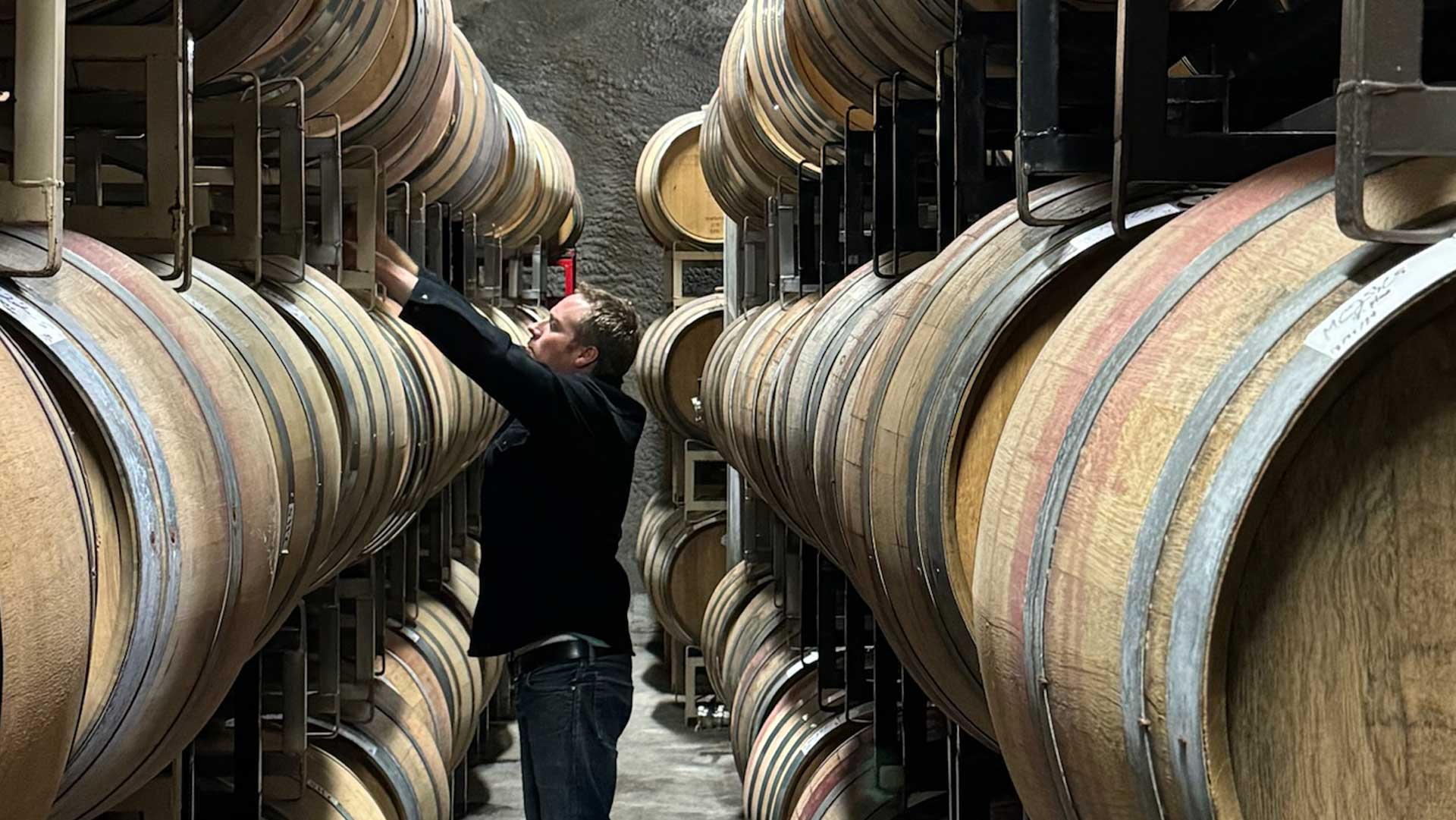
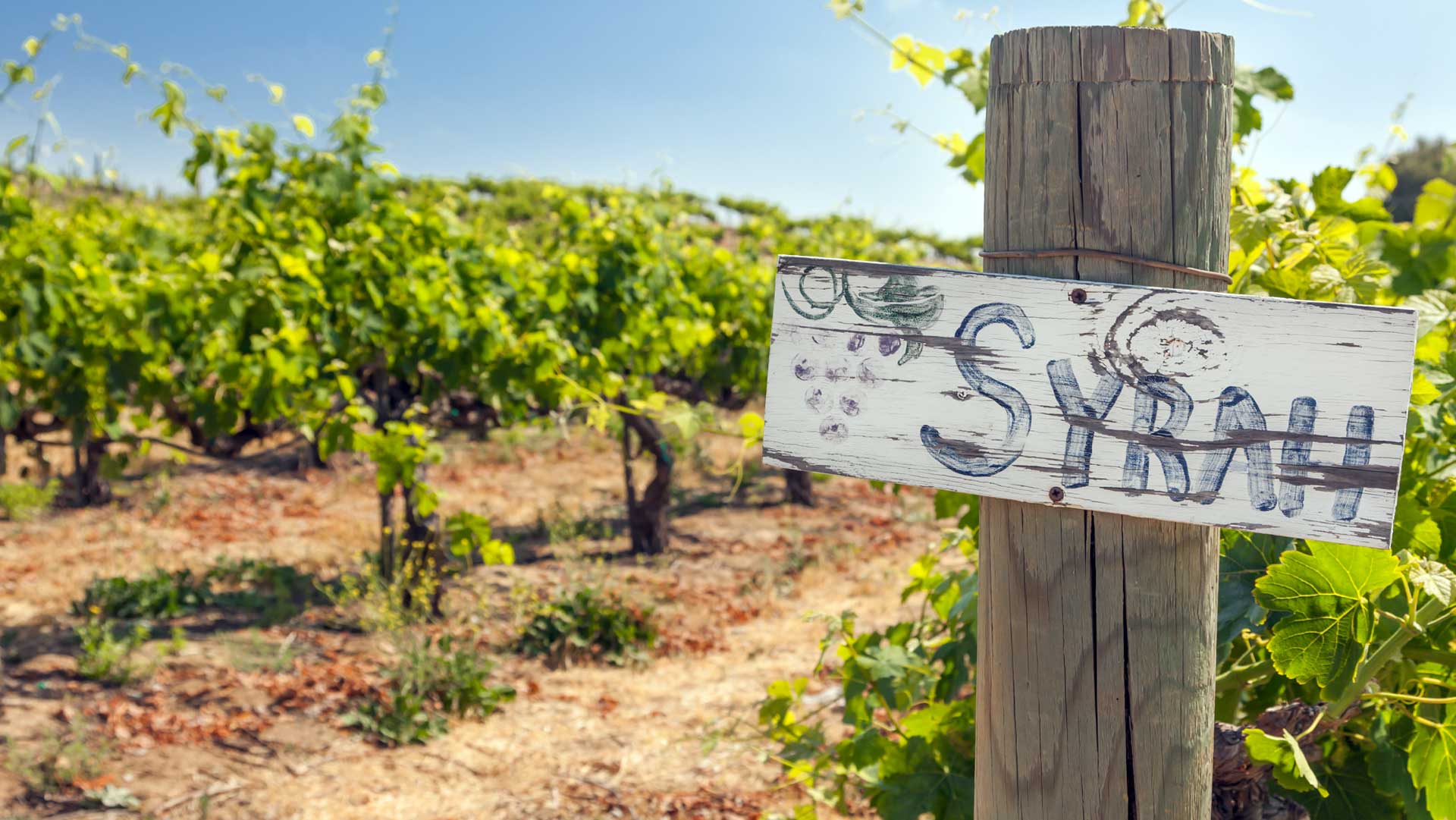
Mezcal can be produced from 50+ agave varieties — most commonly espadín, but also rarities like tobalá, tepeztate, or arroqueño. Many producers in Oaxaca roast agave in earthen pits, creating the signature smokiness that tequila production doesn’t replicate.
So when someone asks about the worm: it lives in mezcal’s world, not tequila’s.
Although both spirits come from fermented and distilled agave, tequila uses only blue agave (agave tequilana weber), while mezcal uses multiple varieties. The agave, the cooking method, and the fermentation vessels make mezcal noticeably different in aroma, flavor, and character.
The Powerful Marketing Behind Them
Tequila is undoubtedly one of the most emblematic drinks that Mexico has ever created. This alcoholic drink is at its peak, with some major artists like George Clooney, Kendall Jenner, Adam Levine, and Dwayne “The Rock” Johnson profiting from it.
Tequila’s marketing centers around Mexican heritage, tradition, and premium storytelling — and it works. According to Brand Finance, Don Julio increased its brand value by 77% in a single year by reconnecting its identity with Mexican roots.
Mezcal, meanwhile, has existed far longer but exploded more recently thanks to its handcrafted, artisanal narrative. One strategy — deliberate or not — that helped mezcal stand out was the now-famous worm.
Wait, What… A Little Worm in my Drink?
 Yes, my friend, you read that right! Many Tequila drinkers believe that a worm is added to this drink, however, this goes back to Mezcal's myths and legends.
Firstly, that “little worm” is called “Gusano de Maguey” (Maguey worm), and it grows in the roots of the Maguey or Agave. This worm is a typical insect from Oaxaca, the motherland of Mezcal.
During the rainy season, they gnaw on the stems and the leaves. Fun fact: In Mexico, they like to cook these little worms and eat them in a taco with guacamole (and it’s delicious!)
Where Did the Worm Tradition Actually Come From?
The origin of this tradition remains uncertain. There are plenty of myths about how it began, but some people believe that it started when Mezcal distillers found a way to test if the drink was suitable for human consumption. They would drop the worm into the bottle, and if it's still wriggling when it hits the bottom, then the product is safe to drink. Others believe that a worm in their bottle causes the drink to have "magical and aphrodisiac properties," and a few think it was added to provide a unique and distinct flavor to the beverage.
As worms found their way into batches of Mezcal, Mezcal’s marketing trick was born: To deliberately include a worm in the bottles and spread an intriguing myth about why it was added. Today, we can all agree that this marketing strategy surely paid off. It gives Mezcal a distinct character and also helps distinguish it from Tequila.
Just as a note, don’t expect to find the little worm in all Mezcal bottles. This practice is mostly centered in the municipality of Santiago Matatlán, in Oaxaca.
In essence, all Tequila variants are Mezcals, but not every Mezcal is a Tequila. You can begin drinking Mezcal and Tequila cocktails with confidence as you explore the variety of flavors that come with these spirits.
Does the Worm Change the Taste?
This is the question everyone actually wants answered. Short answer: not in any meaningful way. The worm is preserved in the high-alcohol mezcal (typically 40–55% ABV), which prevents any significant flavor migration over time.
Some producers add the worm right before bottling, others let it steep. Either way, independent tastings haven't identified a reliable flavor difference attributable to the worm.
What the worm does signal, ironically, is something about the producer's priorities — it's almost exclusively a move aimed at novelty buyers, souvenir seekers, or entry-level consumers. Which brings us to the practical question:
How to Spot a Quality Mezcal (Worm or No Worm)
Use This Quick Checklist
- Agave variety named on the label (espadín, tobalá, cuishe, etc.)
- Village or municipality of origin listed
- Named maestro mezcalero (master producer)
- CRM certification (Consejo Regulador del Mezcal) with a NOM number
- Denomination of Origin: "Mezcal," "Artesanal," or "Ancestral" designation
- No worm in the bottle (seriously — this is a reliable quality heuristic)

Mezcal's Three Production Tiers (And Why It Matters)
Mexico officially recognizes three production categories for mezcal, each with increasing levels of traditional craft:
Mezcal: Industrially produced; autoclave cooking permitted; lowest craft level.
Artesanal: Earthen pits or above-ground ovens; stone milling; wooden or clay fermentation vessels; copper pot or clay pot stills. This is the sweet spot for most quality buyers.
Ancestral: The most traditional method. Clay pot distillation only; pre-Hispanic techniques; small-batch. These are the rarefied, complex bottles that serious collectors seek.
Mini-Glossary
- Agave tequilana Weber: The blue agave species exclusively used to produce tequila. Also called 'azul.'
- Espadín: The most widely grown agave variety for mezcal production; accounts for ~80% of mezcal. Reliable, accessible flavor.
- Gusano de maguey: The 'maguey worm' — larva of Hypopta agavis or Aegiale hesperiaris. Found in agave fields; added to certain mezcal bottles as a novelty.
- Maestro mezcalero: The master distiller who oversees mezcal production. A named maestro on the label is a quality signal.
- Oaxaca: Southern Mexican state producing approximately 85% of all mezcal. Home of Santiago Matatlán — the 'World Capital of Mezcal.'
- Piña: The heart of the agave plant, harvested at maturity (8–30 years depending on variety) and cooked before fermentation.
- CRM (Consejo Regulador del Mezcal): The regulatory council that certifies mezcal production. Look for their NOM number on the label.
- Denomination of Origin: Mexico's legal designation protecting mezcal's regional identity, similar to Champagne's AOC in France.
- Ancestral mezcal: The highest-craft production tier; uses clay pot distillation and fully pre-industrial methods.
Frequently Asked Questions
1. Is there actually a worm in tequila?
No. This is one of the most widespread myths about Mexican spirits. The worm appears in select mezcal bottles only — primarily novelty or tourist-market brands. No quality tequila producer adds a worm. The confusion likely spread because many consumers don't know that tequila is a subset of mezcal.
2. Can you eat the worm in mezcal?
Yes, and in Oaxaca, the gusano de maguey is genuinely eaten — it's not just a novelty. They're roasted with chili and salt (sal de gusano), used as a taco filling, or eaten alongside mezcal as an accompaniment. The worm in a bottle is preserved in alcohol and safe to consume, though the texture after months or years of steeping is what you'd expect.
3. Why does the worm appear in mezcal but not tequila?
Tequila's strict denomination rules and industrial-scale marketing have nothing to gain from a worm. Mezcal's story, particularly in its early mass-market phase, leaned into mystique and intrigue. The worm became part of that brand identity for certain producers, primarily in Oaxaca's Santiago Matatlán region.
4. Does the worm make mezcal stronger or more potent?
No. This is another myth. Mezcal ABV ranges from about 35–55% depending on the producer and style, regardless of whether a worm is present. The worm doesn't boost or change alcohol content.
5. What does quality mezcal actually taste like?
Quality artisan mezcal is smoky, earthy, and complex, with layers of tropical fruit, dried herbs, and sometimes a mineral quality from the high-altitude terroir. It should be sipped slowly, not slammed in a shot. Temperature makes a difference — many connoisseurs enjoy it slightly below room temperature in a clay copita (small traditional cup).
6. Is mezcal always smoky?
Not necessarily. The smokiness comes from earthen-pit roasting of the agave piña. Some producers use above-ground ovens or steam, which produces a less smoky, fruitier profile. Additionally, agave variety plays a huge role — tobalá, for example, tends toward floral and fruity notes rather than the bold smoke of espadín.
7. What's the best way to drink mezcal?
Neat, at room temperature or slightly cool, in a clay copita or small wide-mouthed glass. A slice of orange on the side is traditional in some regions. You'll lose complexity in a tall cocktail glass — save the fancy mixing for the tourist-tier bottles.
8. How is mezcal different from tequila in production?
The key difference is agave variety (tequila uses only blue agave; mezcal uses 50+ varieties) and cooking method (tequila uses steam ovens or autoclaves; many mezcal producers use underground earthen pits, which create the characteristic smokiness). Fermentation vessels also differ — mezcal often uses wood, stone, or clay.
9. Is mezcal always from Oaxaca?
No, though Oaxaca produces roughly 85% of all mezcal. The Denomination of Origin covers nine Mexican states: Oaxaca, Durango, Guerrero, Michoacán, Puebla, San Luis Potosí, Tamaulipas, Zacatecas, and Guanajuato. Each region brings different agave varieties and production traditions.
10. What is sal de gusano?
Sal de gusano is a traditional Oaxacan condiment made from ground dried gusano larvae mixed with salt and chili. It's served alongside mezcal — you dip an orange slice in it, then sip. It's delicious and a genuine piece of regional culinary culture, entirely separate from the bottled worm gimmick.
11. Should I avoid mezcal with a worm in it?
It's not that you should avoid it — it's just not a quality marker. If you're given a bottle with a worm as a gift or encounter one at a bar, enjoy it for what it is: a conversation piece. But if you're shopping for mezcal to explore the category seriously, use the quality checklist above and look for named agave varieties, a specific village of origin, and a maestro mezcalero on the label.
12. Is tequila made from cactus?
No — this is a very common misconception. Both tequila and mezcal are made from agave, which is a succulent plant, not a cactus. Agave is botanically closer to asparagus than to any cactus. It takes 8–12 years for a blue agave to mature enough for tequila production.
Explore More
If this kind of deep-dive into the culture and craft behind the glass interests you, the Vine Blog has more in the same spirit:
Browse Mexican Wines at Big Hammer Wines — including selections from Baja California, Mexico's emerging fine wine region.
Explore Adventures in Wine: Baja California Travel Guide — for the wine-curious traveler heading south of the border.


































Share:
Wine Market Trends: There’s Never Been a Better Time to Be a Wine Lover
Wine, GLP-1s, and the J-Curve: What the Science Actually Says
Comments Section