

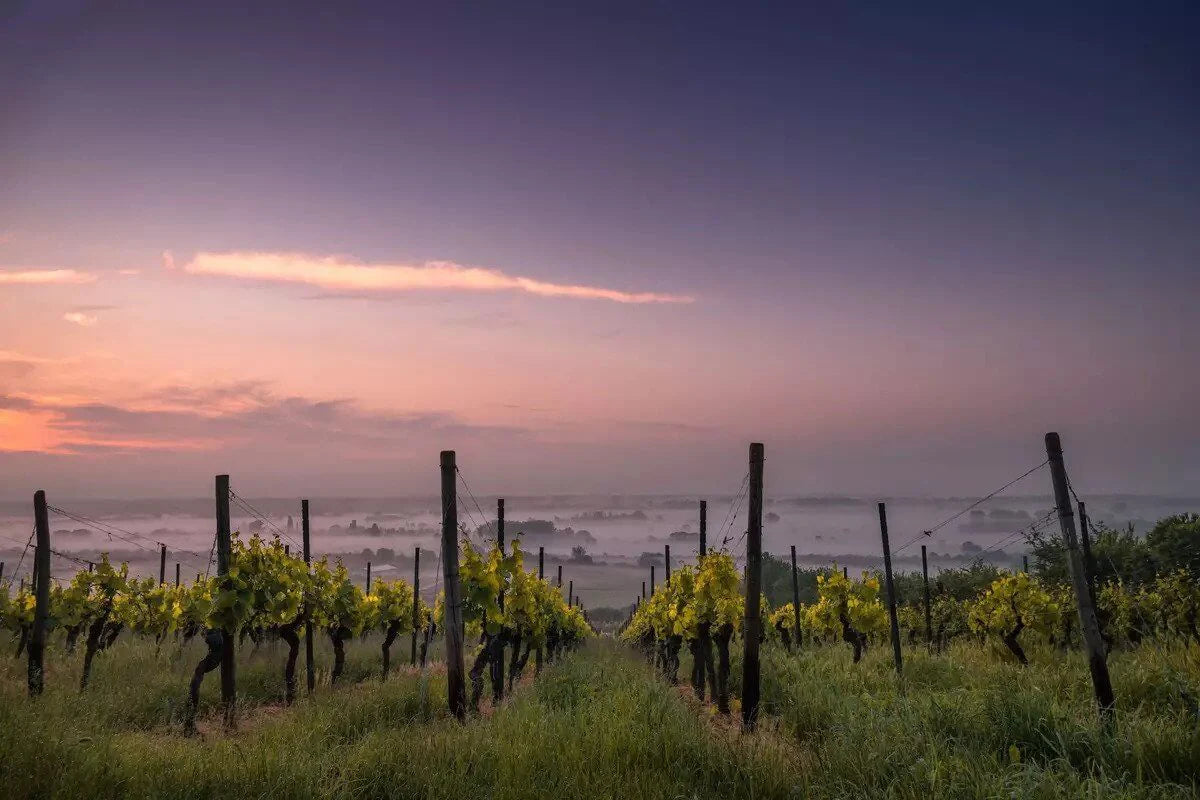

What is this cocktail?
This is a spirit-forward equal-parts cocktail: ¾ oz each of añejo tequila, Pio Cesare Vermouth, and Averna Amaro, plus one dash of Angostura bitters. Stir, strain into a chilled coupe, and express a lemon twist. The result is structured like a Manhattan, aromatic like a Boulevardier, and grounded with Italian bittersweet depth — balanced without being sweet, heavy, or hot.
Key Takeaways
- Equal parts (¾ oz each) of añejo tequila, vermouth, and Averna Amaro create structural balance without a dominant spirit.
- Pio Cesare Vermouth adds the wine-based acidity and herbal lift that keeps the drink from going flat.
- Averna contributes dark bittersweet depth — orange peel, cola spice, caramel — similar to what a great Italian red does for a meal.
- A lemon twist is non-negotiable: the expressed citrus oil cuts richness and keeps the cocktail alive.
- The bourbon variation (swap añejo for oaky bourbon) produces a richer, more contemplative version — both are worth knowing.
A Drink That Just Clicks

Every now and then, you stumble into something that just works.
Balanced. Sophisticated. Slightly dangerous.
I've tasted thousands of wines and more cocktails than I care to admit. But this one has quietly become my personal favorite — structured like a Manhattan, with the depth of a Boulevardier and just enough Italian soul to make it impossible to ignore.
It started, as most good things do, with curiosity: what happens when you give aged tequila the same respect you'd give a great Bordeaux? What happens when you treat vermouth not as a modifier but as a co-equal partner?
This is the answer.
The Recipe
Ingredients (equal parts)
- ¾ oz Añejo Tequila
- ¾ oz Pio Cesare Vermouth
- ¾ oz Averna Amaro
- 1 dash Angostura Bitters
Method
- Combine all ingredients in a mixing glass with ice.
- Stir for 30–60 seconds until well-chilled and properly diluted.
- Strain into a chilled coupe or Nick & Nora glass.
- Express a lemon twist around the rim. Discard the twist
That's it. Equal parts. Elegant simplicity.
Why It Works: The Architecture

This isn't random. It's architectural. Every element has a job, and none oversteps.
We spend a lot of time at Big Hammer Wines talking about balance — acidity, tannin, fruit, structure. Great cocktails operate under the same principles. This one just happens to get it exactly right.
Which Version Should You Make? A Decision Framework
Not sure which spirit to reach for? Walk through this:

If you're undecided: make the tequila version first. It's the more distinctive experience.
The Bourbon Variation
Swap the añejo for a high-quality, slightly oaky bourbon and the drink shifts entirely.
It becomes rounder. Richer. A little more velvet-smoking-jacket-by-the-fire.
If the tequila version is tailored and precise, the bourbon version is plush and contemplative. Both are worth keeping in your repertoire.
What About Gin?
Not fully tested yet. But the right gin — ideally something softer or barrel-aged — could be a compelling variation. A botanical-forward gin risks clashing with Averna's darker, cola-and-orange profile. Choose wisely, and stay tuned.
When to Serve This
This is not a poolside cocktail. This is:
- Late dinner with friends who appreciate flavor
- Jazz playing softly in the background
- A serious conversation about life, business, or travel
- A quiet night when you want something thoughtful in your glass
It's contemplative without being heavy. Complex without being fussy. It belongs in the same category as the wines we carry at Big Hammer — things built with intention, not formula.
Mini Glossary
Añejo Tequila
Tequila aged a minimum of one year in oak barrels. Develops vanilla, caramel, and dried fruit characteristics that make it cocktail-friendly without losing agave identity.
Amaro
Italian for 'bitter.' A category of herbal, bittersweet liqueurs traditionally consumed as digestifs. Averna is one of the most widely enjoyed.
Vermouth
A fortified, aromatized wine used as a cocktail modifier. Quality varies enormously — Pio Cesare's version brings genuine wine-driven acidity and herbal lift.
Boulevardier
A classic equal-parts cocktail of whiskey, sweet vermouth, and Campari. This recipe is a spiritual successor — tequila-based with Averna in place of Campari.
Expressed Twist
A citrus peel technique where the oils are squeezed over the surface of a drink, then the peel is discarded. It adds aroma and brightness without juice.
Nick & Nora Glass
A stemmed cocktail glass with a rounded cup — smaller than a coupe, ideal for spirit-forward stirred drinks.
Dilution
The water is introduced by stirring over ice. Essential for balance — under-stirred means harsh and hot; over-stirred means flat and watery. 30–60 seconds is the target.
FAQs
1. What type of tequila works best in this cocktail?
Añejo is the ideal choice — the oak aging rounds out agave's sharper edges and introduces vanilla and caramel that complement the Averna. Reposado can work as a lighter variation; blanco is too raw for this recipe's spirit.
2. Can I substitute a different amaro for Averna?
Yes, but it changes the drink's character significantly. Averna's specific cola-and-orange-peel profile is what anchors this recipe. A lighter amaro like Montenegro will taste more floral and less complex; a darker one like Cynar will add vegetal bitterness. Averna is the recommendation.
3. Why equal parts? Why not follow a traditional Manhattan ratio?
A traditional Manhattan uses more spirit than modifier. Here, equal parts force each ingredient into genuine collaboration — no single element dominates. It's a more democratic build, and the result is more nuanced.
4. Does the lemon twist really matter?
Yes. Expressed citrus oil is not decoration — it's a functional ingredient. The aromatic oils sit on the surface of the drink and change every sip. Skip it and the cocktail goes flat and heavy.
5. How is this different from a Negroni?
A Negroni (gin, sweet vermouth, Campari) is brighter and more bitter. This cocktail uses añejo tequila for more depth, Averna for darker bittersweet complexity, and forgoes Campari's sharp red-fruit bitterness entirely. It's more contemplative, less aggressive.
6. What glass should I use?
A chilled coupe or Nick & Nora glass both work well. The smaller, enclosed shape concentrates aromatics and keeps the drink cold longer. Avoid rocks glasses — this is a stirred cocktail meant to be sipped, not topped with ice.
7. Can I batch this cocktail for a dinner party?
Absolutely. Combine the spirits in a 1:1:1 ratio in a sealed bottle (no bitters yet), refrigerate, and stir to order over ice when serving. Add the bitters per serving. Pre-batching works particularly well for hosting because it maintains consistent ratios and reduces prep time.
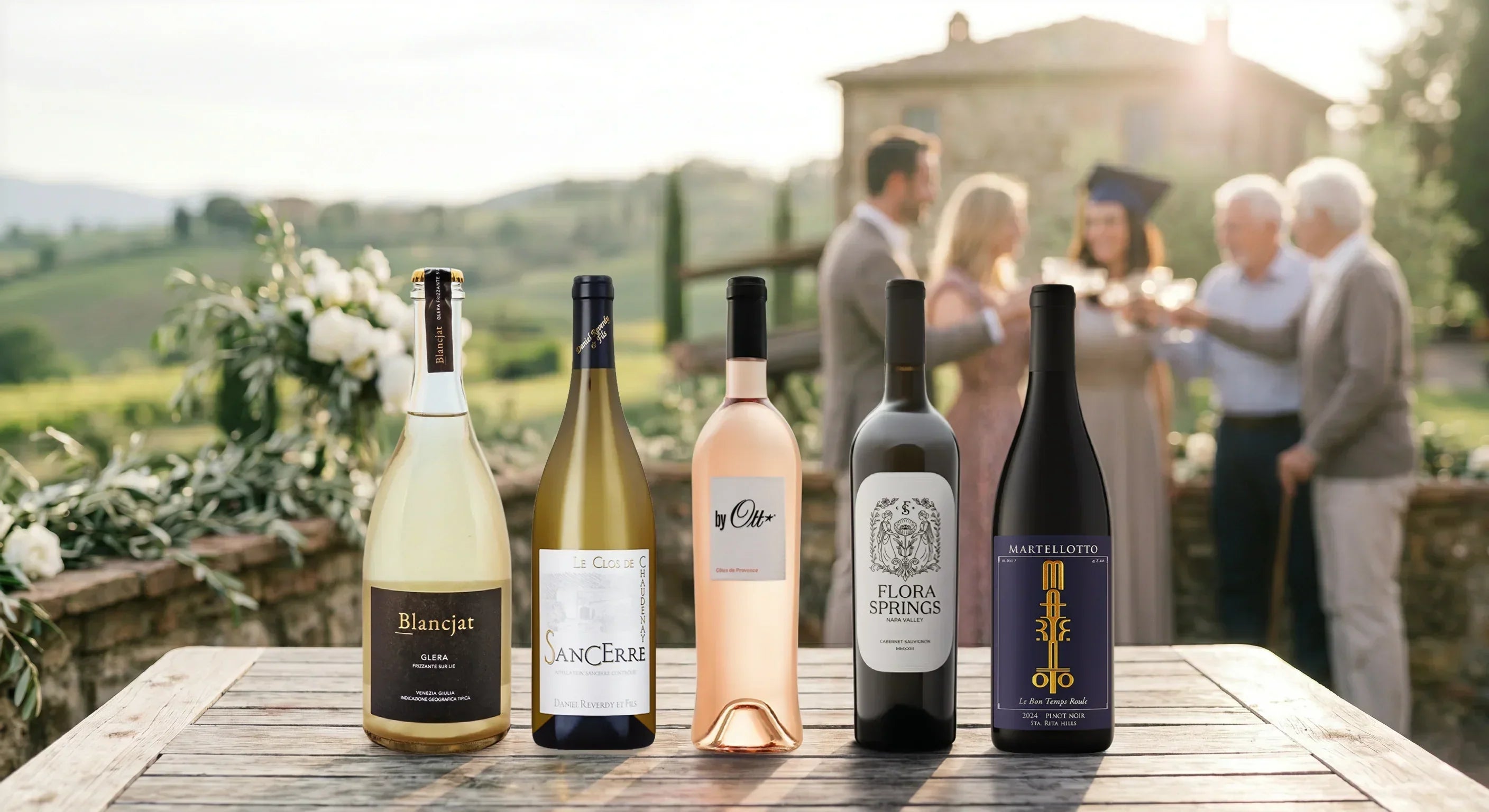
Explore More at Big Hammer Wines
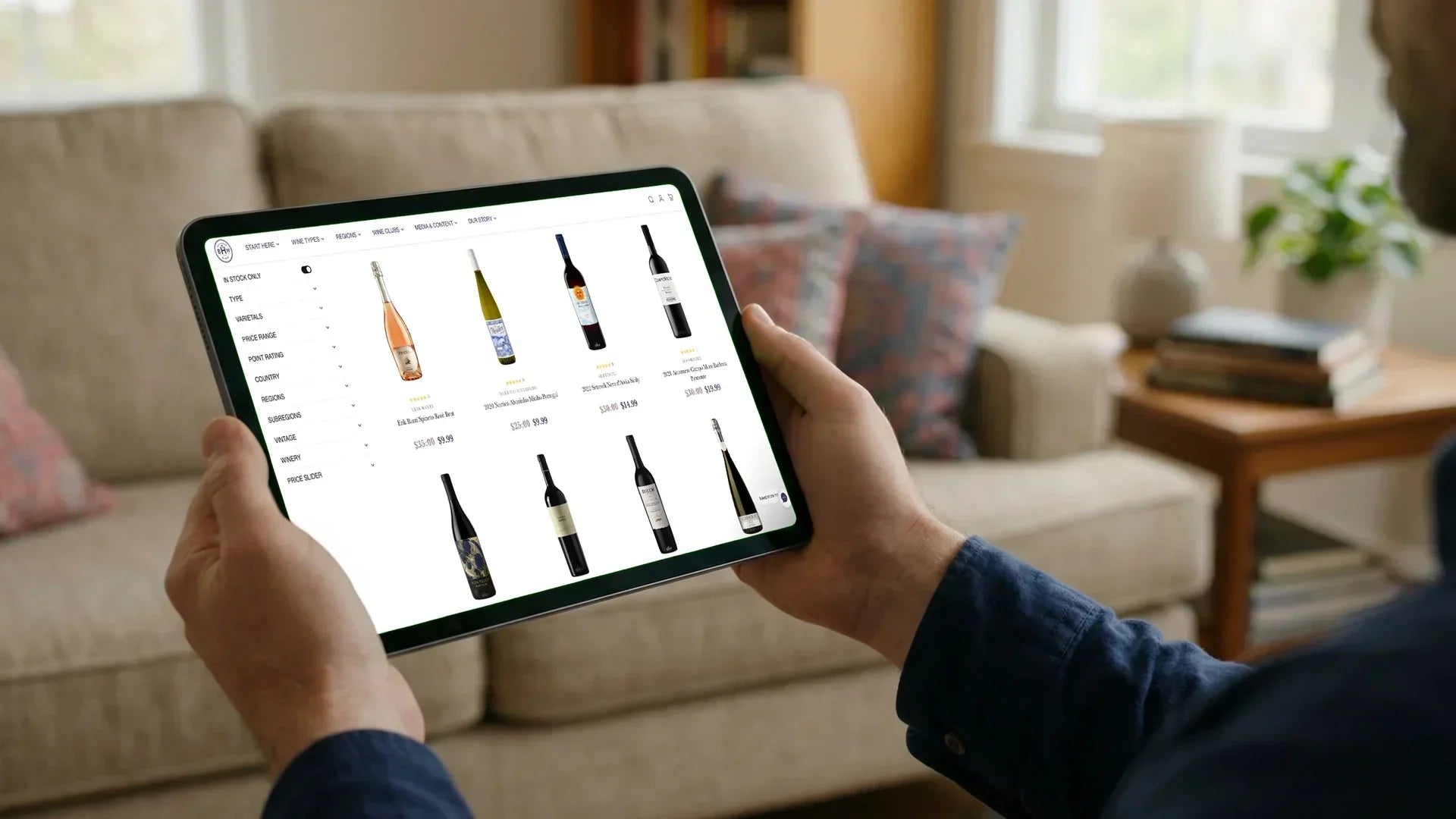
The same philosophy that drives this cocktail — balance, structure, intention — is what we look for in every bottle we carry.





















Share:
Celebrating International Women’s Day: Women in Business and Their Impact
The Fake on Your Plate — and in Your Glass
Comments Section