


Old wine is expensive because of four compounding factors: scarcity (a vintage exists only once), storage costs (temperature-controlled cellars for decades), producer pedigree (legendary estates were never cheap), and speculation (wine has become an investment asset class).
But age alone does not guarantee quality. About 95% of all wine is meant to be consumed within 2–3 years of production. When you buy old wine wisely — knowing the producer, vintage, and provenance — it can be transcendent. When you buy it blindly, it can taste like vinegar.
Is old wine actually better, or are you just paying for dust? We break it all down here:
Five Key Takeaways
- 95% of all wine is designed to be drunk within 2–3 years of production — age-worthy wine is the rare exception, not the rule.
- Old wine prices reflect four things: scarcity, storage costs, producer pedigree, and market speculation — not age alone.
- Age does not fix bad wine. A mishandled or poorly made bottle doesn't improve with decades in a cellar — it just becomes expensive, bad old wine.
- Provenance is everything. Documented storage history from a reputable source is as important as the vintage itself.
- Before spending serious money on a vintage bottle, consult an expert. The downside of guessing wrong is a $500 glass of vinegar.
The Myth That Won't Die: Older Wine Is Better Wine
There's a persistent idea — I hear it from customers all the time — that if a bottle has age on it, it must be special. Grandpa's version of wine wisdom: the older, the better.
It just ain't true.
As a merchant who has tasted through a lot of old wine — some of it extraordinary, some of it flat, and some of it genuinely undrinkable — I want to give you the honest version of what you're actually paying for when you reach for an aged bottle.
The 4 Real Reasons Old Wine Costs What It Does

1. Scarcity — A Vintage Only Happens Once
A 1982 Bordeaux was made exactly once. Every bottle that gets opened is one less bottle in existence. Supply shrinks over time; demand from collectors, investors, and romantics stays high or grows. Economics 101.
But here's the part most people gloss over: scarcity alone doesn't make a wine good. It makes it rare. Those are very different things. A wine that was mediocre in 1975 is still mediocre today — it's just harder to find.
2. Storage — Someone Has Been Paying for That Bottle for Decades
Keeping wine alive for 20 or 30 years isn't free. Professional cellars require precise temperature control, humidity management, security, and insurance. All of that operational cost gets baked into the price you see on the label or at auction.
When you buy a mature bottle from a reputable merchant or auction house, part of what you're paying for is the peace of mind that the wine was stored properly. That's not nothing — improper storage is one of the leading reasons aged wine disappoints.
3. Quality and Provenance — Pedigree Compounds Over Time
Wines from legendary producers — Chateau Margaux, Domaine Romanée-Conti, Screaming Eagle — weren't cheap when they released. Add documented perfect storage, a famous vintage, and decades of critical validation, and you're paying for pedigree, not just age.
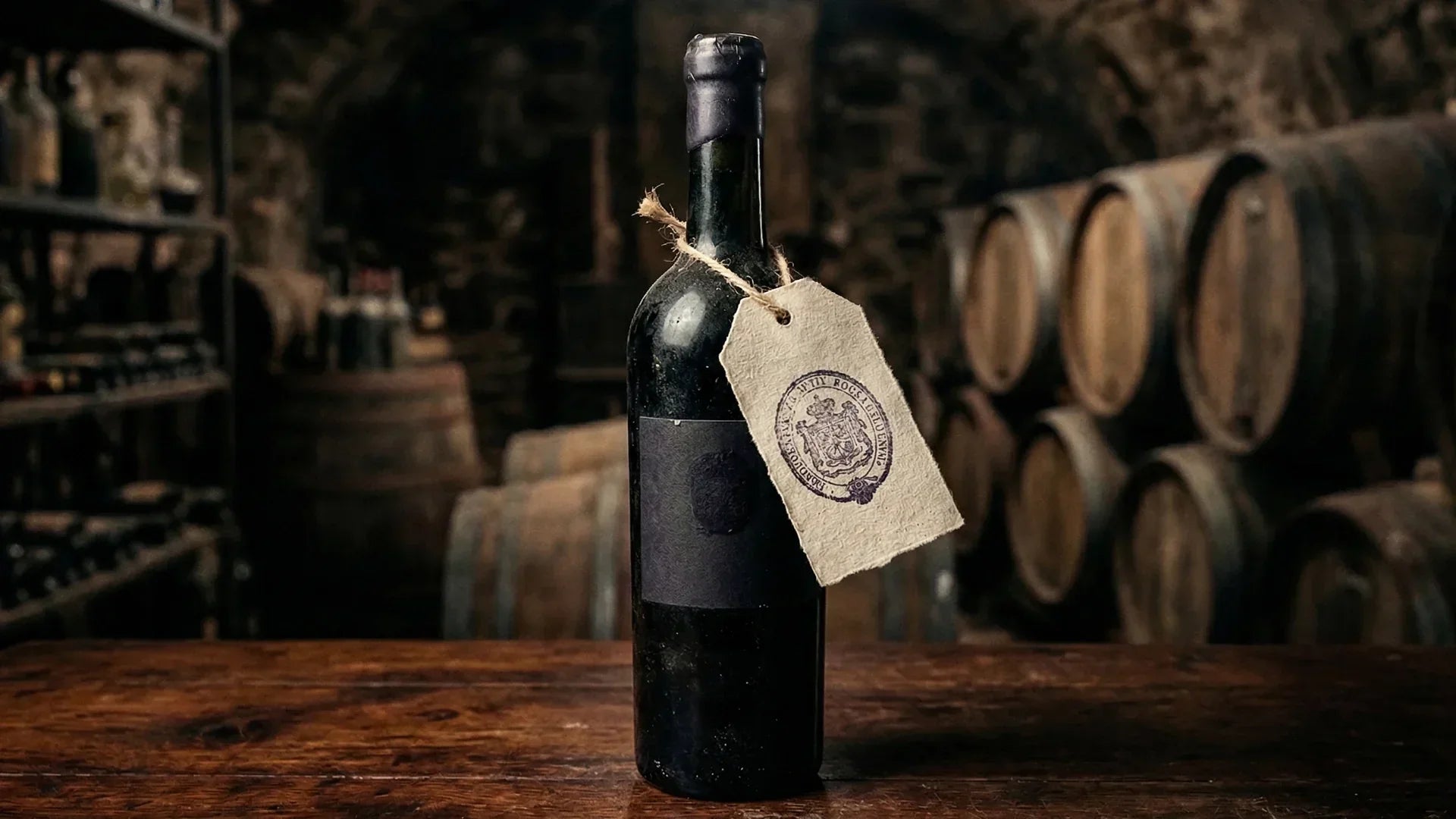
Provenance is the word the wine trade uses for the documented history of a bottle: who owned it, where it was stored, and how it was handled. A bottle with bulletproof provenance from a great vintage and a legendary estate is worth the premium. A bottle from a garage sale with none of that history? Different story entirely.
4. Speculation and Hype — Wine as an Asset Class
Let's be honest about this one. The fine wine market has evolved into a legitimate investment asset class. Collectors, hedge funds, and auction houses have driven prices to levels that are disconnected from what's actually in the glass.
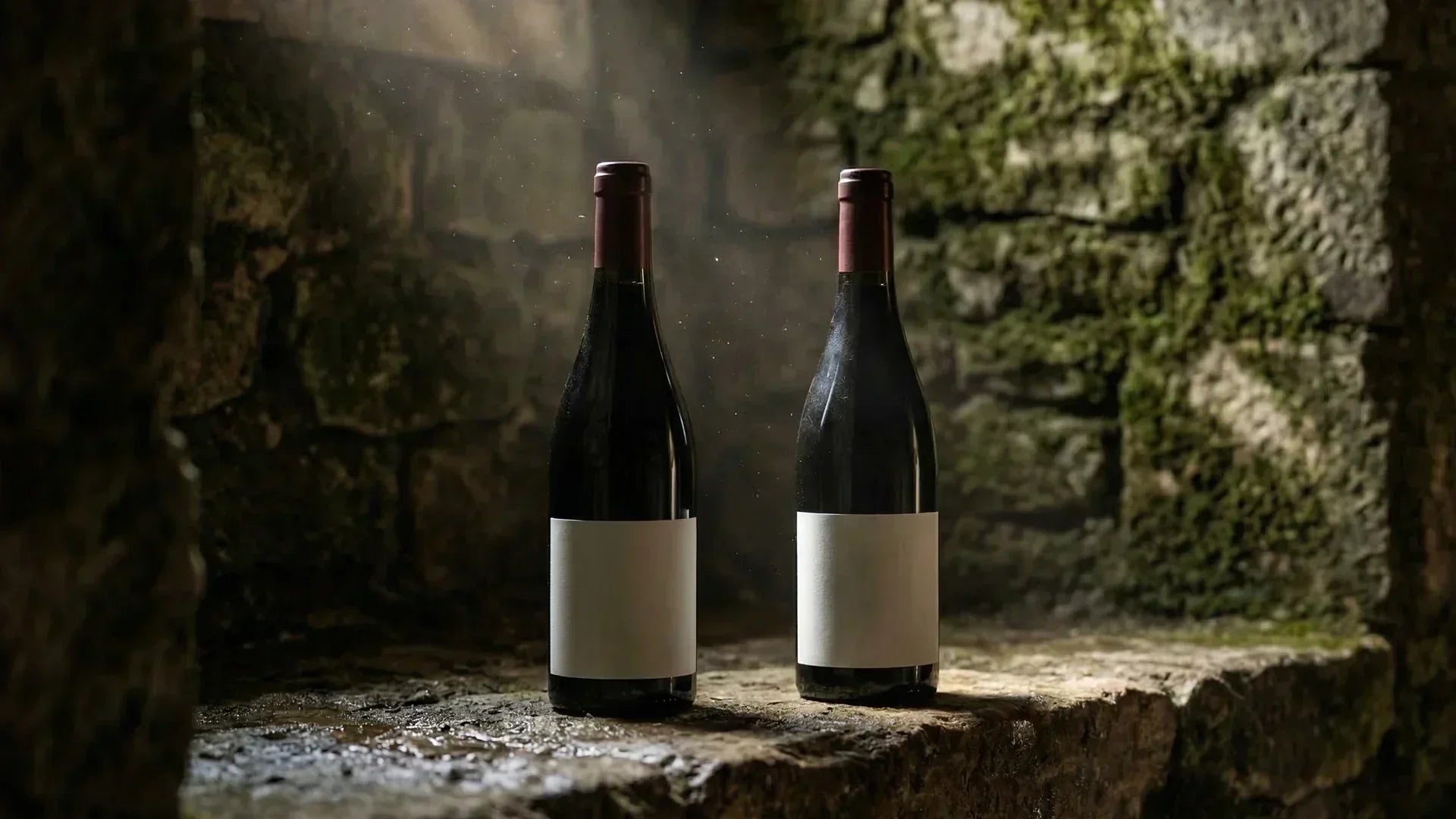
Some of those prices are justified by the wine inside. Many are not. A $500 bottle from 1975 could deliver one of the most memorable experiences of your wine life — or it could be oxidized, tired, and disappointing. The hype doesn't change what time did to the juice.
At a Glance: The 4 Cost Drivers of Old Wine

What Wine Actually Ages Well?
The honest answer: not much. I'd argue that 95% of all wine produced in the world is intended to be drunk within 2 to 3 years from its production date. The wines that can genuinely improve over 20, 30, or 40 years are a small, specific category — and they share some common traits.
Age-Worthy vs. Drink-Now: A Practical Framework

Should You Buy That Old Bottle? A 5-Step Check

Before you spend real money on a vintage wine, run through this quick framework:
- Do you know the producer? Only buy aged wine from estates with a documented track record for aging. Unknown producers are a gamble.
- Is the provenance documented? Where was it stored, and by whom? A wine without a clean chain of custody is a risk.
- Was the vintage any good? Not all years are equal, even for great producers. Check vintage charts for the specific region.
- Are you buying from a reputable source? Auction houses, established merchants, and direct-from-estate purchases carry far less risk than unverified private sellers.
- Have you consulted an expert? For bottles over $100, talking to a knowledgeable merchant first is simply good economics.
If you can answer 'yes' confidently to all five, the odds are in your favor. If you're guessing at two or more, reconsider.
Mini-Glossary: Key Terms for Buying Old Wine
Provenance: The documented ownership and storage history of a wine bottle — the most important factor in buying aged wine with confidence.
Vintage: The year the grapes were harvested. Not all vintages are equal; climate and growing conditions vary significantly year to year.
Age-Worthy: A wine with the structural components (tannins, acidity, or residual sugar) needed to improve or hold over extended cellaring.
Oxidized: A wine that has been exposed to too much oxygen, resulting in flat, vinegar-like, or nutty off-flavors that indicate spoilage.
Auction House: A marketplace (Sotheby's, Hart Davis Hart, Zachys) that sells fine wine at a competitive bid, often the source for rare aged bottles.
Classified Estate: A winery ranked in an official classification system (e.g., 1855 Bordeaux Classification), typically signaling consistent quality.
Investment-Grade Wine: Bottles purchased primarily as financial assets rather than for drinking; typically top Bordeaux, Burgundy, and Champagne.
Finish / Length: The persistence of flavor after swallowing — a key quality indicator in aged wine; great old wine often has a very long, complex finish.
Frequently Asked Questions
1. Why is old wine more expensive than new wine?
Old wine is expensive because of four compounding factors: the scarcity of a one-time vintage, the cost of decades of professional storage, the pedigree of the producer, and speculation from the investment market. Age itself is just one input — not an automatic mark-up.
2. Is old wine always better than younger wine?
No. About 95% of wine is designed to be consumed within 2–3 years of production. Age-worthy wine is the rare exception. Aging a wine that wasn't made to age does not improve it — it simply makes it old.
3. What does old wine taste like?
When it works, aged wine develops complex secondary and tertiary flavors — earth, leather, dried fruit, mushroom, tobacco — that younger wines don't have. When it doesn't work, it tastes flat, oxidized, or like vinegar. The result depends heavily on the wine, the vintage, and how it was stored.
4. Can old wine taste like vinegar?
Yes. Wine that has been oxidized, poorly stored, or was simply not made to age can develop acetic qualities that resemble vinegar. There is no recovery from a compromised bottle. This is why provenance and storage history matter so much.
5. What is wine provenance and why does it matter?
Provenance is the documented chain of custody for a bottle — who owned it, where it was stored, and under what conditions. For aged wine, provenance is often more important than the label itself. Without it, you're accepting serious risk that the wine was mishandled at some point in its life.
6. How long can wine actually age?
It depends entirely on the wine. Most wines peak at 2–5 years. The best structured reds — Grand Cru Bordeaux, Barolo, Vintage Port, elite Napa Cabernet — can develop positively for 20–50 years under ideal conditions. Even these need perfect storage to get there.
7. Is buying old wine a good investment?
Wine can be a legitimate investment asset class, but it carries significant risks: storage, insurance, market liquidity, and the ever-present question of whether a given bottle has been handled correctly. Most people who buy aged wine for investment should work through established auction houses and advisors, not general retailers.
8. What percentage of wine is meant to age?
Very little. By most estimates, fewer than 5% of all wine produced globally has the structure to improve meaningfully beyond 3–5 years. The vast majority is crafted for immediate enjoyment and will plateau or decline if held too long.
9. Why do some wines cost thousands of dollars?
Wines like Domaine Romanée-Conti or first-growth Bordeaux combine tiny production volumes, legendary producer reputations, exceptional vineyard sites, great vintages, and decades of investment-market demand. The price reflects all of that compounded over time — not just what's in the glass.
10. Should I buy old wine for a special occasion?
Yes, with the right approach. Buy from a reputable merchant, confirm the provenance, research the vintage, and ideally get a recommendation from someone knowledgeable. A well-chosen aged bottle for a milestone birthday or anniversary can be one of the most memorable wine experiences you'll ever have.
11. How do I know if an old wine is still good?
Check the fill level (ullage) — wines with significant headspace have likely oxidized. Examine the cork if possible. Inspect the label and capsule for signs of seepage or damage. Most importantly, buy from a source that guarantees provenance and has stored the wine properly.
12. What are the best regions for age-worthy wine?
Bordeaux (particularly the Left Bank), Burgundy, Barolo and Barbaresco in Piedmont, the Northern Rhone (Hermitage, Côte-Rotie), Vintage Port, and premium Napa Valley Cabernet all have strong track records for long aging when the right producers and vintages are in play.
Ready to Explore?
Great wine doesn't have to be old to be worth drinking. We taste everything that goes on our shelves — which means you can trust that what you find is genuinely good, regardless of vintage age.
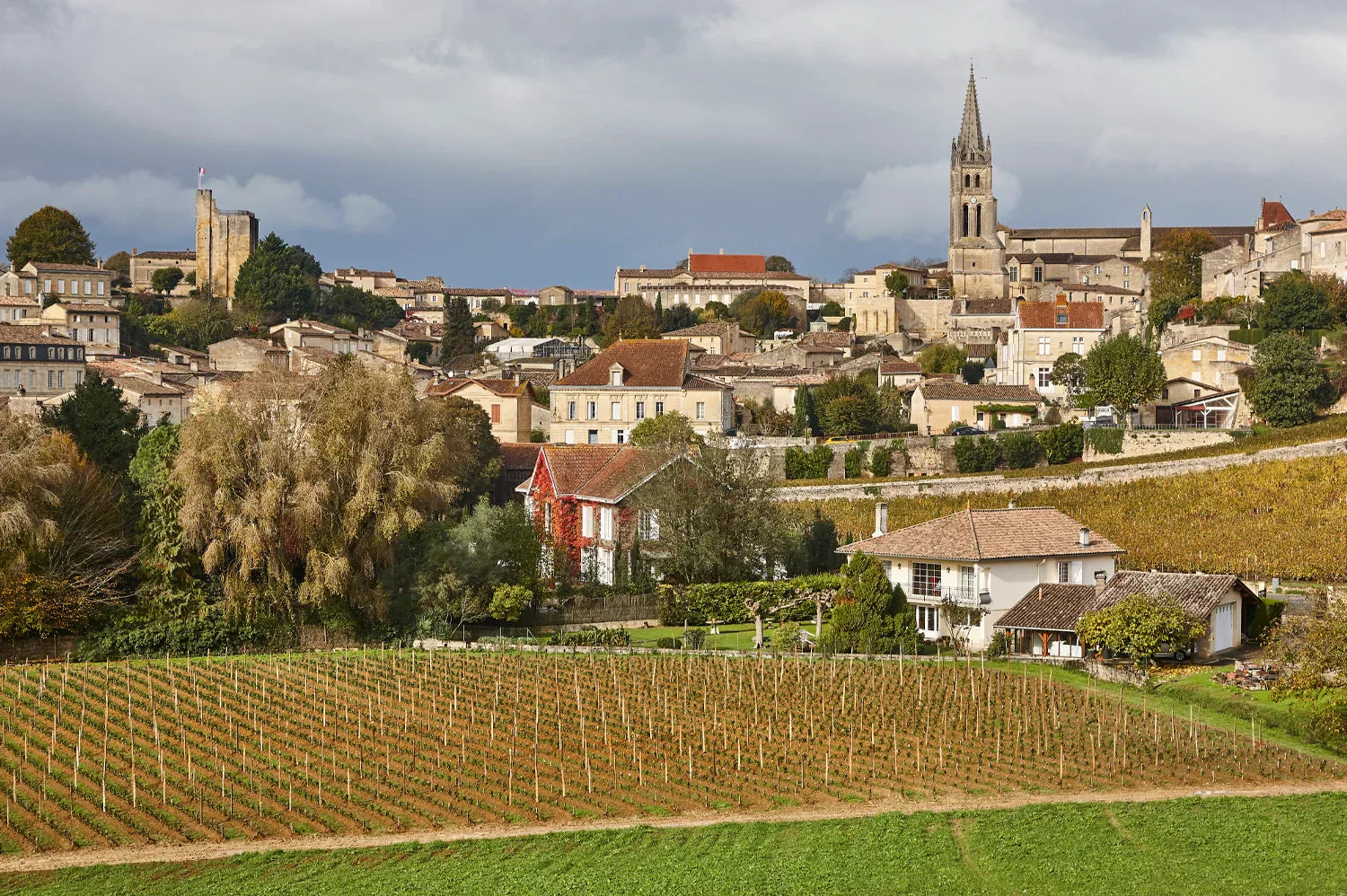
Ready to try an age-worthy Bordeaux without the auction-house price tag? The 2016 Croix de Beausejour Saint-Emilion Grand Cru — second wine of a Premier Grand Cru Classé, from the acclaimed 2016 vintage, with 10–15 years of aging potential ahead — is exactly where we'd start. Rated 90 by both Jeb Dunnuck and Vinous.
Browse our full wine collection — quality at every price point: Explore All Wines
Want to be the first to know when interesting older bottles — or exceptional new releases — come in? Join the Text2Sip Text Club for direct access.





















Share:
Spring Awakening: The Best Spring Wines to Sip This Season
The Real Cost of Cheap Wine: Where Your $10 Actually Goes
Comments Section