

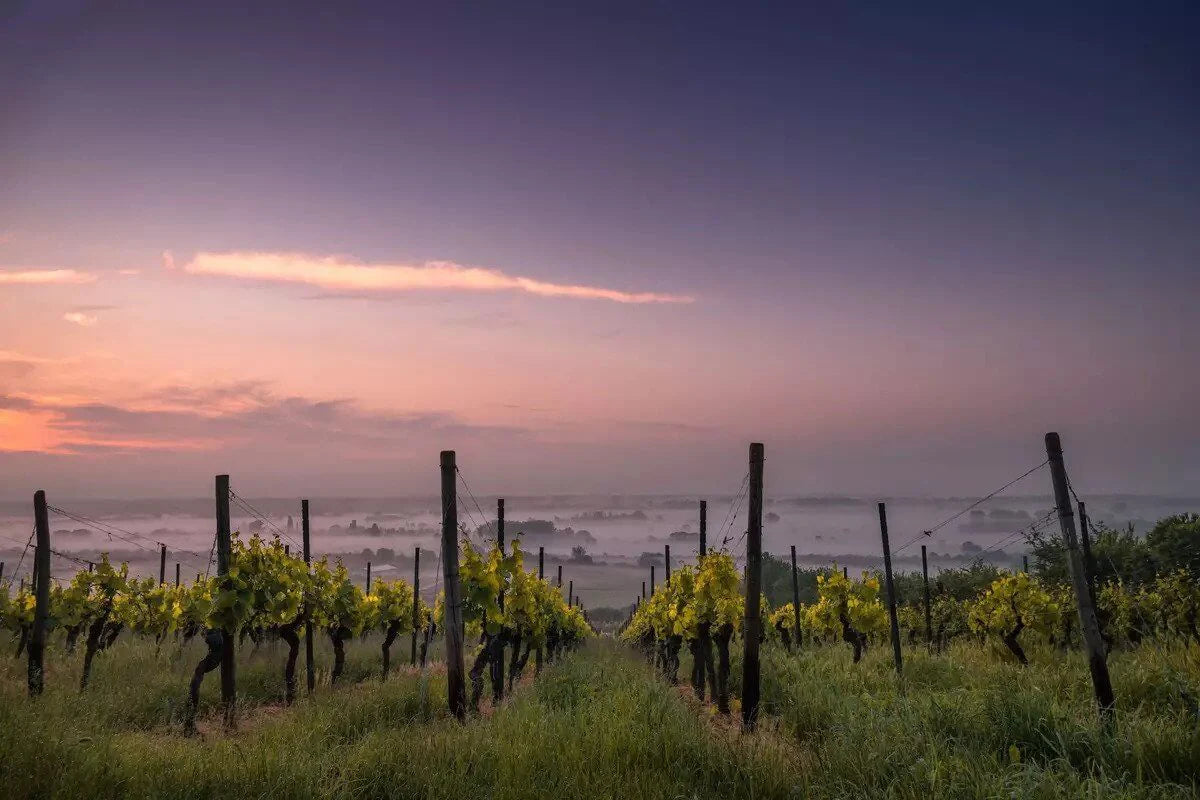
The best value in Burgundy right now isn't in the famous villages — it's just next to them. Appellations like Santenay (adjacent to Chassagne-Montrachet) and the Côte Chalonnaise (Givry, Montagny, Rully) offer similar terroir at 40–60% lower prices. For vintages, drink your 2023s now and hold your 2022s and 2024s.
Key Takeaways
- Burgundy retail prices are up over 30% in one year due to winery increases, exchange rates, and a 15% tariff on French wine.
- Santenay borders Chassagne-Montrachet and shares nearly identical terroir — but sells for roughly half the price.
- The Côte Chalonnaise (Givry, Montagny, Rully) is one of Burgundy's most underrated regions and a consistent source of real value.
- 2022 is a classic, ageworthy vintage; 2023 is generous and made for early drinking; 2024 looks structured and promising.
- When navigating Burgundy, the back label matters — reputable importers are one of the best quality filters available.
Burgundy Is Getting Expensive. Like, Really Expensive.
If you've been buying Burgundy for a few years, you've noticed something uncomfortable: the prices keep climbing. And 2024–2025 has made it worse. A combination of producer price hikes every single vintage, a weaker dollar against the euro, and the current 15% tariff on imported French wine has pushed retail prices up more than 30% compared to just a year ago.
That means the Burgundy you used to find on a shelf for $60 or $70? It's now over $100. And the wines that were already at $100? They've crossed into territory that feels hard to justify for anything short of a special occasion.
Even entry-level regional wines — the bottles simply labeled Bourgogne Chardonnay or Bourgogne Pinot Noir — have lost much of their value proposition. So what do you do if you love Burgundy but don't want to pay Burgundy prices?
You do what the insiders do. You shift your geography just slightly.
The Secret is Knowing Where the Famous Appellations End

Here's how the best wine buyers think about Burgundy: the most famous names — Chassagne-Montrachet, Puligny-Montrachet, Gevrey-Chambertin, Vosne-Romanée — carry massive premiums. But the appellation lines that separate them from their neighbors are often just a matter of feet, not miles. The terroir doesn't suddenly change at the boundary. The price does.
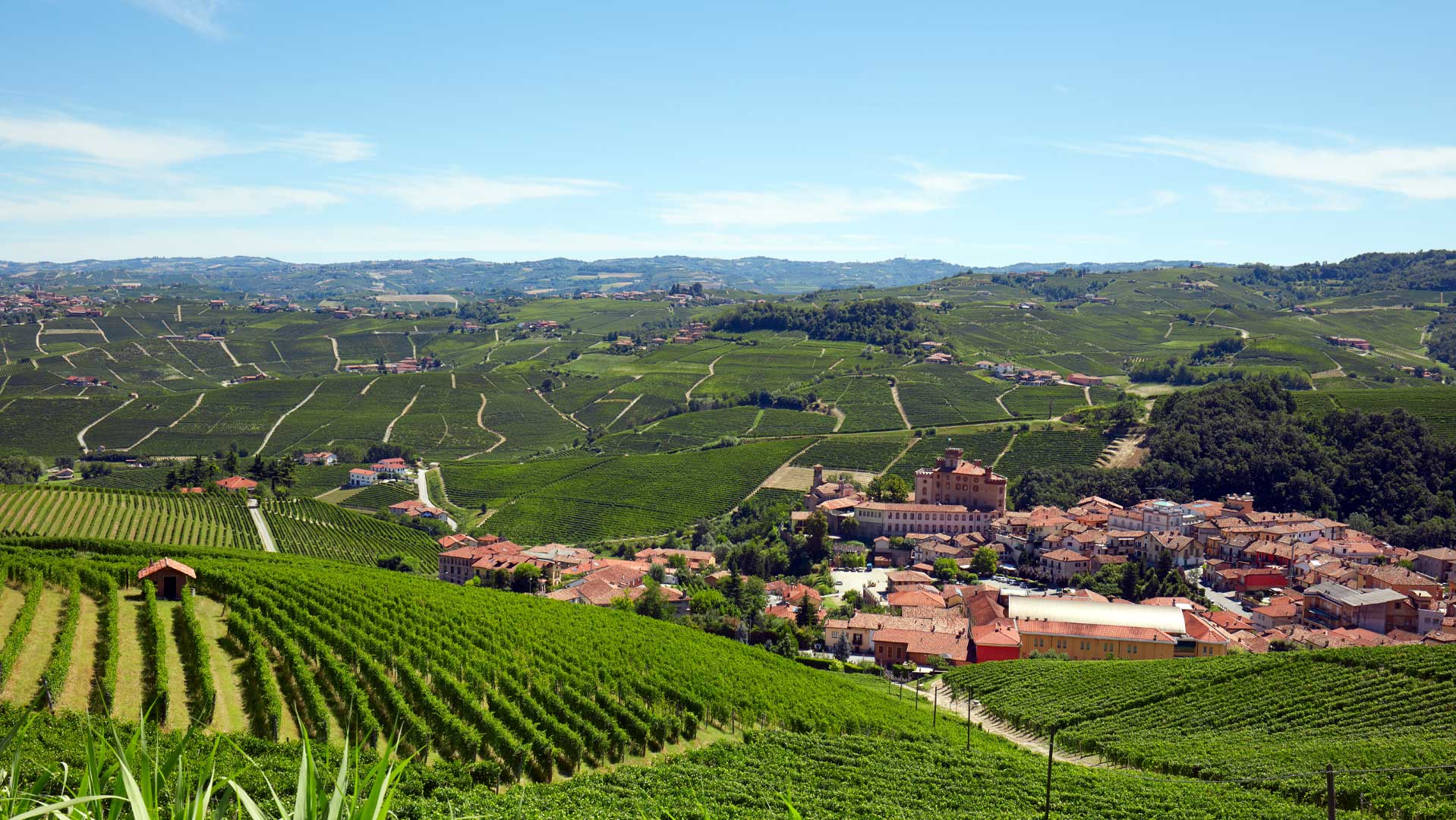
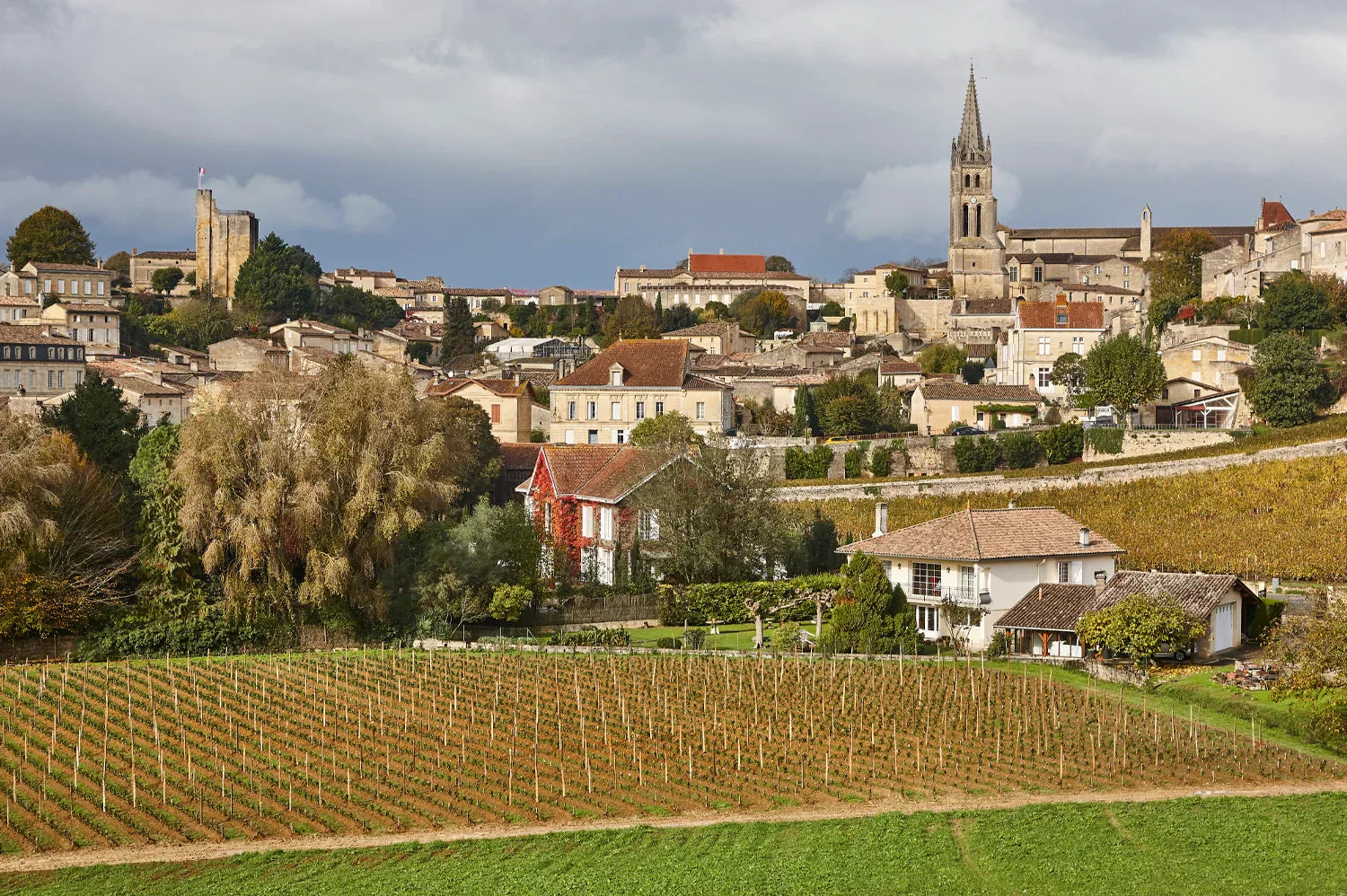
Santenay is the best current example of this. It sits in the southern Côte d'Or, right next to Chassagne-Montrachet. We're not talking figuratively close — these appellations literally touch. The soils, the climate, the exposure are nearly identical. Chassagne-Montrachet runs $120–$150 a bottle at retail. Santenay? You can find excellent bottles for half that. It makes both red and white wines, and it remains one of the best-kept secrets among people who know Burgundy well.
Go Further South: The Côte Chalonnaise
If Santenay is a secret, the Côte Chalonnaise is practically invisible to most American wine drinkers — which is exactly what makes it interesting.

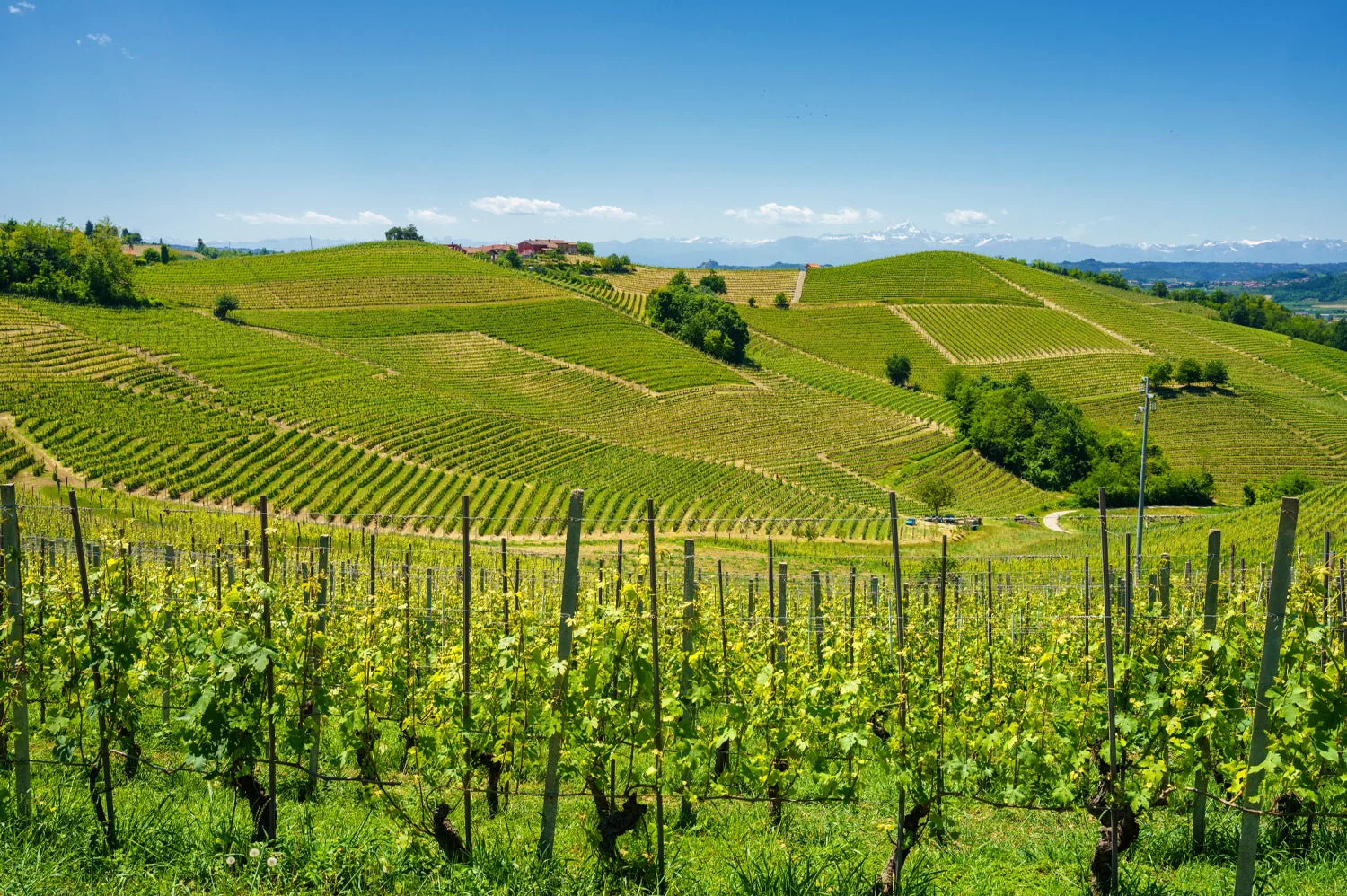
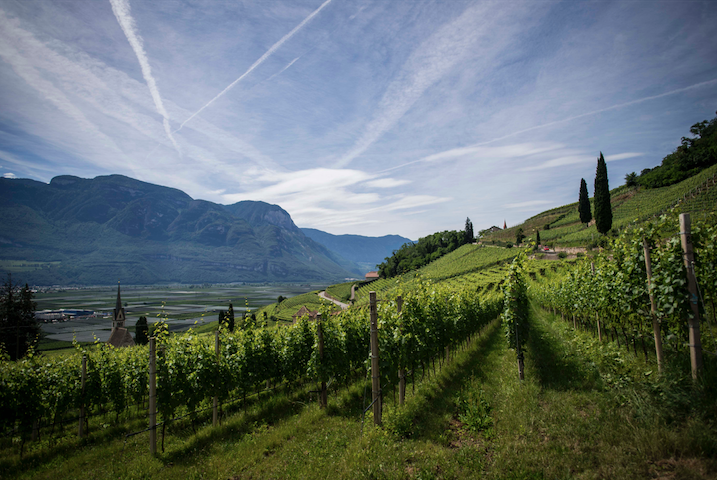
Just south of the famous Côte d'Or, the Côte Chalonnaise doesn't carry the same prestige, but it shares many of the same conditions. And right now, it's benefiting from something working in its favor: warmer vintages. As temperatures rise across France, the grapes in these traditionally cooler southern pockets are ripening more fully than ever before, producing wines with more complexity and appeal than they had a decade ago — at prices that haven't caught up yet.
Three appellations worth knowing:

Which Vintage Should You Be Buying Right Now?
There are three vintages currently on shelves. Here's how to think about each one:
2022 — Buy and Hold A classic Burgundy vintage. Great structure, good acidity, real aging potential. If you buy 2022 today, you'll be rewarded for patience. Don't rush it.
2023 — Drink Now A warm, generous vintage with high yields. The wines are approachable and fresh right now, but they may not have the long-term structure of 2022. Open them sooner rather than later. A perfect example of what 2023 Chardonnay can deliver: the 2023 Domaine Vincent Wengier Chablis — bright white fruit, signature Kimmeridgian minerality, and a clean finish. James Suckling noted the purity and refreshment these wines deliver. Exactly what the vintage is all about.
2024 — Buy and Hold A tricky vintage to grow — cold, rainy, low yields — but early tastings suggest the wines have excellent acidity and structure. Think of it similarly to 2022: worth putting away.
The simple rule: Drink your 2023s. Sit on your 2022s and 2024s.
How to Actually Find Good Burgundy Without Getting Lost
Burgundy is famously complicated. Villages, premier crus, grand crus, individual vineyard names, producer reputations — it's a lot to track. For someone just getting deeper into Burgundy, one of the most practical shortcuts is counterintuitive: flip the bottle over and read the back label.
In the US, certain importers have built their entire identity around sourcing high-quality, value-driven Burgundy. Following those importer names is one of the most reliable filters available — better, in many cases, than chasing scores or famous appellation names.
A case in point: the 2023 Dom Guillemard Clerc Bourgogne Blanc 'Les Parties' Chardonnay, from a third-generation family winery with vineyards literally adjacent to Puligny-Montrachet — a highly allocated, 300-case bottling that drinks well above its price.
Mini Glossary
Appellation / AOC: A legally defined geographic wine region in France with specific rules about grapes and production methods.
Côte d'Or: The "golden slope" — the most prestigious part of Burgundy, home to Gevrey-Chambertin, Chambolle-Musigny, Meursault, Chassagne-Montrachet, etc.
Côte Chalonnaise: The region just south of the Côte d'Or, home to Givry, Montagny, Rully, and Mercurey. Less famous, better value.
Santenay: A village appellation in the southern Côte d'Or, adjacent to Chassagne-Montrachet.
Terroir: The complete natural environment in which a wine is produced — soil, climate, topography.
Regional Appellation: The entry-level tier in Burgundy, simply labeled Bourgogne Chardonnay or Bourgogne Pinot Noir. If you want to explore what a great domaine can do at entry level, the 2023 Domaine Laleure Piot Petit Chablis — from an estate with three centuries of Burgundy winemaking history and organic, biodynamic vineyards — is a textbook example: crisp, mineral, unoaked, and perfectly matched with seafood
Village Wine: One step up — named after the village where the grapes were grown (e.g., Santenay, Givry).
Premier Cru: Wines from specific, named top vineyard plots within a village.
Grand Cru: The highest classification — individual vineyards with their own AOC (e.g., Chambertin, Montrachet).
Importer: The US company that brings foreign wine into the country. Reputable importers are a strong quality signal on the back label.
Frequently Asked Questions
1. Why is Burgundy so expensive right now?
Three factors colliding at once: producers raise prices nearly every vintage, the current dollar-to-euro exchange rate works against American buyers, and there's an active 15% tariff on imported French wine. Together, that's pushed retail prices up more than 30% in a single year.
2. What is Santenay and why is it a good value?
Santenay is a village appellation in the southern Côte d'Or that borders Chassagne-Montrachet. The terroir is nearly identical, but the name doesn't carry the same premium — so bottles that might cost $120–$150 under the Chassagne-Montrachet label often run $50–$70 under the Santenay label.
3. What is the Côte Chalonnaise?
It's the region directly south of the Côte d'Or in Burgundy — less famous, more affordable, and increasingly high quality as warmer vintages allow the grapes to ripen more fully. Key appellations are Givry, Montagny, Rully, and Mercurey.
4. Is Burgundy Chardonnay different from California Chardonnay?
Yes, significantly. Burgundy Chardonnay is typically unaged in new oak or aged briefly in neutral barrels, producing wines that emphasize minerality and freshness over butter and vanilla. The style is leaner, more food-friendly, and generally more age-worthy.
5. What's the difference between a village wine and a premier cru in Burgundy?
Village wines are made from grapes grown anywhere within a village's boundaries. Premier crus come from specific, named top vineyard sites within that village — generally more complex and more expensive.
6. Which Burgundy vintage should I buy right now?
If you want to drink soon, buy 2023 — it's generous, fresh, and accessible. If you want to age, buy 2022 or 2024; both have the structure and acidity for long-term development.
7. Is 2024 Burgundy worth buying?
Early tastings suggest yes. Despite being a difficult growing year with cold weather and rain, the resulting wines show excellent acidity and structure — hallmarks of an age-worthy vintage.
8. What's the best way to find quality Burgundy without a guide?
Look at the back label. The US importer listed there is often the clearest signal of quality and reliability. Importers who specialize in artisan French wines have vetted their producers carefully.
9. Does Burgundy only make red wine?
No — Burgundy produces both red and white. Reds are made from Pinot Noir; whites are made from Chardonnay. Some appellations like Santenay and Rully produce excellent wines in both colors.
10. What grapes are used in Burgundy?
With minor exceptions, Burgundy only uses two grapes: Chardonnay for whites and Pinot Noir for reds. This simplicity is part of what makes regional and producer differences so striking.
Ready to explore Burgundy without the Burgundy price tag?
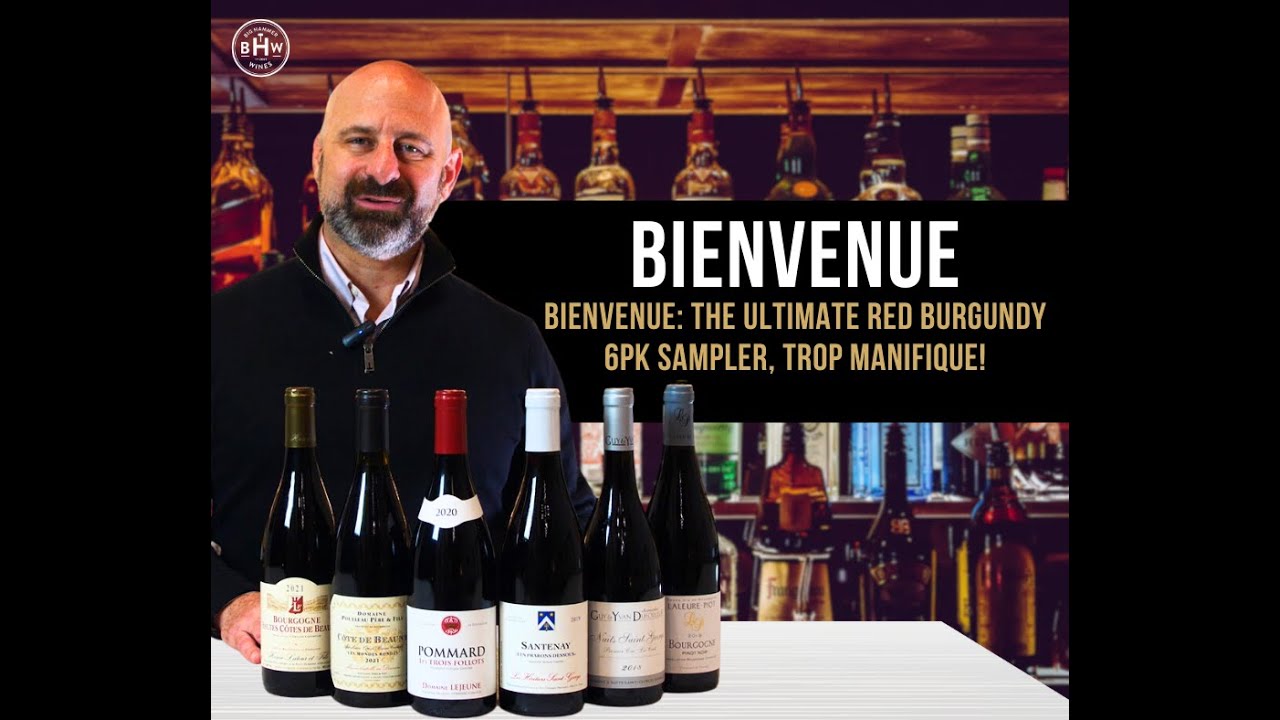
Browse our full collection of hand-selected Burgundy wines — from Chablis to Bourgogne Blanc — at Big Hammer Wines.






















Skip the Hype. Drink Better Burgundy for Less
SHOP COLLECTIONShare:
The Complete Rome Wine & Dining Guide for Wine Lovers
Comments Section