


Rome's wine scene rewards the curious: order local Frascati or Castelli Romani whites with antipasti, reach for a Cesanese or Aglianico with pasta and meat, and always ask the waiter what the vino della casa is.
Skip the tourist-trap menus near the main piazzas and walk two streets in any direction. The best meals in Rome happen at unassuming family tables — with a half-carafe of something honest.

Key Takeaways
- Drink local. Frascati, Cesanese, and Castelli Romani whites are Rome's table wines — affordable, food-friendly, and rarely seen outside Italy.
- Walk two streets in. The best Roman meals are never in sight of a major monument. Neighborhood osterias and trattorias outperform tourist-targeted restaurants on every level.
- Order by the carafe. Mezzo (500ml) or un quarto (250ml) is the Roman way — flexible, economical, and honest.
- Ask the waiter. 'Cosa bevete voi?' (What do you drink?) It is the best question in any Roman restaurant. Staff who eat there already know the answer.
- Match weight to weight. Light Lazio whites for pasta and seafood; earthy reds like Cesanese or Montepulciano for braised meats and ragu. Roman cuisine is built on bold flavors — don't underserve them.
Why Rome Is Underrated for Wine
Most wine lovers heading to Italy plot a course through Tuscany or Piedmont. Rome gets treated as a cultural checkpoint — a blur of carbonara, gelato, and ancient stones before the "real" wine country begins. That's a mistake.
I've spent significant time eating and drinking through Rome, and what strikes me every time is how well the city's food and wine fit together. This isn't a collection of grand crus or prestige appellations. It's something rarer: a living wine culture where the stuff in your glass was probably grown within 30 kilometers of the table, selected by someone who knows the producer, and priced for everyday pleasure.
As a Certified Italian Wine Ambassador, I've tasted through the Lazio appellation system extensively. I'm not going to tell you that Frascati is one of the great wines of the world.
But I will tell you it's one of the most satisfying wines you'll ever drink — when you're eating cacio e pepe in the neighborhood where both the pasta and the wine were born.
This guide gives you the practical knowledge to drink smarter in Rome: what neighborhoods to explore, what to order with your food, how to navigate wine bars versus restaurants, and which grapes to seek out before you leave.
The Grapes You'll Actually Drink in Rome

The Whites: Frascati, Grechetto, Malvasia
The dominant white wine culture in Rome runs through the Castelli Romani — a chain of volcanic hills southeast of the city that have supplied Roman tables for millennia. The hero grape is Malvasia di Candia and Malvasia del Lazio, blended into what you know as Frascati.
Basic Frascati is just fine — dry, crisp, made for food. But seek out Frascati Superiore DOCG or a single-estate bottling from producers like Castel De Paolis or Villa Simone and you'll find something far more interesting: textured, aromatic, with real mineral energy from the volcanic soils.
Grechetto comes from Umbria (just north of Rome, easily reachable as a day trip) and shows more weight and herbal complexity — excellent with antipasto, pecorino, and white-sauce pasta.
The Reds: Cesanese First, Always
Cesanese is the wine Rome calls its own. Grown in two DOC zones in the Lazio hills — Cesanese del Piglio (the higher-quality DOCG) and Cesanese di Affile — it's a medium-to-full bodied red with earthy notes, cherry fruit, and a slightly rustic quality that suits Roman food perfectly.
It's rarely exported in meaningful quantities, which means pricing in Rome is almost always fair, and the wines you find at a good enoteca are usually current-vintage and freshly allocated.
Try it at home: 2021 Federici Sapiens Cesanese del Piglio DOCG — one of the few Cesanese del Piglio bottlings available in the US.
Montepulciano d'Abruzzo (from neighboring Abruzzo, just east) is everywhere in Rome and for good reason — dark fruit, good grip, and a natural affinity for braised and roasted meats. It's the working wine of Roman dinner tables.
If you want a deeper breakdown of the specific reds worth seeking out bottle by bottle — producers, what to look for, where to order them — I've covered that in full detail in The 5 Red Wines You Absolutely Must Drink on Your Next Trip to Rome.
Rome's Wine Neighborhoods: Where to Go
Each Roman neighborhood has a different relationship with wine. Here's how to read the map:

My honest preference: Testaccio for first-time visitors who want the most authentic food-wine pairing experience; Trastevere for atmosphere and bar-hopping; and Pigneto if you want to see where Rome's wine culture is heading.
For a curated, venue-by-venue breakdown of where to actually sit down, what to order, and which spots are worth making a reservation versus walking in, see Local Wine & Dining in Rome: A Travel Guide for Wine Lovers.
What to Order: Roman Dishes + the Right Wine
Rome's food canon is fixed and proud: carbonara, amatriciana, cacio e pepe, coda alla vaccinara, saltimbocca.
The wines that work best with them have evolved over the same centuries. Here's the pairing matrix I rely on:
 A note on weight: Roman cooking skews rich and savory. Guanciale (cured pork cheek), aged pecorino, offal, slow braise. These are not delicate dishes. Don't under-wine them with thin, overly neutral bottles. Even the whites here — Frascati Superiore, Grechetto — have enough body to hold their own.
A Wine Lover's Day in Rome: A Framework
Rome rewards those who structure their days around eating and drinking. Here's a loose framework that works whether you have one day or five:
 This framework gives you the shape of a day. If you're planning 72 hours and want a full hour-by-hour itinerary with specific venue names, hotel suggestions, and touring advice woven around the wine and food, I've put that together separately: 72 Perfect Hours in Rome: Where to Eat, Drink, Tour & Stay.
Enoteca vs. Restaurant: When to Choose What
One of the most useful distinctions to understand in Rome is when to sit down at a full restaurant versus when to drink standing at an enoteca.
Go to an Enoteca When...
- You want to explore specific producers or regional styles without committing to a full meal
- You're in between meals and want a glass and a plate of cheese and charcuterie
- You want to buy bottles to take home and want someone knowledgeable to help you choose
- You want a more intimate, lower-key experience than a full restaurant
Go to an Osteria or Trattoria When...
- You want the full Roman food experience — handwritten menu, house carafe, loud and warm
- You're eating one of the pasta classics (carbonara, amatriciana, cacio e pepe) and want the right context
- Budget matters — osterias routinely deliver excellent value versus comparable restaurants elsewhere in Europe
- You want to drink the way Romans drink: by the carafe, with food, without ceremony
My rule: one enoteca visit per day for exploration and a proper osteria or trattoria for every main meal. You'll cover a lot of ground without overspending or overeating.
Wine Day Trips from Rome Worth Taking
If you have a free day and access to a car or a regional train, two destinations are worth the excursion:

Frascati and the Castelli Romani (30 minutes by train)
The wine of Rome's table comes from these volcanic hills. A morning in Frascati — tasting Frascati Superiore at a local cantina, eating porchetta from a vendor near the main piazza — is as Roman a food experience as you'll have outside the city. The landscape is beautiful; the wine is better in context.
Orvieto and Umbria (90 minutes by fast train)
Orvieto Classico is one of Italy's most underappreciated whites — a blend of Grechetto and Trebbiano with more texture and length than its modest price suggests. The medieval hilltop city is also one of Italy's most dramatically sited. Pair a visit to the Duomo with a bottle from Barberani or Palazzone and you'll leave wondering why this region doesn't get more attention.
What to Avoid (Honest Notes)
- Restaurants directly facing major monuments. The Colosseum, Trevi Fountain, and Spanish Steps — these are ringed by tourist traps. The wine is marked up, often undrinkable, and the staff doesn't care. Walk. It takes four minutes to get somewhere real.
- Ordering Chianti because it sounds Italian. Chianti is a Tuscan wine. It works beautifully with Florentine food. It has no particular relationship with Roman cooking. Order Lazio first — that's the point of traveling.
- Assuming Prosecco is an aperitivo in Rome. Prosecco is ubiquitous, but a Campari soda, Aperol Spritz, or a glass of Frascati Superiore is the actual Roman aperitivo habit. Fit in.
- Over-researching your restaurant list. The best Roman meals I've had were found by walking into a neighborhood, noticing a hand-chalked menu in the window, and sitting down. Reservations matter at serious places — not at the osteria three streets from your hotel.
Mini Glossary: Roman Wine Terms Worth Knowing
Enoteca: A wine shop or wine bar — often serves small plates alongside a curated bottle list. Your best bet for regional exploration in Rome.
Osteria: A casual, neighborhood dining spot. Originally a place to drink house wine with simple food. Still, the soul of Roman eating.
Trattoria: A family-style restaurant, usually mid-range, with a short handwritten menu. Often the best value-to-quality ratio in the city.
Vino della casa: House wine — ordered by the carafe (un quarto = 250 ml, un mezzo = 500 ml). Rarely glamorous, often surprisingly good.
Castelli Romani: The volcanic hills southeast of Rome — birthplace of the crisp local whites (Frascati, Marino) that fill Roman tables.
Cesanese: Rome's most important red grape — grown in the hills east of the city. Earthy, slightly tannic, deeply local.
Frascati: The most famous white wine of the Castelli Romani zone. Light, dry, and made for Roman food. Ask for Frascati Superiore for better quality.
Aperitivo: The pre-dinner ritual of a light drink + small bites. Usually Campari, Aperol Spritz, or a crisp white. Typically 6–8 pm.
Grechetto: A white grape from Umbria (just north of Rome) with more texture than Frascati — great with antipasto or light pasta.
DOC / DOCG: Italian wine quality designations. DOC = Denominazione di Origine Controllata. DOCG adds 'Garantita' — a higher tier with stricter rules.
Frequently Asked Questions
1. What wine should I order in Rome?
Start local. Ask for Frascati or Castelli Romani whites with lighter dishes, and Cesanese or Montepulciano d'Abruzzo with pasta and meat. The house carafe is almost always a decent Lazio white — and it costs less than a bottle of water at a tourist spot.
2. What is Cesanese and why does it matter in Rome?
Cesanese is Rome's signature red grape, grown in the hills east of the city. It's earthy, slightly tannic, and rarely exported — which means you'll drink it better and cheaper in Rome than almost anywhere else. Order it at any osteria and ask for the local producer.
3. Are Roman wines good quality?
Historically, Roman wines were table wines — pleasant, cheap, forgettable. That's changed. A new generation of Lazio producers is making serious Cesanese, textured Grechetto, and complex whites from indigenous grapes. The Castelli Romani DOC has improved significantly over the past decade.
4. What neighborhoods in Rome are best for wine bars?
Trastevere has the most concentrated wine bar scene — atmospheric, walkable, and open late. Testaccio is the food neighborhood and pairs great local wine with serious cooking. Pigneto is emerging, younger, and leans natural wine. Parioli skews upscale with more serious bottle lists.
5. Should I order wine by the glass or bottle in Rome?
By the carafe (mezzo or quarto) is the Roman way at most osterias and trattorias. It's how locals drink — and it's great value. Bottles make sense at enoteche with specific producers you want to explore. Avoid 'wine list' restaurants near major tourist sites; markup is aggressive.
6. What food and wine pairings are essential in Rome?
Cacio e pepe with Frascati Superiore, amatriciana with Cesanese, coda alla vaccinara (oxtail stew) with Montepulciano d'Abruzzo, and saltimbocca with any light Lazio white. These pairings are the product of centuries of eating together — trust them.
7. What is an enoteca in Rome and how is it different from a bar?
An enoteca is a wine-focused spot — part shop, part bar, part restaurant in some cases. The wine selection is curated, staff usually knows the producers personally, and you'll often find small plates or cheese and charcuterie. They're slower, less noisy, and more intimate than typical bars.
8. Can I bring wine home from Rome?
Yes — and you should. Look for DOC Cesanese, Frascati Superiore, Grechetto di Todi, and any Lazio producer you discover at a reputable enoteca. Wrap bottles carefully and check airline carry-on rules (typically bottles must be in checked luggage, sealed, and within liquid limits by country).
9. What is Frascati wine and is it worth ordering?
Frascati is a crisp, dry white from the Castelli Romani hills about 20km southeast of Rome. It's been the house wine of the city for generations. Basic Frascati can be thin — ask for Frascati Superiore DOCG or a single-producer bottling for noticeably better quality and texture.
10. What's the difference between an osteria, trattoria, and ristorante in Rome?
An osteria is the most casual — traditionally a place to drink, often family-run, usually the cheapest option. A trattoria is a step up in formality with a short, rotating menu. A ristorante is more formal with full menus and higher prices. For wine and food value in Rome, osteria and trattoria typically win.
11. When is the best time to visit Rome for food and wine?
Spring (April–May) and fall (September–October) offer the best combination of comfortable temperatures, harvest energy, and fewer crowds. September in particular overlaps with grape harvest in the nearby hills — some estates around Frascati and Velletri welcome visitors during vendemmia.
12. What Italian wines are hard to find outside of Rome?
Cesanese del Piglio DOCG, Est! Est!! Est!!! di Montefiascone, Aleatico di Gradoli, and small-production Grechetto bottlings from Lazio producers rarely make it to export markets. If you love them, stock up — you won't easily find them at home.
Go Deeper: Related Guides in This Series
This guide is the starting point. Each post below goes deeper on one piece of the Rome picture:
- The wines: The 5 Red Wines You Absolutely Must Drink on Your Next Trip to Rome — producer-level detail on Cesanese, Aglianico, and the reds that define Roman tables.
- The venues: Local Wine & Dining in Rome | Travel Guide for Wine Lovers — neighborhood-by-neighborhood dining and wine bar picks with specific recommendations.
- The itinerary: 72 Perfect Hours in Rome: Where to Eat, Drink, Tour & Stay — a full hour-by-hour plan for making the most of a long weekend in Rome.
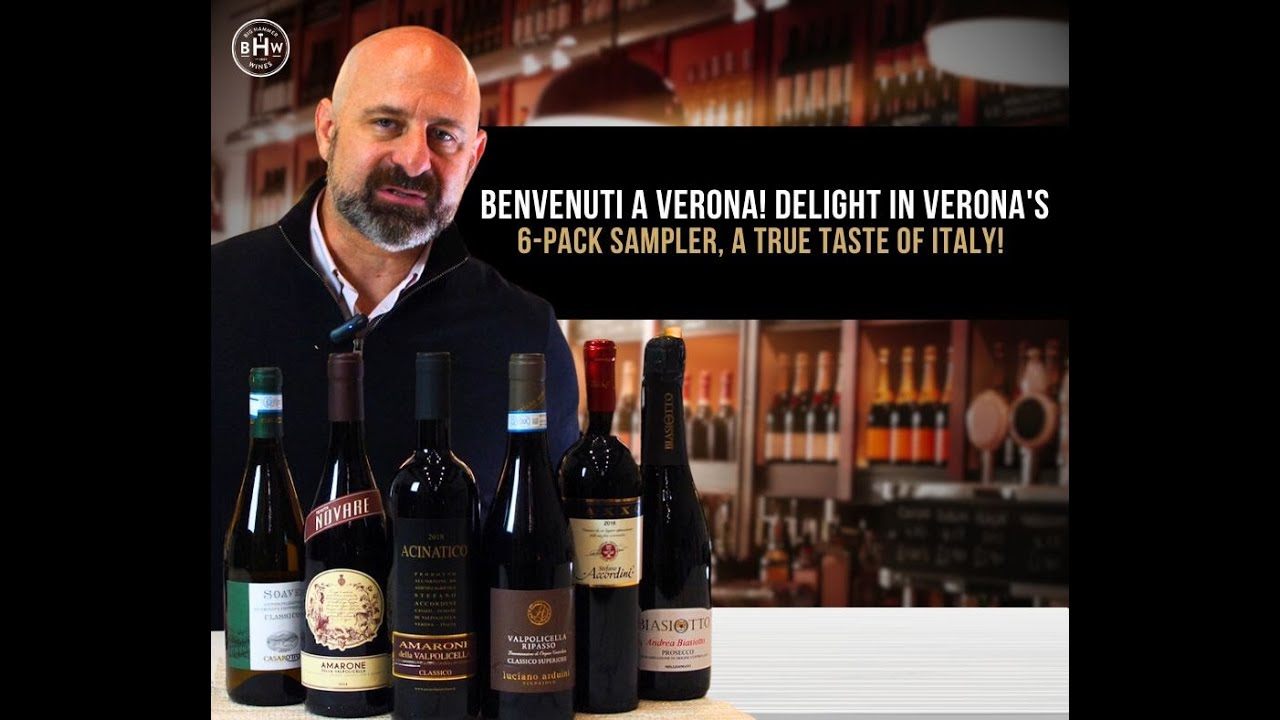
Inspired to bring a taste of Italy home? Browse our Italian wine collection →
We carry a curated selection of Italian producers — from Lazio to Barolo — selected for quality, authenticity, and value.
























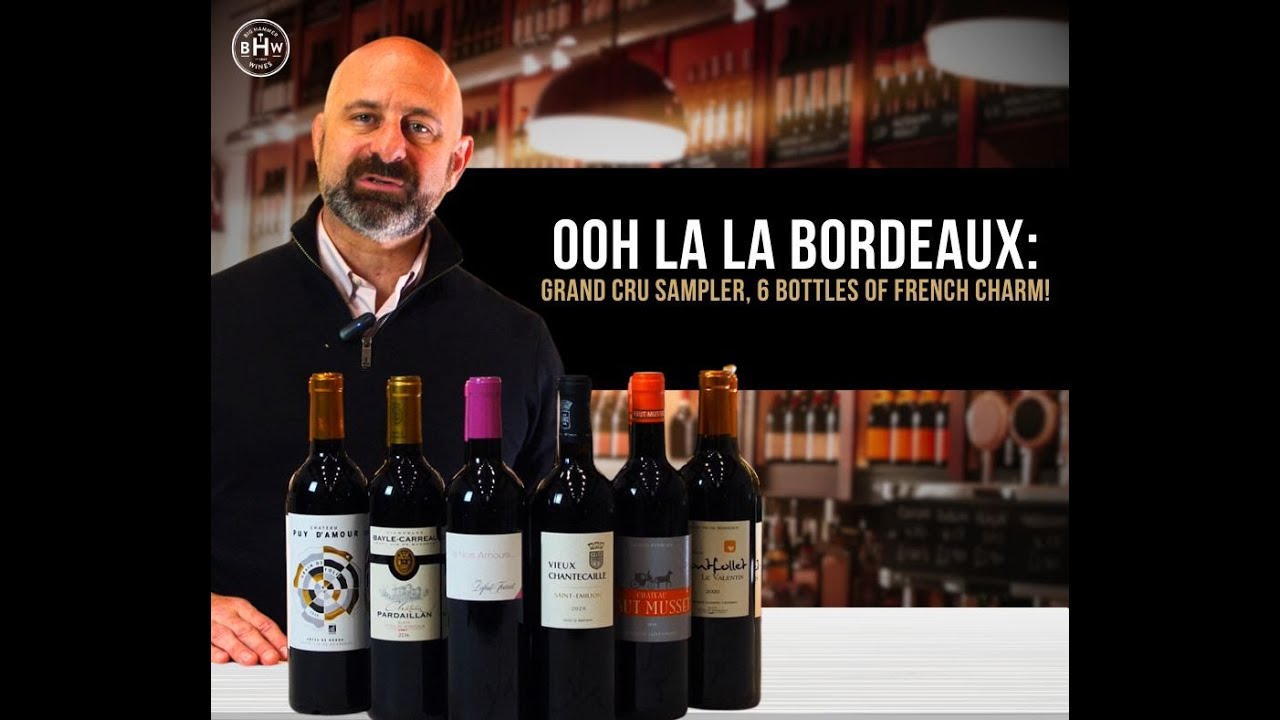
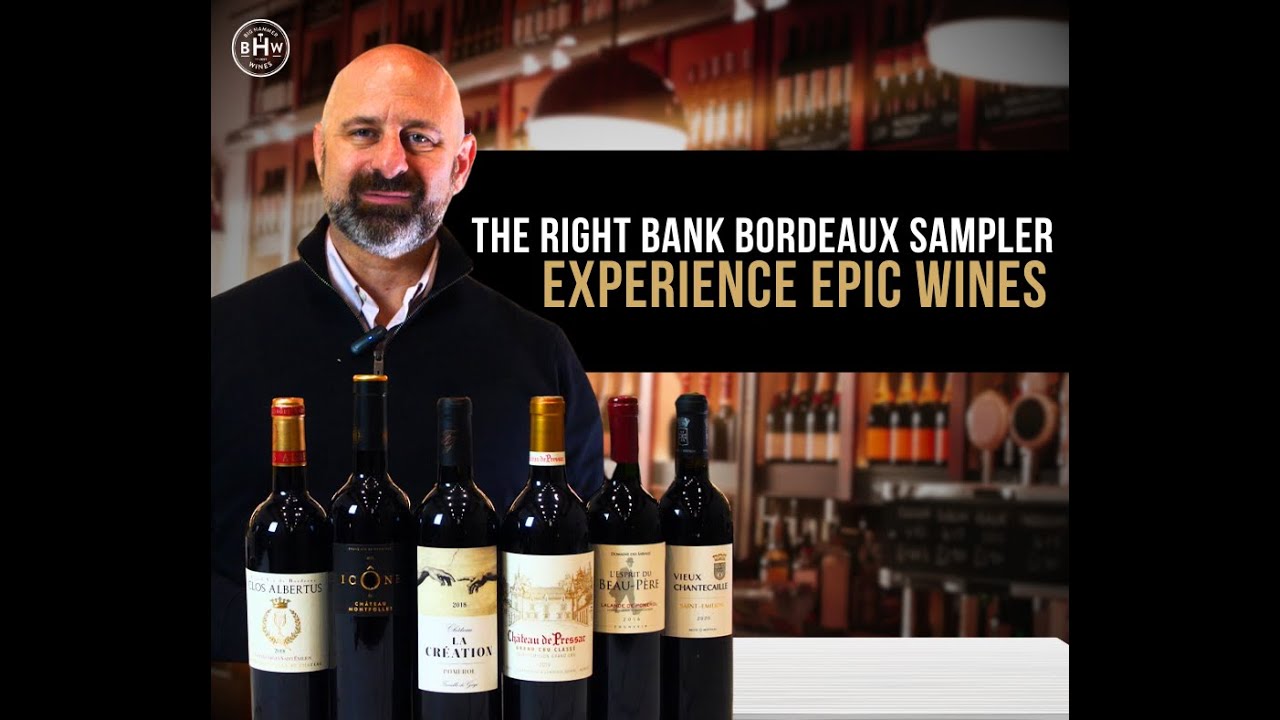
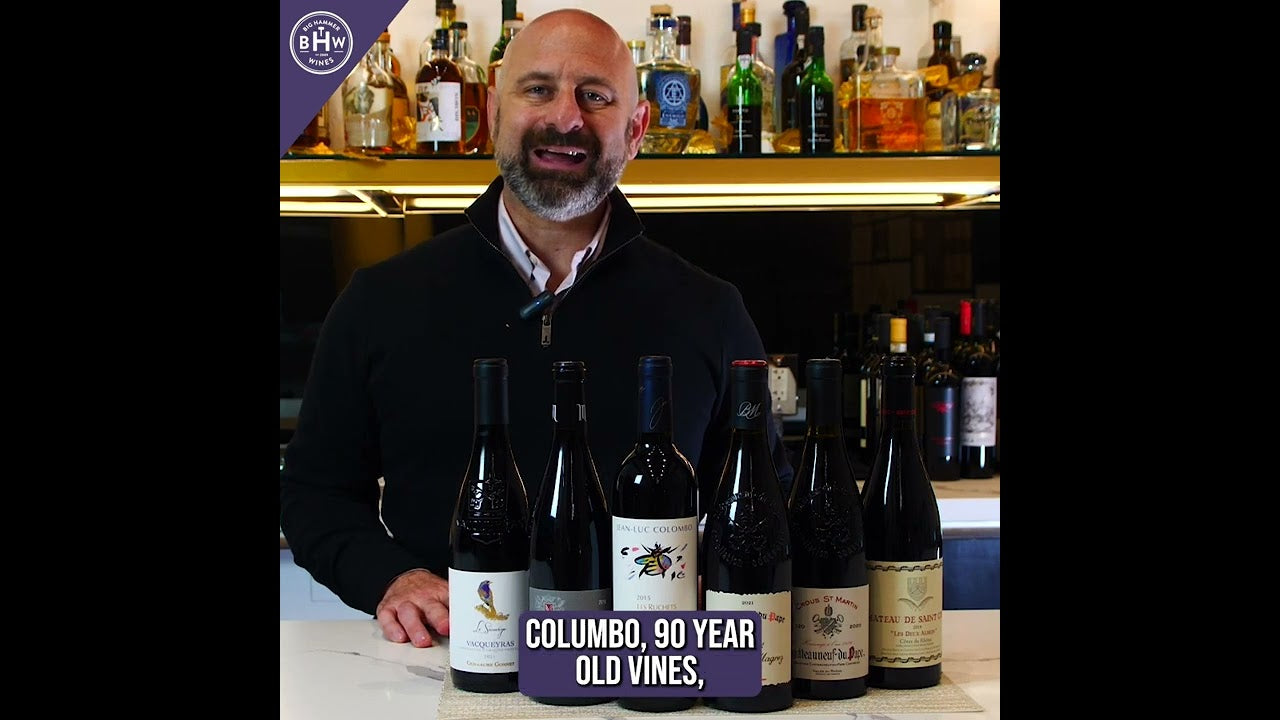
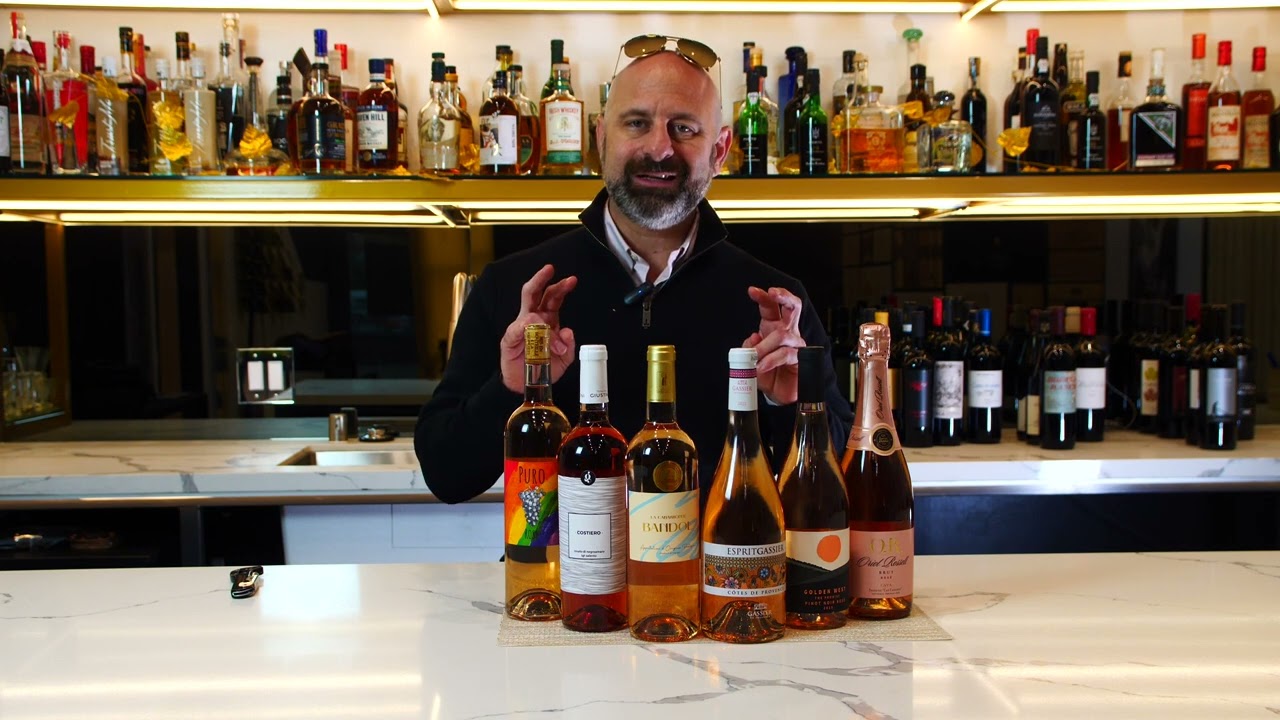


These wines are waiting for you – shop now!
SHOP COLLECTIONShare:
Georgia Wines: 8,000 Years of Tradition, A Modern Renaissance
Comments Section