

Wine futures - also called en primeur - let you buy a wine before it's bottled, directly from the producer, at release pricing.
You pay upfront, wait 2- 3 years for delivery, and in return you get access to wines that may otherwise sell out, in formats that may never be available again, at prices set before the market reacts to critic scores. It's one of the wine world's oldest traditions, and once you understand how it works, it becomes one of its most interesting.
Key Takeaways
- En primeur is the French term for buying wine while it is still aging in barrel - before it is bottled or sold commercially.
- The system originated in Bordeaux but now applies to wines from Burgundy, Champagne, Tuscany, Rhône, and other regions.
- The main advantages: early access to limited allocations, pre-release pricing, and the ability to order unusual bottle formats like magnums and jeroboams.
- The main risks: you are buying a wine you have not tasted in its finished form, and you are paying 2- 3 years before delivery.
- The key to buying well: a reputable merchant with direct négociant relationships, secure escrow, and a track record of delivering what they sell.
What Are Wine Futures, Exactly?
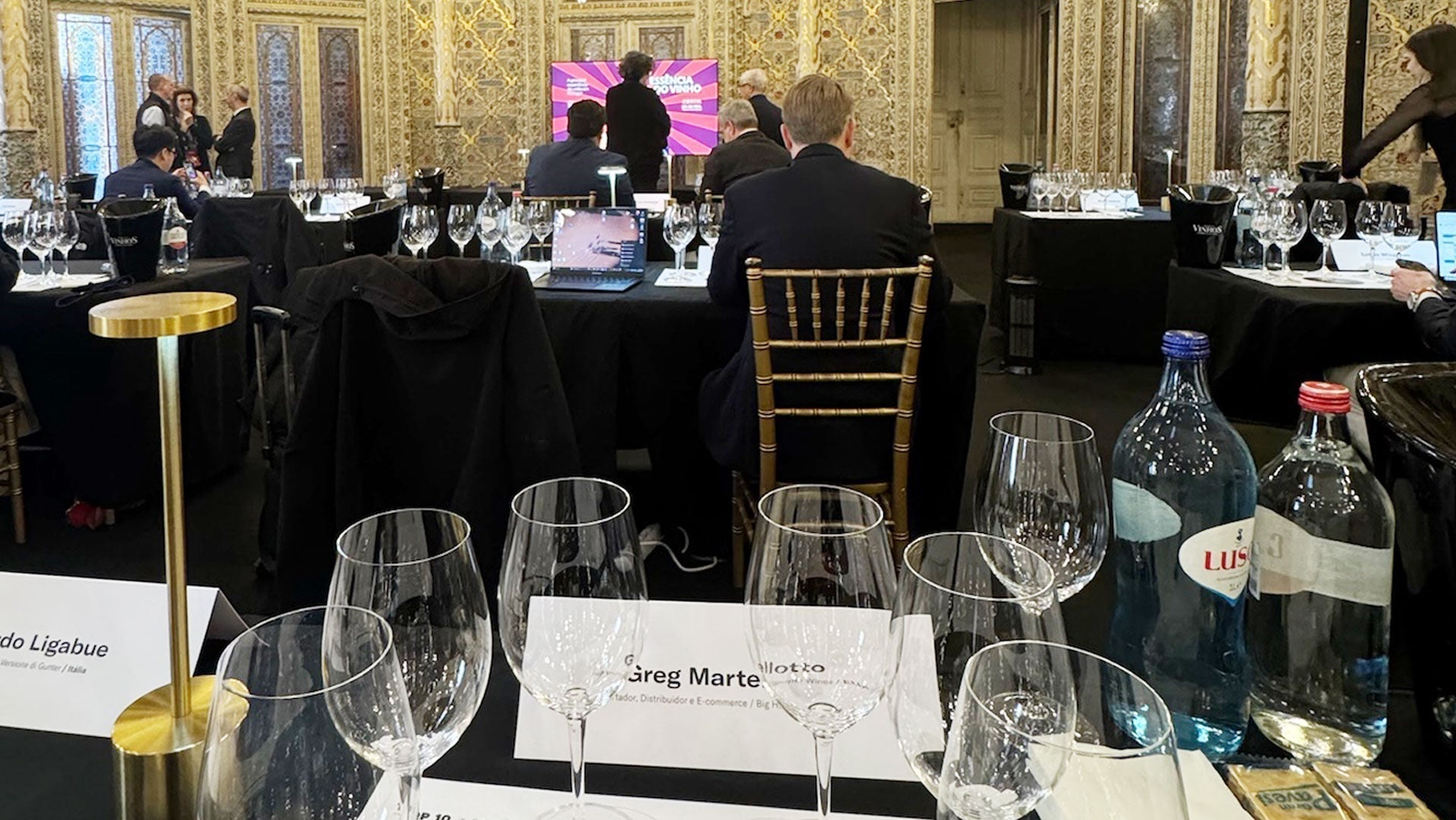
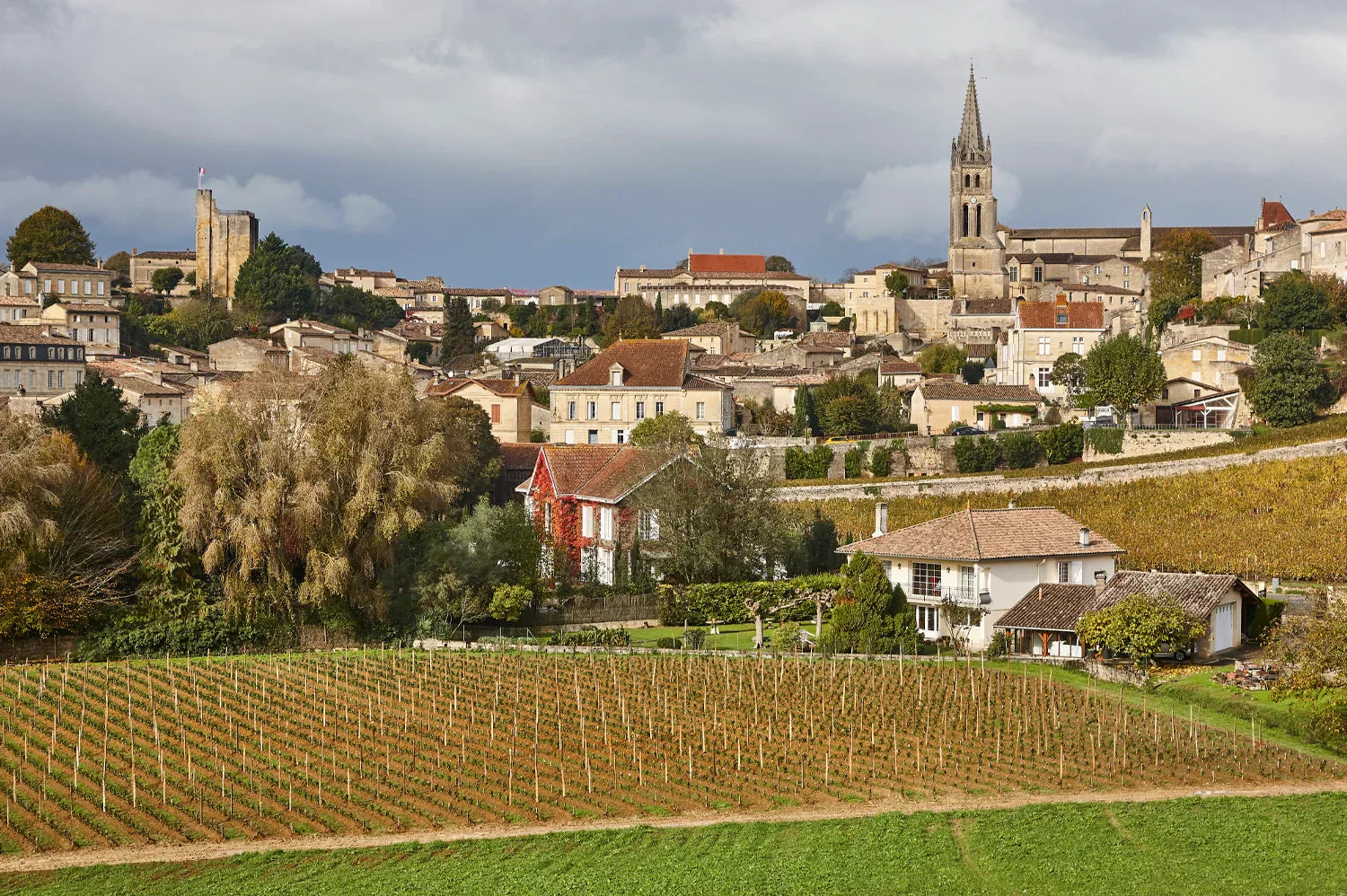
Let's start with the simplest version of the idea. Every year, the great châteaux of Bordeaux harvest their grapes in September or October. Over the following months, those grapes become wine — still young, still in barrel, still not ready to drink. Around April the following year, journalists, critics, and merchants from around the world descend on Bordeaux to taste those barrel samples and give their early assessments. This is the en primeur campaign.
During and after that week, the châteaux set a release price and opened their wines for sale in barrel. You, the buyer, can purchase a case of Château X 2025 right now, knowing that the wine won't arrive at your door for another 2 -3 years.
That's the whole thing. Buy now. Receive later. The French call it en primeur — 'first' or 'early.' Americans call it futures or pre-arrivals. The commercial arrangement is identical.
Where Does En Primeur Come From?
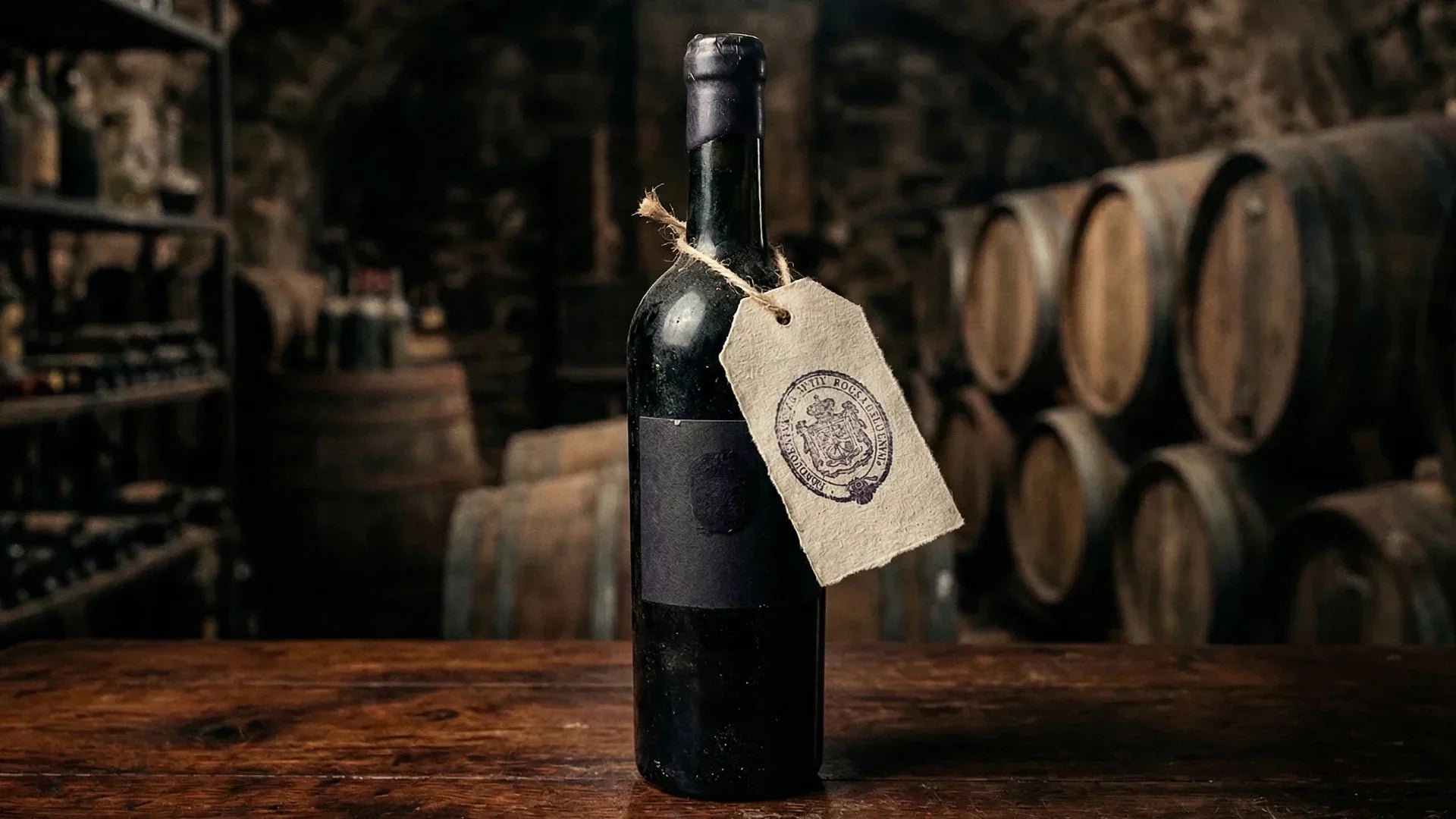
The system is hundreds of years old. Long before wine critics and wine scores existed, Bordeaux négociants — the merchant-brokers who connected châteaux to the world — needed cash during the aging period. Châteaux needed revenue before their wine was ready to sell. The solution: sell early, at a discount, and deliver later.
For most of that history, the beneficiaries of this arrangement were merchants and négociants, not consumers. The consumer-facing version of en primeur only became widespread in the 1980s, when Robert Parker's advocacy for the 1982 Bordeaux vintage turned wine futures into a mainstream concept.
Since then, the system has evolved significantly. Prices have risen and fallen. Participation has spread beyond Bordeaux to other regions. The relationship between en primeur price and eventual market price has become more complicated. But the core mechanic — buy in barrel, receive in bottle — remains exactly what it always was.
How the Process Actually Works, Step by Step

Here is the full journey of a wine futures purchase, from harvest to your cellar.
- Harvest (September–October). The vintage is picked. Early assessments from the producers themselves give the first hints of quality.
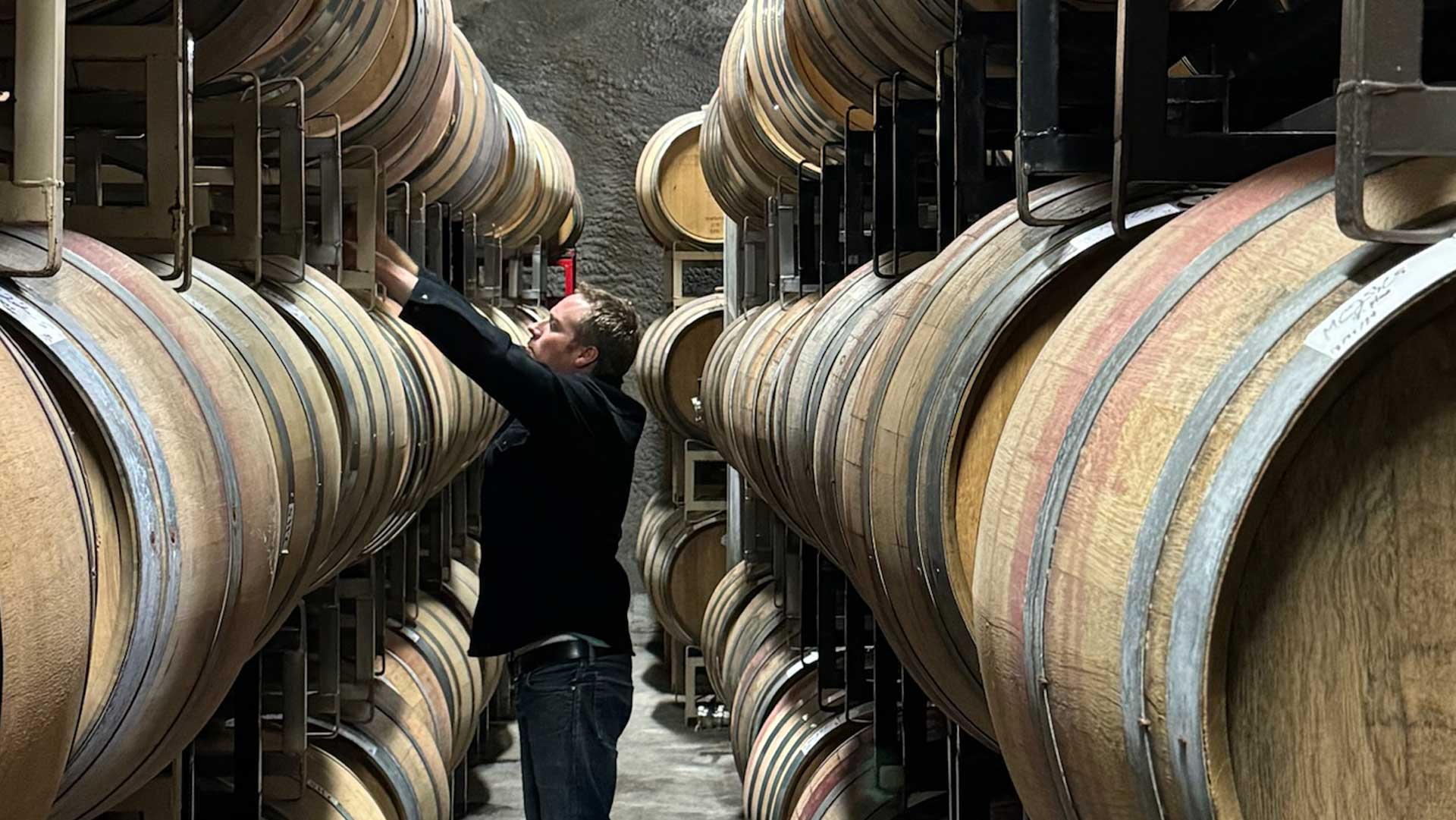
- Barrel aging begins (October–March). The new wine spends the winter developing in barrel. Winemakers assess, blend, and refine.
- En primeur tasting week (April). Around 4,000 critics, merchants, and journalists fly to Bordeaux for La Semaine des Primeurs — the official barrel-tasting week. They taste the raw wine from barrel, take notes, and begin forming their assessments.
- Critics publish scores and reports (April–June). The major publications — Decanter, Falstaff, James Suckling, Vinous, and others — release their barrel-sample scores. This is when the market starts to form opinions.
- Châteaux set release prices (April–June). Based on vintage quality, market conditions, and their own judgment, each château announces its release price. They typically release wine in multiple tranches — the first tranche is often the most attractively priced.
- You buy (April–June). Your merchant offers you an allocation — a specific number of bottles at the château's release price, plus the merchant's margin and shipping. You pay upfront.
- The wine continues aging in barrel (another 12–18 months). The wine stays at the château, finishing its maturation. It is not bottled yet.
- Bottling and shipping (2-3 years after purchase). The wine is bottled, labeled, and shipped. It arrives at your door — or in storage — in the next 2-3 years following the campaign.
|
Real timeline example You buy 2025 Bordeaux futures in May 2026. The wine finishes barrel aging, is bottled in early 2027, and arrives at your door in late 2027 or early 2028. You waited roughly 2- 3 years.. You paid the release price set in 2026. |
Why Do People Buy En Primeur?

This is the right question to ask. You're committing money now, waiting 2-3 years, and buying a wine you haven't tasted in finished form. What's the case for it?
Access to wines that sell out
The most compelling reason for most buyers is simply access. The best Bordeaux châteaux — Pétrus, Pomerol's top estates, Pauillac's First Growths — produce wine in limited quantities that disappear quickly once released to the market. En primeur may be the only realistic way to buy them. Missing the campaign often means missing the wine entirely, or paying a significant secondary market premium later.
Pre-release pricing
The classic case for futures is price: buy early, before the market reacts to critic scores, and pay less than you would once the wine is bottled and in circulation. This argument has weakened over the past decade — many en primeur wines have not appreciated meaningfully after bottled release. But in vintages where crisis conditions force châteaux to price conservatively (like the current 2025 campaign), the gap between futures price and eventual market price can be meaningful.
Format access
While the wine is still in barrel, many châteaux will allow buyers to specify non-standard bottle formats: magnums (1.5L), double magnums, jeroboams (3L or 4.5L depending on region), and larger. Once the wine is bottled and released, those formats may be gone — or extremely rare on the secondary market. For collectors and people buying for a specific occasion, this is often the strongest practical reason to buy en primeur.
The experience of following a vintage
There is also a less tangible but real benefit: buying en primeur puts you in the story of a vintage. You watch the harvest news, you follow the critic scores, you track the release prices. When the wine finally arrives two years later, you know its full history. Many serious collectors describe this as a meaningful part of what makes fine wine interesting.
Who should probably wait
En primeur is not the right move for everyone. If you want to drink wine this year, you should buy bottled wine. And if you're buying futures primarily as a financial investment, be honest with yourself — the days of reliable en primeur appreciation are largely over. Buy futures because you want the wine, not because you're expecting it to pay off.
En Primeur: The Honest Pros and Cons

Is En Primeur Only Bordeaux?
Bordeaux invented the system and remains the dominant market for it, but the concept has spread.

How to Buy Wine Futures Through Big Hammer Wines
The mechanics of buying futures through BHW are designed to remove friction while protecting you as a buyer. Here is exactly how it works.
Step 1: Watch your inbox — offers come in daily
During an active en primeur campaign, we send daily emails as new château allocations become available. This is how the system actually works: châteaux release tranches on their own timeline, often one per day, and the offers go out to our list the same morning. If you're not on our email list, you'll miss the window. The best allocations at the most attractive prices move within hours of hitting your inbox.
Step 2: Browse available allocations
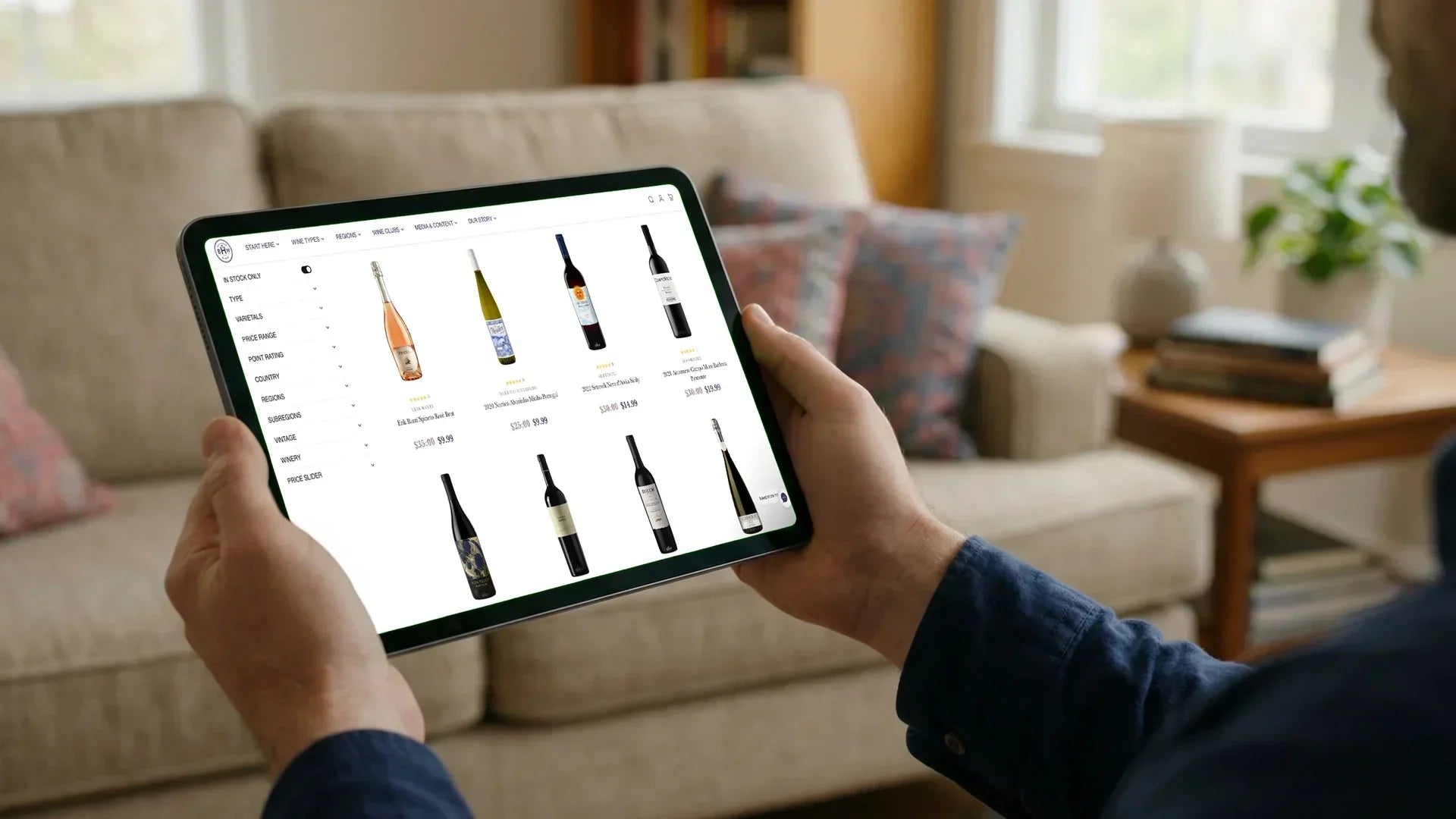
Our Bordeaux Futures collection lists every currently available allocation, with estate, vintage, appellation, case format, and pricing. You can filter by what's in stock.
Browse the BHW Bordeaux Futures Collection
Step 3: Purchase with secure escrow
Your payment is held in secure escrow until the wine ships. This is the most important thing to understand when buying futures from any source. You are paying now for wine that won't arrive for two years — trust and financial security are non-negotiable. BHW has delivered Bordeaux futures since our founding, and our long-term relationships with négociants are the backbone of the program.
Step 4: Wait (the enjoyable part)
This is where it gets interesting. You follow the vintage. You watch the critic scores come in. You read the appellation reports. You track whether the wine you bought is looking better or more extraordinary with each passing assessment. When it finally arrives, you've been anticipating it for two years. That's worth something.
|
Pro Tip Once you decide to buy en primeur, it's worth asking about magnum availability. Many top châteaux will allow magnum orders during the campaign window — once the wine is bottled, magnums and larger formats are often gone forever or command a large secondary market premium. Important Note All prices for FUTURES do not include any taxes or tariffs. Please review our terms and conditions of sale. |
En Primeur Glossary: The Terms That Matter
You now know how the system works. Here are the key terms you'll encounter when buying — and how to use them correctly.
En Primeur: French for 'first' or 'early.' The practice of buying wine while it is still in barrel, before bottling and commercial release. Used interchangeably with 'futures' or 'pre-arrivals' in English.
La Semaine des Primeurs: The annual Bordeaux barrel-tasting week, typically held in April. Around 4,000 trade professionals attend to taste the previous year's vintage from barrel. This is when the campaign officially begins.
Négociant: A Bordeaux wine merchant who acts as the intermediary between châteaux and the global market. They receive allocations from producers and distribute them. BHW's direct négociant relationships are how we access classified growth allocations.
Tranche: A portion of a château's production released at a specific price point. Most estates release wine in multiple tranches — the first is typically the most attractively priced. When a tranche sells out, it's gone.
Allocation: The specific quantity of wine a merchant is authorized to offer. Once an allocation is sold, no more can be purchased at that price. Top estates have far more demand than supply.
Barrel Sample: The wine drawn from barrel during the en primeur week for critic assessment. This is not the finished wine — it will continue developing in barrel before bottling. Scores from barrel samples are assessments of potential, not final judgments.
Classified Growth (Cru Classé): A château included in the official 1855 Classification of the Médoc and Sauternes, or the Saint-Émilion classification. These are the most sought-after names in any en primeur campaign.
Escrow: The financial arrangement protecting buyers in a futures purchase. Your payment is held by the merchant until the wine ships — you are not simply handing money over and hoping for the best. At BHW, escrow is a non-negotiable part of how we operate.
Frequently Asked Questions
1. What does 'en primeur' mean?
En primeur is a French term meaning 'first' or 'early.' It refers to the practice of buying wine while it is still aging in barrel at the château, before it is bottled and released to the commercial market. Buyers pay upfront at the producer's release price and receive the wine 2-3 years later.
2. Is buying wine futures risky?
There are real risks. You are paying for wine 2- 3 years before delivery, based on assessments of barrel samples rather than finished wine. The wine may not match the barrel-sample assessment once bottled. And in most years, en primeur wines have not appreciated significantly in value after bottled release — so if you are buying as an investment, the case is weaker than it was in the 1980s and 1990s. The key mitigation: buy from a reputable merchant with a track record of delivery, use secure escrow, and buy because you want the wine.
3. How long does it take to receive wine bought en primeur?
Typically 2-3 years from purchase. The wine spends additional time in barrel after the en primeur campaign, then is bottled, shipped, cleared through customs, and delivered. Purchases made during April–June of a given year generally arrive in late the following year or early the year after.
4. Do I need a large budget to buy Bordeaux futures?
Not necessarily. While the most famous First Growth châteaux (Lafite, Mouton, Margaux, Latour, Haut-Brion, Pétrus) carry significant price tags, there are excellent classified and cru bourgeois wines available in the campaign at very accessible price points. Some of the best-value futures in any campaign come from lesser-known estates that are well-regarded by critics but fly under the radar of the biggest buyers.
5. What is the difference between futures and pre-arrivals?
These terms are used interchangeably in the American market. 'En primeur' and 'futures' both refer to wine purchased before bottling. 'Pre-arrivals' sometimes refers more specifically to wine that is already bottled and in transit but not yet on the retailer's shelf, but the terms are often used loosely and the practical difference for buyers is minimal.
6. Can I specify a magnum or large format when buying futures?
Yes — this is one of the genuine advantages of buying en primeur. While the wine is still in barrel, many châteaux allow buyers to order in alternative formats including magnums (1.5L), double magnums (3L), jeroboams, and sometimes larger. Once the wine is bottled in those formats and released commercially, they often sell out quickly or command a substantial premium. Ask your merchant about format availability when you place your order.
7. Is Bordeaux the only region with an en primeur system?
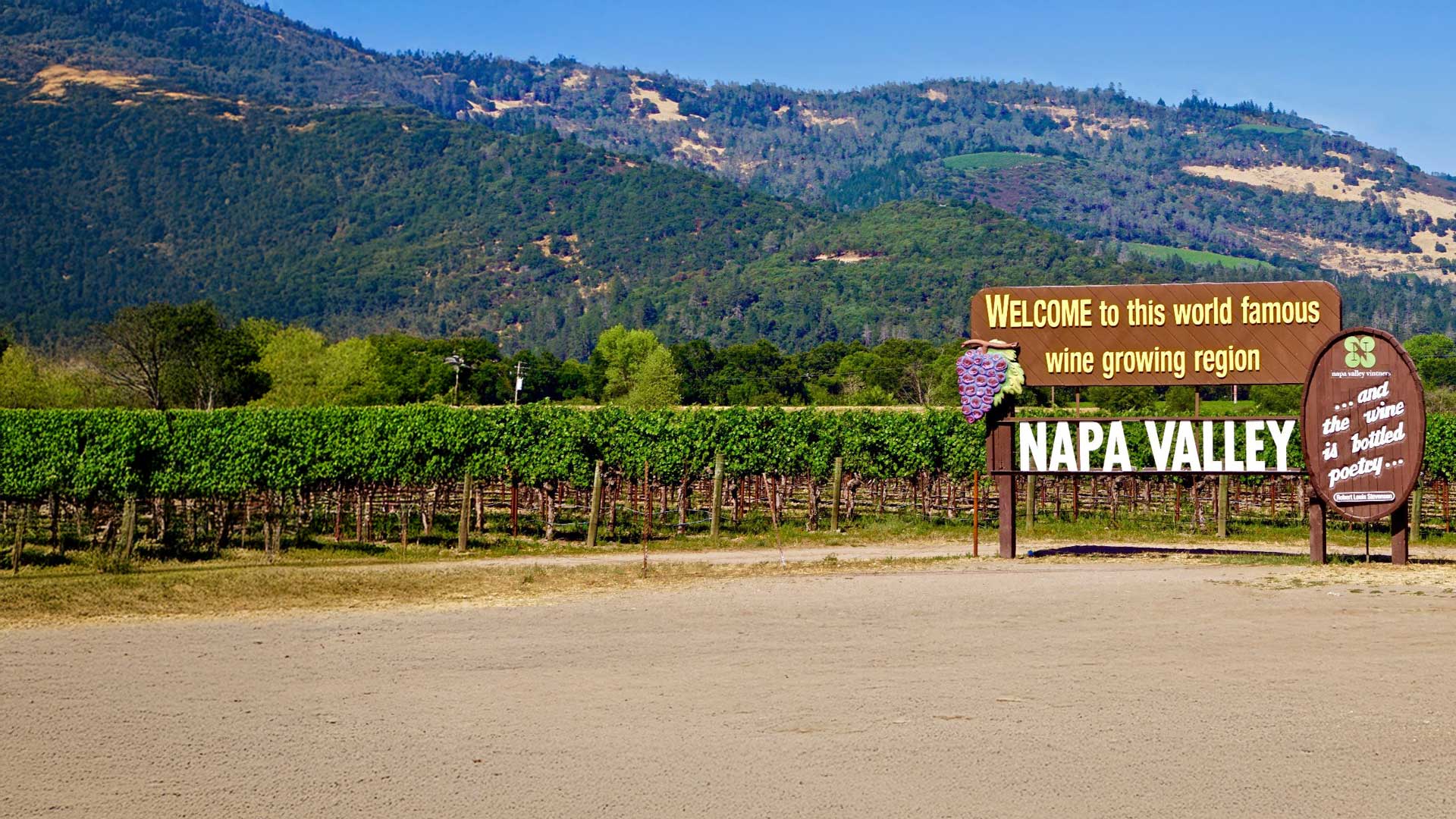
Bordeaux invented the system and remains the primary market for it, but en primeur and pre-arrival programs now exist across Burgundy, Champagne, Tuscany, the Rhône Valley, and even parts of California and Napa. The mechanics are similar: pay now, receive later, at or near the producer's release price.
8. How does Big Hammer Wines' futures program work?
BHW offers direct access to Bordeaux en primeur allocations through long-standing relationships with négociants in Bordeaux. Our DTC model provides cellar-direct import pricing, priority allocation access, and the option to order in alternative formats. Your payment is held in secure escrow until the wine ships. During active campaigns, daily offer emails go out as each château's allocation is released — sign up for BHW emails to be in the running.
9. What does a merchant mean when they say an allocation has 'sold out'?
When a merchant's allocation is exhausted, they can no longer sell that wine at en primeur price — even if the château still has wine in barrel. The merchant received a fixed quantity from their négociant, and once it's gone, it's gone. This is why the first tranche of a popular château often moves within hours of the offer being issued.
Ready to Explore Wine Futures?
Our Bordeaux Futures collection includes current campaign allocations from top châteaux across all major appellations. Browse what's live, or get on our priority list to be first when new tranches release.
Browse the BHW Bordeaux Futures Collection
Learn More About En Primeur Program Explainer























Explore Our Futures 2025 Collection
SHOP COLLECTIONShare:
Mother's Day Gift Guide for Wine Moms
Comments Section