


A response to the NYT DealBook piece, and a few things that piece didn't say.
The New York Times ran a piece last week titled “In Wine Country, Sales Are Down and Fraud Is Rampant.” If you read it, you came away with a familiar picture: a struggling industry, scammers cashing in, an opaque supply chain that experts compare to the trade in guns and illicit drugs. Bleak stuff.
All of it is true. I have spent twenty-five years in this business, and I would not argue with a single fact in that article. The Kurniawan story is real. The Wellesley story is real. Wine fraud is real, and it has been real for as long as people have been willing to pay extra for a bottle because of the name on the label.
The line that stuck with me was from Frances Dinkelspiel, who wrote a book about an arson attack at a California wine warehouse:

She is right. And I want to add something to what she said, because the article stops where the most interesting part of the story actually begins.
There are Two Wine Worlds. The Article Only Describes One
The wine world the Times is writing about is the prestige economy where people just want to belong. There’s always been a romanticism about wine. Auction lots. Trophy bottles. The world where a bottle’s value is decided not by what is in it but by what is printed on it. That is the world Rudy Kurniawan exploited for $150 million. People would pay to have the opportunity to taste “mythical” and rare wines. Only, they later learned they had been paying to taste wines that Rudy blended in his garage. There is the world James Wellesley built a $100 million Ponzi inside of. Look, Bernie Madoff made off with hundreds of millions fooling very savvy investors. It shouldn’t be surprising that this guy managed to get $100M from people looking for a quick buck. Whenever or wherever there are gullible people looking to make money, there’s going to be a conman waiting in the wings.
As people decide that owning a wine matters more than drinking one, there’s going to be folks trying to take advantage.
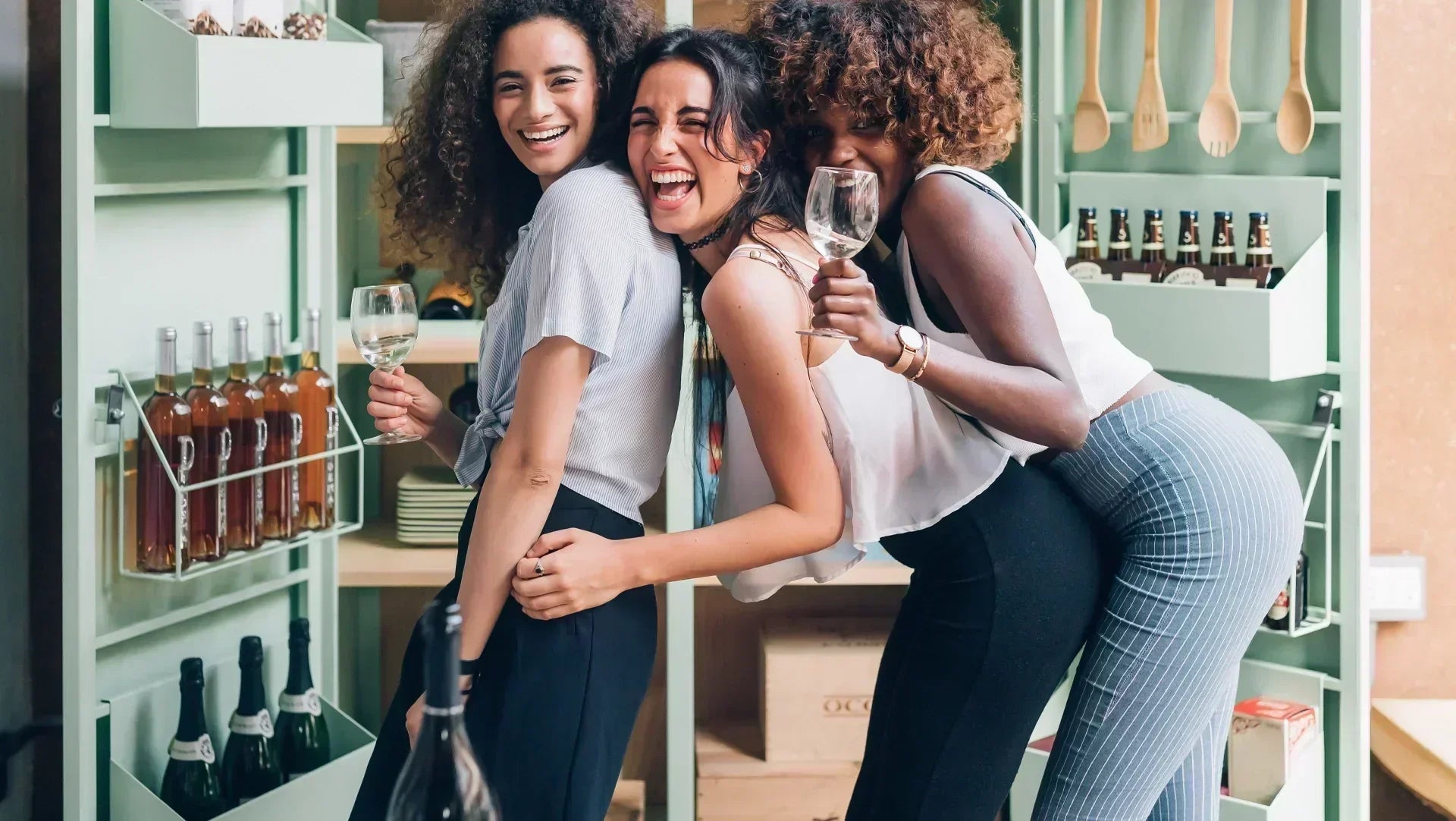
But there is a second wine world. It does not get written about, because nothing dramatic happens there. It is the world of people who like to drink wine. Just—drink it. With dinner. With friends. On a Tuesday because Tuesday was, well Tuesday. In world of wine drinkers lives wine lovers, and while something remarkable has been happening, almost nobody is reporting on it.
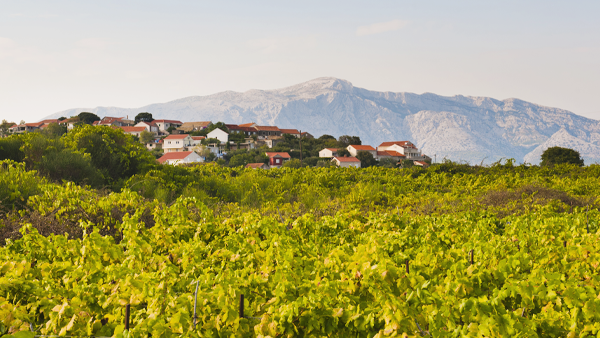
The fact is wine has never been better than it is right now. There has never been a better time to be a wine lover than now. Quality at almost every price tier is the highest it has been in my lifetime. Winemakers are better trained. Vineyards are better farmed. Cellar technology is better. A serious bottle from Sicily, the Languedoc, Mendoza, Paso Robles, the Douro—a serious bottle from a dozen places that were not on the map twenty years ago—drinks today like a serious bottle from a famous appellation drank in 2005. The rising tide of quality wine has truly lifted all boats. Now, combine that with today’s economic challenges and changes in the marketplace and you have a perfect storm for wine revelry.
Wine drinkers have changed. Younger people are not walking away from wine because they don’t like it. They are drinking less because they are more health-conscious, more deliberate about what they put in their bodies, and frankly, less willing to put up with mass-produced juice that tastes identical from one bottle to the next. They want fewer drinks, and better ones. The same is true of older drinkers who have been at this for decades and have run out of patience for the sweet, manipulated, homogenous stuff that lines most grocery store shelves. Drink less, drink better. That is not a crisis for wine. That is a correction the wine industry has been overdue for since the 1990s.
The other thing the headlines miss is the way people buy now. For decades, most Americans bought wine the way they bought paper towels—at the grocery store, off a shelf full of the same dozen brands picked by the same handful of beverage conglomerates.
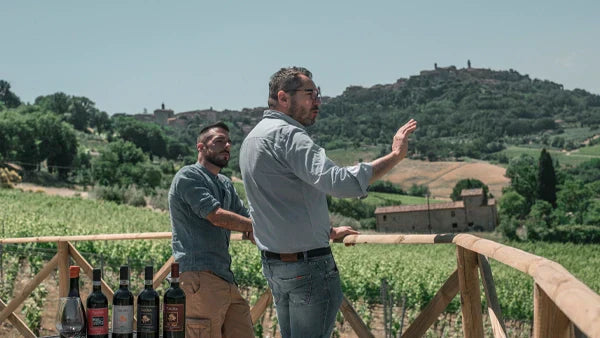
That is changing fast. Drinkers are finding independent retailers with real expertise, real relationships with producers, and real opinions about what is worth opening on a Wednesday night. The kind of domain knowledge that used to live only inside a few good restaurants and a few good wine shops in big cities is now available to anyone willing to ask for it.
Interstate shipping has done more for the American wine drinker in the last ten years than any law since Prohibition was repealed. Whereas in the recent past, most wine lovers were limited to what they could find in their neighborhood, now the whole world of wine is genuinely at your fingertips.
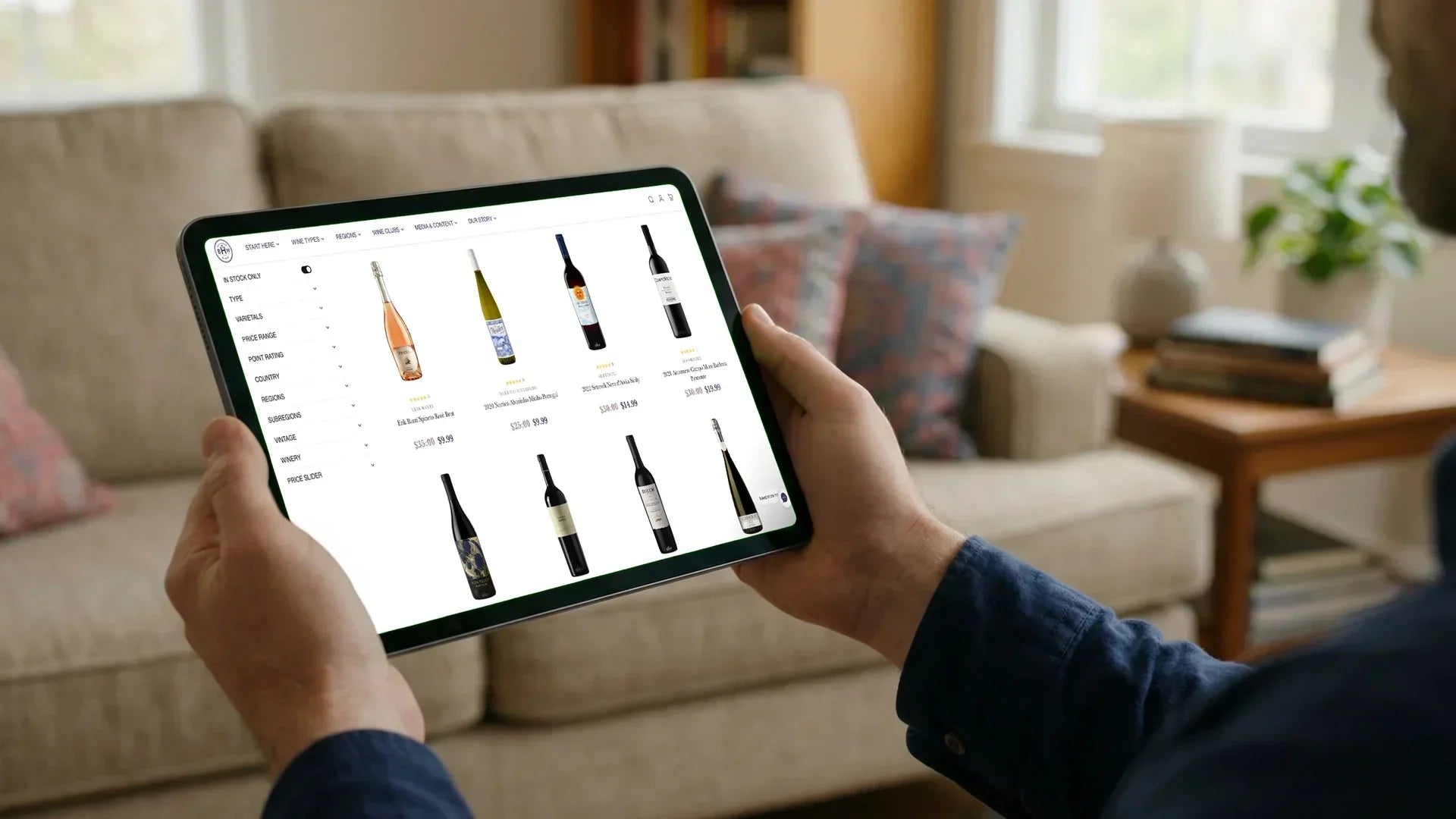
Not just the brands a national distributor decided to put in front of you, but small producers, direct-import bottles, regional gems, and the kind of wine that used to require a passport to taste. Thanks to online ordering, you can get access to real wine experts who help curate personalized wine selections. That only existed in the halls of elite restaurants and five-star hotels. Now, you can connect with an expert on your phone within minutes.
People read the headlines and miss the full story. Here is the full story: if you are a wine drinker, these are the best of times.

The Economics Behind The Article Are Also The Buyer’s Opportunity
Rob McMillan at Silicon Valley Bank told the Times that thirty percent of the industry is really struggling. Consumption is at a sixty-year low. Younger drinkers are walking away. The article frames this as a doom story, and for some producers, it is.
But for a buyer with relationships and a working palate, this is the most interesting moment in a generation. Producers with excellent fruit and real winemaking talent suddenly have inventory they need to move. Allocations are loosening. Pricing has softened in places where it has not softened in twenty years. The drinkers who left the table are leaving the table set for the rest of us.
That is not me celebrating anyone’s misfortune. The wineries I work with are people I know and like, and the goal is not to bargain-hunt on their graves. The goal is to find the great juice that the great producers are making and put it in front of the people who will appreciate it. Right now, there is more of that to do than ever.
Good Company Gets You To The Right Wine

The article is correct that the wine business is opaque. It is. The supply chain is messy, the labels can lie, the prices often do not reflect the quality, and a confident salesperson can sell you almost anything if you do not know any better.
The honest answer to that is not that wine is a minefield to be avoided. The honest answer is that you want a guide. Not a sommelier in a vest using words like “nervy” and “unctuous.” A friend. Someone who has tasted enough of this stuff to know what is real and what is performance, and who is on your side of the table when they tell you about it.
That is the job. It is the only job that matters in this business. Strip out the mystique, strip out the gatekeeping, strip out the markup that exists to support a story rather than a wine, and what is left is people who like to drink, and people who can help them drink well. The real wine fraud thrives in the space between those who are trying to push brands and those who know and can taste the difference. Artificial intelligence is not going to know the difference, and that’s why experts are more valuable than ever.
The Times piece ends: “There are so many ways to create fraud through wine. That is the problem.”
With respect to a very good article, that is not the problem. That is a solvable problem. There are fakers and fraudsters in any industry, and you can avoid the pitfalls by having an insider expert in your pocket.
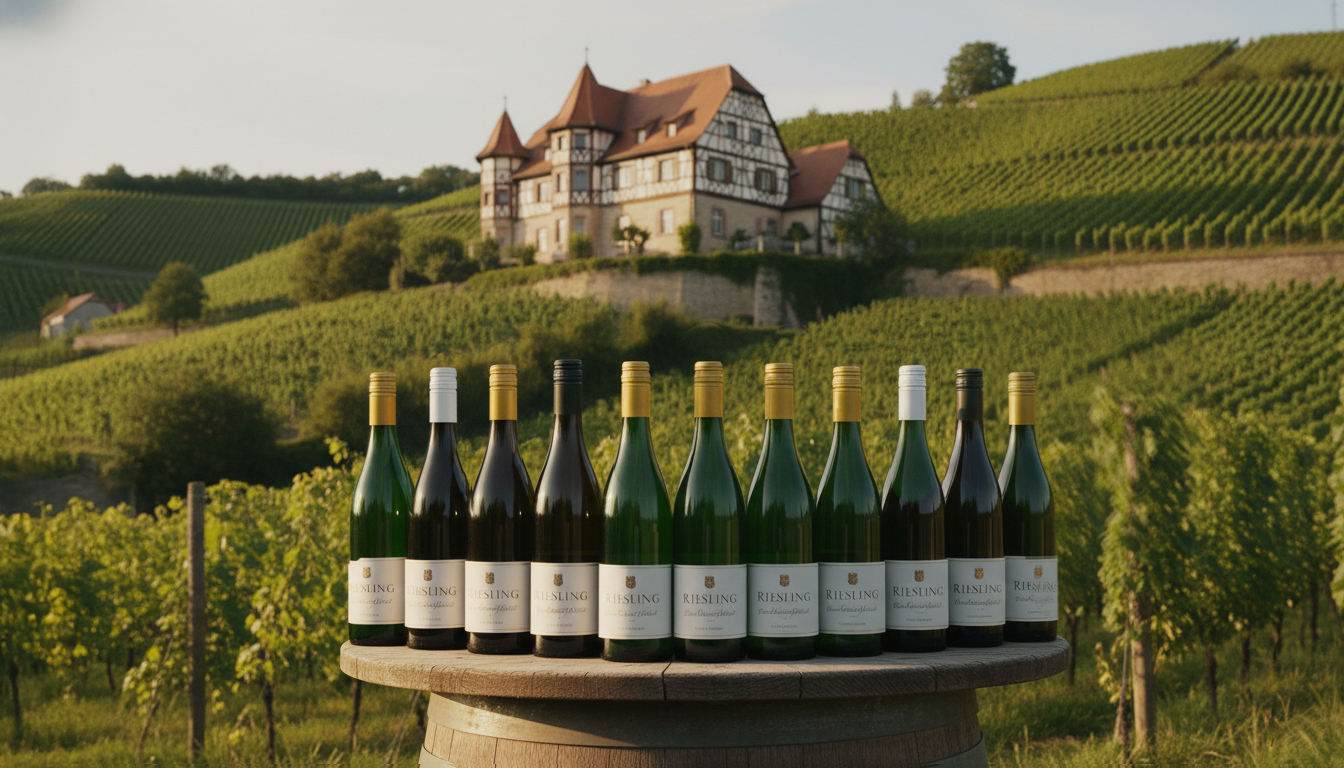
The bigger story, the one nobody is writing, is that the wine being made today is the best wine that has ever been made, sold at prices that are friendlier than they have been in a long time, by producers who would love to find you.































Share:
What Is En Primeur? How Wine Futures Work — And Whether They're Worth It
Comments Section