

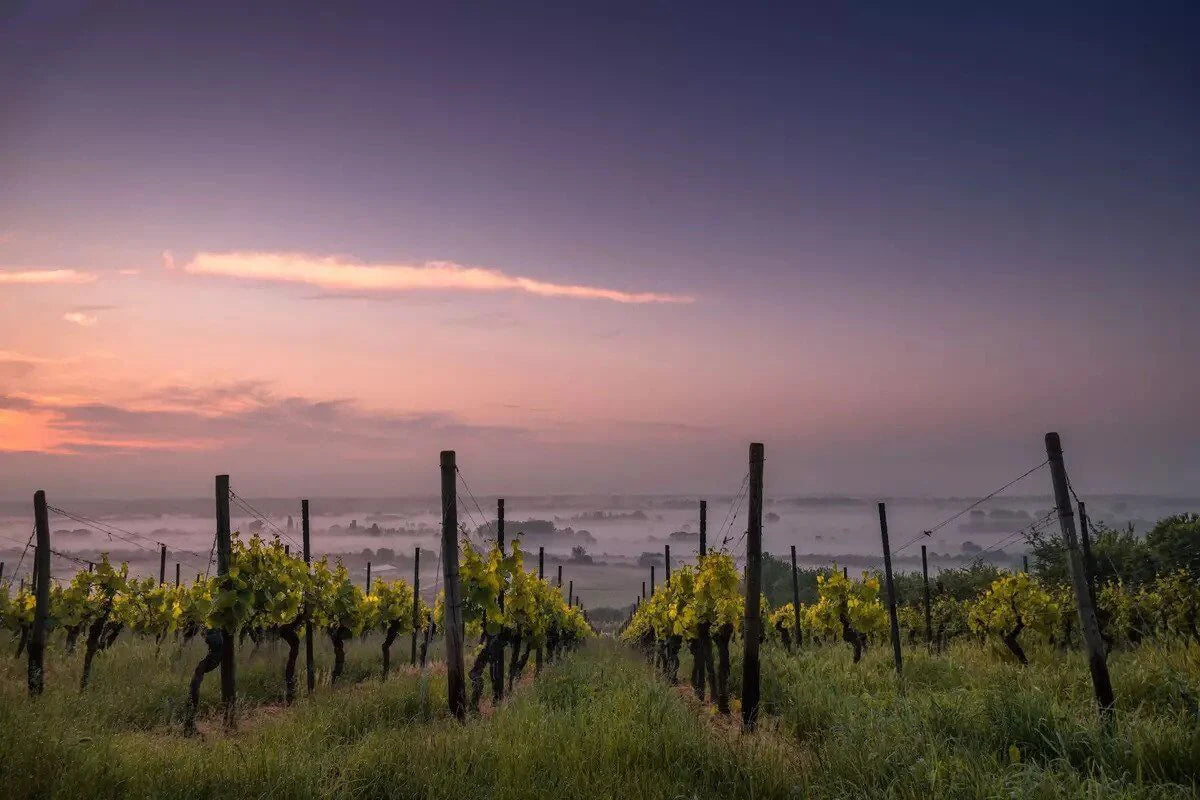

Why Slovenian Wines?
Alpine air, Adriatic light, and native grapes most wine lovers have never tasted — Slovenia over-delivers in the glass.
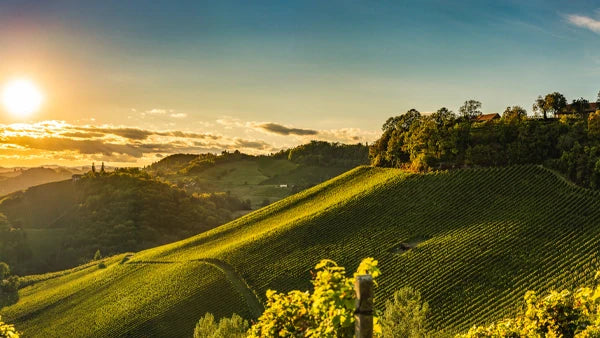
Between the Alps and the Adriatic
South of Austria, east of Italy: a crossroads country where the Julian Alps give the wines their crispness, tension and vibrancy.
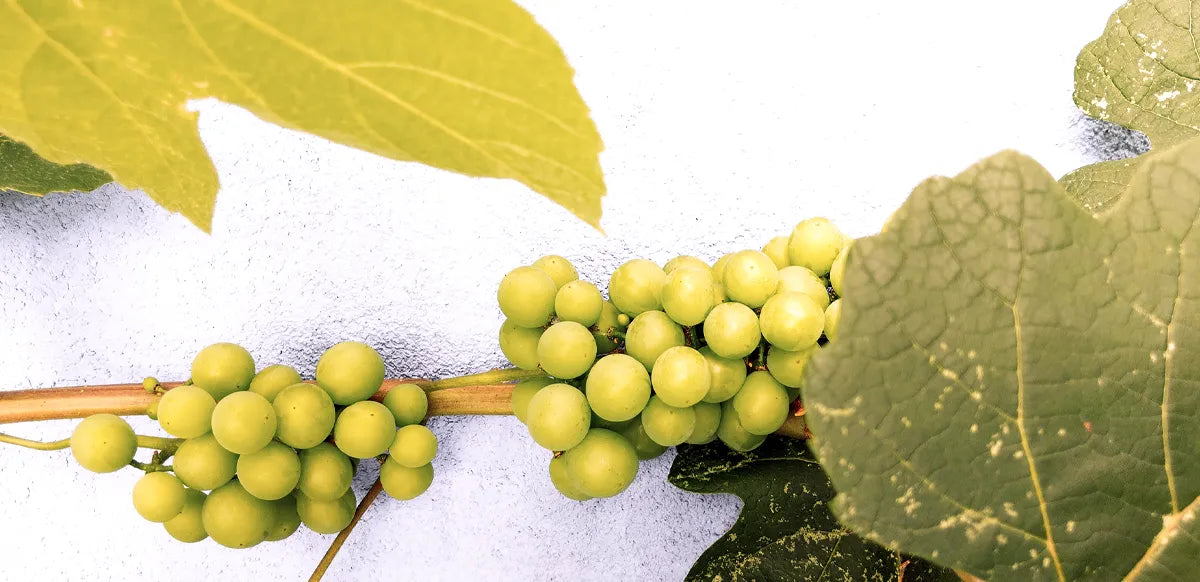
Rebula and the Great Whites
Primorska's native Rebula brings green apple, citrus and herbs — and Slovenian oak is so well regarded that winemakers across Europe prize it for their own barrels.
Home of the World's Oldest Vine
Podravje's continental hills hold a vine over 400 years old — still producing. Old-school Laski Rizling thrives here: bright acid, minerality, lemon and honey.
A Wine Journey Through Slovenia
Three regions, three personalities — west to east.
Primorska
The Mediterranean west, on the Italian border. Native Rebula and Teran beside Chardonnay, Sauvignon Blanc and Pinot Noir — bright acid and mineral notes throughout. We've stocked Marjan Simcic's Goriska Brda whites from here.
Podravje
The continental east: hilly, cool, home to the world's oldest producing vine. Laski Rizling is the icon — green apple, lemon, honey and real minerality.
Posavje
The warm southeast, near the Croatian border: red country. Blaufrankisch — modra frankinja to the locals — and Zweigelt lead.
Slovenian Wine, Answered
What wine is Slovenia known for?
Crisp, vibrant whites above all: native Rebula from Primorska and Laski Rizling from Podravje. The Julian Alps give everything a signature tension. Reds lean on Blaufrankisch and Zweigelt in the warm southeast.
Where are Slovenia's wine regions?
Three: Primorska in the Mediterranean west by the Italian border, Podravje in the continental east, and Posavje in the warm southeast near Croatia. Each has its own climate and its own native grapes.
What does Rebula taste like?
Green apple, citrus and herbs, with bright acidity — and when it's aged in oak, a rich, creamy texture. It's Primorska's signature white and pairs with seafood, white meats and soft cheeses.
Where is the oldest vine in the world?
Slovenia — in the Podravje region, a vine more than 400 years old that still produces grapes every vintage. The country has been making wine since the Roman era.
Does Big Hammer Wines carry Slovenian wine?
Slovenian wine is only starting to trickle into the US, and allocations are tiny. We've stocked Marjan Simcic's Goriska Brda bottlings, and when the next one clears our 90+ bar, it lands on this page. Ask us about special orders anytime.