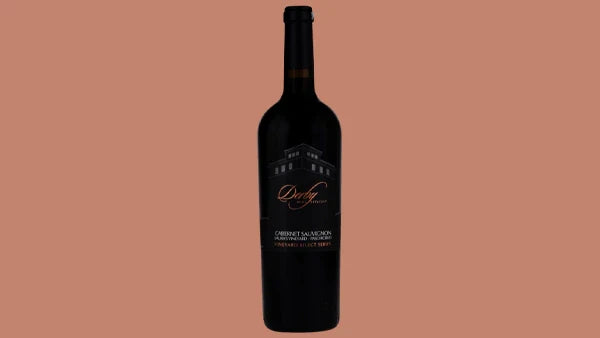


2024 Austin Hope Cabernet Sauvignon Paso Robles 1000ML

2022 Sculpterra Cabernet Sauvignon Paso Robles
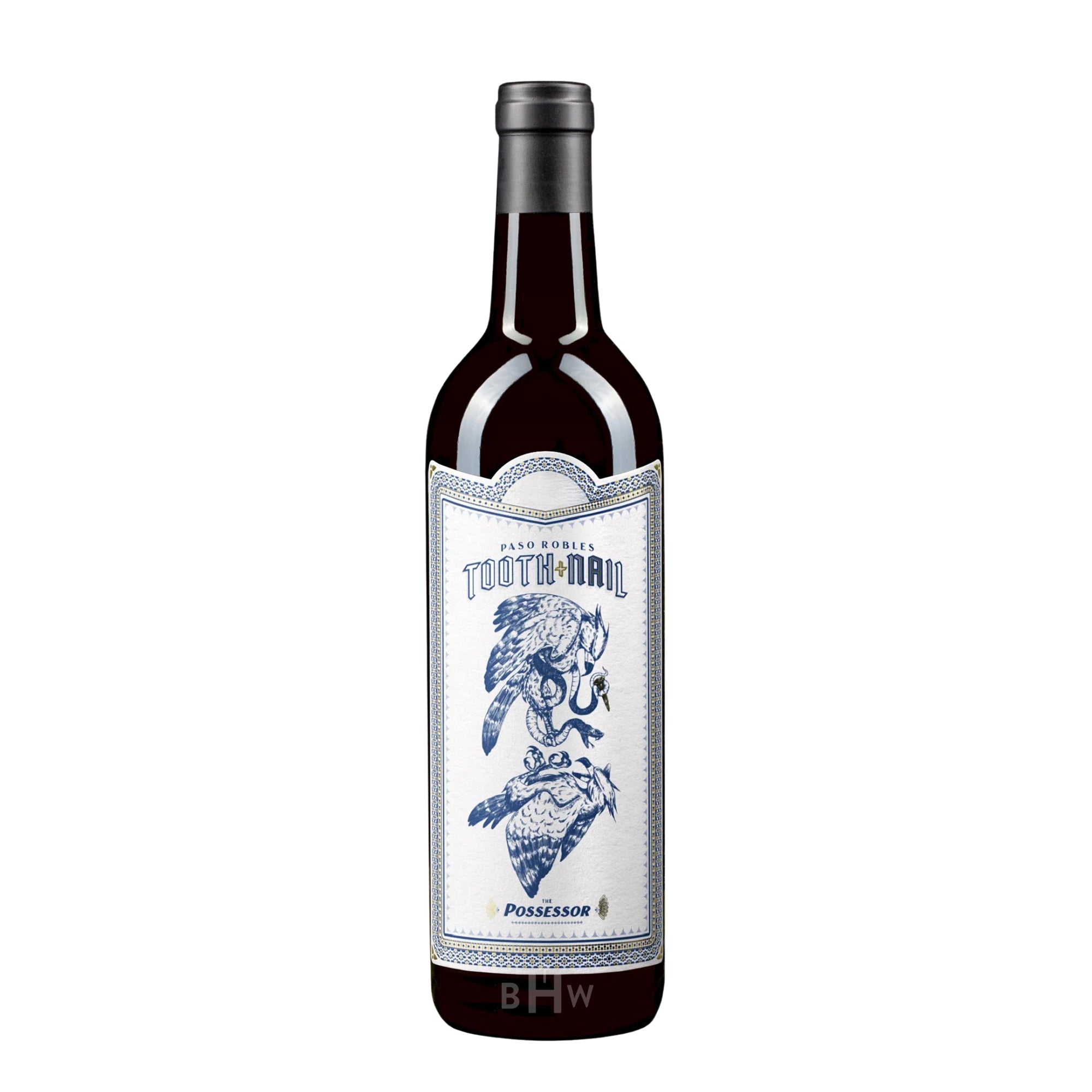
2023 Tooth and Nail Audubon The Possessor Red Blend Paso Robles
2023 The Squad Tempranillo Paso Robles

2022 L'Aventure Optimus Red Blend Paso Robles
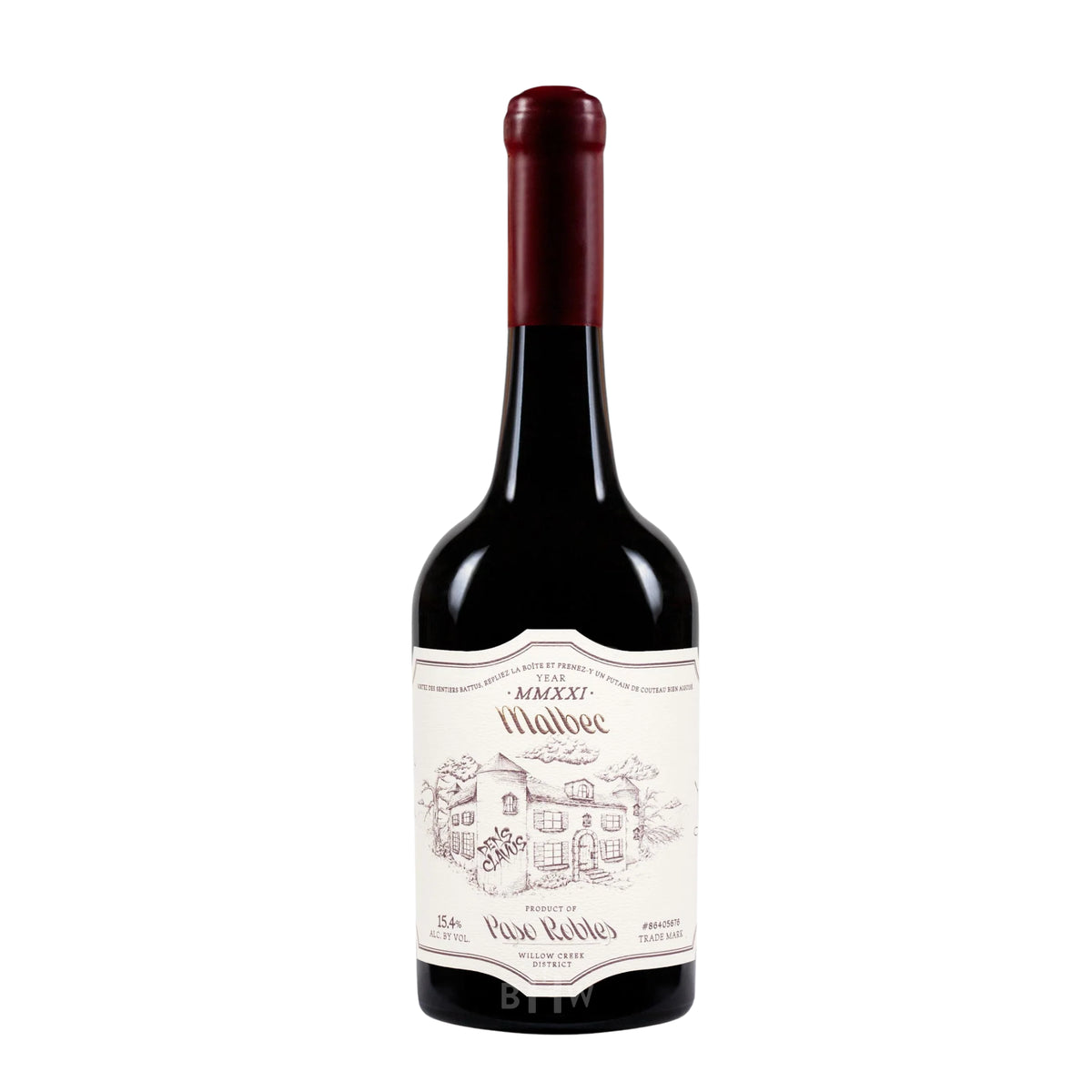

2020 Niner Wine Estates Red Bootjack Paso Robles 6pk 6x750ml
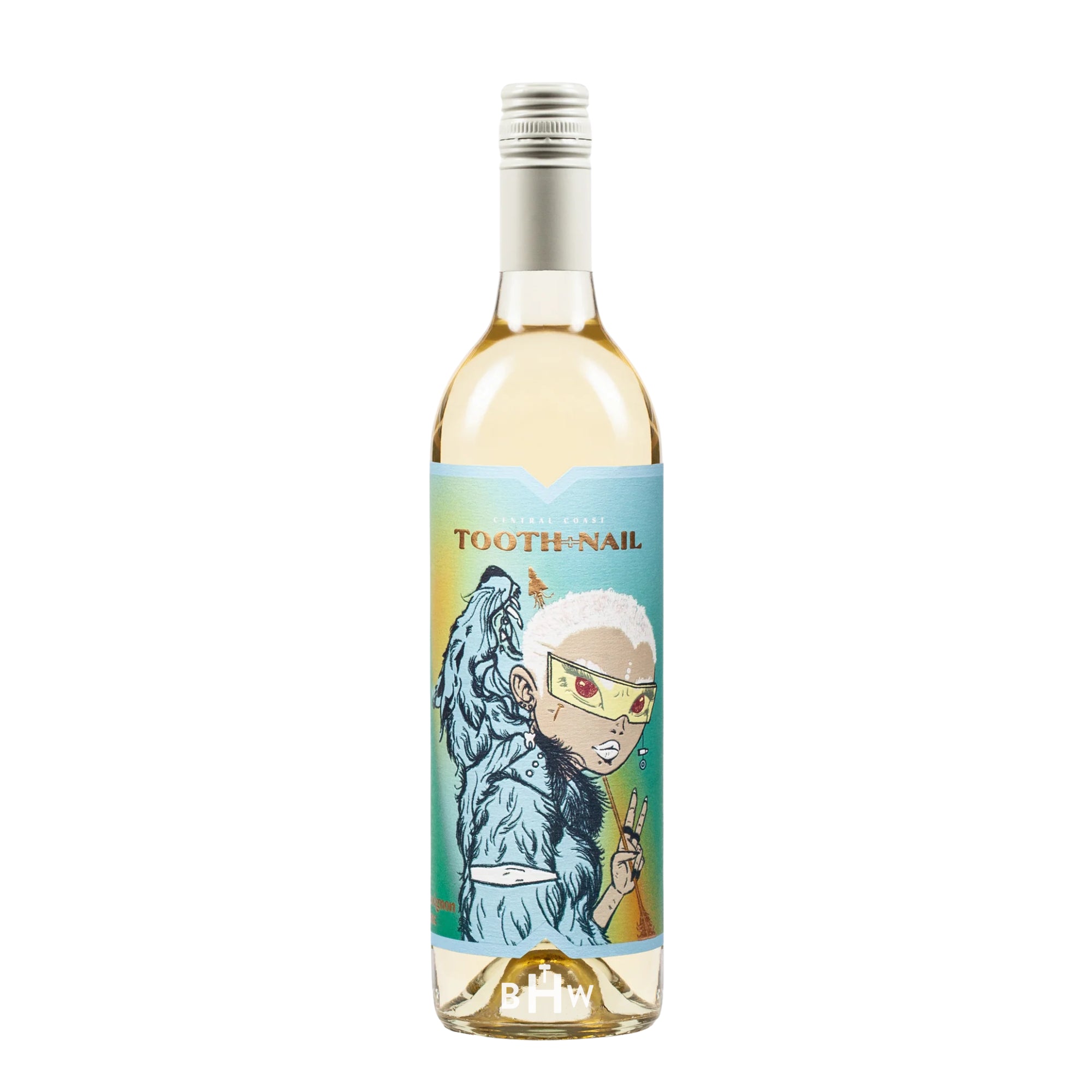
2023 The Squad Sauvignon Blanc Central Coast
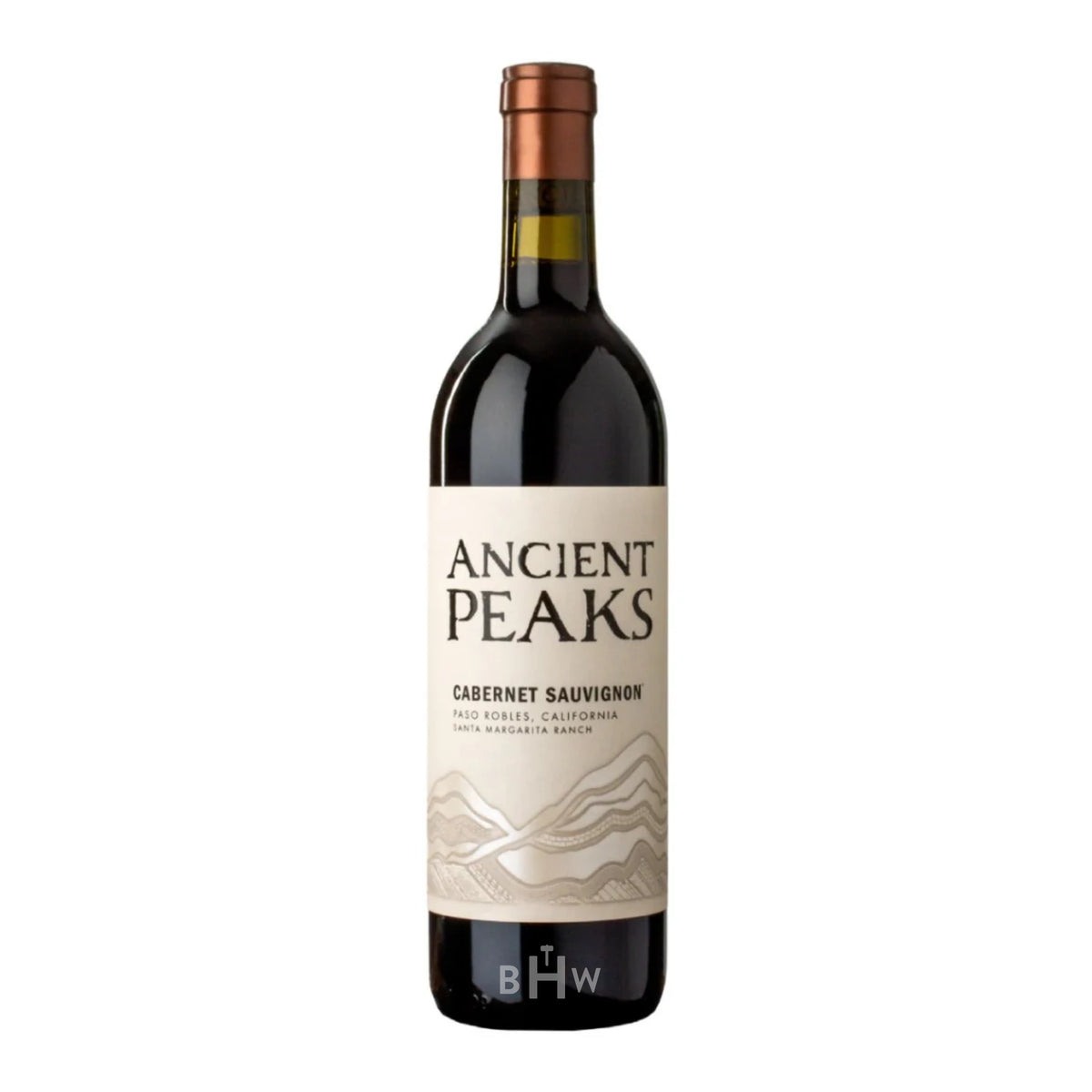
2022 Ancient Peaks Quarry Cabernet Sauvignon Paso Robles

2021 Daou Vineyards 'Patrimony' Cabernet Sauvignon
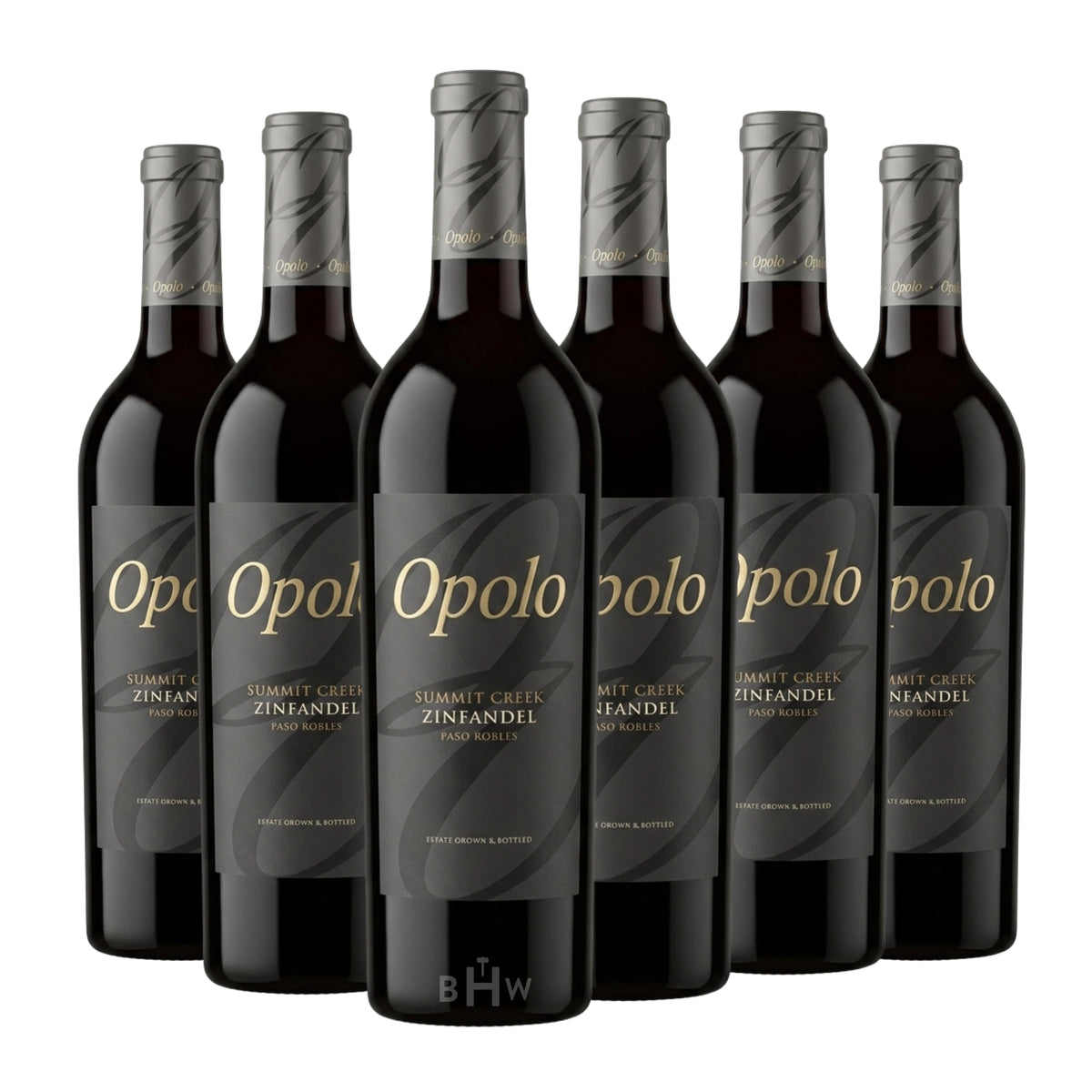
2024 Opolo Vineyards Summit Creek Zinfandel Paso Robles 6pk 6x750ml

2022 Ancient Peaks Quarry Cabernet Sauvignon Paso Robles 6pk 6x750ml
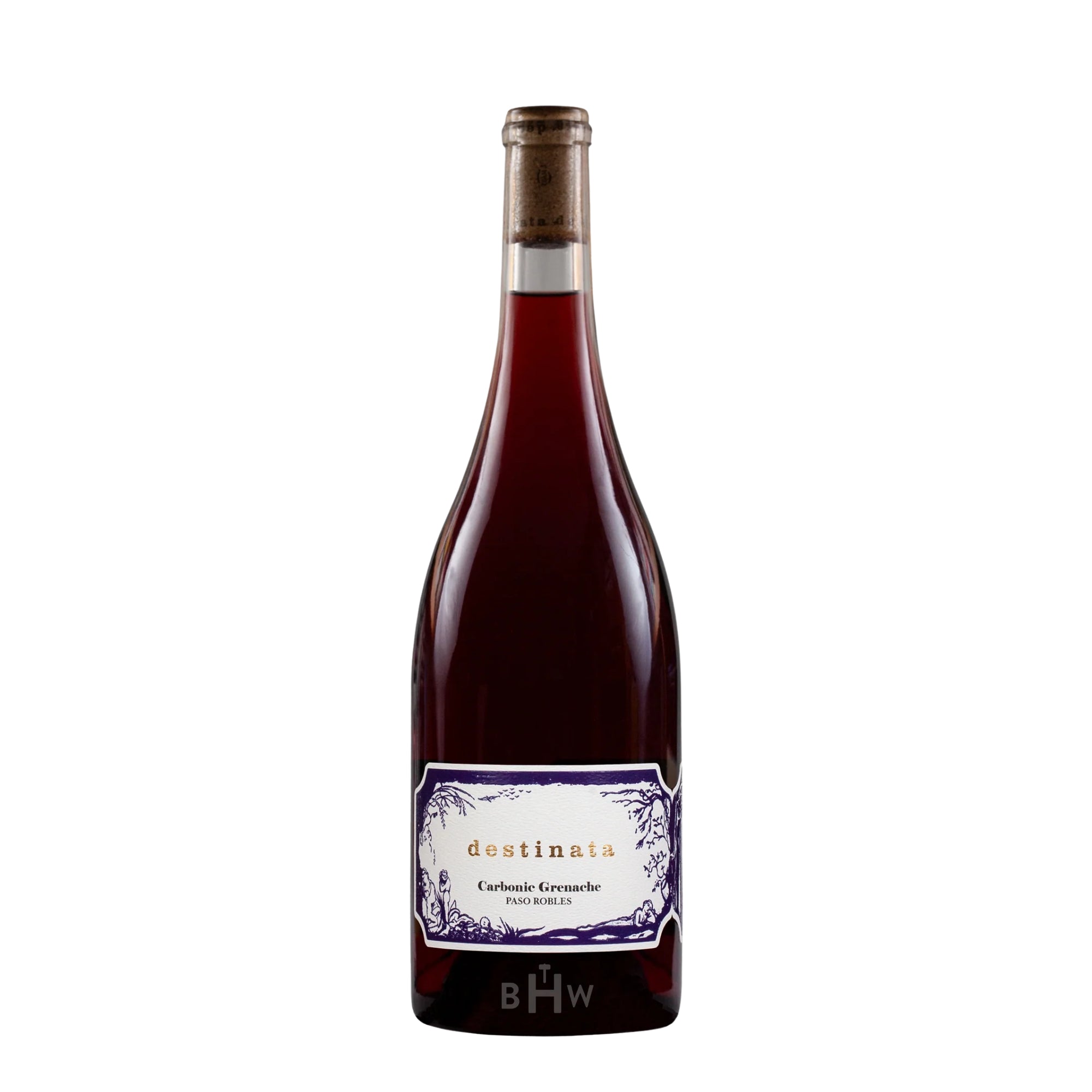
2023 Destinata Carbonic Red Blend Paso Robles
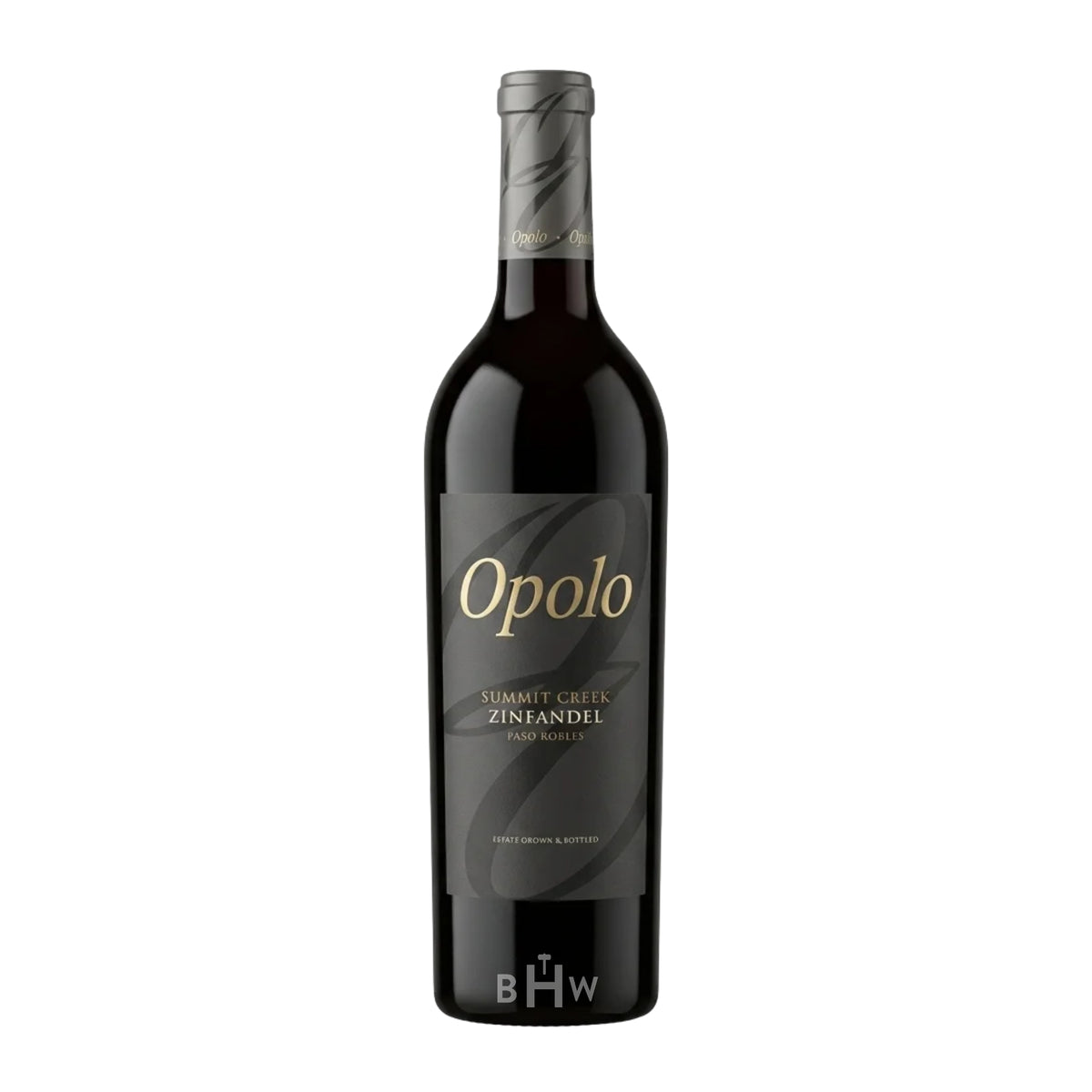
2024 Opolo Vineyards Summit Creek Zinfandel Paso Robles
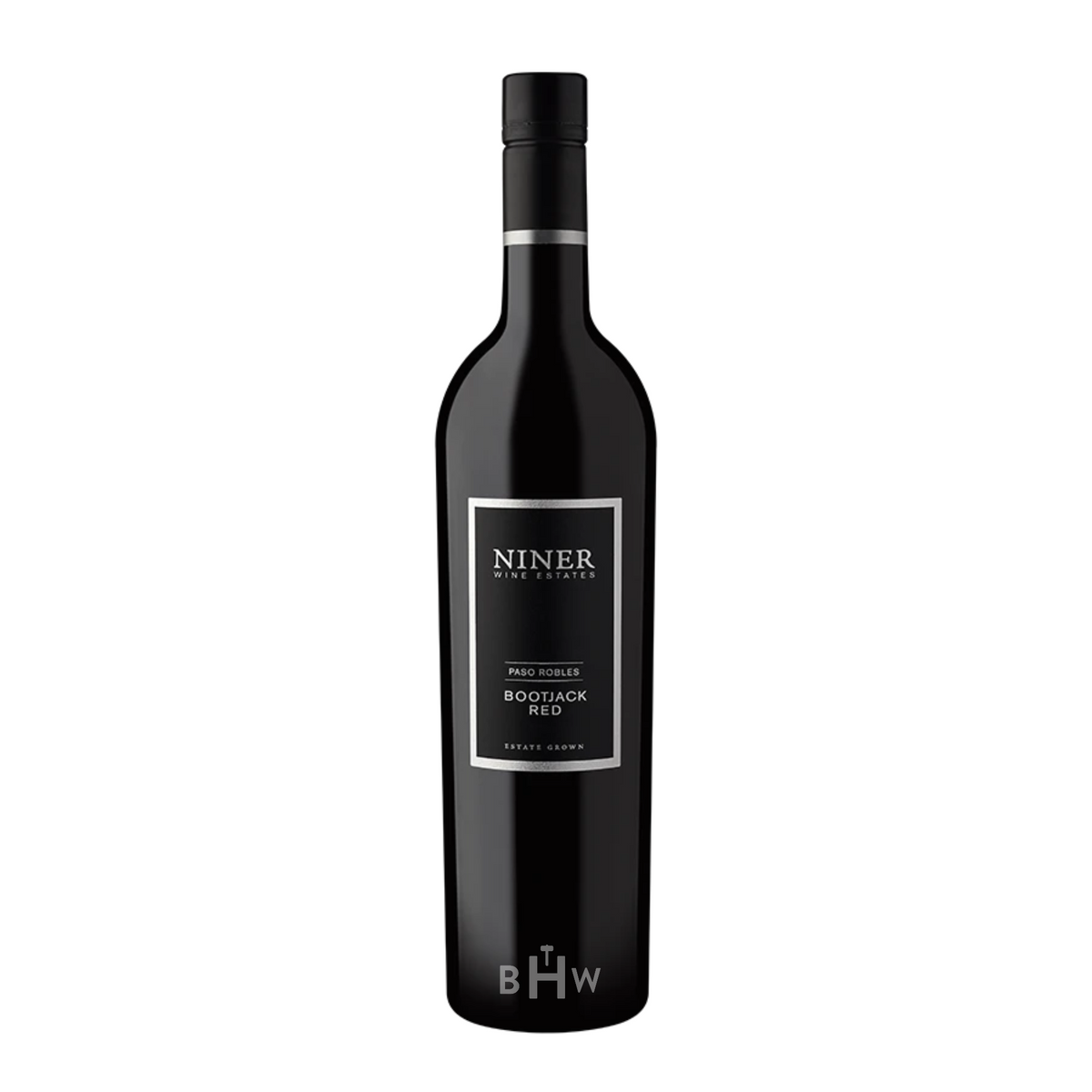
2020 Niner Wine Estates Red Bootjack Paso Robles
2022 Daou Vineyards 'Patrimony' Cabernet Sauvignon
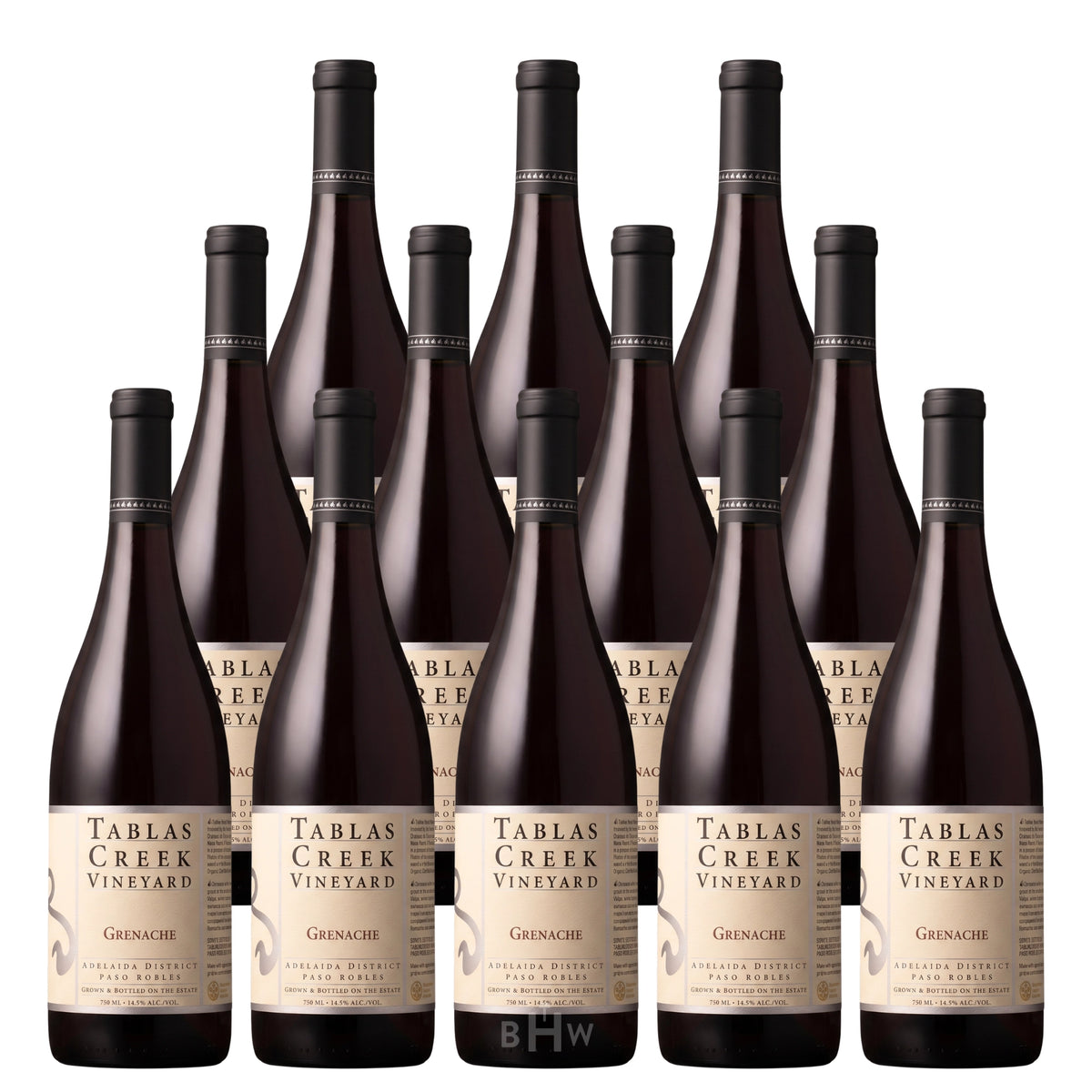
2023 Tablas Creek Vineyards Grenache Noir Paso Robles 12pk 12x750ml

2024 Tablas Creek Vineyards Cotes De Tablas Rouge Paso Robles California 6pk 6x750ml
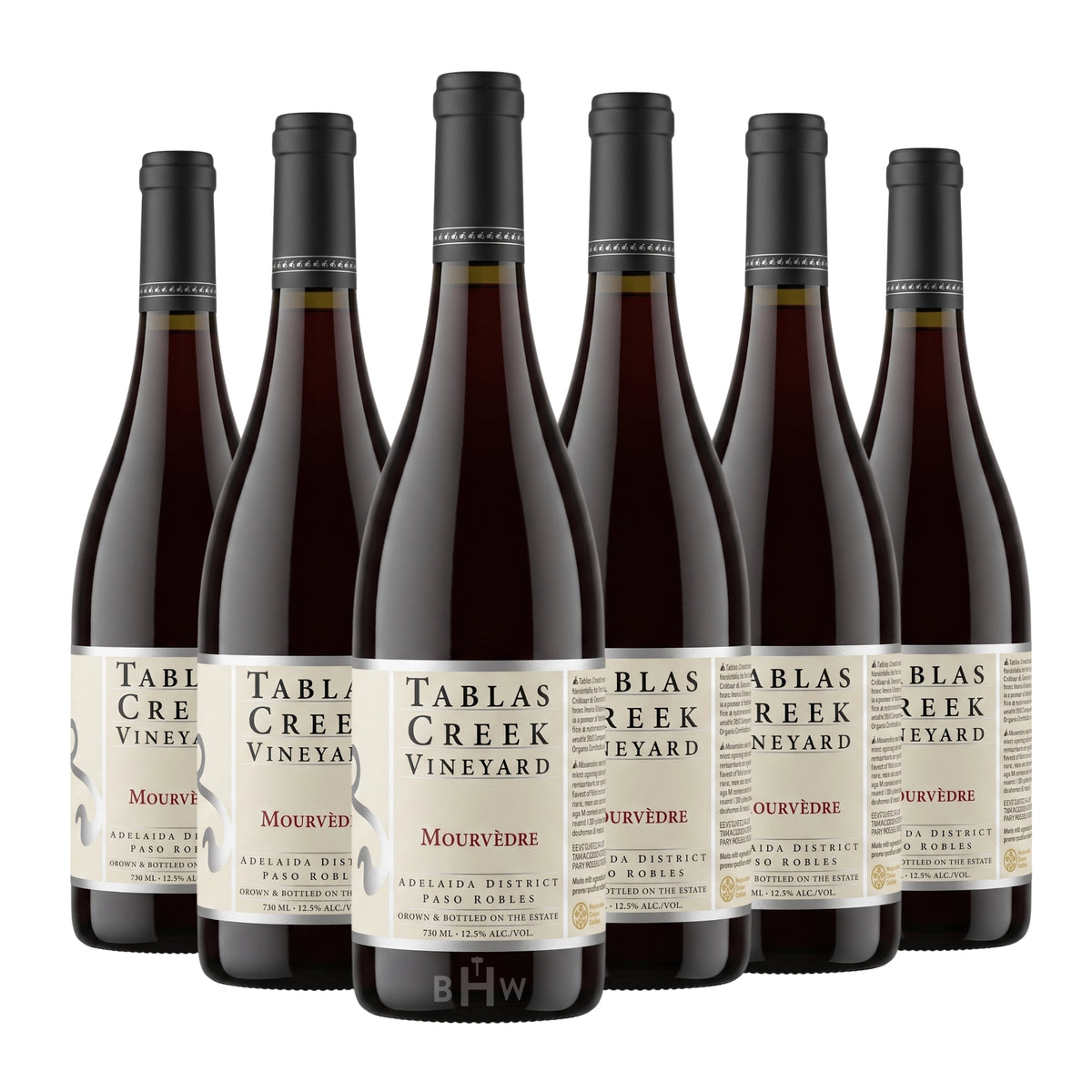
2023 Tablas Creek Vineyards Mourvedre Paso Robles 6pk 6x750ml
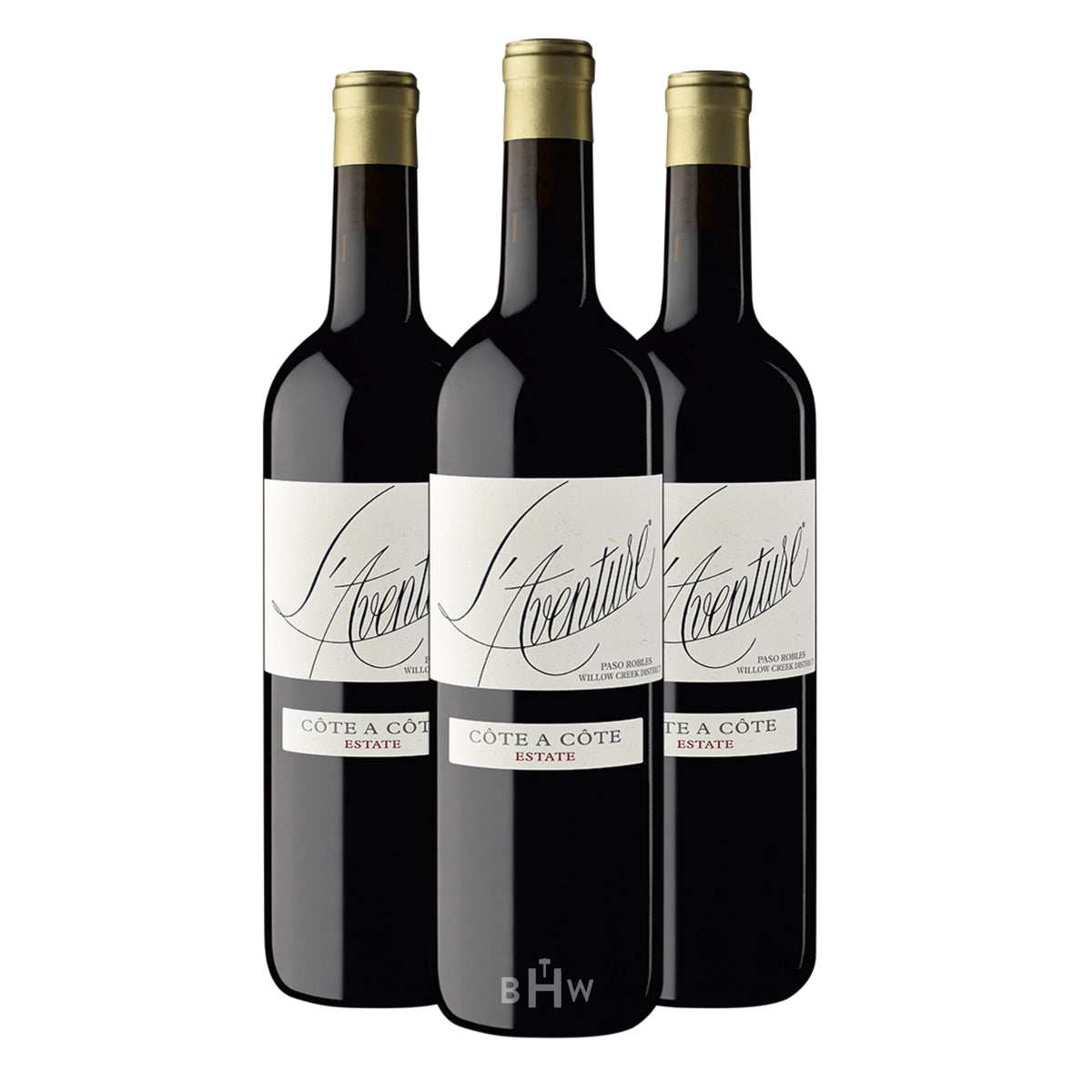
2022 L'Aventure Cote a Cote Red Blend Paso Robles 3pk 3x750ml
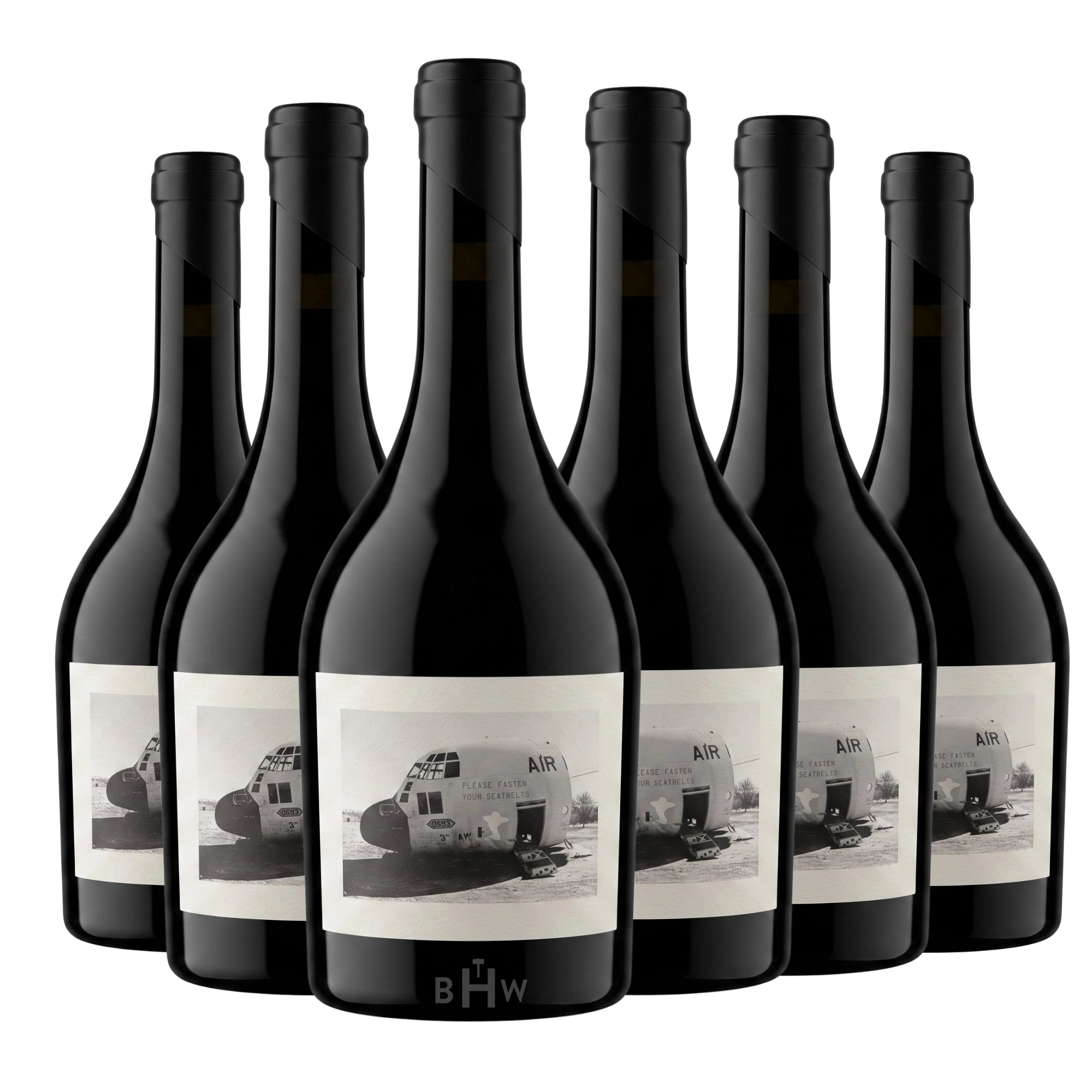
2021 Levo Please Fasten Your Seatbelt Syrah Paso Robles 6pk 6x750ml
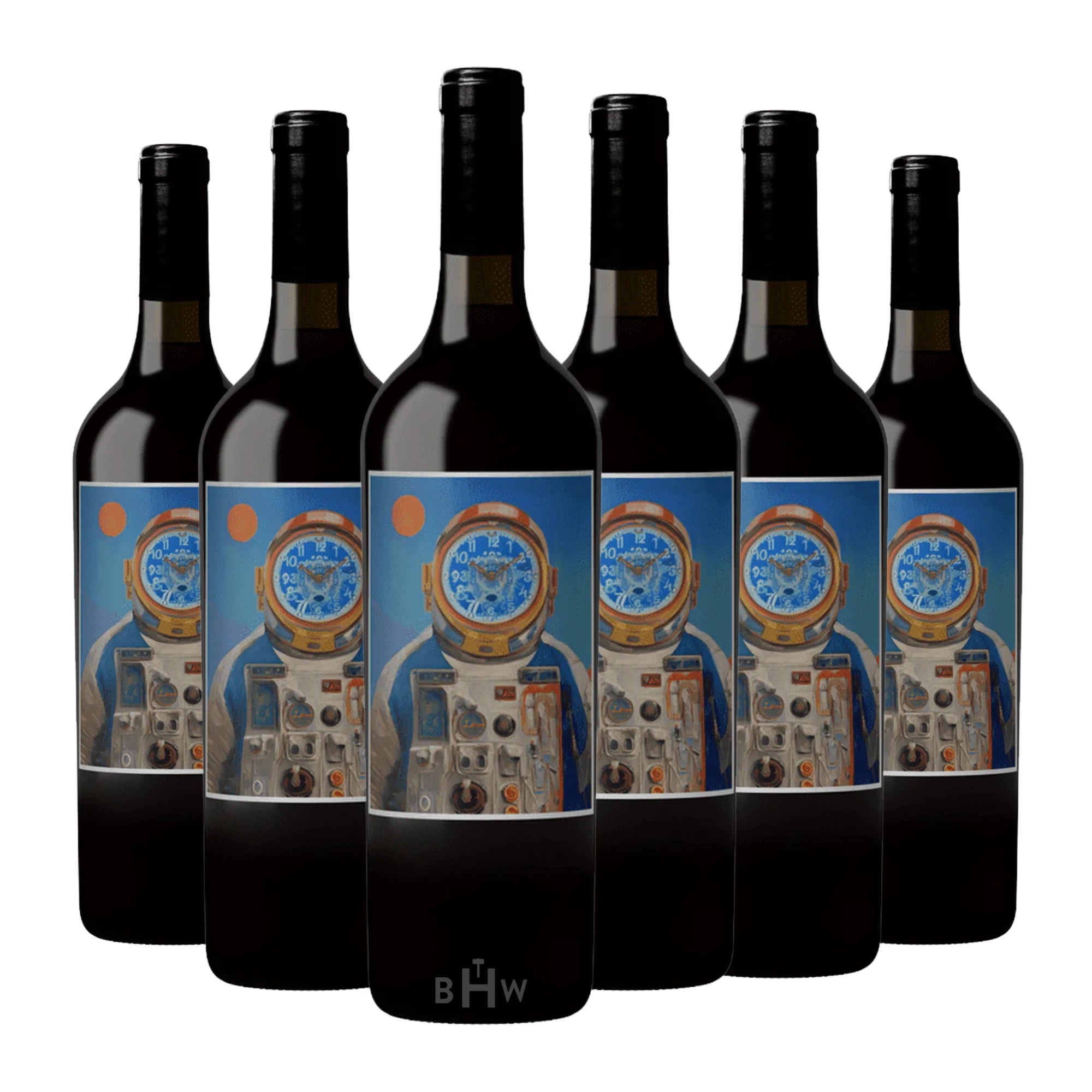
2021 RIISE Jovian Tempranillo Blend Paso Robles 6pk 6x750ml
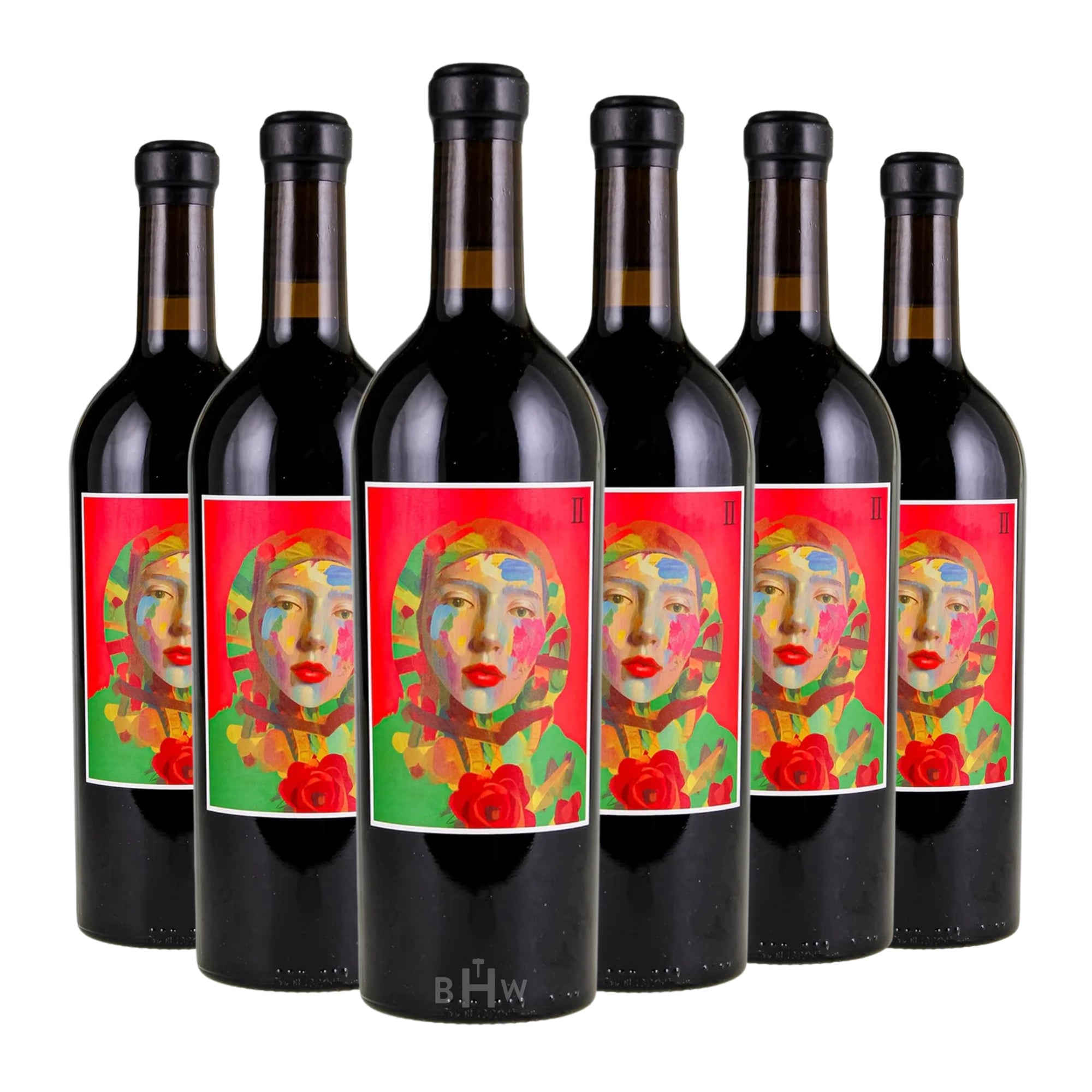
2021 RIISE Peace Syrah Blend Paso Robles 6pk 6x750ml

2021 RIISE Doyen GSM Blend Paso Robles 6pk 6x750ml
Why Paso Robles Wines?
California's Central Coast powerhouse - bold Cabernet, serious Rhone blends and heritage Zinfandel, at prices Napa left behind.
The 40-Degree Swing
Days above 100F collapse into the 50s at night. That swing builds ripe tannin and dark fruit while locking in the acidity that keeps these wines fresh.
Limestone on the West Side
Chalky, calcareous soils from an ancient seabed give the west-side wines structure and minerality - the reason Chateauneuf's Perrin family planted here in 1989.
Rhone Capital of America
Grenache, Syrah and Mourvedre found their American home here, alongside Cabernet, old-vine Zinfandel and the region's own Cabernet-Syrah 'Paso blend'.
A Wine Journey Through Paso Robles
Eleven sub-AVAs across 600,000 acres, split by a simple question: which side of the Templeton Gap?
West Side: Adelaida & Willow Creek
Higher, cooler and wetter, on limestone and shale. Structured Rhone blends and age-worthy Cabernet - the districts that made Saxum, Tablas Creek and L'Aventure famous.
East Side: Estrella & Geneseo
Flatter, hotter and drier with sandier soils. Plush, generous, immediately drinkable Cabernet and red blends - the value engine of the region.
Heritage Zinfandel
Vines trace back to the missionaries of 1797 and to Ignacy Paderewski, who planted Zinfandel and Petite Sirah here in the 1920s. Old-vine Paso Zin remains a specialty.
Paso Robles Wine, Answered
What is Paso Robles known for?
Bold Cabernet Sauvignon, which is now about 40 percent of plantings, plus world-class Rhone-style blends of Grenache, Syrah and Mourvedre, and heritage old-vine Zinfandel. The region is the largest appellation on California's Central Coast.
What is the difference between east side and west side Paso Robles?
The west side is cooler, higher and wetter, with calcareous limestone soils that give structure and minerality - ideal for Rhone varieties. The east side is hotter, flatter and drier with sandier soils, producing plusher, softer, more approachable wines.
Why does Paso Robles have such big temperature swings?
The Templeton Gap, a low pass in the coastal range, funnels cold Pacific air and fog inland every afternoon. Days above 100 degrees Fahrenheit fall into the 50s at night - swings of 40 to 50 degrees that build ripeness while preserving acidity.
What is a Paso blend?
A blend of Cabernet Sauvignon with Syrah - illegal in both Bordeaux and the Rhone, but permitted and popular in Paso Robles. It combines Cabernet's structure and blackcurrant with Syrah's pepper and savoury depth, and was championed by Stephan Asseo of L'Aventure.
Does Big Hammer Wines carry Paso Robles wine?
Yes - Cabernet, Rhone blends and Zinfandel from Paso land on this page as they arrive and clear our 90+ tasting bar. If you are hunting a specific producer or vineyard, contact us for a quote; we source wine globally, with a 12-bottle minimum on special orders.