

Ginga Shizuku Divine Droplets Junmai Daiginjo Sake 720ML


Rihaku Nigori Dreamy Clouds Tokubetsu Junmai Sake 720ML
Why Japanese Sake?
Centuries-old breweries, rice polished to its purest core, and a drink that pairs with more of your table than wine does.
The Four Words, Decoded
Junmai = pure rice. Ginjo = polished to 60% or less; daiginjo = 50% or less - the more of the grain milled away, the purer and more aromatic the sake. Nigori = cloudy, creamy, gently sweet.

Not Just Sushi
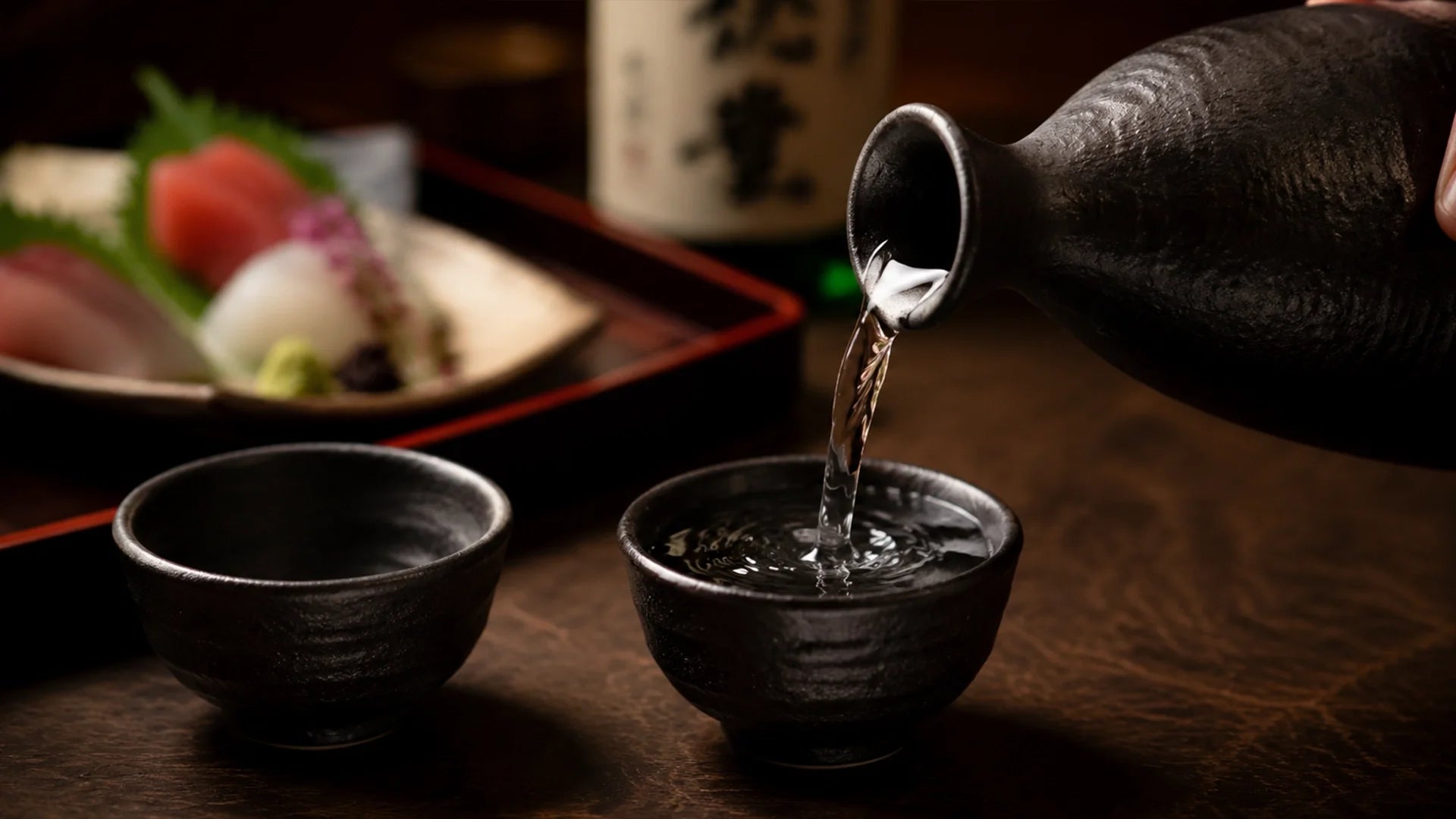
Sake carries umami that wine can't match: ramen, fried chicken, mushrooms, aged cheese, anything off the grill. Serve premium sake chilled - hot is how you hide a cheap bottle.

A Shelf Worth Trusting
Same rule as the wine: taste first, stock the overdeliverers. Ginga Shizuku 'Divine Droplets' junmai daiginjo, Hinomaru junmai ginjo and Rihaku 'Dreamy Clouds' nigori are in stock now.
A Journey Through Japanese Sake & Wine
From snow-country breweries to Mt. Fuji's wine valley.
The Snow Country North
Cold winters, soft water and long, slow fermentations - the northern prefectures build sake of remarkable purity. Our Ginga Shizuku "Divine Droplets" daiginjo is the style at its cleanest.
Shimane: the Poet's Sake
Rihaku brewery is named for the Chinese poet Li Po, said to drink a bottle and write a hundred poems. Their "Dreamy Clouds" tokubetsu junmai nigori is the gateway bottle: cloudy, creamy, quietly sweet.
Yamanashi: Koshu Country
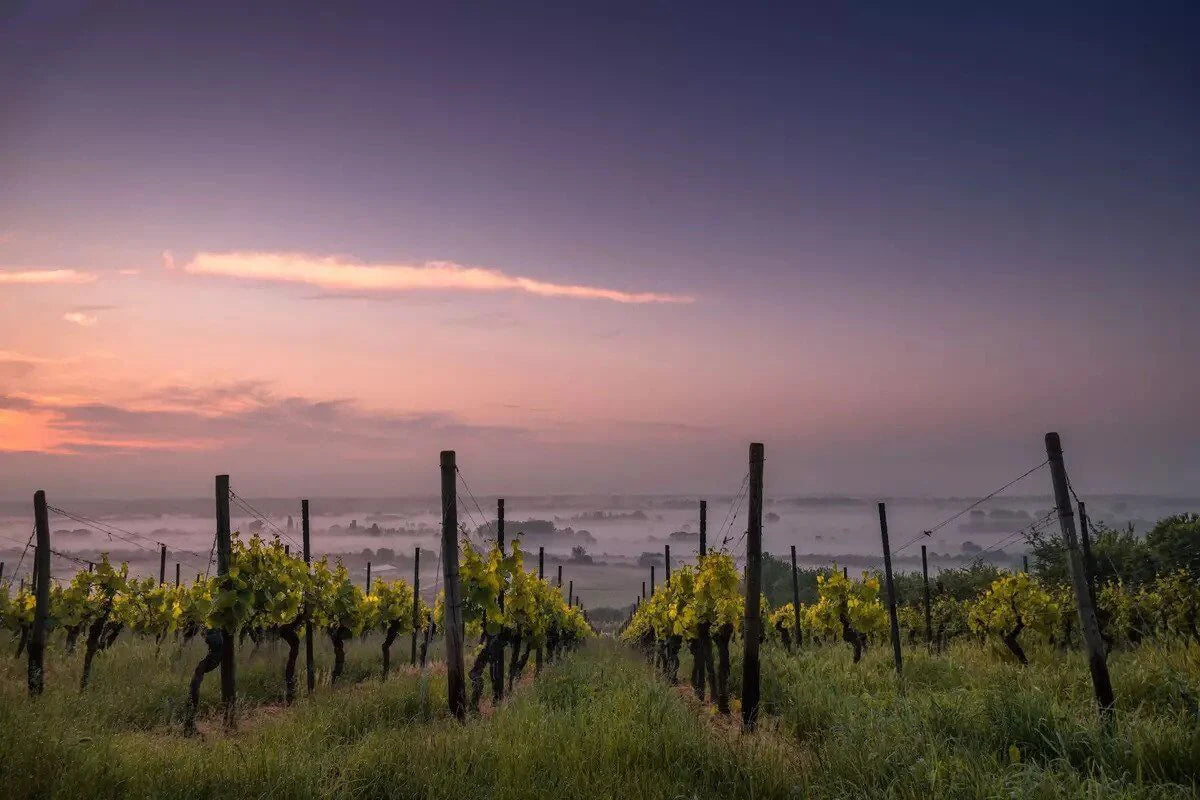
Japan grows wine too. In the shadow of Mt. Fuji, the native pink-skinned Koshu grape makes delicate, bone-dry, citrusy whites - the most Japanese thing you can pour that isn't sake.
Sake, Answered
What do junmai, ginjo and daiginjo mean?
They describe purity and polish. Junmai is pure rice - no added brewer's alcohol. Ginjo means the rice is polished to 60% or less of its original size; daiginjo to 50% or less. Combine them - junmai daiginjo - and you have pure rice at the highest polish: the top of the pyramid.
Is sake served hot or cold?
Premium sake - ginjo and daiginjo - is served chilled, and it opens up beautifully in a white-wine glass. Piping-hot service is traditionally for inexpensive everyday sake; heat hides flaws and kills aromatics.
What is nigori sake?
Coarsely filtered sake with rice solids left in - cloudy, creamy and gently sweet. Shake softly before pouring. Our Rihaku "Dreamy Clouds" is the classic example, and it converts skeptics at the table.
What is Koshu wine?
Japan's signature wine grape: pale, pink-skinned and native to Yamanashi prefecture near Mt. Fuji. The wines are delicate, dry and citrusy, usually low in alcohol - built for the same seafood table as sake.
Does Big Hammer Wines carry sake?
A short, tasted-first shelf: Ginga Shizuku "Divine Droplets" junmai daiginjo, Hinomaru junmai ginjo and Rihaku "Dreamy Clouds" nigori are in stock now. Same standard as the wine: we pour it before we sell it.