


Sake bottles look cryptic until someone hands you the key. Here it is: four words on the label tell you most of what you need to know — junmai, honjozo, ginjo, daiginjo. Learn those, and you can walk into any sake list and order like you mean it.
The Four Words, Decoded
Premium sake is graded largely by how far the rice is polished before brewing — the more of the grain's outer layer milled away, the purer and more aromatic the sake.
- Junmai — "pure rice." Nothing but rice, water, yeast and koji. Fuller, rounder, more umami.
- Honjozo — a small addition of brewer's alcohol, used to lift aroma and lighten the body. Clean and easy.
- Ginjo — rice polished to 60% or less of its original size. More delicate, more fragrant: think melon, pear, white flowers.
- Daiginjo — polished to 50% or less. The top of the pyramid: precise, perfumed, silky. Combine the words and you get the full grade — a junmai daiginjo is pure rice at the highest polish.
One more worth knowing: nigori — coarsely filtered, cloudy, gently sweet and creamy. It's the style that converts skeptics at the table.
How to Drink It (Hint: Not Hot)
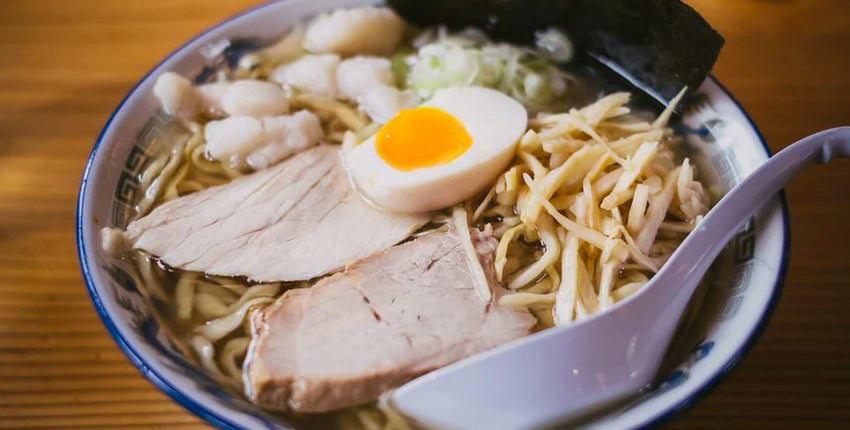
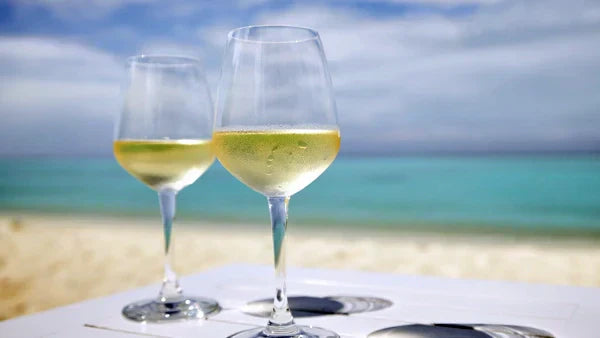
Piping-hot sake is how you hide a cheap bottle. Premium ginjo and daiginjo are served chilled, and honestly at their best in a white-wine glass, where the aromatics have room to work. Sake also carries umami that wine can't match, which makes it lethal at the dinner table: fried chicken, mushrooms, aged cheese, anything off the grill — not just sushi.
The Sakes We Pour


We hold our sake shelf to the same standard as the wine: taste first, stock the few that overdeliver.
- Ginga Shizuku "Divine Droplets" Junmai Daiginjo — the flagship of our shelf: a top-polish, pure-rice sake with remarkable purity and a long, cool finish.
- Hinomaru Junmai Ginjo — classic ginjo aromatics with the roundness of pure rice. A do-everything bottle for the table.
- Rihaku "Dreamy Clouds" Tokubetsu Junmai Nigori — from Shimane, named for the Chinese poet Li Po, who was said to drink a bottle and write a hundred poems. Cloudy, creamy, quietly sweet — the gateway nigori.
And One Japanese Wine Grape: Koshu
Japan makes wine too, and the grape to know is Koshu — a pale, pink-skinned native variety grown mainly in Yamanashi, in the shadow of Mt. Fuji. The wines are delicate, bone-dry and citrusy, usually low in alcohol, and built for the same seafood table as a crisp Muscadet. If you see one, try it — it's the most Japanese thing you can pour that isn't sake.
Want help picking a sake? We taste everything we sell. Contact us: sales@bighammerwines.com.
Quick Answers: Japan / Sake Wine
What do Junmai, Honjozo, Ginjo and Daiginjo mean?
They describe rice polishing and additions: Junmai is pure rice sake; Honjozo adds a touch of brewer's alcohol for lightness; Ginjo means rice polished to 60 percent or less for aromatic finesse; Daiginjo, 50 percent or less - the most refined tier.
Should sake be served hot or cold?
Premium aromatic styles (Ginjo, Daiginjo) shine chilled, like white wine; richer Junmai and Honjozo can be gorgeous gently warmed. The rule of thumb: the more delicate and fragrant the sake, the cooler you serve it.
How is sake different from wine?
Sake is brewed, not fermented from fruit: rice starch is converted to sugar by koji mold while yeast ferments it simultaneously - a parallel process unique to sake. It carries about 15-16 percent alcohol, low acidity and no tannin, making it exceptionally food-friendly.
Does Japan make wine from grapes too?
Yes - the signature is Koshu, a delicate, pink-skinned white grape grown mainly in Yamanashi near Mount Fuji, producing subtle, citrusy wines that pair beautifully with Japanese cuisine.


























Share:
Lebanese Wine: 7,000 Vintages of Defiance
Austrian Wine: Gruner, Riesling and the Alpine Edge
Comments Section