

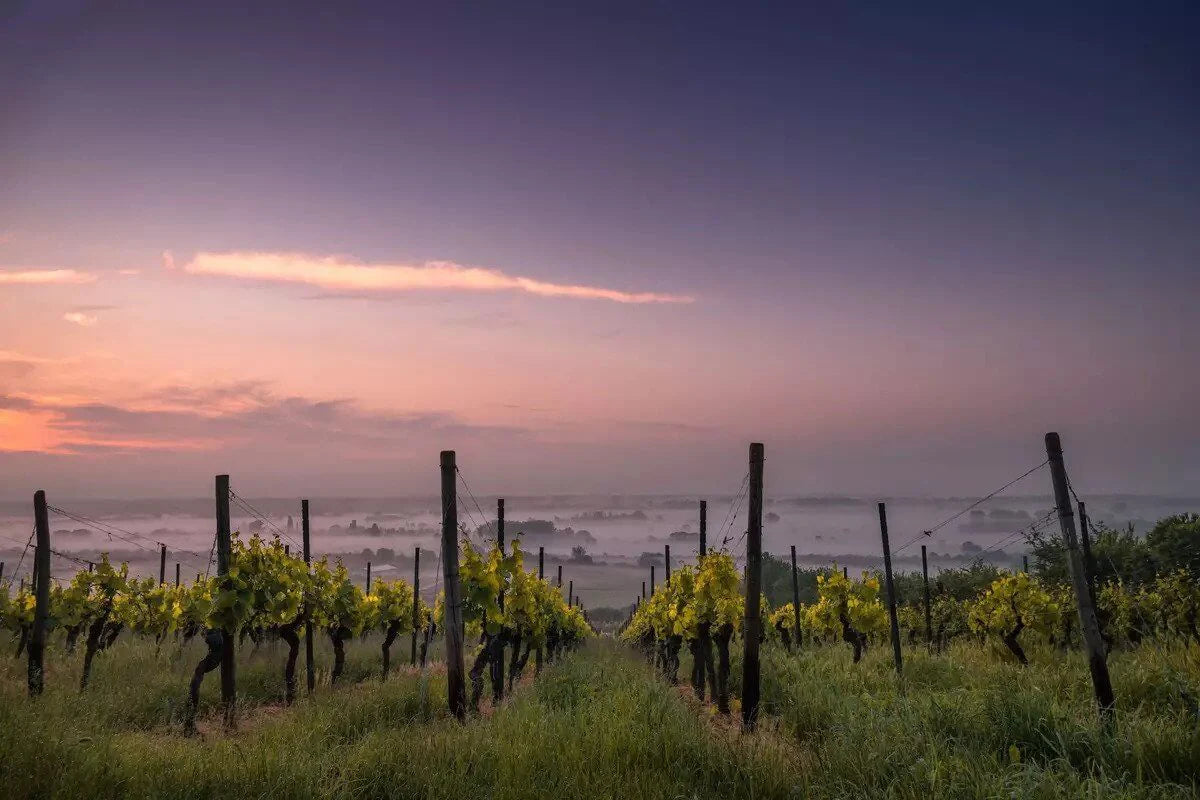
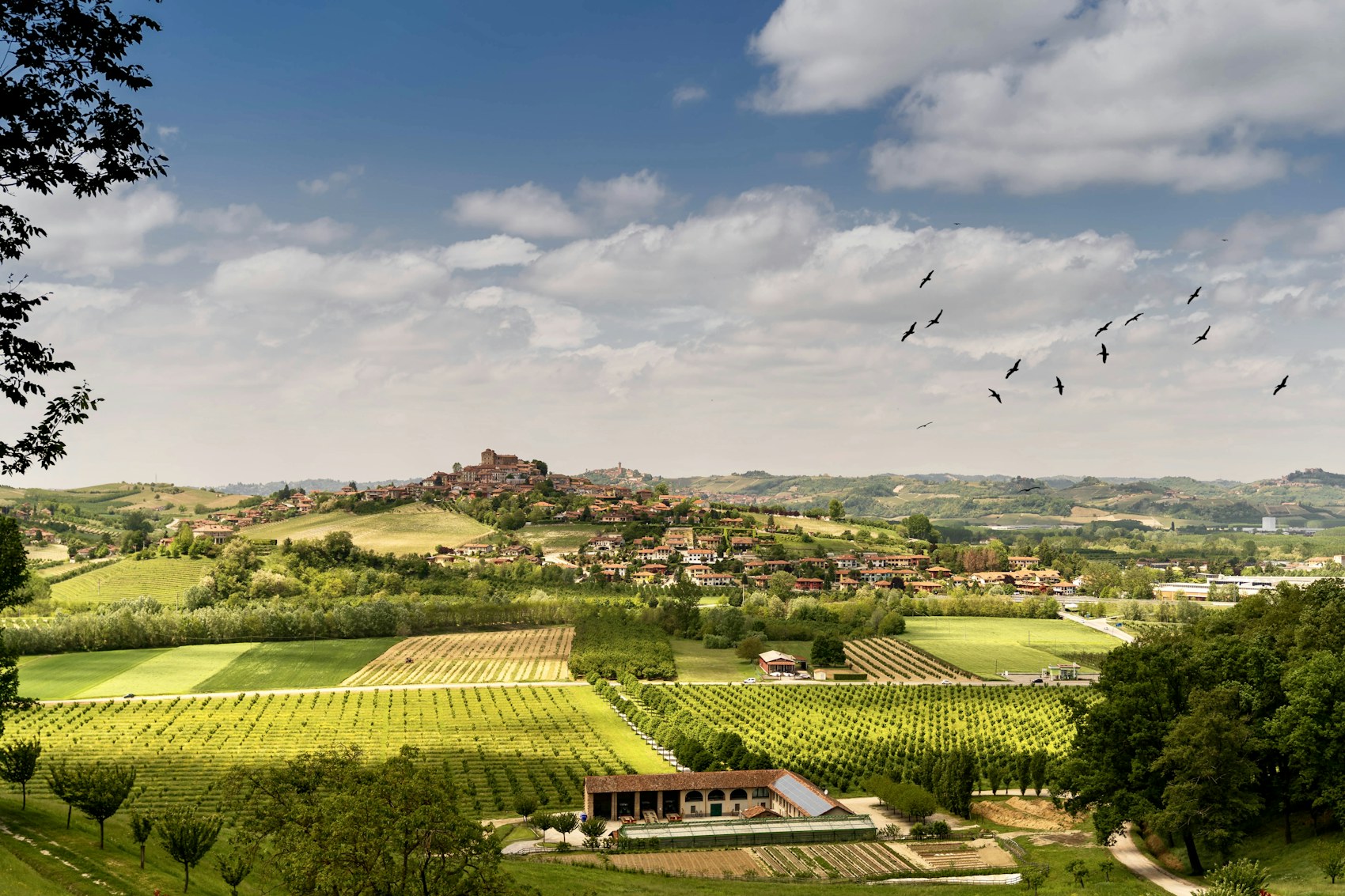
The Greeks called it Oenotria - the land of trained vines - and three thousand years later the name still holds. Italy makes more wine than any country on earth, from the Alps to a latitude south of Tunis, and it does so with a genetic library nobody else can match: over 500 grape varieties in commercial production, the vast majority of them growing nowhere else. Where France organised its wine around a handful of noble grapes exported worldwide, Italy kept its Aglianico and Nerello, its Ribolla and Timorasso, its Sagrantino and Lagrein. That is why Italian wine feels inexhaustible - and why it can be maddening to navigate. Here is the map that makes it manageable.

Twenty Regions, One Rule
Every one of Italy's twenty administrative regions makes wine commercially - a claim no other country can make. The organising logic is not grape but geography, and the useful mental model is a spine and two coasts: the Alps across the north, the Apennines running the length of the peninsula, the Adriatic on the east, the Tyrrhenian on the west. Altitude and sea breeze do the cooling; latitude does the ripening.
The one rule that explains Italian wine at the table: these are food wines, built on acidity and tannin rather than plushness. Italian reds can seem austere poured alone and then transform completely alongside tomato, olive oil, cured pork or aged cheese. That is not an accident of style - it is the entire design brief.
Reading the Label
Four tiers, and they mean less about quality than people assume. DOCG is the strictest tier with a numbered government seal across the capsule; DOC is the broad appellation system; IGT is a looser regional category - and crucially, some of Italy's greatest and most expensive wines are IGT by choice, because the Super Tuscan pioneers of the 1970s deliberately worked outside the rules; VdT is basic table wine. Two more words worth knowing: Classico means the historic heartland of a zone, and it almost always earns its premium, while Riserva means extra aging as defined by each appellation.
The North
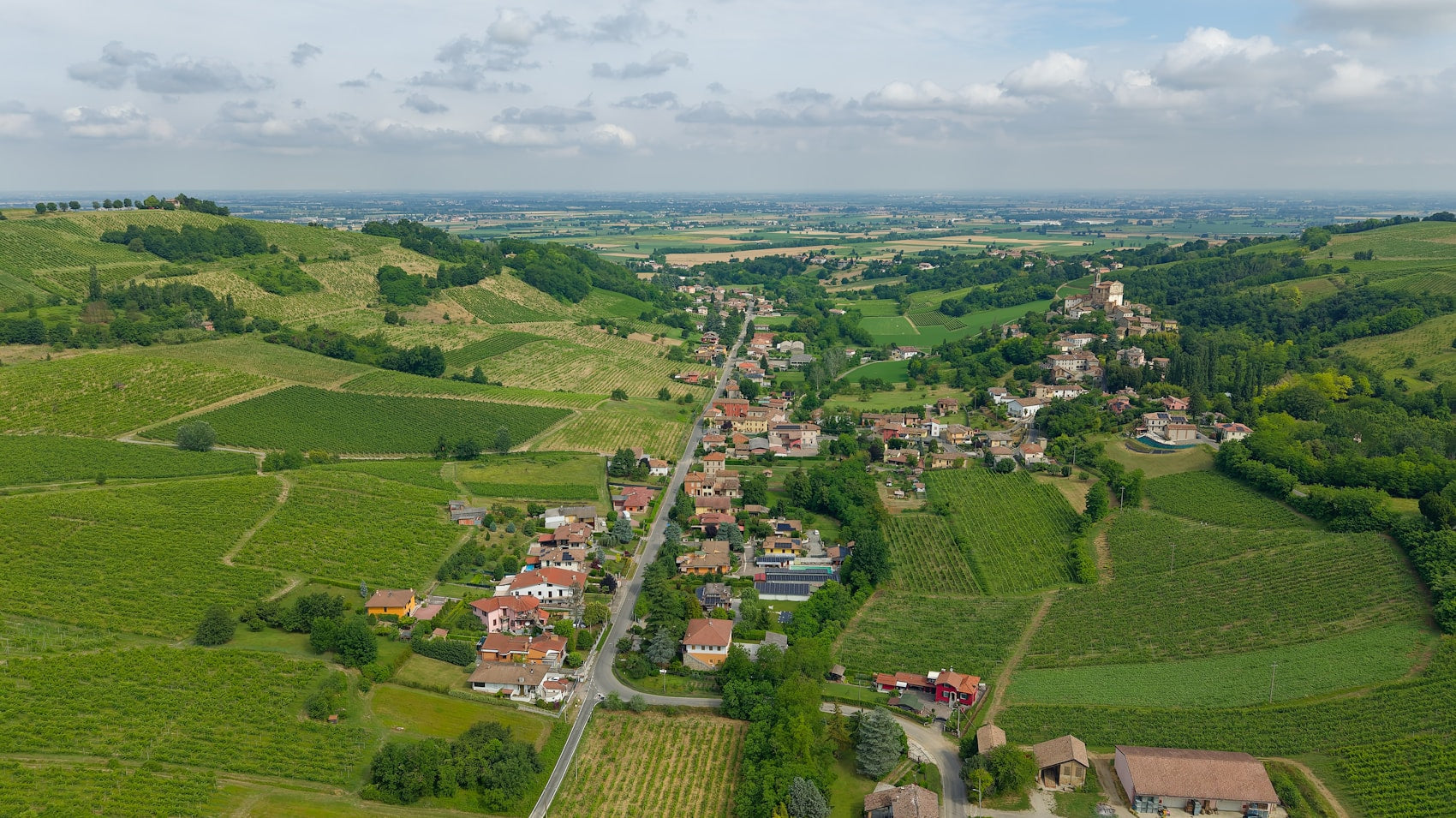
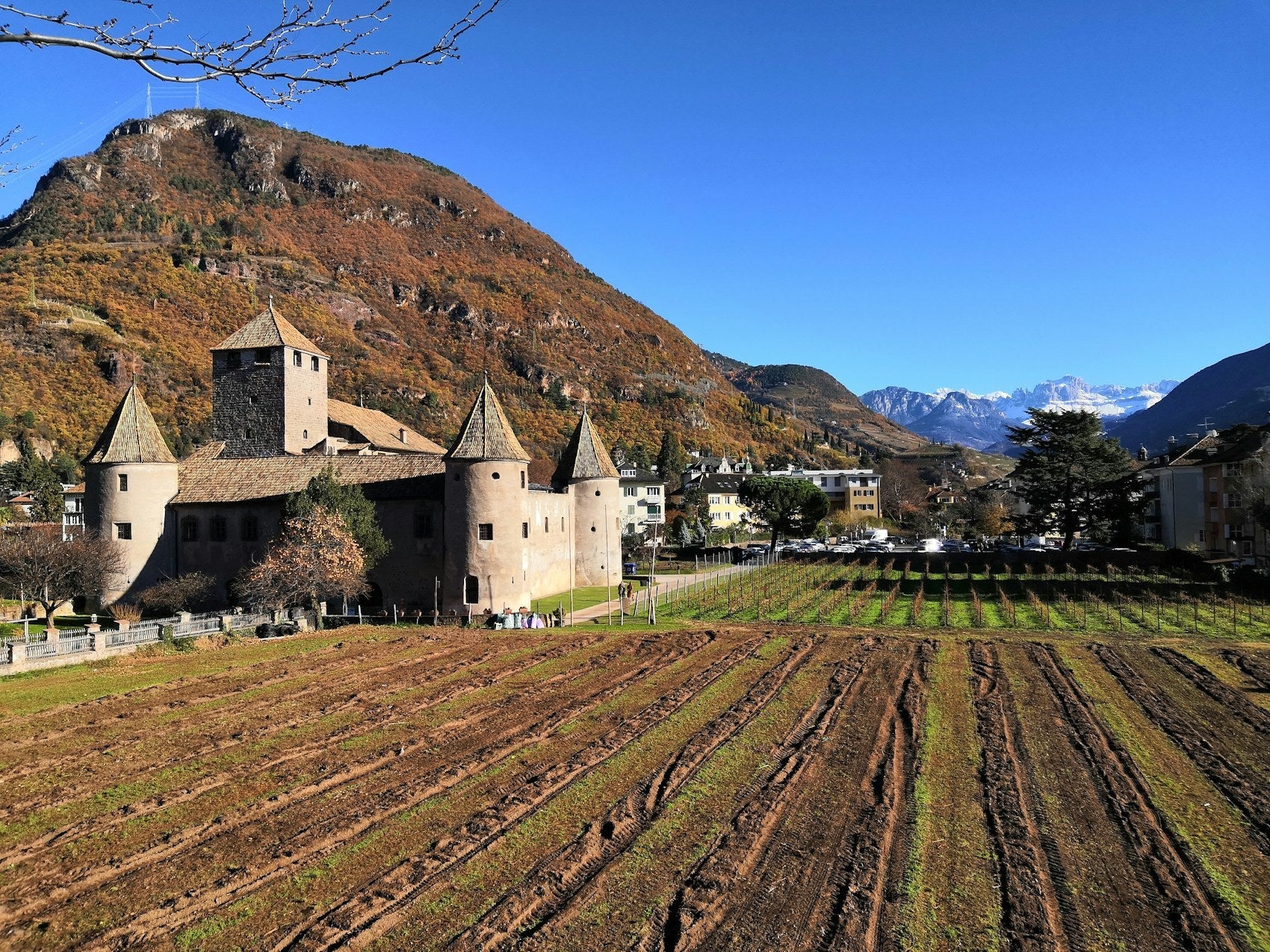
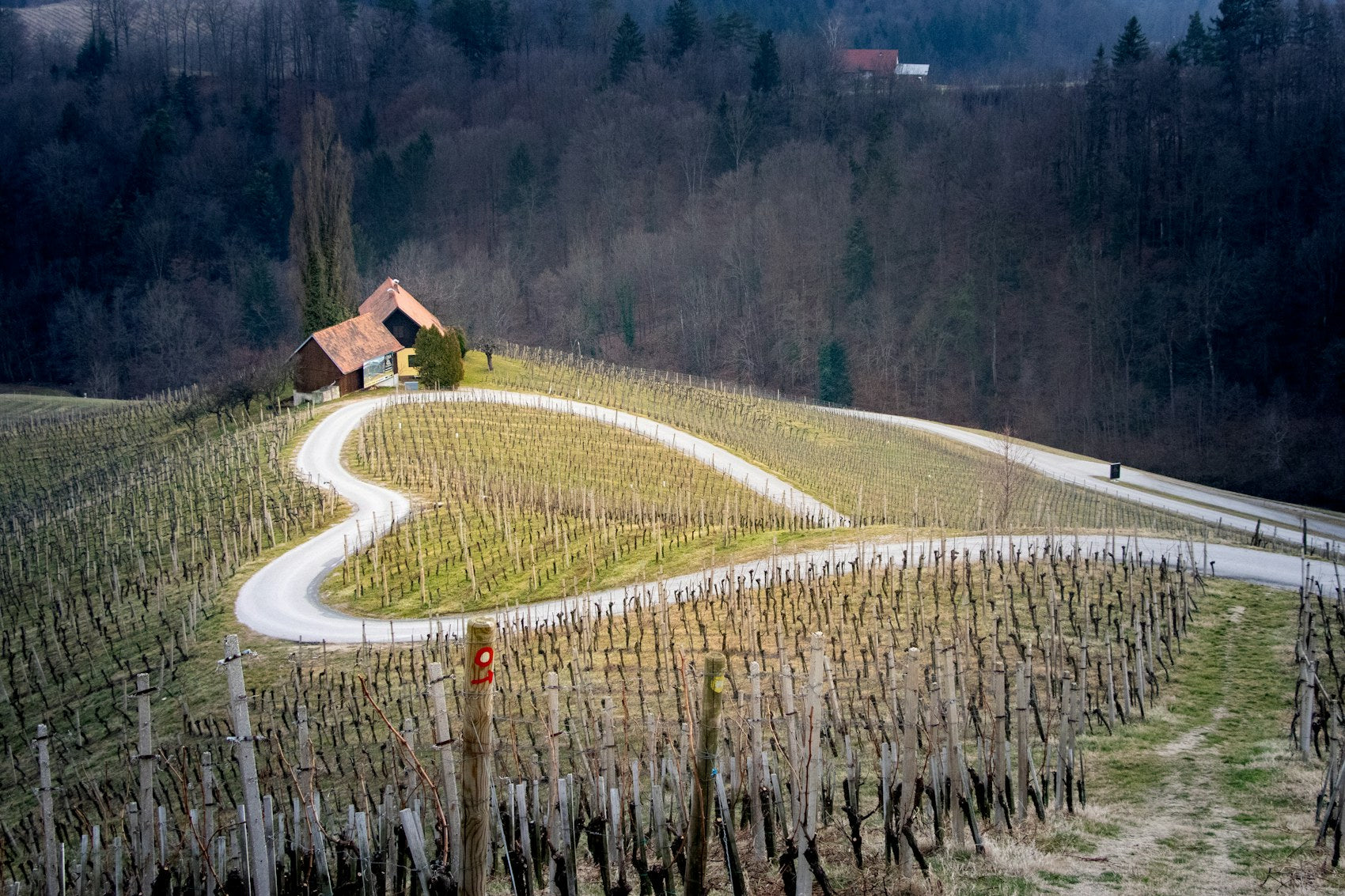
Piemonte is the aristocrat - Nebbiolo at Barolo and Barbaresco, plus everyday Barbera and Dolcetto and the whites of Gavi and Roero. Veneto is the volume giant with genuine peaks: Amarone from dried grapes, volcanic Soave, and the Prosecco hills. Lombardy holds Franciacorta, Italy's finest traditional-method sparkling, and the alpine Nebbiolo of Valtellina. Trentino-Alto Adige is the mountain north, producing the country's most precise whites and the Germanic-Italian double identity to match. Friuli-Venezia Giulia in the northeast corner reinvented Italian white wine twice - first with pristine varietal whites, then with the orange-wine revolution. Emilia-Romagna feeds the country and pours Lambrusco, which is far better than its 1970s reputation. And Valle d'Aosta and Liguria make tiny quantities of alpine and coastal wine that rarely escape their own restaurants.
The Centre
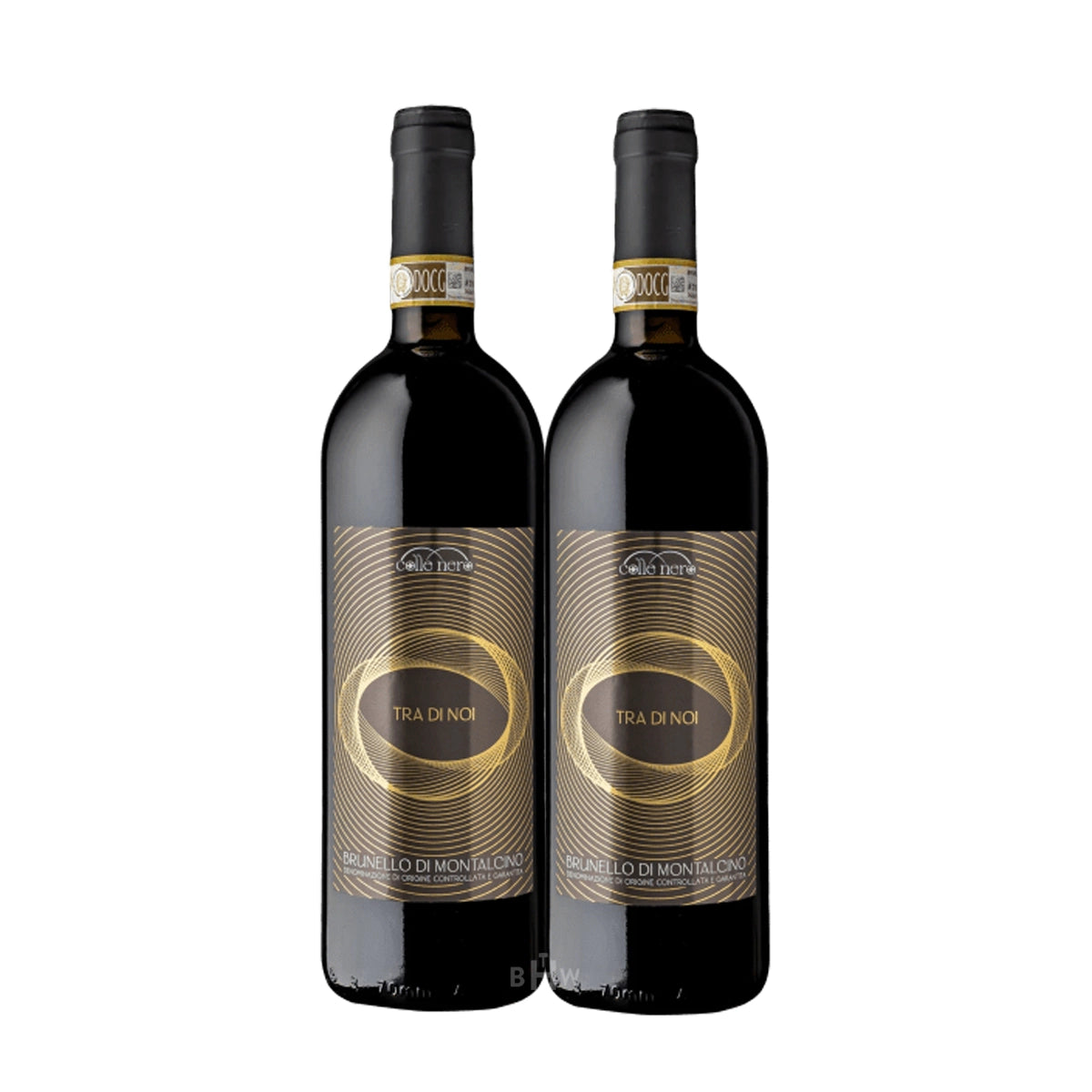
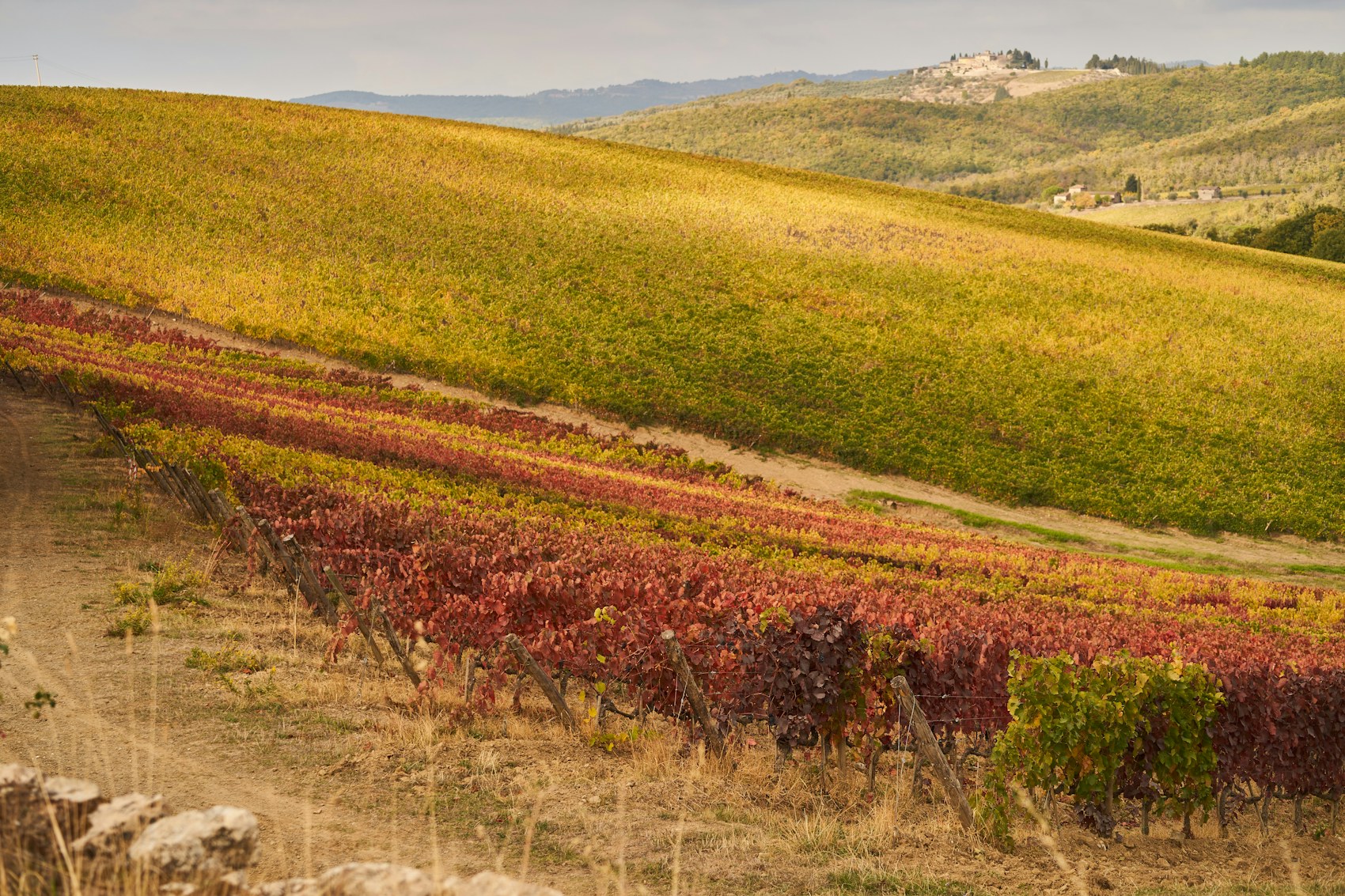
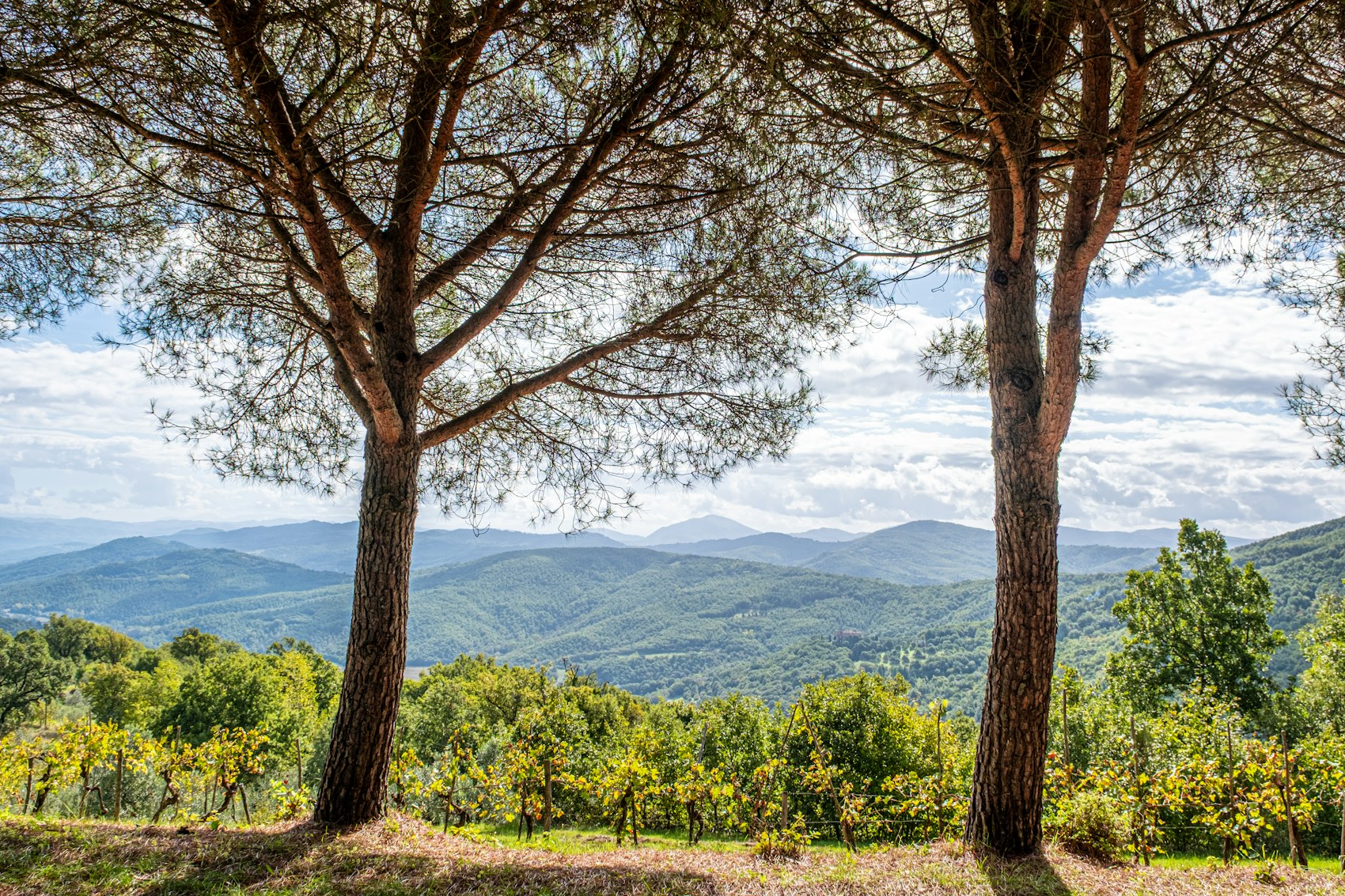
Tuscany needs little introduction: Sangiovese at Chianti Classico, Brunello di Montalcino and Vino Nobile, plus the Bordeaux-blend Super Tuscans of Bolgheri. Umbria is its quieter neighbour, with the ferociously tannic Sagrantino di Montefalco and the whites of Orvieto. Marche produces Verdicchio, one of Italy's best and most age-worthy whites, at prices that make no sense. Abruzzo delivers Montepulciano d'Abruzzo by the ocean-load and, at the top, wines of real seriousness. Lazio surrounds Rome with Frascati, and Molise keeps its head down.

The South and the Islands
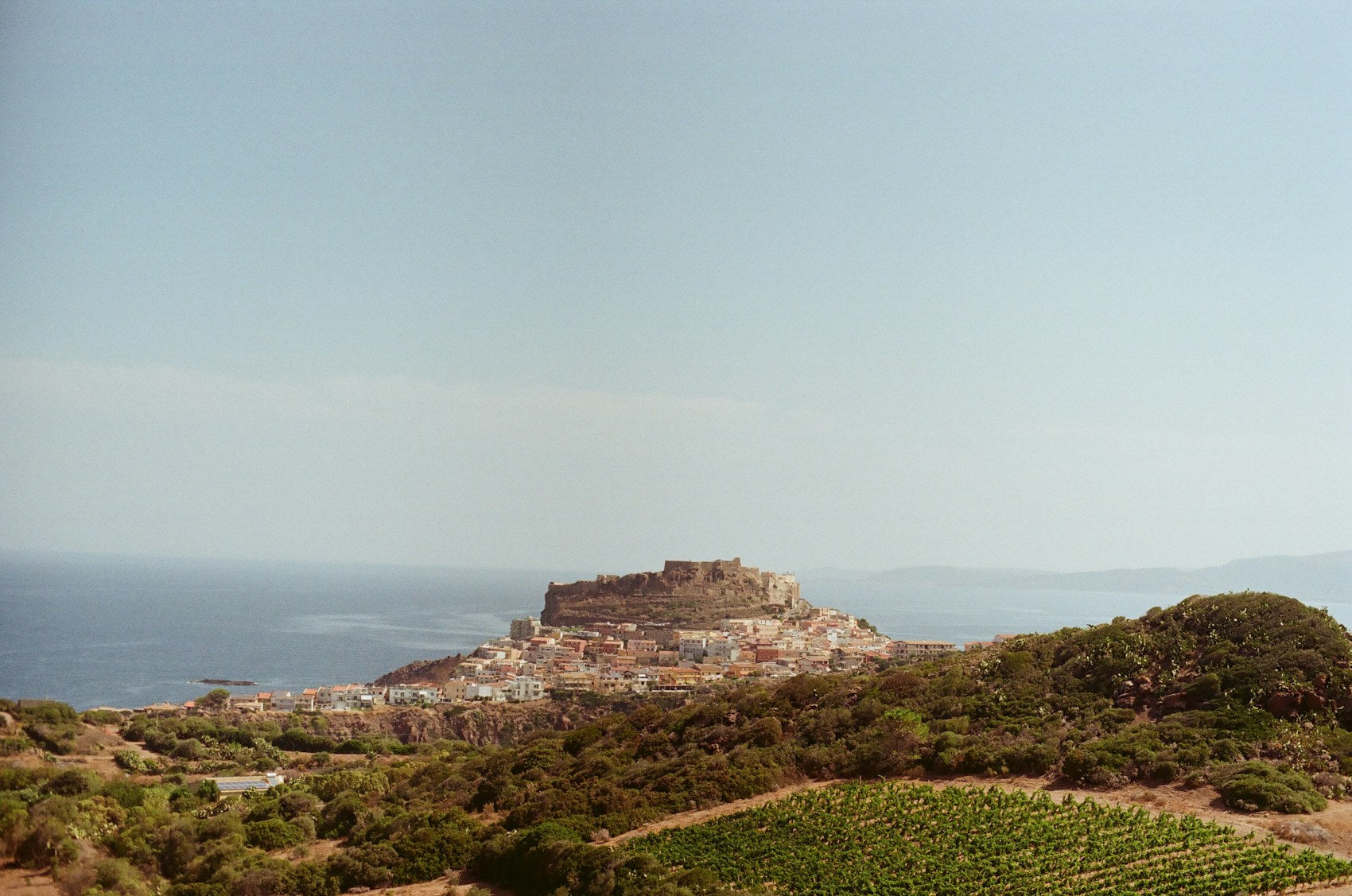
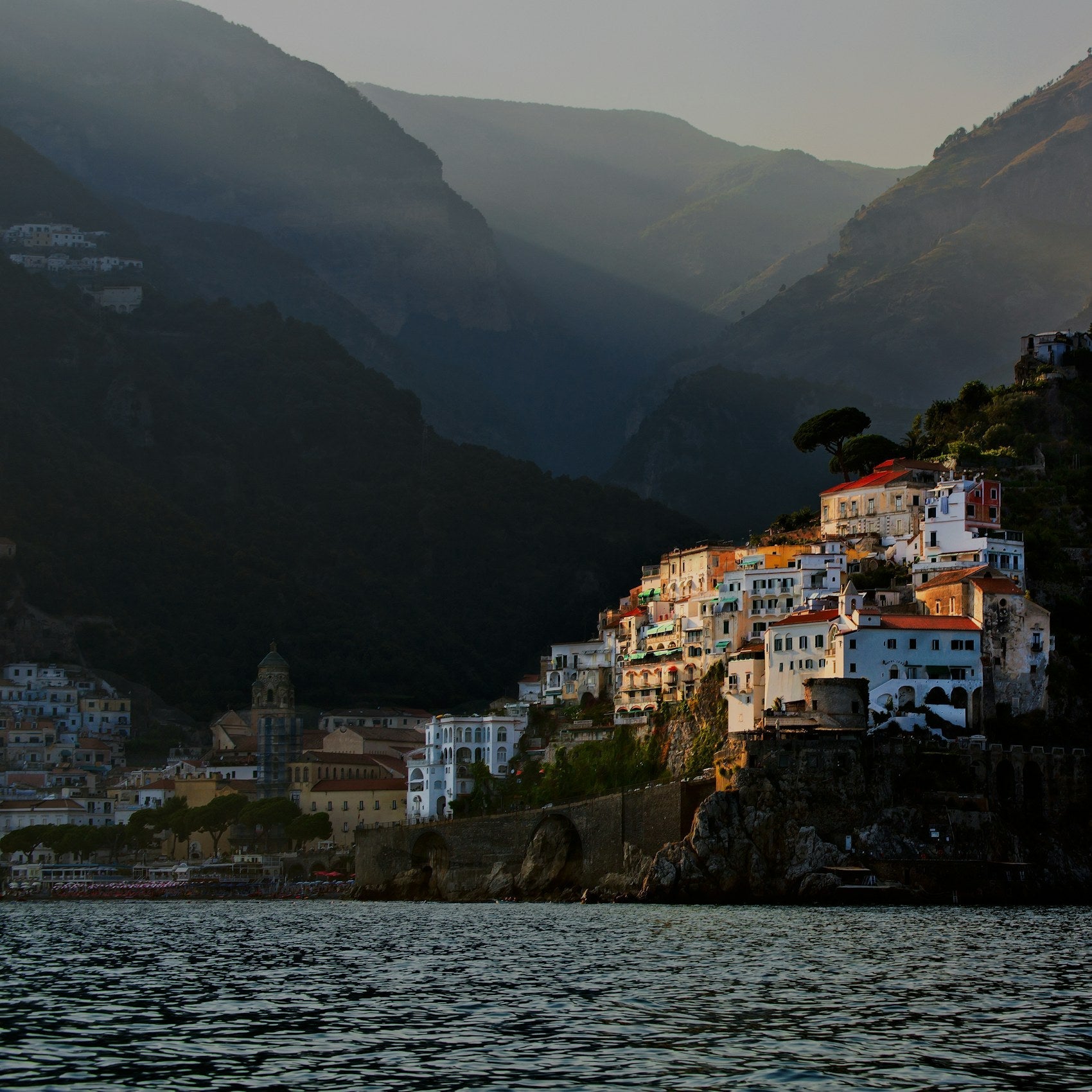
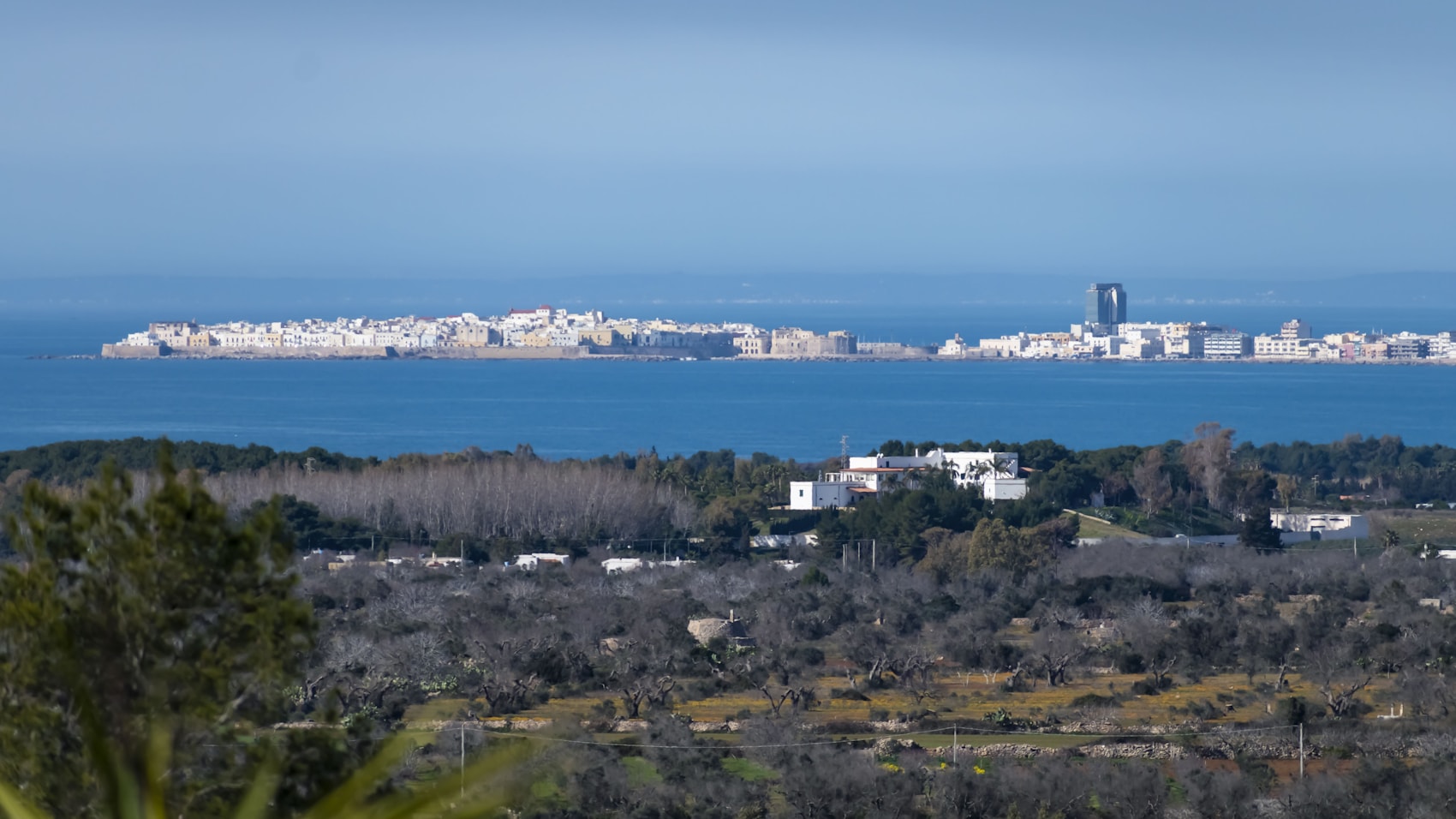
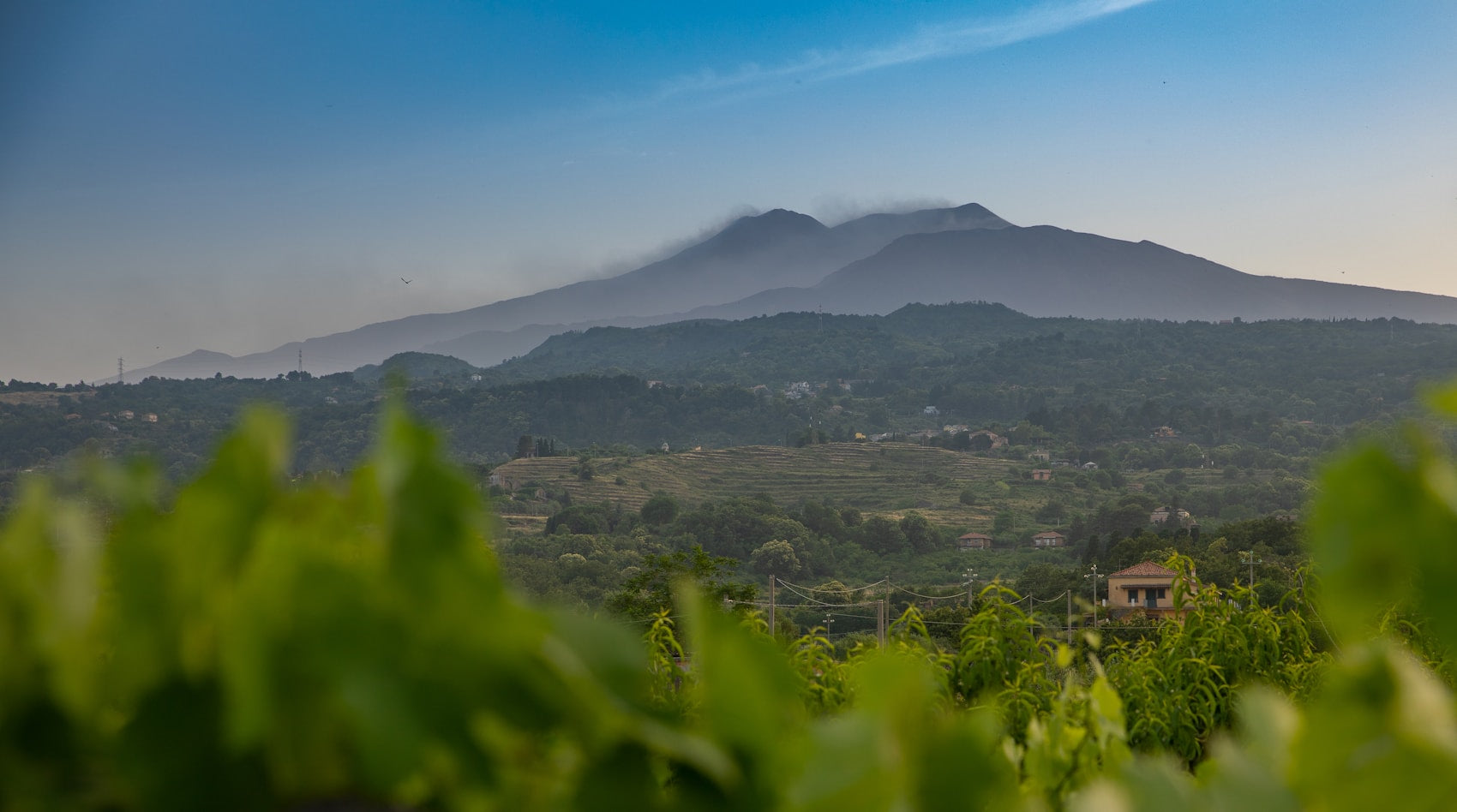
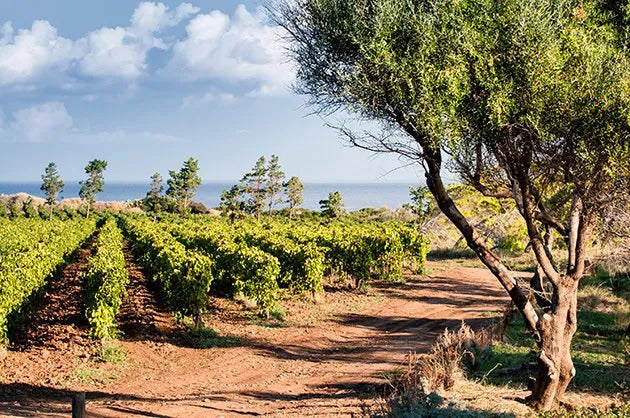
This is where the value lives. Campania grows Aglianico - the "Barolo of the South" at Taurasi - and the extraordinary whites Fiano and Greco on volcanic soil. Puglia, the heel, gives generous Primitivo (Zinfandel's twin) and Negroamaro. Basilicata puts Aglianico on the extinct volcano of Monte Vulture. Calabria is reviving Gaglioppo in the toe. Sicily has become one of the most exciting regions in Europe, above all on the slopes of Mount Etna. And Sardinia, closer to Africa than to Rome, farms Cannonau and Vermentino in near-isolation.
How to Buy Italian Wine Well
Three habits will serve you for life. First, buy the producer, not the appellation - Italy's quality range within any single DOCG is enormous, and the grower's name is the only reliable signal. Second, go one region sideways from the famous name: Rosso di Montalcino instead of Brunello, Langhe Nebbiolo instead of Barolo, Verdicchio instead of white Burgundy, Aglianico instead of Syrah. Third, drink Italian wine with Italian food, or at least with food that shares its logic - salt, fat, acid, umami. These wines were engineered for the table over two millennia, and they show it.
Quick Answers: Italian Wine
How many wine regions does Italy have?
All twenty of Italy's administrative regions produce wine commercially, which no other country can claim. They range from alpine Alto Adige in the north to Sicily and Sardinia in the Mediterranean, each with its own native grapes and traditions.
What do DOCG, DOC and IGT mean?
They are Italy's quality tiers. DOCG is the strictest with a numbered government seal, DOC is the broad appellation system, and IGT is looser - though some of Italy's greatest and most expensive wines, including the original Super Tuscans, are deliberately IGT.
How many grape varieties does Italy grow?
Over 500 are in commercial production, the majority of them native and grown nowhere else. That genetic library is the single biggest difference between Italian wine and the international-variety model used in most other countries.
Why does Italian wine taste better with food?
Italian wines are built on acidity and tannin rather than plushness, because they evolved alongside the food. Those same qualities that can seem austere on their own cut through tomato, olive oil, cured pork and aged cheese at the table.
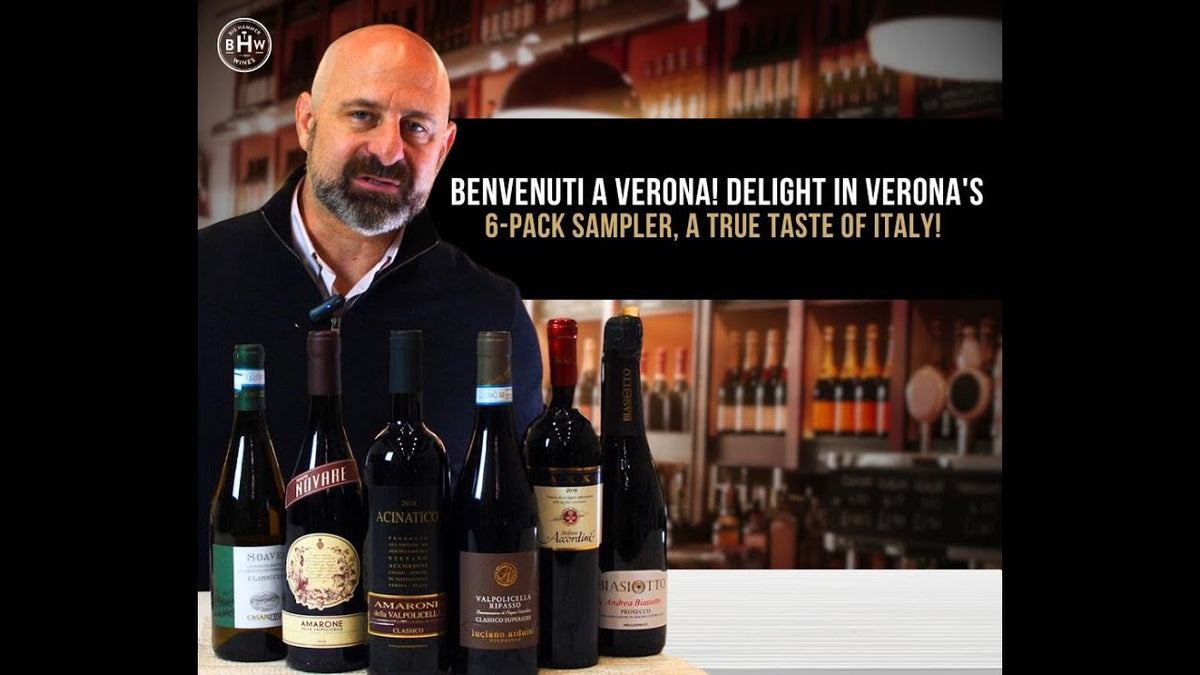
Ready to explore? Our Italy collection carries our current selection. And if you are hunting a specific bottle from the region, contact us for a quote - we source wine globally, with a 12-bottle minimum on special orders.


Shop Our Italy Collection
SHOP COLLECTIONShare:
Paso Robles: Limestone, Big Swings, and California's Rhone Capital
Sicilian Wine: Etna's Volcanic Cru System and the Island Beyond
Comments Section