

Look at a map of Italy and Puglia is the heel - a flat, sun-blasted strip of limestone running 250 miles down the Adriatic, with more olive trees than people and a wine history stretching back to the Greeks who first planted vines here. For most of the twentieth century, that history was invisible. Puglia was Europe's blending tank: an ocean of dark, high-alcohol red shipped north in tankers to beef up thin wines in France and northern Italy. Then in the 1990s a DNA test in California revealed that the region's workhorse grape, Primitivo, was genetically identical to Zinfandel - and Puglia suddenly had a story the world wanted to hear.
Flat, Hot, and Cooled by Two Seas
Puglia is the flattest region in Italy, which sounds like a disadvantage until you notice the two seas. The Adriatic on one side and the Ionian on the other put nowhere more than 30 miles from water, and the constant maritime breeze does what altitude does elsewhere: it moderates the heat, dries the vineyards, and keeps disease pressure so low that organic farming is close to effortless. Underneath sits limestone and iron-rich red clay - the terra rossa that gives the reds their depth.
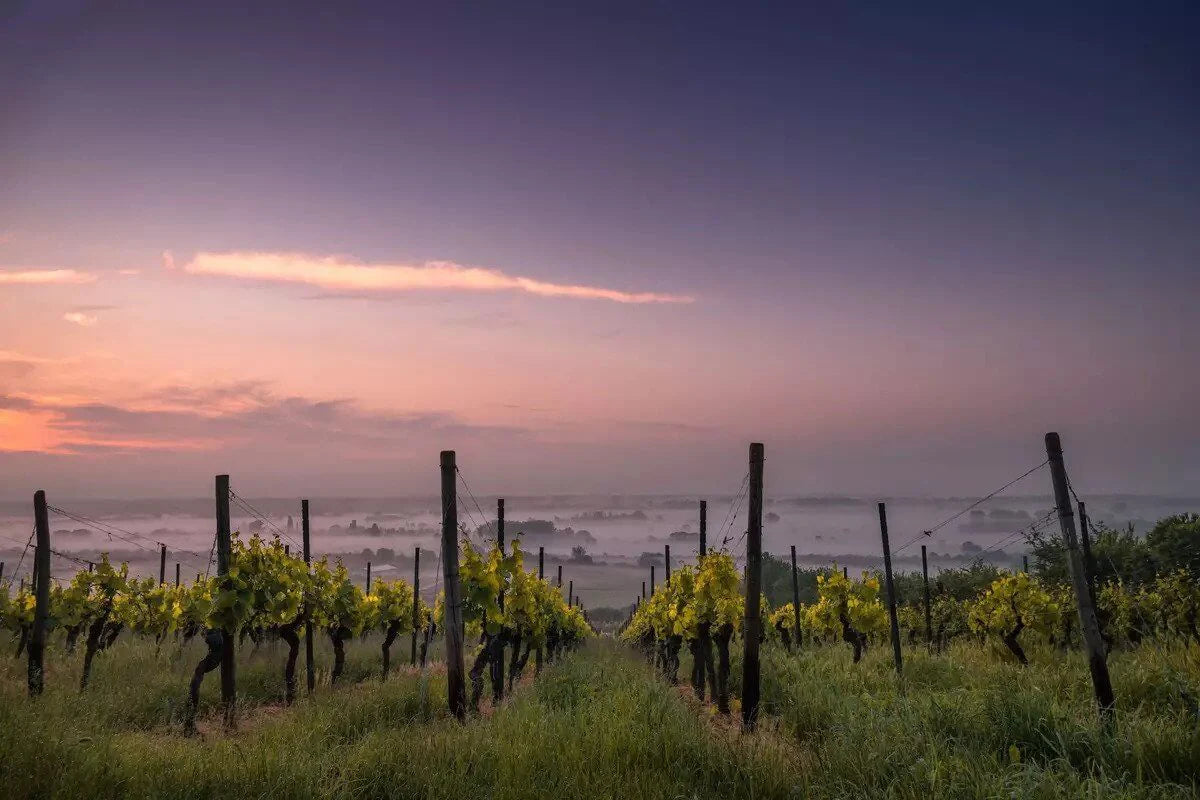
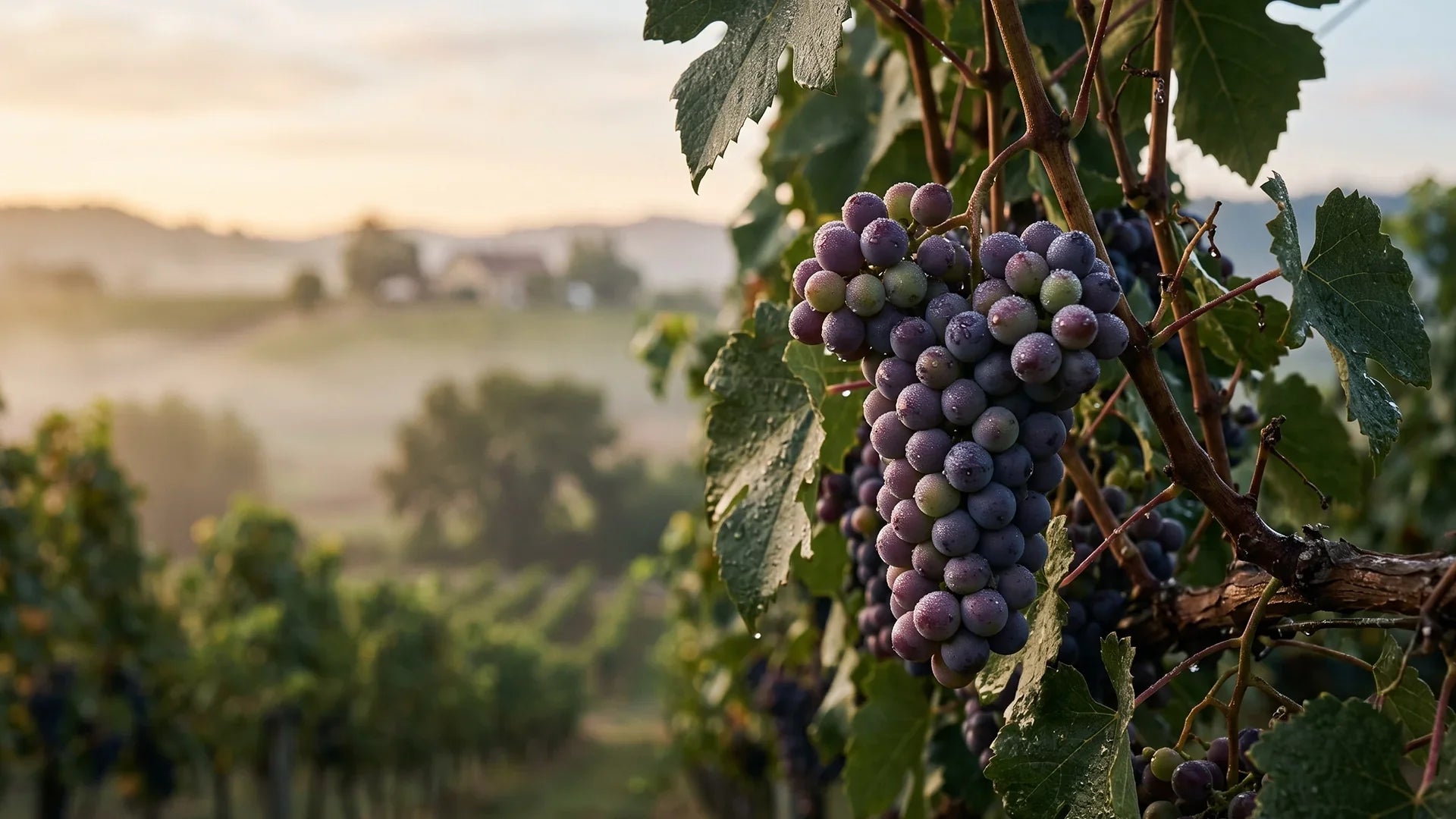
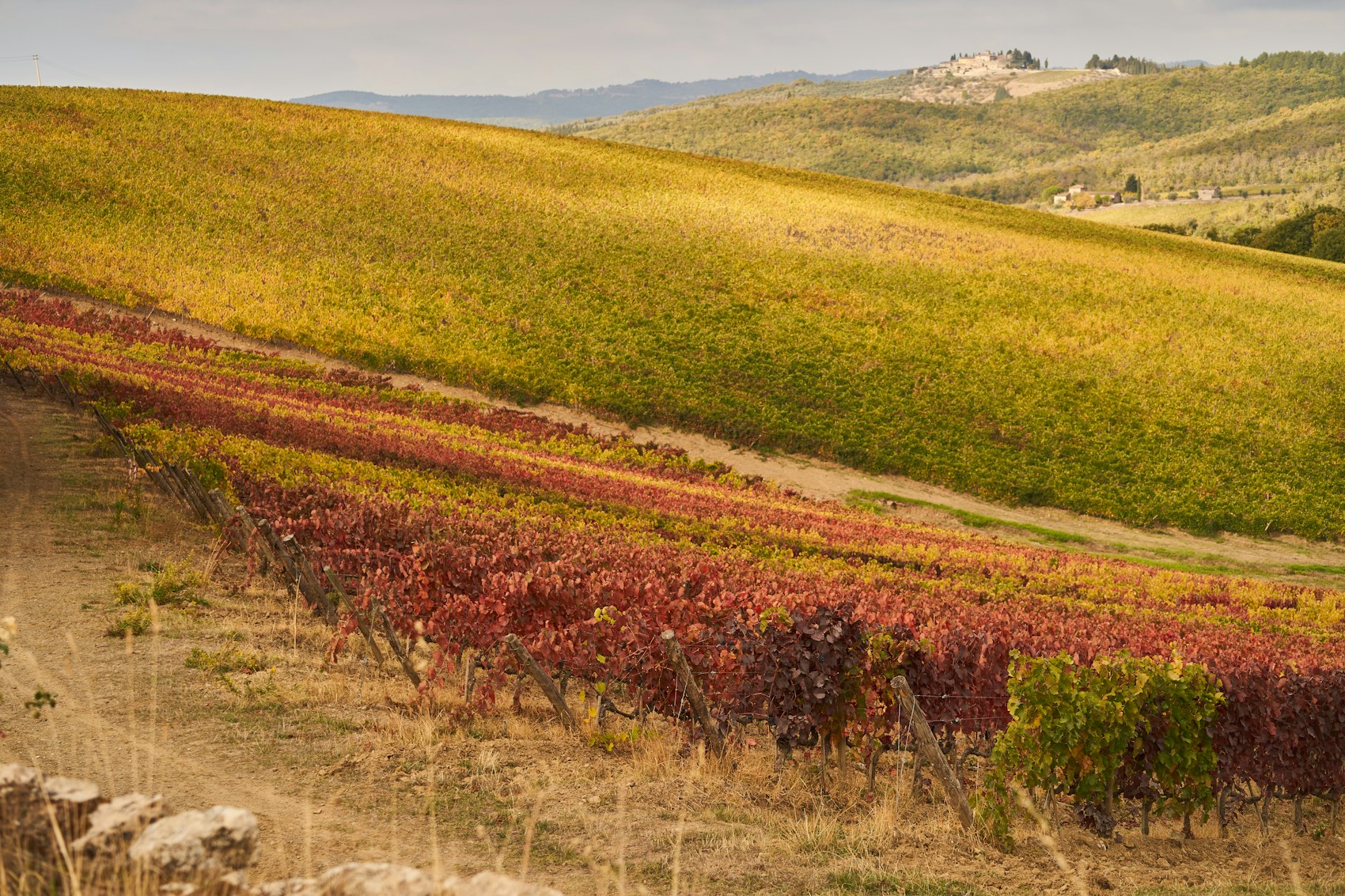
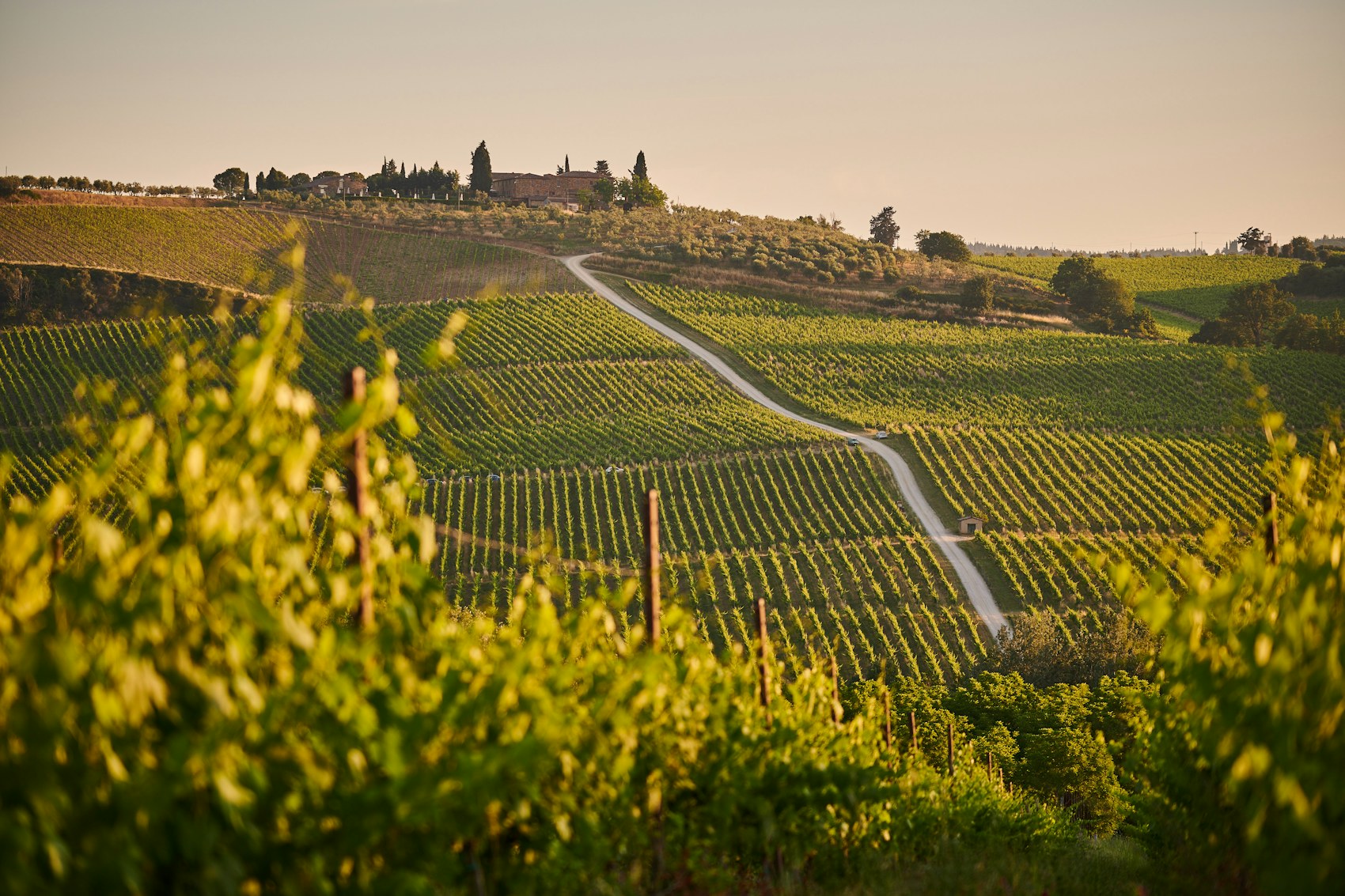
The traditional vine training is worth knowing because you will see it in every vineyard photograph: alberello pugliese, low free-standing bush vines pruned into a goblet, shading their own fruit from a sun that would otherwise cook it. Old alberello plantings are the region's treasure, and they are increasingly bottled separately.
Primitivo, Negroamaro and the Rest
Primitivo is the famous one, and yes, it is Zinfandel - both descend from the Croatian grape Tribidrag. Puglia's version is typically darker, spicier and more savoury than California's, with black cherry, dried fig and a warm liquorice edge. The benchmark zone is Primitivo di Manduria near the Ionian coast, where old bush vines produce wines of real concentration; a sweet Dolce Naturale version also exists.
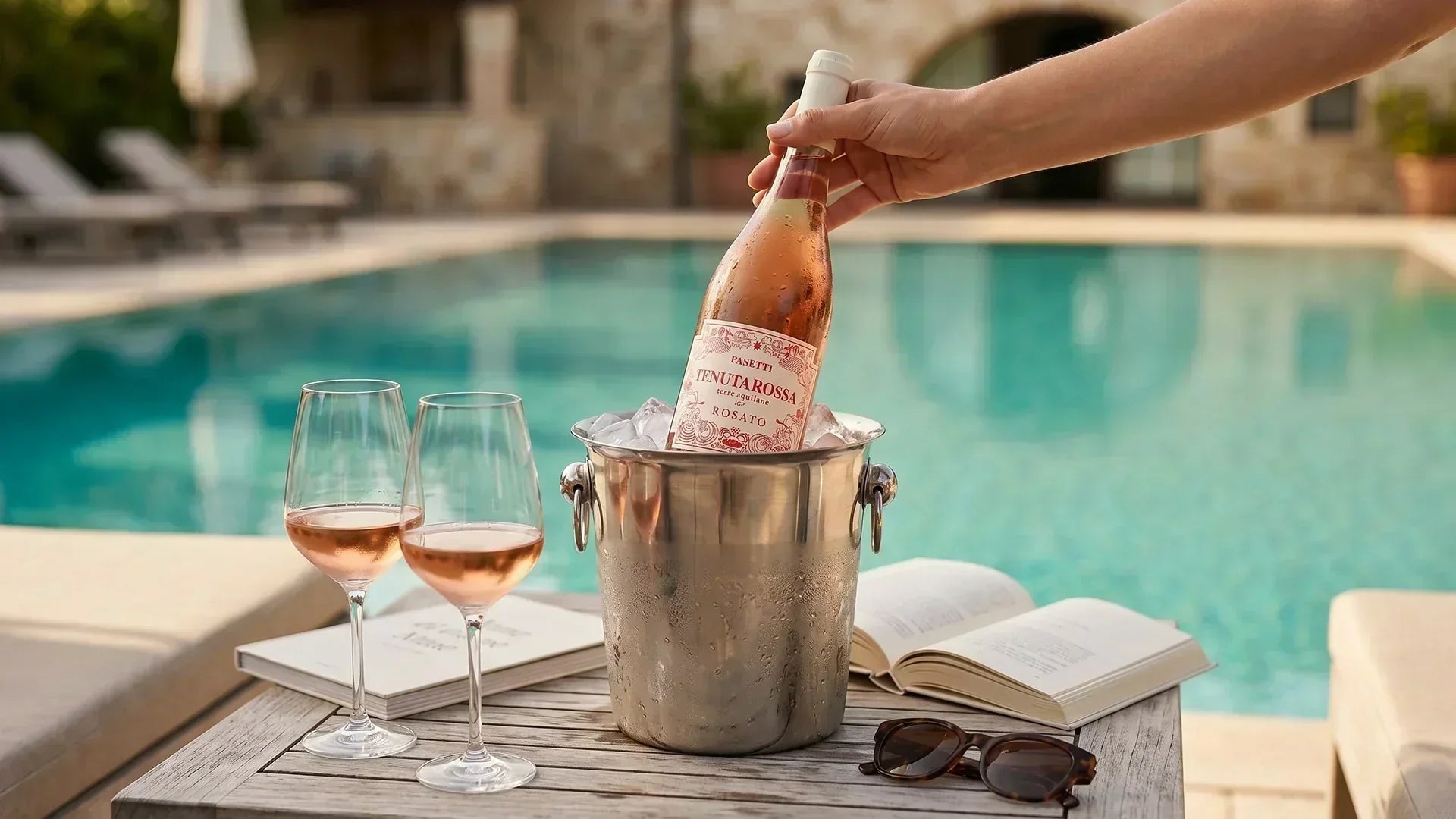
Negroamaro - the name means "black bitter" - is the Salento peninsula's own grape and, for many drinkers, the more interesting of the two: dark red fruit, tobacco, dried herbs and a characteristic bitter-almond finish that keeps it fresh. It is the backbone of Salice Salentino, one of the great everyday reds of Italy, and it makes some of the country's best rosato, a style Puglia has produced seriously since the 1940s. Add Nero di Troia in the north for structure and floral perfume, Bombino Bianco and Verdeca for whites, and Susumaniello, a nearly-lost variety now enjoying a revival.
Castel del Monte and the North
Not all of Puglia is southern warmth. Inland in the north, the Castel del Monte zone sits higher on the Murgia plateau around Frederick II's octagonal thirteenth-century castle, and its Nero di Troia and Bombino Nero produce notably fresher, more structured wines - including a DOCG for rosé, a rarity anywhere. This is the part of Puglia that surprises people who think the region only does power.
Value, and What Changed
Puglia remains one of the best value-per-dollar regions in Europe, but the reason has shifted. It is no longer cheap because it is anonymous; it is affordable because land and yields are still reasonable and the world has not yet fully repriced it. The quality leap came from cutting yields, picking earlier, and treating alberello plots as assets rather than inconveniences. Producers to know include Tormaresca (Antinori's Puglian estate), Gianfranco Fino for benchmark old-vine Primitivo, Racemi, Rivera in Castel del Monte, and Leone de Castris, whose Five Roses was the first Italian rosé ever bottled.
Buying and Drinking Puglia
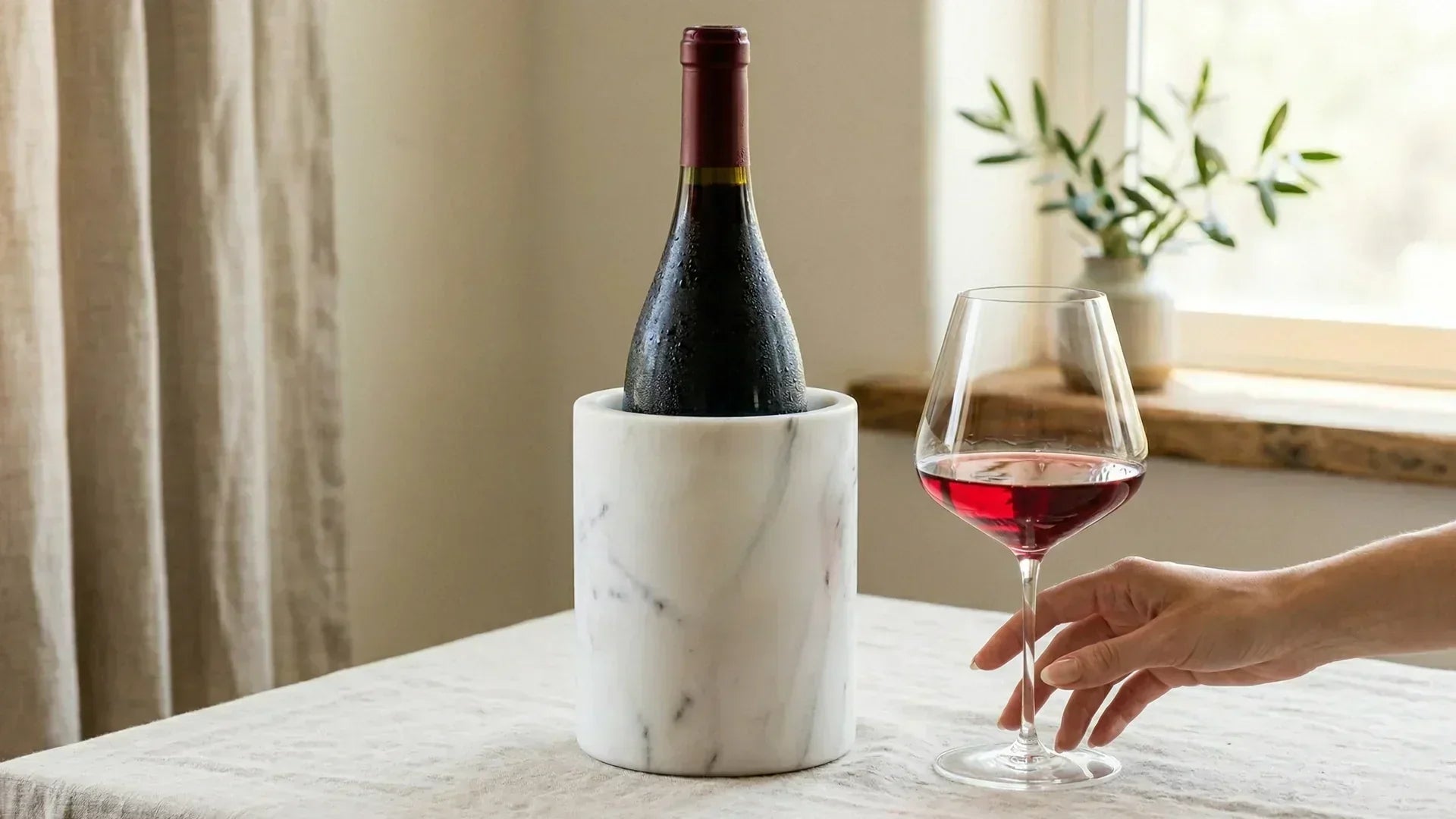
For everyday value, Salice Salentino and straightforward Primitivo in the $12-20 band are almost impossible to beat - generous, ripe, food-friendly and reliably well-made. Step up to Primitivo di Manduria from old alberello vines, or a serious Negroamaro, when you want concentration and a bit of age-worthiness. Do not skip the rosato: dry, savoury, deeper-coloured than Provence, and superb with grilled fish or vegetables. Serve the reds slightly cool - 16 to 17 degrees - because Puglian alcohol can feel heavy when warm, and pair them with what the region eats: orecchiette, lamb, aubergine, ricotta and a great deal of olive oil.
Quick Answers: Puglia
Is Primitivo the same as Zinfandel?
Genetically yes - both descend from the Croatian grape Tribidrag. Puglian Primitivo is typically darker, more savoury and spicier than Californian Zinfandel, with black cherry, dried fig and a warm liquorice edge.
What is Negroamaro?
Puglia's other signature red grape, native to the Salento peninsula. The name means 'black bitter' and the wines show dark fruit, tobacco and dried herbs with a characteristic bitter-almond finish that keeps them fresh. It anchors Salice Salentino.
What is alberello training?
Low, free-standing bush vines pruned into a goblet shape, the traditional method across Puglia. The canopy shades its own fruit from intense sun, and old alberello plots produce the region's most concentrated wines.
Why is Puglian wine such good value?
The region spent most of the twentieth century supplying bulk blending wine, so its quality reputation lagged behind reality. Yields have since been cut and old vines valued, but prices have not caught up with the improvement.
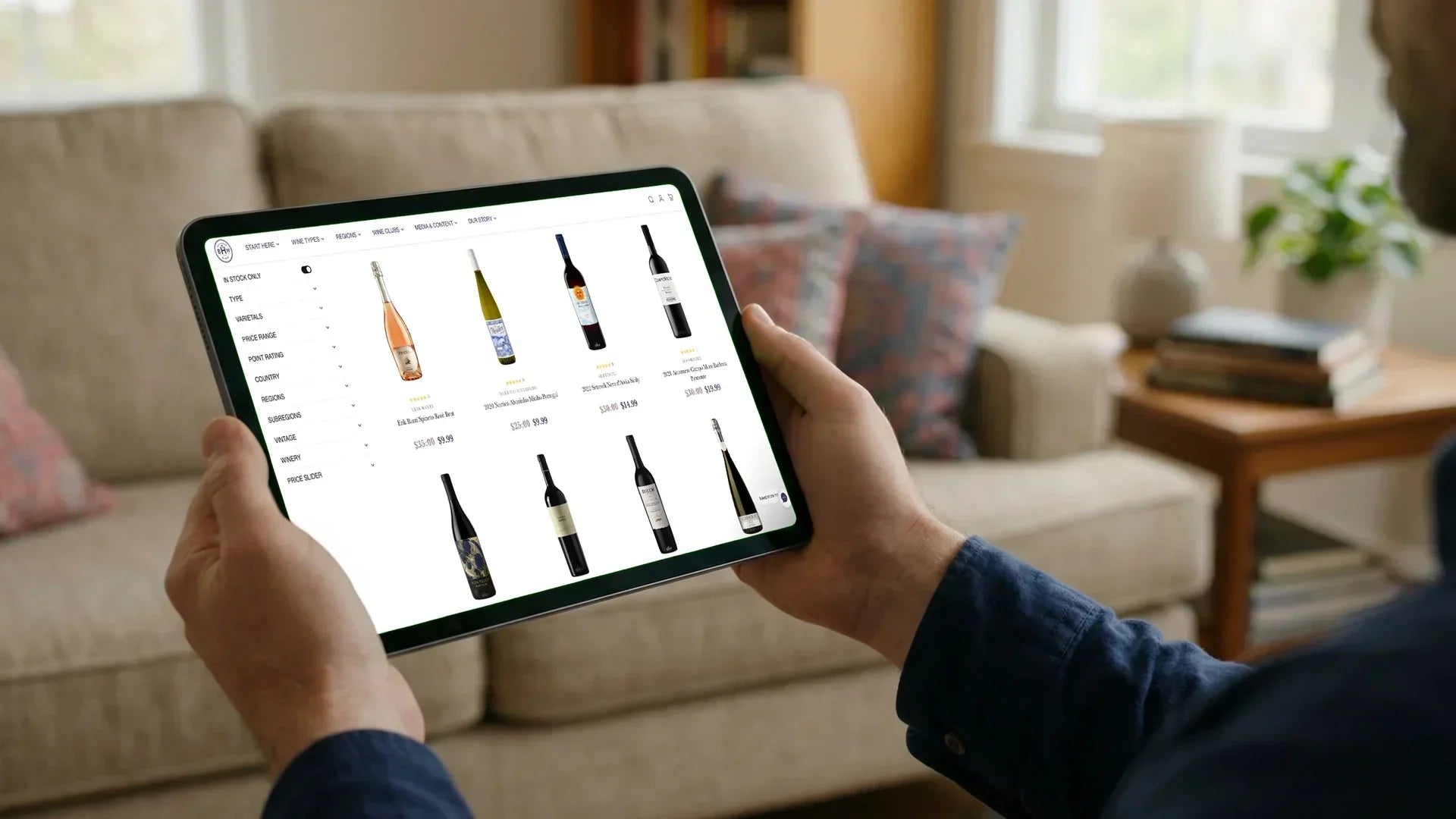
Ready to explore? Our Puglia collection carries our current selection. And if you are hunting a specific bottle from the region, contact us for a quote - we source wine globally, with a 12-bottle minimum on special orders.




















Share:
Abruzzo: Montepulciano, Pecorino and the Greenest Region in Europe
Abruzzo: Montepulciano, Pecorino and the Greenest Region in Europe
Comments Section