

In 1997, a grower in a border village in Italy's far northeast did something that looked like incompetence.
Josko Gravner threw out his temperature-controlled steel tanks, buried terracotta amphorae in the floor of his cellar, and began fermenting white grapes on their skins for months — the way people had in Georgia for eight thousand years. Critics called it a disaster.
Within a decade, "orange wine" was a global category and Friuli was its European epicenter.
That's the second time this small region reinvented Italian white wine. The first was in the 1960s and 70s, when Mario Schiopetto's cold, clean, varietally pure whites showed the entire country what modern white winemaking could be.
A Border Region in Every Sense
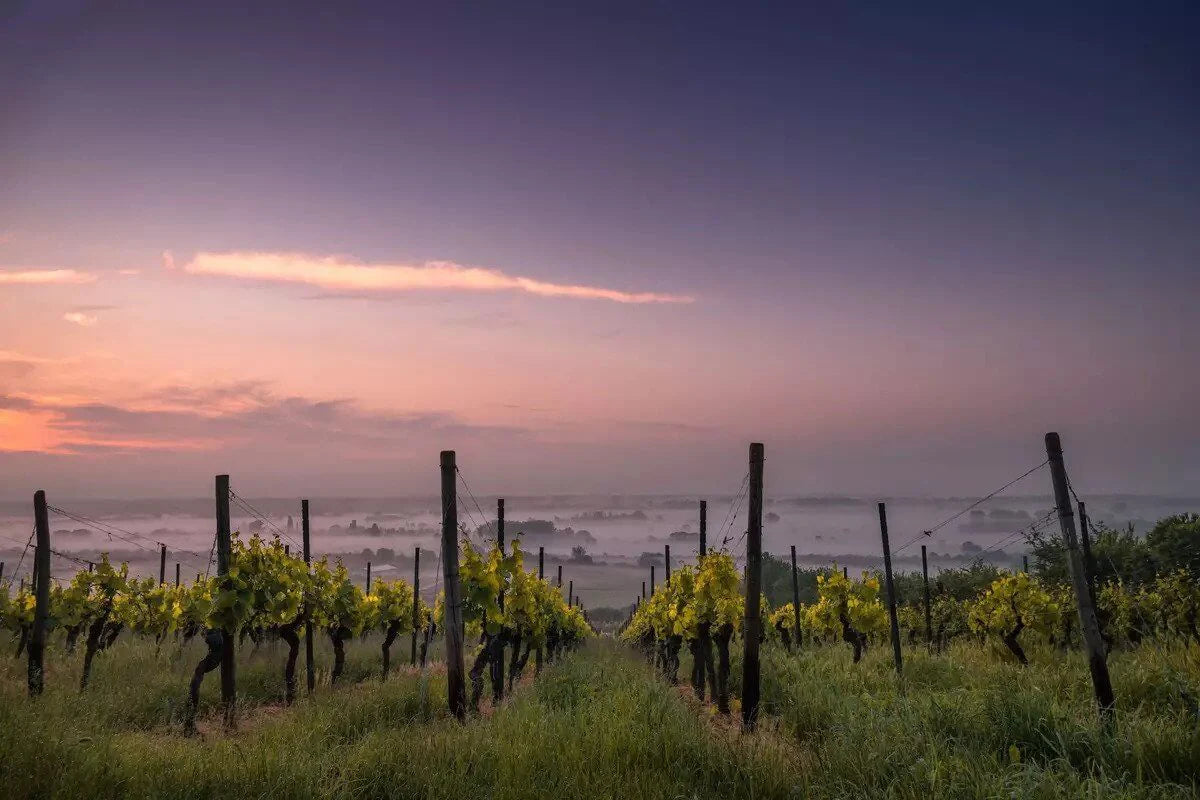
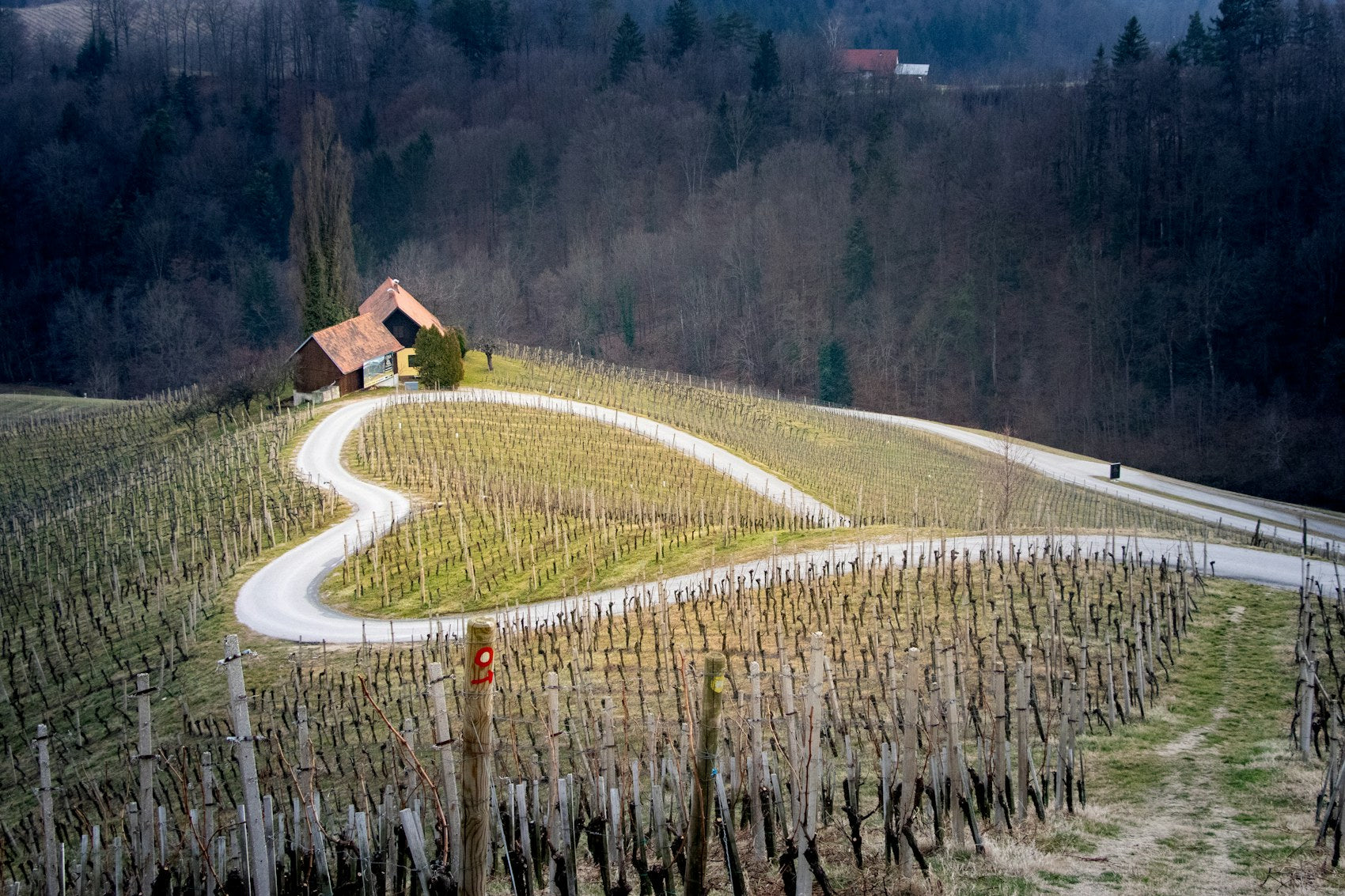
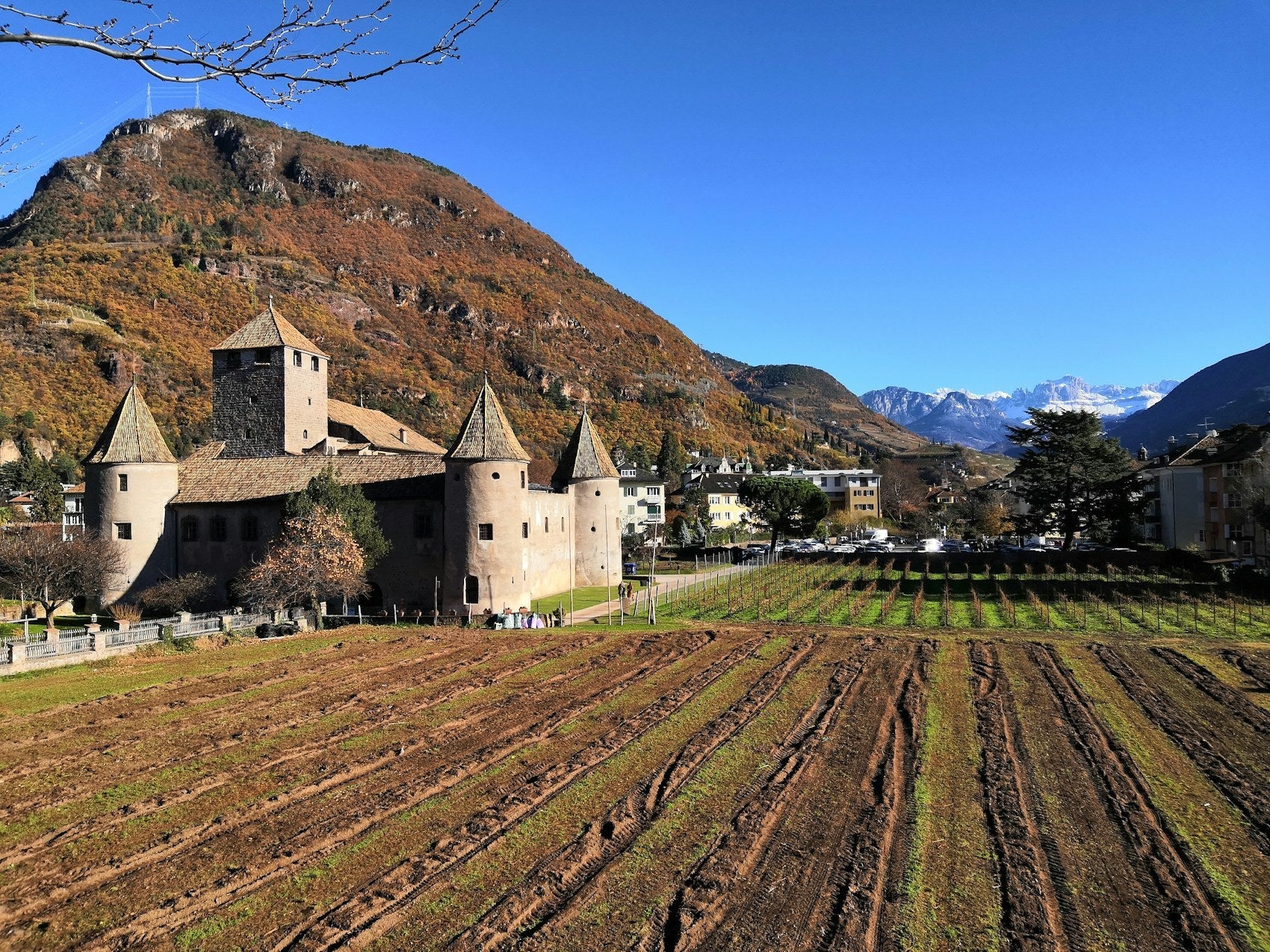
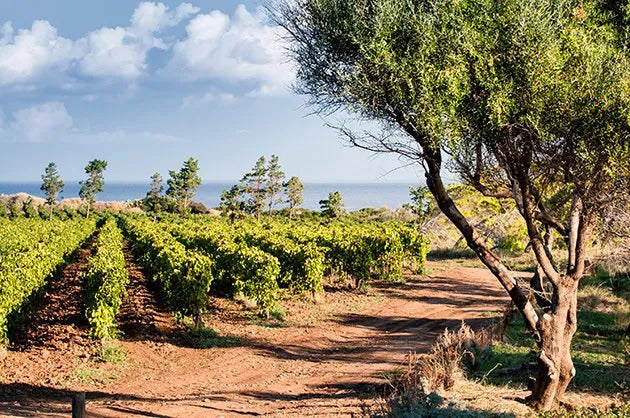
Friuli-Venezia Giulia is wedged between the Alps, the Adriatic and Slovenia, and the wine reflects all three. Cold air spills down from the mountains, the sea moderates from the south, and the best vineyards sit on a distinctive soil the locals call ponca — crumbling layers of marl and sandstone, the same formation that runs over the border into Slovenia's Brda.
Alpine coolness, maritime moderation, poor friable soil. That combination is why Friuli's whites carry both ripeness and cutting acidity.
Two hillside zones matter most: Collio, hugging the Slovenian border around Gorizia, and Colli Orientali del Friuli just north of it. The flatter Grave and Isonzo plains produce larger volumes and good value.

The Grapes
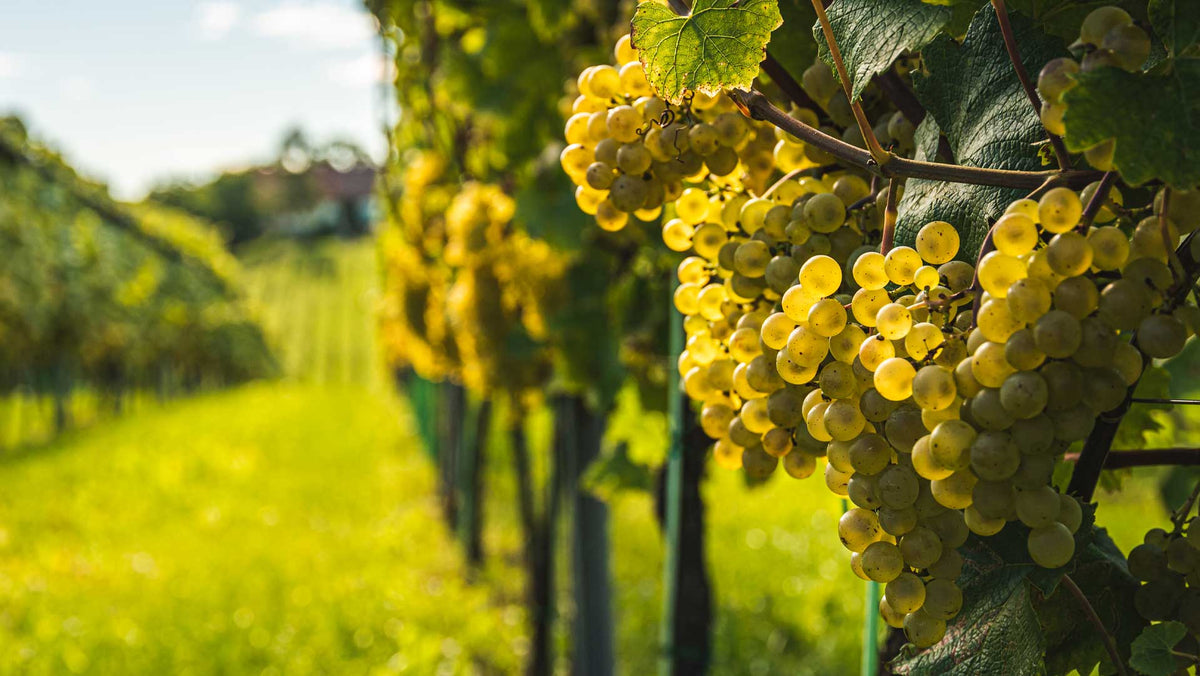
Friuli grows international varieties unusually well — Pinot Grigio here is a serious wine rather than a commodity, and Sauvignon Blanc, Chardonnay and Pinot Bianco all excel. But the natives are the reason to pay attention.
Friulano (formerly Tocai Friulano, renamed after an EU dispute with Hungary's Tokaj) is the regional signature: pear, almond and a distinctive bitter-nutty finish. Ribolla Gialla is the orange-wine workhorse, taut and citrus-skinned. Malvasia Istriana adds spice and salinity.

The reds deserve more attention than they get. Refosco dal Peduncolo Rosso is dark, herbal and firmly acidic. Schioppettino is peppery and floral, a grape rescued from near-extinction in the 1970s. And Pignolo and Tazzelenghe — the latter's name means "tongue-cutter" — are for the seriously curious.
Orange Wine, Explained Properly
Orange wine is simply white wine made like red. The juice ferments in contact with the grape skins, for anything from days to many months.
That extracts color, tannin and phenolic grip, producing a wine that's amber or copper, textural, savory, often slightly oxidative, and structurally closer to a light red than a conventional white.
It's not a modern invention — it's how much of the ancient world made wine — but Gravner and his neighbor Stanko Radikon are the people who brought it back and made it credible. Serve it cool but not cold, around 55–60°F (13–16°C), in a proper glass, with real food: it handles cured meat, aged cheese, curry and roast poultry better than almost anything.
The Sweet Footnote
Friuli also makes Picolit, a rare and historically prized dessert wine from a grape whose flowers abort naturally, leaving tiny, partial bunches and minuscule yields. It was famous in the courts of eighteenth-century Europe, nearly vanished, and survives today in small quantities — delicate, floral, and priced accordingly.
Buying and Drinking Friuli
If you think you dislike Pinot Grigio, drink a Collio version — it will change your mind.
Friulano is the everyday bottle to know, and Collio or Colli Orientali on the label is the reliable quality signal.
For orange wine, start with a shorter-macerated Ribolla Gialla before jumping to the full Gravner or Radikon experience. Both are benchmarks, but neither is a beginner's wine.
And keep an eye out for Schioppettino if you like cool-climate, peppery reds. It drinks like a northern Rhône Syrah grown in the Alps, and almost nobody outside Italy is looking for it.
Quick Answers: Friuli-Venezia Giulia
What is orange wine?
White wine fermented in contact with its grape skins, the way red wine is made. That extracts color, tannin and texture, producing an amber, savory, structured wine. Friuli's Josko Gravner and Stanko Radikon revived the ancient method in the 1990s.
What is Friulano?
The region's signature white grape, formerly called Tocai Friulano until an EU ruling over the name Tokaj. It gives pear, almond and a distinctive bitter-nutty finish, and it's the everyday white of northeastern Italy.
Is Friuli Pinot Grigio different?
Substantially. Grown on the marl-and-sandstone ponca soils of Collio and Colli Orientali, Pinot Grigio here has weight, texture and real acidity rather than the neutral character of mass-market versions.
What are Collio and Colli Orientali?
Friuli's two premier hillside zones. Collio hugs the Slovenian border around Gorizia and Colli Orientali sits just north of it. Both sit on ponca soil and produce the region's most serious whites.
How do you serve orange wine?
Cool but not cold, around 55-60°F (13-16°C), in a standard wine glass rather than a small white-wine glass. Its tannin and structure mean it pairs like a light red — excellent with cured meats, aged cheese, roast poultry and even spiced or curried dishes.
Ready to explore? Our Friuli-Venezia Giulia collection carries our current selection. And if you're hunting a specific bottle from the region, contact us for a quote — we source wine globally, with a 12-bottle minimum on special orders.


Shop Our Friuli Venezia Giulia Collection
SHOP COLLECTIONShare:
Trentino-Alto Adige: Alpine Precision in Two Languages
Trentino-Alto Adige: Alpine Precision in Two Languages
Comments Section