

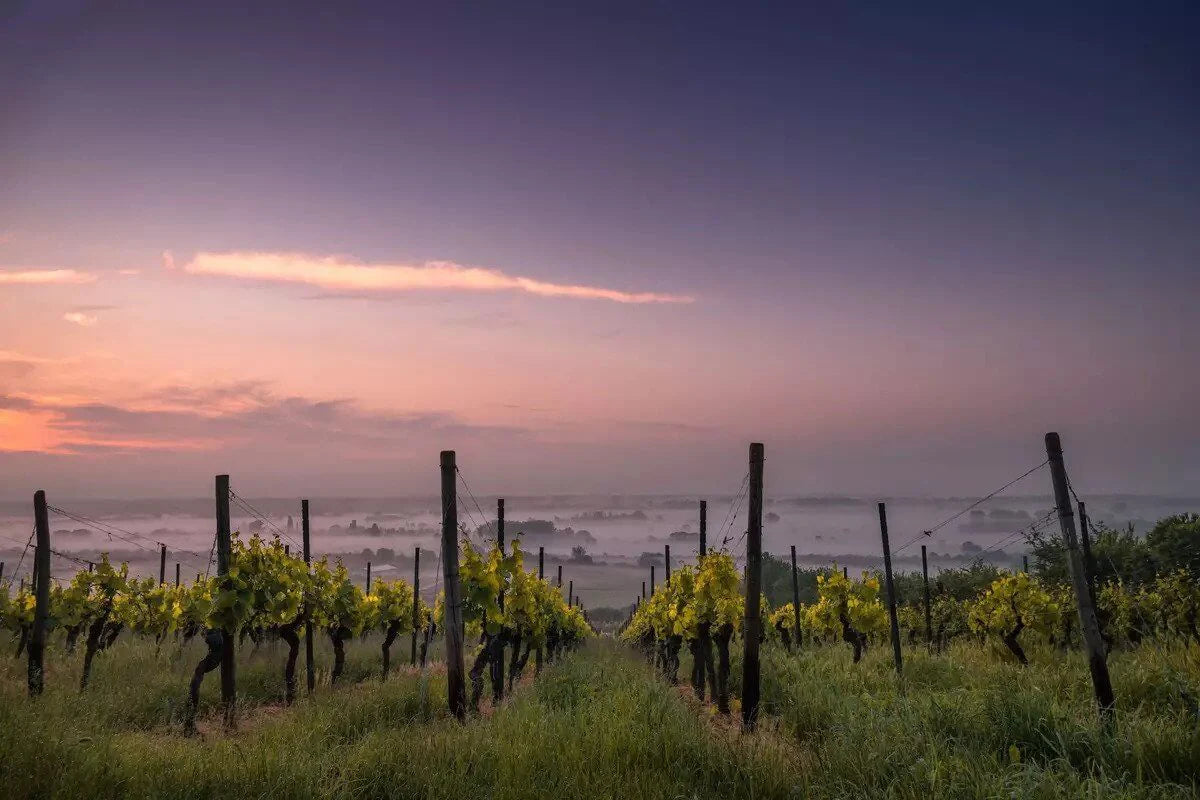
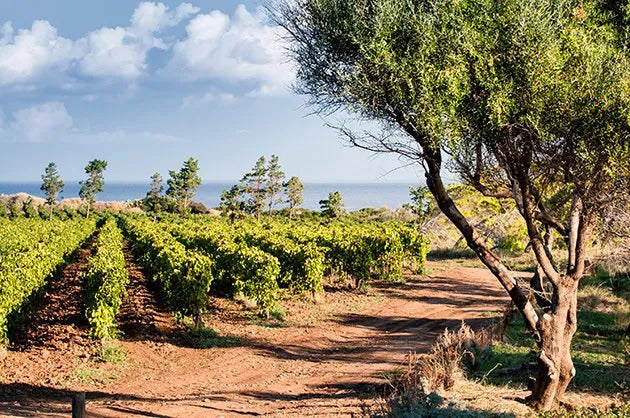
Stand in a vineyard almost anywhere that matters in Uruguay and you're less than an hour from salt water. That single fact explains the whole country.
The rest of South America makes wine in deserts — Mendoza behind the rain shadow of the Andes, Chile pinned between mountains and a cold current — while Uruguay farms green, humid, ocean-washed hills at the same latitude as Cape Town and Adelaide. No irrigation canals, no altitude tricks: just rain, clay, granite and sea wind, on family farms that have passed vines down for four generations.
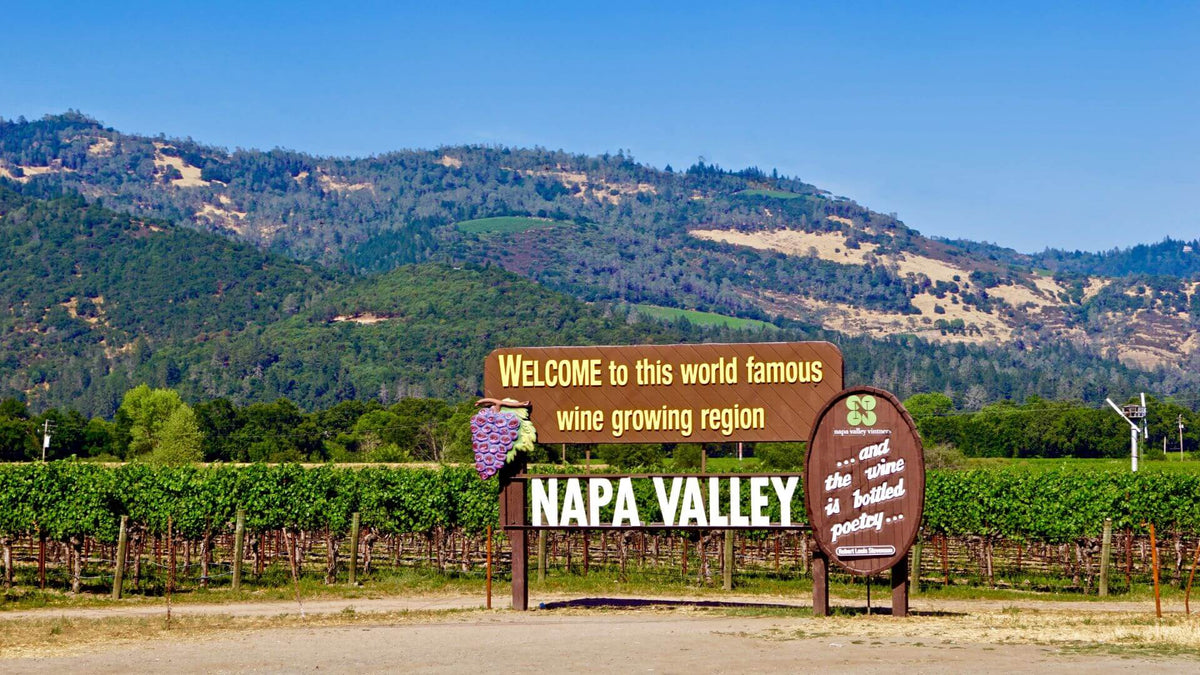
It's the smallest serious wine country on the continent — every vineyard in the nation would fit inside a third of Napa Valley — and for a century it kept the results almost entirely to itself, because Uruguayans drink most of what Uruguay makes.
What finally leaked out is a black-fruited, iron-spined red called Tannat. France spent centuries trying to tame that grape. Uruguay is where the taming finally happened.
The Atlantic Runs the Show
Uruguayan wine is a maritime story — the only one in South America. Every other serious wine country on the continent irrigates a desert; Uruguay gets around 40 inches of rain a year, real humidity, and a sea breeze that never quite stops. The Rio de la Plata and the open Atlantic wrap the country's entire southern edge, and the great majority of its vines grow within about 30 miles of the water.
The ocean works both sides of the ledger. It cools the nights and stretches the season, so grapes ripen slowly and keep their acidity — the freshness you taste in every good Uruguayan bottle. And it demands honest farming: humidity means disease pressure, so growers run open canopies, drop fruit, and pick largely by hand.
The reward is everything South American wine is usually accused of lacking — moderate alcohol, tannin built for the table, and vintages that genuinely differ year to year. If Argentina is the continent's California, Uruguay is its Bordeaux: clay soils, ocean air, and wines with shape instead of sunburn.
The bedrock changes the accent from region to region — weathered granite the locals call balasto in the eastern hills, clay and limestone through the rolling south — and thick-skinned Tannat turned out to be armor suited to all of it.

Tannat: The Grape France Could Not Tame
Tannat comes from Madiran, in the far southwest of France — a grape so loaded with tannin that its name is practically a warning label. At home it made wines so ferocious that French winemakers eventually invented micro-oxygenation, bubbling air through the tanks, just to soften it.
Then came Pascual Harriague. A Basque immigrant who landed in Montevideo in 1838, Harriague spent decades hunting for a vine that would take to Uruguay's subtropical north. In 1874, from cuttings of Madiran stock carried across the river from Concordia, he planted some 35 hectares at Salto — and Tannat took to Uruguay the way Malbec took to Mendoza. Within fifteen years his wines were winning medals at the world exhibitions of Barcelona and Paris, and old-timers still call the surviving massal plantings "Harriague."
Today Uruguay is the largest producer of Tannat on earth — the grape covers more than a quarter of the national vineyard — and the ocean finished what Harriague started. Clay soils, humid air and the long, cool ripening season deliver everything Madiran promises without the punishment: blackberry and black plum over iron and dark chocolate, tannins that are dense but round, and a fresh, faintly saline finish instead of a clenched one.
It's also, for what it's worth, one of the most polyphenol-rich major red grapes in the world — the compound researchers study when they talk about red wine. Uruguayans mostly just call it dinner.
The Map: From the Capital to the Cape
Canelones, the rolling green belt around Montevideo, is the engine room — roughly two-thirds of the country's vines, farmed on clay-limestone hills that would look familiar to a Bordelais, by the Italian and Basque families who planted them. This is small-farm country: the average holding runs to a few hectares, and the same surnames have been on the gates for a century. Districts like Canelon Chico, Las Piedras and Progreso are the closest thing Uruguay has to classified villages, and seaside Atlantida adds a sand-and-salt accent.
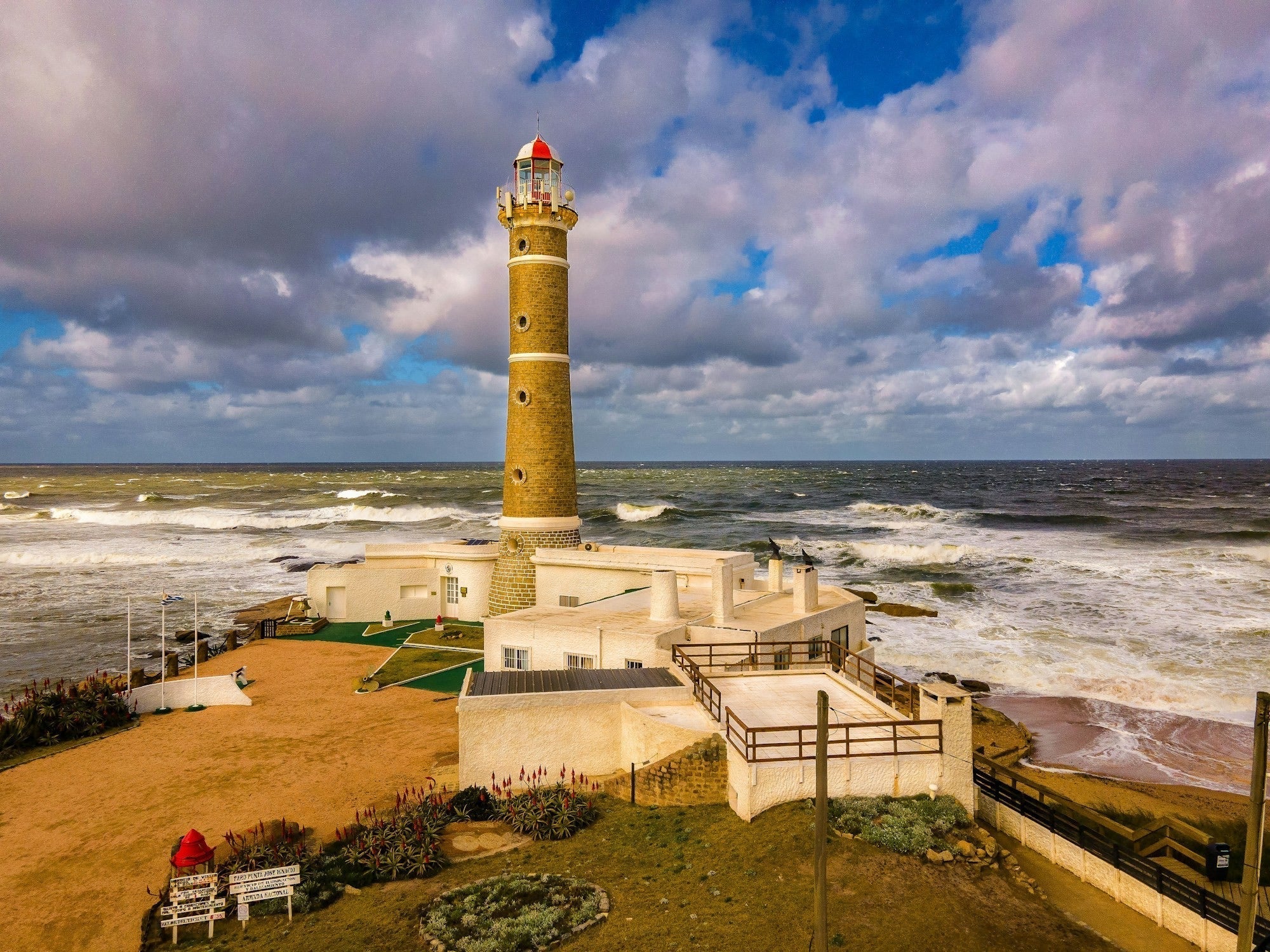
Maldonado, two hours east, is the new frontier — Uruguay's Uco Valley moment. Here the granite hills of the Sierra de la Ballena roll down to the beaches of Jose Ignacio, and poor balasto soils, relentless ocean wind and serious money have produced the country's most ambitious estates, its most electric whites and its most polished, mineral Tannat. Garzon and Pueblo Eden are the names to learn now.
West along the Rio de la Plata, historic Colonia and the river town of Carmelo — directly across the water from Buenos Aires — play a gravelly, estate-scale boutique role. And the subtropical north remembers where it all began: Salto, Harriague's home turf, and Rivera on the Brazilian border, where deep red sandstone gives Tannat a softer, sweeter-fruited accent.
Beyond Tannat
The second act is Albarino, and it may be the shrewdest planting decision in modern South America. Galicia's great coastal white was brought in during the 2000s on a simple bet: same ocean, same granite, same salt air — it should feel at home. It does. Uruguayan Albarino is briny and taut — white peach, lime pith, sea spray — and it has become the calling card of the Maldonado coast, good enough to stand next to Rias Baixas on any list.
Cabernet Franc is the red rising fastest, peppery and bright. Merlot plays its old Bordeaux role rounding Tannat in blends, Marselan is gaining ground, Sauvignon Blanc and Chardonnay work the coastal whites shift — and Tannat itself gets pushed through every format Uruguayans can think of, from rose and sparkling to rich dried-grape and late-harvest styles that lean into the grape's dark sweetness.

The Names That Built It
Bodega Garzon is the flagbearer, and its origin story is the best in modern South American wine. Alejandro Bulgheroni, the Argentine energy magnate, started buying land in these hills in 2000 with large-scale agriculture in mind — the wine idea didn't exist yet. It began, of all things, with olive trees: his wife Bettina wanted enough to press the family's own oil, and Bulgheroni — not a man who does anything by halves — planted more than 150,000 of them, becoming Uruguay's largest olive-oil producer more or less by accident.
Then, in 2007, he asked Alberto Antonini, one of the world's most sought-after winemaking consultants, what else the land could do. Antonini looked at the shallow, weathered granite, the ocean ten miles off and the ceaseless wind, and gave him an answer nobody expected: this wasn't farmland at all. It was a great wine terroir that no one had discovered.
What followed was the largest bet ever placed on Uruguayan wine — roughly $85 million. First vines went in over 2008, the first commercial vintage arrived in 2011, and in 2016 the estate unveiled a 205,000-square-foot gravity-flow winery designed to be the world's first fully LEED-certified winery and hospitality building, its restaurant run by Francis Mallmann, Argentina's most celebrated chef, and the once-sleepy village of Pueblo Garzon reborn around it.
The wines carried the mission the rest of the way. Wine Enthusiast named Garzon its New World Winery of the Year in 2018; Balasto, the flagship granite-grown red blend, became the first Uruguayan wine sold through Bordeaux's own La Place merchant network; and today Garzon is the country's largest wine exporter. Its Albarino and single-vineyard Tannats are the international benchmarks.

The rest of the canon is family-scale. Bouza, a family bodega on the edge of Montevideo, is the jeweler of the scene — tiny lots, old-vine Tannat, and one of the earliest, smartest bets on Albarino. Pisano, three brothers in Progreso, has carried refined Uruguayan Tannat to the world's tables for decades. Familia Deicas at Juanico runs the country's most ambitious range, from single-parcel Tannats to Preludio, the barrel-fermented blend on Uruguay's finest lists, while Pizzorno works small parcels in Canelon Chico, and on the coastal sand ridge at Atlantida, Vinedo de los Vientos — "vineyard of the winds" — treats Tannat with cheerful Italian-rooted irreverence, down to Amarone-style dried-grape experiments. Around them orbit Marichal, sierra pioneers Alto de la Ballena, Cerro Chapeu in Rivera's sandstone, and a young generation treating Maldonado granite the way Argentines treat Gualtallary limestone — parcel by parcel.
At the Table, and at the Register
No wine culture is more single-minded about its pairing. Uruguayans eat more beef per person than practically anyone on earth, most of it grass-fed and cooked slowly over hardwood embers at the Sunday asado — and Tannat's dense, ripe tannin and fresh acidity are the exact shape of the answer. The chivito, the national steak sandwich, is the weekday version. Albarino handles the other half of the table: grilled fish, mussels, anything pulled from the cold Atlantic.
The register math is quietly excellent. Uruguay never built a bulk-wine industry, so there's no lake of cheap export plonk dragging the reputation down — the floor is high. $15 to $25 buys real estate-grown Tannat with the ocean in it; $25 to $50 buys the single-vineyard and old-vine class that trades punches with reds at twice the price; and top Albarino lands under $35 while matching Spain's best for salt and nerve. You're not paying for marketing. Nobody has done any.
Quick Answers: Uruguay Wine
What wine is Uruguay known for?
Tannat — a dark, powerfully structured red brought from France's Madiran region by Basque immigrant Pascual Harriague in 1874. Uruguay is now the world's largest producer of Tannat, with more than a quarter of its vineyards planted to the grape, and the Atlantic climate makes it rounder and fresher than the French original.
What does Uruguayan Tannat taste like?
Blackberry, black plum and dark chocolate over an iron-like mineral spine, with dense but rounded tannins and fresh, faintly saline acidity from the maritime climate. It's built for food — above all grilled beef — and typically drinks softer and more generous than French Madiran.
How is Uruguayan wine different from Argentine or Chilean wine?
Climate. Argentina and Chile farm irrigated deserts; Uruguay is South America's only true maritime wine country — rainy, humid and green, with most vineyards near the Atlantic. The result is fresher, moderate-alcohol wines shaped more like Bordeaux than the sun-soaked style of the Andes, grown on small family farms rather than industrial estates.
What white wine is Uruguay best known for?
Albarino. Planted from the 2000s onward on the bet that Galicia's great Atlantic grape would recognize Uruguay's granite and salt air, it has become the signature white of the Maldonado coast — briny, peachy and taut — with Bodega Garzon's version now an international benchmark.
How should you serve Uruguayan Tannat?
Slightly below room temperature, around 61-64°F (16-18°C), in a large glass. Young, structured Tannat benefits from an hour of decanting, and its firm tannin is at its best alongside grilled or slow-cooked red meat rather than on its own.
Ready to explore? Our Uruguay collection carries our current selection. And if you're hunting a specific bottle from the region, contact us for a quote — we source wine globally, with a 12-bottle minimum on special orders.


Shop Our Uruguay Collection
SHOP COLLECTIONShare:
Lombardy: Franciacorta, Valtellina and Milan's Cellar
Armenian Wine: The World's Oldest Winery and the Grape That Never Left
Comments Section