

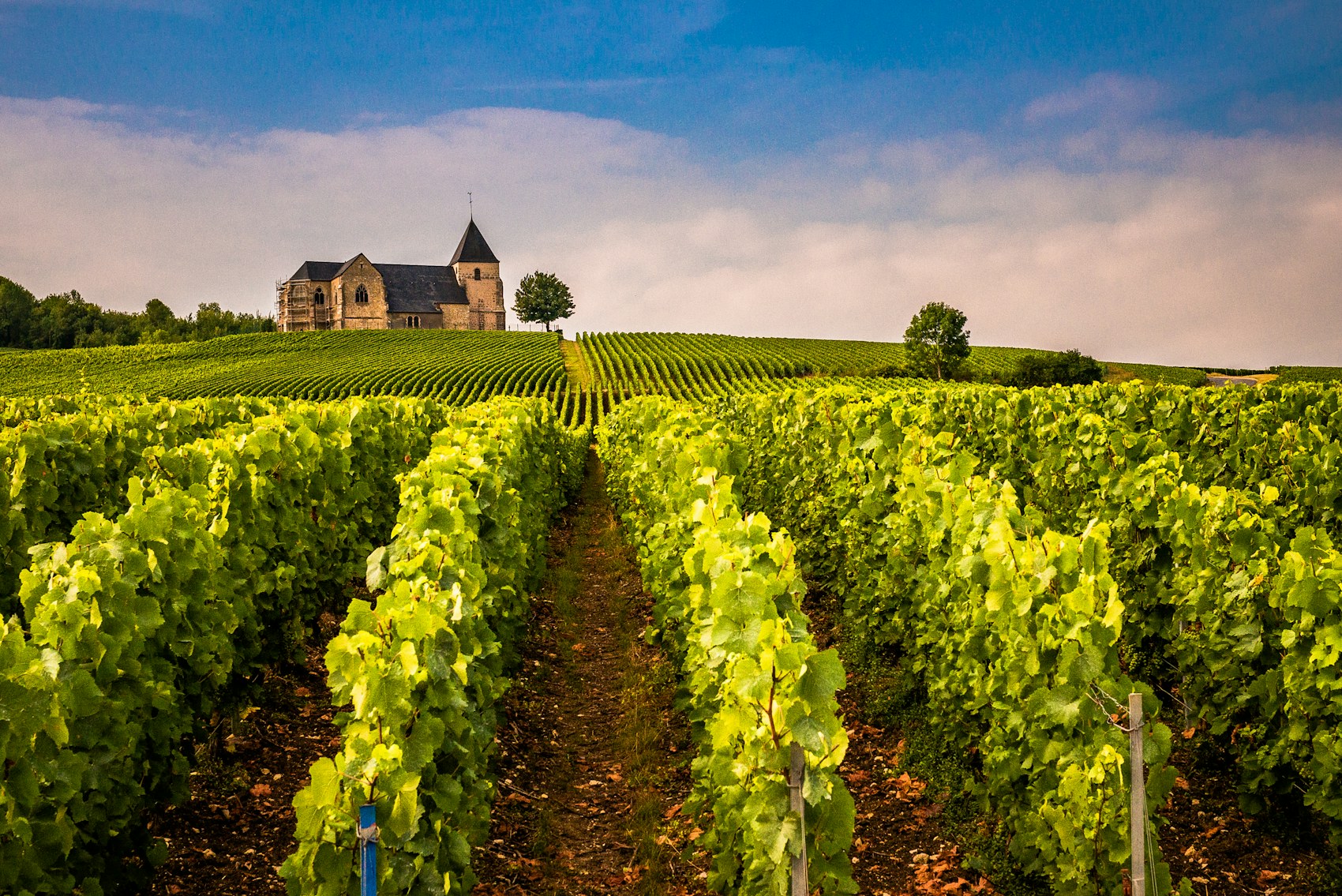
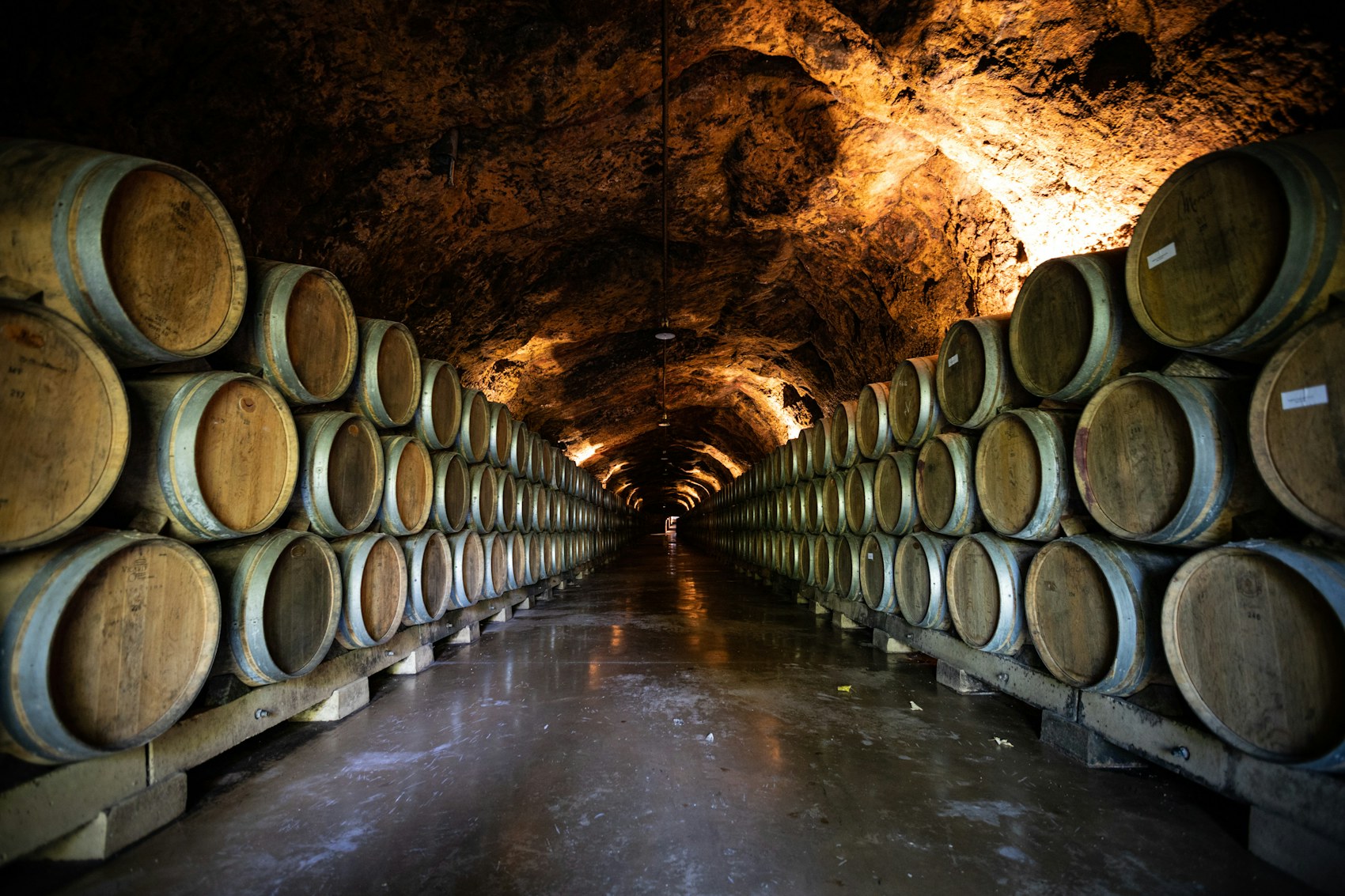
Beneath the city of Reims lie miles of tunnels quarried by the Romans two thousand years ago, cut into chalk so pure it was mined for building stone. The Romans took the rock; the Champenois took the holes.
Those crayères hold millions of bottles at a constant 10 to 12 degrees Celsius and permanent high humidity, the perfect cellar, delivered free by geology. That chalk is the whole story of Champagne: it drains, it reflects light onto the vines, it stores winter water for dry summers, and it gives the wines their saline, mineral spine.
Everything else, the bubbles, the blending genius, the marketing, is human ingenuity layered on top of a rock.

Cold, and Why It Helps
Champagne sits at 49 degrees north, at the very edge of where grapes ripen at all. In most years the base wines are lean, high in acid, and modest in alcohol, which would be a problem for still wine and is precisely what sparkling wine needs. High acidity keeps the wine fresh through years on lees and makes it refreshing rather than heavy.
The classic accident: early bottles refermented in spring, built pressure, and exploded in cellars, and workers wore iron masks. Dom Pérignon, the Benedictine cellarer whose name now sells prestige cuvée, spent much of his career trying to prevent bubbles, though he did pioneer blending across parcels and pressing red grapes to make white juice. The English, importing barrels and bottling them in stronger coal-fired glass, arguably drank sparkling Champagne first.
The Method, Step by Step
Champagne's production method is legally defined and worth knowing, because it explains the price. Grapes are pressed gently and fermented into a still base wine. The winemaker then blends across parcels, across villages, and for non-vintage wines across multiple years using reserve stocks.
The blend is bottled with a little sugar and yeast (liqueur de tirage) and sealed; a second fermentation happens inside that bottle, trapping carbon dioxide. The bottle then rests on the spent yeast for a legal minimum of 15 months for non-vintage and 36 for vintage - in practice often far longer - and this autolysis is where the brioche, toast, and hazelnut notes come from.
Finally, the yeast is riddled into the neck, frozen and expelled (degorgement), and a dosage of wine and sugar tops it up, setting the final sweetness: Brut Nature (nothing added) through Extra Brut, Brut (the standard), and on to Demi-Sec.
Three Grapes, Four Zones
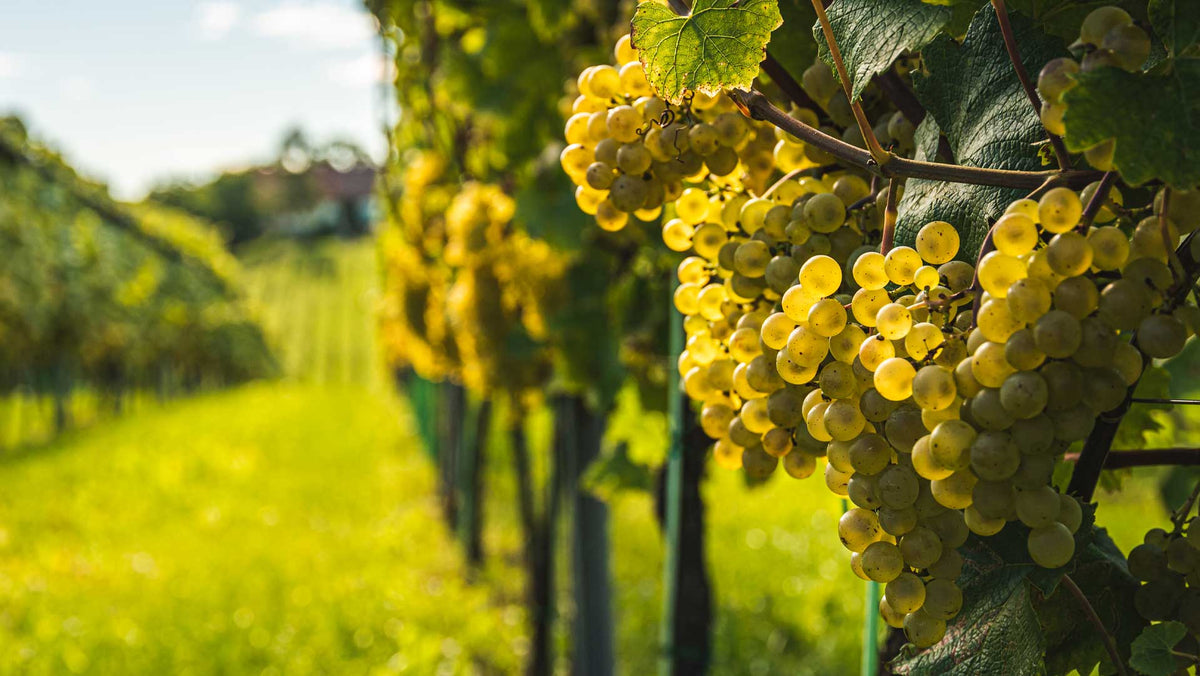
Champagne is built on Chardonnay (finesse, citrus, aging potential), Pinot Noir (structure, red-fruit body), and Meunier (fruit, softness, early charm) - the latter two vinified as white wine.
The land divides into the Montagne de Reims (Pinot Noir), the Côte des Blancs (Chardonnay - the source of nearly all great blanc de blancs), the Vallée de la Marne (Meunier), and the Côte des Bar in the far south, warmer and increasingly the source of exciting grower wines. A blanc de blancs is all Chardonnay, precise and ageworthy; a blanc de noirs is all black grapes, broader and richer.
Rosé is made either by blending a little still red wine in - unusually, legal here and nowhere else in France - or by brief skin contact.

The Two Letters That Change Everything
Look for tiny initials near the bottom of the label.
NM (negociant-manipulant) means a house that buys grapes and blends at scale: Bollinger, Billecart-Salmon, Ruinart (founded 1729, the first house of all), Krug, Pol Roger. Their genius is consistency: a house style held steady across decades of variable vintages, which is a genuinely hard achievement.
RM (récoltant-manipulant) means a grower who bottles wine from their own vineyards: farmer fizz, terroir-driven, often single-village or single-parcel, and frequently the best value in fine sparkling wine. The grower movement, led by names like Selosse, changed how the world thinks about Champagne. Neither is inherently better. They're different projects, and knowing which you're drinking is the mark of an informed buyer.
Vintage, Prestige, and What to Spend
Non-vintage is the house's calling card and about 85 percent of production. Vintage Champagne is declared only in good years and aged longer. Prestige cuvees - Dom Perignon, Cristal, Krug Grande Cuvee, Ruinart's Dom Ruinart - sit at the top.
The value insight is that quality tracks time on lees more reliably than it tracks brand: a grower's zero-dosage blanc de blancs with six years of aging can outdrink a famous non-vintage at half the price.
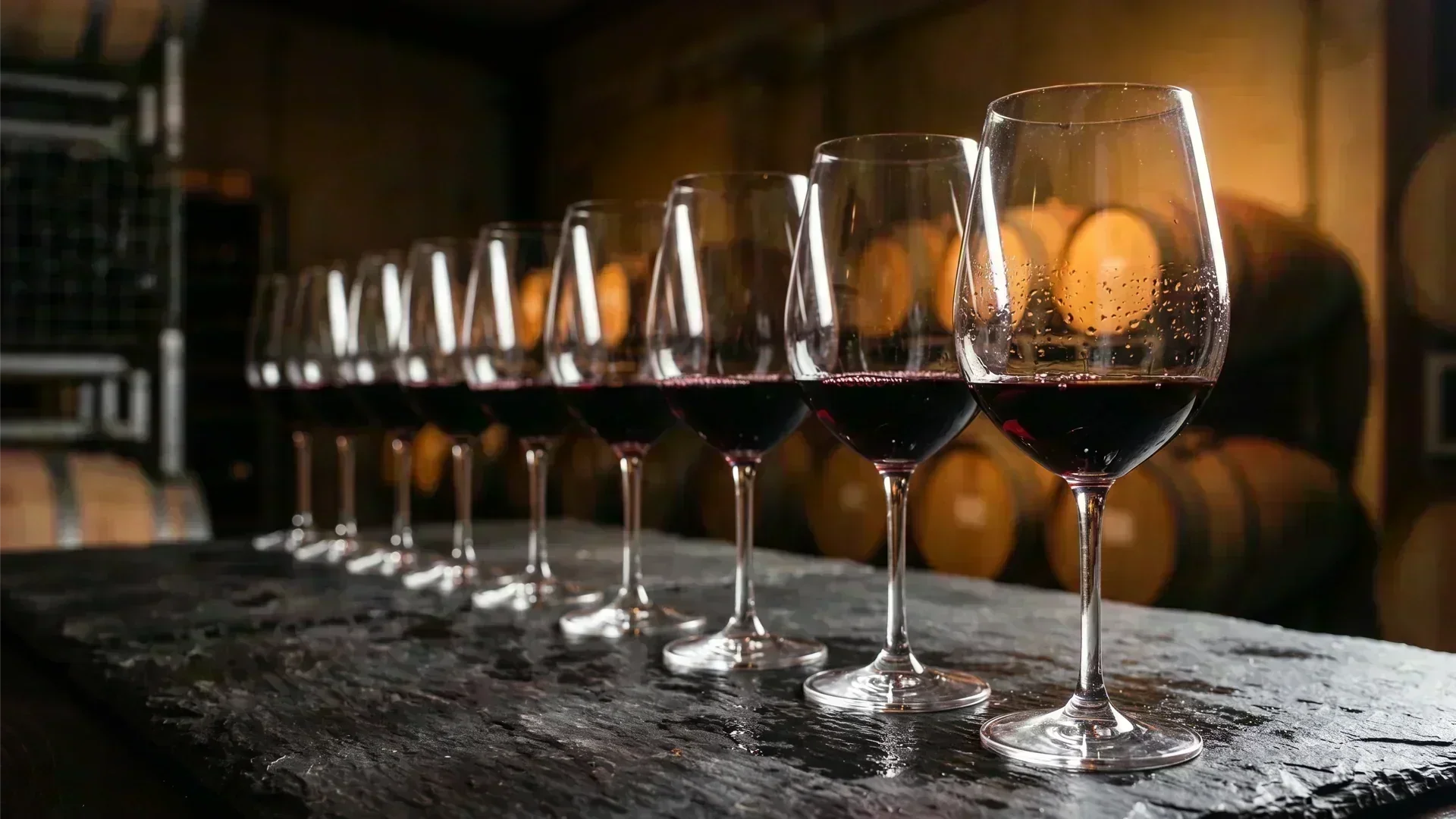
Serve at 8 to 10 degrees - not ice-cold, which mutes aroma, in a white wine glass rather than a flute, and treat good Champagne as a food wine: it is superb with fried food, oysters, roast chicken and, genuinely, potato chips.
Quick Answers: Champagne
What does the traditional method actually involve?
A still base wine is bottled with sugar and yeast, ferments a second time inside that sealed bottle to trap the bubbles, then rests on the spent yeast for months or years to build brioche and toast notes before the yeast is expelled and a dosage sets the final sweetness.
What is the difference between grower and house Champagne?
Look for tiny initials on the label: NM is a negociant house blending purchased grapes for a consistent style, while RM is a grower bottling wine from their own vineyards. Grower Champagne is more terroir-driven and often better value; houses excel at consistency.
What is blanc de blancs?
Champagne made entirely from white grapes, in practice almost always Chardonnay, and typically from the Cote des Blancs. It is precise, citrusy and mineral, and ages superbly. Blanc de noirs is the opposite - all black grapes, broader and richer.
Is Brut sweet?
Brut is dry, containing up to 12 grams of sugar per litre, which balances Champagne's high acidity rather than tasting sweet. Extra Brut is drier still, and Brut Nature has no dosage added at all. Demi-Sec is the genuinely sweet style.
Ready to explore? Our Champagne collection carries our current selection. And if you are hunting a specific bottle from the region, contact us for a quote - we source wine globally, with a 12-bottle minimum on special orders.



Shop Our Champagne Collection
SHOP COLLECTIONShare:
Bordeaux Wine: Two Banks, Five Growths, and the Gravel That Decides Everything
Rioja: The Region That Ages Your Wine For You
Comments Section