

In 79 AD, Vesuvius buried Pompeii under ash — and preserved, among the frescoes and bread ovens, the wine amphorae and vineyard layouts of a region that was already ancient.
Campania was the fine-wine heartland of the Roman Empire. Falernian, grown north of Naples, was the most celebrated wine of the classical world, cellared for decades and priced accordingly.
Almost none of that survived the centuries that followed. What did survive were the grapes — Aglianico, Fiano, Greco, Falanghina — clinging on in mountain villages while the rest of Italy modernized. Campania's modern story is the recovery of that inheritance, and it has produced some of the most distinctive wine in the country.

Volcanoes and Mountains
Two forces shape Campanian wine.
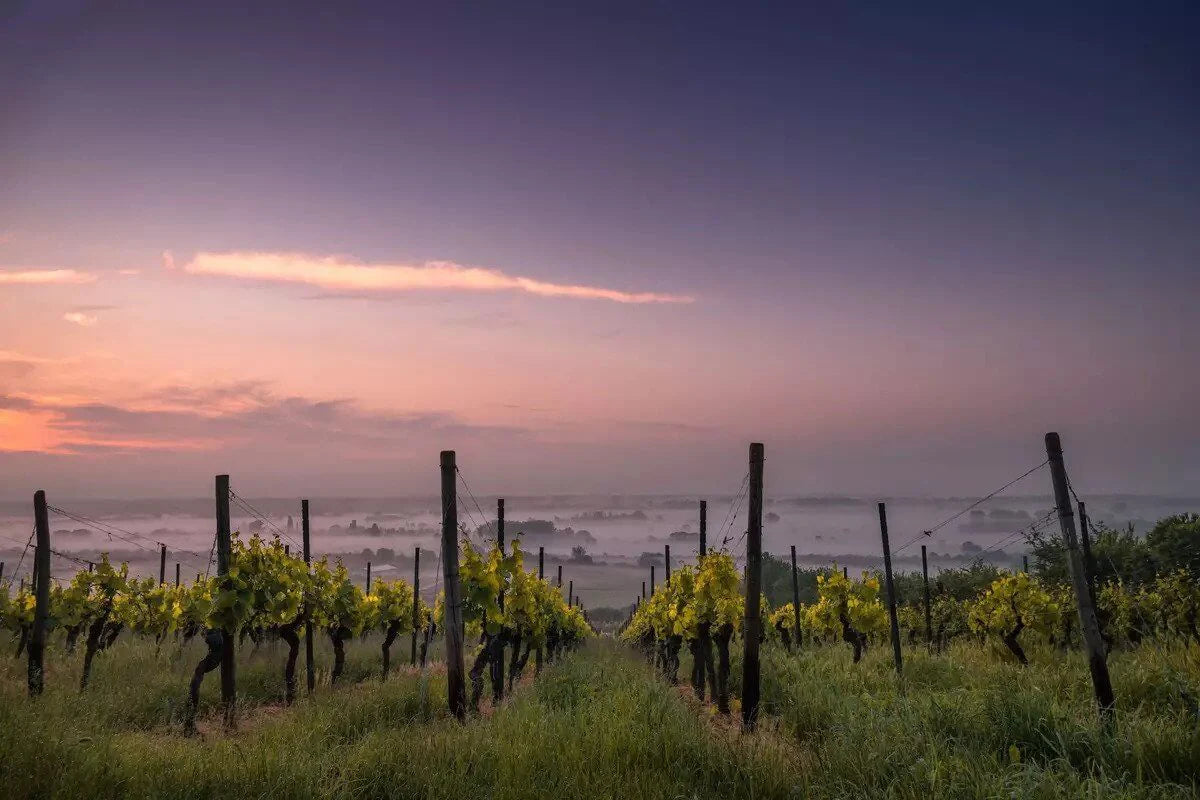
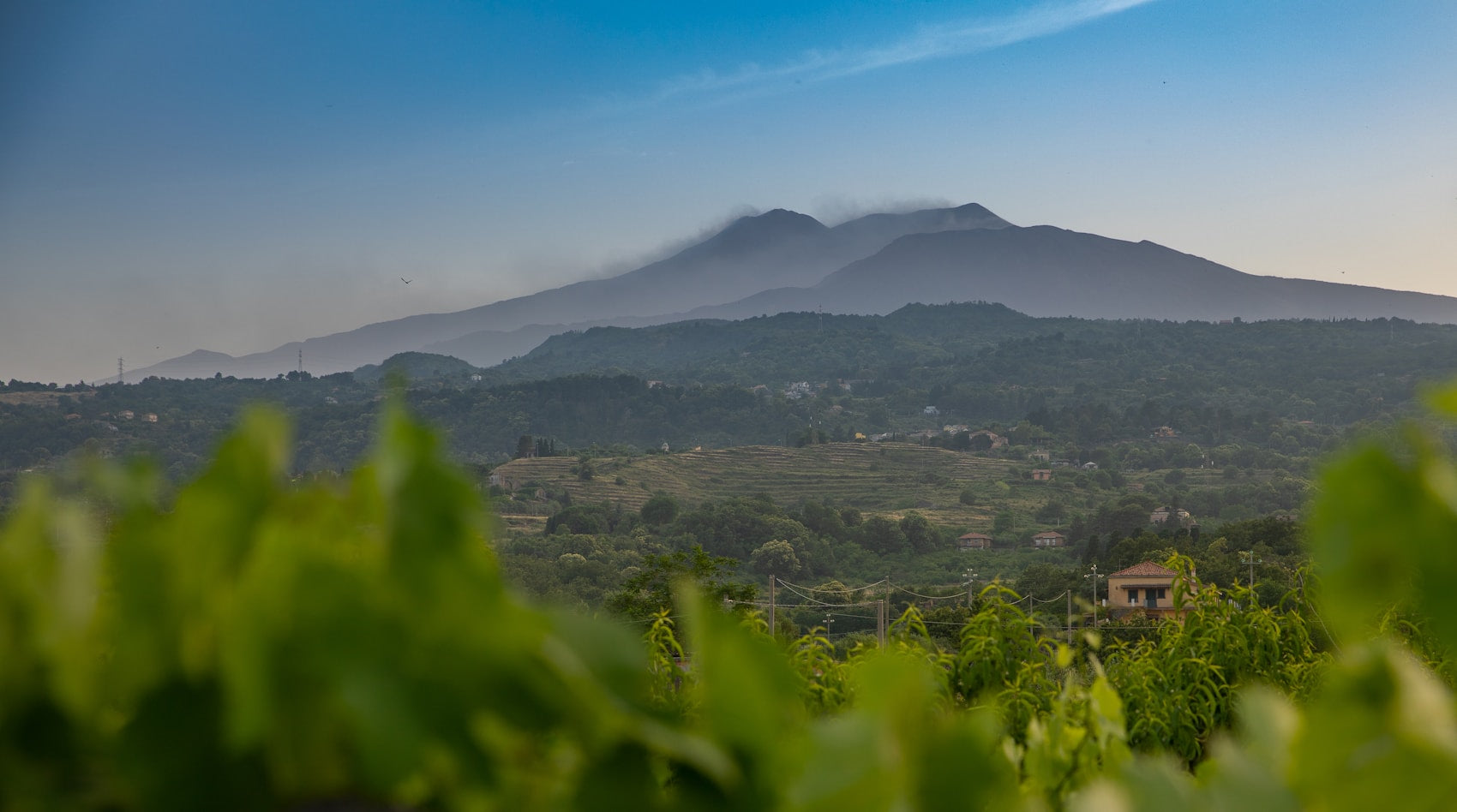
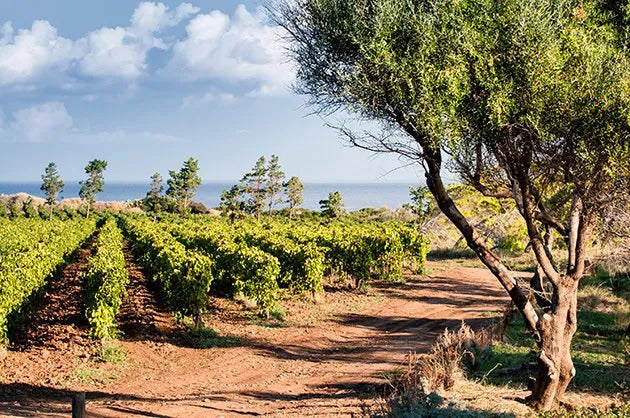
The first is volcanic. Vesuvius, the Campi Flegrei west of Naples, and older deposits inland leave soils of ash, tuff and pumice — rich in minerals, hard-draining, and, being sandy, largely resistant to phylloxera, so ungrafted vines survive in pockets.
The second is altitude. Inland Irpinia, around Avellino, sits at 400 to 700 meters in the Apennines: cold in winter, sharply diurnal in summer. That's why a region on the latitude of Naples produces some of Italy's most nervy, acid-driven white wines.
Aglianico: the Barolo of the South
Aglianico is one of Italy's three great noble red grapes, alongside Nebbiolo and Sangiovese, and it behaves like Nebbiolo's southern cousin: late-ripening, ferociously tannic in youth, high in acid, built for long aging. Harvest often runs into November.
Its summit is Taurasi DOCG in Irpinia, which requires three years of aging before release and delivers black cherry, tar, leather, ash and smoke over a firm tannic frame that softens across a decade or more.
Mastroberardino — the family credited with saving Campania's native grapes through the twentieth century, and later invited to replant experimental vineyards inside Pompeii itself — remains the historic reference, with Feudi di San Gregorio and Quintodecimo among the modern leaders.
Three Whites Worth Learning
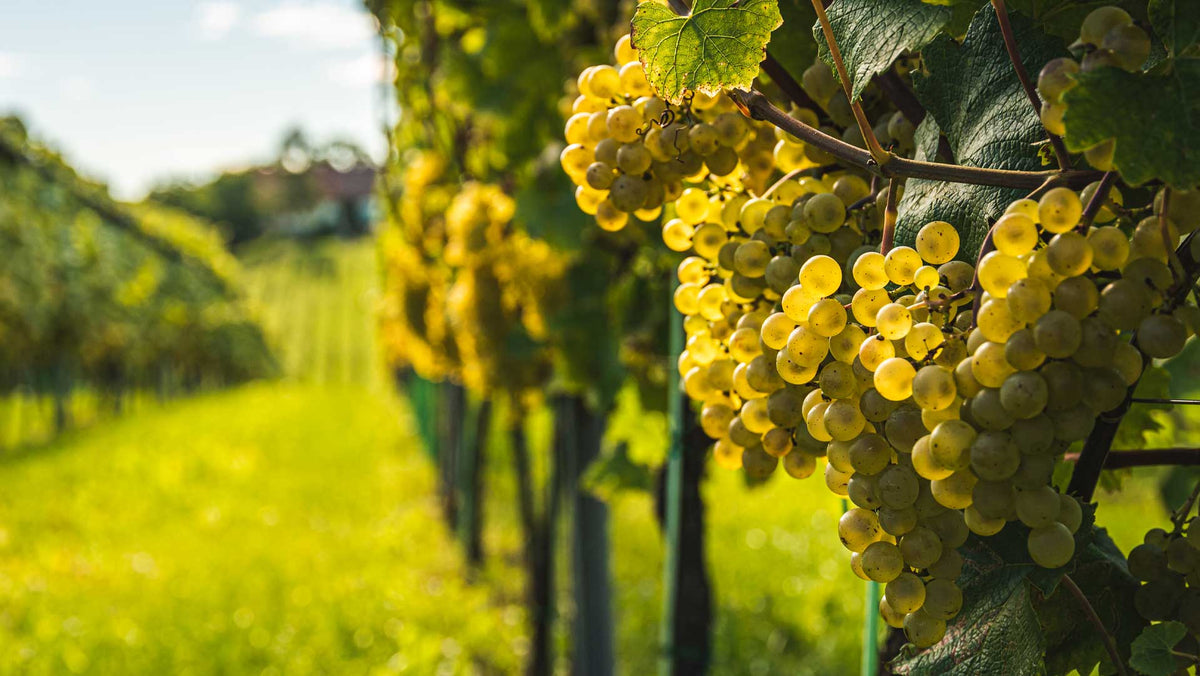
Fiano di Avellino is the aristocrat: waxy, honeyed and nutty in youth, developing smoke and mineral depth over five to ten years. A white that genuinely improves with age, which almost no southern Italian white was believed to do.
Greco di Tufo, grown around a village literally named for its tuff rock, is firmer and more citrus- and stone-driven, with a sulphurous mineral edge in the best examples.
Falanghina is the friendlier third: floral, apple-and-citrus, brisk, and the ideal everyday coastal white.
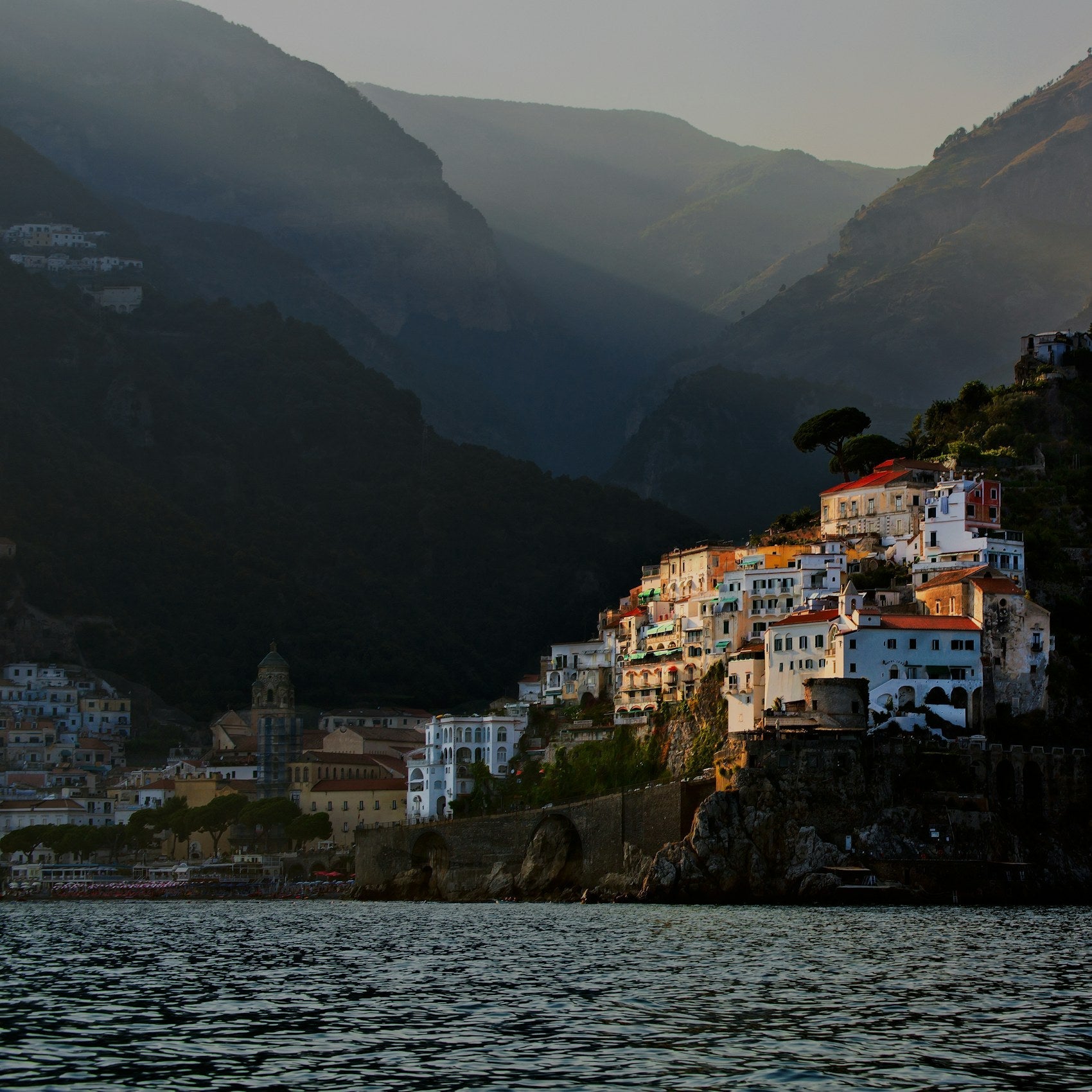
Along the coast, Lacryma Christi del Vesuvio — "tears of Christ" — grows in red and white versions on the volcano's slopes. And the impossibly steep terraces of the Amalfi Coast and Ischia produce tiny quantities of wine from vines trained on chestnut pergolas above the sea. In the hills behind Sorrento, the frothy, faintly sweet red Gragnano is the local answer to a plate of pizza — served cold, which horrifies purists and works perfectly.
Why It Stayed Hidden
Campania's grapes were never fashionable during the international-varieties era, and its mountainous vineyards are difficult and expensive to farm — small plots, steep slopes, hand harvesting. That kept volumes low and attention elsewhere.
The upside for buyers today: a region with three thousand years of history, three genuinely distinctive white grapes and one of Italy's noblest reds is still priced well below Tuscany or Piemonte for equivalent quality.
Buying and Drinking Campania
Start with Falanghina for everyday drinking — crisp, inexpensive and reliable.
Move to Fiano di Avellino when you want a white with texture and the ability to age. Buy two and open one five years later. Greco di Tufo is the one to pour with fried seafood or anything from the Bay of Naples.
For reds, Aglianico from Irpinia at $20-to-$30 is remarkable value, and Taurasi is the wine to cellar. Give it eight to fifteen years, decant it, serve it around 64°F (18°C) with braised lamb or aged cheese. It rewards patience exactly the way Barolo does, at a fraction of the cost.
Quick Answers: Campania
What is Taurasi?
Campania's flagship red DOCG, made from Aglianico in the hills of Irpinia and aged at least three years before release. Firmly tannic and high in acid when young, it develops black cherry, tar, leather and smoke over a decade or more.
Why is Aglianico called the Barolo of the South?
Like Nebbiolo, Aglianico ripens very late — often into November — and produces wines with high acidity, formidable tannin and exceptional aging potential. Both reward long cellaring and both come from mountainous, marginal sites.
What are Fiano and Greco?
Campania's two great white grapes. Fiano di Avellino is waxy, honeyed and nutty, and unusually for a southern Italian white it ages beautifully. Greco di Tufo is firmer and more citrus- and stone-driven, with a distinct mineral edge.
What is Lacryma Christi?
Literally "tears of Christ," a red or white wine grown on the volcanic slopes of Mount Vesuvius near Naples. The reds are typically based on Piedirosso and Aglianico, the whites on Coda di Volpe and Falanghina.
What food pairs with Aglianico and Taurasi?
Their firm tannin and acidity are built for rich, savory food: braised lamb, beef, game, hard aged cheeses and tomato-based ragu. Young Aglianico handles grilled meat well; mature Taurasi deserves something slow-cooked and a decanter.
Ready to explore? Our Campania collection carries our current selection. And if you're hunting a specific bottle from the region, contact us for a quote — we source wine globally, with a 12-bottle minimum on special orders.







Shop Our Campania Collection
SHOP COLLECTIONShare:
Abruzzo: Montepulciano, Pecorino and the Greenest Region in Europe
Friuli-Venezia Giulia: Italy's White Wine Laboratory
Comments Section