Our #1 Bestselling Napa Cab 6pk Shop Napa Cabs

In the spring of 1855, Napoleon III wanted the world's finest wines displayed at the Paris Exposition Universelle, and asked Bordeaux to rank them. The brokers did not taste a single bottle. They simply looked at the prices each chateau had commanded over the previous century and sorted them into five tiers. That ranking - the 1855 Classification - has been amended exactly once in 170 years, when Mouton Rothschild was promoted in 1973 after decades of lobbying. And here is the uncomfortable, fascinating truth: it still broadly works. Which tells you that in Bordeaux, the gravel and clay under a vine matter more than fashion, ownership, or any single winemaker's ambition.

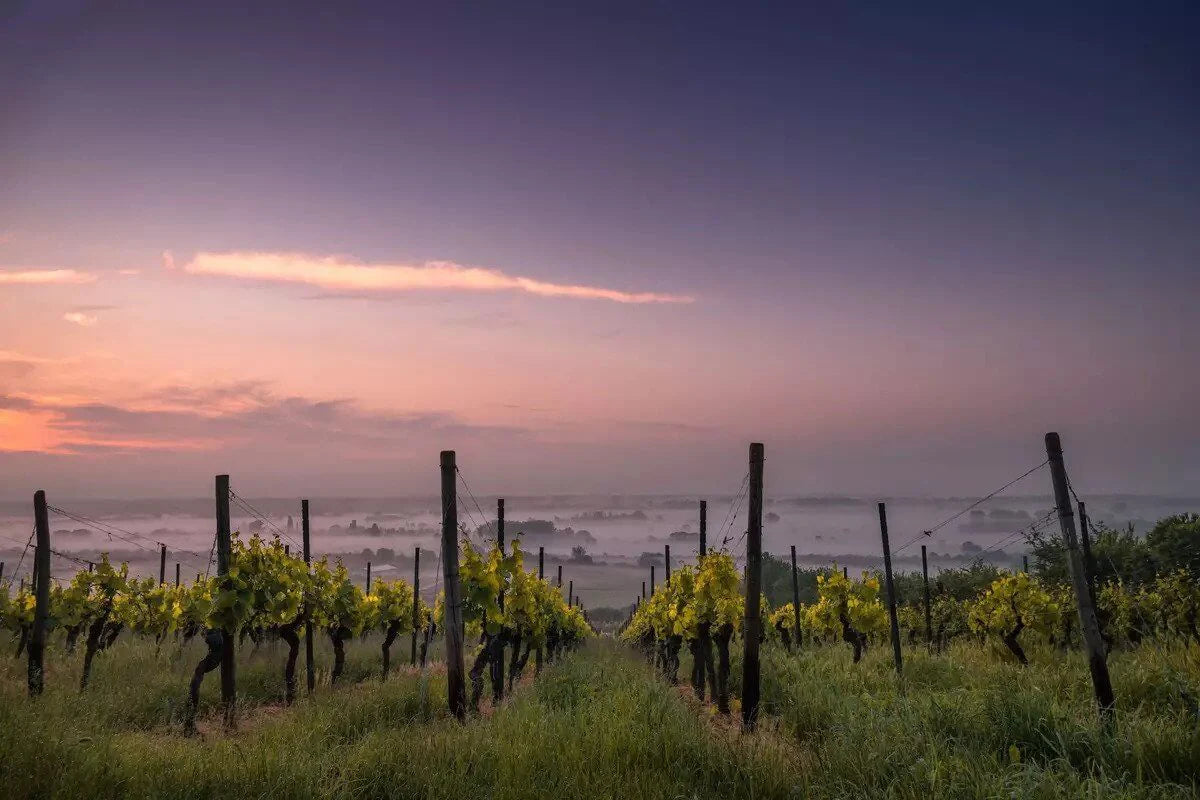
Sunrise over the vines of Domaine de Chevalier in Pessac-Leognan ringed by pine forest
Sunrise over Pessac-Leognan. Photo: Domaine de Chevalier

Two Banks, Two Personalities

Bordeaux is a river system with a wine problem, and everything follows from where the water put the dirt. The Left Bank - the Medoc running north from the city, plus Pessac-Leognan to the south - sits on deep gravel beds dumped by glacial rivers. Gravel is poor, warm and drains fast, which suits late-ripening Cabernet Sauvignon: the wines are structured, firmly tannic, scented with cassis, cedar and graphite, and built to age for decades. The Right Bank - Saint-Emilion and Pomerol, across the Dordogne - is cooler clay and limestone that holds water, favouring earlier-ripening Merlot and Cabernet Franc: plusher, rounder, approachable younger, and no less profound at the summit, where Petrus and Cheval Blanc live.

Almost everything here is a blend, and that is a response to weather, not a stylistic whim. Maritime Bordeaux gets rain and unpredictable flowering; planting several varieties that ripen at different times is insurance. Cabernet Sauvignon brings structure and longevity, Merlot flesh and generosity, Cabernet Franc perfume and lift, with Petit Verdot for colour and spice and a little Malbec in places. The blend is decided anew every vintage, in the spring after harvest, by tasting individual lots.

The Communes That Matter

On the Left Bank, four Medoc villages carry the fame. Pauillac is the most concentrated and cedar-scented, home to three of the five First Growths (Lafite, Latour, Mouton) plus Pontet-Canet, the estate that famously converted to biodynamic farming and now ploughs with horses. Saint-Julien is the elegant middle ground; Margaux the most perfumed and silky; Saint-Estephe the firmest and most austere in youth. South of the city, Pessac-Leognan makes both serious reds and Bordeaux's finest dry whites from Sauvignon Blanc and Semillon - Domaine de Chevalier and Haut-Brion among them. On the Right Bank, Pomerol is tiny, has no classification at all, and grows Merlot on a seam of iron-rich clay that produces the most opulent wines in France. Saint-Emilion, on limestone plateau and slopes, runs its own classification and revises it every ten years - a process that generates lawsuits with impressive regularity.

And then Sauternes: where the cold Ciron stream meets the warmer Garonne, autumn mists encourage Botrytis cinerea, the noble rot, which shrivels Semillon grapes and concentrates them into liquid apricot and honey. Chateau d'Yquem's yields are famously about a glass of wine per vine. Sauternes remains one of the great undervalued wines of the world.

Winemakers tasting barrel samples during blending at Chateau Pontet-Canet in Pauillac
Blending season in Pauillac - tasting lot by lot before the final assemblage. Photo: Chateau Pontet-Canet

Classifications, Honestly

The 1855 list ranks 61 Left Bank chateaux into five "growths" (crus classes) - the five First Growths being Lafite, Latour, Margaux, Haut-Brion and, since 1973, Mouton. Below it sits Cru Bourgeois, revised regularly, and this is where value hides. Pessac-Leognan has its own 1959 classification; Saint-Emilion its revisable one; Pomerol none whatsoever, which has never hurt Petrus. Treat all of them as useful history rather than a current quality guarantee: several classified estates coast, while unclassified neighbours over-deliver. The 2010s brought a quiet revolution in the vineyards - earlier picking, gentler extraction, less new oak - so modern Bordeaux is fresher and more precise than its 1990s reputation suggests.

En Primeur, and How to Actually Buy

Each spring, the trade tastes barrel samples of the previous autumn's vintage and estates release wine en primeur - futures, delivered two years later. It once guaranteed the best price; today it often does not, and buying physical bottles of a proven back vintage is frequently smarter. The genuine value plays are simpler: second wines (Les Forts de Latour, Carruades de Lafite) offer the estate's style at a fraction of the price; Cru Bourgeois and the satellite appellations (Lalande-de-Pomerol, Montagne-Saint-Emilion, Fronsac, Cotes de Castillon) deliver honest claret for double-digit money; and lesser-hyped vintages from great estates outperform hyped vintages from mediocre ones almost every time. Serve at 17 degrees, decant young reds for an hour, and understand that classified Bordeaux at ten years old is only beginning.

Why It Still Matters

Every Cabernet blend on earth - Napa, Coonawarra, Chile, Tuscany's Bolgheri - is measured against this stretch of gravel and clay. Bordeaux invented the modern wine trade, the chateau brand, the classification, and the idea that a bottle could be an investment. You do not have to buy the trophies to drink the region well; you just have to understand what the map is telling you.

Quick Answers: Bordeaux Wine

What is the difference between Left Bank and Right Bank Bordeaux?

The Left Bank (Medoc, Pessac-Leognan) grows Cabernet Sauvignon on deep gravel, giving structured, cedar-scented wines built to age. The Right Bank (Saint-Emilion, Pomerol) grows Merlot and Cabernet Franc on clay and limestone, giving plusher, rounder wines that drink well earlier.

What is the 1855 Classification?

A ranking of Left Bank chateaux into five tiers, created for the 1855 Paris Exposition based on the prices wines had historically fetched. It has been changed only once, when Mouton Rothschild was promoted to First Growth in 1973.

Why is Bordeaux always a blend?

Insurance against maritime weather. Cabernet Sauvignon, Merlot, Cabernet Franc and Petit Verdot ripen at different times and contribute different qualities, so blending them balances structure and flesh and protects against a difficult flowering or harvest.

What is a second wine and is it worth buying?

A second label made from younger vines or lots not selected for the main wine, such as Les Forts de Latour. It offers a genuine taste of an estate's style and terroir at a fraction of the price, and is one of the smartest ways to buy Bordeaux.

Ready to explore? Our Bordeaux collection carries our current selection. And if you are hunting a specific bottle from the region, contact us for a quote - we source wine globally, with a 12-bottle minimum on special orders.

Comments Section

Leave a comment

Please note, comments need to be approved before they are published.

This site is protected by hCaptcha and the hCaptcha Privacy Policy and Terms of Service apply.

Bottle of alcohol-free red wine on a patio table while friends gather outdoors, showing alcohol-free wine in social settings.

READ FULL ARTICLE

Mosel Riesling: The Secret Behind the World’s Most Elegant White Wine

READ FULL ARTICLE

Red wine being poured into a wine decanter with a built-in aerating chamber on a rustic wooden table.

READ FULL ARTICLE

Purple wine grapes ripening on the vine at sunrise in a vineyard, illustrating how climate influences grape development and wine style.

READ FULL ARTICLE

Red, rosΓ©, white, and sparkling wines displayed in a vineyard at sunset, illustrating the main styles of wine and the fundamentals of winemaking.

READ FULL ARTICLE

Friends enjoying a 4th of July backyard BBQ with grilled burgers and a glass of red wine on a festive summer table.

READ FULL ARTICLE

Bottle of rosΓ© wine chilling in an ice bucket beside a pool with two glasses, sunglasses, and an open book on a sunny afternoon.

READ FULL ARTICLE

Father’s Day Wine Gifts 2026: The Complete Guide to Bottles Dad Will Actually Open

READ FULL ARTICLE

Red wine poured with bread and olive oil, representing the traditional wine-with-food lifestyle examined in a major cardiovascular study.

READ FULL ARTICLE

Cava sparkling wine being poured into glasses overlooking a vineyard estate in Spain during sunset

READ FULL ARTICLE

Orange wine cocktail served poolside with fresh citrus and summer fruit on a sunny afternoon

READ FULL ARTICLE

Graduation party wine selection featuring sparkling wine, white wine, rosΓ©, Cabernet Sauvignon, and Pinot Noir for a summer celebration

READ FULL ARTICLE

Couple enjoying glasses of Chardonnay at an outdoor garden dinner table during golden hour with a wine bottle and appetizers nearby.

READ FULL ARTICLE

Family and friends celebrating Memorial Day outdoors with wine, grilled food, American flags, and string lights during a backyard dinner party.

READ FULL ARTICLE

Bozoma Saint John Blended Her Wedding Wine at Villa Bibbiani. Here's Where to Get Yours.
READ FULL ARTICLE

Wine fraud concept with red wine bottle and glass on newspapers highlighting scams and counterfeit wine issues

READ FULL ARTICLE

Glass of red wine on a barrel inside a cellar with rows of aging oak barrels in the background.

READ FULL ARTICLE

Woman enjoying a glass of rosΓ© wine in a garden setting, perfect Mother’s Day wine gift moment

READ FULL ARTICLE

Several glasses of red wine in a line overa wood countertop.

READ FULL ARTICLE

Winemaker holding a glass of red wine in a barrel cellar, highlighting craftsmanship and hands-on winemaking

READ FULL ARTICLE

Laptop with spreadsheet on desk next to red wine glass, map, and corkscrew overlooking vineyard landscape

READ FULL ARTICLE

Chilled red wine bottle in marble cooler with glass of light red wine on table by window

READ FULL ARTICLE

Brunello di Montalcino 2021 wine bottle with grapes overlooking Tuscan vineyards at sunset.

READ FULL ARTICLE

Michel Rolland on a winery.

READ FULL ARTICLE

Person browsing an online wine shop on a tablet at home, comparing bottles and prices

READ FULL ARTICLE

Aged wine bottle in cellar with barrels representing imported wine affected by U.S. tariffs and pricing changes

READ FULL ARTICLE

Red wine being poured into glass with dark background and soft lighting.

READ FULL ARTICLE

An old bottle of wine in a cellar.

READ FULL ARTICLE

A woman and a man serving wine on a backyard during spring time.

READ FULL ARTICLE

Hand holding vineyard soil in a family-owned vineyard illustrating terroir and why wine changes every vintage.

READ FULL ARTICLE

aΓ±ejo tequila amaro cocktail with vermouth and Averna served in a Nick & Nora glass

READ FULL ARTICLE

A group of three women celebrating with wine.

READ FULL ARTICLE

Friends enjoying wine together during a wine tasting conversation about grape varieties and wine regions.
READ FULL ARTICLE

Wide landscape shot of Donum Estate vineyards.
READ FULL ARTICLE

A glass wine on a countertop next to a science book with some reading glasses.

READ FULL ARTICLE

A shot of mezcal with a worm inside of it.

READ FULL ARTICLE

Person decanting red wine into a glass decanter in a wine cellar.

READ FULL ARTICLE

A cellar with six different wine bottles.

READ FULL ARTICLE

Four wine glasses with different colors inside a cellar with oak barrels.

READ FULL ARTICLE

Assorted fresh tortelloni at an Italian pasta counter, including ricotta, artichoke, and truffle varieties.

READ FULL ARTICLE

German Chateau with Riesling wine bottles.

READ FULL ARTICLE

How to Open a Wax-Sealed Wine Bottle (3 Easy Methods)

READ FULL ARTICLE

The Wine Industry's Dirty Secret: Why There's No Ingredient List on Your Bottle

READ FULL ARTICLE

Sulfur in Wine: What You Need to Know

READ FULL ARTICLE

Why 2022 Bordeaux Might Be the Smartest (and Freshest) Buy of the Decade

READ FULL ARTICLE

Why 2020 Bordeaux Is the Sleeper Vintage You Should Be Buying Right Now

READ FULL ARTICLE

Beach, Please! The Hottest Summer Wines to Savor

READ FULL ARTICLE

Summer 2025 Wine Market Update: The View from Inside the Biz of Buying Volume Deals

READ FULL ARTICLE

Uncork the Best Wine for the Fourth of July

READ FULL ARTICLE

Master Wine Tasting with BLIC Method - Balance, Length, Intensity, and Complexity Explained

READ FULL ARTICLE

Lombardy: Franciacorta, Valtellina and Milan's Cellar

READ FULL ARTICLE

Emilia-Romagna: Real Lambrusco and the Food Capital of Italy

READ FULL ARTICLE

Sardinia: Cannonau, Vermentino and an Island Apart

READ FULL ARTICLE

Trentino-Alto Adige: Alpine Precision in Two Languages

READ FULL ARTICLE

READ FULL ARTICLE

Campania: Aglianico, Fiano and the Wines Rome Drank

READ FULL ARTICLE

Abruzzo: Montepulciano, Pecorino and the Greenest Region in Europe

READ FULL ARTICLE

READ FULL ARTICLE

Sicilian Wine: Etna's Volcanic Cru System and the Island Beyond

READ FULL ARTICLE

Italian Wine: Twenty Regions, 500 Grapes, One Table

READ FULL ARTICLE

Paso Robles: Limestone, Big Swings, and California's Rhone Capital

READ FULL ARTICLE

Oregon Wine: Pinot Noir at the 45th Parallel

READ FULL ARTICLE

Alsace: France's Most Germanic Region and Its Easiest Label to Read

READ FULL ARTICLE

READ FULL ARTICLE

Rioja: The Region That Ages Your Wine For You

READ FULL ARTICLE

Champagne: The Chalk, the Bubbles, and the Two Letters on the Label

READ FULL ARTICLE

Bordeaux Wine: Two Banks, Five Growths, and the Gravel That Decides Everything

READ FULL ARTICLE

Burgundy Wine: Two Grapes, One Slope, and 1,247 Arguments

READ FULL ARTICLE

Tuscan Wine: Sangiovese, Cypress Hills, and the Rebellion That Changed Italy

READ FULL ARTICLE

New York Wine: Glacial Lakes, Riesling Nerve, and the Doctor Who Proved Everyone Wrong

READ FULL ARTICLE

Aglianico Lovers: Meet the 99-Point Wine Named β€œBarolo of the South”!

READ FULL ARTICLE

Feeling ⛓️Like a Wine Prisoner? Break Free with This Top-Rated 2019 Napa Blend

READ FULL ARTICLE

Verona Sampler

Verona Sampler

READ FULL ARTICLE

Red Burgundy Sampler

READ FULL ARTICLE

Calling All Bordeaux Rouge Fans!

READ FULL ARTICLE

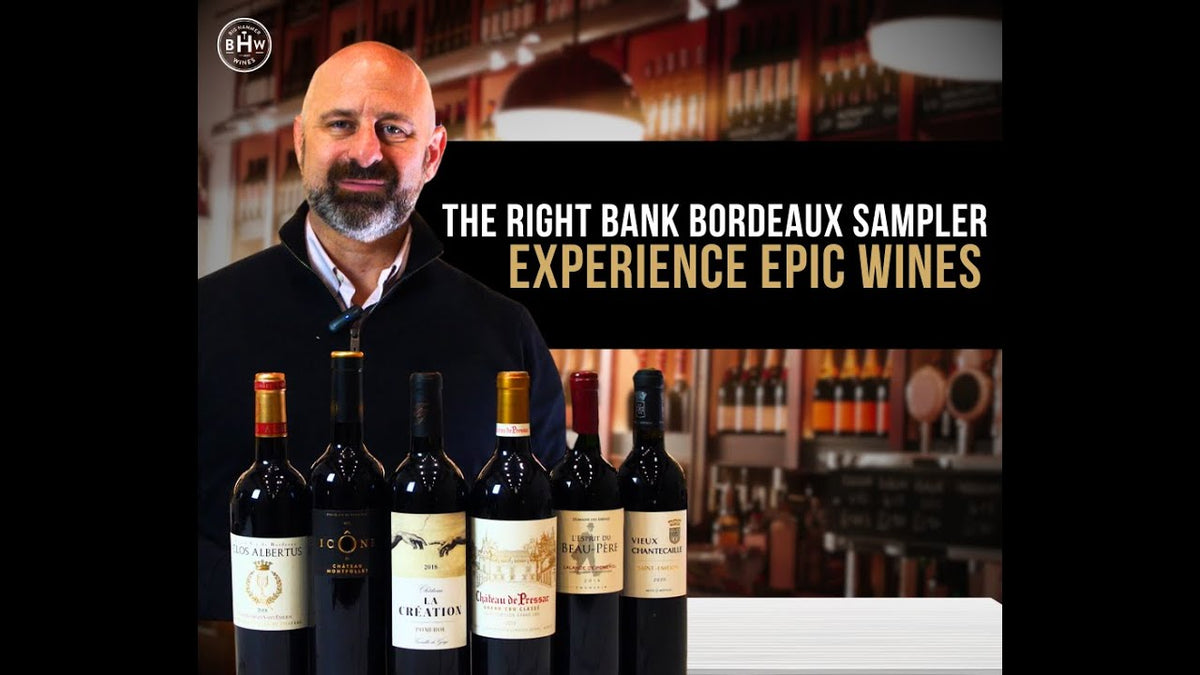
The Right Bank Bordeaux Sampler, Experience Epic Wines

READ FULL ARTICLE

Love RhΓ΄ne Valley? This is the sample pack for you!

READ FULL ARTICLE

Escape to Summer with this RosΓ© Adventure!

READ FULL ARTICLE

Pop The Bubbly & Embark On A Global Fizz Adventure!

READ FULL ARTICLE

Premier Wine Club 6pk Sampler: Greg Martellotto's Personal Favorites, Perfect for Sharing with Friends and Family!

READ FULL ARTICLE

Big Bold Reds 6pk Sampler: Perfect for Those Who Crave Bright, Fruity Wines with a Bold Punch!

READ FULL ARTICLE

Talosa Rosso Toscano Di Montepulciano

READ FULL ARTICLE

A BudgetFriendly Journey through Enchanting Bordeaux Right Bank PetitChateaux!

READ FULL ARTICLE

2022 RaimbaultPineau Exception Sancerre

READ FULL ARTICLE

2022 Domaine Vincent Wengier Chablis

READ FULL ARTICLE

2015 ChΓ’teau Bourseau Lalande de Pomerol Reviewed by Big Hammer Wines β€œFrench” Wine Expert

READ FULL ARTICLE

Quality, Style, and Convenience. Get this EasytoUse ItalianMade Corkscrew Today! Sommelier Approved.

READ FULL ARTICLE

Discover Talosa Vino Nobile Cantina Storica in Montepulciano

READ FULL ARTICLE

Talosa Vino Nobile Di Montepulciano Alboreto: 90+ Rated Sangiovese

READ FULL ARTICLE

One of our Favorite Sangiovese from Tuscany

READ FULL ARTICLE