

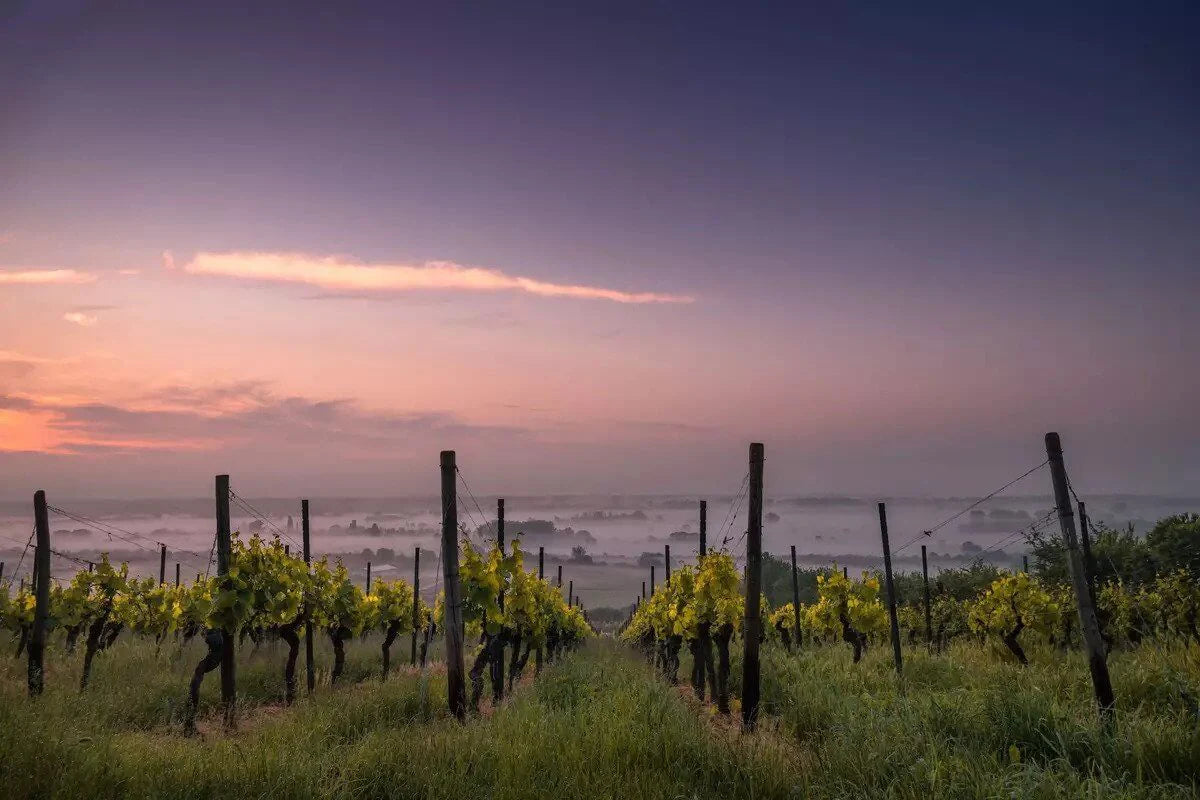
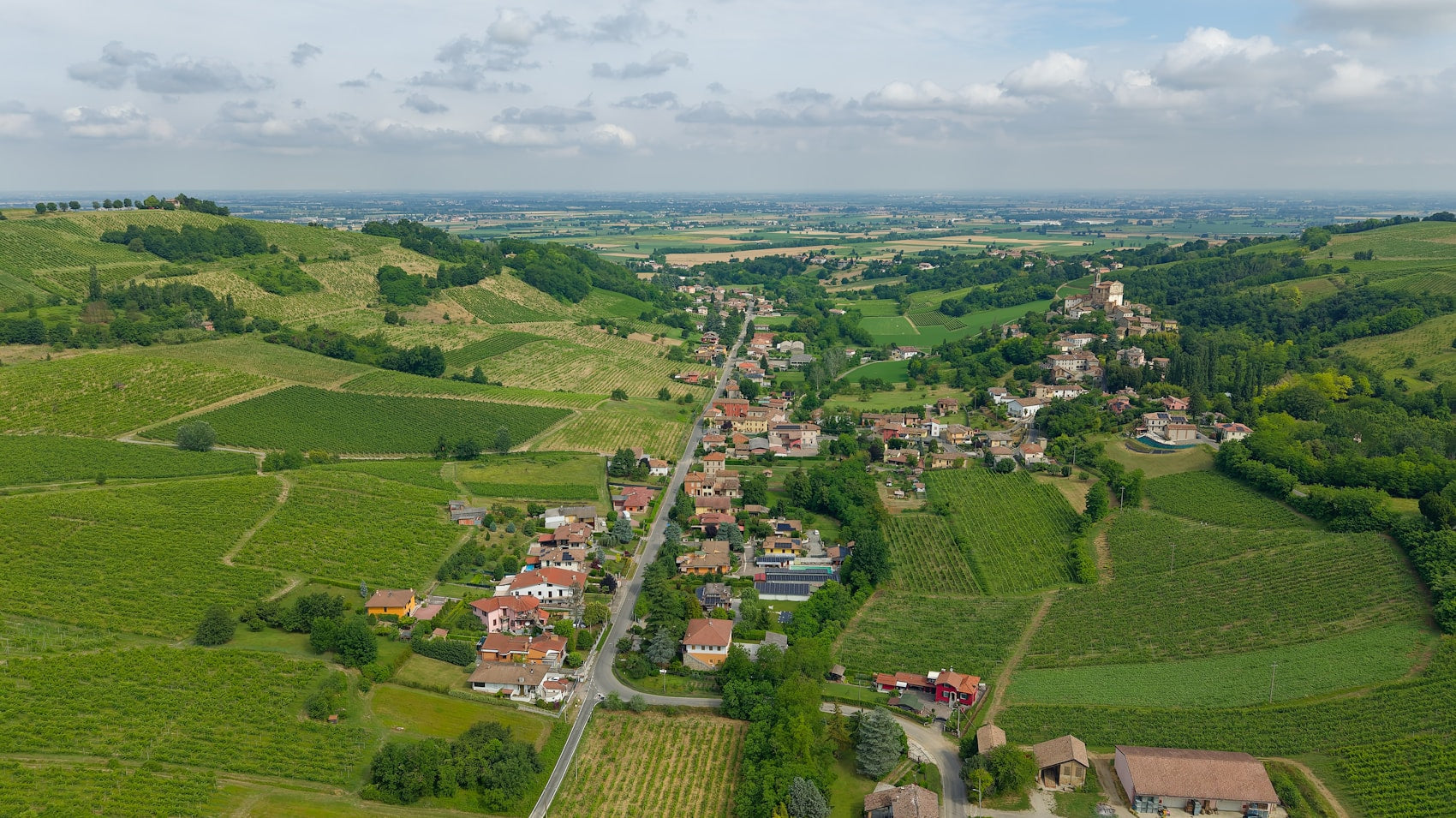
Lombardy is Italy's wealthiest region and the home of its financial capital, which explains something about its wine: this is where Italians go when they want to drink like Champagne without buying Champagne.
Franciacorta, an hour east of Milan, makes traditional-method sparkling wine to standards stricter than Champagne's own in several respects — and sells almost all of it domestically, which is why so few people outside Italy have tried it.
But the region is stranger and better than that one appellation suggests. It also contains a stretch of near-vertical alpine terraces growing Nebbiolo at the foot of the Alps, and a lake district producing wines almost nobody exports.

Franciacorta: Stricter Than Champagne
Franciacorta grew from nothing. The first bottles were made in 1961 by Franco Ziliani at Guido Berlucchi's estate, deliberately modeled on Champagne; DOCG status followed in 1995. The zone sits on glacial moraine hills above Lake Iseo, and it uses Chardonnay, Pinot Nero and the local Erbamat, with Pinot Bianco permitted.

The rules are demanding. Non-vintage Franciacorta must spend at least 18 months on the lees — Champagne requires 15 — while vintage requires 30 months and Riserva 60.
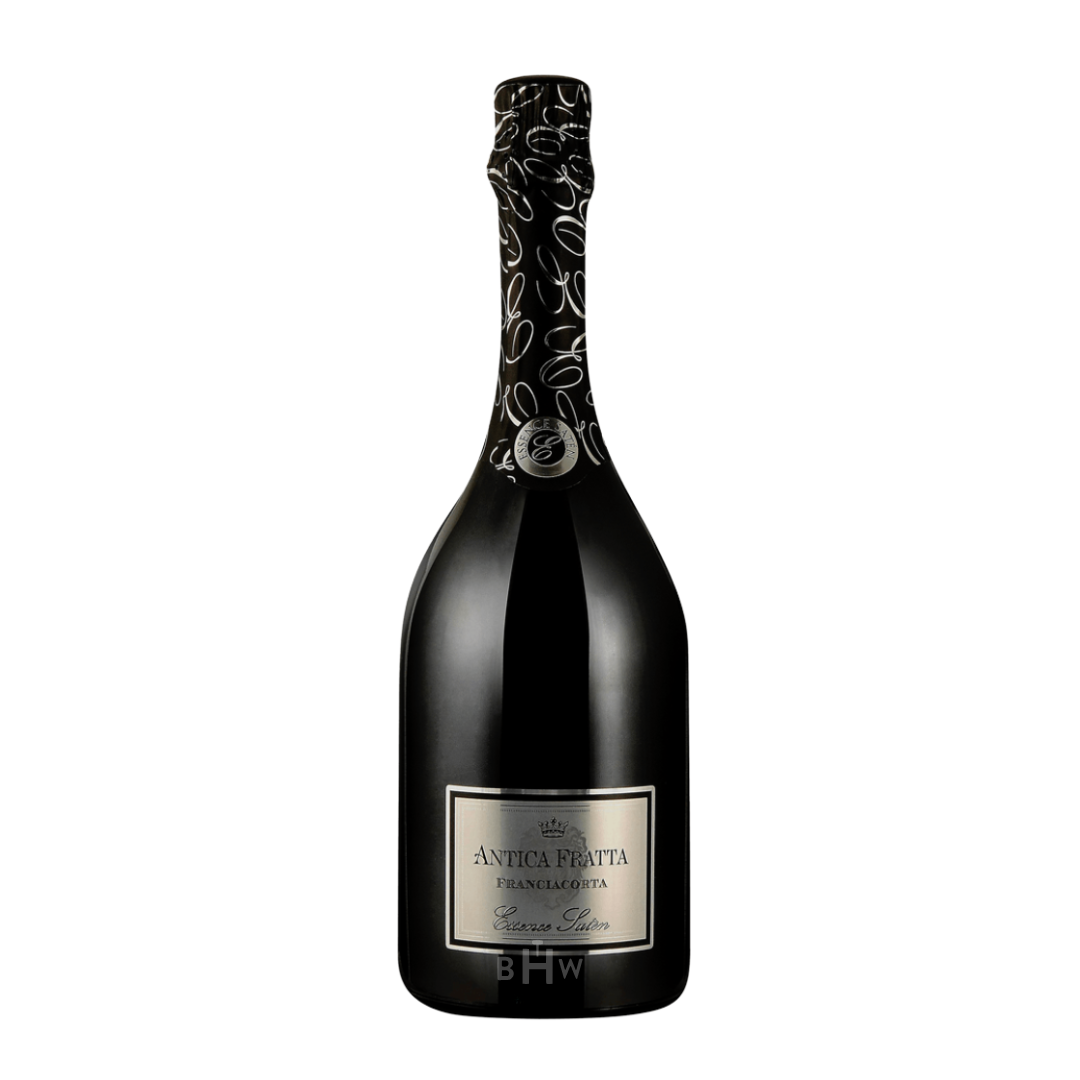
The most distinctive style is Satèn, unique to the appellation: a blanc de blancs bottled at lower pressure, about 4.5 atmospheres instead of 6, giving a softer, silkier, creamier mousse.
Names to know: Ca' del Bosco, Bellavista, Berlucchi and Ferghettina. The wines are richer and rounder than Champagne, less overtly chalky, and priced well below equivalent grande marque bottlings.
Valtellina: Nebbiolo on a Cliff
North toward the Swiss border, the Valtellina valley runs east-west — unusual in the Alps — so its northern wall faces due south and catches sun all day.
On that wall, growers farm Nebbiolo (called Chiavennasca here) on dry-stone terraces so steep that everything is done by hand and by monorail. There are said to be more than 2,500 kilometers of retaining walls in the valley, an agricultural landscape comparable to the Douro.
The wines are Nebbiolo in a lighter, more perfumed register than Barolo: rose, red cherry, tea leaf and mountain herbs, with firm acidity and finer tannin. The named sub-zones — Sassella, Grumello, Inferno, Valgella — appear on labels of Valtellina Superiore DOCG.
And then there's Sforzato di Valtellina (Sfursat), Italy's other great dried-grape red: Nebbiolo raisined on racks for months before fermentation, producing a dry, powerful, high-alcohol wine that's essentially an alpine Amarone. Nino Negri and ARPEPE are the reference producers.
Oltrepò Pavese and the Lakes
South of Milan, Oltrepò Pavese is one of Italy's largest plantings of Pinot Nero — much of it historically sold as base wine to sparkling producers elsewhere, which is why you rarely see it on a label. It also makes Bonarda, a lightly frizzante dark red that's Milan's unpretentious everyday pour.

On the eastern lakes, Lugana (shared with the Veneto, on the southern shore of Lake Garda) produces Turbiana whites of surprising depth and aging capacity. And Valcalepio near Bergamo rounds out a region that quietly grows a great deal more wine than its reputation suggests.
Why You Haven't Tried It
Lombardy's problem is a happy one: it drinks its own production.
A wealthy domestic market absorbs Franciacorta almost entirely, Valtellina's output is tiny and labor-intensive, and Oltrepò's Pinot Nero mostly leaves in tanks rather than bottles. Export volumes are correspondingly small.
That means these wines are almost never marked up by hype. When you do find them, you're usually paying close to their real value.
Buying and Drinking Lombardy
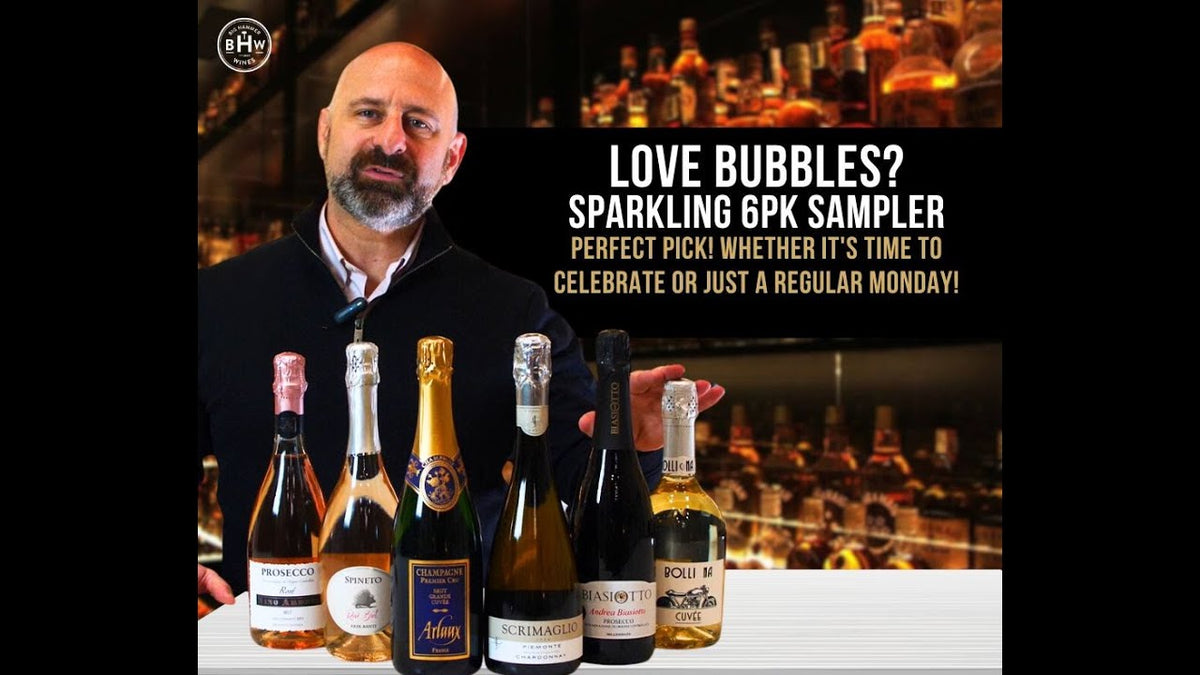
Franciacorta is the headline purchase: expect $35-to-$60 for bottles that hold their own against Champagne at $70-90, and seek out a Satèn if you want to taste what only this region makes. Serve it around 46–50°F (8–10°C) in a white wine glass.
Valtellina Superiore is the Nebbiolo lover's discovery — lighter than Barolo, cheaper by half, and beautiful with mountain food like pizzoccheri or aged cheese. Give it five years.
Sforzato is the special-occasion bottle. And if you see Lugana on a list, order it — it's one of the most reliably satisfying Italian whites at the price.
Quick Answers: Lombardy
What is Franciacorta?
Italy's leading traditional-method sparkling wine, made near Brescia from Chardonnay, Pinot Nero and Erbamat. Its aging requirements are stricter than Champagne's — 18 months on the lees for non-vintage against Champagne's 15.
What is Satèn?
A style unique to Franciacorta: a blanc de blancs bottled at lower pressure, about 4.5 atmospheres rather than 6, giving a softer, silkier and creamier mousse than standard sparkling wine.
What is Valtellina wine?
Alpine Nebbiolo, known locally as Chiavennasca, grown on steep dry-stone terraces on the south-facing wall of the Valtellina valley. The wines are lighter and more perfumed than Barolo, with rose, red cherry and mountain herbs.
What is Sforzato di Valtellina?
A dry red made from Nebbiolo grapes dried on racks for months before fermentation, in the same appassimento tradition as Amarone. It's powerful and high in alcohol while keeping alpine freshness.
Is Franciacorta better than Champagne?
It's different, not lesser. Franciacorta uses the same method and stricter minimum aging, but its warmer climate gives richer, rounder, less overtly chalky wines. Many cost less than comparable Champagne, and the Satèn style has no Champagne equivalent.
Ready to explore? Our Lombardy collection carries our current selection. And if you're hunting a specific bottle from the region, contact us for a quote — we source wine globally, with a 12-bottle minimum on special orders.

Shop Our Lombardy Collection
SHOP COLLECTIONShare:
Emilia-Romagna: Real Lambrusco and the Food Capital of Italy
Uruguayan Wine: Tannat, the Atlantic, and the Country That Kept It Quiet
Comments Section