

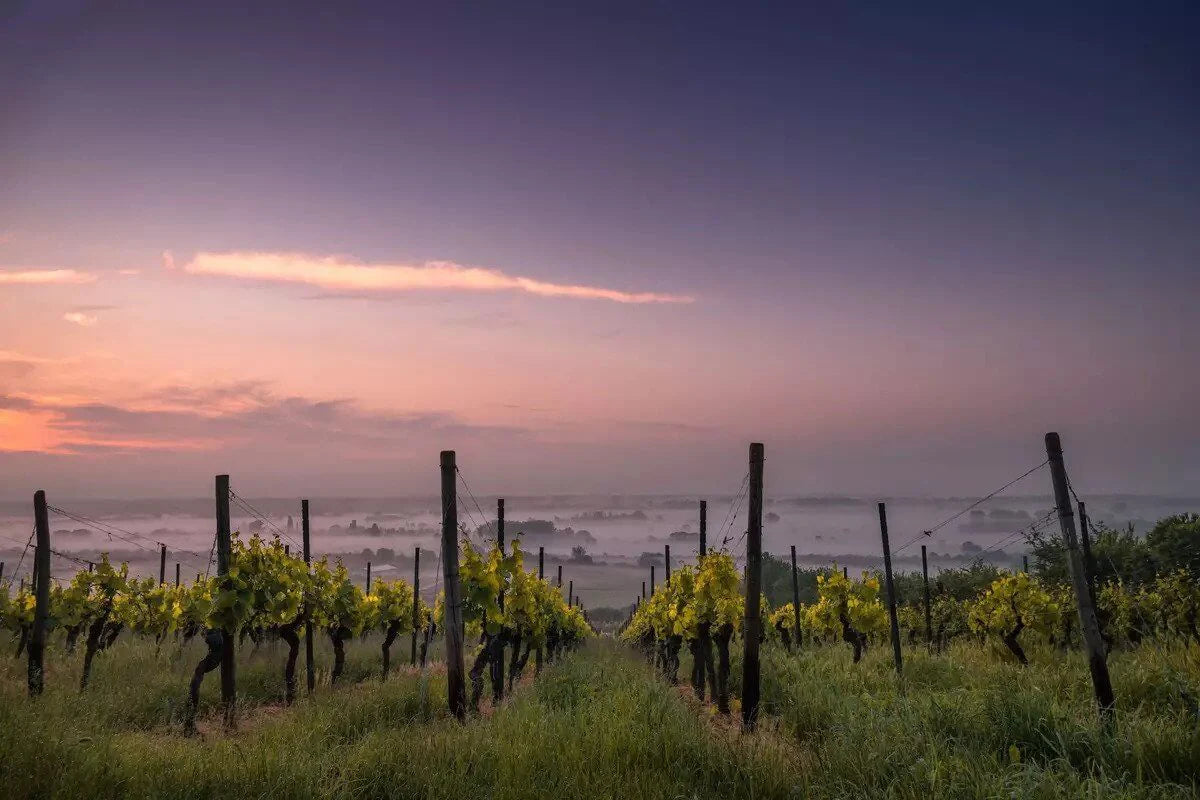
In 1864, a Spaniard named Eloy Lecanda came home from Bordeaux with French vine cuttings and planted them on a bleak, frost-prone plateau in Castile where the smart money said fine wine couldn't be made.
The estate he founded became Vega Sicilia, and its flagship Unico, aged for a decade or more before release, turned into Spain's most revered wine, sold for generations to a private list rather than a market.
For the next hundred years, Vega Sicilia was almost alone out there. Then in 1982 the region got its official denomination, and within twenty years Ribera del Duero went from empty plateau to the most sought-after red wine address in Spain. Almost nowhere in Europe has risen that fast.
Altitude, and the Brutality of It
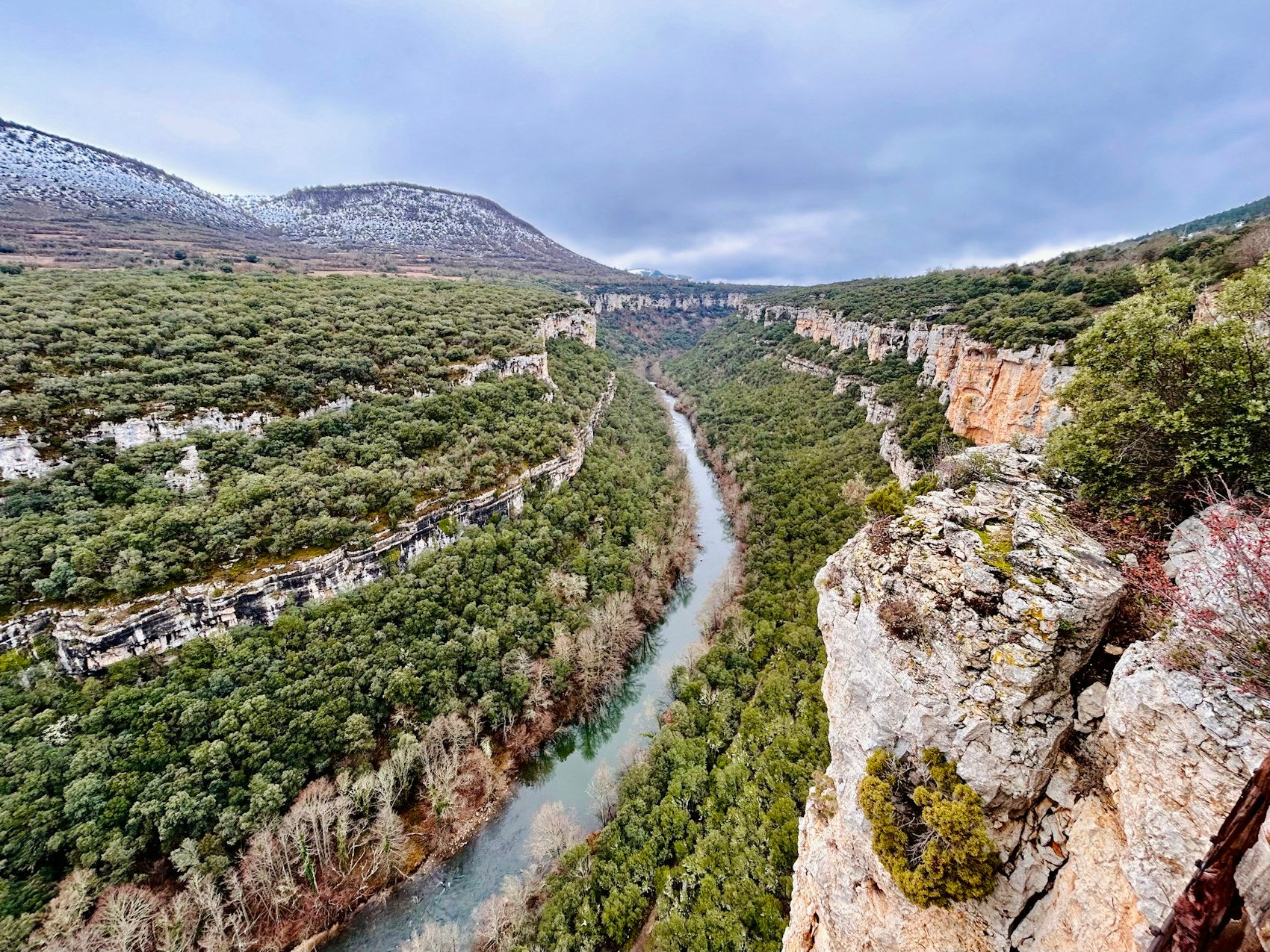
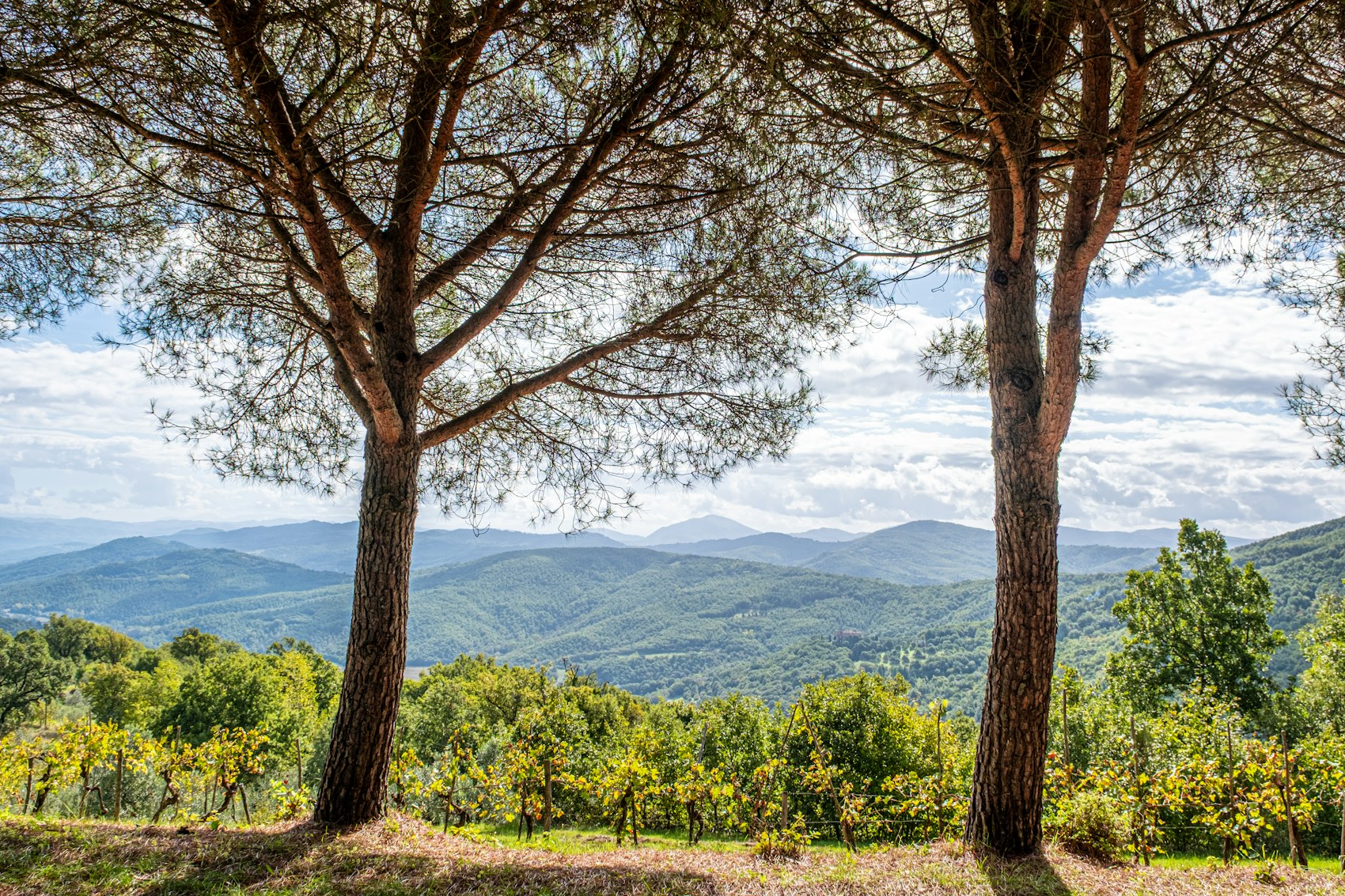
Ribera del Duero runs along the Duero river through Castilla y León at 700 to 900 metres, among the highest serious red wine vineyards in Europe.
The climate is unforgiving continental: summer days above 35 degrees Celsius collapsing to single digits at night, and frost possible in ten months of the year, including a late-May frost that can erase a crop in one night. Rainfall is scarce, the light is fierce, and the soils are a patchwork of limestone outcrops, chalk, clay, and sand.
Everything that makes these wines distinctive comes from that harshness. Extreme diurnal swings, sometimes 25 degrees between afternoon and dawn, let grapes accumulate sugar and colour under the sun while retaining acidity through the cold nights.
The altitude's UV intensity thickens skins. The result is Tempranillo with a completely different accent from Rioja: darker, denser, more black-fruited and firmly structured, with real freshness underneath the power. Locals call the grape Tinto Fino or Tinta del País - the same variety, adapted over centuries into a distinct, small-berried local strain.
Rioja's Sibling, Not Its Copy
The comparison is unavoidable and genuinely useful. Rioja is lower, more Atlantic-influenced, and its tradition is built on long oak aging and blending across zones; the wines lean red-fruited, savoury, and aromatic.
Ribera is higher, hotter by day and colder by night, and its tradition is younger and more estate-focused; the wines lean black-fruited, denser, and more tannic. Rioja whispers; Ribera declaims. Ribera also uses the same aging vocabulary, Crianza, Reserva, Gran Reserva, with the same legal minimums, though many top producers now bypass those categories entirely and release under estate or single-vineyard names.
Nearly everything here is red. Tempranillo dominates, with small amounts of Cabernet Sauvignon, Merlot, and Malbec permitted (a legacy of Lecanda's Bordeaux cuttings), plus the local Albillo Mayor for the region's small but growing production of characterful whites.
The Names
Vega Sicilia remains the historic summit - Unico released after roughly ten years of barrel and bottle aging, plus Valbuena and the Alion project.
Dominio de Pingus, founded in 1995 by Danish winemaker Peter Sisseck from tiny plots of ancient vines near La Horra, became an instant cult and one of the most expensive wines in Spain within a single vintage.
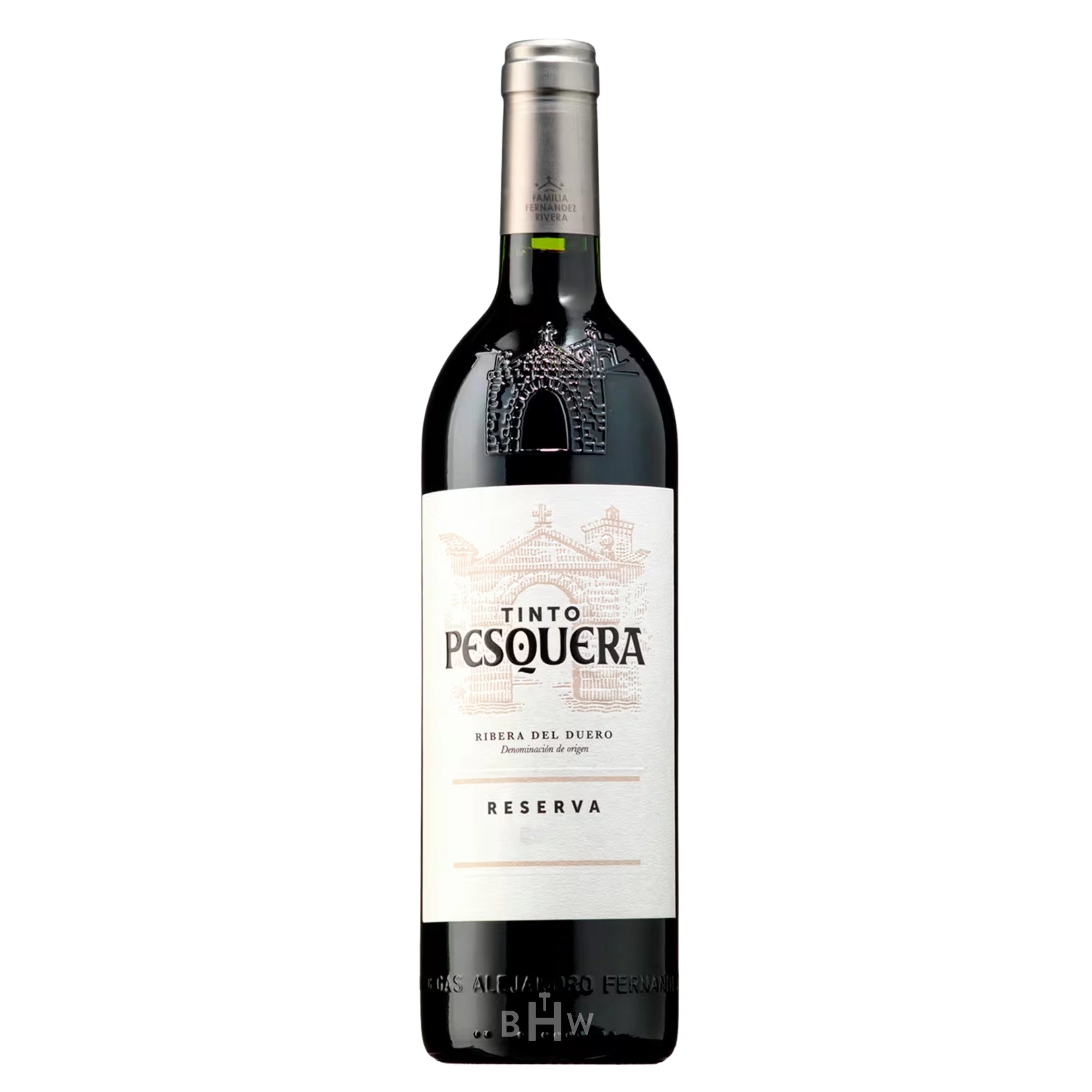
Around them: Pesquera (Alejandro Fernandez, the man who proved in the 1970s and 80s that a modest family estate could make world-class Ribera), Aalto, Emilio Moro, Hacienda Monasterio, Pago de Carraovejas.
The village of La Horra and the stretch known as the "golden mile" between Pesquera de Duero and Valbuena hold a remarkable concentration of the best sites.
Old Vines, and Why They Matter Here
Ribera's quiet treasure is its stock of gnarled, low-yielding bush vines, many pre-phylloxera in origin, planted in the 19th century and still farmed by families who never had the money to modernise. Because the region was poor and remote, nobody ripped them out for higher-yielding trellised clones.
Those vines produce tiny crops of intensely concentrated fruit and are increasingly bottled as single-parcel wines. When you see viñas viejas on a Ribera label from a serious producer, it usually means something.
Buying and Drinking Ribera
These are structured wines that want food and, often, time. Young Crianza is superb with lamb: the regional dish, lechazo asado, is milk-fed lamb roasted in a wood oven, and it's one of the great pairings in Spain. Reserva and estate bottlings reward five to fifteen years, and the top wines go far longer.
Decant young Riberas for an hour and serve at around 17 degrees. On value: the $25 to $45 band delivers genuinely serious, age-worthy wine, and mid-tier Ribera consistently outperforms Napa Cabernet at twice the price. The icons are expensive because they're scarce, not because the region is. Go one shelf down, and the quality follows you.
Quick Answers: Ribera del Duero
How is Ribera del Duero different from Rioja?
Both are Tempranillo-based, but Ribera sits far higher, at 700 to 900 metres, with brutal continental swings between hot days and cold nights. Its wines are darker, denser and more tannic; Rioja is lower, more Atlantic-influenced, and leans red-fruited and savoury.
What grape is Ribera del Duero made from?
Overwhelmingly Tempranillo, known locally as Tinto Fino or Tinta del Pais - a small-berried local strain adapted over centuries. Small amounts of Cabernet Sauvignon, Merlot and Malbec are permitted, a legacy of French cuttings brought in the 1860s.
What is Vega Sicilia?
Spain's most revered wine estate, founded in 1864 with French cuttings. Its flagship Unico is aged around a decade in barrel and bottle before release and was for a century the only fine wine made in what is now Ribera del Duero.
Why does altitude matter so much in Ribera del Duero?
At 700 to 900 metres the difference between afternoon and dawn temperatures can reach 25 degrees Celsius. Hot sun builds sugar, colour and thick skins while cold nights lock in acidity, producing wines that are powerful and fresh at the same time.
Ready to explore? Our Ribera del Duero collection carries our current selection. And if you are hunting a specific bottle from the region, contact us for a quote - we source wine globally, with a 12-bottle minimum on special orders.


Shop Our Ribera del Duero Collection
SHOP COLLECTIONShare:
Alsace: France's Most Germanic Region and Its Easiest Label to Read
Alsace: France's Most Germanic Region and Its Easiest Label to Read
Comments Section