

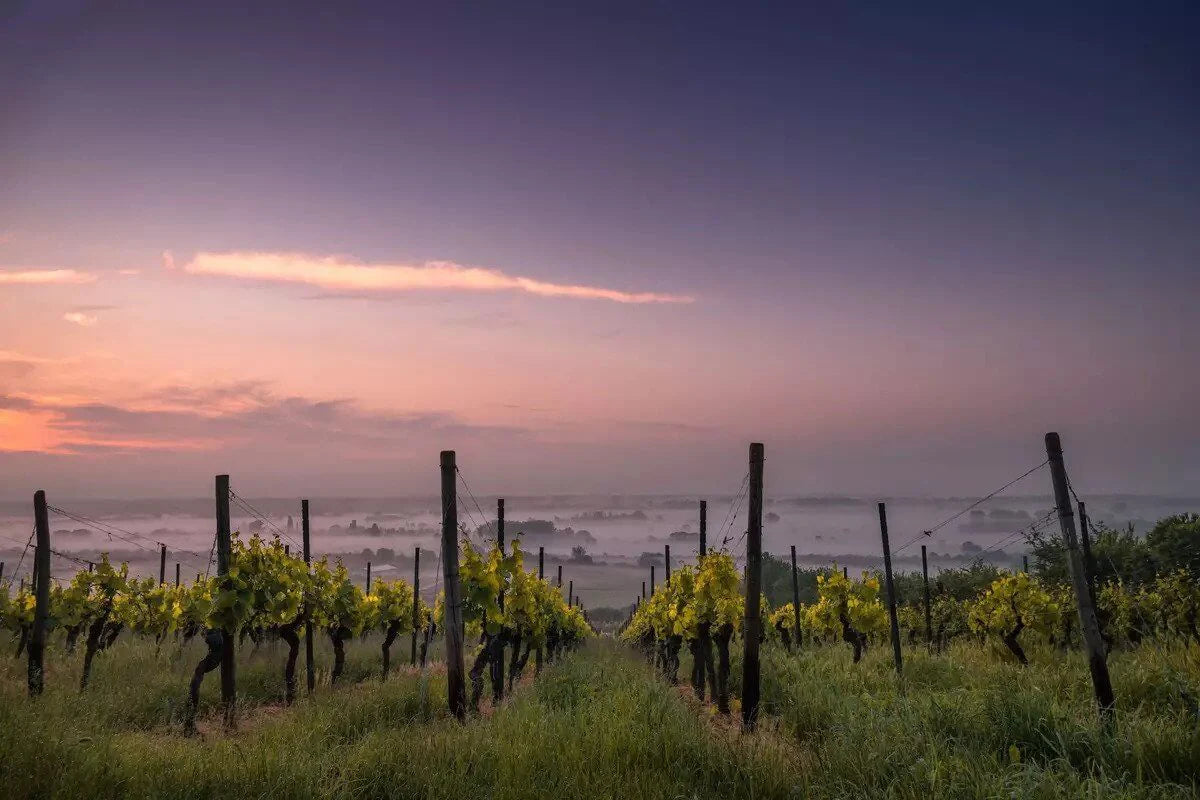
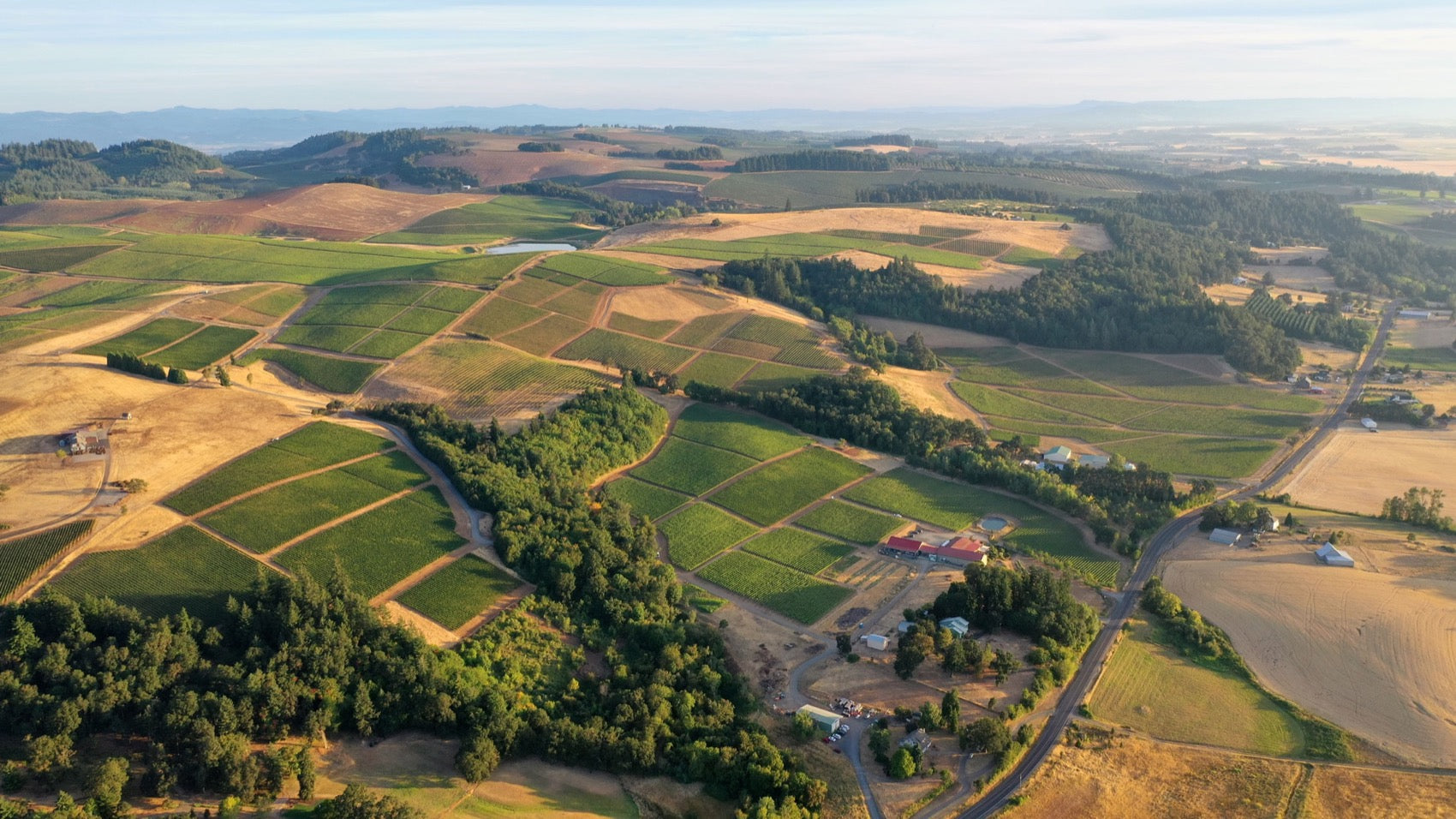
In 1965 a young Californian named David Lett loaded 3,000 Pinot Noir cuttings into a station wagon and drove north to Oregon, where every authority he consulted told him the same thing: too cold, too wet, too risky. Pinot Noir would rot on the vine. He planted anyway, in the Dundee Hills, and fourteen years later his 1975 Eyrie South Block Pinot placed in the top ten at a Paris tasting against the best of Burgundy. The Burgundian house of Joseph Drouhin was startled enough to stage a rematch the following year, in which the Eyrie finished second - beaten by a Drouhin Chambolle-Musigny by two-tenths of a point. Robert Drouhin's response was not to dispute the result. It was to buy land in the Dundee Hills in 1987. That is Oregon's whole character in one story: quiet, stubborn, and better than it lets on.

The 45th Parallel and the Rain Shadow
The Willamette Valley sits at roughly 45 degrees north - the same latitude band as Burgundy - and its climate is built by two mountain ranges. The Coast Range to the west strips the worst of the Pacific rain before it reaches the vineyards; the Cascades to the east block continental heat. What is left is a long, cool, gentle growing season with dry late summers and autumn rain that arrives right around harvest, which is precisely the tension that makes the wines and terrifies the growers. Vintages here matter enormously, and vintage variation is not a flaw in Oregon - it is the point.
Three soils define the valley, and serious labels name them. Jory is the famous one: deep red volcanic basalt, weathered from ancient lava flows, giving perfumed, red-fruited, silky Pinot - the Dundee Hills signature. Willakenzie is marine sedimentary, uplifted seabed, producing darker, earthier, more structured wine. Laurelwood is wind-blown loess over basalt, giving a lifted, spicy style. Tasting three Pinots from the same producer off those three soils is one of the most instructive hours available in American wine.
The Willamette's Nested Map
Oregon's flagship region now contains eleven nested sub-AVAs, and they behave like Burgundy communes. Dundee Hills is the historic heart - Jory soil, elegance and perfume. Ribbon Ridge, a small uplifted island of sedimentary soil, makes some of the most precise wine in the state. Yamhill-Carlton runs richer and darker; Chehalem Mountains spans the widest range of elevation and soil; and the Eola-Amity Hills are the cool, windy exception - the Van Duzer Corridor funnels marine air straight through a gap in the Coast Range, thickening skins and giving the wines a savoury, structured edge. Newer AVAs - Laurelwood District, Tualatin Hills, Lower Long Tom, Mount Pisgah - keep refining the map. If you are planning a visit rather than a purchase, our Willamette Valley and Portland travel guide covers where to taste, eat and stay.
Beyond Pinot Noir
Pinot Noir is roughly sixty percent of Oregon's production, but the second act is arguably more exciting for buyers. Chardonnay has been transformed since the 1990s, when growers replaced heat-loving California clones with Burgundian Dijon selections; the best Oregon Chardonnay now offers tension, citrus and struck-match reduction at a fraction of comparable Burgundy. Pinot Gris is the state's most-planted white and a house-pour staple, richer and rounder than Italian Pinot Grigio. Add fine dry Riesling, an emerging Gamay scene, and sparkling wine that is improving every vintage.
And then there is the south, which most drinkers miss entirely. The Rogue and Applegate valleys are warmer and drier, growing Syrah, Cabernet and Tempranillo. In the Umpqua Valley, Abacela proved in the 1990s that Spain's Tempranillo could thrive in Oregon, and it remains one of the most convincing non-Iberian expressions of that grape anywhere. Southern Oregon is where the value lives.

The Strictest Labeling Laws in America
Oregon quietly holds its producers to tougher standards than federal law requires. Where the US demands 75 percent of a stated grape variety, Oregon requires 90 percent for most varieties - and 95 percent of the fruit must come from a stated AVA, against 85 percent federally. The state also banned the use of misleading European place names on its labels decades before it was fashionable. The practical consequence for you is simple: an Oregon label tells the truth more reliably than almost any other American label.
That same culture shows up in the vineyard. Oregon has one of the highest concentrations of certified sustainable, organic and biodynamic acreage in the country, much of it through the regional LIVE certification. This is a place where small family estates, not corporate portfolios, still set the tone.
The Names and the Buying Play
The pioneers: Eyrie (Lett's original estate), Adelsheim, Ponzi and Erath. The Burgundian bridge: Domaine Drouhin Oregon. The modern benchmarks: Beaux Freres, Domaine Serene, Bergstrom, Cristom, Evening Land's Seven Springs, Antica Terra, Walter Scott and Big Table Farm. Prices have climbed at the top, but the structure of the market still favours the buyer: village-equivalent Willamette Pinot in the $35 to $55 band consistently outperforms Burgundy at twice the money, single-vineyard bottlings at $70 to $90 compete with premier cru, and Oregon Chardonnay remains one of the most underpriced fine whites in America. Buy in the strong vintages, drink Pinot Gris young, and give the serious Pinots five to ten years - they are built leaner than California's and they age like it.
Quick Answers: Oregon Wine
What wine is Oregon known for?
Pinot Noir above all - the Willamette Valley is one of the world's benchmark regions for it, producing wines of red-fruited elegance and transparency. Oregon also makes excellent Chardonnay, Pinot Gris, dry Riesling and, in the warmer south, Syrah and Tempranillo.
Why is Oregon Pinot Noir compared to Burgundy?
The Willamette Valley sits at roughly the same latitude as Burgundy with a similarly cool, marginal climate, so the wines lean toward red fruit, earth and freshness rather than power. The comparison started in 1979 when an Eyrie Pinot placed in the top ten at a Paris tasting against Burgundy.
What are Jory and Willakenzie soils?
Oregon's two signature soil types. Jory is deep red volcanic basalt, giving perfumed, silky, red-fruited Pinot - the Dundee Hills signature. Willakenzie is uplifted marine sedimentary soil, producing darker, earthier and more structured wines. Serious labels name the soil.
Does Oregon have stricter wine labeling rules?
Yes. Oregon requires 90 percent of a stated grape variety against the federal 75 percent, and 95 percent of fruit from a stated AVA against 85 percent federally. It also banned misleading European place names decades before other states.
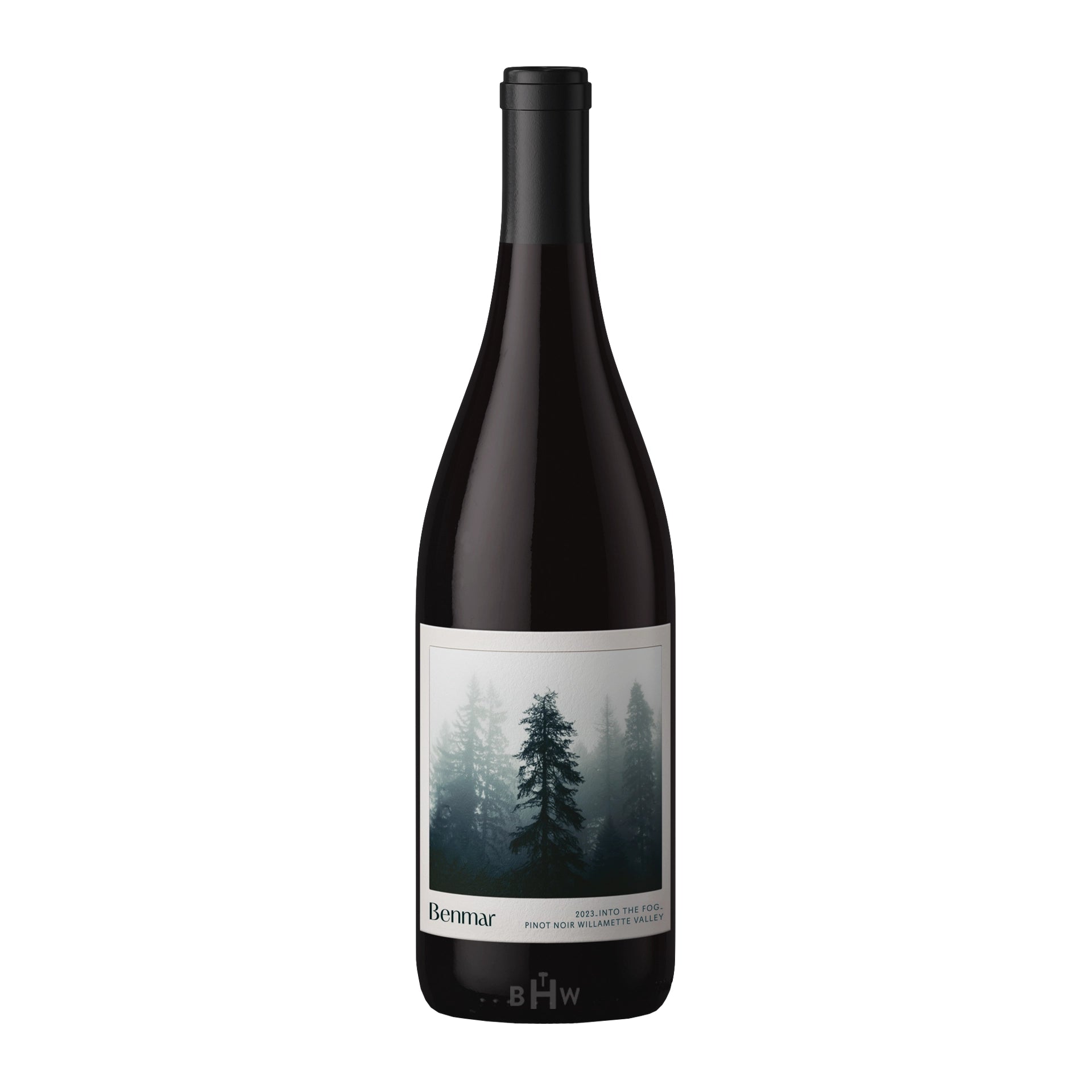
Ready to explore? Our Oregon collection carries our current selection. And if you are hunting a specific bottle from the region, contact us for a quote - we source wine globally, with a 12-bottle minimum on special orders.




Shop Our Oregon Collection
SHOP COLLECTIONShare:
Alsace: France's Most Germanic Region and Its Easiest Label to Read
Paso Robles: Limestone, Big Swings, and California's Rhone Capital
Comments Section