

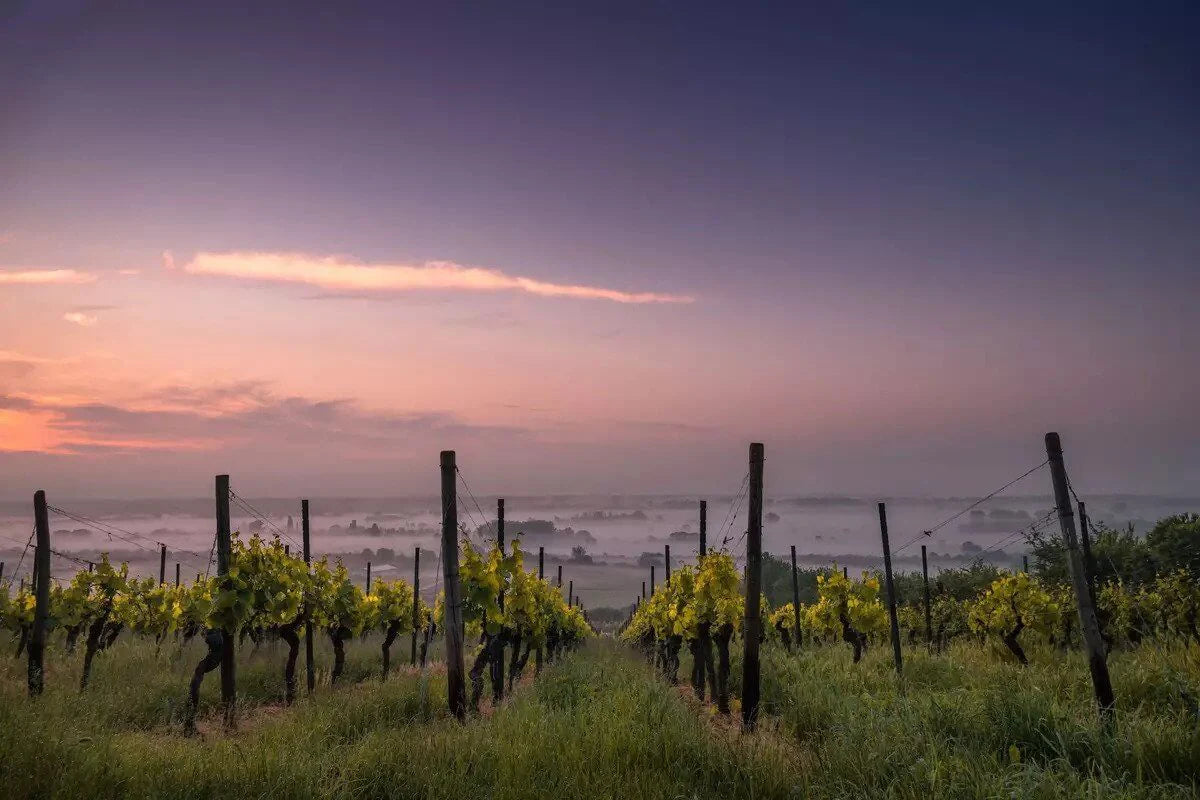
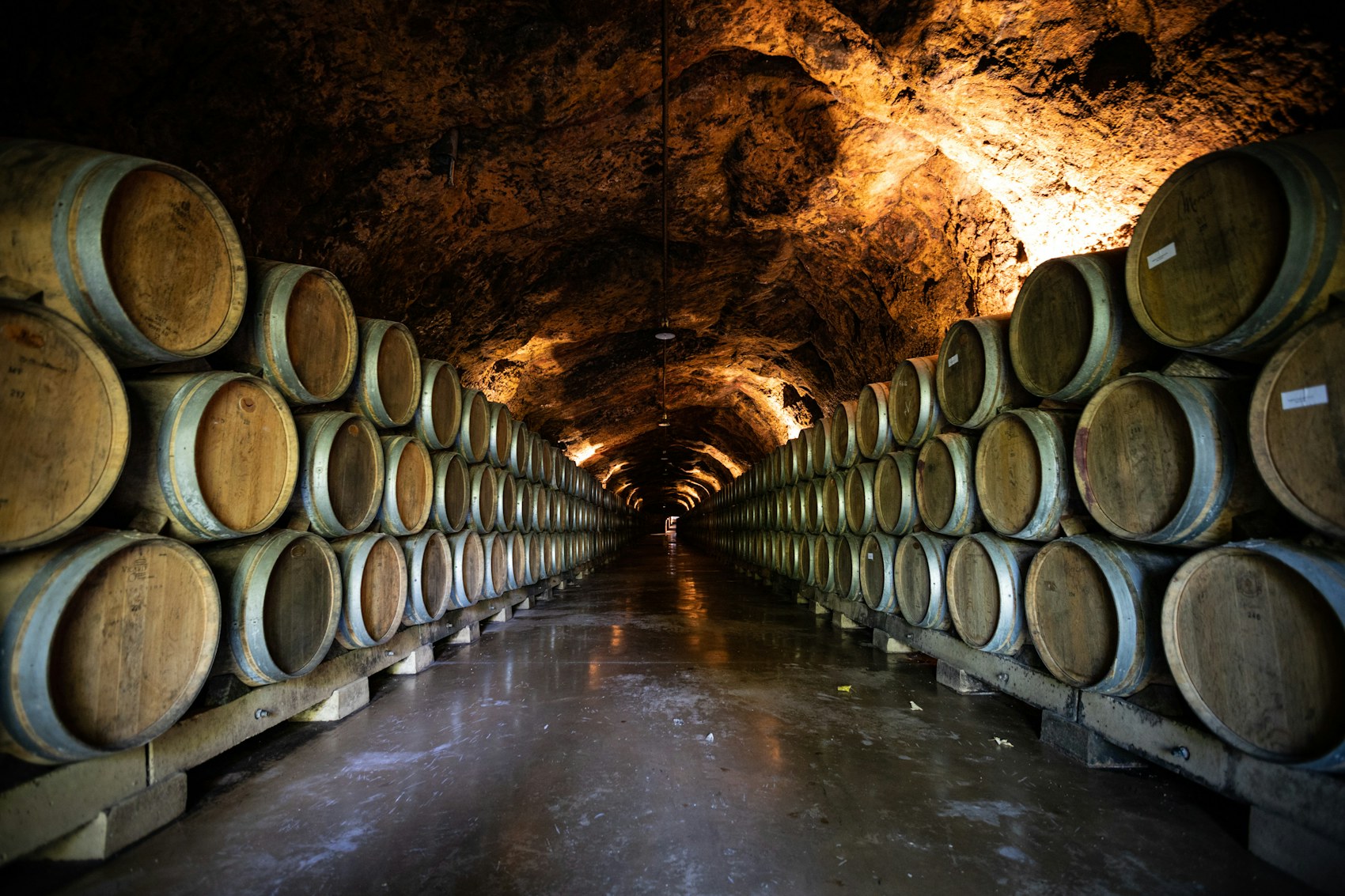
When phylloxera devastated Bordeaux in the 1860s and 70s, French merchants went looking for wine anywhere they could find it, and found it two hundred miles south, over the Pyrenees, in a river valley the Romans had planted, and monks had tended ever since.
They arrived in Rioja with barrels, technique, and urgency, and they left behind a culture. That's why Rioja is the one Spanish region that thinks in terms of oak and time: bodegas here still hold wine in barrel and bottle for years before release, doing your cellaring for you and charging almost nothing for the service. It remains the single most generous proposition in fine wine.

The Valley, and the Wall Above It
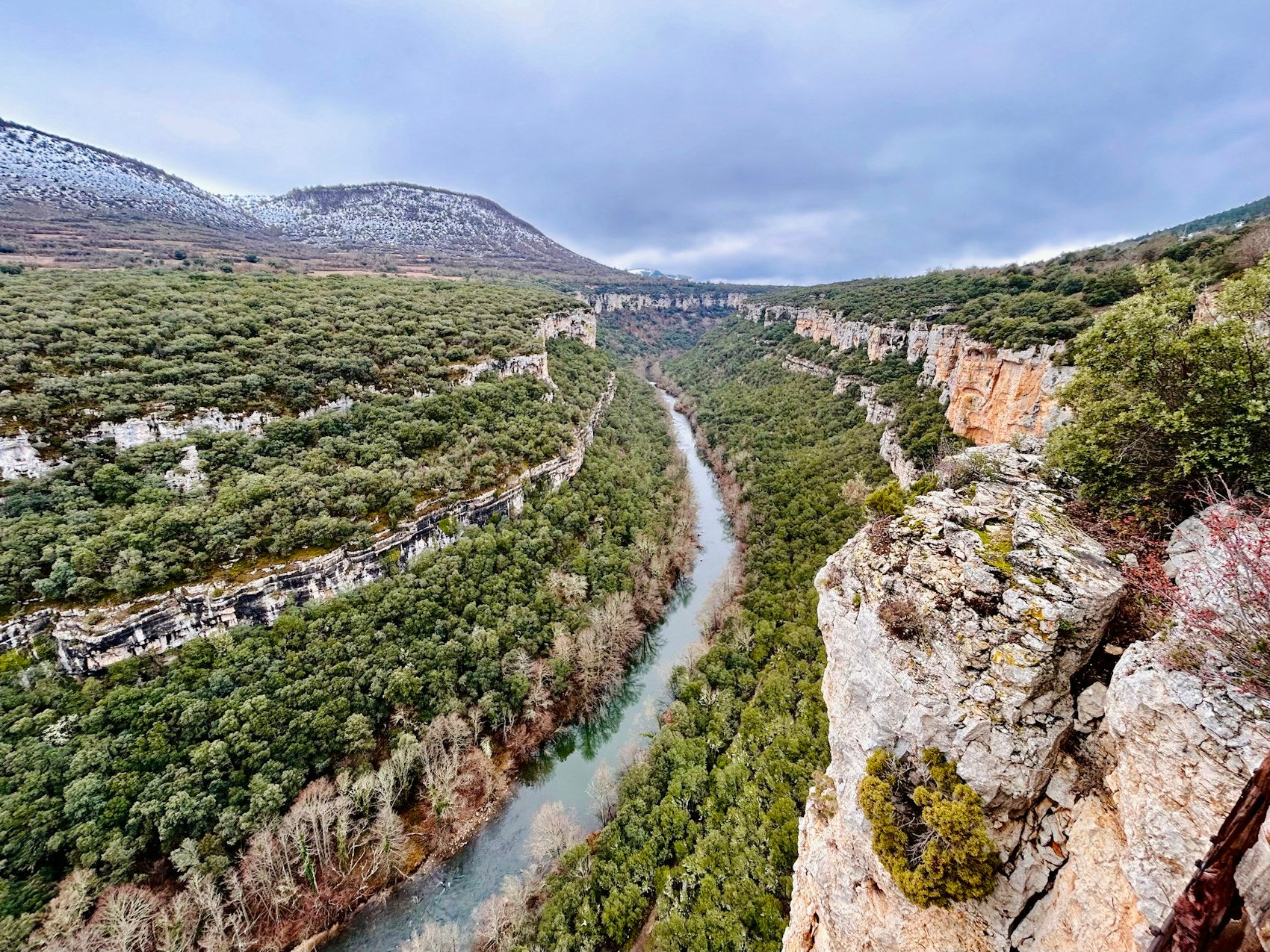
Rioja follows the Ebro river through northern Spain, shielded from Atlantic storms by the Sierra de Cantabria, a limestone wall rising sharply along the northern edge. That barrier creates the region's defining split between cool Atlantic influence in the west and warm, dry Mediterranean conditions in the east, with altitude ranging from about 300 to over 700 metres.
Three zones follow: Rioja Alta, high and cool, giving structured, elegant, long-lived wines; Rioja Alavesa, on chalky-clay terraces beneath the sierra, giving perfumed, finer-boned reds; and Rioja Oriental (formerly Baja), warmer and lower, giving riper, fuller wines and much of the region's Garnacha. Since 2017 producers can also label by village or single vineyard - vino de pueblo and vino de finca - a quiet but significant move from a brand region toward a terroir one.
The Grapes
Tempranillo is the backbone: dried cherry, leather, tobacco and firm but civilised tannin.
Garnacha adds warmth, red fruit and body; Graciano, difficult to grow and increasingly prized, contributes floral aromatics and acidity; Mazuelo (Carignan) brings structure.
Do not overlook white Rioja: made mainly from Viura, it comes in two guises - fresh, modern and citrusy, or the traditional oxidative style aged for years in barrel until it turns golden, nutty and extraordinary. Lopez de Heredia's aged whites, released after a decade or more, are among the most singular wines in the world and still cost less than mid-tier white Burgundy.
Crianza, Reserva, Gran Reserva - The Most Useful Words in Wine
Rioja's aging ladder is a legal guarantee, printed on a back label with the regulatory council's stamp. Crianza: at least two years total aging, one of them in oak. Reserva: at least three years, one in oak. Gran Reserva: at least five years, at least two in barrel and two in bottle, and made only in strong vintages. The consequence is that Rioja routinely arrives on shelves already mature - a ten-year-old Gran Reserva at the price of a young Napa Cabernet is not a bargain hunt, it is the normal state of affairs.
Traditional bodegas favor American oak, which gives Rioja its signature coconut, dill and vanilla sweetness over savoury fruit; modernists use French oak for a tighter, darker profile. Both camps make superb wine, and the region's ongoing argument between them is worth tasting your way through.

The Houses
The historic names date from that Bordeaux gold rush and after: Marqués de Riscal (1858), CVNE (1879, whose stone boundary markers still stand in the vineyards), López de Heredia (1877, gloriously unchanged, cobwebbed cellars and all), La Rioja Alta (1890), Muga, Marqués de Murrieta.
Their gran reservas are the classical benchmark. The modern wave, Artadi, Remírez de Ganuza, Benjamín Romeo at Contador, Artuke, Olivier Rivière, farms single parcels, picks earlier, and uses less overt oak, producing Riojas that taste like specific hillsides rather than a house style. Between them sits a generation of village-level bottlings that may be the best current value in the region.
Buying and Drinking Rioja
The strategy writes itself. Buy Crianza as your everyday red, it's one of the great weeknight wines on earth, at home with roast lamb, chorizo, grilled vegetables, and hard cheese. Buy Reserva when you want more depth for a Sunday table.
Buy Gran Reserva when you want a mature, complex bottle without waiting fifteen years yourself, and buy it from a strong vintage. Explore the new single-vineyard wines if you want to see where the region is heading, and take a chance on an aged white Rioja at least once; it will rearrange your assumptions. Serve reds at around 17 degrees; older Gran Reservas need gentle handling and reward a slow decant.
Quick Answers: Rioja
What do Crianza, Reserva and Gran Reserva mean?
They are legal minimum aging periods. Crianza is at least two years with one in oak, Reserva three years with one in oak, and Gran Reserva five years with at least two in barrel and two in bottle. The bodega does your cellaring before release.
What grape is Rioja made from?
Mainly Tempranillo, giving dried cherry, leather and tobacco notes, usually blended with Garnacha for warmth and body, plus small amounts of Graciano for aromatics and Mazuelo for structure. White Rioja is made primarily from Viura.
What are the three sub-regions of Rioja?
Rioja Alta is high and cool, giving structured, long-lived wines; Rioja Alavesa sits on chalky terraces beneath the Sierra de Cantabria and gives finer, more perfumed reds; Rioja Oriental is warmer and lower, producing riper, fuller wines and much of the Garnacha.
Why does traditional Rioja taste of vanilla and coconut?
American oak. Bordeaux merchants brought barrel-aging to Rioja in the 1800s and American oak became the regional standard, lending sweet vanilla, dill and coconut notes. Modern producers often use French oak instead for a tighter, darker profile.
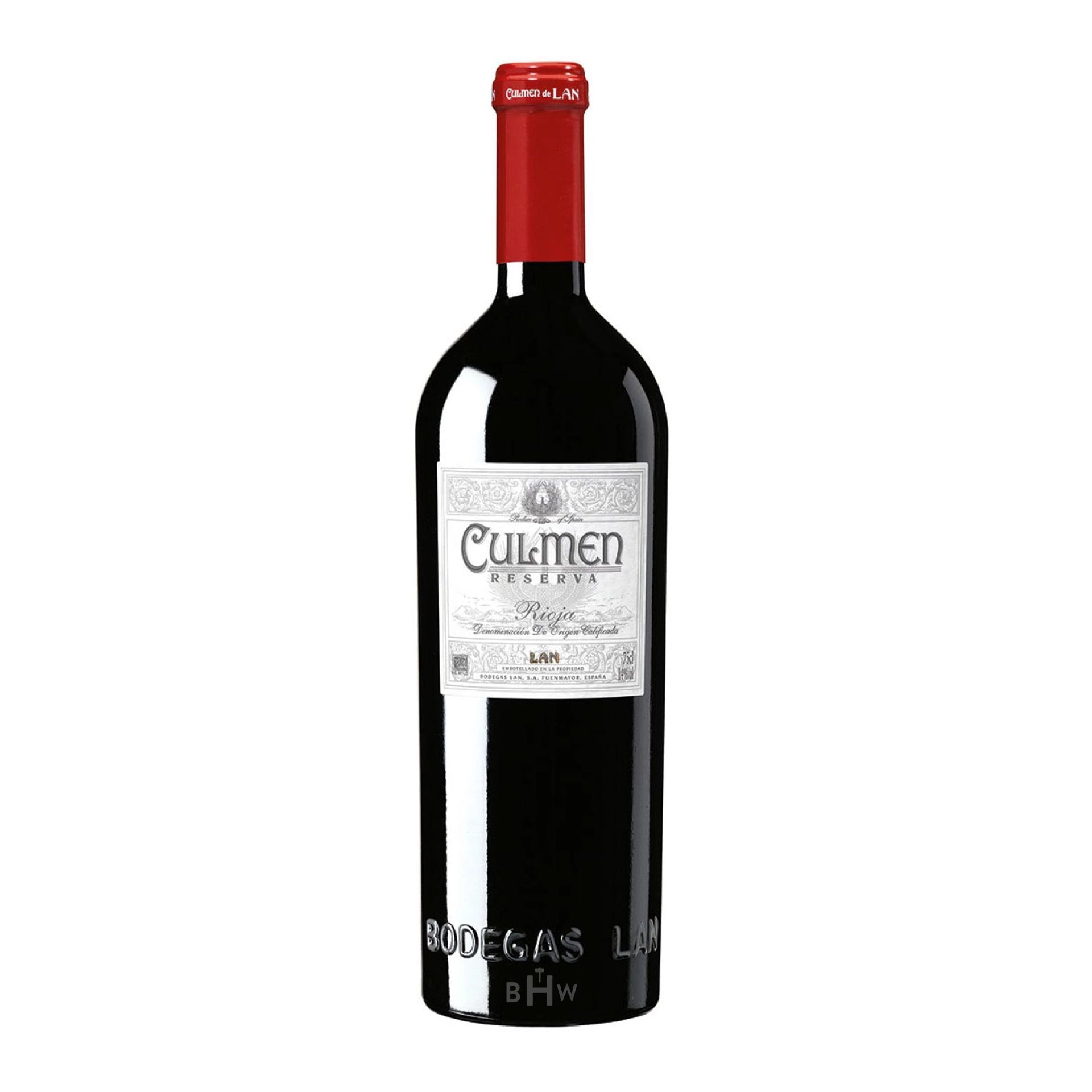
Ready to explore? Our Rioja collection carries our current selection. And if you are hunting a specific bottle from the region, contact us for a quote - we source wine globally, with a 12-bottle minimum on special orders.







Shop Our Rioja Collection
SHOP COLLECTIONShare:
Champagne: The Chalk, the Bubbles, and the Two Letters on the Label
Ribera del Duero: High, Harsh, and Home to Spain's Most Coveted Reds
Comments Section