

Every wine country on earth claims deep roots. Armenia has receipts.
In 2007, archaeologists working a limestone cave above the Arpa River in Vayots Dzor uncovered a complete Copper Age winery: a clay treading basin sloped to drain into a buried fermentation jar, grape seeds and pressed skins, dried vine wood, even a drinking cup. Radiocarbon dating put the operation at roughly 4100 BC — six thousand one hundred years ago, the oldest winery ever found, anywhere. (The same cave later produced the world's oldest leather shoe. Some places just hoard superlatives.)
Here's the part that gets us. The grape those Copper Age hands were pressing is, as far as anyone can tell, the ancestor of the one growing outside the cave door today. Areni Noir — named for the village a short walk downhill — never left. Most ancient wine cultures are archaeology. Armenia's is a working vineyard.
For most of the twentieth century, nobody outside the Caucasus got to taste the evidence: Soviet planners assigned Armenia the brandy portfolio and handed the wine brief to Georgia. It took independence, a generation of returning diaspora talent, and that 2007 cave discovery to relight the fire. Today Armenia makes some of the most distinctive reds and sparkling wines in the world — high-altitude, own-rooted, from grapes nowhere else grows — and almost nobody in America has tasted them. That's the opportunity. Here's the map.

A Mile High, On a Volcano
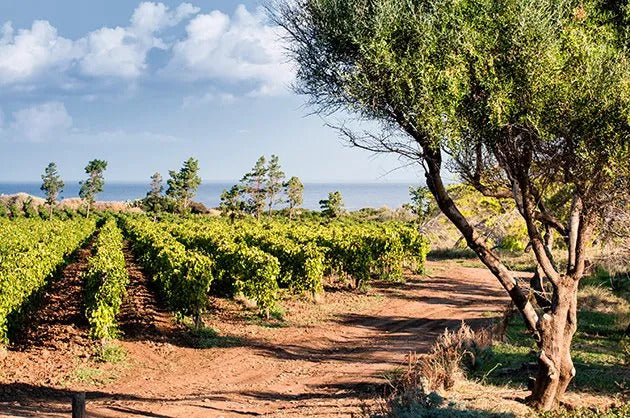
Armenia is a small, landlocked knot of mountains, and its wine is pure geology. With no sea to soften anything, the climate runs hard continental: baking summer days, cold nights, real winters. What makes it work is altitude. Serious vineyards start around 3,300 feet and climb past 5,500 — among the highest commercial plantings on earth. Elevation buys cool nights and a long, slow season, so the fruit ripens fully while the acidity stays nailed in place. And the sun is absurdly reliable: this is bright high-desert farming, not damp-cellar Europe.
The ground itself is young and violent — black basalt, volcanic tuff and ash off the country's dormant volcanoes, shot through with bands of limestone in the river canyons. Vines struggle, roots run deep, yields stay naturally small. If you like wines with a mineral bite, this dirt is why.
And the roots are literally their own. Phylloxera, the louse that forced nearly every vineyard on earth onto grafted American rootstock, never established itself in Armenia's sandy volcanic soils and isolated high valleys. Armenian vines overwhelmingly grow on their own roots — pre-phylloxera viticulture, alive and farming.
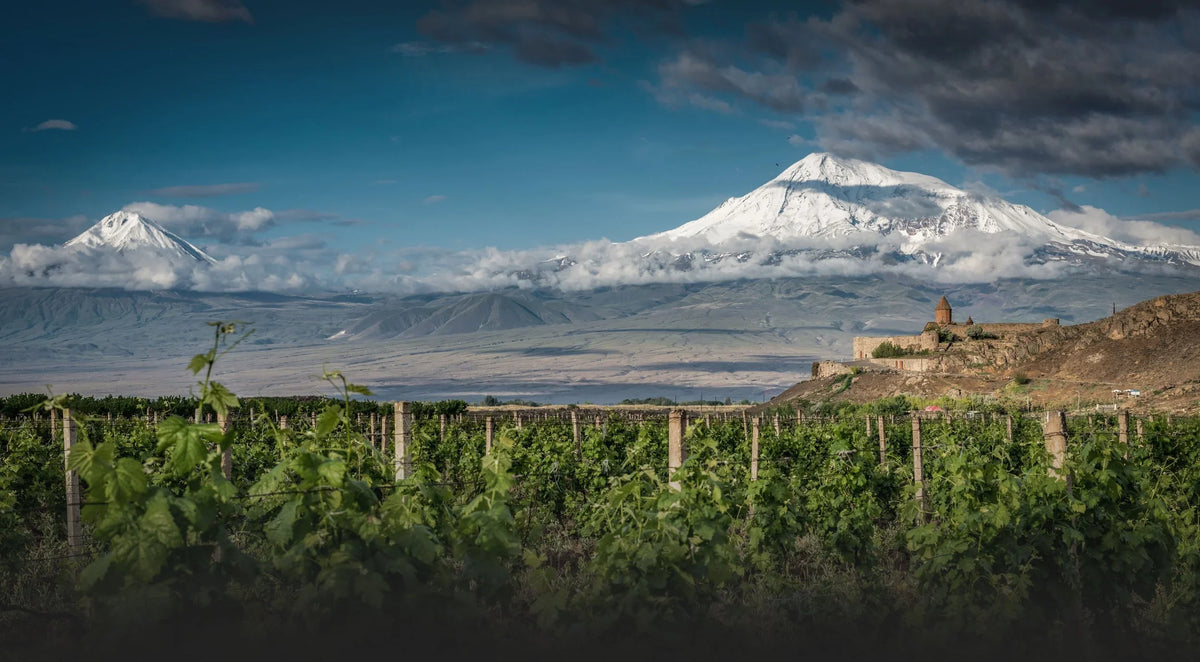
Over all of it hangs Mount Ararat, the 16,900-foot volcano on the horizon of every Yerevan cafe and half the country's wine labels. Tradition puts Noah's first post-flood vineyard on its slopes — Genesis lands the ark "on the mountains of Ararat," and Armenians have been running with that story for a very long time. You don't have to buy the legend to take the point: this landscape and the vine go back as far as either can remember.
Areni Noir: The Six-Thousand-Year-Old Grape
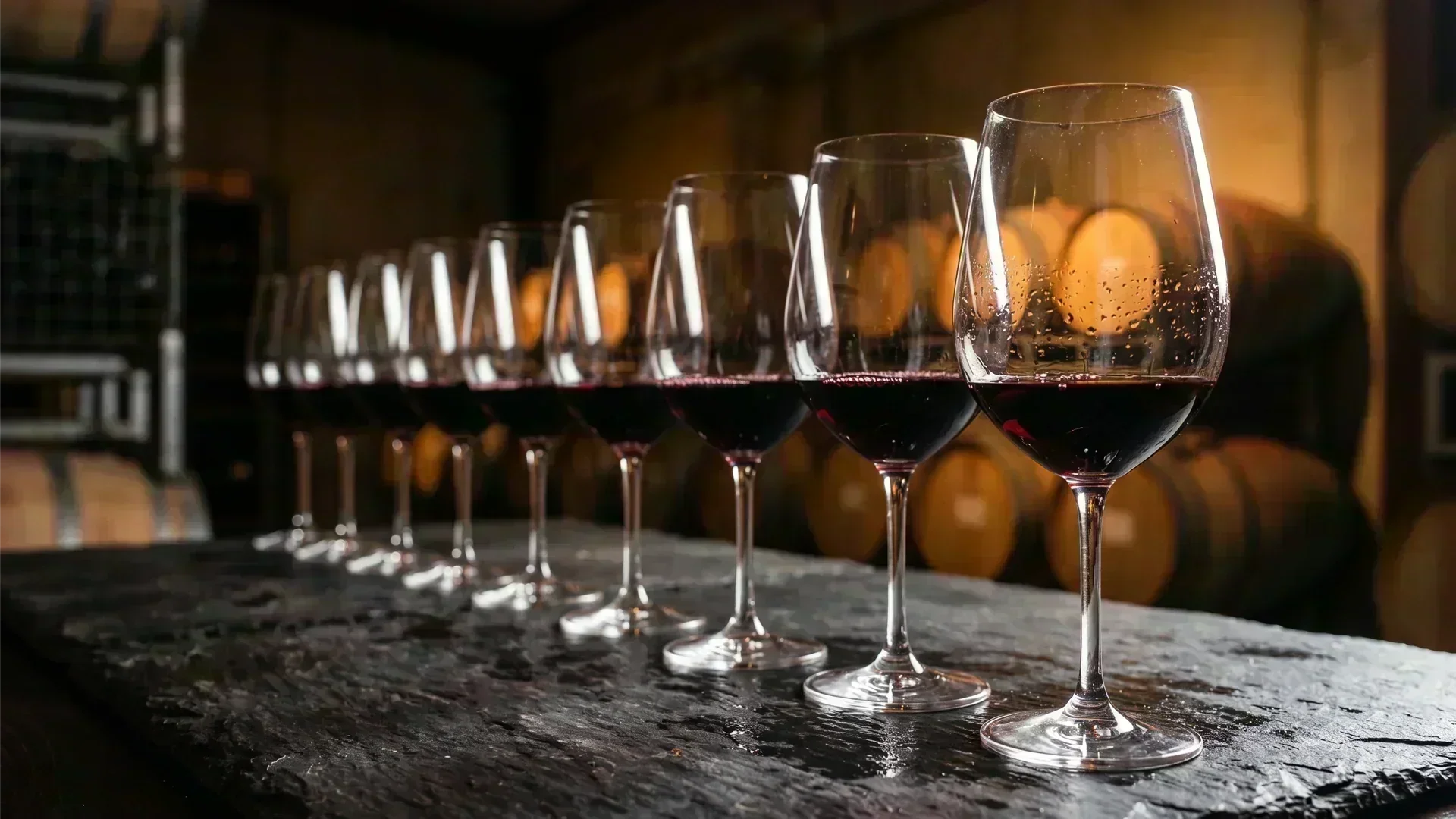
If Pinot Noir grew up on a volcano and borrowed Nebbiolo's spice rack, you'd get something close to Areni. Mid-weight color, bright red cherry and plum, black pepper and dried mountain herbs, fine-grained tannin and a streak of stony freshness that snaps the finish shut. It takes oak the way Pinot does — lightly or not at all — and the best bottles are transparent enough to taste the site straight through them.
It is also genuinely ancient: local, never exported, never crossed away. Old bush vines are common in Vayots Dzor, and because everything is own-rooted, a parcel can be propagated exactly the way it was centuries ago. When people say you can taste history in a glass, they usually mean the marketing. Here it's closer to literal.

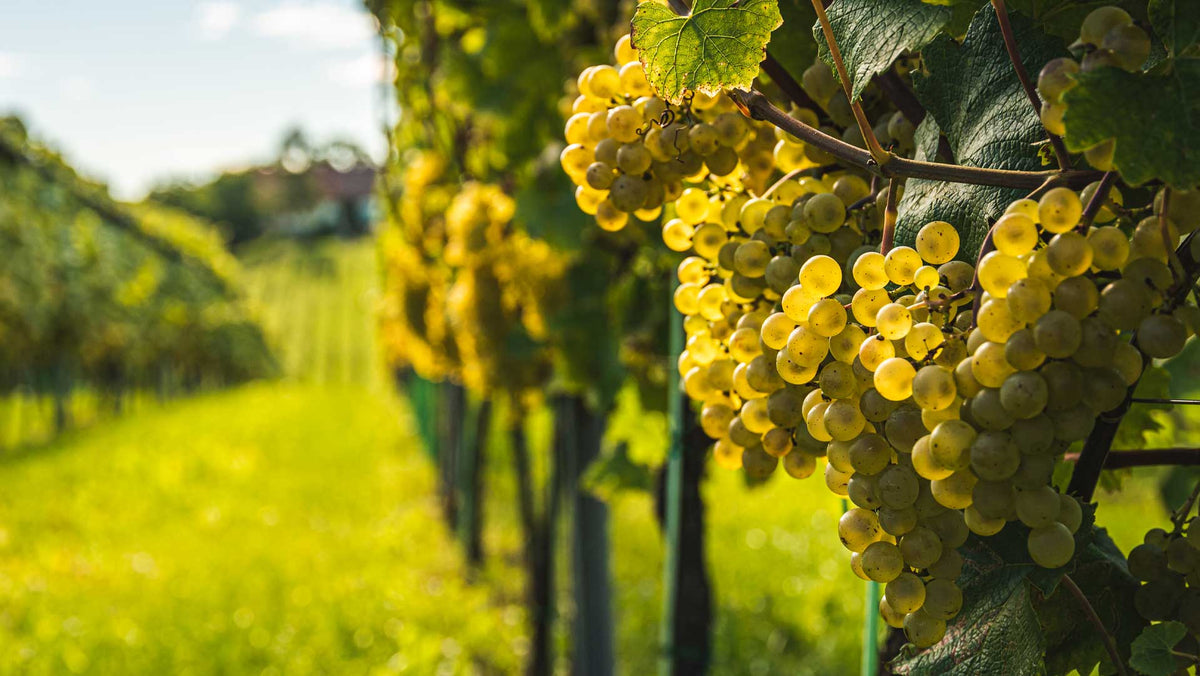
The white to know is Voskehat — "golden berry" — textured and orchard-fruited with mountain herbs and real grip, the backbone of Armenia's serious whites and its traditional-method sparkling. Kangun handles the workhorse duties. Behind them stretches a catalog of several hundred documented indigenous varieties, most barely explored — one of the deepest untapped grape banks in the wine world.
The clay thread survives too. The karas — Armenia's big-bellied fermentation jar, cousin to Georgia's qvevri — is back in the country's best cellars, burying brand-new wines in the same material the cave used six millennia ago.
The Map: Vayots Dzor and Beyond
Vayots Dzor is the grand cru. A high, arid province of red-rock canyons along the Arpa River, it holds the Areni-1 cave, the village of Areni itself, and the plantings around Rind and Aghavnadzor at 4,000 to 5,300 feet that produce Armenia's most complete reds. Limestone and volcanic rubble, huge day-night swings, tiny yields — if a bottle says Vayots Dzor, start there.

Aragatsotn, on the stony slopes of Mount Aragats northwest of Yerevan, is the second engine — sunny, windy, volcanic, home to ambitious estates and much of the new planting. The Ararat plain below it, staring straight at the mountain, is the historic heart of Armenian growing and still the brandy engine room; its best sites now feed serious table wine as well. And Tavush, in the greener, cooler northeast, sends down fresher, lighter styles from oak-forested hills.
The Names That Built the Revival
The renaissance has a short cast list and outsized characters. Zorah came first for the outside world: Zorik Gharibian, an Armenian raised in Milan, planted own-rooted Areni near Rind and aged it in buried karas. His Karasi bottling landed on international best-of lists and taught sommeliers to spell Vayots Dzor; the old-vine cuvee Yeraz — "dream" — sits at the top of the range.
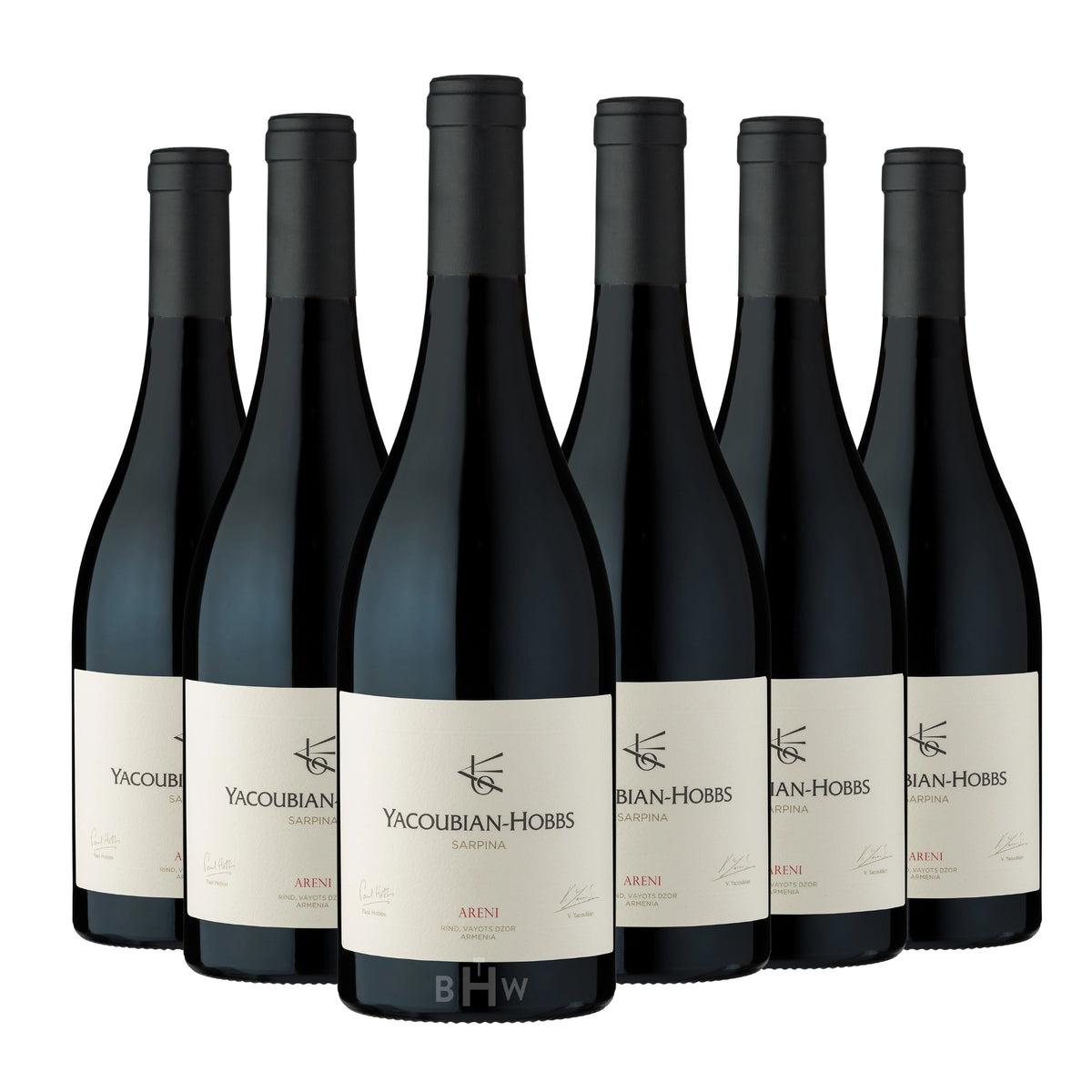
Yacoubian-Hobbs brought the superstar winemaker. Since 2008, brothers Viken and Vahe Yacoubian have farmed high parcels at Aghavnadzor and Rind with Paul Hobbs — the Sonoma-based winemaker Forbes once called "the Steve Jobs of wine" — who flies in several times a year to make Areni and Voskehat built to prove a simple thesis: Armenia belongs in the serious-wine conversation, not the curiosity aisle.

Keush makes the bubbles: traditional-method sparkling from Areni and Voskehat grown as high as 5,900 feet, founded by Vahe Keushguerian, whose Yerevan incubator WineWorks has trained or launched a remarkable share of the country's new labels — including Zulal, his daughter Aimee's pure-fruited Areni project. Karas, the Eurnekian family's estate on the Ararat plain, is the polished international entry point, and ArmAs farms a vast volcanic amphitheater on Aragatsotn. Village-scale specialists like Hin Areni and Trinity Canyon round out a scene still small enough to know personally.
At the Table, and at the Register
Armenian food is wine food. Khorovats — the national barbecue of skewered pork, lamb and vegetables — meets Areni's acid and pepper like they were engineered together, which, over six thousand years, they arguably were. Lavash baked in a tonir oven, sharp aged cheeses, herb-heavy dolma and the apricot — Prunus armeniaca, literally the Armenian plum — fill out a table Areni was built to run. Textured Voskehat handles the Lake Sevan trout.
The math is the quiet thrill. Entry-level Areni from real producers runs $15-25. The serious single-vineyard and karas-aged tier — bottles that go glass-to-glass with village Burgundy and cru Beaujolais — mostly sits $30-60. Traditional-method Keush undercuts grower Champagne by half. Even the icons of the whole country still price under $100, own-rooted mile-high fruit included. Wines this distinctive, this old and this scarce do not usually cost this little. They won't forever.
Quick Answers: Armenian Wine
Is Armenia really the birthplace of wine?
It holds the strongest single piece of evidence: the Areni-1 cave in Vayots Dzor, a complete winery — treading basin, fermentation jars, seeds, skins and cup — radiocarbon-dated to about 4100 BC, the oldest ever found. Neighboring Georgia has older chemical traces of wine on pottery, from about 6000 BC. The honest answer: the South Caucasus as a whole is wine's cradle, and Armenia owns the oldest known winery in it.
What does Areni Noir taste like?
Think Pinot Noir's build with Nebbiolo's seasoning: bright red cherry and plum, black pepper, dried herbs, fine tannin and fresh mountain acidity, usually raised with little or no new oak. Serious bottlings age gracefully for a decade or more.
Why are Armenian vines ungrafted?
Phylloxera, the root louse that pushed most of the world's vineyards onto grafted American rootstock, never established itself in Armenia's sandy volcanic soils and isolated high valleys. Vines grow on their own roots, as they did everywhere before the 1860s — one of the few places on earth where pre-phylloxera viticulture is still the norm.
How is Armenian wine different from Georgian wine?
Georgia's signatures are qvevri-fermented amber whites and dark Saperavi from greener, wetter valleys; Armenia is higher, drier and more continental, led by the red Areni Noir and high-altitude sparkling. Both bury clay vessels — Georgia's qvevri, Armenia's karas — and both fairly claim a seat at wine's founding table. Read our Georgia guide for the other half of the story.
What food pairs with Armenian wine?
Grilled meat is the classic — khorovats barbecue, lamb, pork — where Areni's acidity and peppery spice do the work of a good Pinot or Nebbiolo. Dolma, aged cheeses and fresh lavash suit it just as well, and textured Voskehat whites handle trout and richer fish.
How much does good Armenian wine cost?
Real, estate-grown Areni starts around $15-25. Single-vineyard and karas-aged bottlings run $30-60, traditional-method sparkling lands in the $30s and $40s, and the country's flagship cuvees still mostly stay under $100 — modest money for own-rooted, high-altitude wine this individual.
Ready to explore? Our Armenia collection carries our current selection. And if you're hunting a specific bottle from the region, contact us for a quote — we source wine globally, with a 12-bottle minimum on special orders.






Shop Our Armenia Collection
SHOP COLLECTIONShare:
Uruguayan Wine: Tannat, the Atlantic, and the Country That Kept It Quiet
Hundred Acre Winery: A Rare Look Inside Jayson Woodbridge's Napa Estate
Comments Section