

Georgia, often called the cradle of wine, has been producing wine for over 8,000 years. Archaeologists have found clay vessels—called qvevri (pronounced kway-vree)—dating back to 6,000 BC that held fermented grape juice and seeds. Yet despite this ancient heritage, modern Georgian winemaking only truly began in 1991, after the fall of the Soviet Union. Georgians are fond of saying that they are the oldest and newest wine region in the world.
Today, Georgian wine is captivating the world with its unique grapes, natural winemaking, and a style that feels both ancient and refreshingly modern. In fact, it feels like a modern day goldrush with many producers jumping on the bandwagon. There are already more than 2,400 wineries, 480 of them exporting, and over 120 wineries are participating in the natural wine organization.

Why Georgian Food and Wine Belong Together
To understand Georgian wine, you first need to understand Georgian food and culture. Positioned at the crossroads of the Caucasus, Georgia is celebrated both regionally and globally for its rich culinary heritage and distinctive mix of flavors. Traditional dishes are rich in sour, bitter, and earthy flavors.

The Supra: Georgia's Epic Feast
Georgians gather around the table for dinners or “supras” that can last six to nine hours. During this time, a leader, called the “tamada” is appointed to propose multiple rounds of toasts and it is expected others around the table will drink to these toasts. An endless array of dishes will be served and may be stacked two or three high. And, the meal will likely be accompanied by Chacha, the Georgian grappa, produced by distilling the marc leftover after fermentation of grapes and stems.
To complete the atmosphere of a traditional supra, music often plays a central role in setting the tone of the gathering.
Traditional Georgian Music at the Supra
This video reflects the cultural rhythm and communal spirit that often accompany Georgian feasts, toasts, and shared dishes.
Classic Georgian Dishes Include:
-
Khachapuri – A cheese bread, that is perhaps the most famous dish that can be served at breakfast, lunch and dinner. The cheese (typically a sulgini cow cheese) with regional variations is baked into and/or on top of a wheat bread or flaky crusted bread. The Adjarian version is boat-shaped with an egg and butter on top.
-
Khinkali – Soup dumplings filled with spiced meat (usually beef or pork) or sometimes mushrooms, herbs, and cheese.
-
Mtsvadi – Georgian barbecue, skewered and grilled meat, often lamb or pork, served with raw onions and pomegranate seeds. Typically, when the BBQ meats are served, this is a signal that the end of the meal is arriving.
-
Lobio – A hearty bean stew, often flavored with garlic, herbs, and walnuts, served in clay pots.
-
Pkhali – Vegetable pâtés made from spinach, beets, eggplant, or cabbage, mixed with ground walnuts, garlic, and spices. These are often served in round balls with bread as appetizers at the beginning of the meal. Eggplant slices with the walnut spread is one of the most delectable.

Bread & Staples
-
Shotis Puri – Traditional bread baked in a tone (clay oven, similar to a tandoor).
-
Churchkhela – Strings of nuts (usually walnuts or hazelnuts) dipped in concentrated grape must, dried into a chewy sweet. Often these are rolled in bread or oat flour. Often nicknamed “Georgian Snickers” you will find these hanging just about everywhere.
Sauces & Flavors
-
Adjika – A spicy paste of red peppers, garlic, herbs, and spices, common in western Georgia.
-
Tkemali – A sour plum sauce, used with meat, fish, and potatoes and omnipresent.
To match this diverse selection of foods (all of which may be served at a single supra), the wines often have astringency and freshness, especially in whites like Rkatsiteli (ruh-KAH-tsee-teh-lee) or amber wines made with skin contact. Reds like Saperavi, Georgia’s flagship red grape, offer bold concentration and higher alcohol, perfect for hearty meat dishes.
This short video highlights what makes Saperavi unlike any other red grape.
As a Georgian proverb says, “Every guest is sent from God.” Hospitality, food, and wine are inseparable. If you visit Georgia, plan to be treated very well and eat copious amounts of excellent food.
Georgia’s Wine Regions and Grapes

-
55,000 hectares of vineyards, which is less than half of what it was in Soviet era (1921-1991)
-
10 wine regions, 30 PDOs (protected origin).
-
EST 300M bottles are produced per year
-
Kakheti, in the southeast toward Caspian Sea, is the powerhouse: 50% of all Georgian grapes are grown here.
-
Over 500 grape varieties exist, but only about 50 are commercially produced.
If you really want to simplify things, these are three key Georgian grapes you should know
-
Rkatsiteli (pronounced ruh-KAH-tsee-teh-lee) (White) – Makes up over 50% of the annual harvest in Georgia. Crisp, versatile, and often compared to Trebbiano for the volume it delivers. There is great potential with this grape. The best expressions are blended with the more aromatic Mtsvane, have a level of lees stirring and a limited amount of oak aging.
-
Mtsvane (White) – The name means “green” and those are the flavors you’ll find in wines from these grapes. Aromatic and fresh, used for lively whites. Think Sauvignon blanc flavors making crisp wines.
-
Saperavi (Red) – A teinturier grape (red juice as well as skins similar to Ruby Cabernet and Alicante Bouschet). Produces inky “black wines” with bold tannins. This is a workhorse grape. Low in acidity, high sugar and high potential alcohol. Black as night. Papari Valley is considered one of the best growing areas.
Other Notable Grapes with Potential
-
Kisi – aromatic, promising white with lovely floral aromas.
-
Tsolikouri (tso-lee-KOH-ree)– light, Vinho Verde–like white for early drinking.
-
Tsitska (tseet-skah) – high acid, good for sparkling wines.
-
Aladasturi – historical red (name means “approved by Allah”), low alcohol (~11%). When Persian conquered Georgia, they insisted the Georgians pull up vines because Islam didn’t allow for drinking alcohol. However, when they came to collect taxes, the only thing Georgians could offer was grapes and wine. This grape was deemed an acceptable payment because it was “approved by Allah.”
-
Shavkapito – lighter-bodied red, brickish in color, often compared to Pinot Noir or Nebbiolo. This may be one of the grapes with the most potential for producing elegant wines.
-
Ojaleshi – Very interesting quality variety produced as semi-sweet or dry red, often perfumed, historically exported during Soviet times.
Given the preponderance of Rkatsiteli, this grape can often be found as a monovarietal. Most of the other white wines are blended by necessity as there just isn’t that much acreage planted to a lot of other indigenous varietals. The same can be said for red wines. Beyond Saperavi, most other reds wines are blended with only a few varieties produced as monovarietal. In addition, many of the older plantings we planted as field blends.
Ancient Technique, Modern Revival

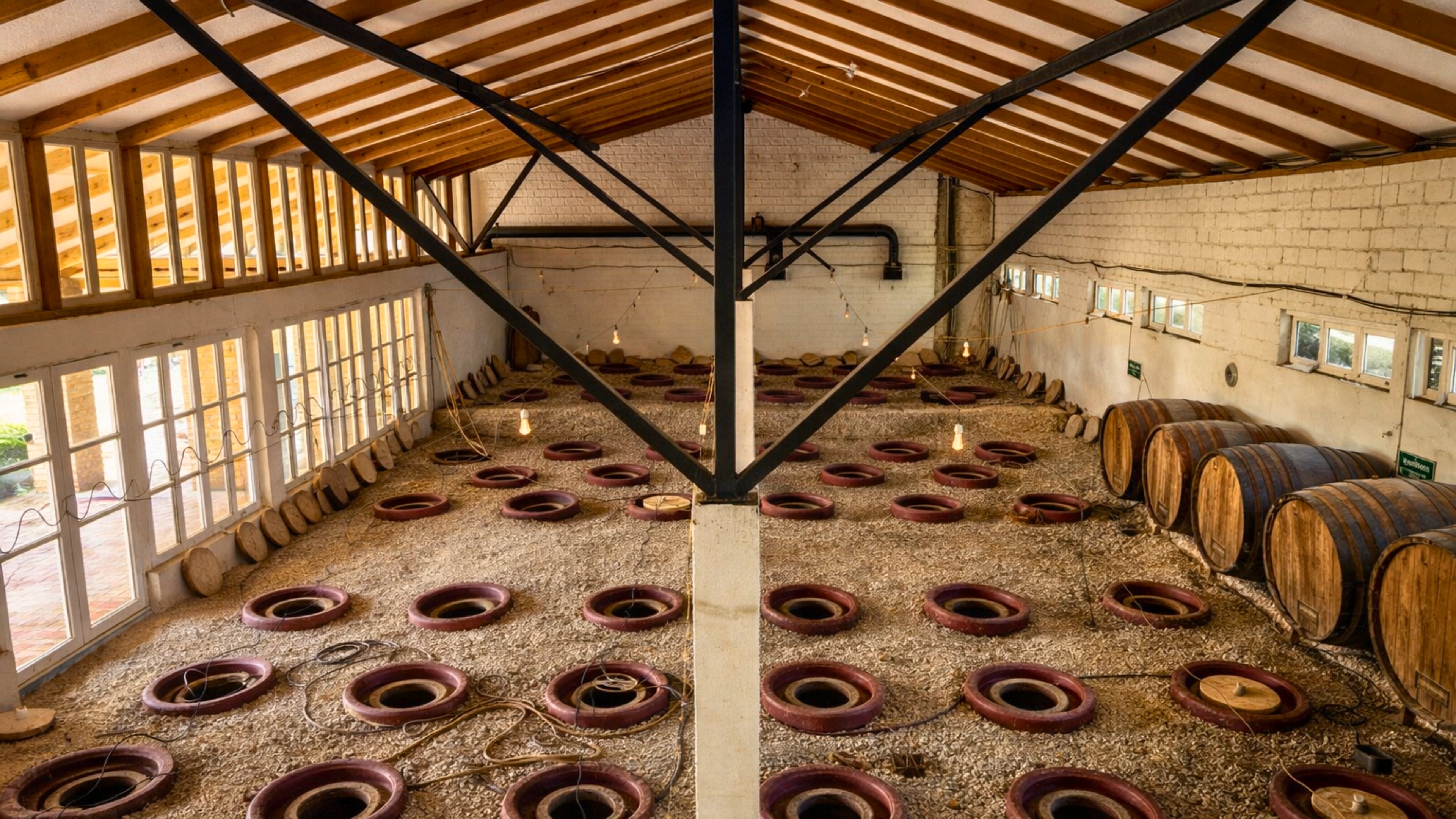
Photo: Traditional Georgian Qvevri typically buried in the ground and used to ferment grapes
Only about 5% of Georgian wines today are made in qvevri, but this method defines the country’s wine identity. These clay amphorae, buried underground, naturally regulate fermentation temperature.
Wines aged this way are typically unfiltered, with earthy flavors and complex textures due to fermenting and extended aging (three-six months) on the skins and typically with the stems.
The Natural Wine Debate: Quality vs. Tradition
The problem is that this method requires extreme hygiene during production and unfortunately, many producers end up bottling too many wines with severe wine faults including high volatile acidity (vinegar smells) and other defects that make the wines limited for commercial sale except to niche “natural” wine consumers. As Lisa Granik, MW writes in her guide to Georgian wines, “Too many “natural” winemakers continue to pass off numerous flaws as a natural consequence of their winemaking philosophy. This is a dangerous practice that reinforces the notion that Georgian wines are flawed and dirty.”
Georgians refer to “modern” wines as “European” in style. Their “traditional” wines are the orange or “amber” wines produced in qvevri. However, many small producers lack modern training, hygiene, infrastructure and modern winemaking facilities to produce consistent, fine wines.
Ironically, while Georgia is the birthplace of wine, it’s also one of the newest players on the global fine wine stage. The post-Soviet era gave winemakers the freedom to focus on quality rather than bulk production. Nevertheless, many Georgian producers continue to rely on Russia as the main export market, representing 70% of all exported wine at an average export price of only $3 per liter. Exports are growing elsewhere, with Poland and other European markets leading demand. About 1 million liters are currently exported each year to the United States with a similar amount going to tiny Lithuania, given the Soviet link.
Wineries Worth Noting and to Look out for

-
Vazisubani Estate – Outstanding Kisi, Tsolikouri, and blends. Founded by a founder of TBC bank, this is a beautiful estate producing clean, modern and traditional wines. It’s a winery worth making a detour to visit. Look out for the Vardazia Terraces white blend, Kisi, and Alexandrouli-saperavi blended red.
-
Chateau Mukhrani – Historic estate since 1878 originally part of the Bagrationi royal family, which ruled Georgia from the Middle Ages until the 19th century when they were systematically murdered by the invading Soviets. The winery makes very refined Goruli Mtsvane and elegant reds like Tavkveri and Shavkapito. Look out for the wines labeled “Secret Collection” and “Royal Reserve”, including this beautifully structured 2020 Chateau Mukhrani Saperavi.
-
Iago Winery – Pioneer of organic and natural winemaking since 2004. Located about one hour from Tblisi, the Mtsvane is an excellent introduction to “orange” wines made properly. His amber wines command high prices and are featured at trendy New York City restaurants like Chama Mama.
-
Teliani Winery is the third largest winery in terms of volume in Georgia and is operating notable innovation and expertise. In addition, they are importing their own wines directly to the US which allows for consumers here to more easily find this brand. Stylistically, the wines are more polished and lean, as opposed to heavy, tannic or rustic. This is a good thing. And, because of the size of the winery, the wines are fairly priced.
-
K’avshiri is a small brand launched by the British wine journalist Robert Joseph and an innovative young Georgian winemaker. They are producing blended wines that are lined priced for the red, white and rose.
-
Shilda winery is producing high quality Rkatsiteli and a red blend under the Rustavelli (12th century Georgian poet) that would be appreciate by any Napa Valley Cabernet drinker.
-
Peradze winery is led by the charismatic Irakli Peradze who is a biochemist by training and a retired telecom executive for Motorola. He is producing some of the most exciting wines in Georgia in a modern, clean style. Highly recommended.
These producers show the diversity and potential of Georgia: from rustic qvevri wines to clean, modern styles with international appeal. You’ll have to do some digging though, as only a handful of these wineries are being imported into the US and often in small quantities.
Georgia’s Wine Regions
Georgia has 10 wine regions and 32 PDOs (Protected Designations of Origin). Each area has its own history, climate, and native grapes. The best Georgian wines regions to visit include:
Kakheti
-
Where: Southeastern Georgia, along the Alazani and Iori Rivers, stretching toward the Caspian Sea.
-
Importance: Produces over 50% of Georgia’s grapes.
-
PDOs: Includes Mukuzani (oak-aged Saperavi), Tsinandali (a white blend of Rkatsiteli and Mtsvane), Kindzmarauli (semi-sweet reds), and Akhasheni (semi-sweet reds).
-
Style: Known for powerful Saperavi reds and structured amber wines.
Kartli
-
Where: Central Georgia, surrounding the capital Tbilisi.
-
Style: Produces both traditional qvevri wines and modern stainless-steel whites. Notable for sparkling wines from Chinuri and Goruli Mtsvane.
Imereti
-
Where: Western Georgia, near Kutaisi.
-
Style: Fresher, lighter wines, often amber but with less skin contact than Kakheti. Whites like Tsitska and Tsolikouri dominate.
Racha-Lechkhumi
-
Where: Northwest Georgia, in the foothills of the Caucasus.
-
Style: Known for semi-sweet reds like Khvanchkara, made from Aleksandrouli and Mujuretuli. Boutique production, highly prized.
Samegrelo
-
Where: Northwestern Georgia, near the Black Sea.
-
Style: Famous for Ojaleshi, often perfumed, sometimes semi-sweet, sometimes dry.
Adjara
-
Where: Southwest Georgia, along the Black Sea coast.
-
Style: Small but growing region, influenced by humid coastal climate, producing light whites and sparkling wines.
Guria
-
Where: West Georgia, coastal and humid.
-
Style: Known for Chkhaveri, used for rosé and sparkling wines.
Abkhazia
-
Where: Northwestern Georgia, bordering Russia (politically disputed).
-
Style: Historically known for semi-sweet reds and rustic wines.
Meskheti (Samtskhe-Javakheti)
-
Where: Southern Georgia, near the Turkish border.
-
Style: Ancient terraces being revived. Grapes like Tavkveri and Shavkapito are being replanted here.
Kvemo Svaneti & Upper Mountain Regions
-
Where: High-altitude vineyards in the Greater Caucasus.
-
Style: Extreme terroirs, experimental plantings, small production.
Why You Should Try Georgian Wine
-
Unique Grapes: If you love exploring and learning about wine, you’ll want to include Georgia in your own Adventure in Wine. You won’t find Saperavi, Rkatsiteli, or Ojaleshi anywhere else at this scale.
-
Food-Friendly: Perfect with bold, hearty, and savory dishes.
-
Great Value: Many excellent bottles retail between $15–35.
-
History in a Glass: Every sip connects you to the oldest winemaking culture in the world.
Final Thought
Georgia is more than a destination; it’s a living museum of wine. From the clay qvevri buried underground to the energy of young winemakers pushing boundaries, Georgian wine is at once ancient and brand new.
If you’re curious about the future of wine, it may well begin where it all started—in Georgia. The country is experiencing a renaissance, and the evolution of the industry will take several decades to catch up to European standards.
Frequently Asked Questions (FAQ) About Georgian Wine
1. What makes Georgian wine unique?
Georgian wine is unique because of its ancient winemaking traditions combined with modern techniques. Georgia is often referred to as the cradle of wine because it’s been producing wine for over 8,000 years. The use of qvevri, large clay vessels used for fermentation and aging, imparts distinctive earthy flavors that set Georgian wines apart. Add to that a wide range of indigenous grape varieties, and you get a wine experience unlike any other.
2. What is qvevri wine, and why is it important?
Qvevri wine refers to wines made in large clay amphorae that are buried underground. This ancient method is essential to Georgian wine identity. The clay fermentation process allows the wine to age on its skins and stems, producing deep flavors and textures. While only about 5% of Georgian wines are made in qvevri today, this technique remains a cornerstone of Georgia’s winemaking heritage.
3. Which Georgian wines should I try first?
For newcomers to Georgian wine, here are a few must-try varieties:
-
Rkatsiteli: A crisp, versatile white wine, often used in amber wine production.
-
Saperavi: A bold red wine known for its dark, inky color and robust tannins.
-
Mtsvane: A fresh, aromatic white wine, perfect for those who enjoy Sauvignon Blanc.
-
Tsolikouri: A light, Vinho Verde–like white for easy drinking.
-
Shavkapito: A lighter-bodied red, often compared to Nebbiolo or Pinot Noir, with great aging potential.
4. What foods pair well with Georgian wine?
Georgian wines are crafted to complement the country’s hearty cuisine. Here are some classic pairings:
-
Khachapuri (cheese-filled bread) with a crisp Rkatsiteli.
-
Khinkali (dumplings) paired with a bold Saperavi.
-
Mtsvadi (Georgian barbecue) goes beautifully with a rich Saperavi or an earthy amber wine.
-
Lobio (bean stew) pairs wonderfully with Tsolikouri for a fresh, herbal contrast.
-
Pkhali (vegetable pâtés) with Tsitska, a high-acid wine great for matching with complex flavors.
5. Are there any other notable Georgian grape varieties?
Yes! There are more than 500 indigenous varietals in Georgia, although only about 50 are commercially produced. Some of the hidden gems you should explore include:
-
Kisi – A floral, aromatic white that shows great promise.
-
Ojaleshi – A perfumed red, available as both semi-sweet and dry.
-
Aladasturi – A historical red with a unique backstory, making it a must-try for adventurous wine lovers.
6. Where is the best place to try Georgian wines?
While you can find Georgian wines in select wine shops worldwide, the Kakheti region in Georgia’s southeast is known as the heart of winemaking. If you’re traveling to Georgia, visiting wineries like Vazisubani Estate and Iago Winery will give you a firsthand taste of the local terroir and unique winemaking practices.
7. What is the difference between European-style wines and traditional Georgian wines?
In Georgia, “European-style wines” refer to wines made in modern facilities using stainless steel fermentation and aging. These wines tend to be cleaner, more approachable, and resemble European styles like those from France and Italy. On the other hand, “traditional wines” or amber wines are made using the ancient qvevri method, often unfiltered, and known for their earthy, complex flavors.
8. Why are Georgian wines gaining popularity?
Georgian wines are gaining attention for their distinctiveness and authenticity. With global wine trends shifting toward natural and organic wines, Georgian producers are leading the way with sustainable practices, unique grape varieties, and the oldest winemaking traditions in the world. With growing recognition from wine critics and an increasing presence in global markets, Georgian wines are quickly becoming a favorite for adventurous wine drinkers.
Looking for Georgian wines?
We source exclusive selections from small producers you won't find elsewhere. Contact us: sales@bighammerwines.com, and we'll help you find the perfect bottle.



















































Share:
A Wine Lover’s Guide to the Bordeaux Wine Region
The Complete Rome Wine & Dining Guide for Wine Lovers
Comments Section