

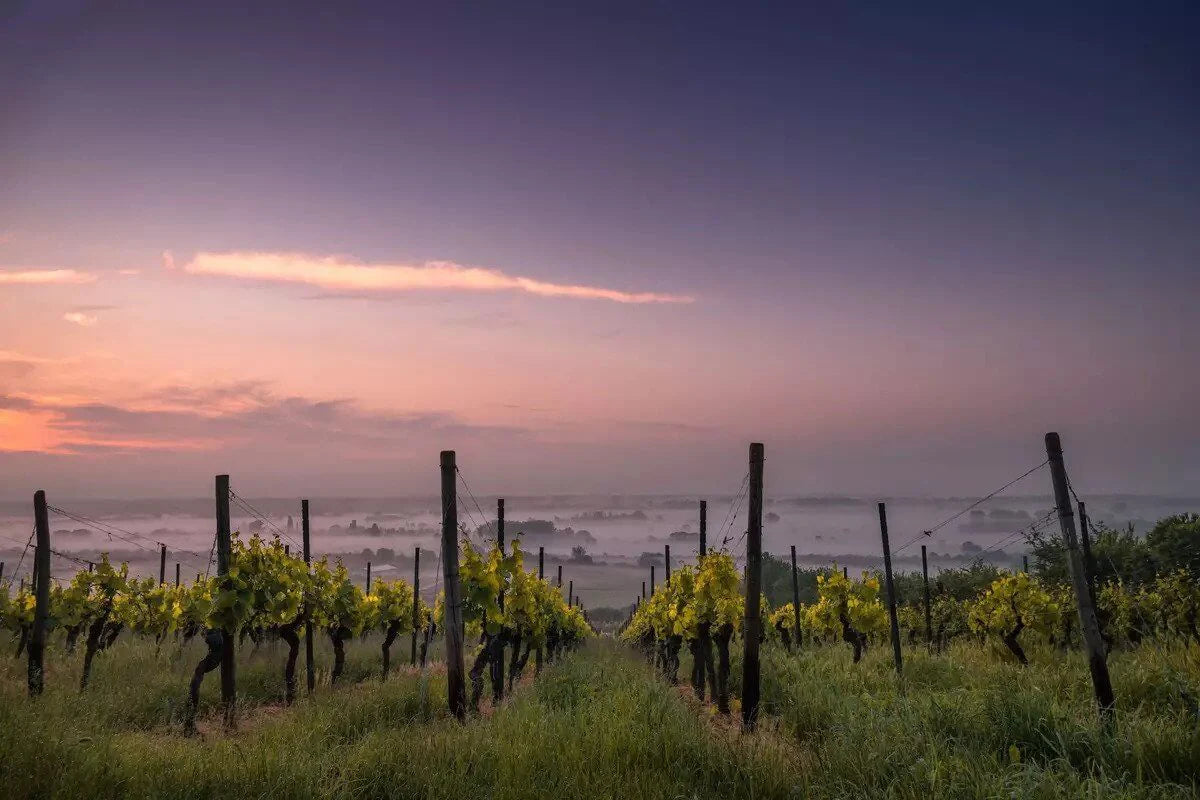

“What’s your favorite wine?” is the most common question I get — and the least useful. Wine is too vast, too variable, and too tied to moment and context for one bottle to mean anything as an answer.
Better questions — “what’s your favorite grape?” or “which wine region would you most want to visit?” — actually open something up.
Key Takeaways
- “What’s your favorite wine?” is the most common question I get once people learn I’m a wine expert. The person asking usually wants expert currency they can spend elsewhere — not a real conversation about wine.
- Eric Asimov, the NY Times wine critic, has documented that two out of three people feel insecure ordering wine in a restaurant. That anxiety doesn’t disappear with a single recommendation.
- Better questions focus on open-ended questions on grape varieties and regions. They invite exploration rather than demanding a verdict.
- Wine connects geography, history, climate, cuisine, and human character. What you drink reveals more about you than you might expect.
The Most Common Question I Get
It happens at every dinner party, every tasting, every chance of introduction. Someone finds out I’ve spent my career in wine, and the question arrives like clockwork: “So what’s your favorite wine?”
I understand the impulse. It’s the same question you’d ask a chef about their favorite dish, or a musician about their favorite album. Except wine doesn’t work that way. A dish is fixed. An album has a track listing. Wine is a moving target — shaped by the vintage, the producer, the food on the table, the glass it’s poured into, and honestly, the company you’re in. Pinning it to a single favorite is like asking a parent about their favorite child.
What the question is really doing, most of the time, is something different. It’s looking for a shortcut. Find out what the expert drinks. Adopt it as a reference point. Trade that information at the next dinner party. It’s wine knowledge as social currency — and I get it, because Eric Asimov, the longtime wine critic for The New York Times, has noted that two out of three people feel insecure when ordering wine in a restaurant. That insecurity doesn’t dissolve with a single recommendation. It just relocates.
But here’s the thing: wine is not simple. If it were, I wouldn’t have dedicated my career to it. A real answer to “what’s your favorite wine?” would take all night and change depending on the season. That’s not evasion — that’s the honest shape of the subject.
The Better Questions

“What’s your favorite grape variety, and why?”
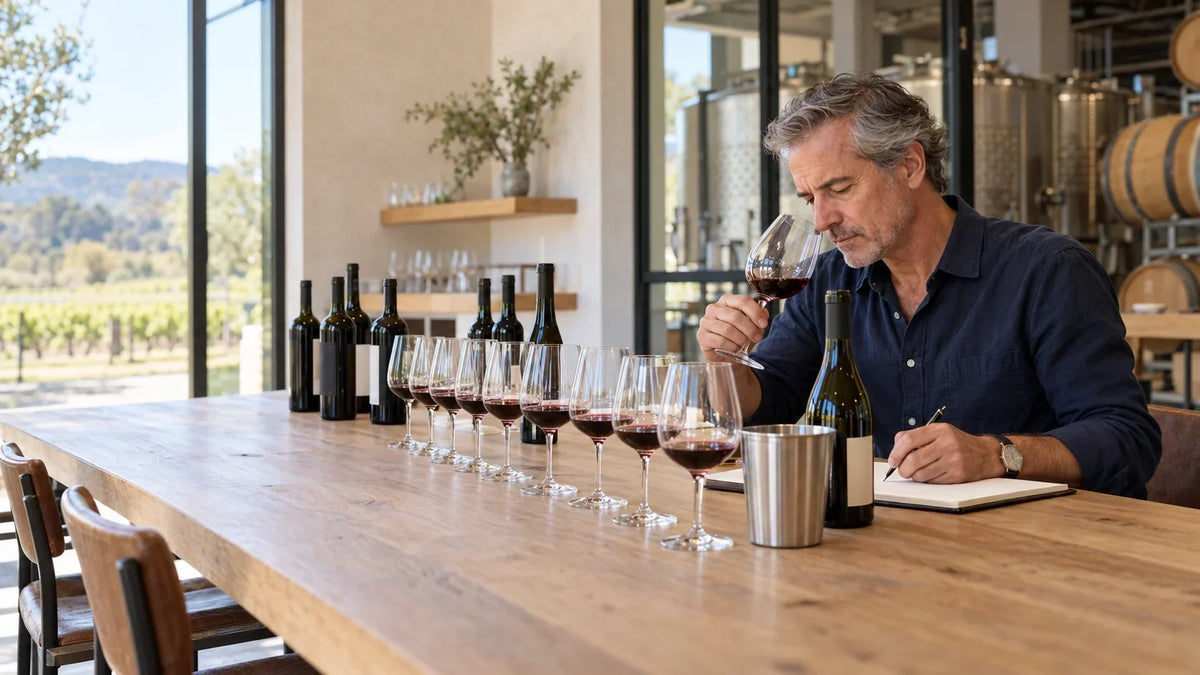
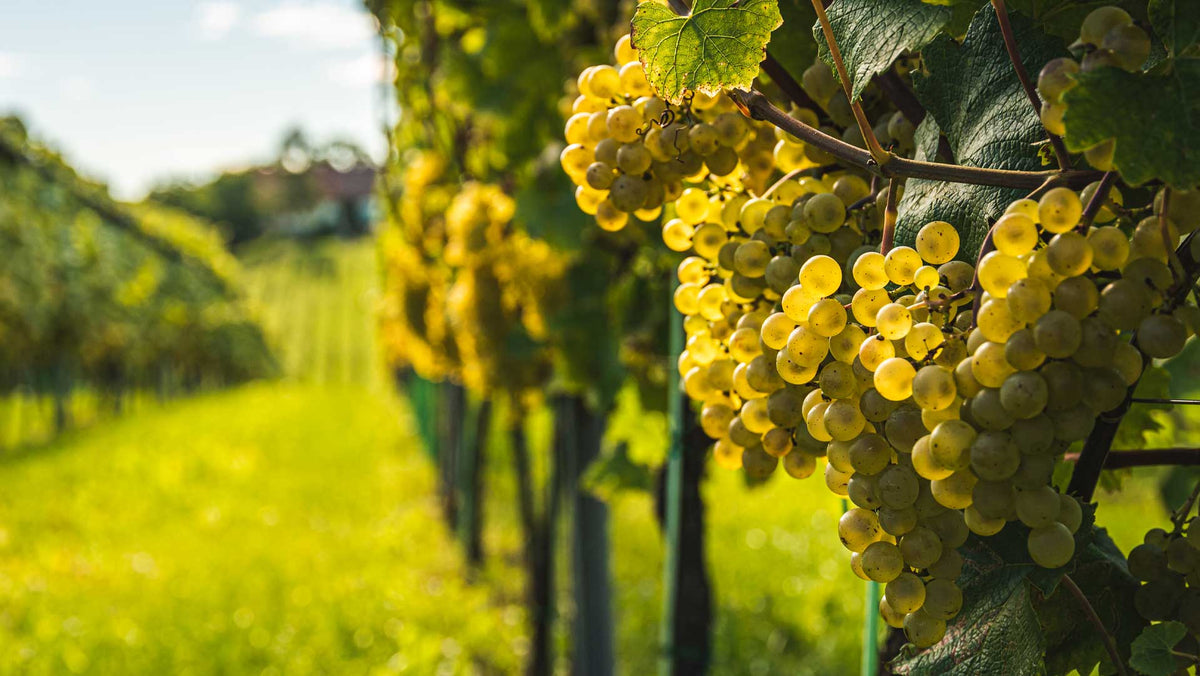
This one is revealing. A grape variety is a philosophy. Someone who answers Nebbiolo is drawn to wines that take years to open up — tannic, austere, demanding, worth the patience. Someone who answers Riesling is chasing precision and the clearest possible expression of a specific place. Someone who can’t choose one is probably the most interesting person in the room. The grape question leads somewhere real. It tells you about palate, patience, and what the person actually values in a glass.
“Which wine region would you most like to visit next, and why?”
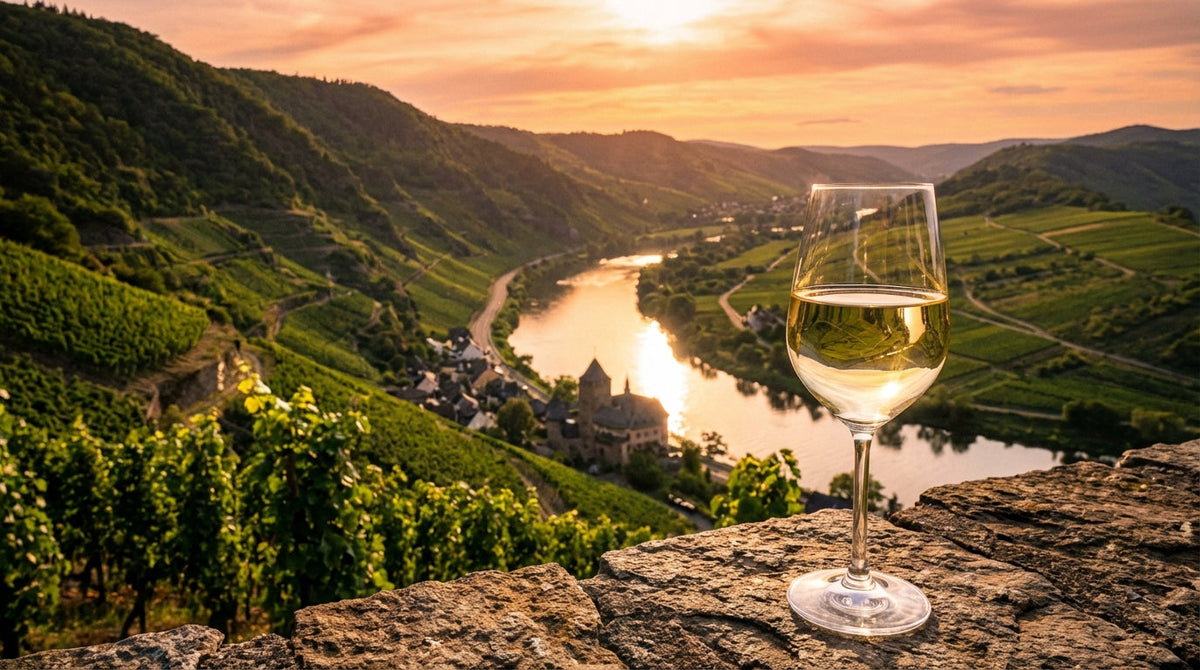
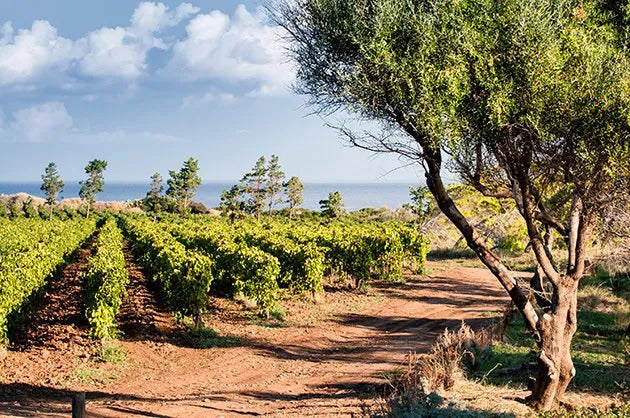
Wine regions are living places — with their own food, their own landscapes, their own centuries of history. This question tells you what kind of curiosity the person has. Are they drawn to the volcanic soils of Campania? The steep river valleys of the Mosel? The wind-battered coast of Galicia? Each answer is a window into how they think about the world, not just wine.
These questions open things up. “What’s your favorite wine?” closes them down.

Drink Different
There’s an analogy worth making here to Apple’s 1997 “Think Different” campaign. That campaign didn’t sell product features. It sold a way of seeing — it celebrated curiosity, nonconformity, and the willingness to approach the world without assuming you already knew the answer. Wine deserves exactly that orientation.
“Drink Different” isn’t about being contrarian. It’s about approaching wine the way an oceanographer approaches the ocean — as something to learn, to study, to be surprised by — rather than the way a tourist does, looking for the single best spot someone else recommended in a magazine.
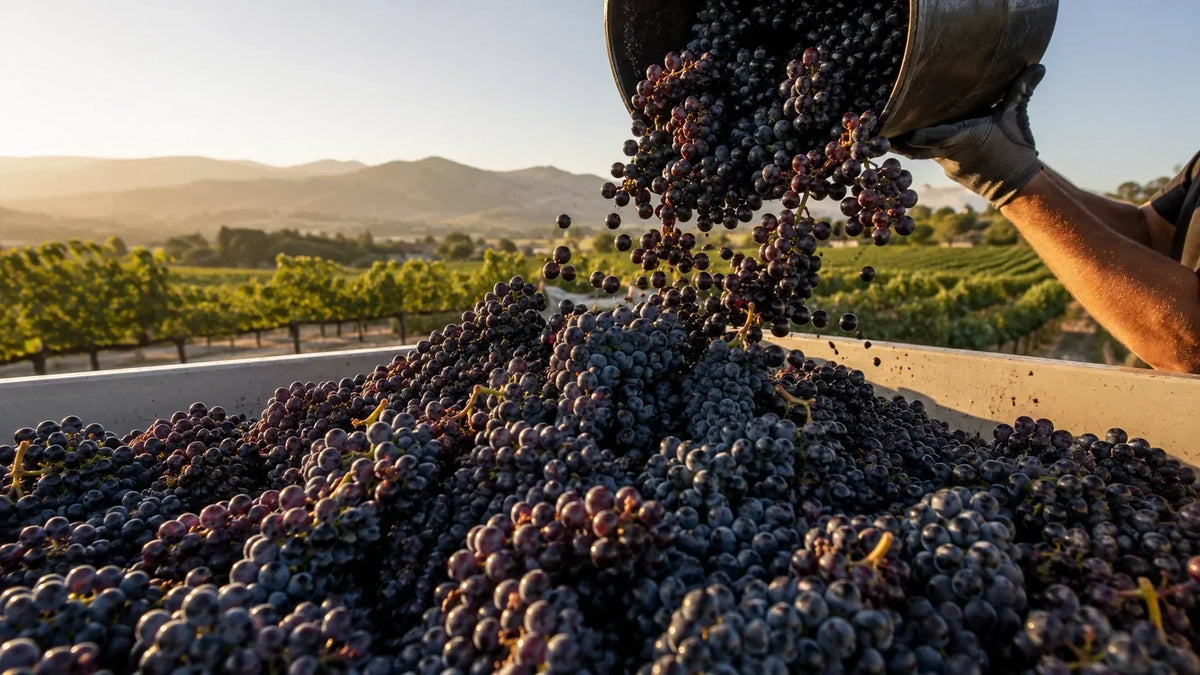
Because wine is like the ocean. It’s deep. It rewards the people who stay with it. Every bottle is a record of a specific place on earth — its soil, its altitude, its proximity to water, its centuries of agricultural decisions. It’s a record of a single growing year: the spring rains, the summer heat, the timing of the harvest. It’s a record of human choices — which grapes to plant, which traditions to honor, how long to age the wine, in what kind of vessel. When you know wine, you know geography. History. What the land tastes like. What the people who live there eat and why.
Tell me what you drink, and I’ll tell you something about who you are.
Wine Charts Human Civilization
This is what most people miss: wine isn’t just a beverage category. It’s a record of how humans have lived on this earth.
Wine regions exist where they do because of ancient trade routes, religious practice, and centuries of agricultural trial and error. The Romans carried viticulture across Europe. Medieval monasteries preserved and refined winemaking during centuries of political chaos. Phylloxera nearly destroyed European wine in the 19th century and forced a global reckoning with how vines were grown. Every region’s signature grapes evolved over generations — selected because they thrived in that specific climate, produced wine that suited the local food, and survived the local hazards.
Sangiovese in Tuscany. Garnacha across the sun-baked soils of Spain and Southern France. Riesling on the cool, steep slopes of the German river valleys. These aren’t just flavor profiles. They’re thousands of years of accumulated human knowledge encoded into agriculture.
When you start seeing wine this way, the insecurity evaporates — because you’re no longer trying to know the right answer.
You’re exploring. And exploration is a completely different relationship to a subject than anxiety. This is why at Bighammerwines.com our motto is “Join Us For Adventures in Wine!”
What You Drink Says Something About You

Consumer choices reveal identity. A Tesla says something about the person who drives it — about values, self-image, and how they want to be seen in the world. Wine works the same way, though more subtly and more interestingly.
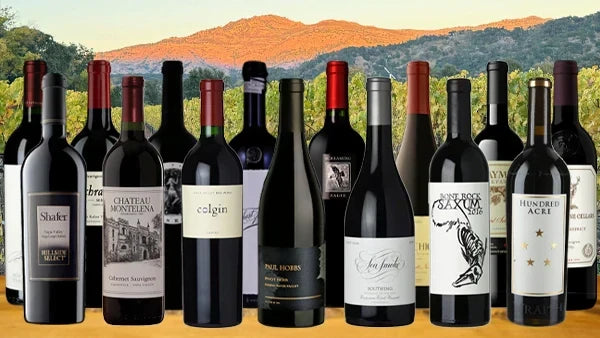
The person seeking out small-production wines from obscure Italian appellations is telling you something different about themselves than the person who always reaches for a brand-name Napa Cab. Neither choice is wrong. But both are meaningful. Our wine choices reflect our curiosity (or the absence of it), our relationship to tradition and novelty, and our willingness not already know the answer.
The person who says “I just drink what I like and I don’t care about any of that” is, in their own way, also telling you something.
Wine is deep enough to reward a lifetime of attention. It’s connected enough to human history and culture that understanding it changes how you see other things. The question isn’t “what’s your favorite wine?”
The question is: how much of the ocean are you willing to explore?
Mini-Glossary: Wine Terms for the Curious
Appellation: A legally defined wine-growing region — the name on the label tells you where the grapes were grown, and often what varieties were used and how the wine was made.
Terroir: The French concept that a wine’s character is inseparable from the specific place where its grapes were grown — soil, climate, topography, and local farming tradition.
Varietal: A wine made predominantly from one grape variety, named after that grape — Pinot Noir, Riesling, Sangiovese, and so on.
Vintage: The year the grapes were harvested. Growing conditions change every year — heat, rainfall, and harvest timing all shape the wine’s final character.
Old World: Wine regions with ancient winemaking traditions, primarily in Europe. Old World wines tend to emphasize place over grape variety on the label.
New World: Wine regions established more recently — the US, Australia, Argentina, Chile, New Zealand, South Africa. New World wines often lead with grape variety on the label.
Structure: The interplay of tannin, acidity, alcohol, and sweetness that gives a wine its backbone and determines how it will age.
Indigenous variety: A grape native to a specific region, often not widely planted elsewhere — Aglianico in Campania, Vermentino in Sardinia, Grüner Veltliner in Austria.
FAQs
1. Why is “what’s your favorite wine?” the wrong question?
Wine is too vast and too variable to reduce to a single answer. It changes with the vintage, the producer, the food, even the company. Asking a wine expert for their favorite bottle is like asking a surfer their favorite wave — the question doesn’t match the subject.
2. What should I ask a wine expert instead?
“What’s your favorite grape variety, and why?” or “Which wine region would you most want to visit?” Both invite a real conversation and tell you something meaningful about how the person thinks about wine.
3. Why do so many people feel insecure about wine?
Wine has a high barrier of specialist vocabulary and a culture of connoisseurship that can make it feel exclusive. Eric Asimov of the NY Times has noted that two out of three people feel insecure specifically when ordering wine in a restaurant. A curiosity-first approach is the cure.
4. What does “what you drink says something about who you are” mean?
Consumer choices reflect values, curiosity, and identity. The wines you seek out — or don’t — say something about your relationship to exploration, tradition, and the world the wine comes from. It’s not a judgment; it’s just true.
5. What’s a good first grape variety to learn?
Riesling. It grows across wildly different climates (Germany, Alsace, Australia, New York’s Finger Lakes), expresses terroir with unusual clarity, ranges from bone dry to lusciously sweet, and is chronically underrated — which means excellent bottles are often very affordable.
6. How does wine connect to history and culture?
Wine regions exist where they do because of ancient trade routes, religious practice, and centuries of agricultural experimentation. The grapes in each region were selected over generations to suit local soil and climate. Understanding a wine region means understanding something real about the people who live there.
7. How do I stop feeling intimidated by wine lists?
Replace “ordering correctly” with “finding something interesting.” Ask the sommelier what’s unusual or unexpected on the list. Curiosity is a more comfortable posture than anxiety — and it gets you better wine.
8. Do I need to spend a lot to drink interesting wine?
Not at all. Southern Italian varietals, Portuguese wines, German Rieslings at the Kabinett level, and Spanish Garnacha from Aragón offer genuine depth at approachable prices. The most interesting wine is rarely the most expensive.
9. Why does wine vary so much from year to year?
Grapes are an agricultural product, fully exposed to the weather. Spring frosts, summer heat, rainfall timing, harvest conditions — all of it shapes the finished wine. Vintage variation is part of what makes wine an endlessly interesting subject rather than just a consistent consumer product.
10. What’s the difference between Old World and New World wine?
Old World wines come from Europe’s ancient winemaking regions and tend to emphasize place — the label tells you where, and you’re expected to know what grows there. New World wines tend to lead with the grape variety. Both approaches produce great wine; the difference is in the philosophy and tradition behind the label.
Explore Further
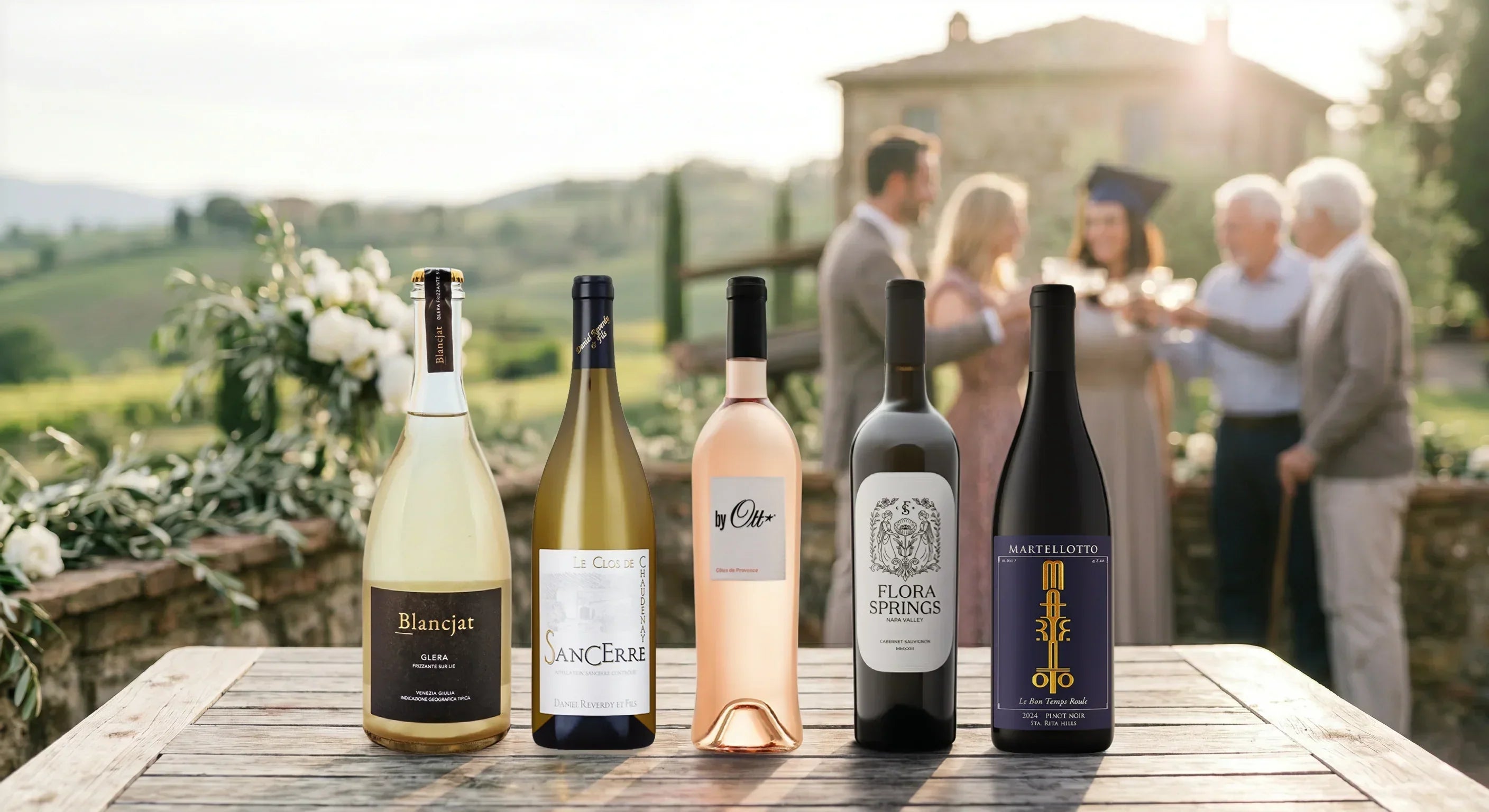
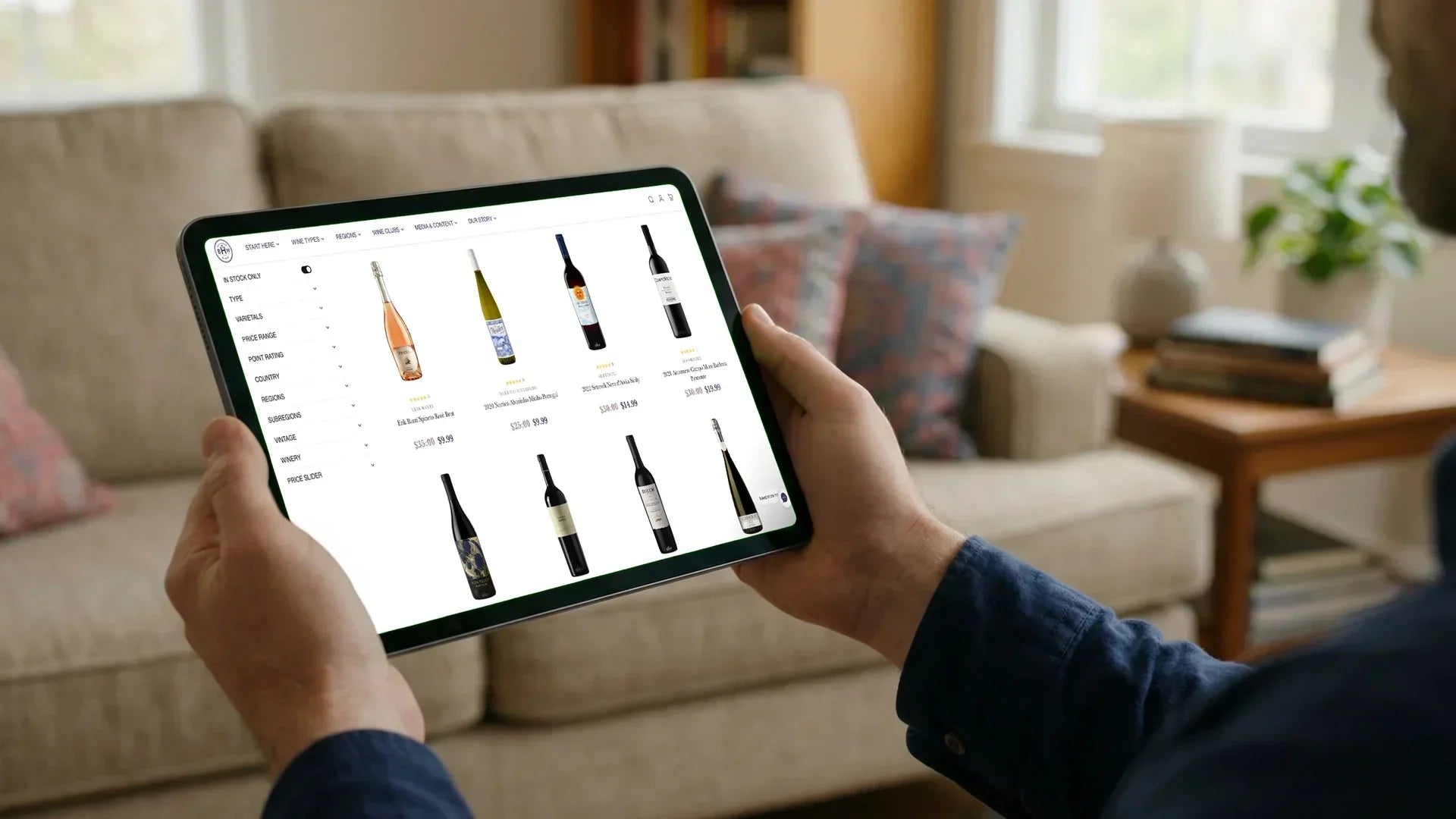
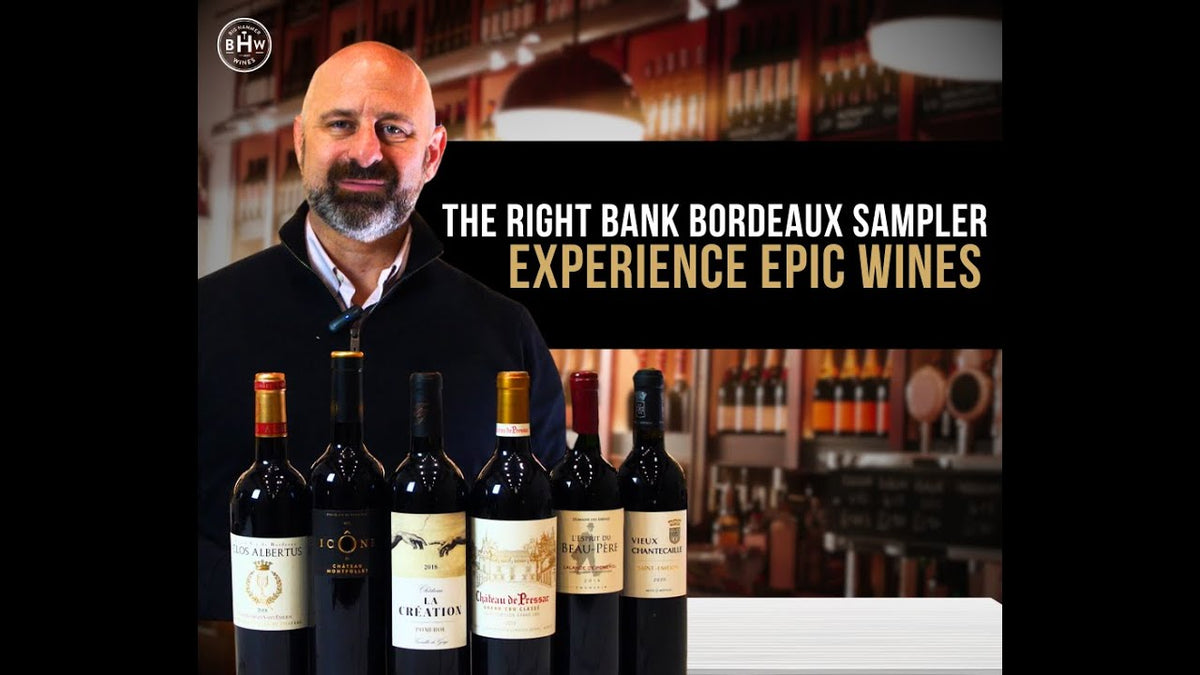
Ready to start exploring by grape and region rather than brand? Browse the full collection at Big Hammer Wines — it’s a better map than any single recommendation.
Prefer curated picks by text? The Text2Sip program is how I share what I’m actually finding worth drinking.












Share:
Art, Land, and Wine: What a Visit to Donum Estate Actually Feels Like
Celebrating International Women’s Day: Women in Business and Their Impact
Comments Section