

Key Takeaways
- German Riesling is not always sweet. The country produces world-class dry wines labeled "Trocken" alongside traditional off-dry and sweet styles.
- The Mosel region sets the standard. Steep slate slopes and hand-harvesting create wines with electric acidity and mineral depth.
- Alcohol level reveals sweetness. Higher alcohol (12%+) = drier; lower alcohol (7–9%) = sweeter, since residual sugar wasn't converted.
- Label terms guide your choice. Trocken = dry; Kabinett = lightest; Spätlese = late harvest; Grosses Gewächs = top-tier dry.
- High acidity makes wines taste drier. Even wines with 9–10 g/L residual sugar can taste dry when balanced by Riesling's natural acidity.
Why German Riesling Deserves Your Attention

When you think of Germany, beer probably comes to mind first. But Germany is also home to some of the best wines on the planet—and Riesling is the crown jewel.
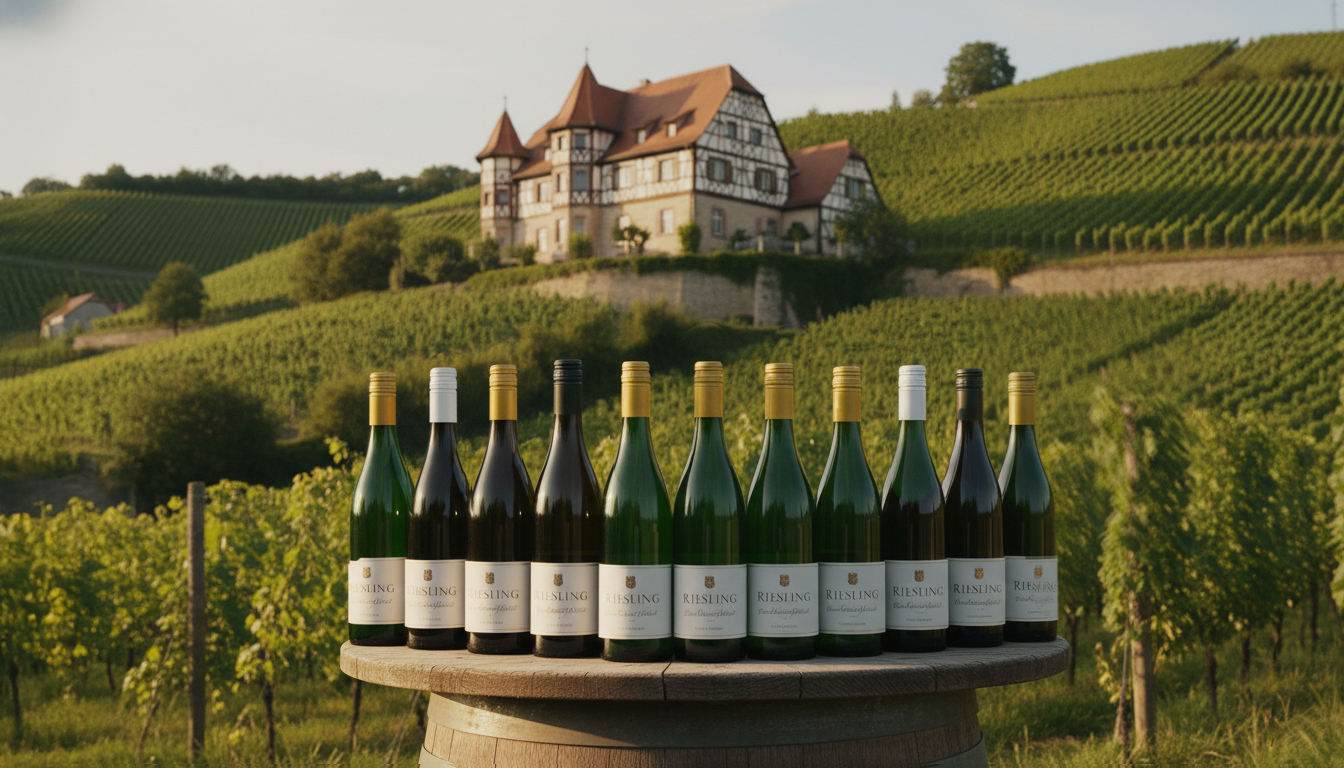
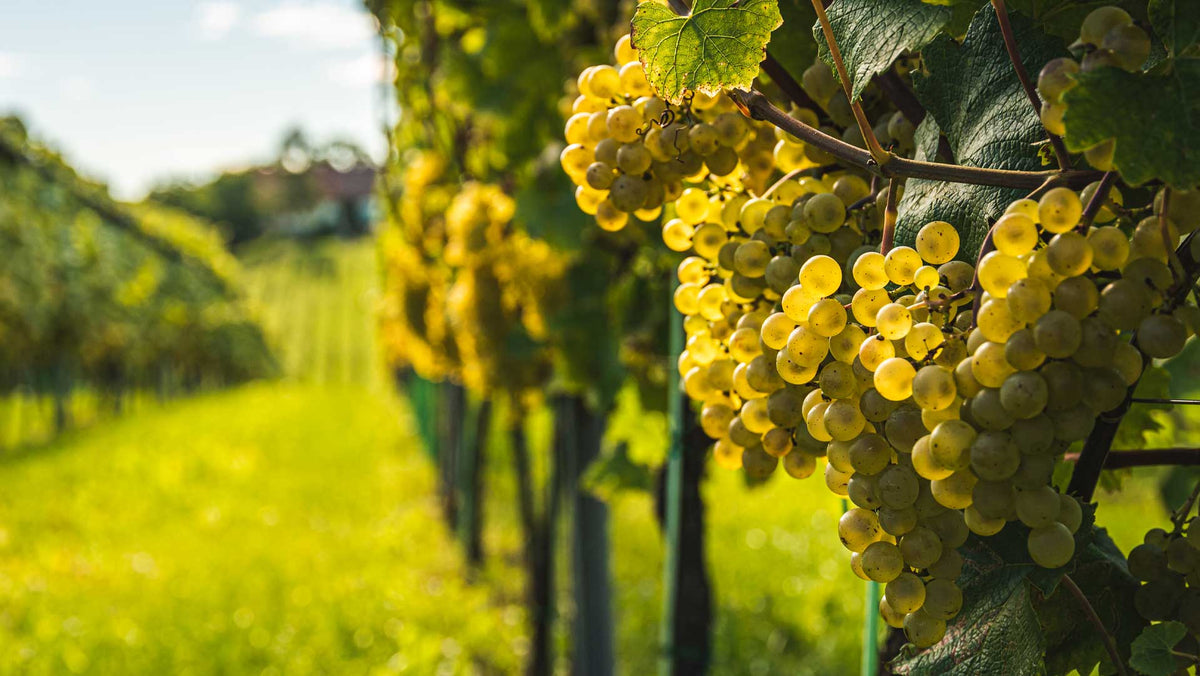
Riesling thrives in Germany's 13 wine regions, producing everything from crisp, bone-dry whites to honeyed dessert wines. The grape's calling card is its ability to reflect terroir—the specific combination of soil, slope, and microclimate that makes each vineyard unique. This transparency means a Mosel Riesling tastes distinctly different from one grown in the Rheingau or Pfalz.
The best German Rieslings also age remarkably well. That electric acidity that makes them so refreshing young transforms over 10–20 years into complex layers of honey, petrol (a signature Riesling note), and dried apricot. Few white wines can match this longevity.
The Mosel: Germany's Most Celebrated Riesling Region
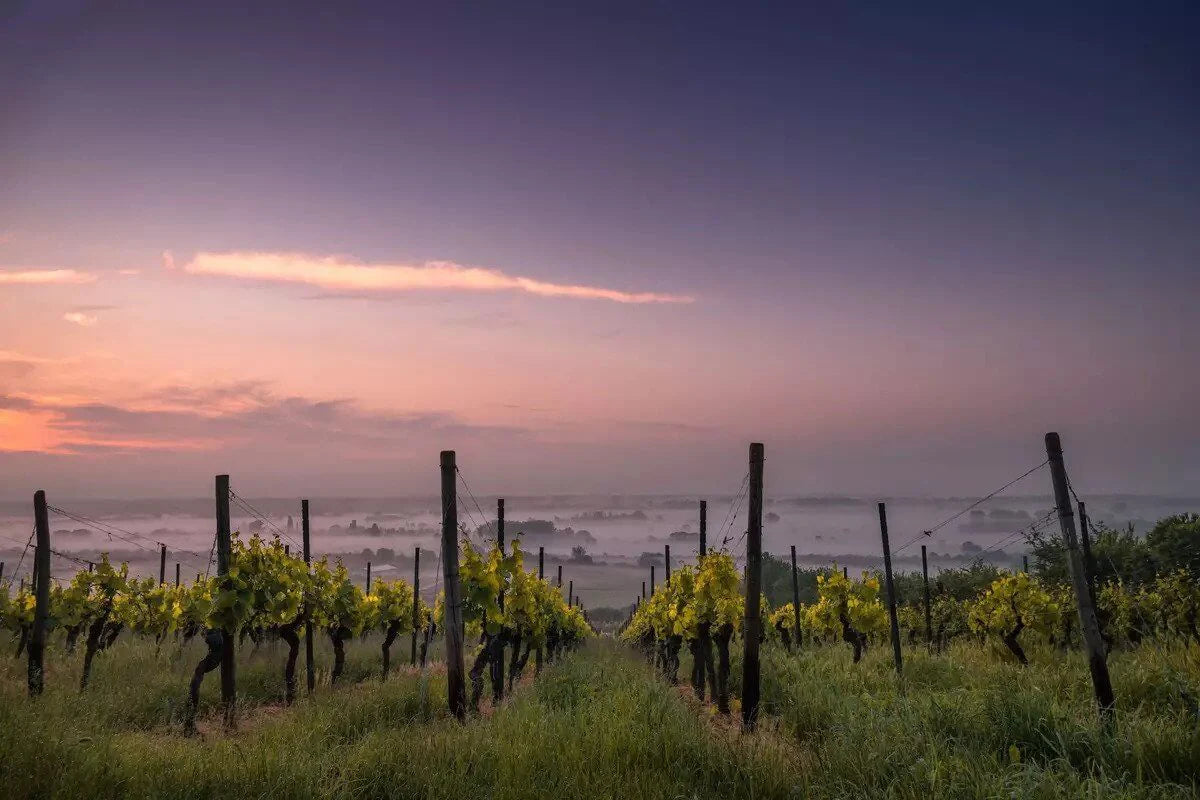
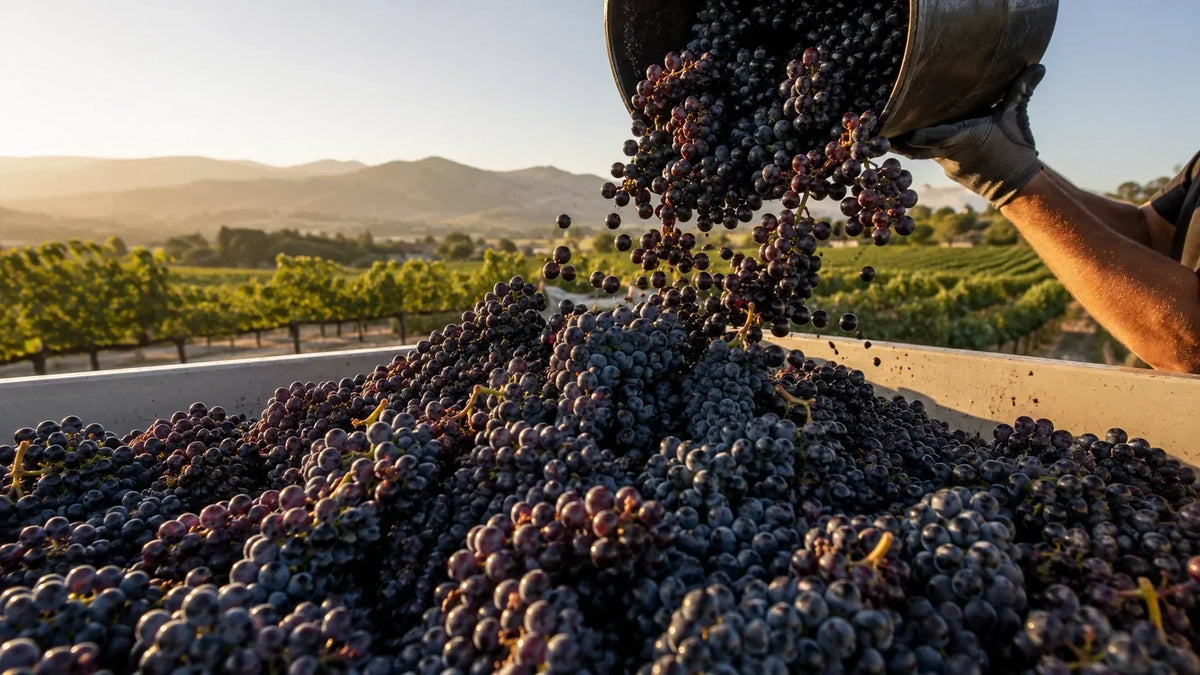
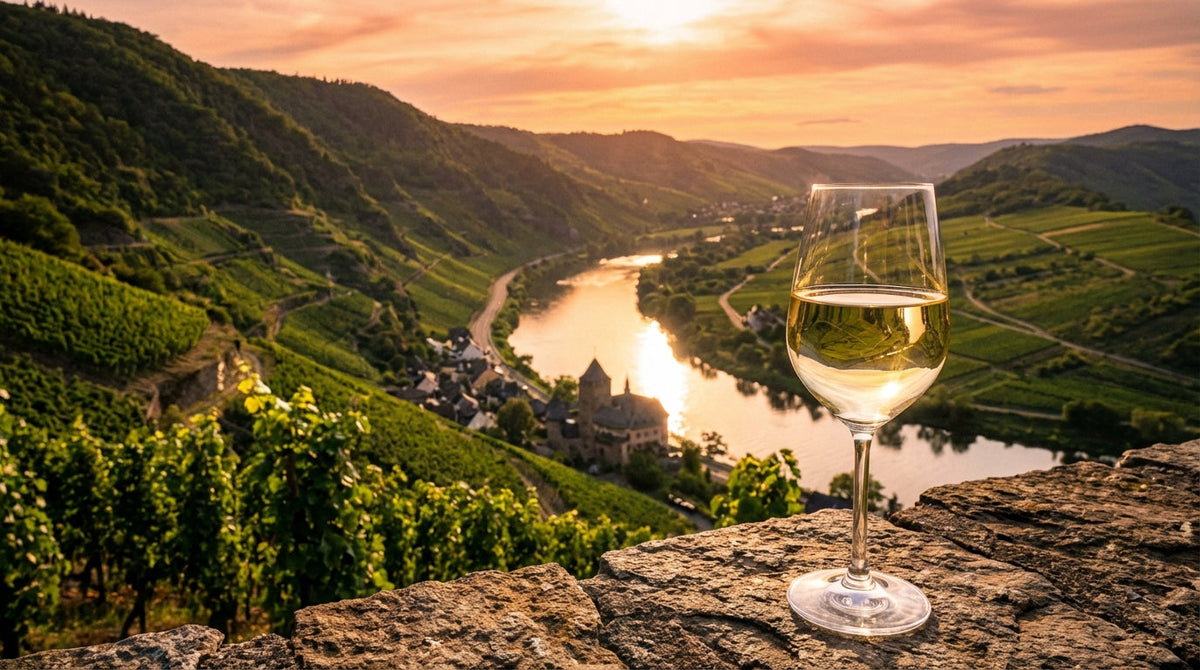
The Mosel River carves through western Germany, creating some of the world's most dramatic vineyard landscapes. Vines cling to slopes so steep—often 60 degrees or more—that machine harvesting is impossible. Everything must be done by hand.
"We have 98% steep slopes, so it's a lot of hand work," explains Christina Thanisch, who leads the historic Wwe Dr. H. Thanisch estate in Bernkastel alongside her mother. "We have never picked any grape by machine, which is really important for producing our wines."
The Thanisch estate represents living history in German wine. Founded in 1636, it has been led by women for five consecutive generations—a remarkable achievement in any industry, let alone one as traditional as winemaking. The "Wwe" in the estate's name stands for "widow" (Witwe), honoring Christina's great-great-grandmother, who took over the estate in 1895 at age 29 with three children.
"I'm leading the estate with my mom in the fourth and fifth female generation." Christina shares. "In total, I'm the 12th generation, but I'm the fifth female, so only women."
The estate produces around 50,000 to 60,000 bottles annually, all from their own vineyards. This meticulous approach—100% estate-grown grapes, hand-harvesting, and family oversight for nearly 400 years—produces wines that express the Mosel's signature character: delicate floral notes, orchard fruit, and that distinctive slate minerality that anchors the finish.
To see these dramatic Mosel slopes—and hear Christina share her story in her own words—watch our full interview from the estate below.
How to Tell If German Riesling Is Dry or Sweet
Here's the simplest rule for German Riesling: check the alcohol level. Higher alcohol
means the yeast converted more sugar into alcohol, leaving the wine drier. Lower
alcohol means fermentation stopped earlier, preserving sweetness.

"Mosel is a lot about tasting and not so much about analysis," Christina notes. "Sometimes you have 9 or 10 grams of sugar in a wine, but it's still tasting dry because we have a lot of minerality and a lot of acidity."
This interplay between sweetness and acidity is what makes German Riesling so food-friendly. The perceived dryness keeps the wine refreshing, while any residual sugar adds texture and balances spicy or salty dishes.
Decoding German Wine Labels: The Essential Terms

How to Choose: A 4-Step Decision Framework
Follow this simple process to find the right German Riesling for your needs:
Step 1: Decide on sweetness
- Want dry? Look for "Trocken" or "Grosses Gewächs" on the label.
- Open to off-dry? "Kabinett" or "Feinherb" offer food-friendly versatility.
- Prefer sweet? "Spätlese" or "Auslese" (without Trocken) delivers honeyed richness.
Step 2: Consider the occasion
- Aperitif or light meal: Kabinett's lower alcohol (often 7.5–11%) keeps things refreshing.
- Rich or spicy dinner: Off-dry Spätlese or Feinherb balances bold flavors.
- Serious wine dinner: Grosses Gewächs or Alte Reben wines show depth and complexity.
Step 3: Pick a region
- Mosel: Lighter, more delicate, pronounced slate minerality. Classic. Experience it firsthand with the 2022 Wwe Dr. H. Thanisch Bernkasteler Lay Kabinett.
- Rheingau: Richer, more structured, often stone-fruit driven.
- Pfalz: Warmer climate, fuller body, tropical notes.
- Nahe: Bridges Mosel elegance and Rheingau richness.
Step 4: Set your budget
- $15–30: Excellent Kabinett and entry-level Trocken wines.
- $30–60: Single-vineyard wines, Alte Reben, quality Spätlese.
- $60+: Grosses Gewächs, top vineyard sites, collectible bottles.
German Riesling Regions at a Glance

German Wine Glossary
Prädikatswein: Germany's highest quality classification. Wines cannot be chaptalized (no added sugar before fermentation).
Qualitätswein: Quality wine from one of Germany's 13 designated regions. The base level for serious German wine.
Einzellage: A single vineyard site. Wines labeled with an Einzellage name express specific terroir characteristics.
VDP: Verband Deutscher Prädikatsweingüter. An association of elite producers with strict quality standards and vineyard classifications.
Oechsle: German measurement of grape ripeness (sugar content). Higher Oechsle = riper grapes = potential for sweeter or higher-alcohol wine.
Residual Sugar (RS): Sugar remaining after fermentation, measured in grams per liter. Determines perceived sweetness.
Steep Slopes (Steillagen): Vineyards with gradients over 30%. Require hand harvesting and produce more concentrated wines.
Terroir: The complete natural environment of a vineyard—soil, slope, exposure, climate—that shapes a wine's character.
Frequently Asked Questions
1. Is German Riesling always sweet?
No. Germany produces excellent dry ("Trocken") Rieslings alongside traditional sweet styles. Many top producers now focus primarily on dry wines. Look for "Trocken" or "Grosses Gewächs" for guaranteed dry options.
2. What does Trocken mean on a German wine label?
Trocken means "dry" in German. By law, Trocken wines must have no more than 9 grams per liter of residual sugar, ensuring a dry taste profile.
3. How can I tell if a German Riesling is sweet or dry?
Check the alcohol level: wines above 12% are typically dry, while those around 7–9% are usually sweet. Also look for label terms—"Trocken" indicates dry, while "Kabinett" or "Spätlese" without Trocken are often off-dry to sweet.
4. What is Kabinett Riesling?
Kabinett is the lightest style in Germany's Prädikatswein classification. These wines are typically lower in alcohol (7.5–10%), with bright acidity and delicate fruit. They can be dry or off-dry.
5. What is Spätlese?
Spätlese means "late harvest." These wines are made from riper grapes picked about two weeks after the normal harvest, resulting in more body and often more sweetness than Kabinett wines.
6. What is Grosses Gewächs?
Grosses Gewächs ("great growth") is Germany's top classification for dry wines from elite vineyard sites. It's comparable to Burgundy's Grand Cru designation and represents the pinnacle of German dry Riesling.
7. Why is Mosel Riesling so highly regarded?
The Mosel's steep slate slopes, south-facing exposure, and cool climate create ideal conditions for Riesling. The wines are known for their delicate aromatics, electric acidity, and distinctive mineral character that comes from the slate soils.
8. What food pairs well with German Riesling?
German Riesling's acidity makes it incredibly food-friendly. Dry styles pair beautifully with seafood, chicken, and vegetable dishes. Off-dry Rieslings are exceptional with spicy cuisines like Thai, Indian, and Sichuan. Sweet Rieslings complement blue cheese and fruit desserts.
9. How long can German Riesling age?
Quality German Riesling is among the world's most age-worthy white wines. Kabinett and Spätlese can develop beautifully for 10–20 years, while Auslese and higher designations can age 30+ years. The acidity preserves freshness as the wine develops complex honey and petrol notes.
10. What does Alte Reben mean?
Alte Reben means "old vines," typically referring to vines 30 years or older. Older vines produce smaller yields with more concentrated flavors, resulting in wines with greater depth and complexity.
11. Is German Riesling a good value wine?
German Riesling offers exceptional value compared to other premium white wines. You can find excellent Kabinett wines for $15–25, quality single-vineyard bottles for $30–50, and world-class Grosses Gewächs for $50–90—often less than comparable Burgundy or top Napa whites.
12. What is the best German Riesling for beginners?
Start with a Kabinett from the Mosel region. Its lighter body, moderate sweetness, and approachable character make it an ideal introduction to German wine. Look for producers like Thanisch, Dr. Loosen, or Selbach-Oster.
13. What temperature should I serve German Riesling?
Serve German Riesling well-chilled at 45–50°F (7–10°C). Sweeter styles can be served slightly colder, while complex dry Rieslings benefit from warming slightly in the glass to reveal their full aromatics.
14. Why do some Rieslings smell like petrol?
The petrol or kerosene aroma in aged Riesling comes from a compound called TDN, which develops naturally as the wine matures. While it may sound off-putting, wine enthusiasts consider it a desirable characteristic that adds complexity to aged German Riesling.
Ready to Explore German Riesling?
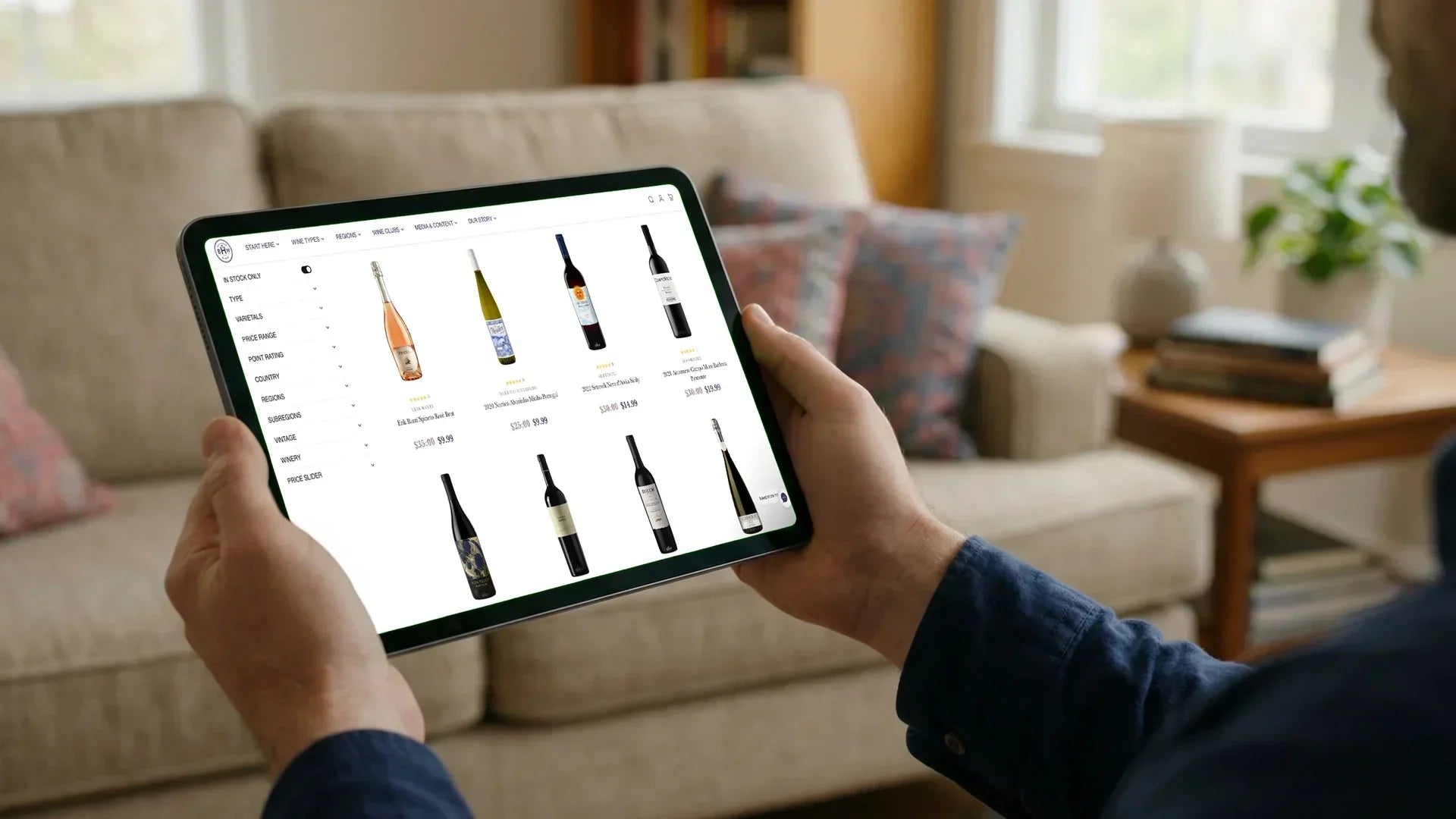
Browse our curated wine selection of German Rieslings, from historic Mosel estates, and discover bottles from producers like Wwe Dr. H. Thanisch, Markus Molitor, and Robert Weil.
Prefer personalized recommendations delivered straight to your phone? Apply for Text2Sip—our founder-only text club—and get first access to new arrivals and limited allocations.
















Shop German Riesling – Dry, Off-Dry & Sweet
SHOP COLLECTIONShare:
How to Open a Wax-Sealed Wine Bottle (3 Easy Methods)
Authentic Bolognese, the BHW Way — Why It's Nothing Like What You've Been Making
Comments Section