

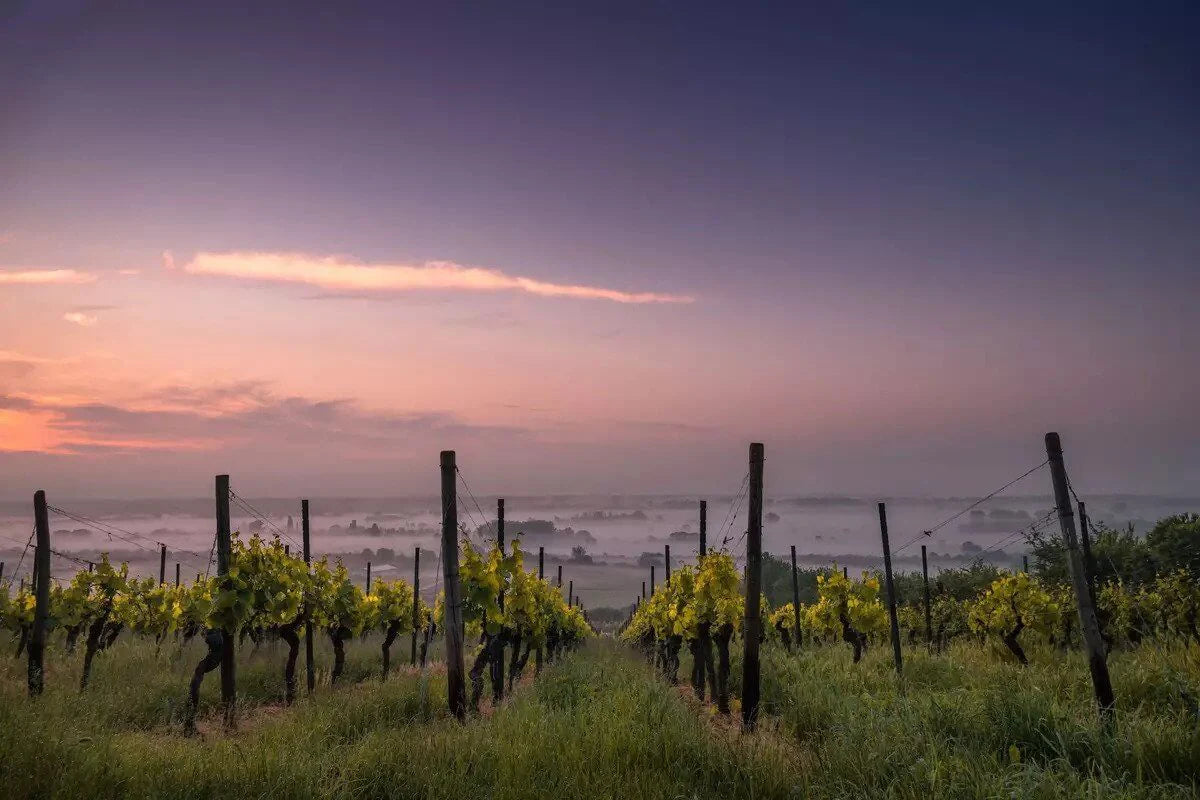

Women winemakers are reshaping the global wine industry through organic farming, terroir-driven winemaking, and family-led estate management.
From California's Russian River Valley to Sicily and Spain's Priorat, female founders and lead winemakers are producing critically recognized wines while championing sustainability.
International Women's Day highlights their growing influence across every facet of wine — from vineyard to bottle.
Key Takeaways
- Women now lead approximately 14% of California wineries as head winemakers — up from 10% in 2011 — and the percentage of top-rated wines from women-led wineries continues to climb.
- Women-owned and women-led wineries are disproportionately focused on organic farming, minimal-intervention winemaking, and sustainability.
- Kim Ketcham (Ketcham Estate, Russian River Valley, CA) crafts small-batch Pinot Noir and Chardonnay with an emphasis on terroir and sustainable farming.
- Giovanna Tano (Colle Nero, Sicily) blends modern technique with native Sicilian grape varieties to produce authentic, organic wines.
- Maria Sangenís i Vaqué and her sister Núria (Sangenís i Vaqué, Priorat, Spain) use century-old family vines and organic farming to create unfined, unfiltered wines that are among the most authentic expressions of the Priorat DOQ.
International Women's Day honors the social, economic, and political achievements of women worldwide. This day highlights the incredible strides women have made in every field, including business, where women have increasingly taken on leadership roles. Women in business continue to break barriers, showing that gender is not an obstacle to success. CEOs, entrepreneurs, and leaders are proving their power and resilience.
In the wine industry — historically male-dominated — the transformation is particularly striking. Women are now managing major estates, founding award-winning wineries, and reshaping the philosophy of what fine wine should be. Their focus on organics, authenticity, and family heritage is changing not just what goes into the bottle, but what the bottle stands for.
Women in Business: Shaping the Future of the Wine Industry

The wine industry, once dominated by men, has seen a remarkable shift in recent years. Women are taking on leadership roles and producing some of the world's finest wines — from winemaking and vineyard management to business strategy and marketing. Their fresh perspectives are changing the way we think about wine and its production.
This growing influence reflects a broader cultural shift. Women in wine tend to prioritize sustainability, quality, and a deep connection to the land — values that are increasingly aligned with what modern wine consumers care about most. A 2020 study by the Santa Clara University Women Winemakers project found that approximately 14% of California wineries reported a woman as their lead winemaker, up from 10% in 2011. More tellingly, studies show that wineries with lead women winemakers receive critical scores proportionally greater than their representation in the field.
Three Women-Led Wineries Worth Knowing

Ketcham Estate (Russian River Valley, USA)

Ketcham Estate, located in California's Russian River Valley, is led by Kim Ketcham, a passionate winemaker and entrepreneur. Kim and her husband founded the winery with a vision to create small-batch, high-quality wines.
Today, Kim oversees all aspects of winemaking, from grape-growing to crafting exceptional Pinot Noir and Chardonnay. Ketcham Estate is known for its dedication to sustainable farming practices and terroir-driven wines. Under Kim's leadership, the winery has earned recognition for its high quality and commitment to the land.
Explore Ketcham Estate at Big Hammer Wines: Browse Ketcham Estate →
Colle Nero (Sicily, Italy)

Giovanna Tano leads Colle Nero, a family-owned winery in Sicily, Italy, focused on organic farming and sustainability. Giovanna blends modern winemaking techniques with traditional practices to create wines that reflect the island's unique terroir. Colle Nero's wines, made from native Sicilian grape varieties, are celebrated for their authenticity and quality. Under Giovanna's leadership, the winery has earned a reputation for innovation and environmental responsibility — a model for the future of Italian artisan winemaking.
Discover Colle Nero wines at Big Hammer Wines: Shop Colle Nero →
Sangenís i Vaqué (Priorat DOQ, Spain)

Few stories in European winemaking are as deeply rooted — or as inspiring — as that of Maria Sangenís i Vaqué. The Sangenís i Vaqué winery traces its origins to the 18th century, when the family first produced wine in the Priorat, one of Spain's most celebrated and demanding wine regions. Maria's parents, Conxita and Pere, officially founded the modern Bodega Sangenís i Vaqué in 1978, surviving decades of hardship by selling wine in bulk and farming olives and nuts alongside the vines.
As of 2023, Maria has been joined in the winery by Núria, one of her sisters, expanding the family presence and deepening the collaborative spirit that has always defined Sangenís i Vaqué. The profile of this winery was included in the Santa Clara University Women Winemakers project, a comprehensive resource documenting the contributions of lead women winemakers in California and beyond.
Their wines are a testament to what women in wine look like when given both the space and the heritage to excel: pure, traditional, and unmistakably of their place.
Taste it for yourself — available exclusively through Big Hammer Wines: 2016 Sangenís i Vaqué Coranya Priorat DOCa →
How to Identify a Truly Artisan Women-Led Winery: A Quick Checklist
|
Decision Framework for the Wine Curious
|
The Path Forward
Women like Kim Ketcham, Giovanna Tano, Maria Sangenís i Vaqué, and her sister Núria are more than standout individuals — they represent a growing movement. Women are becoming more involved in every aspect of winemaking, from vineyard management to cellar work to marketing and sales. This shift is contributing to a more diverse, innovative, and sustainable global wine industry.
On International Women's Day, we celebrate their contributions not just as a matter of fairness, but as a recognition of quality. The evidence is clear: wines from women-led estates punch above their weight at every major critical rating. The future of winemaking looks brighter with more women leading the way.
Mini-Glossary: Key Terms for Understanding Women in Wine

Frequently Asked Questions
1. What is International Women's Day and why does it matter to the wine industry?
International Women's Day (March 8) is a global celebration of women's social, economic, and political achievements. In the wine industry, it's an opportunity to recognize the growing influence of female winemakers, estate owners, and vineyard managers who are reshaping the quality and character of wine worldwide.
2. How many women are lead winemakers in California?
Approximately 14% of California wineries reported a woman as their lead winemaker in a 2020 study by the Santa Clara University Women Winemakers project — up from 10% in 2011. Research shows these wineries receive critical praise proportionally greater than their representation in the field.
3. What is Ketcham Estate known for?
Ketcham Estate, based in California's Russian River Valley, is known for small-batch, terroir-driven Pinot Noir and Chardonnay crafted by founder and winemaker Kim Ketcham. The winery emphasizes sustainable farming and meticulous attention to quality throughout the growing and production process.
4. Who runs Colle Nero winery in Sicily?
Colle Nero is led by Giovanna Tano, a winemaker committed to organic farming and preserving Sicily's native grape varieties. She combines modern technique with traditional Sicilian winemaking, producing wines known for their authenticity and regional expression.
5. Who is Maria Sangenís i Vaqué?
Maria Sangenís i Vaqué is the lead winemaker and owner of Bodega Sangenís i Vaqué in the Priorat DOQ of Catalonia, Spain. She has carried forward an 18th-century family winemaking tradition, farming entirely organically and producing unfined, unfiltered wines from her family's old-vine estate vineyards. As of 2023, she has been joined in winemaking by her sister Núria.
6. What makes Sangenís i Vaqué wines distinctive?
Sangenís i Vaqué produces approximately 25,000 bottles per year using only estate-grown, hand-harvested grapes farmed organically. The wines are aged in French and American oak for 12 months and bottled without fining or filtration — a commitment to purity that reflects both the family's philosophy and the unique terroir of the Priorat.
7. What is the Priorat wine region known for?
The Priorat (Priorat DOQ in Catalan) is one of only two Spanish wine regions with DOQ/DOCa status. Known for its unique llicorella (black slate) soils and steep, terraced vineyards, the region produces intensely concentrated red wines — primarily from Garnacha and Cariñena — with exceptional aging potential.
8. Are women-led wineries more likely to farm organically?
Research and observation suggest a strong correlation. Many of the most noted women winemakers — from the Priorat to Sicily to California — have prioritized organic and biodynamic farming as a core part of their winemaking philosophy, reflecting a broader commitment to land stewardship and long-term quality.
9. How can I find wines from women-led producers?
Look for estate-bottled wines with named women listed as winemaker or owner. Resources like the Santa Clara University Women Winemakers database document lead women winemakers globally. At Big Hammer Wines, our curation prioritizes family-owned and artisan producers — many of whom are women leading their estates with exceptional results.
10. What role do women play in the global wine industry today?
Women today occupy roles at every level of the wine industry: as lead winemakers, vineyard managers, estate owners, sommeliers, and educators. Their increasing presence is correlated with a rise in organics, sustainability practices, and critical recognition — signaling not just greater representation, but measurably greater impact.
Explore More from Big Hammer Wines
Browse our curated selection of artisan, family-owned wines: Explore All Wines
Prefer VIP-style offers and first access to arrivals? Apply for Text2Sip — Greg's founders' text club.




















Share:
Stop Asking Me What My Favorite Wine Is
The Best Cocktail I've Ever Created (And Why It Works)
Comments Section