

If you travel to Europe often and still haven't made it to Croatia, it's worth asking why not.
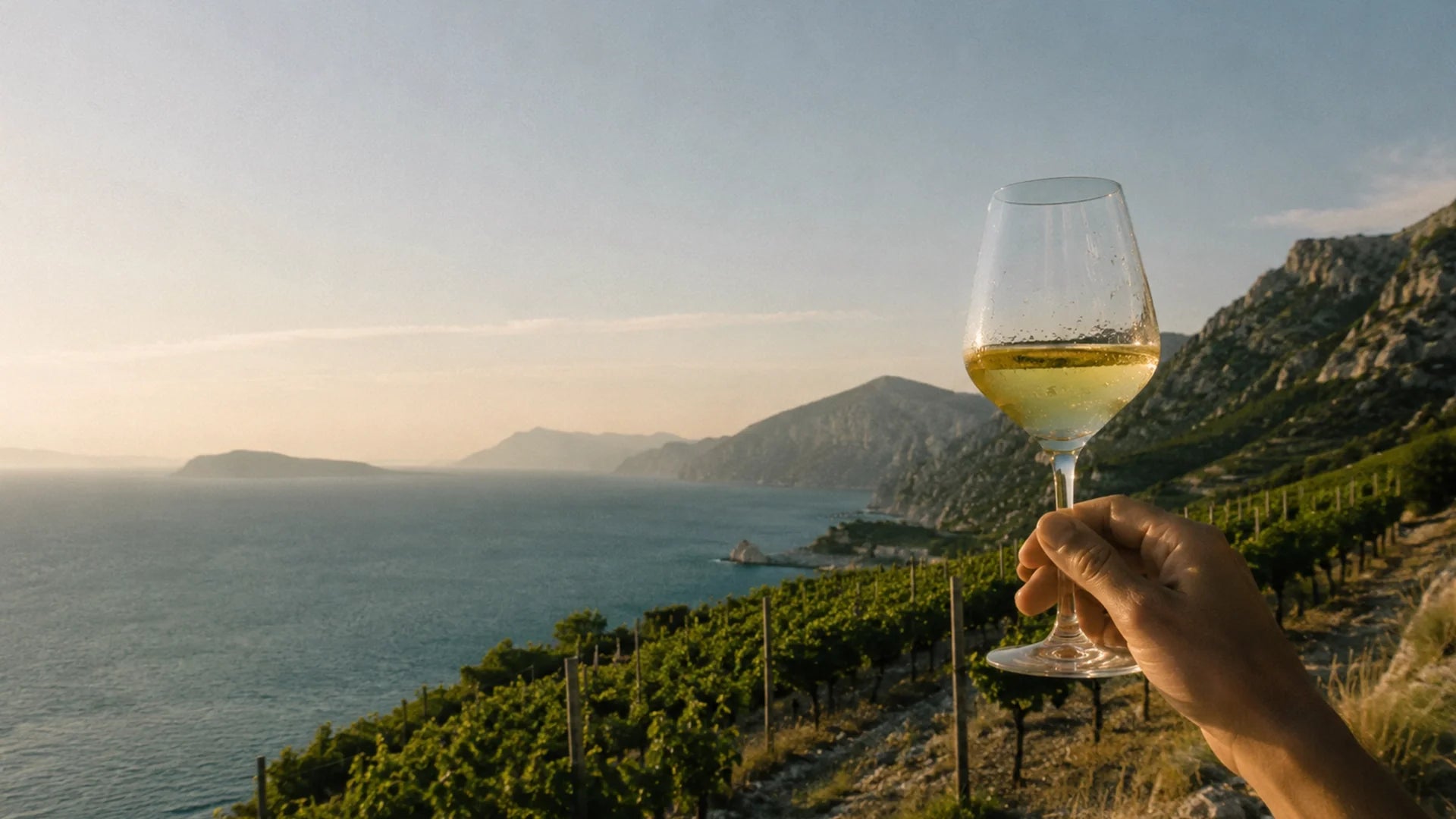
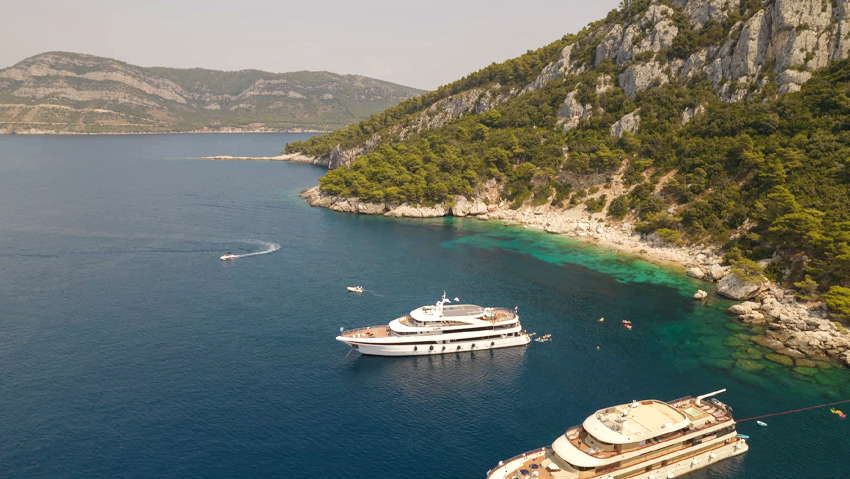
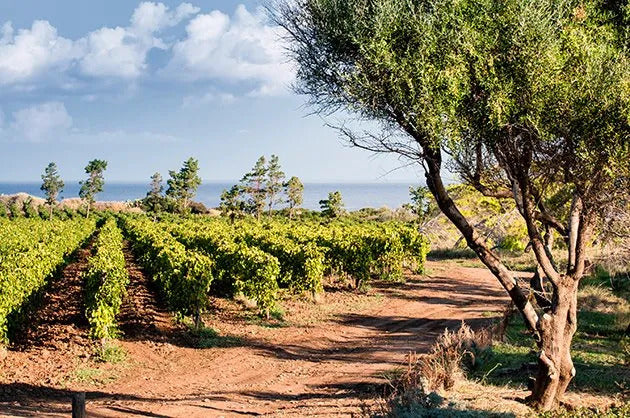
This stretch of the Adriatic is one of the most beautiful coastlines in the region, and since Game of Thrones filmed King's Landing in Dubrovnik, the tourists have followed. But most visitors come for the water and miss the wine, and that's a mistake.
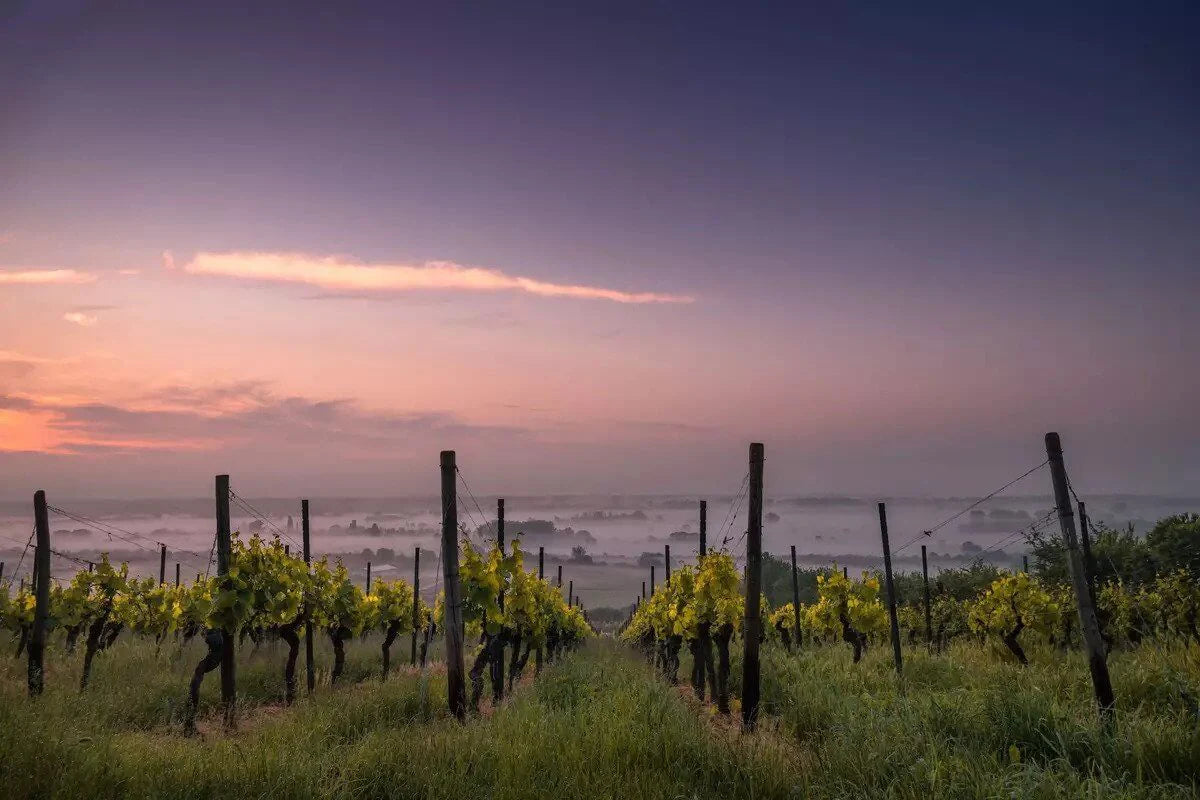
Croatia has real credentials for grapes. The C-shaped country sits on the same latitudes as Italy, from Trieste and Venice down to Abruzzo, and southern France, and vines have grown here since before the Romans.
It rarely makes anyone's shortlist of great wine countries. It should. Here's a plain guide to the grapes, the regions, and what to look for.

The History of Croatian Wine
Vines reached this coast early. Greek settlers were cultivating them on the Dalmatian islands well over two thousand years ago, and by the time Rome ran Europe, Croatia was already a serious wine source. Some evidence points back further still, into the Bronze Age.
The Ottomans restricted alcohol across the region from the 15th century, and the wine scene didn't fully resurface until the 19th, only to get hammered by phylloxera like everywhere else.
Then came communism in the mid-20th century, when production chased quantity over quality, and much of the wine went to Russia. So while Croatia's winemaking roots are ancient, the modern industry is one of Europe's youngest. The country only became independent in 1991.
Croatia’s Wine Industry

Croatia is white-wine country. Most of what it makes is dry white, with reds a distant second, and the whites are the reason to pay attention. This is not a volume player. Croatia sits well down the global production rankings and makes a tiny fraction of what France, Spain, or Italy turn out in a year.
Since independence, wine has become a real part of the economy, and wine tourism is booming. Croatians drink most of what they make and then some; the country imports far more wine than it exports. Given all that coastline, the food leans hard on fish and seafood, which is exactly what those crisp local whites were built for.
Wine Grapes in Croatia
Croatia grows over 80 grape varieties, and some of the best are locals you won't find anywhere else.
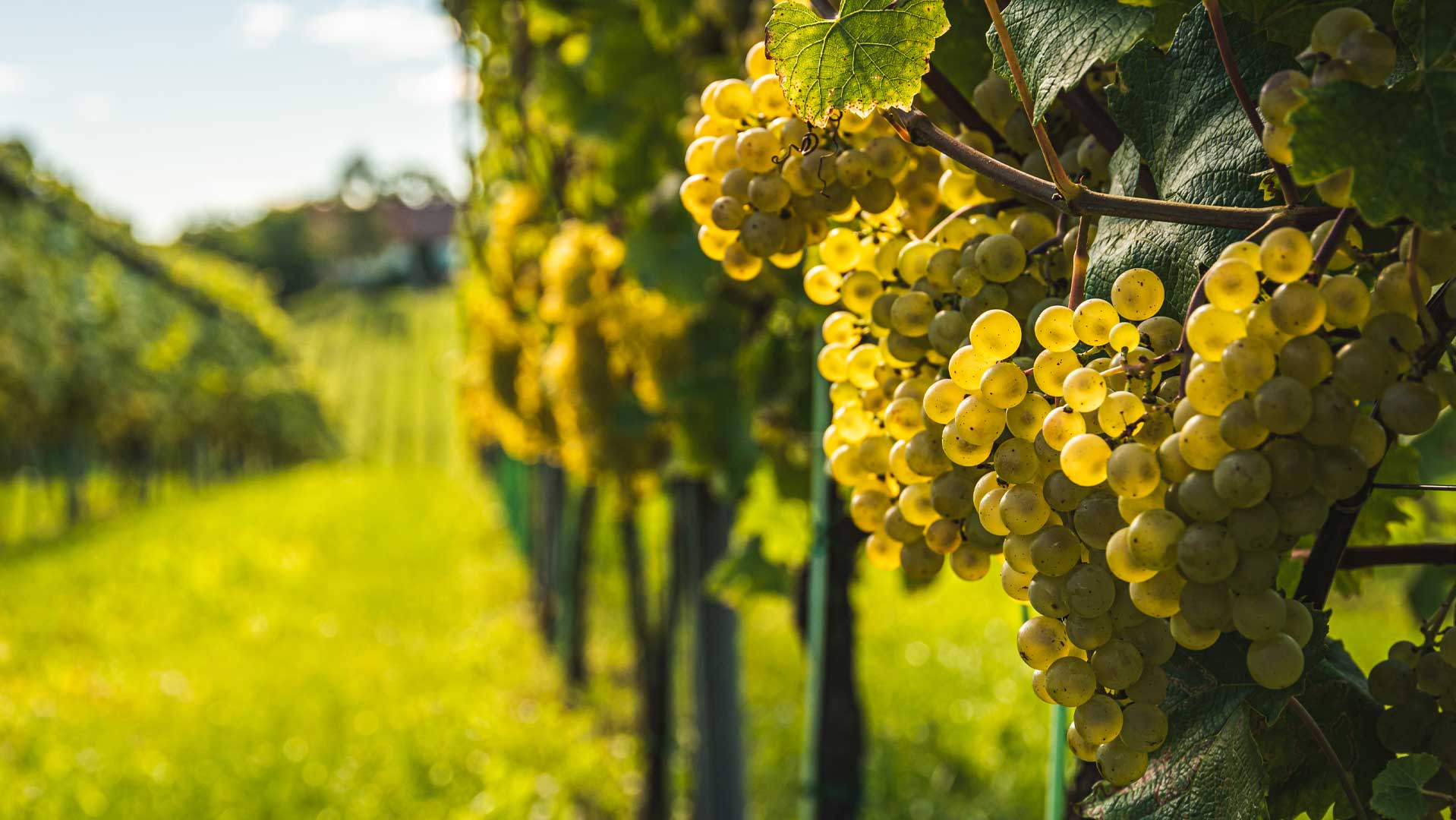
Malvasia Istriana is the white you're most likely to see, from the Istrian peninsula in the northwest, a short drive from Trieste. It's a different animal from the aromatic Malvasia of Italy's Collio. At the simple end it's easy table white; in the right hands, and especially aged in French oak, it turns serious and can hold for a decade or more. The reserve versions we've tasted were the standouts.
Grk is the one with the odd name, from the island of Korčula. High-acid, faintly briny, with a hint of pine, its name comes from the Croatian word for "bitter." Botanical quirk: the vine has only female flowers, so growers interplant it with a pollinator like Plavac Mali. Worth seeking out.
Pošip, also from Korčula, is the white you'll see on every coastal restaurant list. Light to medium-bodied, usually fermented in stainless and meant to drink young, with bright lemon-lime citrus and a touch of spearmint. Easy to recommend.
Graševina (Welschriesling) is one of Croatia's most-planted whites, lightly aromatic and high in acid. Other locals worth a mention: Bogdanuša and Vugava.
Plavac Mali is the signature red, and a tricky one. It ripens unevenly and tends toward rustic, robust wines with moderate tannin and dried-strawberry, dried-cherry fruit. It's a favorite around Dubrovnik, but it doesn't always age gracefully, and too many "Reserve" bottlings get buried in oak.
Crljenak Kaštelanski is the one to name-drop: DNA proved it's the same grape as Primitivo in Italy and Zinfandel in California. Zinfandel is Croatian.
International grapes are here too, Cabernet, Merlot, Chardonnay, Sauvignon Blanc, Riesling, offering a more familiar angle on the coast. We even found a genuinely good Pinot Noir from north-central Croatia on a recent visit.
Croatia’s Wine Regions
Croatia splits into two worlds, divided by mountains. The coast, Primorska Hrvatska, running down Dalmatia and Istria, is where the best-known wines come from. Inland is Continental Croatia, hillier and colder, divided into Eastern and Western zones.
That interior is a patchwork of micro-climates and altitude, and while it's still early to say which subregions will break out, good wine is turning up all over.
Wine Laws in Croatia
Croatia is still building its own appellation system, so you won't see AOP or IGP tiers yet. What you will see are quality grades.
Vrhunsko Vino is the top: premium, concentrated wines. Kvalitetno Vino is solid mid-quality for casual drinking. Stolno Vino is table wine. And Arhiv is the Croatian version of Reserve, usually the cellar-worthy bottles.

Croatian Wine, A Hidden Gem

Croatia doesn't have the name recognition of its neighbors, but the talent is there and the wines are genuinely good across every style. The value is excellent, and it's a fresh, distinctly Croatian take on the Mediterranean. Add a few bottles to your rotation if you can track them down.
We taste thousands of wines a year looking for quality and value. When a Croatian bottle clears our bar, it earns a spot on the shelf.




















Shop Our Croatia Collection
SHOP COLLECTIONShare:
The Best Burgundy Vintages in the Past 20 Years
Bordeaux Travel Guide 2024: Walking Tour in Bordeaux City - Local's Ultimate Food & Wine Insider Tips
Comments Section