


At a recent national wine retailer conference, one statistic kept coming up:
Wine consumption in the U.S. has declined about 1–2% per year since 2021.
If you stop reading there, which is where most people stop, it sounds ominous.
But here’s the reality:
- Wine isn’t disappearing.
- Average wine is losing ground in grocery stores where Nielsen tracks sales.
- And that’s not the same thing.
Why Are the Numbers Softening?
There are real forces at work:
-
Inflation and higher interest rates
-
Younger consumers are drinking less alcohol
-
Cannabis is replacing some drinking occasions
-
GLP-1 medications reduce overall appetite and consumption
- Public health messaging is increasingly promoting zero alcohol as the only “safe” choice
That’s the landscape shaping current wine industry trends.
But here’s what the headlines don’t capture:
Once people truly discover great wine, they don’t walk away from it.
Wine is sticky. And, anyone who drinks wine sees healthful people living healthier lives than beer or liquor drinkers.
Beer trends shift.
Hard seltzers boom and fade.
RTDs come and go.
Spirits just taste the same all the time.
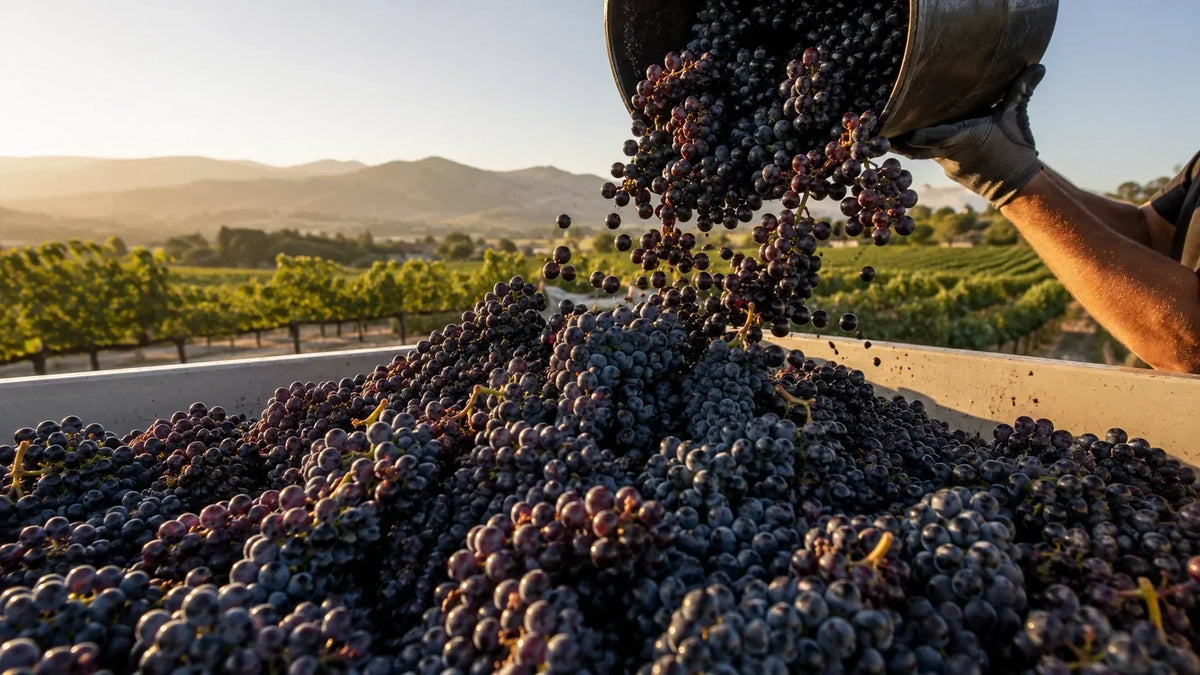
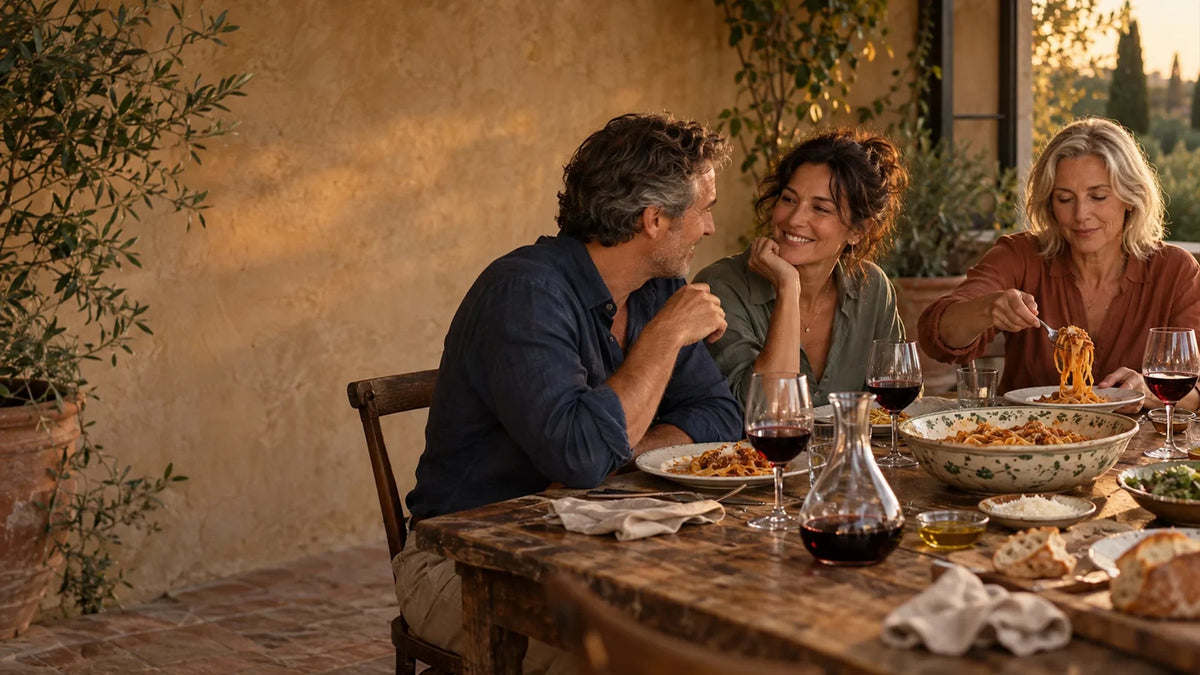
But wine — real wine — becomes part of how people celebrate, gather, cook, and mark life’s milestones. And, it’s the most wonderful fermented beverage in the world, produced from one of the most important agricultural products in the world - grapes.
Is the Wine Industry in Decline?
Wine has survived far worse. Let’s zoom out.
Wine has been part of civilization for thousands of years.
Ancient Greeks drank it.
Romans traded it across continents.
Monasteries preserved viticulture through the Middle Ages.
Entire regions of Europe were economically built around it.
It survived:
- Plagues
- Wars
- Empires rising and falling
- And yes — Prohibition
A 1–2% annual dip in modern consumption is not an existential crisis.
It’s a market adjustment.
Wine isn’t going anywhere.
The Premium Wine Market vs. Mass Retail

The American Cheese Problem
Here’s what is happening: consumers are getting more selective.
Think about food.
If you’ve only ever eaten processed American cheese, you may not know what you’re missing.
But once you taste a properly aged British cheddar?
You don’t go back.
Same with tomatoes.
Winter grocery-store tomatoes are hard as baseballs and taste like nothing.
A vine-ripe August tomato? That’s an entirely different experience.
Wine works the same way.
A large portion of what sits on grocery shelves is what I call:
Committee Wine.
Made by consensus. Sold by volume. Designed to offend no one.
It’s engineered to be acceptable. It’s a paint-by-numbers wine.
Not memorable.
Not worth talking about the next day.
When consumers pull back, they’re often pulling back from mediocrity — not from wine itself.
This divergence is one of the most important shifts shaping today’s wine market.
How the Three-Tier Distribution System Shapes Wine Market Trends
Have you ever noticed how the same brands appear in:
- Grocery stores
- Big liquor chains
- Gas stations
- Hotel banquet halls
That’s not a coincidence.
The U.S. three-tier distribution system has consolidated heavily over time. A half dozen large distributors control enormous shelf space, and national brands dominate because they simplify logistics and scale. It’s basically an oligopoly.
Distribution consolidation remains a structural force shaping wine industry trends in 2024.
You see those same bottles everywhere, not because they’re the best. But because they’re the easiest to distribute.
That’s a very different thing.
The Rise of Experience-Driven Wine Buying

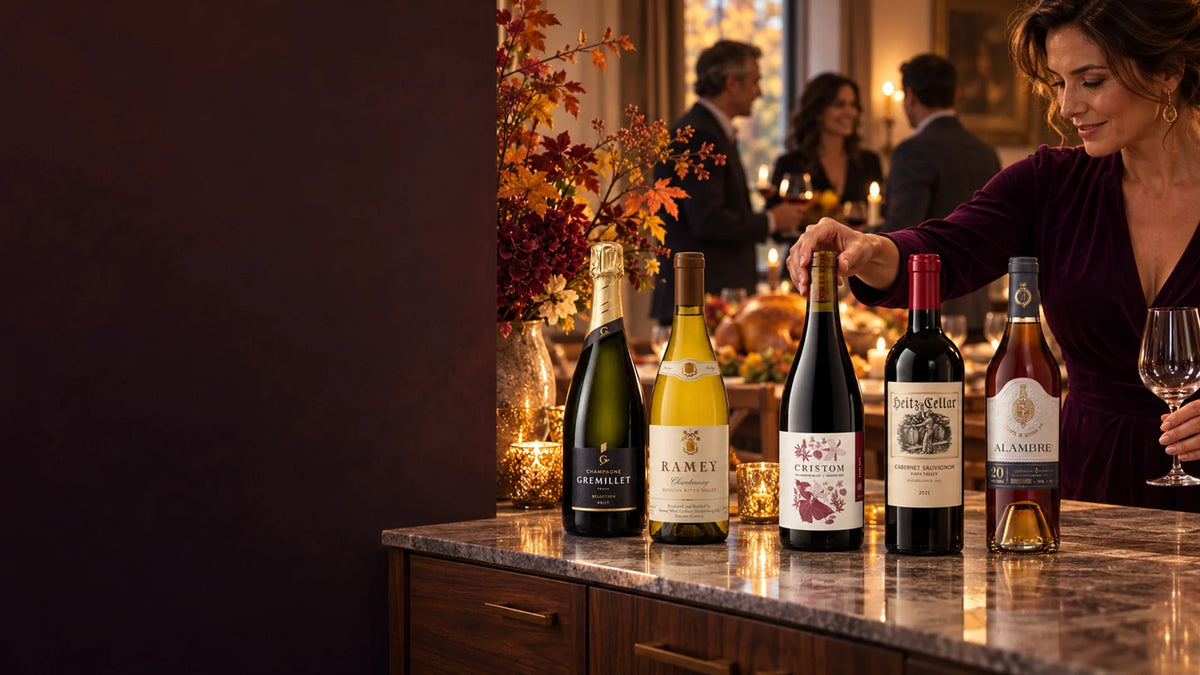
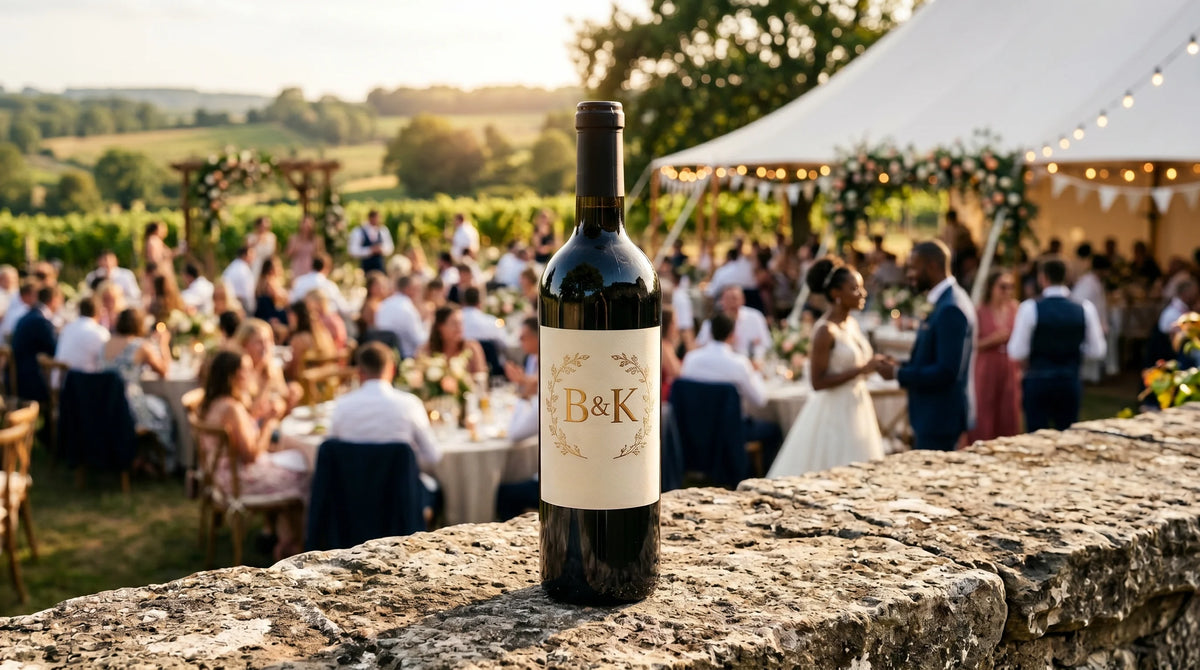
Recently, a client asked us to curate wines for his daughter’s wedding.
He didn’t want generic banquet wine; he wanted the wines to match the rhythm of the evening:
- Bright whites for the cocktail reception
- A refined white for the first course
- Structured reds for the main
- Something celebratory for toasts
- A playful dessert pairing
Guests couldn’t stop talking about the wines. That’s the difference between “wine as a beverage” and wine as an experience.
Cheap event wine fills glasses. Thoughtful wine elevates moments.
The Future of the Wine Industry

Consumers don’t necessarily want more wine.
They want better wine.
They want:
- Transparency
- Story
- Authenticity
- Value
- Confidence
They want to stop wasting money on bottles that disappoint.
At Big Hammer Wines, our philosophy is simple:
Never buy a bad wine again.
We focus on highly rated, carefully selected wines that deliver exceptional quality for the price. We share producer-provided details, and we taste everything.
Since I graduated from Stanford University, I like to say that it’s harder to get a wine featured at Bighammerwines.com than it is to get into Stanford. It’s less than a 4% chance.
We’re not here to push volume. We’re here to build trust and share the adventure of wine.
The Cultural Resilience of Wine
There’s clearly a growing movement promoting zero alcohol as the only responsible path.
That conversation isn’t going away.
But here’s the counterbalance:
Wine, when enjoyed intentionally and in moderation, has always been part of culture, food, and human connection.
Civilizations built around it.
Families gathered around it.
Celebrations are elevated by it.
That legacy doesn’t vanish because headlines shift.
The market may evolve.
The messaging may evolve.
But wine — real wine — remains deeply woven into human history.
And into the lives of people who appreciate it.
The Real Shift in the Wine Market
The 1–2% decline isn’t a funeral bell.
It’s a sorting mechanism.
Mass-produced, forgettable wine may struggle.
Curated, meaningful wine will endure.
Because once you taste the real thing, you don’t go back to committee wine.
Frequently Asked Questions About Wine Market Trends
1. Is wine consumption declining?
Overall, U.S. wine consumption has declined approximately 1–2% annually since 2021, primarily in mass retail channels.
2. Is the wine industry in decline?
While certain segments of mass-produced wine are softening, premium and curated wine remain resilient.
3. What is driving wine market trends?
Inflation, generational shifts, cannabis legalization, GLP-1 medications, public health messaging, and distribution consolidation are influencing wine industry trends.
4. Is premium wine growing?
Consumers are increasingly selective, and premium wine continues to outperform commodity brands in direct-to-consumer and curated channels.
Wine market trends aren’t pointing toward extinction.
They’re pointing toward selection.
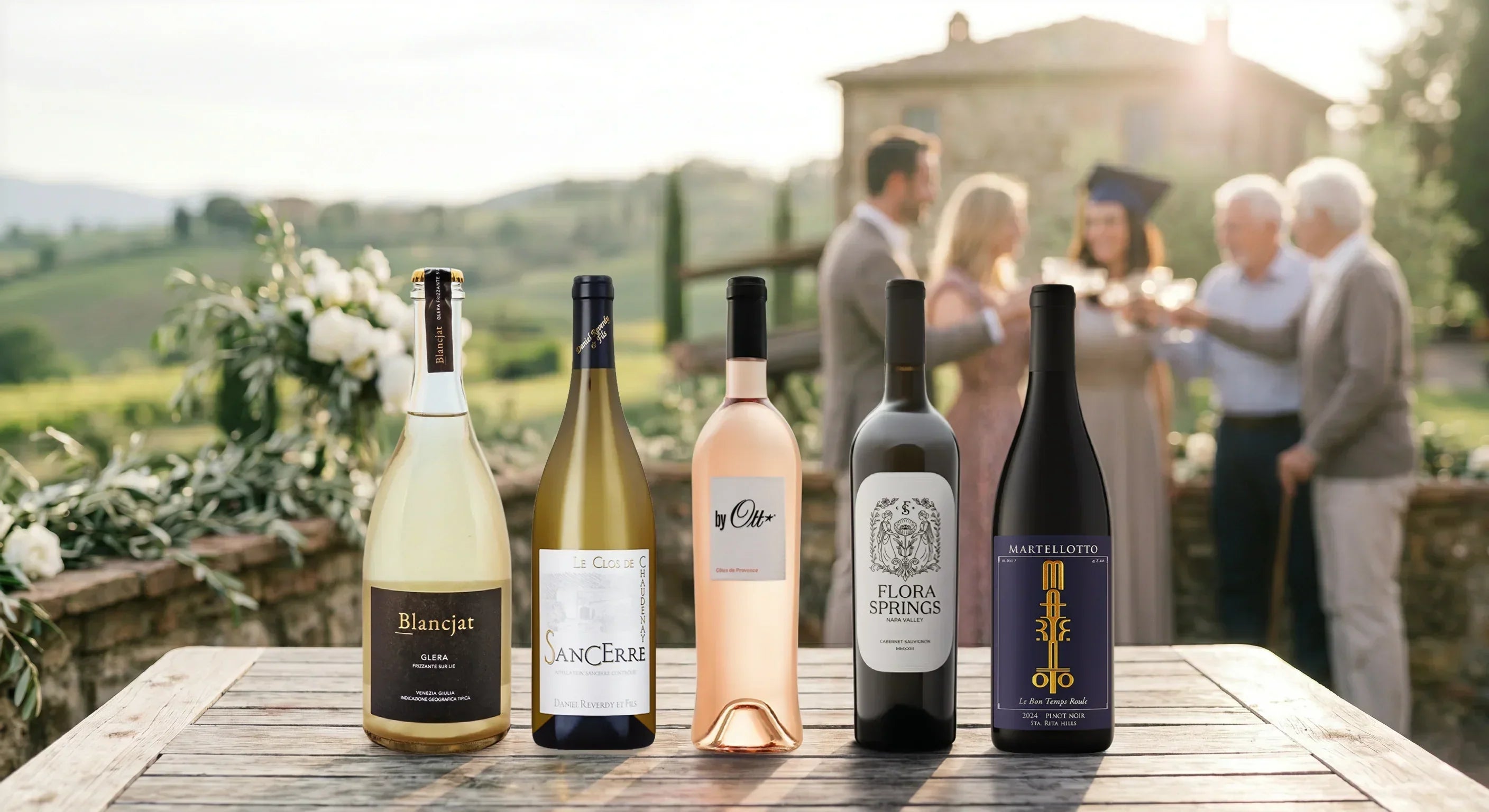
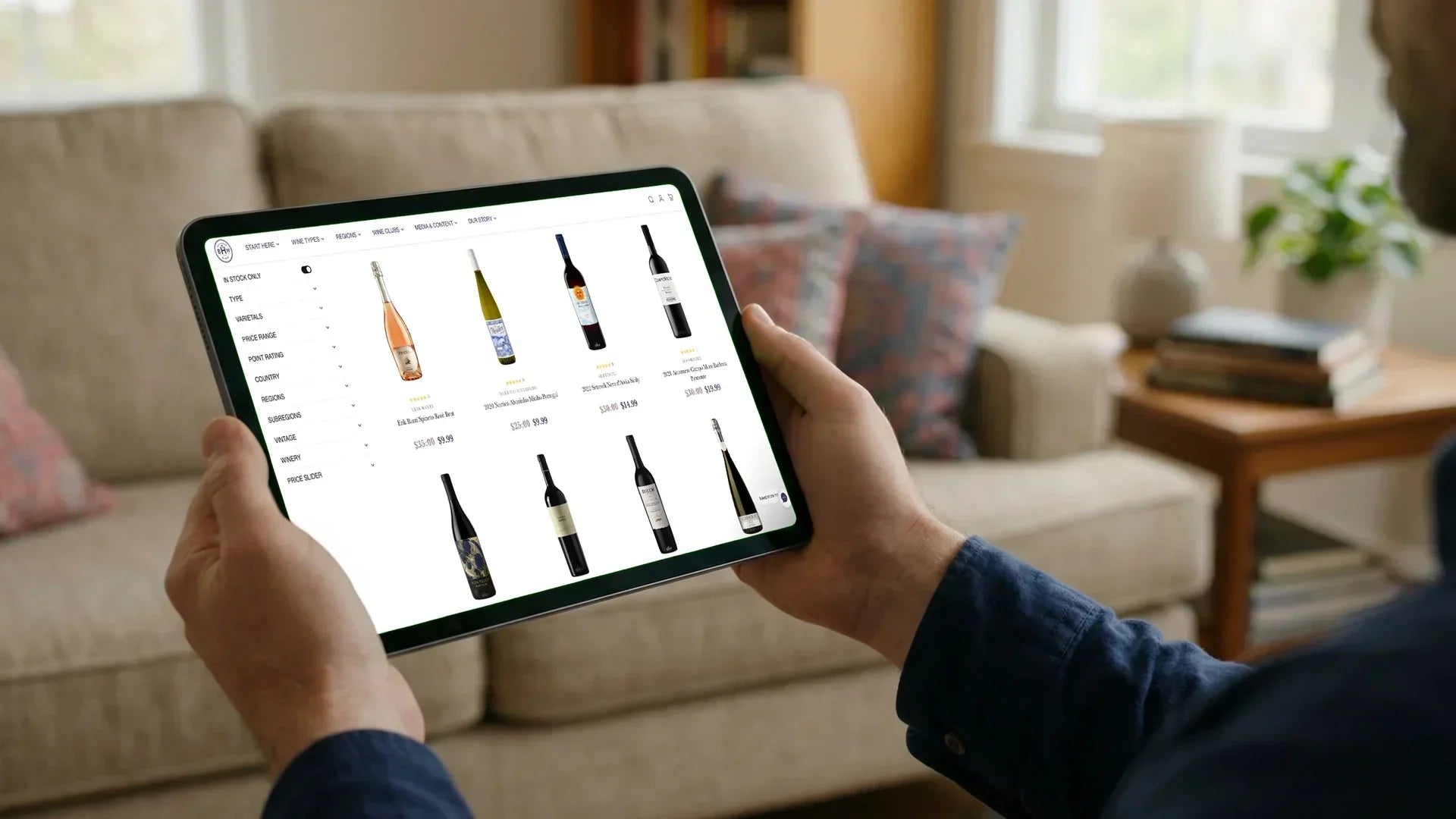
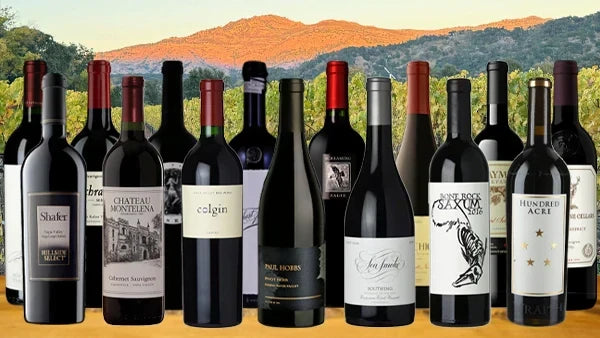
If you’re done with committee wine and ready to experience bottles that overdeliver for the price, explore our curated collection of highly rated wines sourced from top wineries around the world.
Discover why premium wine continues to outperform mass-market brands — and why once you taste the real thing, you don’t go back.





































Share:
The Shape of Wine: How to Read a Bottle Like a Pro
Why is There a Worm in my Tequila & Mezcal?
Comments Section