


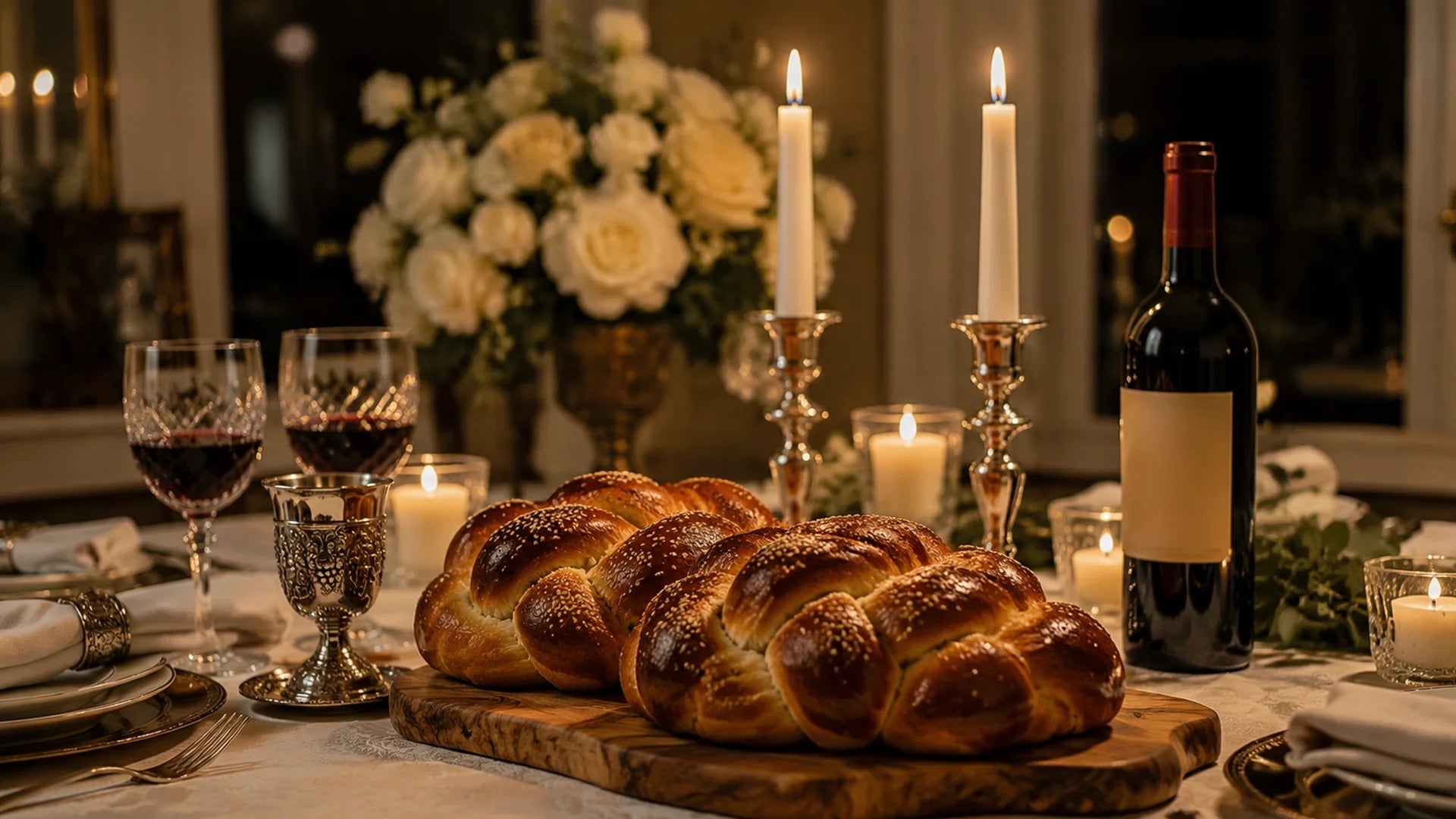
Kosher wine confuses a lot of people, and most of what you've heard is probably wrong. The short version: kosher isn't a style or a flavor. It's a set of rules about who handles the wine and how, from the moment the grapes are crushed to the moment it's bottled.
Here's what actually makes a wine kosher, how it gets certified, and why none of it tells you whether the wine is any good.
What Makes a Wine Kosher?

To be considered kosher, wine must comply with Jewish dietary laws. The primary requirement is that the wine must be produced under strict supervision by observant Jews. This oversight begins as soon as the grapes are harvested and continues through every step of the winemaking process until the wine is bottled.
One of the key principles of kosher wine production is avoiding "yayin nesech," or wine used in pagan rituals, and "stam yaynam," which refers to wine handled by non-Jews. Therefore, from crushing the grapes to bottling the wine, everything must be approved by a rabbi to ensure that the wine remains kosher.
While kosher wines are made using many of the same fundamental principles as non-kosher wines, there are important differences in the process. For a wine to be kosher, it must be handled exclusively by Sabbath-observant Jews from the time the grapes are crushed until the wine is bottled. Additionally, all equipment used in the process must be kosher and, in some cases, undergo a special cleansing procedure. These steps are essential to ensure that the wine adheres to Jewish dietary laws.
What is Kosher Certification?
Kosher certification is a process that verifies a product’s adherence to Jewish dietary laws, known as kashrut. The certification involves checking every aspect of production, from ingredients to equipment.
Why is Supervision Necessary?
Kosher supervision is required because even if a product's ingredients are kosher, the equipment used for processing can affect the product's kosher status. For example, a cereal might be non-kosher if it contains raisins treated with non-kosher additives. Similarly, equipment used for processing non-kosher products must be thoroughly cleaned before being used for kosher production.
What Does the Kosher Symbol Mean?
The kosher symbol on a product, like the Orthodox Union (OU) mark, indicates that the product has been reviewed and approved by a rabbinical agency. This symbol assures consumers that the product meets all kosher requirements, including its production process and ingredients.
Understanding Kosher Certifications

Kosher certification involves ensuring that every step of the winemaking process adheres to kosher laws. Here’s a breakdown of what the certifications mean:
OU Certification: The Orthodox Union (OU) is a major organization that certifies kosher products. Their certification involves a thorough review of production processes and ingredients. The “U” inside a circle on a wine label indicates it has been certified by the OU. If it includes a “P,” it is also kosher for Passover.
Mevushal Wine: Mevushal wine has been heat-treated to a specific temperature. This treatment makes the wine acceptable even if handled by non-Jews. Many kosher wines are mevushal to facilitate their use in various settings, including restaurants and catered events.
The Winemaking Process

Harvesting: Wine production starts with the grape harvest. Grapes must be picked at just the right time to ensure they are ripe and suitable for winemaking.
Crushing and Pressing: Once the grapes are harvested, they are brought to the winery where they are crushed and pressed to extract the juice. This juice is then placed in fermentation vats.
Fermentation: The juice undergoes fermentation, where yeast converts the sugars into alcohol. This process can take from a few days to a couple of weeks. During fermentation, the juice can bubble and froth, but this is a natural part of the process.
Pasteurization: Some kosher wines undergo pasteurization, a heating process that ensures the wine can be handled by anyone, even those who are not Jewish. This step is known as making the wine "mevushal" and is particularly useful for wines served at public events.
Aging: After fermentation, the wine may be aged in barrels or tanks to develop its flavors and aromas. Aging can take place in various types of barrels, including oak, which can add unique characteristics to the wine. The choice of barrel and aging time significantly impacts the wine’s flavor profile.
Bottling: Once the wine has reached the desired maturity, it is bottled. The bottling process is carefully monitored to maintain kosher status, and seals are often applied to ensure that the wine is not tampered with.
Common Misconceptions
There are a couple of common myths about kosher wine:
All Kosher Wines Are Sweet: This misconception likely stems from the historical use of sweeter grape varieties in kosher wines. Today kosher wines come in every style, from dry reds to crisp whites. Kosher status has nothing to do with quality. It tells you who handled the wine, not how good it is.
Kosher Wines Are Boiled: While some kosher wines are pasteurized, the process doesn’t boil the wine. Instead, it’s heated to a temperature that allows it to remain kosher even if handled by non-Jews. Modern techniques, such as flash pasteurization, help maintain the wine’s quality.

In Summary
Here's the takeaway. Kosher is a supervision standard, not a taste. The rules govern who handles the wine and how the equipment is kept, not whether it ends up sweet or dry, simple or serious.
Plenty of excellent wine happens to be kosher. Whether you keep kosher or you're just curious, judge these bottles the way you'd judge any other: on what's in the glass.
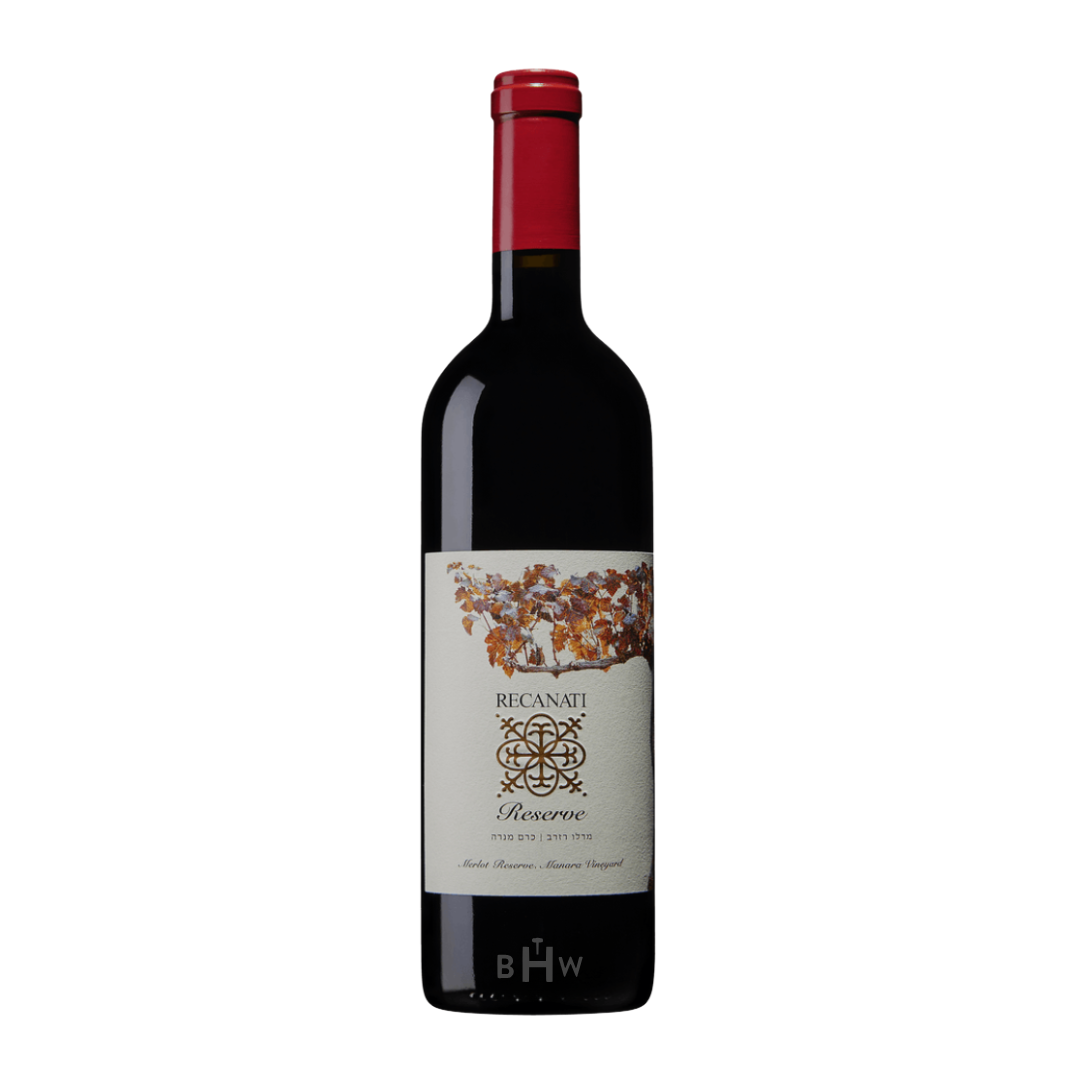
We keep a small shelf of kosher wines we actually like, most of them from Recanati in Israel. Allocations are small and they move fast.
Have a look at our Kosher Wines Collection and see what's in stock. We taste thousands of wines a year looking for quality and value. When a kosher bottle clears our bar, it earns a spot here.
Kosher Wine: Common Questions, Answered
What makes a wine kosher?
A wine is kosher when it's made under rabbinical supervision and handled only by Sabbath-observant Jews, from the crush through bottling, on kosher equipment. It's about supervision, not ingredients. The grapes and the winemaking are the same as any other wine.
What does mevushal mean?
Mevushal wine has been briefly heat-treated (a flash-pasteurization step). That step lets anyone pour or handle it and keep it kosher, which is why mevushal wines are common in restaurants and at catered events. Many top kosher wines are non-mevushal.
Are all kosher wines sweet?
No. That reputation comes from the sweet grape varieties used decades ago. Today kosher wine covers every style, from dry reds to crisp whites. Sweetness has nothing to do with kosher status.
Does kosher certification change how the wine tastes?
No. Certification governs who handles the wine and how the equipment is kept, not the grapes or the technique. A wine being kosher tells you nothing about whether it's good. Judge it like any other bottle.

























































Share:
Toast to Labor Day: Must-Have Wines for Your Festive Gathering
"Crisp and Very Pretty" ~James Suckling: 2013 Trimbach Pinot Noir Reserve Alsace
Comments Section