

Key Takeaways
- Build, don't shake. Most wine cocktails are assembled in the glass over ice — no shaker, no fuss.
- 2-1-splash is the backbone ratio. Two parts wine, one part sparkling or soda, a splash of liqueur or juice. Adjust to taste from there.
- Match the wine to the heat of the day. High-acid whites and dry rosés read cold and crisp; chilled light reds handle a splash of soda without falling apart.
- Frozen fruit beats ice. It chills the glass and slowly flavors the drink instead of watering it down.
- Don't cocktail your best bottle. Save the special-occasion wine for the glass. Cocktails are for the honest, everyday stuff.
- Why Wine Cocktails Own the Summer
Here's a confession from behind the counter: the bottle I reach for in July is rarely the one I'd open in January. When it's ninety degrees on the patio, I don't want a brooding red that needs a conversation. I want something cold, a little fizzy, and ready in the time it takes to find the ice.
That's the whole appeal of a wine cocktail. The Aperol Spritz got everyone comfortable with the idea — wine plus bubbles plus something bitter, poured over ice. But the spritz is one drink in a very large family, and once you understand the formula, you stop following recipes and start building your own.
Wine also does something spirits can't: it brings flavor and structure to the glass before you add a single other thing. A good rosé already tastes like strawberries and citrus. A Sauvignon Blanc already tastes like grapefruit and cut grass. You're not building flavor from zero — you're amplifying what's already there. That's why these drinks come together so fast, and why they're hard to ruin.
A note on this guide: I've kept the recipes deliberately style-based rather than brand-based. “A crisp, unoaked white” works whether you reach for a Sauvignon Blanc, a Pinot Grigio, or an Albariño. The point is to teach the move, not sell you one bottle.
The Wine Cocktail Formula (Memorize This, Toss the Recipes)

Every drink below is a variation on the same four-part build. Learn it once and you can improvise for the rest of your life.
- Base (2 parts): The wine. This sets the whole tone — crisp white, dry rosé, or a light, chillable red.
- Lengthener (1 part): The thing that makes it a tall, refreshing drink. Sparkling water, club soda, tonic, ginger beer, or a splash more sparkling wine.
- Accent (a splash): The flavor twist. A bittersweet aperitivo, elderflower or citrus liqueur, fruit juice, or a flavored syrup. This is where personality lives.
- Garnish (be generous): Frozen fruit, fresh herbs, a citrus wheel, cucumber ribbons. Not decoration — it flavors the drink as it sits.
The order that matters: ice first, wine and accent next, sparkling last. Adding the fizz at the end keeps the bubbles alive. Stir once, gently, and stop.
Two Spritzes Worth Knowing by Heart
Before we go further: two drinks set the template for everything else in this guide. Learn to build both without looking, and you've got a summer's worth of entertaining covered.
The Aperol Spritz
The most-poured spritz on the planet, and for good reason — the build is foolproof and the result is exactly what people expect: bittersweet, fizzy, golden-orange.
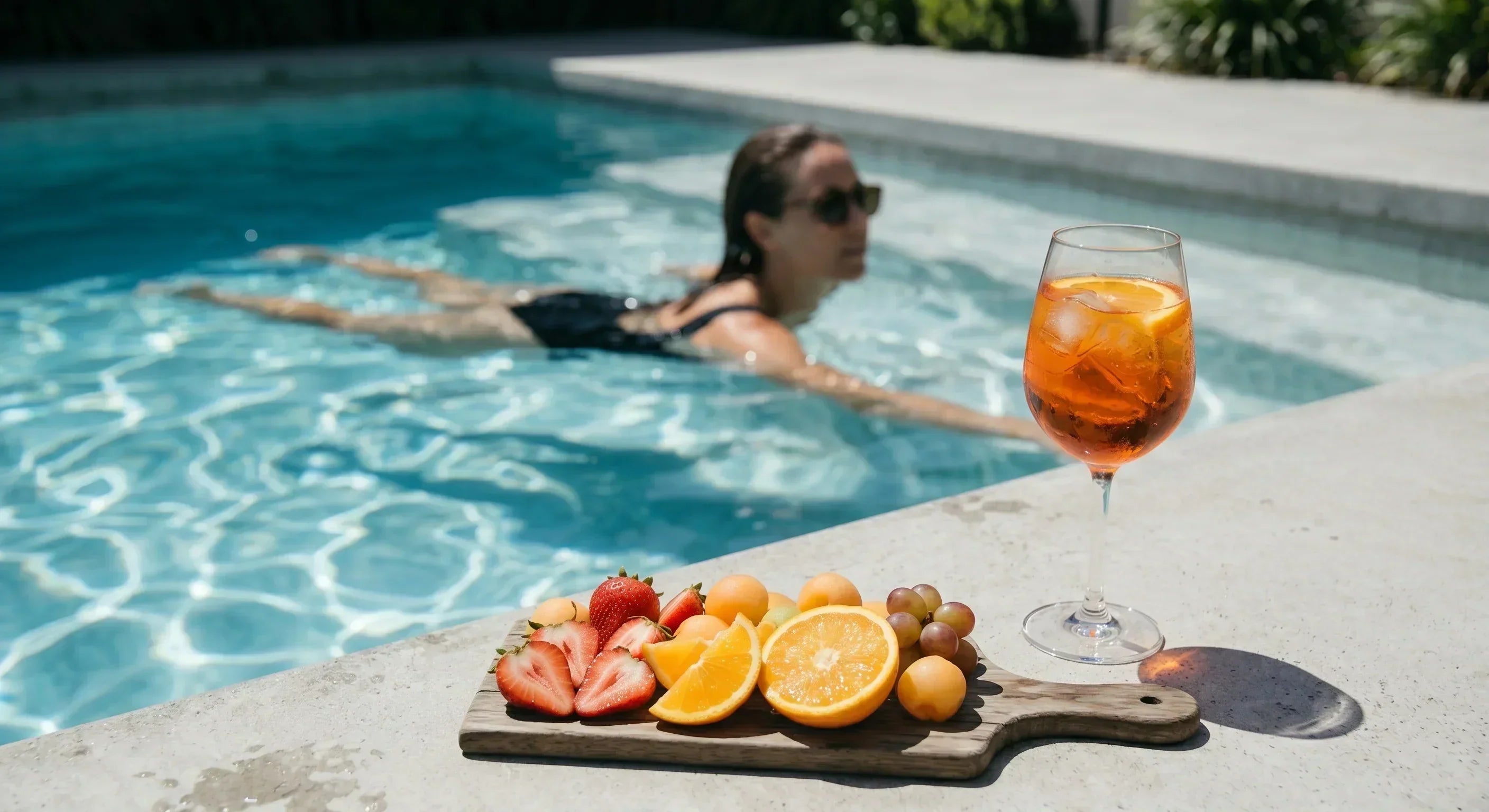
The 3-2-1 ratio: three parts Prosecco, two parts Aperol, one part soda water. Pour over ice in a big wine glass, drop in an orange slice, done. About thirty seconds of work. The Prosecco brings the lift, the Aperol brings the bitter-orange backbone, the soda keeps it long and easy to drink. Use a dry Prosecco — sweeter sparklers tip the whole drink into candy territory.
The Hugo
The Aperol's elderflower cousin. Lighter, more floral, slightly herbal — the spritz I pour when the day is too hot for anything bittersweet.
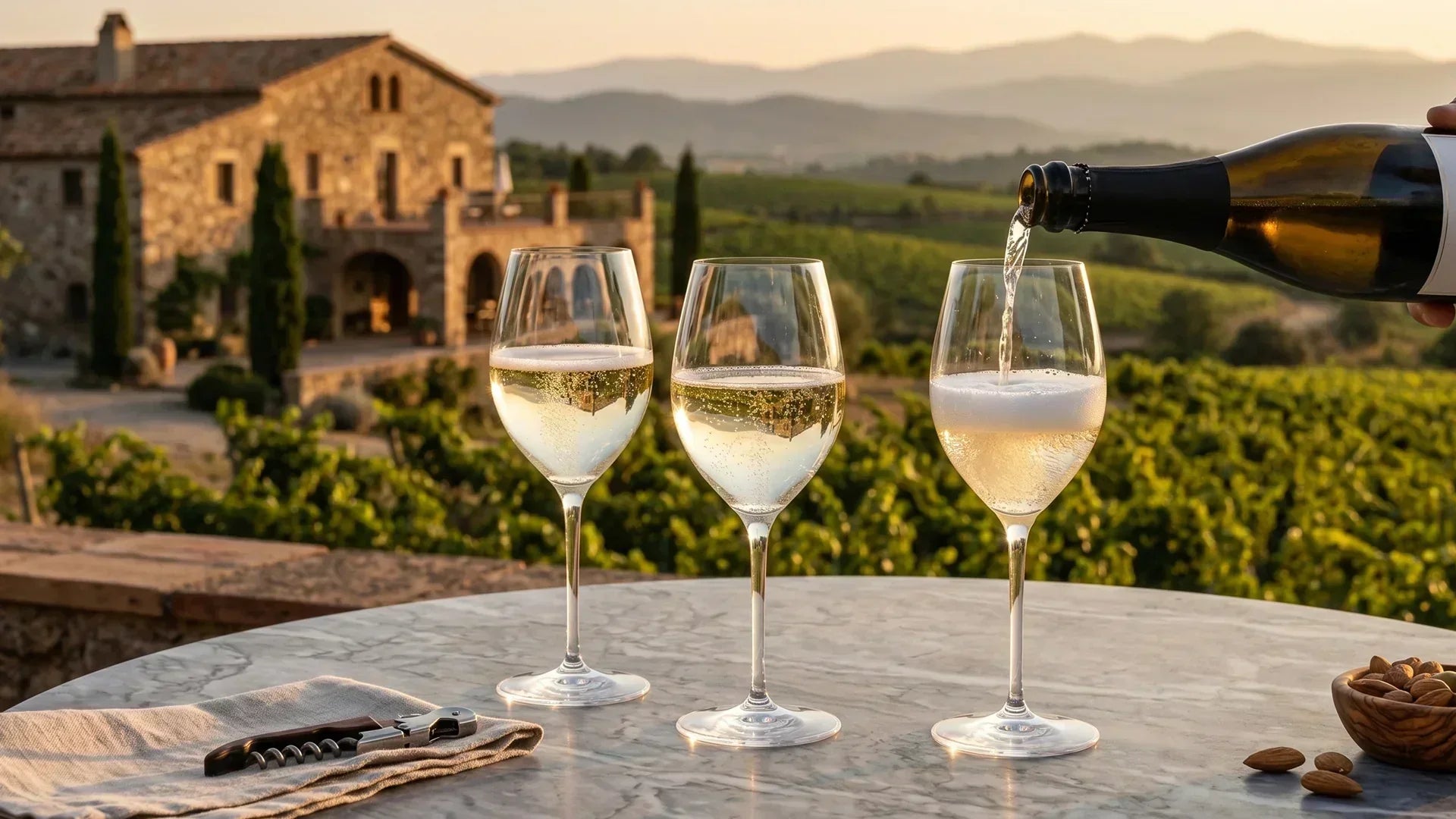
Fill a big wine glass with ice. Add four or five mint leaves and about an ounce of elderflower liqueur. Press the mint gently against the side of the glass with a spoon — don't grind it, or it turns bitter. Top with chilled dry sparkling wine, then a splash of soda water and a squeeze of lime.
The sparkling wine is flexible: Prosecco is traditional, but any dry sparkler works. Cava, dry sparkling rosé, a domestic méthode traditionnelle, even a brut Champagne if you're feeling generous — the elderflower carries the drink regardless. The only rule is dry: a sweet sparkler plus a sweet liqueur is a sugar bomb.
Footnote worth knowing: the Hugo was invented in the Italian Alps around 2005 by a bartender tired of pouring Aperol Spritzes all day. Twenty years later it's everywhere. There's a lesson in that for anyone bored of their default order.
Wine Cocktails by Base: White, Rosé, and Red
White Wine Cocktails
White is the easy entry point. Reach for something crisp and unoaked — you want acidity and freshness, not butter and vanilla. Sauvignon Blanc, Pinot Grigio, Vermentino, and Albariño all play beautifully.
- White wine spritz: White wine, a splash of soda, a citrus wheel. The blank canvas — your house pour when you want refreshment without ceremony. Add a bar spoon of elderflower or peach liqueur, and you've quietly turned it into something fancier.
- White sangria: White wine, sliced stone fruit and green apple, a splash of brandy or peach liqueur, topped with soda. Let it sit an hour in the fridge so the fruit gives up its juice.
- Wine tonic: Equal parts crisp white and tonic water over a lot of ice, with a wedge of lime. Bitter, dry, and absurdly low-effort — my house pour when people drop by unannounced.
Rosé Cocktails
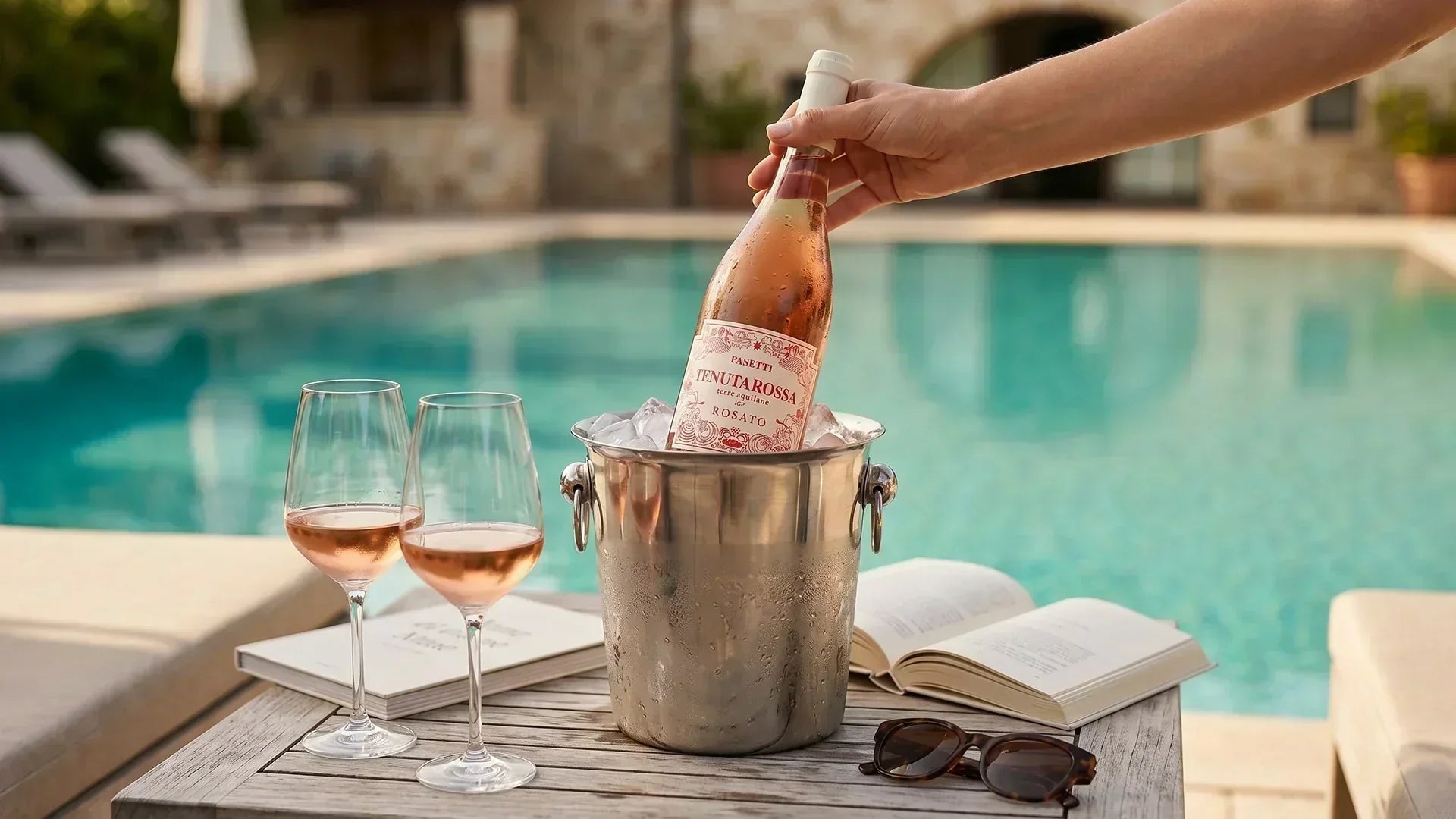
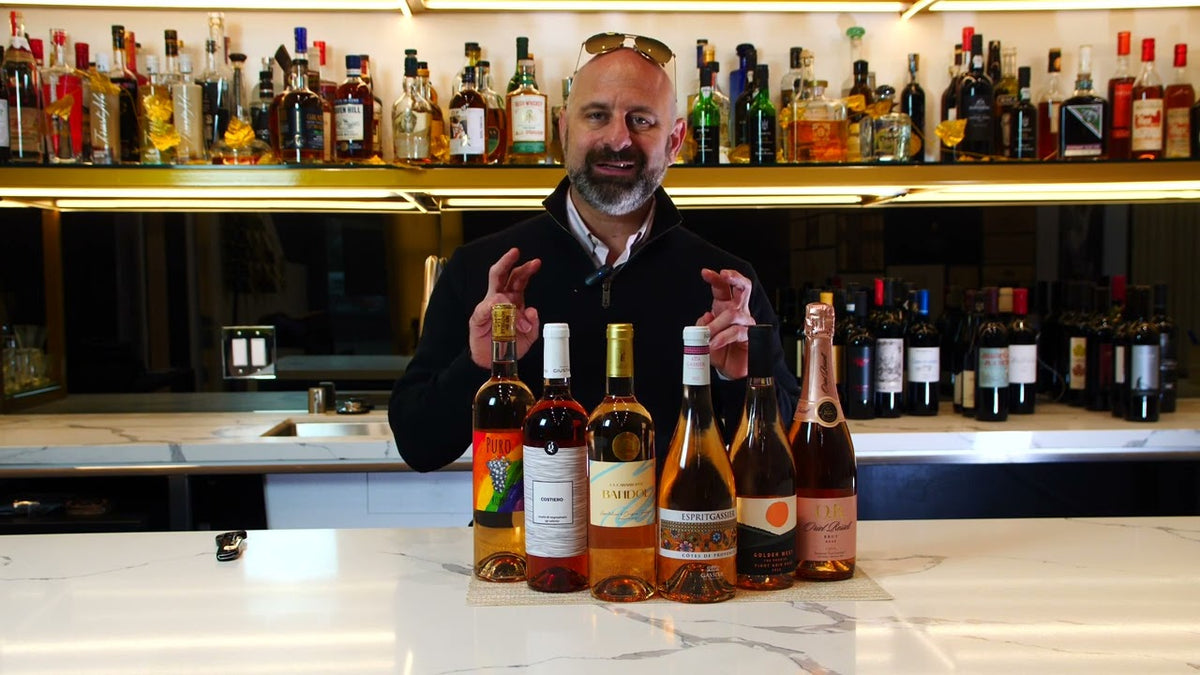
Dry rosé might be the single most cocktail-friendly wine there is. It has the fruit of a red and the freshness of a white, and its color makes everything look like summer. Keep it dry — sweet rosé plus a sweet mixer is a headache waiting to happen.
- Frosé: Frozen rosé blended with a handful of frozen strawberries and a squeeze of lemon. The grown-up slushie. Freeze the wine in an ice tray first so it blends without melting — or if you've got a frozen-drink machine, pour rosé straight in with the berries and let it spin. That's frosé on tap, and at a party it'll empty before you can refill it.
- Rosé spritz: Rosé, a splash of sparkling water, a bittersweet aperitivo, and an orange slice. The pink cousin of the Aperol Spritz, and arguably the better-looking one.
- Rosé punch: A pitcher of rosé, ginger beer, lime, and plenty of frozen raspberries. Scales to a crowd and basically makes itself.
Red Wine Cocktails
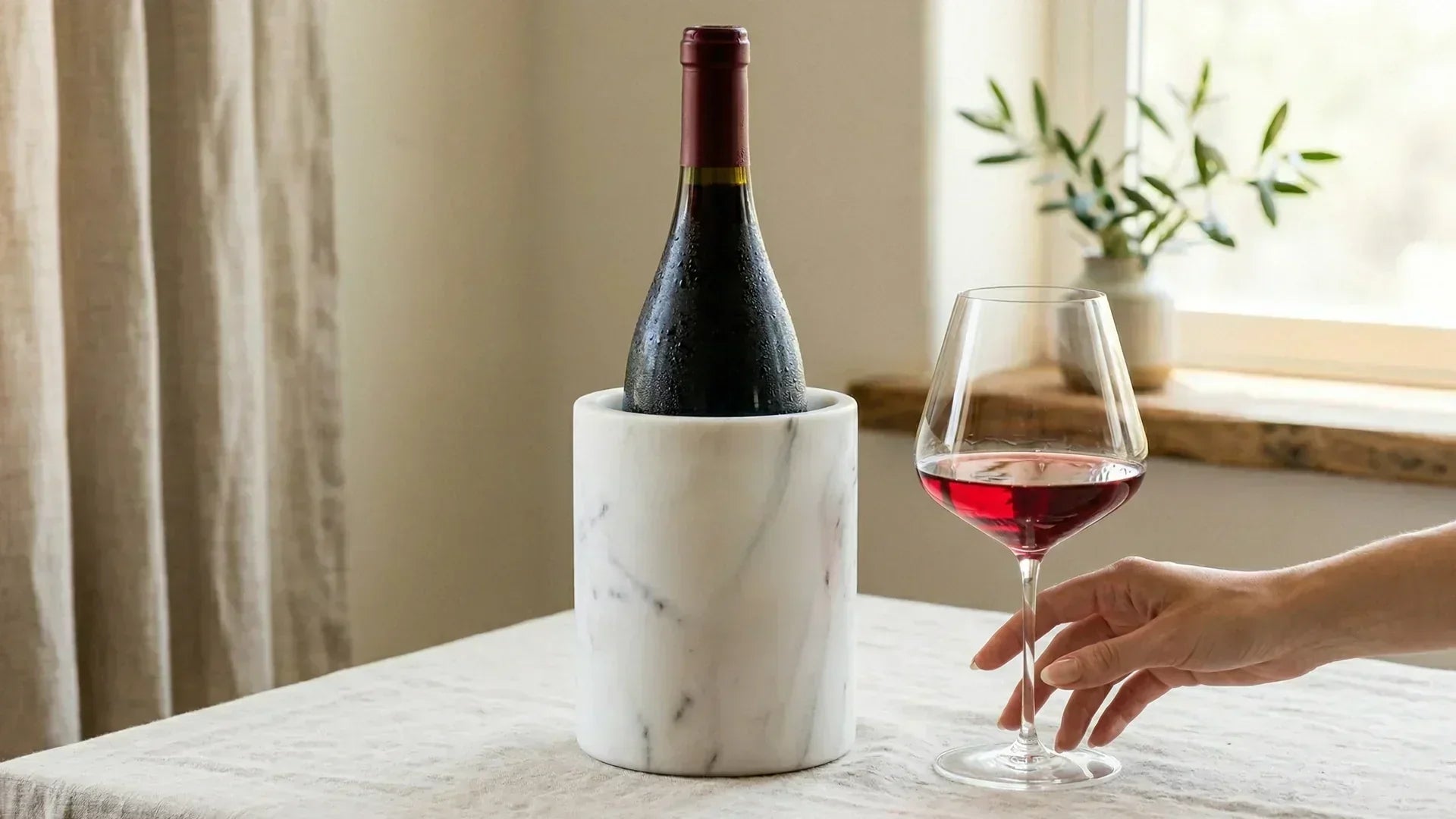
Yes, red. The trick is choosing the right red and serving it cold. You want something light-bodied, low-tannin, and fruit-forward — a Gamay, a young Grenache, a Pinot Noir, a chillable “glou-glou” red. A big, tannic Cabernet will turn bitter and heavy. Chill it for twenty minutes before you start.
- Tinto de verano: Spain's everyday answer to sangria — chilled light red and lemon-lime soda over ice, half and half. Faster than sangria and, honestly, what most Spaniards actually drink.
- Red sangria: Light red, orange and apple slices, a splash of brandy and orange liqueur, topped with soda. The classic. Make it ahead; it only gets better.
- Kalimotxo: Equal parts chilled light red and cola over ice with a lemon wedge. Sounds wrong, tastes like a Basque summer. Don't knock it until the second sip.
Quick-Build Cheat Sheet
Lost at the counter? This is the whole guide in one glance. Build any of these over ice, sparkling element last.

On Trend Right Now: The Spicy Wine Thing
Every summer the internet adopts a wine hack, and lately the loudest one is spicy. It started with people dropping frozen jalapeño slices into chilled Sauvignon Blanc — “spicy sauvy b,” as it got nicknamed — and it has since spread to rosé and beyond. The mango-jalapeño white wine spritz is one of the more-searched versions heading into this summer.
Why it actually works: Sauvignon Blanc naturally contains aromatic compounds called pyrazines — the same family of molecules responsible for that green, bell-pepper, fresh-cut-herb character. A slice of jalapeño doesn't fight the wine; it leans into a flavor the wine already has. The acidity tempers the heat, the heat sharpens the fruit, and you get something savory and bright at once. New World, high-acid styles (think New Zealand or Chile) take to it best.
How to try it without ruining a glass: Slice fresh jalapeño into coins, freeze them, then drop two or three into a cold glass of crisp white or dry rosé. The frozen slices chill the wine without diluting it. Want less heat? Seed the pepper first, or freeze the slices inside ice cubes for a gentler infusion. Let it sit two or three minutes before the first sip.
My honest read: it's a novelty, and it's a fun one — great for a party trick or a hot afternoon when you want something a little different. It won't replace a well-made spritz in my rotation, but it's worth doing once, and you'll know within one glass whether you're a convert.
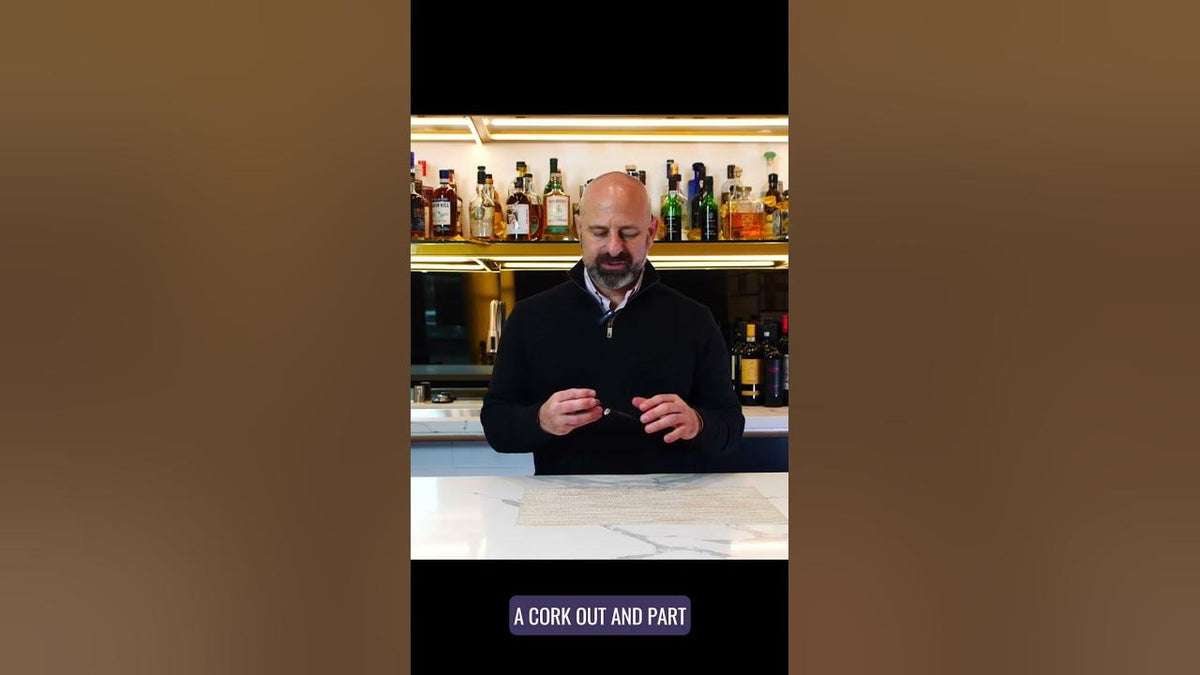
Think frozen jalapeños in Sauvignon Blanc sounds strange? That's only the beginning. We tested several viral wine hacks to find out which ones actually improve the wine and which ones are just internet hype. Watch the full video below.
The Five Rules That Keep a Wine Cocktail From Going Wrong

- Start cold. Chill the wine, the glass, and the mixers ahead of time. A wine cocktail is a cold drink; build it warm, and no amount of ice will save it.
- Freeze your fruit. Frozen grapes, berries, and citrus wheels chill the glass and flavor the drink as they thaw — ice just dilutes.
- Add the bubbles last. Sparkling water or wine goes in at the very end, with a single gentle stir. Over-stirring kills the fizz.
- Keep it dry. If your wine is sweet and your mixer is sweet, the drink tastes like candy. Pick a dry base and let the garnish bring the fruit.
- Don't sacrifice a great bottle. Cocktails mask nuance, so the special stuff is wasted here. But don't go the other way either — a flawed wine makes a flawed cocktail. Use something honest you'd drink on its own.
Mini-Glossary
Spritz: A wine-based drink built over ice with a sparkling element and usually a bittersweet liqueur. The template for most summer wine cocktails.
Tinto de verano: Literally “red wine of summer” in Spanish — chilled light red mixed roughly half-and-half with lemon-lime soda over ice.
Frosé: Frozen rosé blended into a slushie, often with frozen berries and a little lemon or sugar.
Sangria: Wine (red or white) steeped with chopped fruit and a splash of spirit or liqueur, usually lengthened with soda. Best made ahead.
Kalimotxo: A Basque mix of equal parts red wine and cola over ice. Polarizing, beloved, and genuinely refreshing.
Aperitivo: A bittersweet, lower-alcohol liqueur (the Aperol/Campari family) used to add bitterness and color to a spritz.
Pyrazines: Aromatic compounds in grapes like Sauvignon Blanc that give green, herbaceous, bell-pepper notes — the reason the jalapeño trend tastes coherent.
Chillable red: A light-bodied, low-tannin red (Gamay, young Grenache, lighter Pinot Noir) meant to be served cold.
Frequently Asked Questions
1. What is the best wine for summer cocktails?
A dry, crisp wine with good acidity. For whites, an unoaked Sauvignon Blanc, Pinot Grigio, or Vermentino; for pink, a dry rosé; for red, a light, chillable style like Gamay or young Grenache. Avoid heavily oaked or high-tannin wines — they turn clumsy when mixed.
2. What can I mix with wine to make a cocktail?
Sparkling water or club soda, tonic, ginger beer, lemon-lime soda, or cola for reds; a splash of elderflower, citrus, or a bittersweet aperitivo for flavor; and fruit and herbs to garnish. The base ratio is two parts wine to one part mixer, plus a splash of accent.
3. What are good alternatives to an Aperol Spritz?
A rosé spritz, a white wine spritz with elderflower, a wine tonic, or a tinto de verano all scratch the same itch — cold, fizzy, low-effort — with different flavor profiles. The rosé spritz is the closest visual and structural cousin.
4. Can you make cocktails with red wine?
Absolutely — just choose a light, low-tannin red and serve it chilled. Tinto de verano, red sangria, and kalimotxo are the classics. Skip big, tannic reds; they go bitter and heavy over ice.
5. What is the jalapeño wine trend?
It's the practice of adding frozen jalapeño slices to chilled white wine (usually Sauvignon Blanc) or rosé for a savory, spicy-meets-fresh twist. It works because the pepper echoes the wine's natural green, herbaceous notes while the acidity tempers the heat.
6. What is the correct Aperol Spritz ratio?
Three parts Prosecco, two parts Aperol, one part soda water — built over ice in a wine glass and finished with an orange slice. That 3-2-1 build is the recipe Aperol and the IBA both publish, and it's what bartenders pour by default.
7. How do you make a Hugo Spritz?
Fill a wine glass with ice. Add four or five mint leaves and an ounce of elderflower liqueur. Press the mint gently. Top with chilled dry sparkling wine — Prosecco is traditional, but any dry sparkler works — add a splash of soda and a squeeze of lime. Don't muddle the mint hard; it turns bitter.
8. Can I make a Hugo with a frozen-drink machine or in a pitcher?
Yes. For a pitcher, scale the build by the bottle: one bottle of sparkling wine, four to six ounces of elderflower liqueur, a generous handful of mint, lime wedges, and a top of soda — mix gently and ladle over ice so the bubbles survive. For a slushy machine, rosé frosé works far better than a Hugo; the elderflower drink relies on bubbles you'd lose in the freeze.
9. Do I need sparkling wine to make a spritz?
Not necessarily. A true spritz traditionally uses sparkling wine, but you can build a lighter version with still wine plus sparkling water or soda. The bubbles can come from either source — add them last to protect the fizz.
10. How do I keep a wine cocktail from getting watered down?
Use frozen fruit instead of ice cubes, chill everything beforehand, and serve in a chilled glass. Frozen grapes and berries cool the drink as they slowly thaw, flavoring it rather than diluting it.
11. Are wine cocktails lower in alcohol than spirit cocktails?
Usually, yes. Wine sits around 11–13% ABV versus 40% for spirits, and lengthening it with soda or sparkling water dilutes it further. That's a big part of why spritzes and similar drinks suit long, hot afternoons.
12. What's the easiest wine cocktail for a crowd?
A pitcher of sangria or tinto de verano. Both are built ahead, scale up easily, and require no per-glass assembly — mix, chill, and ladle over ice when guests arrive.
13. What glass should I use for a wine cocktail?
A large wine glass or a stemless tumbler with plenty of room for ice and garnish. The wide bowl lets aromas open up and gives the fruit somewhere to go. Fill it with ice before you build.
14. How far ahead can I make sangria?
A few hours to overnight is ideal — long enough for the fruit to release its juice and the flavors to marry, but not so long the fruit turns mushy. Add the sparkling element just before serving, not in advance.
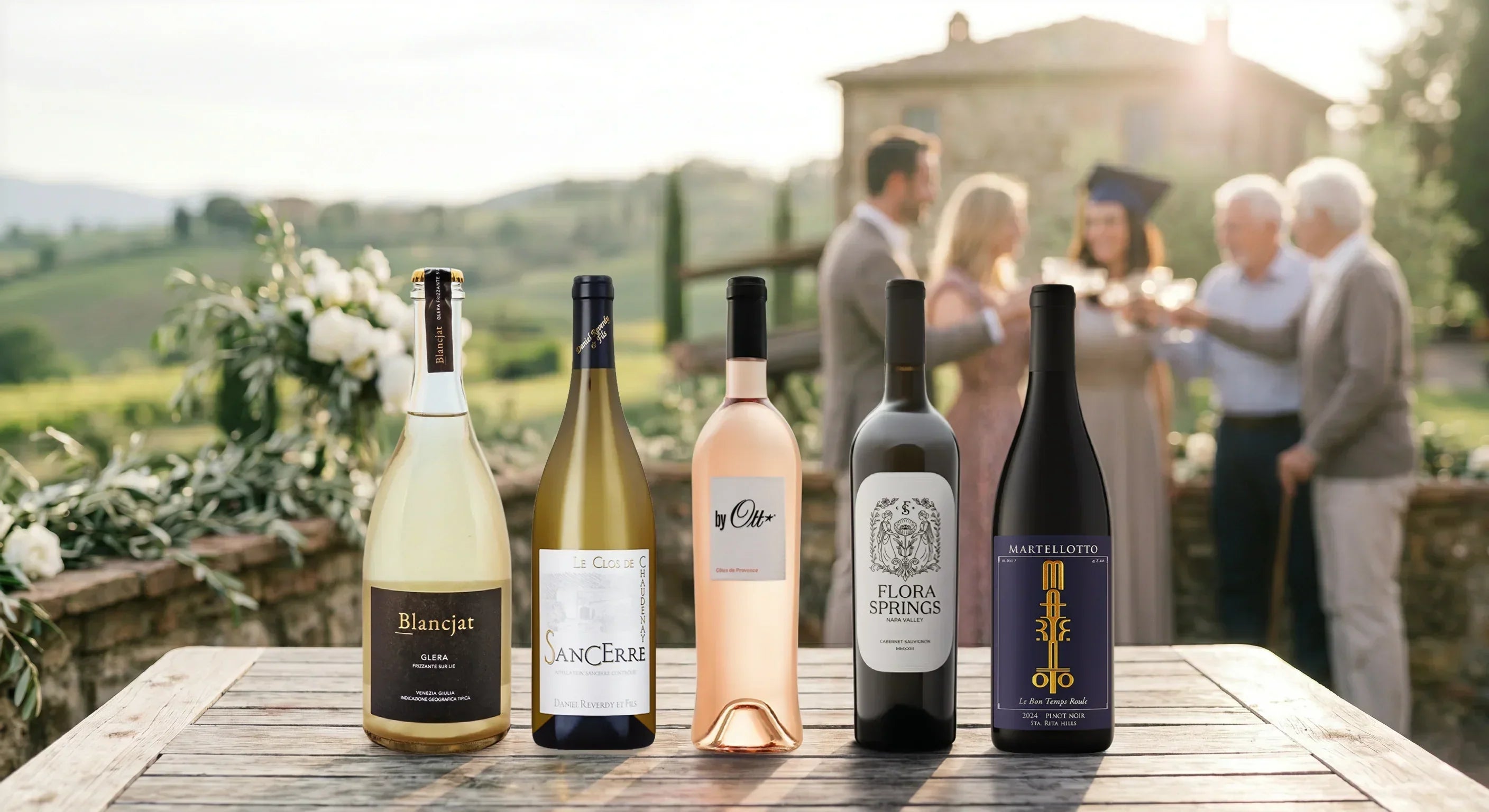
Find Your Base Bottle
Every drink here starts with a wine you'd be happy to pour on its own.
That's the part worth getting right — the soda and the garnish are easy.
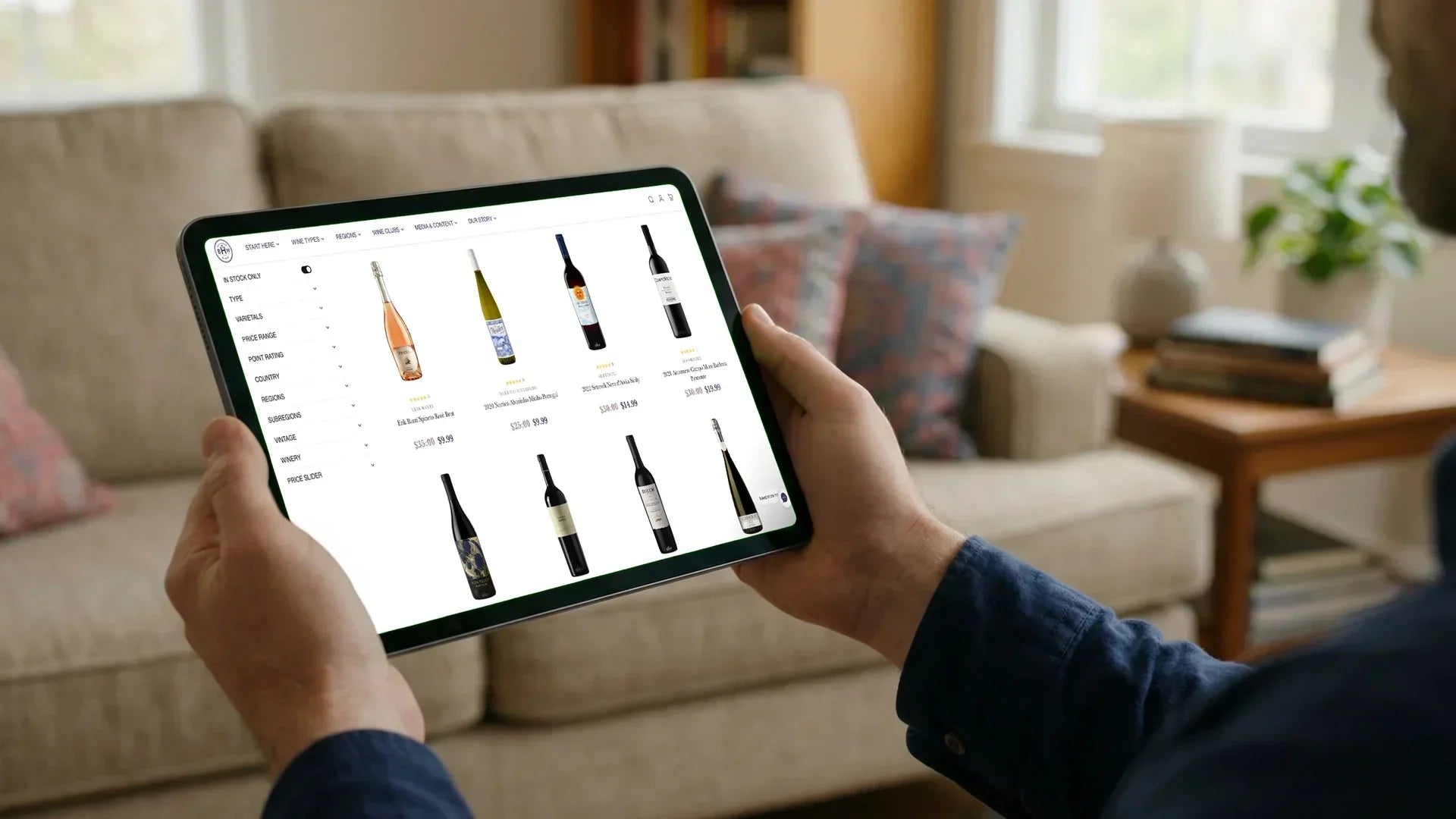
- Browse the full range when you're ready: All Wines.
- Want a curated shortcut to crisp whites, dry rosés, and chillable reds? Start with New Arrivals or our Best Sellers.

























Share:
How to Pick Wine for a Graduation Party: A June Celebration Buying Guide
Cava: The Spanish Sparkling Wine That Rivals Champagne
Comments Section