

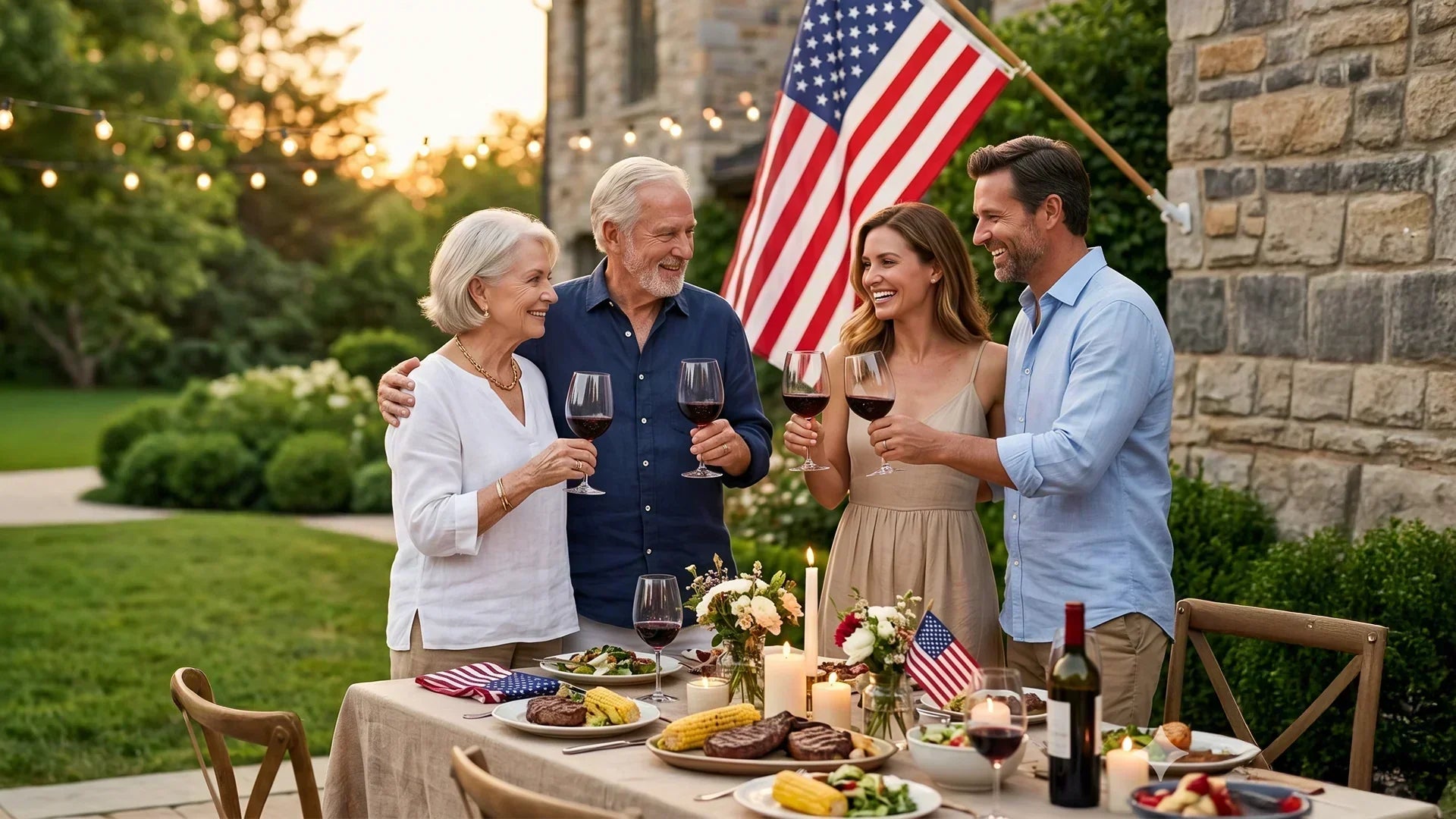
America turns 250 this July 4th. Here's what to pour.
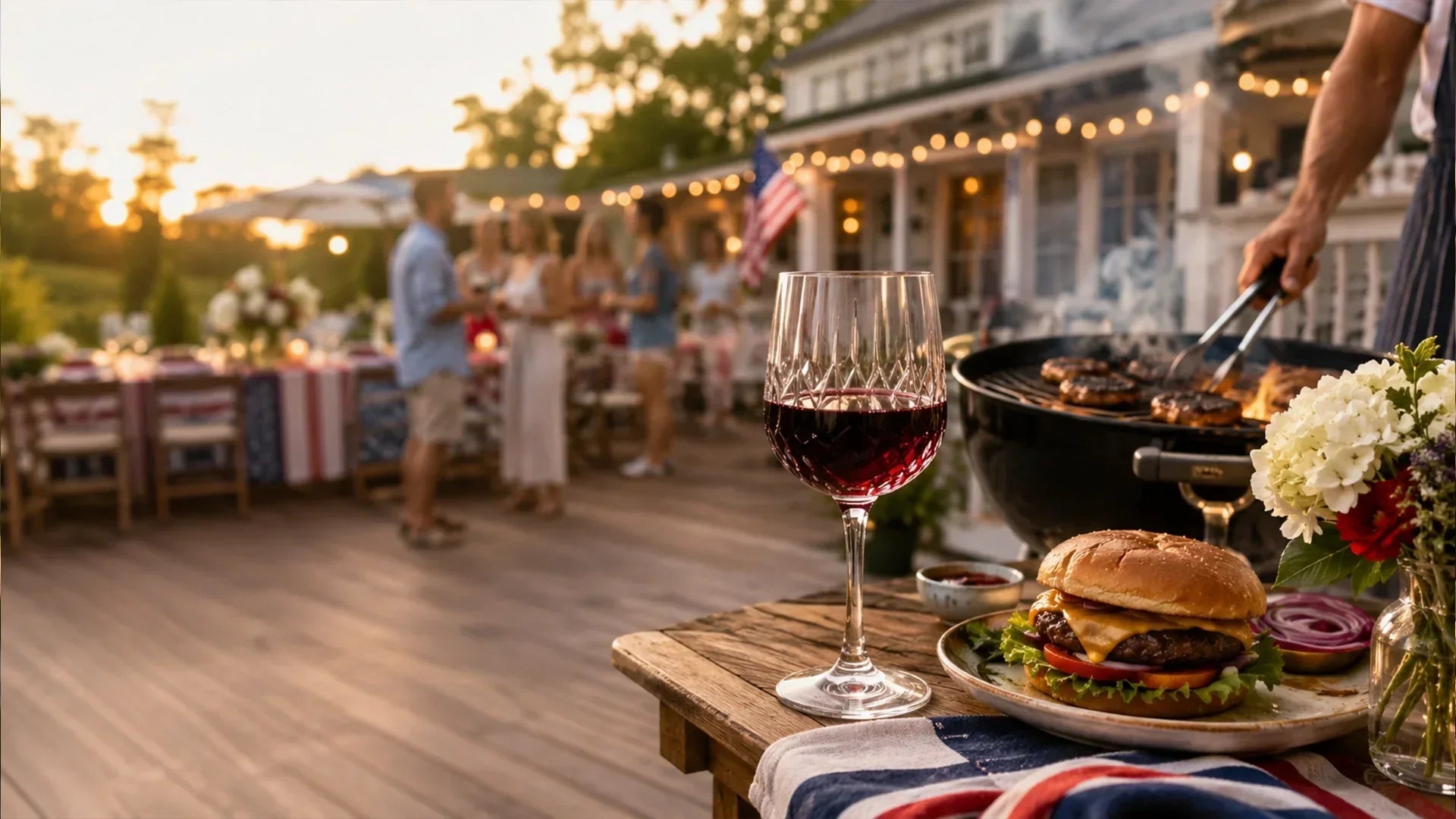
For a 4th of July BBQ, pour dry rosé as your all-table crowd wine. With burgers, go Pinot Noir. Ribs need Zinfandel. Grilled chicken and seafood call for Sauvignon Blanc or Vermentino.
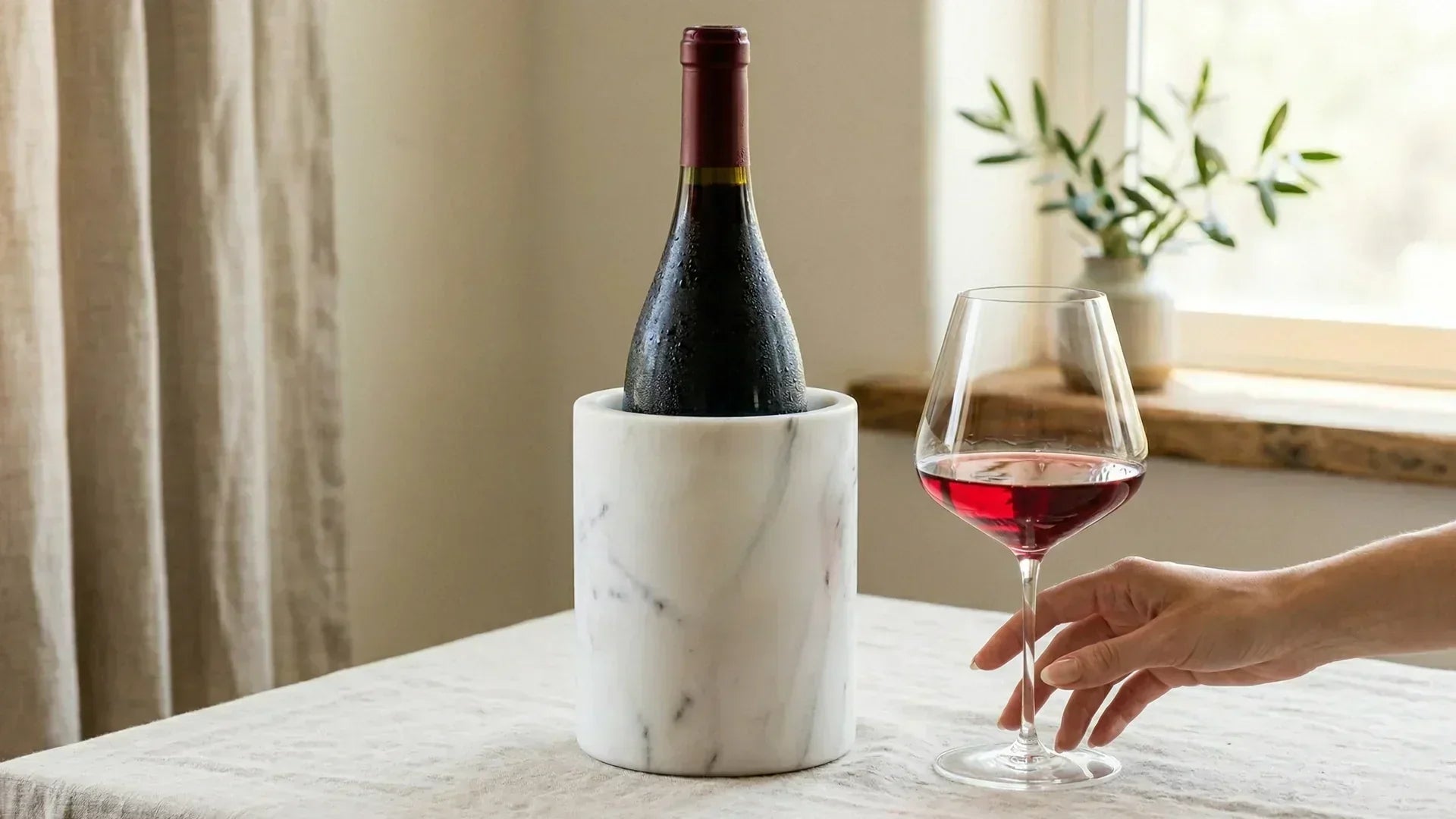
Chill all reds slightly before serving — 20 to 30 minutes in the fridge. Bringing a full-weight Cabernet to a July barbecue is a mistake you'll make exactly once.
Key Takeaways
- Rosé is your safest all-table pick — dry rosé handles burgers, chicken, seafood, and sides without a fight.
- Pinot Noir beats Cabernet at a BBQ — lighter tannins work better with smoke and char, and it's fine served slightly chilled.
- Sauvignon Blanc and Vermentino are the smart white picks — bright acid and herbaceous notes cut through everything on a grill.
- Chill your reds before serving — 20 to 30 minutes in the fridge makes a real difference in summer heat.
- Zinfandel is the right call for ribs — its fruit-forward profile and natural affinity for sweet, smoky BBQ sauce is hard to beat.
Why 4th of July Wine Is Different
Summer BBQ wine is its own category. Here's why most 'great' wines fail at a backyard party:
Heat amplifies tannins and alcohol. A full-bodied Cabernet that's pleasant in December becomes bitter and harsh at 90 degrees. Alcohol volatility goes up. Tannins get grippy. Nobody wants that.
The food is bold and often sweet. BBQ sauce, char, smoke, salt rubs — these need wine with enough fruit and acid to keep pace. Heavy tannic reds and oaky whites just compete.
You're serving a crowd. Which means you need something broadly approachable. Rosé exists for exactly this reason.
The fix: go lighter, go slightly cooler, match the food not the occasion.
4th of July Wine Pairing Guide, By Food
Burgers → Pinot Noir

This is the one that surprises people. Everyone reaches for Cabernet with a burger, but Pinot Noir is actually the better call.
Cabernet's tannins are built for fat — the marbling in a steak, the slow rendering in a braise. A burger patty with char and smoky sauce doesn't have the same structure. Pinot Noir's softer tannins let the savory, smoky notes in the meat come through. And it handles a slight chill, which matters in July.
Backup: dry rosé, or a lighter Zinfandel.
BBQ Ribs → Zinfandel

This is the right answer and I'm not really entertaining alternatives.
Zinfandel has been growing in California since the Gold Rush era. It's fruit-forward — dark berry, a little spice, sometimes a hint of jam — and it's naturally built for sweet, smoky food. BBQ sauce is Zinfandel's natural habitat. The wine has enough body to stand up to the meat and enough fruit to complement the sauce rather than clash with it.
If you want to go the American wine route on the 4th, this is your bottle.
Backup: Malbec, if you want something Argentine and slightly darker.
Grilled Chicken and BBQ Chicken → Sauvignon Blanc

Grilled chicken is one of those foods that's easy to pair and easy to get wrong. It's lean. It takes on char. It often comes with a marinade or rub that's herbaceous or citrus-forward.
Sauvignon Blanc is made for it. The bright, high acid cuts through whatever sauce you're using. The herbaceous notes in the wine — green herb, citrus zest — echo the flavors in a good marinade. Clean, refreshing, and it works at every temperature.
Backup: dry rosé, especially if there's a cream or sauce component.
Grilled Shrimp and Salmon → Vermentino

This is the sleeper pick of the day.
Vermentino is a white grape from Sardinia and coastal Tuscany, with a natural saline, mineral quality that's made for grilled seafood. Light, crisp, citrus-forward, with a slight almond finish. It's legitimately interesting for the wine people at the table who want something different.
Sauvignon Blanc works here too, especially with salmon or herb-rubbed fish.
Backup: unoaked Chardonnay if you want something more widely understood.
Hot Dogs → Rosé

Hot dogs don't need a serious wine. They need something cold, a little fruit-forward, and crowd-friendly.
Dry rosé is the obvious answer. Light enough to drink multiple glasses of in the afternoon, enough acidity to cut through the salt and fat, and no one is going to complain about it. Don't overthink the hot dogs.
Sides (Potato Salad, Pasta Salad, Coleslaw) → Rosé or Sauvignon Blanc

The sides at a 4th of July table are mostly creamy, acidic, or both. Potato salad with mayo. Coleslaw with vinegar and cream. Macaroni salad. Deviled eggs.
These call for wine with brightness and acidity. Rosé is the crowd call. Sauvignon Blanc is the slightly more precise call. For deviled eggs specifically, try Cava or another dry sparkling wine — the bubbles cut the richness of the egg yolk in a way still wine can't.
Corn on the Cob → Unoaked Chardonnay or Rosé

Grilled corn with butter and salt wants something with a little richness. An unoaked Chardonnay — light, no heavy oak, clean fruit — echoes the corn's natural sweetness without drowning it. Rosé works fine too. Don't make this harder than it needs to be.
Dessert (Strawberry Shortcake, S'mores, Red-White-Blue) → Sparkling Rosé

For strawberry shortcake and berry-forward desserts, sparkling rosé is the move. Bubbles, light berry fruit, slight sweetness — a natural match for anything red-and-cream on the table.
For s'mores, a late-harvest Zinfandel works if you want to stay in the wine world. Or accept that s'mores belong with something cold and carbonated, and plan accordingly.
Red, white, and blue desserts? Sparkling rosé. Obviously.
The Full 4th of July Wine Pairing Table

The One-Bottle Decision: What to Bring When You Don't Know the Menu
If you're going to someone else's party and don't know what's being served, here's the framework:
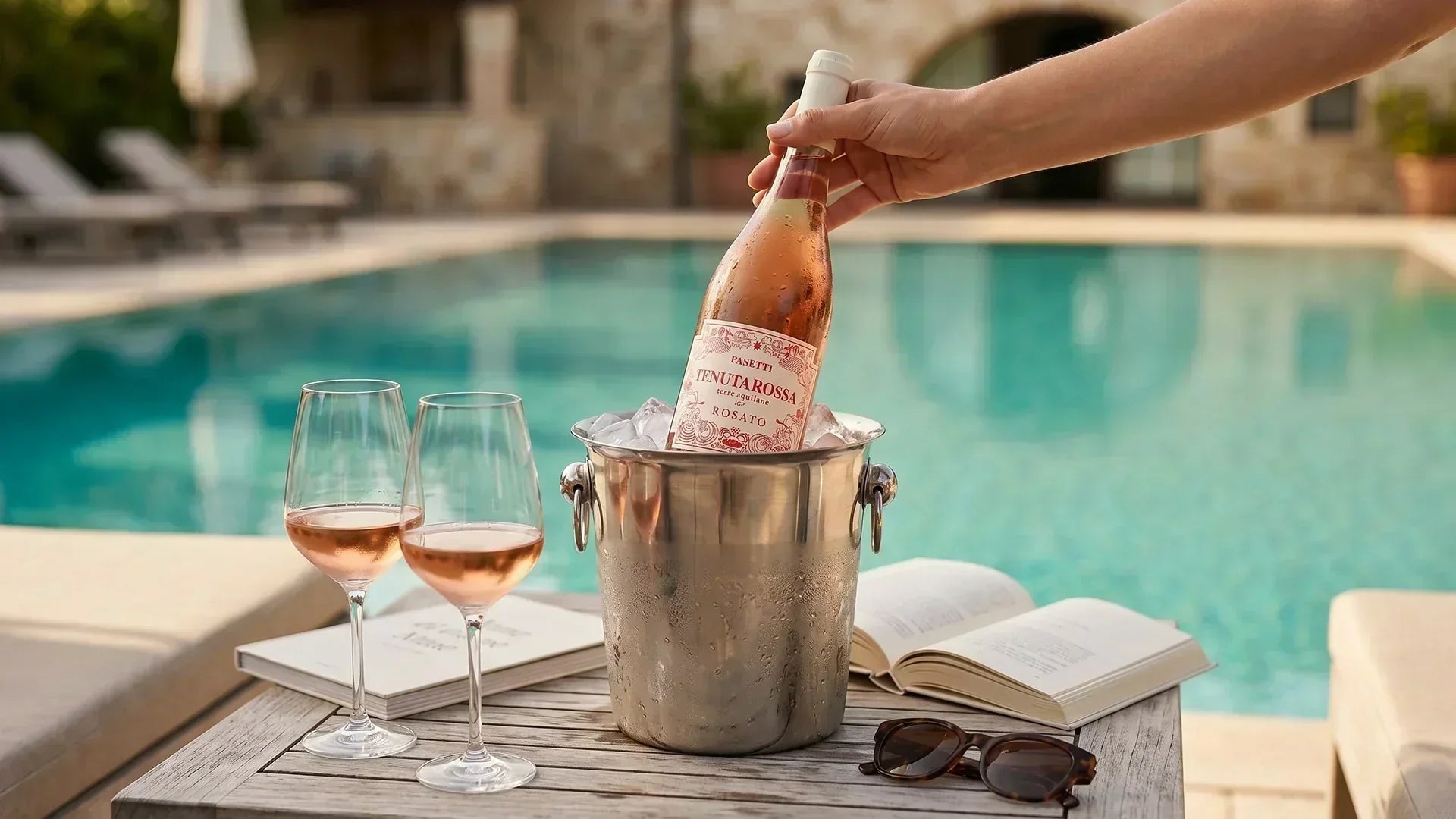
You know nothing → bring dry rosé. It works with everything.
You know there's red meat on the grill → Pinot Noir or Zinfandel. Pinot for burgers, Zin for ribs.
You know there's seafood → Vermentino or Sauvignon Blanc. Either works.
You want to look thoughtful → bring Zinfandel. It's a genuinely interesting choice that also happens to be the best BBQ wine.
You want bubbles → Cava or American sparkling. Crowd-pleasing and easy to find.
Chill Your Reds — This Is Not Optional in July
This gets pushback, and I understand why. We were all taught to serve red wine at 'room temperature.' But that advice was written for cool European cellars, not a July afternoon in California or Texas or Florida.
At 85 degrees, a full-bodied wine at room temperature tastes hot and bitter. Alcohol volatility goes up, tannins get harsh, and you've wasted a good bottle on an uncomfortable experience.
The fix: put your red wine in the fridge 20 to 30 minutes before serving. It brings the temperature to about 60 to 65 degrees, where the wine actually shows its best. This works especially well with Pinot Noir and Zinfandel — both of which benefit from a slight chill year-round.
American Wine for an American Holiday
No rule says you have to drink domestic wine on the 4th. But if you want to lean into it:
- Zinfandel from California — deep roots in this state going back to the Gold Rush, and still the best BBQ wine California grows.
- Pinot Noir from Oregon's Willamette Valley or California's Sonoma and Santa Barbara counties — world-class expressions that hold their own against anything from Europe.
- Sauvignon Blanc from California or Washington — crisp, clean, and excellent with everything on a grill.
Wine Glossary
Vermentino — A white grape from Sardinia and coastal Italy, known for bright citrus flavors, saline minerality, and a slight almond finish. Outstanding with grilled seafood.
Zinfandel — A dark-skinned grape that has grown in California since the mid-1800s. Fruit-forward (dark berry, spice) and robust enough for BBQ and ribs.
Dry Rosé — Rosé wine with little to no residual sugar, giving it a crisp, refreshing quality. The pink color comes from brief contact with red grape skins, not added sweetness.
Sauvignon Blanc — A white grape known for high acidity, herbaceous notes (fresh herbs, citrus zest), and food-friendly versatility. Made from France's Loire Valley to New Zealand to California.
Tannin — The compound in red wine responsible for its drying, grippy sensation. Heat amplifies tannin perception, which is why heavy reds feel harsh at outdoor summer temperatures.
Chillable Red — Any red wine that tastes good at slightly below room temperature (55-65 degrees F). Pinot Noir, Zinfandel, Gamay, and lighter Grenache all qualify.
Pinot Noir — A thin-skinned red grape producing lighter-bodied wines with soft tannins, earthy cherry fruit, and strong affinity for smoke and savory foods.
Cava — Spanish dry sparkling wine made by the traditional method. An underrated pairing for lighter appetizers and egg-based dishes like deviled eggs.
Frequently Asked Questions
What is the best wine for a 4th of July BBQ?
Dry rosé is the safest all-table choice — it pairs with virtually everything at a summer BBQ, from burgers to grilled chicken to the sides. For more specificity: Pinot Noir with burgers, Zinfandel with ribs, and Sauvignon Blanc or Vermentino with grilled chicken and seafood.
What wine goes with burgers?
Pinot Noir is the best match. Its soft tannins and earthy fruit complement the savory char without the harsh grip you get from Cabernet. It also handles a slight chill well, which matters in summer.
What wine pairs best with BBQ ribs?
Zinfandel. It's naturally fruit-forward — dark berry, a little spice — and its character holds up beautifully against smoky ribs and sweet BBQ sauce. California's BBQ grape for a reason.
What wine goes with grilled chicken or BBQ chicken?
Sauvignon Blanc is the top choice. Its bright acidity cuts through char and marinade, and its herbaceous notes echo citrus and herb seasonings. Dry rosé is a solid backup, especially if there's a cream sauce.
What wine pairs with grilled shrimp or seafood?
Vermentino is the best answer for grilled shrimp and most grilled seafood. It has a natural saline, citrus quality that mirrors ocean flavors in shellfish. Sauvignon Blanc is a close second, especially with salmon.
Should I chill red wine for a 4th of July BBQ?
Yes. Put your red wine in the fridge 20 to 30 minutes before serving. At outdoor summer temperatures, room-temperature red wine feels hot and tannic. A slight chill — to about 60 to 65 degrees — brings out the best in Pinot Noir and Zinfandel.
Can I serve Cabernet Sauvignon at a 4th of July BBQ?
You can, but it's usually not the best choice. Heavy Cabernet's tannins get harsh in summer heat and can overpower grilled food. If you love Cab, chill it 20 to 30 minutes first and pair it with something fatty and well-charred.
What wine should I bring to a 4th of July party if I don't know the menu?
Dry rosé. It works with almost everything on a summer table — grilled meat, seafood, sides, and light desserts. Reliable, crowd-friendly, and most hosts are glad to see it.
What is a good American wine for the 4th of July?
Zinfandel from California is the most historically American choice and one of the best BBQ wines you can pour. Oregon or California Pinot Noir and California or Washington Sauvignon Blanc are also excellent domestic options.
What wine goes with strawberry shortcake?
Sparkling rosé. The light berry fruit and bubbles pair naturally with fresh strawberries and cream. A slight off-dry character makes it even better.
What wine works with sides like potato salad, coleslaw, and macaroni salad?
Dry rosé or Sauvignon Blanc. Both have enough acidity to cut through creamy, mayo-based sides without competing. For deviled eggs specifically, try a dry sparkling wine — the bubbles do something still wine can't.
What is Vermentino and why is it good for a BBQ?
Vermentino is a white grape from Sardinia and coastal Tuscany with a natural saline, citrus quality that makes it ideal for grilled seafood. Light, refreshing, and interesting enough for wine drinkers who want something beyond Sauvignon Blanc. The sleeper pick of any summer table.
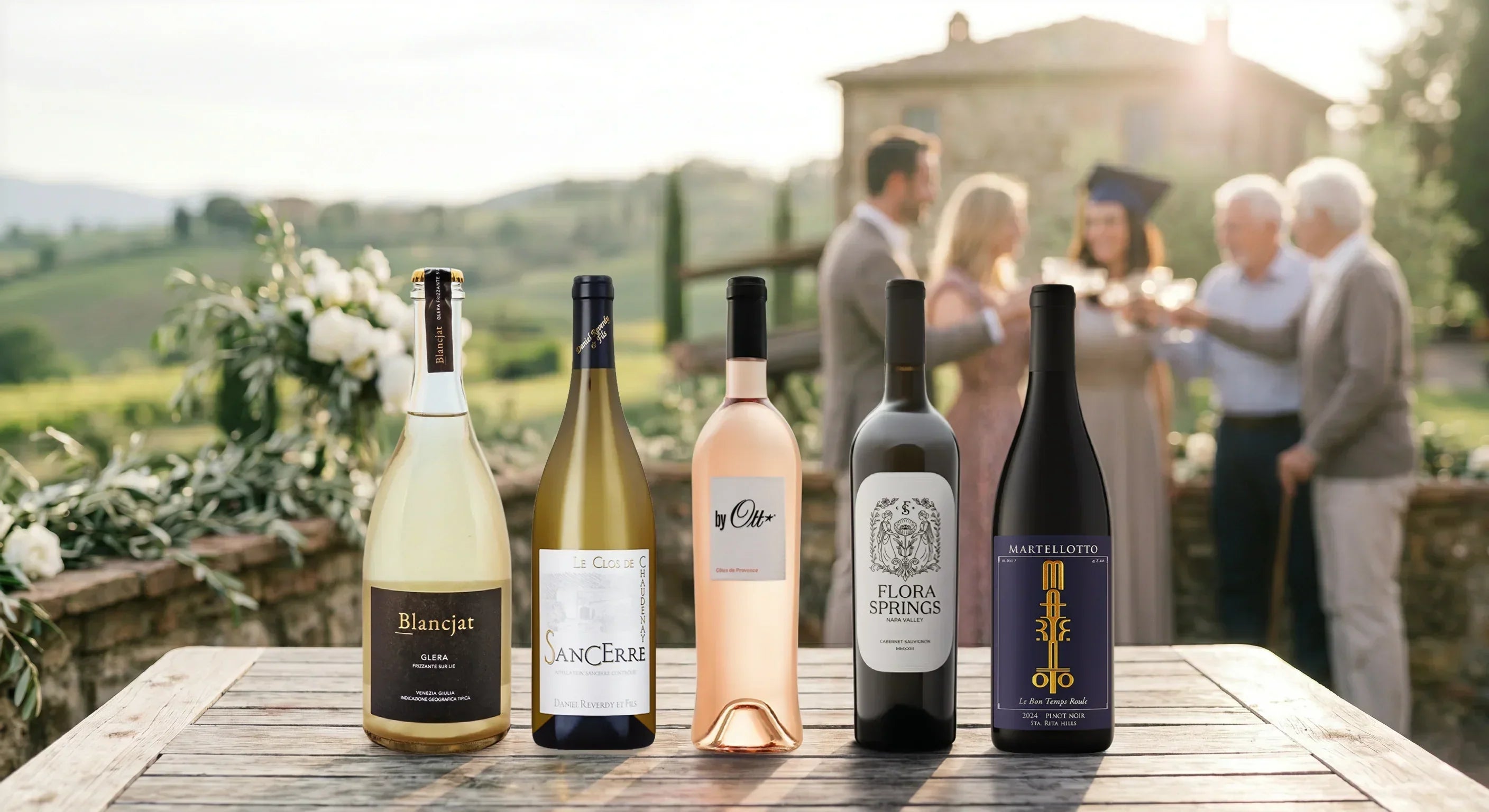
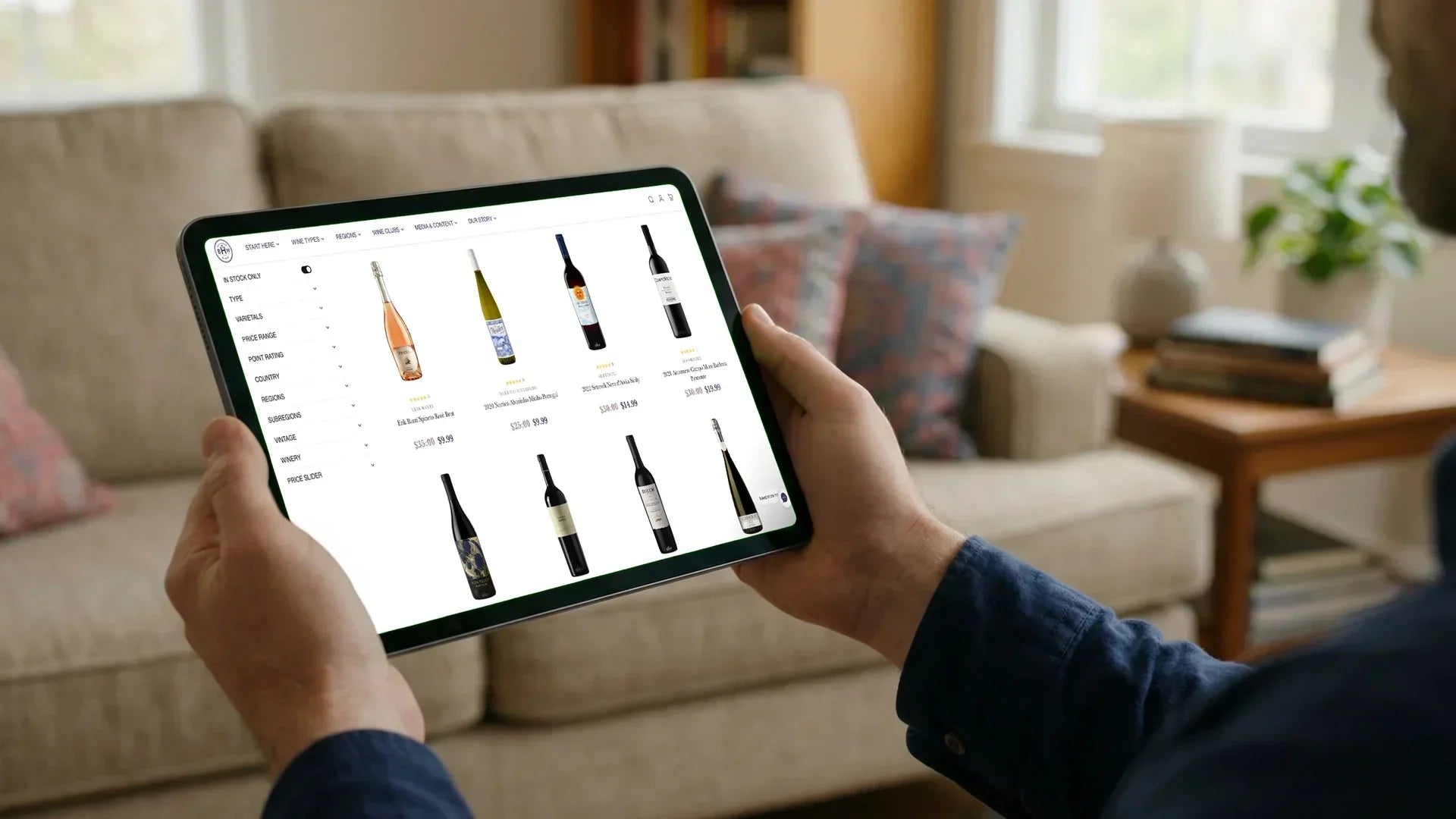
Shop the 4th of July Collection
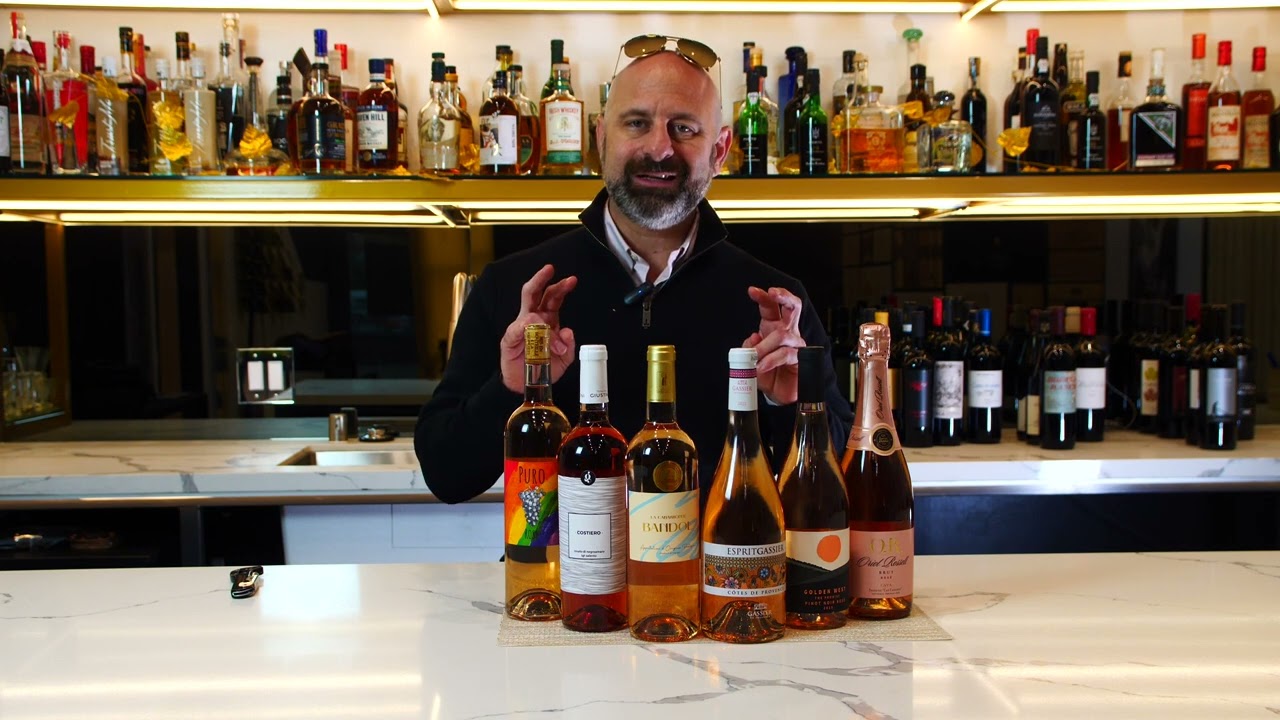
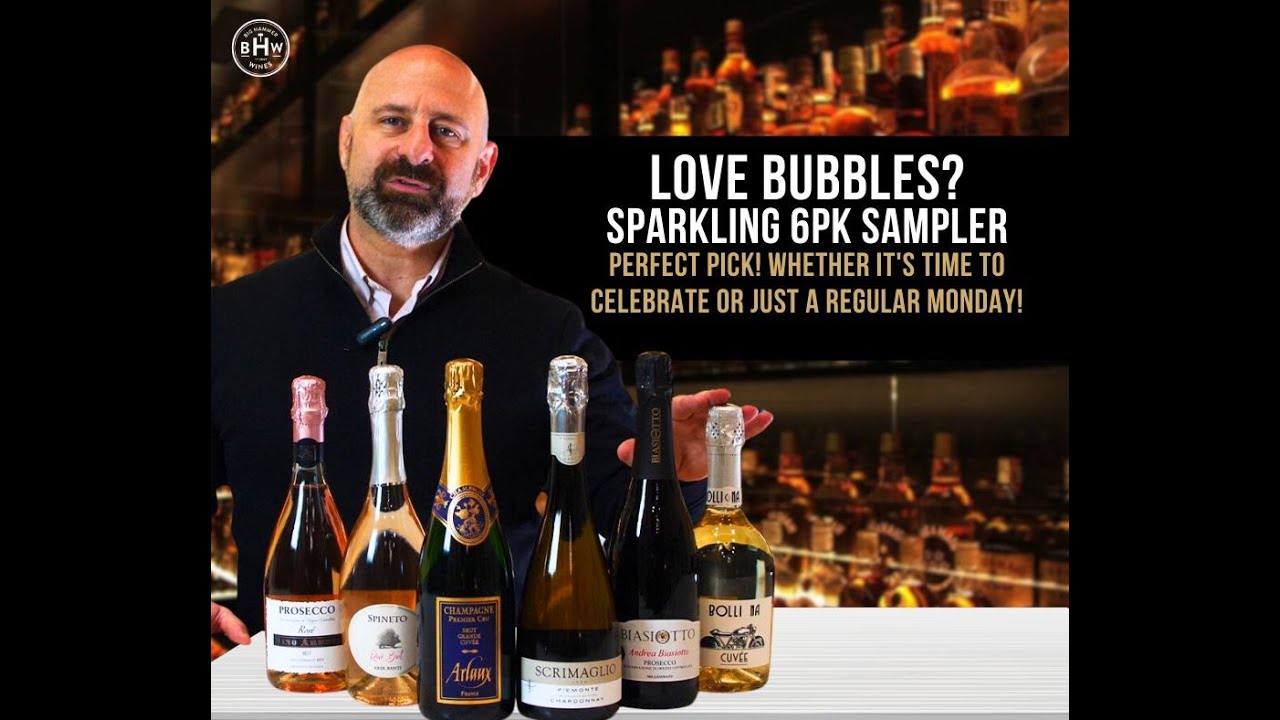
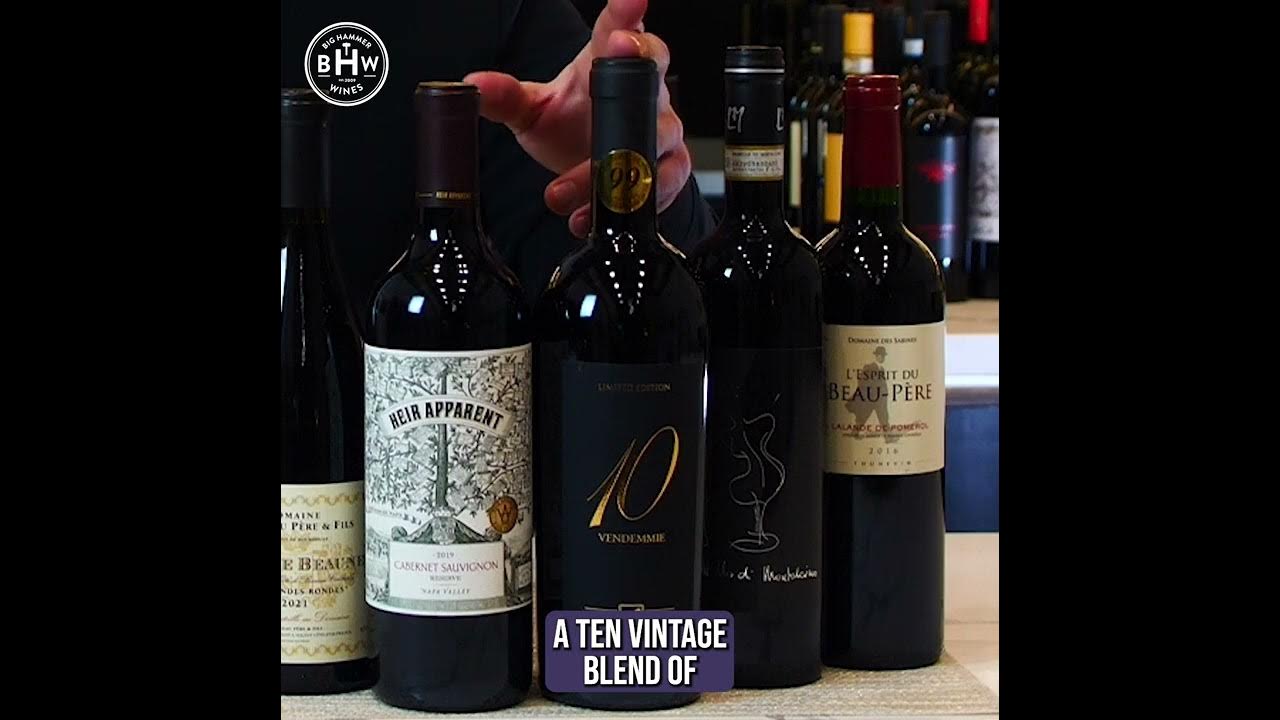
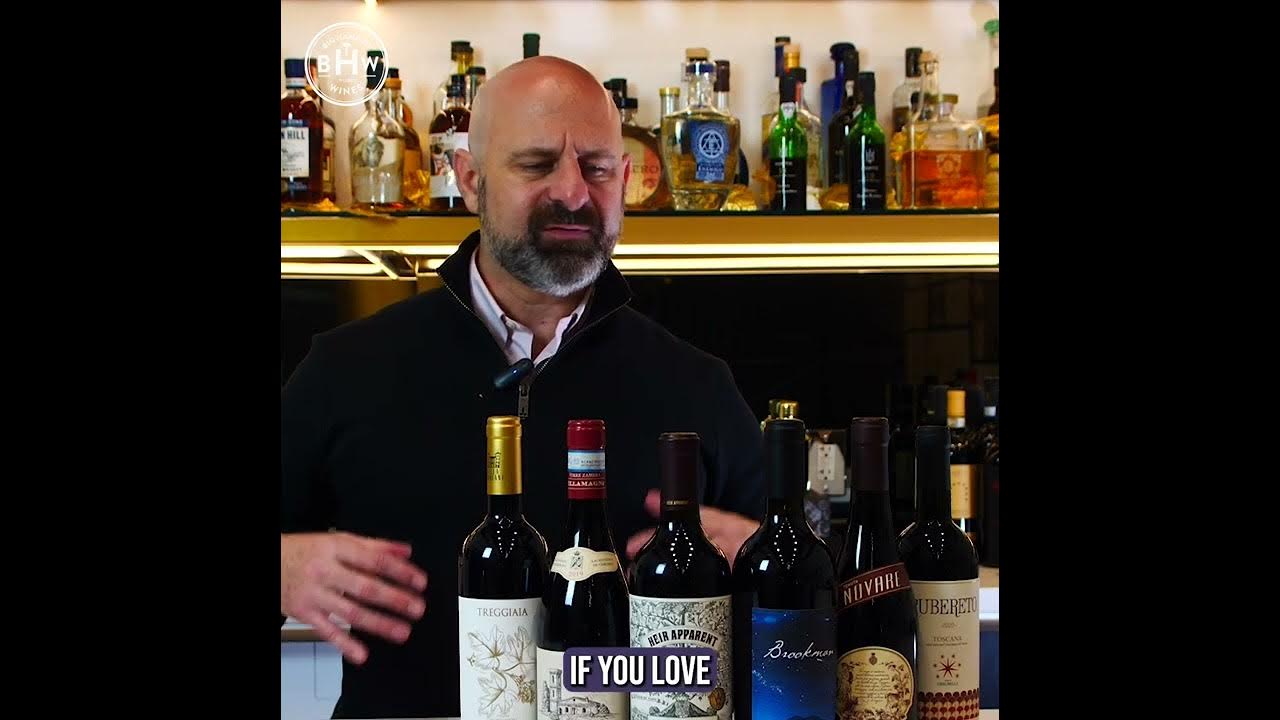
We put together a collection of wines that actually work at a BBQ — rosé, lighter reds, the right whites. Everything is in stock and ready to ship in time.























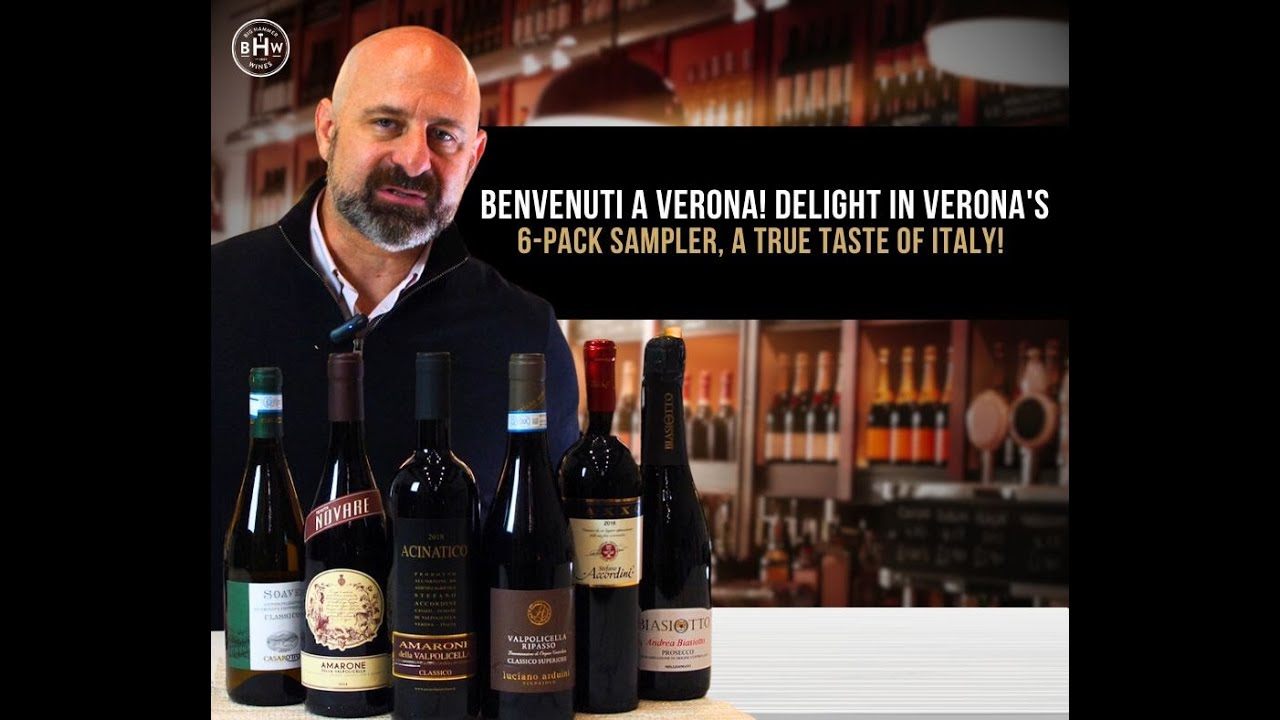
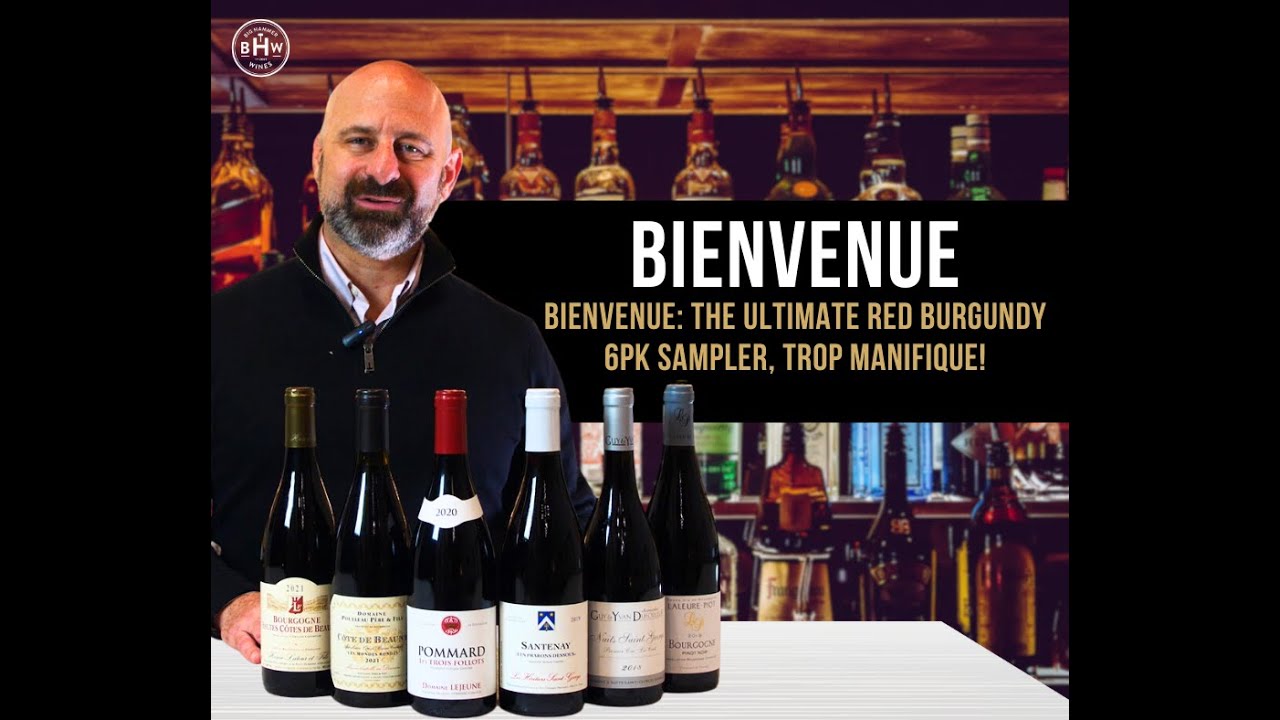
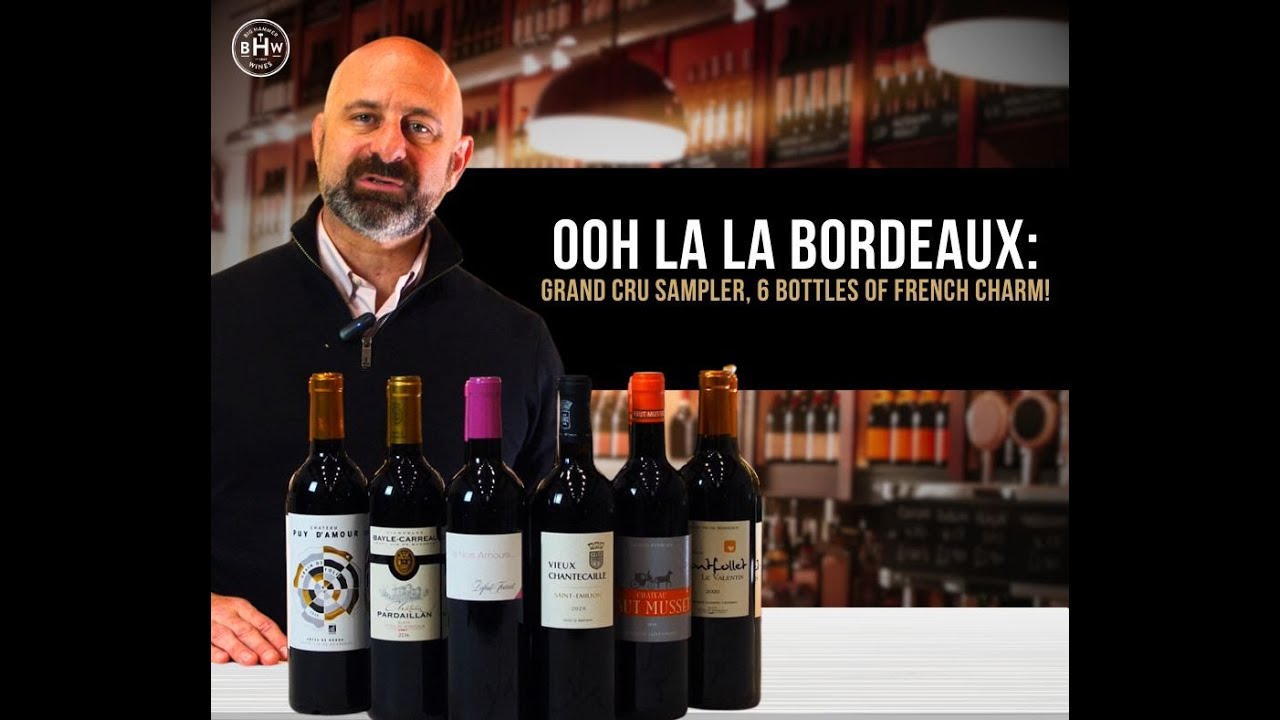

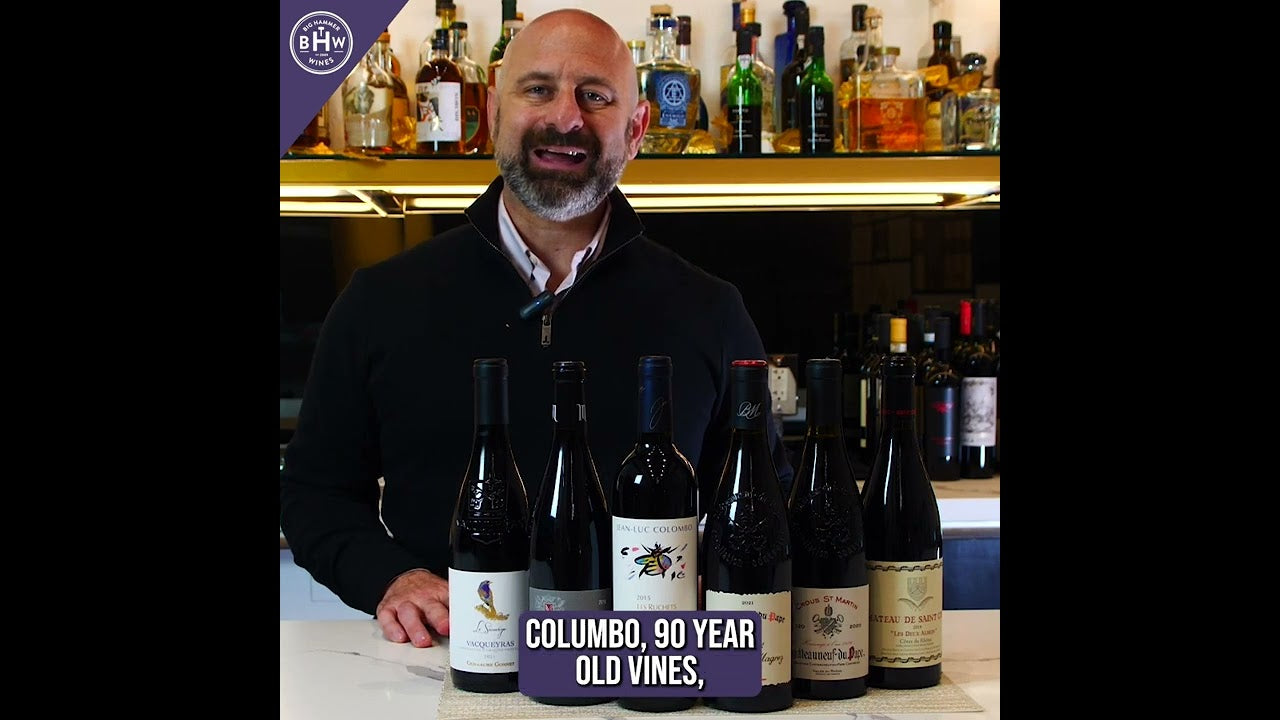



Skip the Guesswork. These Are the Bottles to Buy
SHOP COLLECTIONShare:
The Best Rosé Lives Under $35: How to Pick a Bottle Worth It
Comments Section