


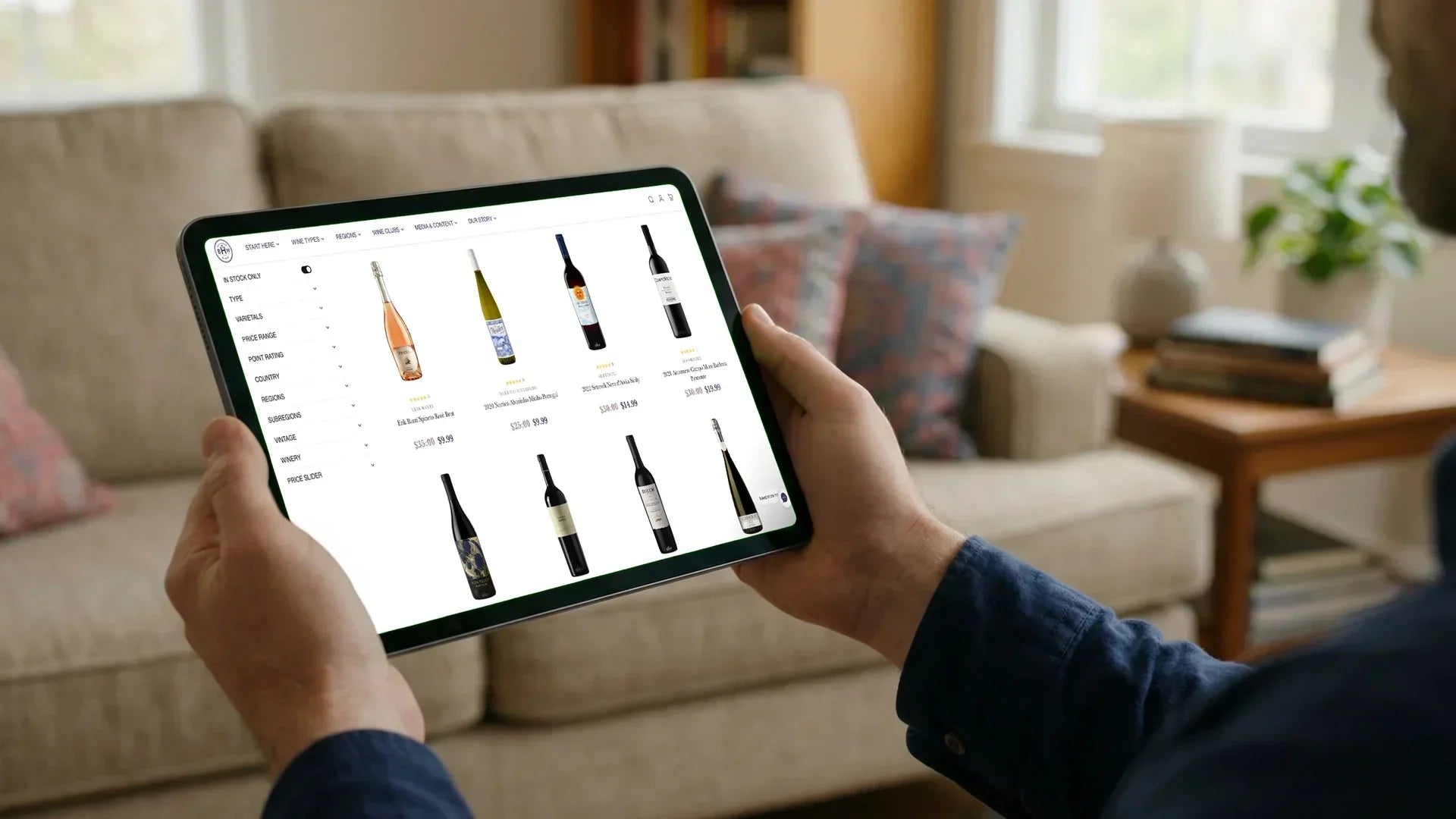
Buying wine online gives you access to small-production, family-made wines that rarely appear on grocery store shelves.
To buy well, start by learning to read a wine label (region, grape, vintage), choose a merchant who curates rather than warehouses, confirm your state allows direct-to-consumer shipping, and plan for an adult signature at delivery. The payoff is better wine at a wider range of price points than any single retail store can offer.
Key Takeaways
- Online wine shopping unlocks bottles from small, family-run estates you will never find in a big-box store or supermarket aisle.
- A reliable online wine merchant emphasizes provenance, producer stories, and transparent tasting notes — not just price and point scores.
- Wine shipping laws vary by state; most U.S. states allow direct-to-consumer winery shipments, but a handful still restrict or prohibit them.
- Every wine delivery requires an adult (21+) signature, so plan to be home or use a carrier hold option at FedEx or UPS.
- Let shipped wine rest for at least a few days before opening — transit vibration can temporarily dull the flavors (a phenomenon called bottle shock).
Why Buy Wine Online?
Walk into the average supermarket, and you will see hundreds of wine labels. That sounds like plenty of choice — until you realize the vast majority come from a handful of multinational corporations that engineer wines for mass appeal. They are perfectly drinkable, but they are rarely memorable.
Buying wine online flips that equation. A curated online wine shop can source directly from family producers in regions like Piedmont, Rioja, the Rhône Valley, or the Willamette Valley — producers who make hundreds of cases, not hundreds of thousands. That means wines with genuine character tied to a specific place, vintage, and winemaker’s philosophy.
Beyond selection, online buying also gives you time. There is no pressure to grab a bottle before dinner. You can read tasting notes, compare vintages, research the producer, and make a confident choice.
How to Read a Wine Label Before You Buy

A wine label is a cheat sheet hiding in plain sight. Here are the five things to look for before you add anything to your cart:
1. Producer / Estate Name — Is it a real family or estate, or a corporate brand name? A named estate signals a wine made by someone who stakes their reputation on every bottle.
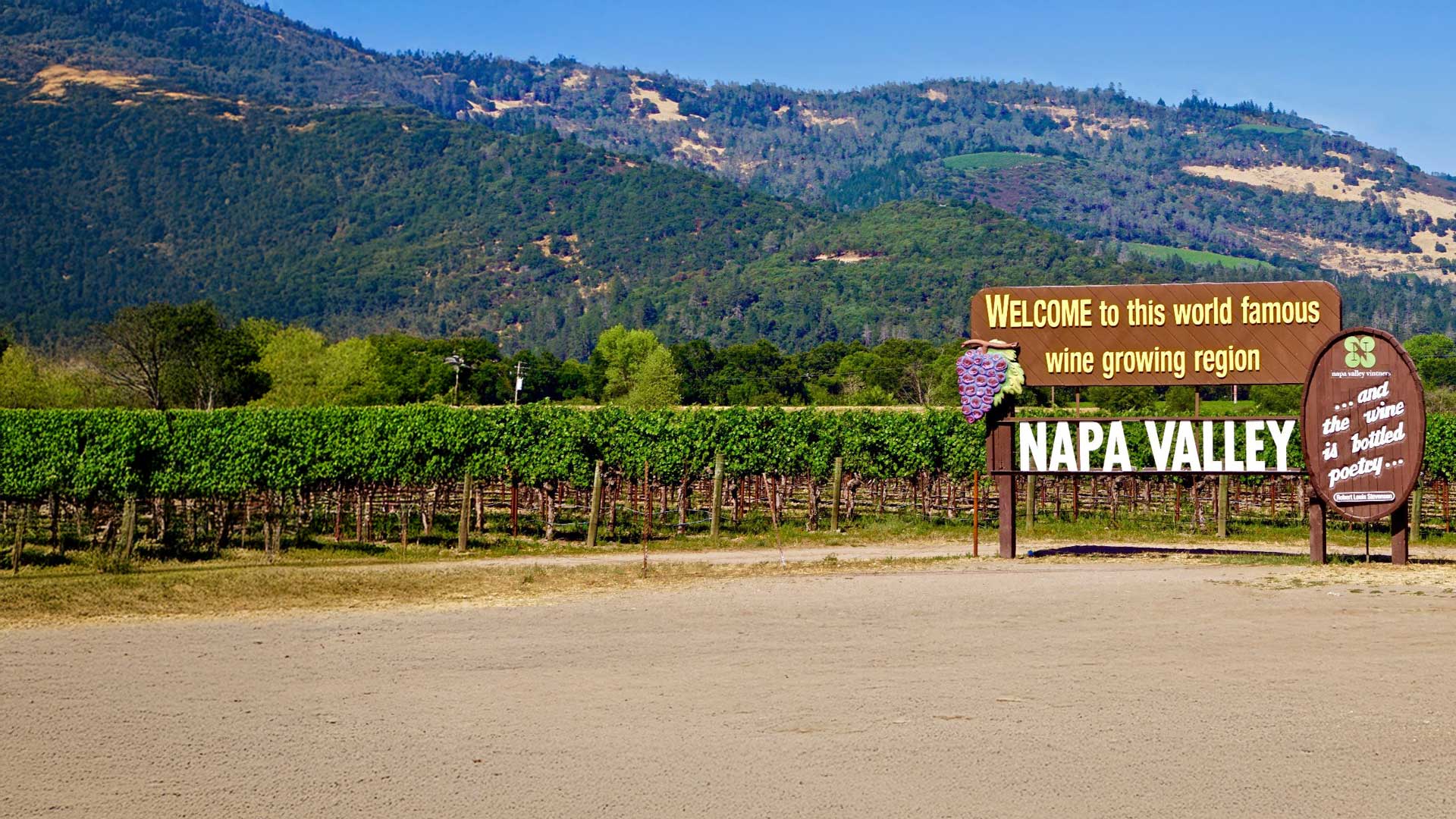
2. Region / Appellation — Where the grapes were grown. Specific appellations (Barolo, Napa Valley, Châteauneuf-du-Pape) generally indicate tighter quality standards than broad labels like “California” or “France.”
3. Grape Variety / Blend — Not all labels list the grape (European labels often name the region instead), but a good online merchant will tell you what is in the bottle.
4. Vintage Year — The year the grapes were harvested. This tells you age and, for experienced buyers, the quality of that growing season.
5. Alcohol by Volume (ABV) — Generally 12–15% for table wines. Unusually high or low ABV can hint at the wine’s weight and style.
6 Steps to Buying Wine Online With Confidence
Step 1: Know What You Like (Or Admit You Don’t Yet)
If you are brand new, start broad. Do you enjoy lighter, crisp flavors or fuller, richer ones? A quick shortcut: if you gravitate toward black coffee and dark chocolate, you will likely enjoy bolder reds. If you prefer citrus and green salads, lean toward aromatic whites. If you are not sure, a mixed sampler or a curated new arrivals selection is the lowest-risk way to explore.
Step 2: Choose Your Merchant Carefully
Not all online wine sellers are created equal. Look for merchants who tell you where the wine comes from, who made it, and why it is worth your attention. Red flags include sites that lead exclusively with discounts, offer no producer information, or stock only mass-market labels.
Step 3: Check Your State’s Shipping Laws
Most U.S. states allow wineries to ship directly to consumers. A smaller number allow licensed retailers to do the same. A few states — like Utah and Mississippi — severely restrict or prohibit direct wine shipments entirely. Before you order, verify your state’s rules so you are not surprised by a rejected delivery.
Step 4: Read Tasting Notes and Producer Descriptions
A well-written tasting note should tell you the wine’s body (light, medium, full), dominant flavors (fruit, earth, spice), and ideal serving context (food pairings, temperature). If a site only gives you a point score and a price, that is marketing, not guidance.
Step 5: Start Small, Then Build
Resist the urge to buy a full case of something you have never tried. Order one or two bottles, taste them over dinner, and take notes. If you love a bottle, then go back for a case — and you might even save with case pricing.
Step 6: Plan for Delivery
Wine deliveries require an adult (21+) signature at the door. If you will not be home, most carriers let you redirect the package to a FedEx Office or UPS Store for pickup. Avoid leaving wine on a hot porch in summer — heat is the single fastest way to ruin a bottle.
Online Wine Merchant Types: How They Compare
Not every online wine seller operates the same way. This comparison can help you decide where to shop.

Understanding Wine Shipping Laws
Wine shipping in the United States is governed by a patchwork of state-level regulations rooted in the 21st Amendment. The landmark Granholm v. Heald Supreme Court decision in 2005 established that states cannot discriminate between in-state and out-of-state wineries for direct-to-consumer shipping. Since then, the number of states allowing winery DTC shipping has grown significantly.
That said, not every state is equally welcoming. Here is a simplified overview:

Tip: Before placing your first order, check your state’s Alcohol Beverage Control (ABC) website to confirm current rules. Shipping laws change frequently, especially after state legislative sessions.
What to Do When Your Wine Arrives

Your wine just showed up. Before you pop a cork, a few quick steps will protect your investment:
- Inspect the box for damage. If the outer packaging is crushed or shows moisture, photograph it before opening and contact the merchant.
- Check every bottle for leaks, cracked capsules, or cork displacement. A cork that has been pushed partially out of the neck is a sign that the wine may have been exposed to excessive heat.
- Let the wine rest. Transit vibration can temporarily mute flavors and aromatics — a condition wine professionals call bottle shock. Give your wine at least 3–5 days in a cool, dark spot before opening.
- Store properly. Wine should rest on its side (to keep the cork moist) in a space between 50–65°F (10–18°C). Avoid the top of the refrigerator, near the stove, or anywhere with direct sunlight.
Common Mistakes Beginners Make (And How to Avoid Them)
- Buying on price alone. A $10 wine from a family estate can outperform a $30 mass-market bottle. Focus on who made it, not just what it costs.
- Ignoring the calendar. Ordering wine during a heat wave is asking for trouble. Ship during cooler months or use a carrier hold service in summer.
- Over-buying before you know your palate. Start with singles or small mixed packs. Build your case orders once you have identified producers and styles you enjoy.
- Skipping the tasting note. You would not buy a book without reading the description. Apply the same standard to wine — the tasting note is your preview.
- Forgetting the signature requirement. Every wine delivery in the U.S. requires an adult signature. Set a delivery window or redirect to a pickup location to avoid missed deliveries.
Mini-Glossary: Wine Terms Every Online Buyer Should Know
Appellation — A legally defined wine-growing region with specific rules about which grapes can be grown and how wine is made (e.g., Barolo, Napa Valley).
Bottle shock — A temporary condition where a wine’s flavors seem muted or disjointed after shipping or significant movement. It resolves naturally with rest.
Curation — The practice of hand-selecting wines based on quality, provenance, and character rather than stocking everything available.
Direct-to-consumer (DTC) — A sales channel where the winery or licensed retailer ships wine directly to the buyer’s home without going through a distributor or retail store.
Dry — A wine with little to no residual sugar. Most red wines and many whites are dry, though this does not mean they lack fruit flavor.
Tannin — A naturally occurring compound in grape skins, seeds, and oak barrels that creates a drying, astringent sensation in your mouth. Tannins give structure to red wines.
Terroir — The complete natural environment in which a wine is produced — soil, climate, altitude, and tradition — that gives a wine its sense of place.
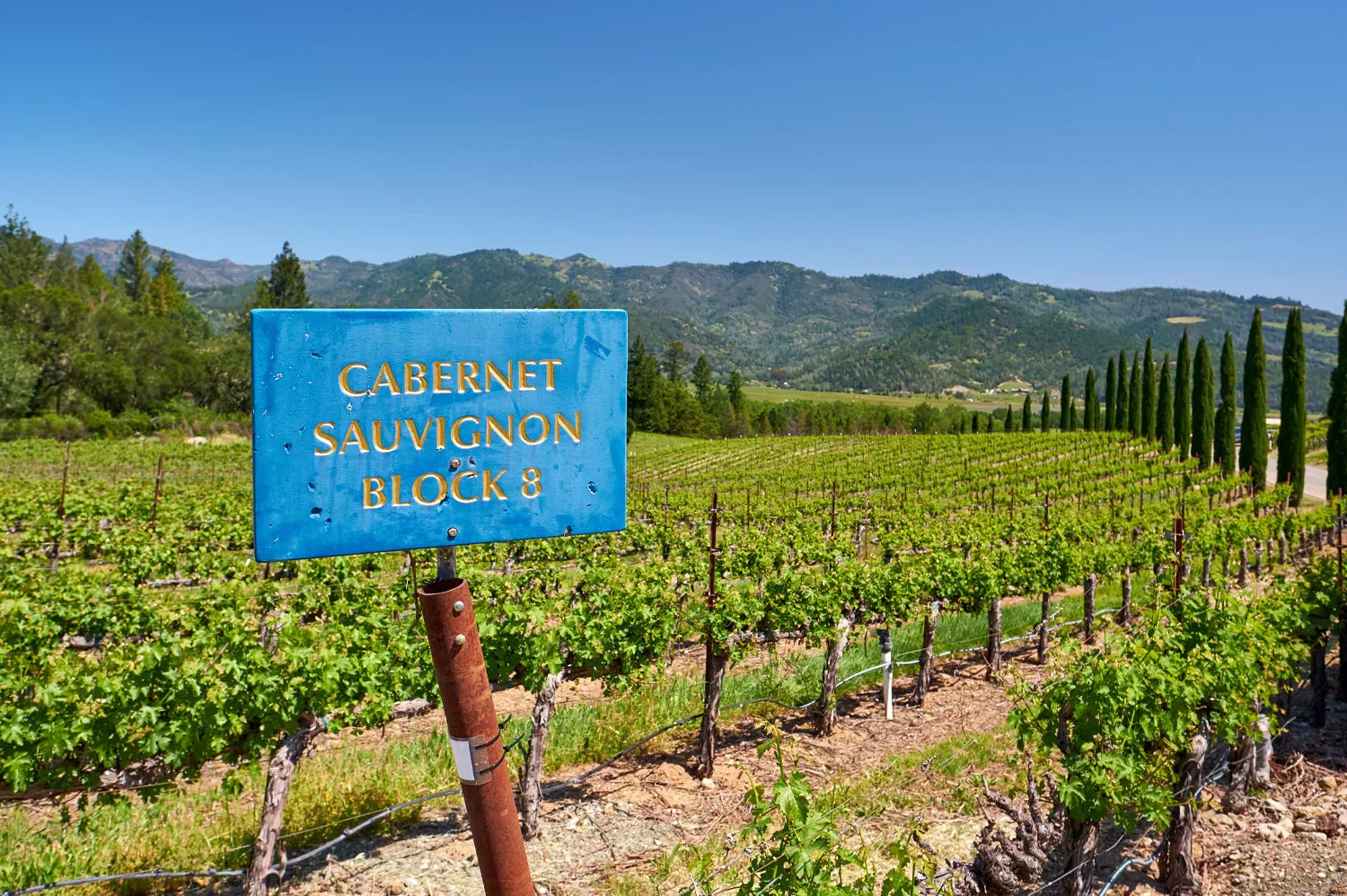
Varietal — A wine named after the dominant grape variety used to make it (e.g., Cabernet Sauvignon, Pinot Grigio).
Vintage — The year in which the grapes were harvested. Vintage can significantly affect a wine’s character depending on that year’s growing conditions.
Wine club — A subscription service that delivers a curated selection of wines on a regular schedule, typically monthly or quarterly.
Frequently Asked Questions
1. Is it safe to buy wine online?
Yes. Reputable online wine merchants use insulated packaging, climate-controlled warehouses, and trusted carriers like FedEx and UPS. Every shipment requires an adult signature for added security.
2. Can I buy wine online in every U.S. state?
Not quite. Most states allow direct-to-consumer wine shipping from licensed wineries, and many allow licensed retailers to ship as well. A small number of states — including Utah and Mississippi — restrict or prohibit most direct shipments. Always verify your state’s rules before ordering.
3. How do I know if an online wine store is trustworthy?
Look for detailed producer information, transparent tasting notes, a clear returns policy, and verifiable licensing. A merchant who can tell you who made the wine and where is far more trustworthy than one that only lists a price and a score.
4. What is the cheapest way to buy wine online?
Case orders (6 or 12 bottles) typically offer the best per-bottle value, since many merchants offer case discounts and the shipping cost per bottle drops significantly. Some merchants also offer free shipping above a minimum order.
5. Does wine get damaged during shipping?
Wine can be affected by heat, cold, and excessive vibration during transit. That is why reputable merchants use insulated shippers and avoid shipping during extreme temperatures. If a bottle arrives damaged, contact the merchant immediately for a replacement.
6. What is bottle shock?
Bottle shock is a temporary condition where wine tastes flat or disjointed after being jostled in transit. It is not permanent damage. Let the bottle rest in a cool, dark place for 3–7 days and the wine should return to form.
7. Do I need to be home to receive a wine delivery?
Someone over 21 must sign for every wine delivery. If you will not be home, you can redirect the package to a FedEx Office or UPS Store location for pickup, or schedule delivery for a day when you can be present.
8. What wines should a beginner try first?
Start with approachable, food-friendly styles: Pinot Grigio or Sauvignon Blanc for whites, Pinot Noir or a lighter Sangiovese for reds. Mixed samplers and new-arrivals collections are also great for exploration without commitment.
9. Is buying from a winery directly better than buying from a retailer?
Each has advantages. Buying direct from a winery supports the producer and sometimes offers exclusive wines. A curated retailer, on the other hand, gives you access to wines from many producers in one order, with the added benefit of expert selection.
10. How should I store wine after delivery?
Store bottles on their sides in a cool, dark place between 50–65°F (10–18°C). Avoid temperature swings, direct sunlight, and vibration. A closet or basement shelf works well if you do not have a wine fridge.
11. What if I do not like a wine I ordered online?
Check the merchant’s return or satisfaction policy before you buy. Many quality-focused wine shops offer credits or replacements for wines that arrive flawed. Taste preferences are harder to return on, which is why starting with small orders and reading tasting notes is so valuable.
12. Can I buy wine online as a gift?
Absolutely. Many online wine merchants offer gift wrapping, personalized messages, and curated gift sets. Just ensure the recipient’s state allows wine shipments and that an adult will be available to sign for the delivery.
Ready to Start Exploring?
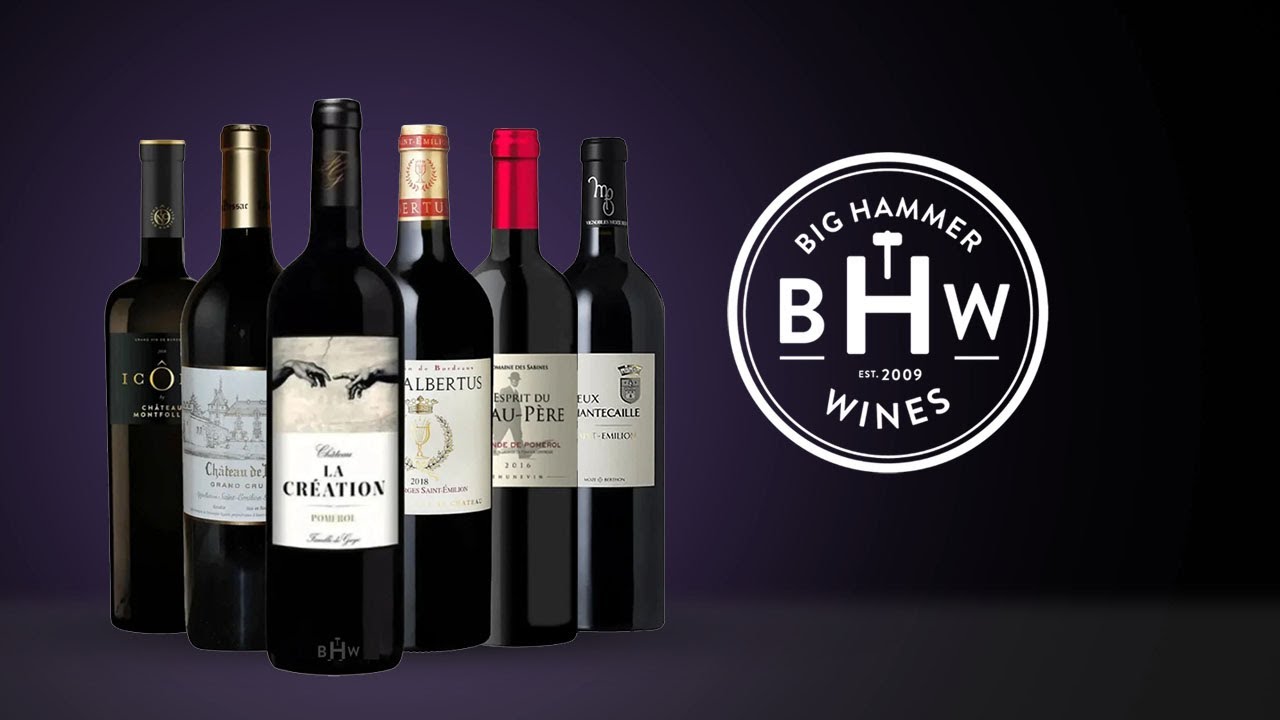
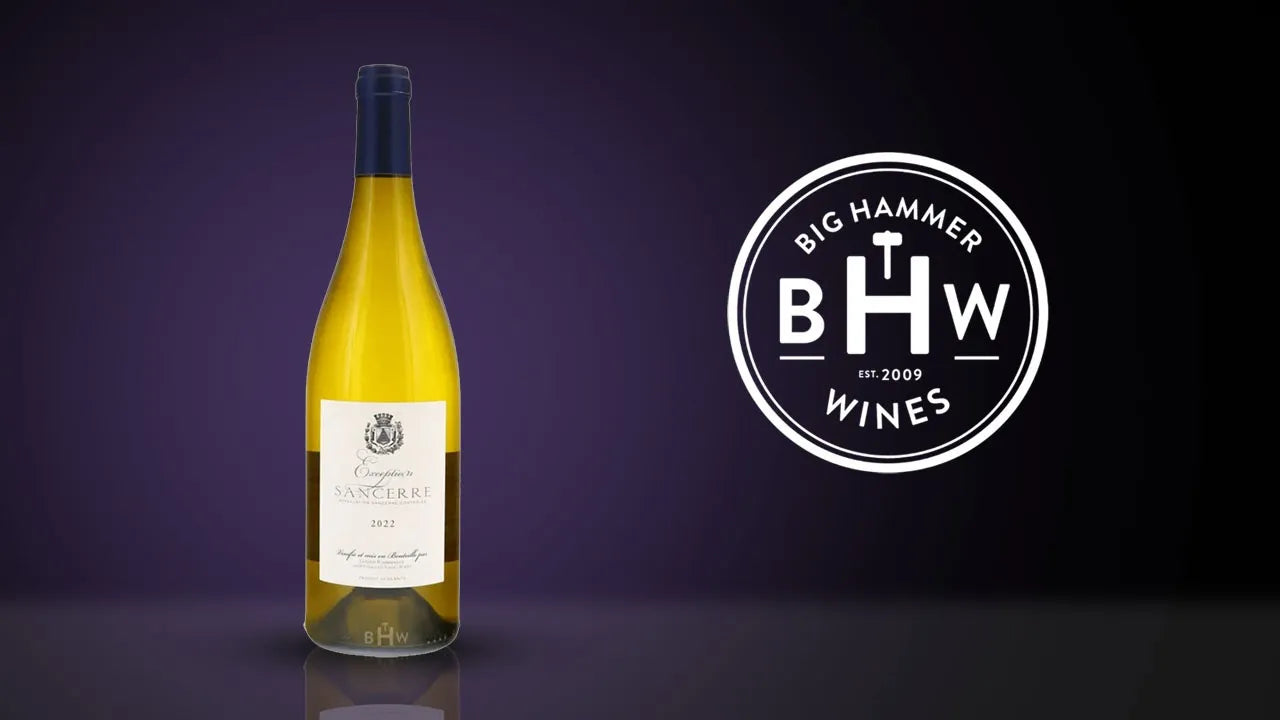
If this guide gave you confidence to try your first online wine order, you are in the right place. Browse the full Big Hammer Wines collection to see what a curated, family-producer-focused wine shop looks like in practice.
Want curated picks and insider access sent straight to your phone? Join Text2Sip — it’s the shortcut to drinking better.


















































Share:
Wine Tariffs 2026: What They Mean for Your Next Bottle
Michel Rolland’s Legacy: The Full Story Behind the Man Who Shaped Modern Wine
Comments Section