


On a $10 bottle of wine in the U.S., less than $1 typically pays for the actual wine. The rest covers packaging, distributor markups, retailer margins, federal and state taxes, and logistics.
Once you cross the $15–$20 threshold, a significantly larger share of each dollar goes toward better grapes, more careful winemaking, and real aging. Spending a few extra dollars per bottle doesn’t double the cost—it can more than double the quality of what’s actually in the glass.
Key Takeaways
- Less than $1 of a $10 wine pays for the liquid. Packaging, taxes, distribution, and margins eat up the rest.
- Fixed costs are roughly the same on a $10 bottle and a $20 bottle. The extra $10 goes almost entirely toward better grapes and winemaking.
- The U.S. three-tier system adds 50% or more to every bottle’s price through mandatory distributor and retailer markups.
- $15–$25 is the value sweet spot where you start paying meaningfully for the wine itself, not just the supply chain.
- Direct-to-consumer (DTC) buying bypasses up to two layers of markup, stretching your dollar further.
The $10 Illusion: What You’re Really Paying For
If “$10 is my limit” sounds familiar, you’re not alone. That’s the price point where most American wine shoppers do the bulk of their buying. But here’s the uncomfortable truth: when you pick up a $10 bottle at the grocery store, you’re mostly paying for everything except the wine.
Let’s break down where your money actually goes on a typical $10 bottle sold through the standard U.S. distribution system.
 Read that first line again. On a $10 bottle, the actual wine—the grapes, the fermentation, the juice you’re drinking—represents less than $1.50. Often closer to $1. The bottle itself may cost more than the liquid inside it.
The Three-Tier Tax on Your Glass
One reason American wine prices feel inflated has nothing to do with grapes. It’s the three-tier system—a relic of Prohibition-era regulation that requires most wine to pass through three separate businesses before it reaches you: the producer (or importer), a licensed distributor, and a retailer.
At each tier, a margin gets added. Distributors typically mark up 25–30%. Retailers add another 35–50%. By the time a wine that left the winery at $3–$4 a bottle reaches the shelf, those margins have doubled or tripled the price. And those markups are percentage-based, which means they compound. The more the wine costs at one level, the more gets added at the next.
This is the system working exactly as designed. After Prohibition ended in 1933, regulators intentionally built distribution to increase alcohol’s base price and prevent monopolies. Laudable goals, but the practical effect is that a huge portion of your wine dollar never touches anything resembling a vineyard.
Why $15–$25 Is Where the Magic Happens
Here’s the key insight the Instagram post from the UK gets exactly right (adjusted for the American market): the fixed costs of selling a bottle of wine are roughly the same whether it retails for $10 or $20.
Packaging costs about the same. Compliance costs the same. A distributor’s warehouse doesn’t charge more per pallet because the wine inside is better. The truck that delivers it burns the same fuel. Federal excise tax on a standard bottle of still wine under 14% ABV is $1.07 per gallon regardless of quality—about $0.21 per 750ml bottle.
So when you move from a $10 bottle to a $20 bottle, that extra $10 doesn’t get evenly spread across every cost category. A disproportionate share of it goes directly to what matters: better grapes, lower yields, more attentive farming, real oak aging, and longer cellar time.
That’s the punchline. Spending $20 instead of $10 doesn’t mean you’re paying twice as much for the same thing. You’re paying roughly the same overhead and dramatically more for the wine itself. The quality jump from a $10 bottle to a $20 bottle is often far bigger than the jump from $20 to $40.
Where Each Dollar Goes: $10 vs. $20 vs. $35
 Estimates based on standard U.S. three-tier distribution for domestic wines. Import costs, tariffs, and DTC models shift these ratios.
What “Better Grapes” Actually Means in the Glass
It’s easy to say “better grapes” and leave it there. But what does that mean in practice?
- Lower yields per acre. Budget wines come from vineyards that push maximum tonnage, which dilutes flavor. Premium grapes come from vines that are pruned aggressively, so fewer clusters develop more concentrated flavors.
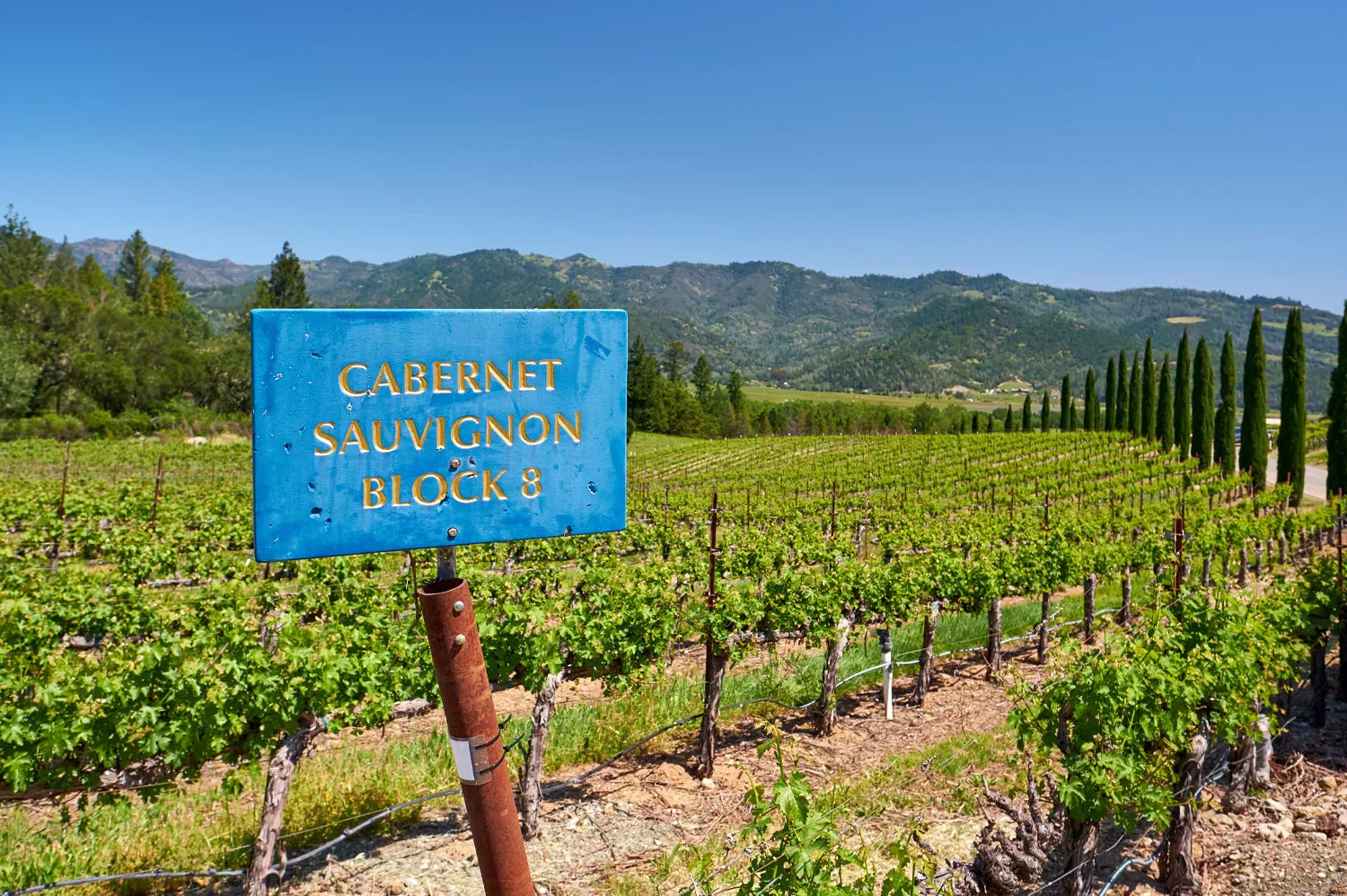
- Better vineyard sites. Average U.S. wine grape prices ranged from $1,090 to $1,750 per ton in 2024 (WineAmerica). But top Napa Valley Cabernet grapes can exceed $8,000–$10,000 per ton. The site determines the ceiling.
- More attentive farming. Hand-harvesting, canopy management, cover cropping, and sustainable practices all cost more than machine-harvested bulk agriculture.
- Real aging. A new French oak barrel costs $1,000–$1,200 and holds about 300 bottles. That’s $3–$4 per bottle just for the barrel—before you count the time. Cheap wines age in stainless steel tanks or use oak chips as a shortcut.
- Winemaker attention. At volume production (hundreds of thousands of cases), decisions get made by formula. At small-lot production, a winemaker is tasting, adjusting, and making judgment calls barrel by barrel.
When you taste a cheap wine and find it thin, one-dimensional, or generically fruity, this is the reason. The winemaking budget simply didn’t allow for the inputs that create complexity, depth, and character.
The Tariff Wild Card (for Imported Wine)
If you drink imported wine, the math just got harder. The U.S. has been in a period of unprecedented tariff volatility. As of early 2026, a 10–15% baseline tariff applies to most imported wine, with the rate and legal authority still being contested between the courts and the White House.
What this means practically: a bottle of Italian or French wine that wholesaled for $10 before tariffs now costs the importer $11–$11.50 before it even enters the three-tier system. That 10–15% increase at the import level gets amplified at every subsequent tier because distributor and retailer markups are percentage-based. A $30 European wine might now cost $35–$38 on the shelf.
This makes the value argument even stronger: when tariffs inflate the price of cheap imports, the quality gap between a $12 import and a $22 import barely changes—but the price gap narrows. At that point, the premium bottle becomes the better deal per-dollar of actual wine quality.
The DTC Shortcut: Skip the Middlemen

The three-tier system is mandatory in most states for retail and restaurant sales. But direct-to-consumer (DTC) purchasing—buying directly from a winery, wine club, or curated merchant—bypasses one or two tiers entirely.
That means a larger share of your money goes to the actual product. A $25 bottle purchased DTC often delivers the quality you’d find in a $35–$40 retail bottle, because nobody skimmed 50–60% in the middle.
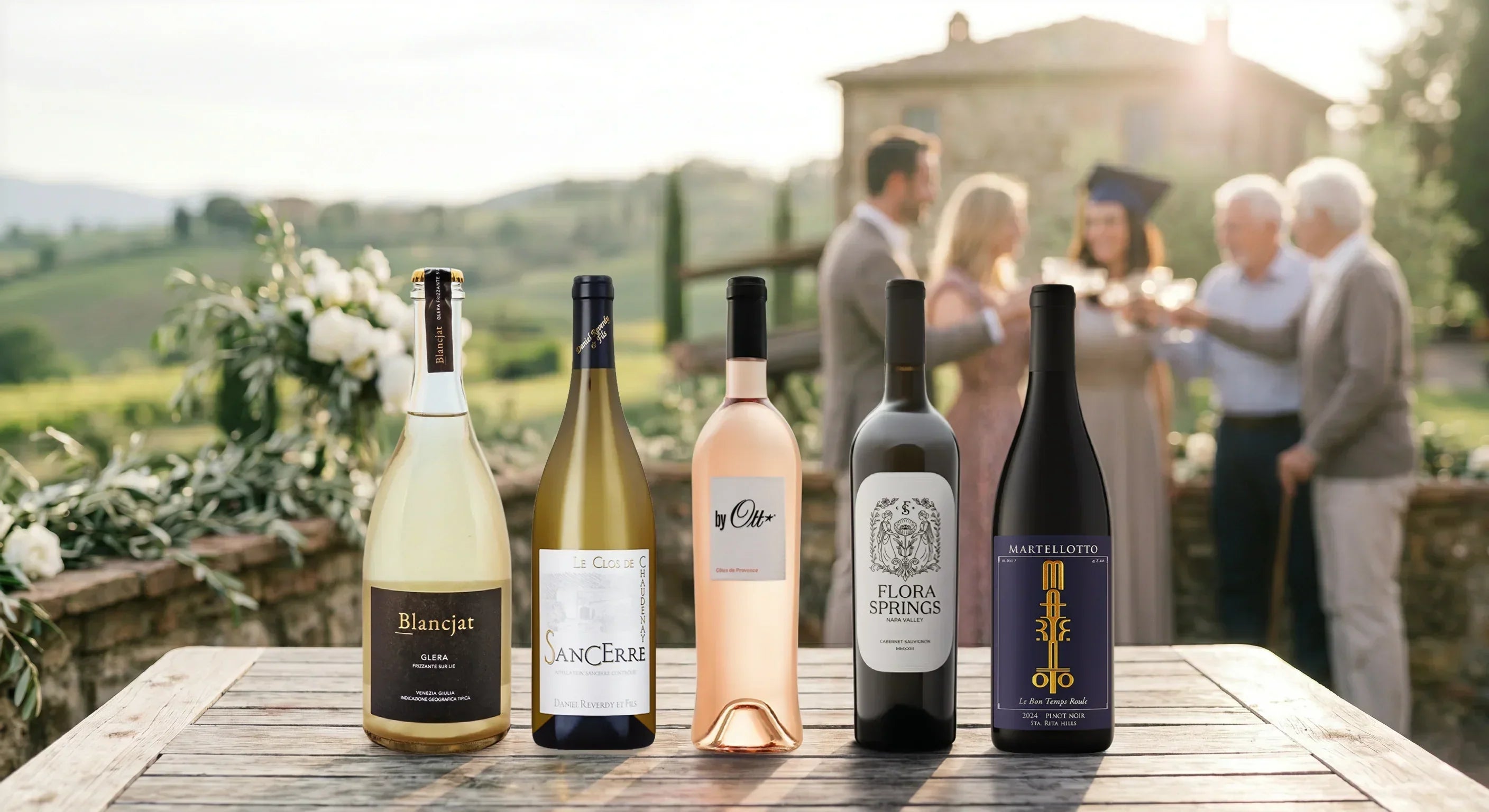
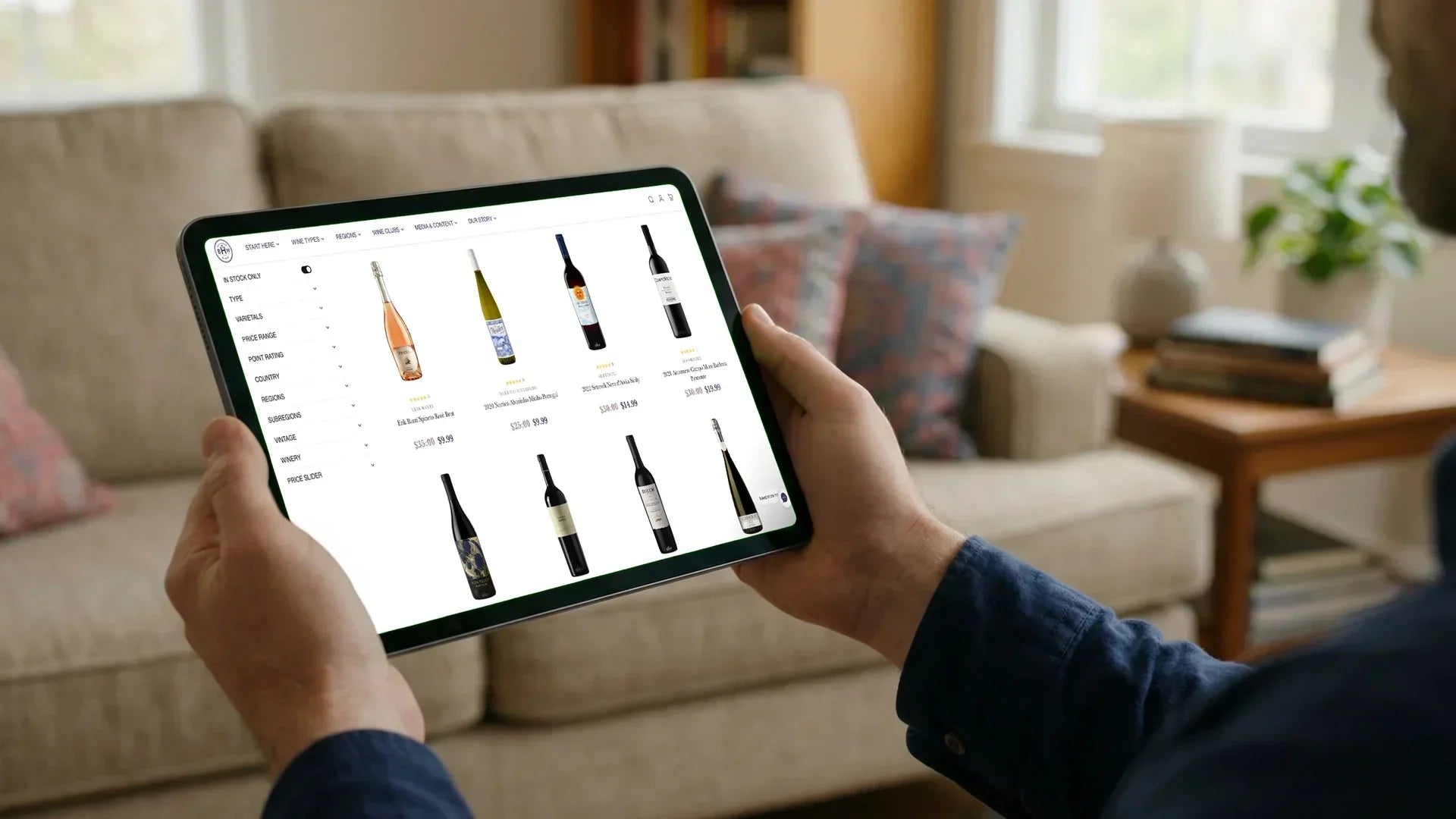
This is exactly the model behind Big Hammer Wines—sourcing directly from family estates and small producers, cutting out layers of markup, and passing real quality to your glass without the inflated supply-chain tax.
The Wine Value Decision Framework
Not sure where to spend? Use this quick mental checklist:
- Under $10: You’re paying for packaging and distribution, not wine. Fine for cooking or casual mixed drinks. Don’t expect complexity.
- $10–$15: The entry point for real winemaking. Solid daily drinkers from value regions (Chile, Argentina, Southern Italy, Languedoc, parts of Spain and Portugal). Start paying attention to producers here.
- $15–$25: The sweet spot. This is where terroir, varietal character, and real craftsmanship start showing up consistently. Best ROI per dollar of quality.
- $25–$50: Premium territory. Specific vineyards, longer aging, smaller production. You’re now drinking wines with a distinct identity.
- $50+: Luxury. The quality-to-price ratio flattens, but rarity, pedigree, and aging potential come into play. Worth it for special occasions and collectors.
Five Ways to Get More Wine for Your Dollar

- Buy in the $15–$25 range. This is where the quality jump per dollar spent is steepest. Move your everyday spending here and you’ll notice the difference immediately.
- Explore value regions. Portugal, Southern Italy (Puglia, Sicily), Spain’s Ribera del Duero, Argentina’s Mendoza, and Chile’s Colchagua Valley consistently over-deliver relative to price.
- Buy direct when possible. DTC purchases from wineries or curated merchants eliminate distributor markup. You get more wine for every dollar.
- Buy by the case. Most retailers offer 10–15% case discounts. That brings a $20 bottle down to $17–$18—deep into the sweet spot.
- Trust a curated source. A good wine merchant does the quality-versus-price work for you. They’ve tasted hundreds of wines to select the ones that deliver the most value at each price tier.
Wine Price Terms: A Mini-Glossary
Three-Tier System: The U.S. alcohol distribution framework requires wine to pass from producer to distributor to retailer, adding markup at each stage.
Federal Excise Tax: A per-gallon tax levied by the TTB on all wine produced or imported into the U.S. Standard still wine under 14% ABV is taxed at $1.07/gallon (~$0.21/bottle).
DTC (Direct-to-Consumer): Purchasing wine directly from the producer or a curated retailer, bypassing the distributor tier and reducing markup.
Distributor Margin: The 25–30% markup is added when a licensed wholesale distributor purchases wine from a producer and resells to retailers.
Retailer Margin: The 35–50% markup added when a wine shop, grocery store, or restaurant prices wine for the end consumer.
Ex-Cellar / FOB Price: The price at which wine leaves the winery door before any distribution, logistics, or tax costs are added.
Tariff: A duty imposed on imported goods at the border. Currently, 10–15% on most imported wines entering the U.S., amplified through markup at each distribution tier.
Typicity: When a wine accurately expresses the character of its grape variety and growing region. Typically emerges at $15+ price points.
Premiumization: The market trend of consumers buying fewer bottles but spending more per bottle—choosing quality over quantity.
Yield (tons/acre): How much fruit a vineyard produces. Lower yields generally mean more concentrated flavors and higher quality—but also higher cost per bottle.
Frequently Asked Questions
1. Is a $10 bottle of wine bad?
Not necessarily bad, but limited. At $10 through U.S. retail distribution, the winemaking budget is often under $1 per bottle. You can find drinkable, clean wines at that price—especially from high-volume producers in value regions—but expect simplicity, not depth or character.
2. How much of the price of a bottle of wine goes to the actual wine?
On a $10 bottle sold through the three-tier system, roughly 7–15% goes to grapes and winemaking. On a $20 bottle, that jumps to around 20–25%. At $35 and above, you’re typically spending 25–35% on the wine itself.
3. Why is wine so expensive in the U.S. compared to Europe?
The U.S. three-tier distribution system adds mandatory middleman markups at each level. Federal excise taxes, state excise taxes (which vary from $0.11/gallon in Louisiana to over $3.00/gallon in Alaska), and import tariffs all add up. European countries often allow more direct producer-to-consumer sales.
4. What is the three-tier system and why does it matter?
Created after Prohibition, the three-tier system requires wine to move from producer to distributor to retailer before reaching consumers. Each tier adds 25–50% markup. It was designed to prevent monopolies and control alcohol distribution, but it also inflates prices significantly.
5. How do tariffs affect wine prices?
As of early 2026, most imported wines face a 10–15% tariff at the border. Because distributor and retailer markups are percentage-based, the tariff cost gets amplified at each tier. A $1 tariff on a bottle can add $2–$3 to the final shelf price.
6. Is expensive wine actually better?
Up to about $30–40, there’s a strong correlation between price and quality—you’re paying for real improvements in grapes, winemaking, and aging. Above $50, the quality-to-price curve flattens. At that level, you’re increasingly paying for rarity, brand prestige, and collector demand.
7. What’s the best price range for everyday drinking wine?
$15–$25 consistently delivers the strongest quality-to-price ratio. This is where varietal character, regional identity, and real winemaking craft reliably show up. It’s also the segment growing fastest among American wine buyers.
8. Does buying wine by the case save money?
Yes. Most wine retailers offer a 10–15% discount on full-case purchases (12 bottles). That effectively drops a $20 bottle to $17–18—putting premium-quality wine into everyday-drinking territory.
9. Is buying wine direct from a winery a better deal?
Often, yes. DTC purchases bypass distributor and sometimes retailer margins. A $25 DTC bottle frequently delivers the quality you’d find at $35–40 retail. The tradeoff is that DTC selection depends on that winery’s portfolio, while a curated merchant gives you access to many producers.
10. Why do some cheap wines taste sweet or one-dimensional?
Budget wines frequently contain residual sugar to mask thin fruit and compensate for lower-quality grapes. They may also use additives like Mega Purple for color and the illusion of richness. These are winemaking shortcuts that become unnecessary when the grapes themselves bring natural concentration and complexity.
11. What does ‘premiumization’ mean in the wine market?
Premiumization is the trend of consumers buying fewer bottles but choosing higher-quality, more expensive ones. In the U.S. market, wines priced above $15 continue to grow in sales, while the under-$10 segment is declining—consumers are figuring out the math.
12. How much does a wine bottle and cork cost?
A standard glass wine bottle costs $0.50–$1.50 depending on weight and style. Natural cork runs $0.20–$1.00+ for premium corks. Heavier bottles—often used for premium wines—cost more and increase shipping costs. The packaging alone on a budget wine can represent $1.00–$1.50 of the retail price.
Ready to Taste the Difference?
- Explore wines in the $15–$25 sweet spot and see where your money actually goes.
- Want curated picks that punch above their price? Apply for Text2Sip—our Founder’s Text Club—and get insider access.
-
Browse the Best Sellers to see what other value-conscious wine lovers are choosing.














































Share:
The Biggest Myth About Old Wine
Wine Tariffs 2026: What They Mean for Your Next Bottle
Comments Section