


Key Takeaways
- White wines get darker with age; red wines get lighter—this fundamental rule helps you estimate age at a glance.
- Oak aging darkens white wine, even in young wines—a 2021 oaked Chardonnay can be darker than a 10-year-old unoaked one.
- Stainless steel fermented whites show bright yellow, often with lime green hints, and can be hard to distinguish from other varieties like Sauvignon Blanc or Pinot Grigio.
- Visual inspection works best with good lighting and a white background—tilt the glass to see the full color gradient from center to rim.
- Browning at the edges of white wine indicates significant age or possible oxidation.
Why Wine Color Matters
Most wine tasting focuses on the nose and the palate—and for good reason. The nose is the dominant sense in evaluating wine. (You know this from experience: when you have a cold, you can't taste anything because you can't smell.)
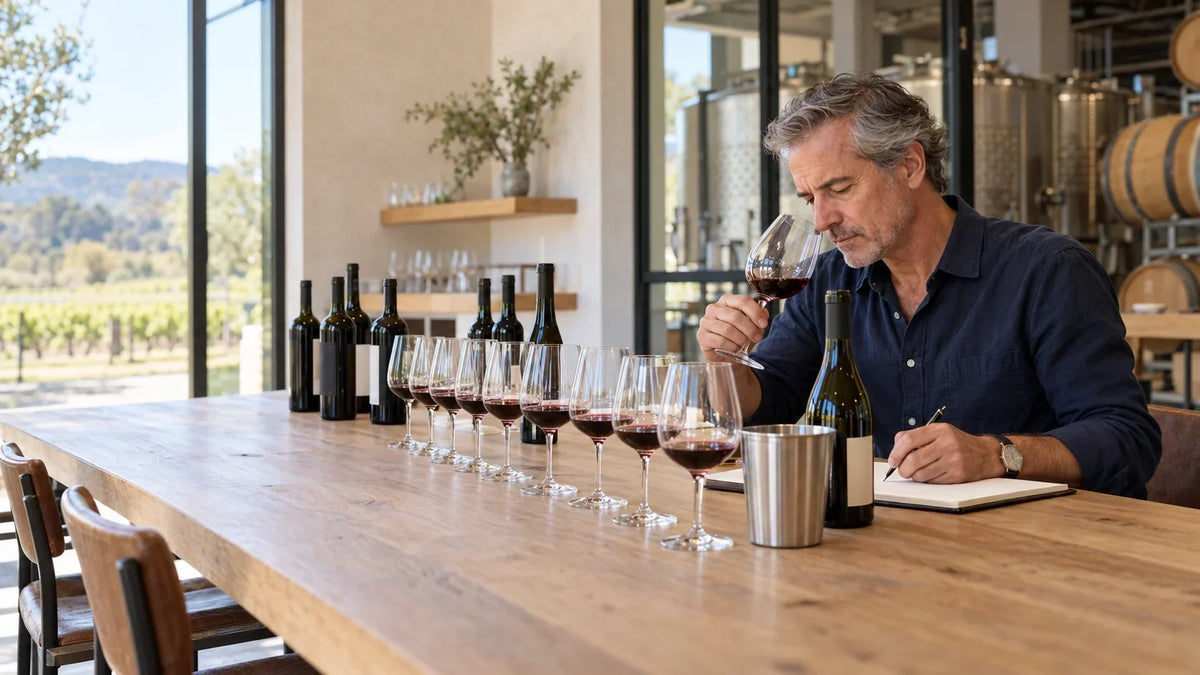
But your eyes tell you plenty before the wine ever reaches your lips. Visual inspection is the first step in professional wine evaluation for a reason: it provides information about age, winemaking technique, and condition—all from a quick look.
The Fundamental Rule: White Gets Darker, Red Gets Lighter

This is the most important thing to remember about wine color:
- White wines darken with age — moving from pale straw to gold to amber over years or decades.
- Red wines lighten with age — the color pigments literally fall out of solution and settle as sediment, shifting from deep purple to ruby to garnet to brick.
This alone gives you a baseline for estimating the age of any wine you're examining.
What White Wine Color Tells You
White wine color is influenced by three main factors: grape variety, winemaking technique, and age. Here's how to read them:

Stainless Steel vs. Oak Aging
When Chardonnay (or any white wine) is fermented in stainless steel with no oak contact, it retains its natural, bright yellow color with hints of lime green. This "natural straight color" makes it nearly impossible to distinguish stainless steel Chardonnay from other white varieties like Sauvignon Blanc, Pinot Grigio, or Pinot Blanc just by looking.

When wine ages in oak—whether fermented or just aged in barrels—the color deepens. Oak gives white wines a richer golden hue, along with those characteristic toasty, vanilla, and sometimes buttery or popcorn flavors.
Here's a striking example: a 2021 Napa Valley Chardonnay aged in oak can appear darker than a 10-year-old Burgundy Chardonnay that saw less oak—even though it's nearly a decade younger. That's the power of oak influence on color.
Natural Color Differences by Grape
Some grape varieties naturally produce darker-colored wines than others, regardless of winemaking:
- Riesling naturally has a deeper color than many other white grapes—don't assume oak or age from color alone.
- Pinot Grigio/Gris can show coppery or pink hues due to the grape's grayish-pink skin.
- Orange wines (white grapes fermented with skin contact) show deep amber colors by design, not defect.
What Red Wine Color Tells You

Red wine color comes from anthocyanins—pigments in grape skins. Over time, these pigments bind together and fall out of the wine as sediment. That's why older red wines are lighter in color.
How to Properly Inspect Wine Color

For the best visual assessment:
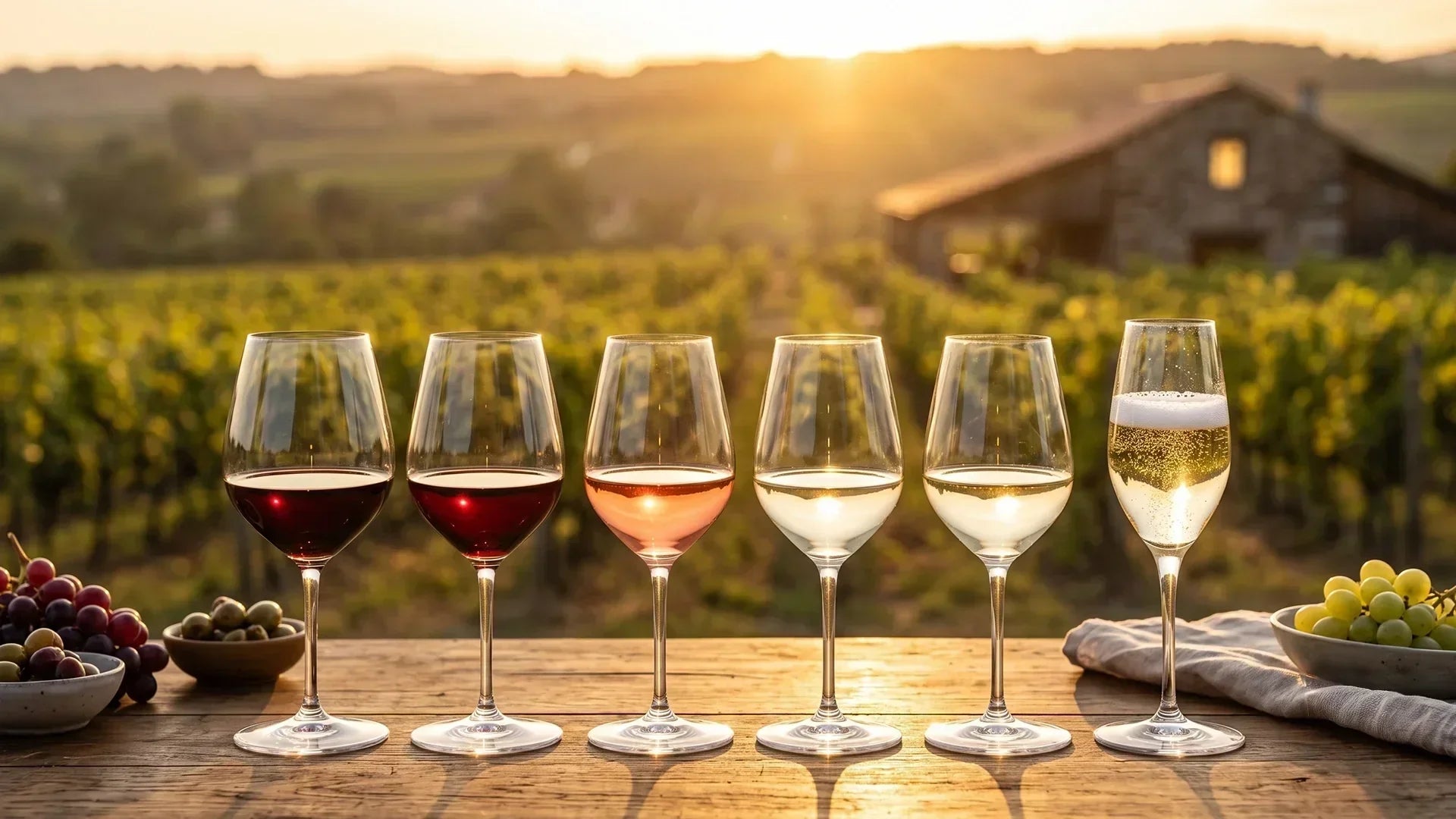
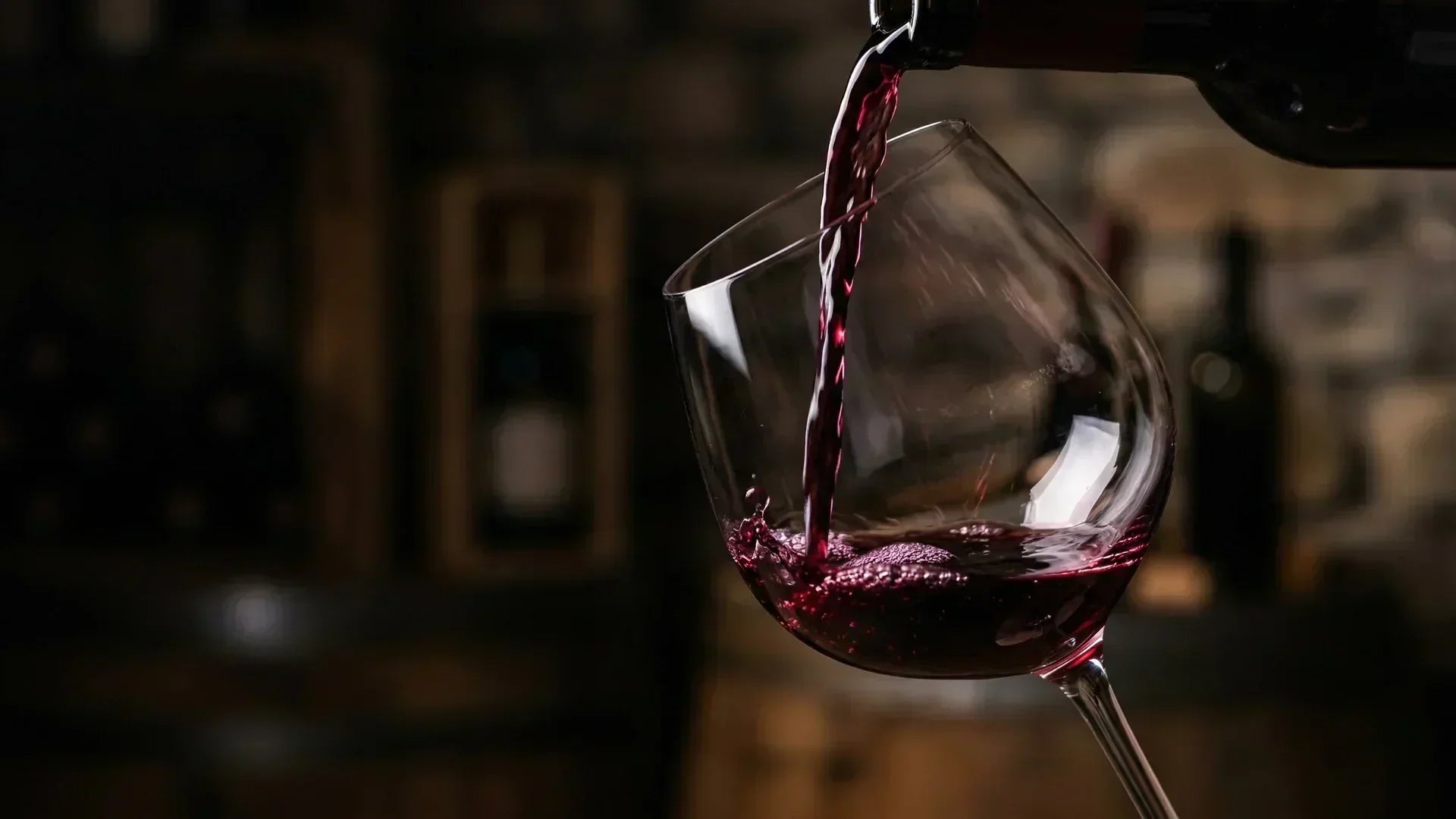
- Use good lighting. Natural daylight or bright artificial light reveals true color.
- Tilt against a white background. A white tablecloth, napkin, or piece of paper lets you see the full color gradient without distortion.
- Look at the rim. The edge of the wine where it meets the glass is most revealing—this is where you'll spot browning or color graduation.
- Note clarity and brightness. Beyond color, is the wine clear and brilliant, or hazy? Haziness may indicate unfined/unfiltered wine or a fault.
- Combine with your nose. Visual inspection sets expectations; your nose confirms or challenges them.
Prefer a visual breakdown? Watch a comparison of three Chardonnays side by side and how stainless steel vs. oak, grape variety, and age all change the color of white wine—long before you even smell or taste it.
Quick Framework: Reading Wine by Sight
When you look at a glass of wine, ask these questions in order:
- Is it white, red, or rosé? (Obvious, but it sets your baseline.)
- How intense is the color? Pale or deep? This hints at concentration and body.
- What's the specific hue? Lime green vs. gold (white)? Purple vs. brick (red)? This suggests age and possibly winemaking.
- What's happening at the rim? Browning or color loss? This confirms age.
- Is it clear or hazy? Clarity suggests filtration and general condition.
Wine Color Terms: A Mini-Glossary
- Visual Inspection: The first step in professional wine tasting—examining appearance before smelling or tasting.
- Stainless Steel Fermentation: Fermenting wine in inert steel tanks rather than oak barrels, preserving fresh fruit character and natural color.
- Oak Aging: Maturing wine in wooden barrels, which deepens color and adds toasty, vanilla, and spice flavors.
- Anthocyanins: Red pigment compounds in grape skins that give red wine its color; they diminish and precipitate with age.
- Rim Variation: The color gradient from the center of the wine to its edge; wider variation typically indicates age.
- Oxidation: Exposure to oxygen that browns wine and changes its flavor—sometimes a fault, sometimes intentional (as in Sherry).
- Brightness/Brilliance: How vivid and reflective the wine appears—bright wines catch light; dull wines may be faulty or very old.
Frequently Asked Questions
1. Do white wines get darker or lighter with age?
White wines get darker with age, shifting from pale straw or lime-tinged yellow toward gold and eventually amber. This is the opposite of red wines, which lose color over time.
2. Why is my Chardonnay so dark?
Oak aging is the most common cause. Even a young Chardonnay aged in oak barrels will appear deeper gold than an older Chardonnay made in stainless steel. Significant bottle age also darkens Chardonnay.
3. Can you tell the grape variety by wine color alone?
Sometimes, but it's tricky. Stainless steel fermented Chardonnay can look nearly identical to Sauvignon Blanc, Pinot Grigio, or Pinot Blanc. Some grapes like Riesling naturally show deeper color. Color provides clues, not certainty.
4. What does browning at the rim mean?
Browning at the edges of wine indicates either significant age or oxidation. In white wines, amber or brown edges suggest the wine may be past its peak. In reds, a brick or tawny rim is normal for well-aged wines.
5. Why do red wines get lighter with age?
Red wine color comes from anthocyanin pigments in grape skins. Over time, these molecules bind together into larger chains and fall out of the wine as sediment—literally dropping out of solution. That's why aged red wines show more sediment and lighter color.
6. What's the best way to examine wine color?
Use good lighting and tilt your glass against a white background (tablecloth, napkin, or paper). Look at both the center depth and the rim color. Natural daylight is ideal.
7. Does oak aging change white wine color?
Yes. Oak exposure deepens white wine color noticeably, giving it richer gold tones. A young oaked Chardonnay can appear darker than an aged unoaked one.
8. Why does stainless steel Chardonnay look green?
Young white wines fermented without oak retain hints of lime green in their color—this is the grape's natural pigmentation without oak influence. It's a sign of freshness and youth.
9. What does a deep purple red wine indicate?
Deep purple typically indicates a young wine with high concentration. Expect bold fruit, firm tannins, and aging potential. Grapes like Malbec, Petite Sirah, and young Cabernet often show this intensity.
10. Is cloudy wine bad?
Not necessarily. Some natural wines are intentionally unfined and unfiltered, appearing hazy. However, unexpected cloudiness in a wine that should be clear may indicate a fault. Context matters.
11. What color should rosé be?
Rosé ranges from pale salmon to deep pink depending on grape variety and skin contact time. Lighter Provence-style rosés are fashionable, but darker rosés aren't lower quality—just different in style.
12. Does wine color affect taste?
Color itself doesn't affect taste, but it often correlates with factors that do. Darker white wines may have oak influence (richer texture, toast notes). Lighter red wines may be more delicate with softer tannins. Color helps predict—but always confirm with your nose and palate.
Put Your Eyes to Work
The best way to learn wine color is to practice—side-by-side comparisons teach faster than any guide.
Explore our Chardonnay selection to taste the difference between oaked and unoaked styles yourself.
Not sure where to start? Browse a few options and save the ones you like. Our best sellers show what other wine enthusiasts are choosing.
Prefer curated recommendations? Apply for Text2Sip and let us point you toward wines worth examining.



















Share:
Authentic Bolognese, the BHW Way — Why It's Nothing Like What You've Been Making
The Shape of Wine: How to Read a Bottle Like a Pro
Comments Section