

Key Takeaways
- The sweet spot is roughly $20 to $35. This is where rosé stops being a beach prop and becomes a wine you actively seek out.
- You don't need a $100 bottle. The same prestige Provence houses behind the trophies make accessible rosé that overdelivers.
- Bandol is the insider's pick: Mourvèdre-driven, structured, and built to drink like a real wine, not a wine cooler.
- Color signals style, not sweetness. Pale isn't automatically dry, and deep pink isn't automatically sweet.
- Vintage matters more than with almost any other wine. Reach for the newest year on the shelf.
Most People Buy Rosé in the Wrong Place
Here's the pattern I see every summer. People either grab the $9 supermarket bottle on the way to a barbecue, or they assume serious rosé means a $100 trophy and never bother. Both camps miss the part that actually matters.
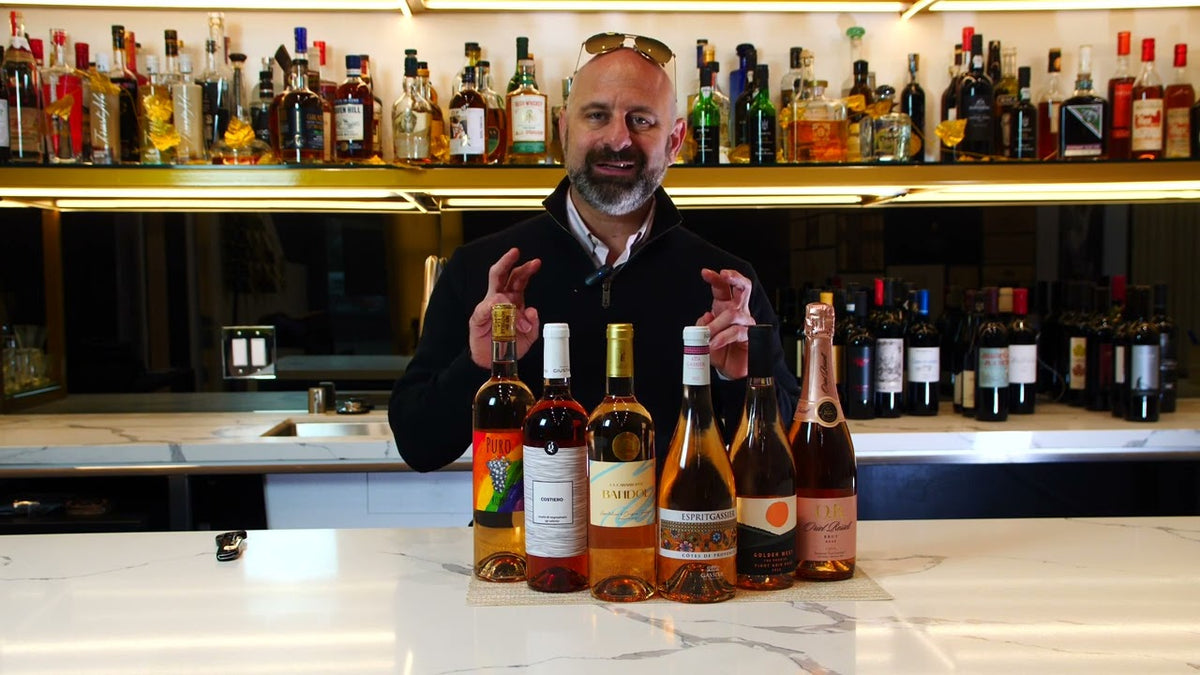
The good part lives between $20 and $35. That's where rosé gets genuinely delicious: real Provence estates, the structured Mourvèdre rosés of Bandol, and the accessible labels made by the same houses that produce the world's priciest pinks. Spend in this band and rosé stops being a warm-weather afterthought. It becomes a wine I reach for on purpose.
I'm not going to spend this whole guide bashing the cheap stuff. It exists, it's made to a price, and most of it is forgettable. Fine. What I want to show you is what a few extra dollars actually buys, because with rosé the payoff is bigger than almost anywhere else in wine.
This is a buying guide, not a pairing guide. I'll point you to the pairing piece. My job here is to teach you to read a bottle and know when a wine is worth it.
What Rosé Actually Is (and why no two taste alike)

Rosé isn't red and white wine mixed. For still rosé in Europe, blending the two is actually banned. The pink comes from red grapes, and the winemaker decides how long the juice stays in contact with the skins. A few hours gives a pale salmon color. A day or two gives a deep, glowing pink. That single decision is why rosé varies far more than people expect.
Three methods do most of the work, and the method tells you a lot about intent.
1. Direct press
Red grapes pressed almost immediately, so the juice takes on only a whisper of color and tannin. This is the Provence approach, and it's deliberate from harvest. The wine is rosé on purpose, not as a byproduct. Most of the best pale, dry rosé is made this way.
2. Saignée (the “bleed”)
Here rosé starts as a byproduct. A winemaker bleeds off some juice early in a red-wine fermentation to concentrate what's left behind, and the bled juice becomes rosé. Done with care, saignée can be excellent. Done as an afterthought, it tastes like one.
3. Short maceration
The juice sits on the skins for a controlled stretch, then gets pressed off. This is how a lot of bolder, deeper rosé is built, including much of Spain, southern Italy, and Bandol. More skin time means more color, more fruit, sometimes a little grip.
How to Read a Rosé Bottle Before You Buy

You can judge a rosé surprisingly well without opening it. Four things on the label and the shelf do most of the work.
Color is a style cue, not a sugar cue
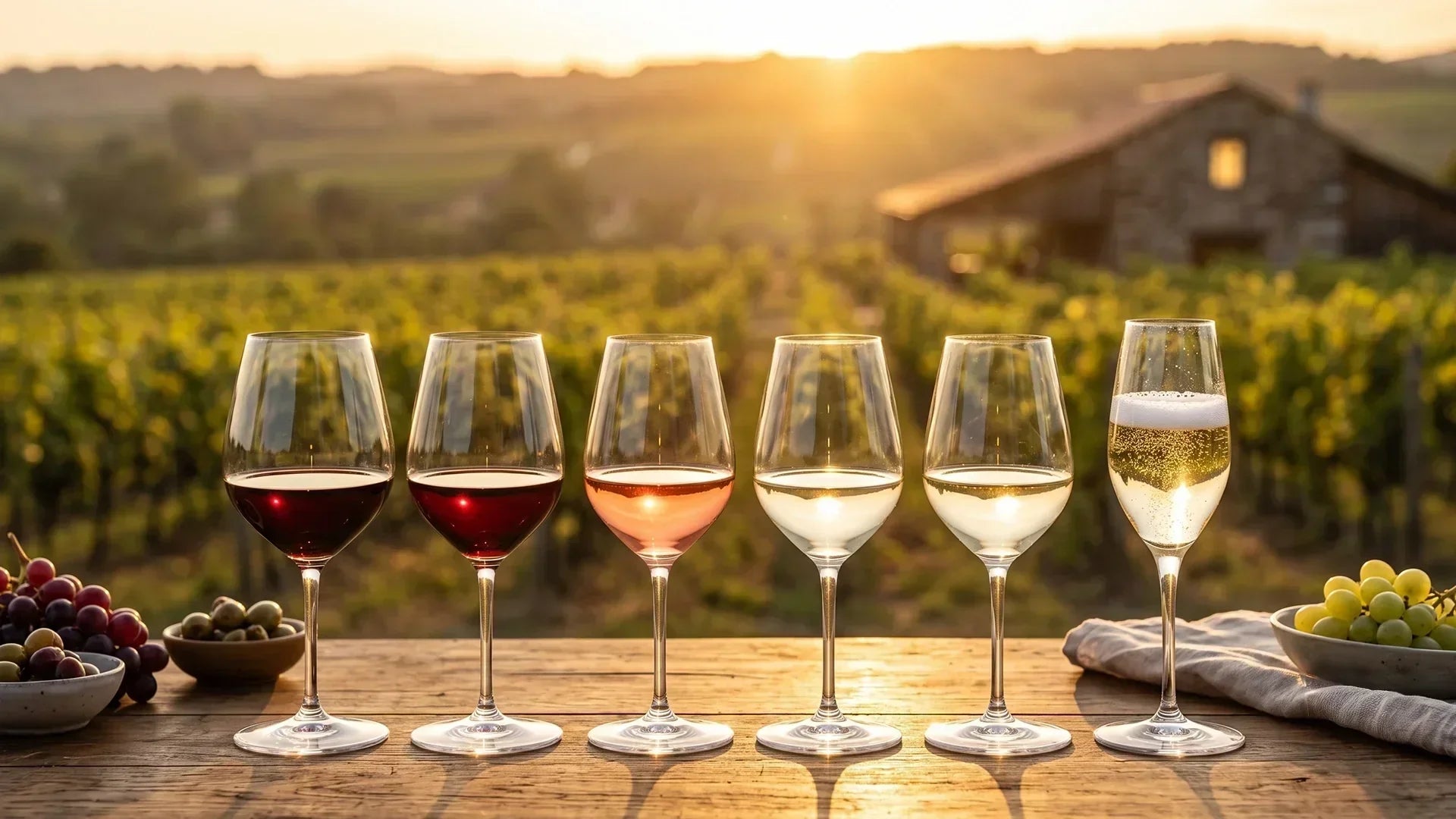
This is the most common mistake I see. People assume pale means dry and dark means sweet. It doesn't. Color tells you about grape and skin contact, not residual sugar. A deeply colored Tavel can be bone dry, and a pale blush can be sweet. For the full breakdown, we wrote a separate guide on what wine color does and doesn't tell you.
Look for “dry” and a real place
Quality rosé almost always names a specific origin: Côtes de Provence, Bandol, Tavel, Navarra, a single estate. A label with a brand name and no region is a tell. If you want dry, the wine will usually say so, or the region will say it for you.
Buy the newest vintage
Rosé is made to be drunk young, ideally within a year or two of harvest. The fresh fruit and snap are the whole point, and they fade. If it's summer and you're looking at a rosé that's three or four years old, sitting warm on a shelf, walk away. Always reach for the most recent year on the bottle. The exception is serious Bandol, which can hold and even improve for a few years.
Check how it was stored
A great rosé cooked under fluorescent lights on a sunny end-cap is no longer a great rosé. Heat and light are the enemies of fresh wine. Buy from someone who keeps it cool and moves through it quickly, and you've already filtered out most of the risk.
Rosé by Region: A Style Cheat Sheet
Region is the fastest route to the style you want. Here's how the major ones break down.

The Sweet Spot: Why $20 to $35 is the Magic Range
Rosé is one of the few wines where a small jump in price produces a big jump in quality, and the curve is steepest right in this band. Below about $15 you're mostly in supermarket territory: high yields, neutral fruit, sometimes a touch of added sugar.
It's fine for a crowd. It isn't what this guide is about. Here's the honest tier map I actually use.

If you take one thing from this guide, make it this. The $20 to $35 band is where rosé becomes a wine worth talking about.
That's the BHW thesis in a glass: spend where the quality curve is steepest. Not at $9, and not at $90. Drink better, pay less.
The Five-step Way to Pick a Rosé
Standing at the shelf or scrolling a collection, run this sequence and you'll land on a good bottle almost every time.
1. Decide dry or off-dry. Most quality rosé is dry. If you want a touch of sweetness, choose it on purpose, not by accident.
2. Pick a region for the style. Pale and crisp points to Côtes de Provence. Structured and savory points to Bandol. Bold and fruity points to Spain or Italy.
3. Grab the most recent vintage. Freshness is the whole game with rosé. Newest year wins, with serious Bandol the one exception.
4. Confirm it was stored cool. Avoid anything baking on a warm, sunlit shelf. Buy where the wine is kept cold and turns over fast.
5. Match price to the occasion. Twenty to thirty-five dollars handles everything from a Tuesday to a dinner party. Save the $60-plus bottles for when the wine itself is the event.
Serving It So It Actually Tastes Good

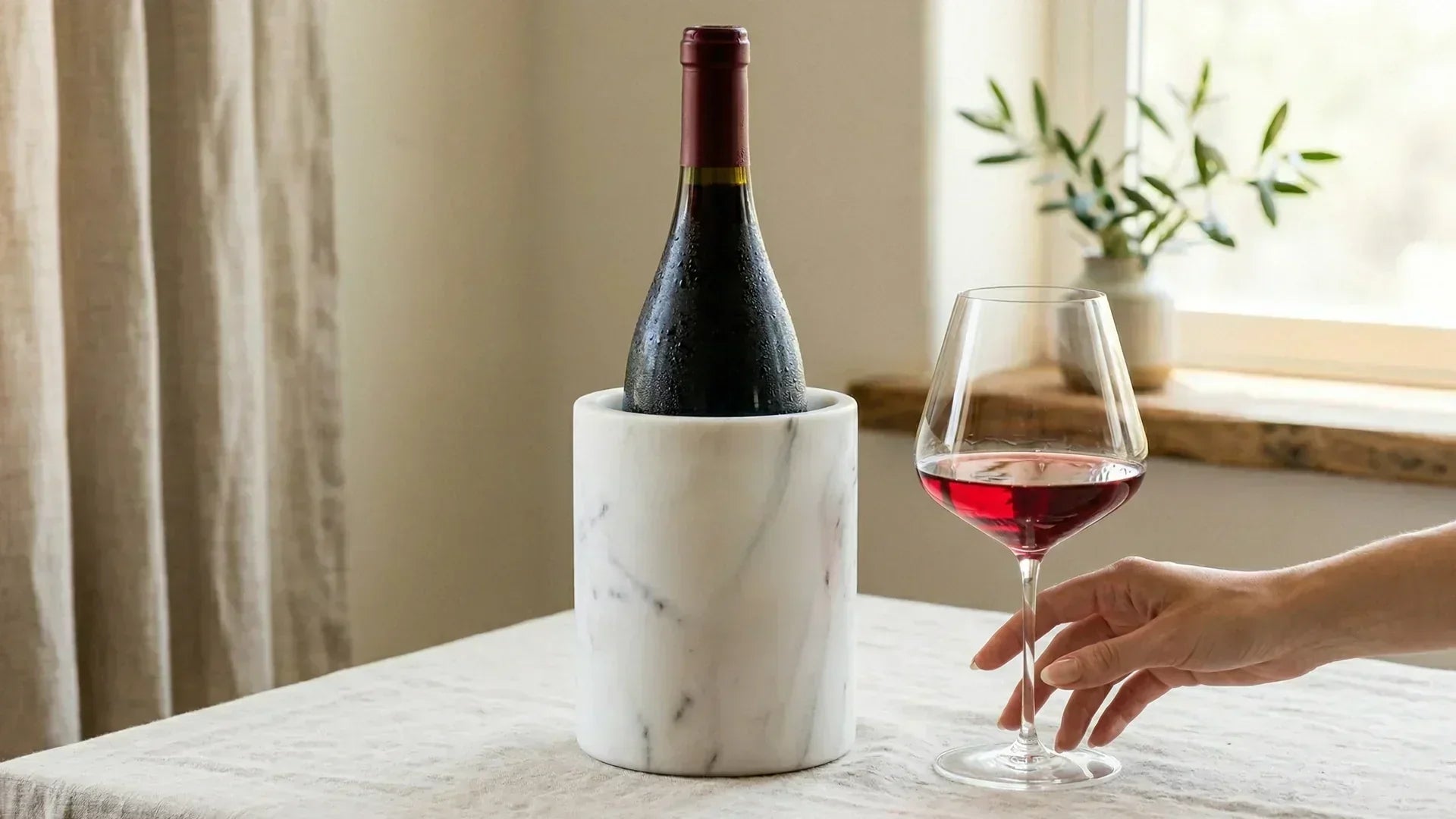
You can buy a beautiful rosé and then flatten it with bad service. Two quick fixes. First, chill it but don't freeze it. Around 45 to 55°F is the range. Ice-cold mutes everything you paid for, so let a too-cold bottle warm up for ten minutes. Second, use a normal wine glass, not a flute. Rosé has aromatics worth smelling, and a proper bowl lets them open.
And mostly, drink it young. A rosé you bought this summer is at its best this summer. For more on styles and what to eat alongside it, our guide to the rise of rosé goes deeper on pairing, and our summer wine roundup covers the whole warm-weather lineup.
|
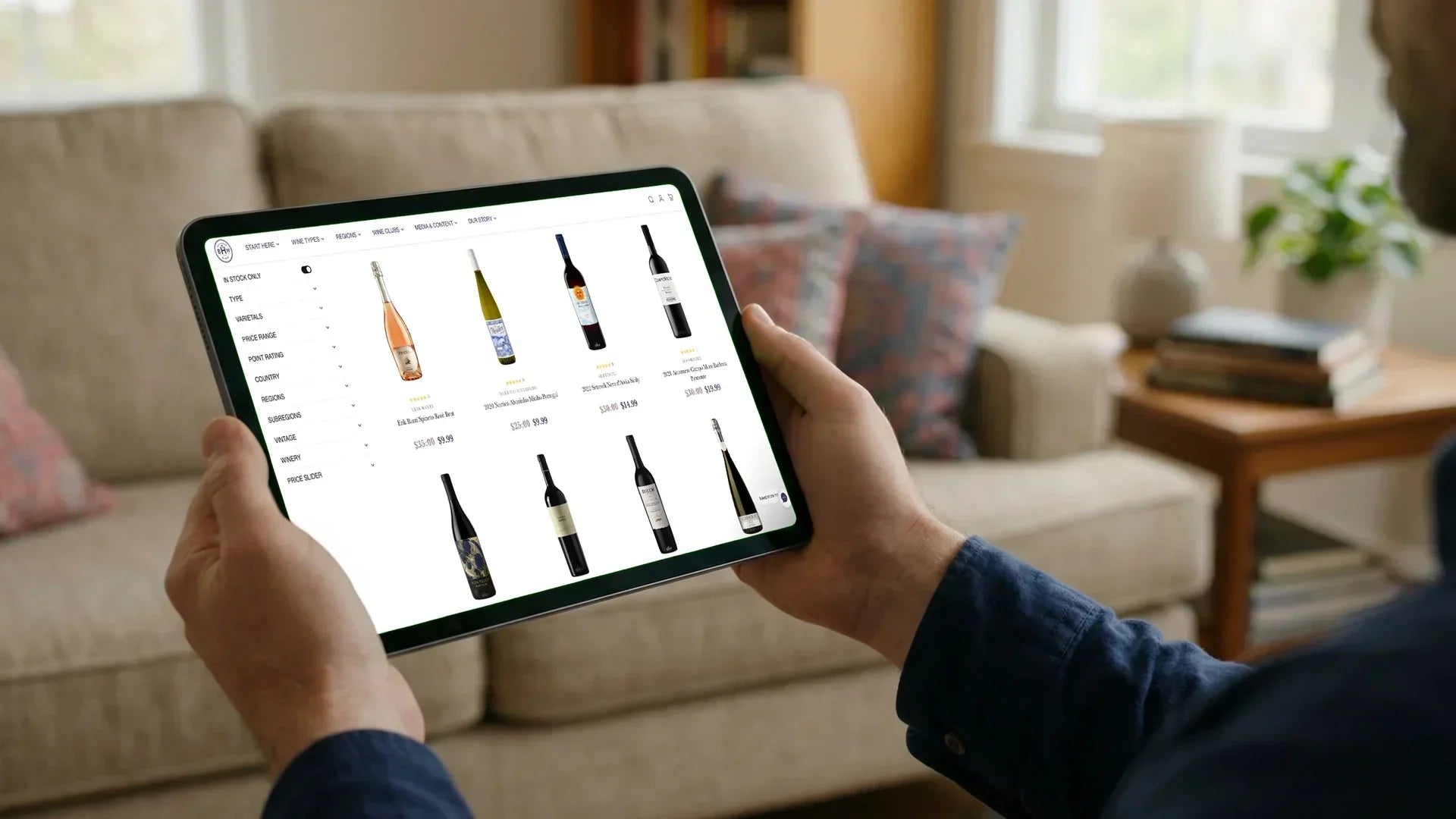
Find your bottle Start in the $20 to $35 sweet spot. We curate dry, real-provenance rosé across Provence, Bandol, and beyond, and we keep it stored the way it should be. Browse the rosé collection and pick something from a region you trust. Want the full cellar? Here's every wine we carry. |
Glossary: Rosé Terms Worth Knowing
Rosé. Pink wine made from red grapes with brief skin contact. Not red and white mixed (for still wine).
Direct press. Red grapes pressed immediately for minimal color. The classic Provence method.
Saignée. French for “bled.” Rosé made from juice drawn off a red-wine fermentation.
Skin contact/maceration. Time the juice spends on grape skins. More time means more color, fruit, and grip.
Côtes de Provence. The southern French region that set the global standard for pale, dry rosé.
Bandol. A small Provence appellation built on Mourvèdre. Its rosé is fuller, structured, and can age a few years.
Tavel. A Rhône appellation that produces only rosé. Deeper, drier, built for the table.
Rosato / Rosado. The Italian and Spanish words for rosé. Usually bolder and fruitier than the Provence style.
Garrigue. The wild Provençal scrub of rosemary, thyme, and lavender. You'll often taste its herbal, savory echo in Bandol.
Vintage. The harvest year on the label. With rosé, newer is almost always better.
Frequently Asked Questions
1. Do I need to spend a lot on rosé?
No. The sweet spot is $20 to $35, not $100. The same prestige Provence houses behind the world's most expensive rosés also make accessible bottlings that drink beautifully. Above $35 you're paying for texture, length, and prestige, which are lovely but rarely necessary.
2. Is expensive rosé worth it?
Up to the $20 to $35 sweet spot, absolutely, because quality climbs fastest there. Above roughly $35 you're paying for refinement that matters for a special dinner but isn't needed day to day. The $60-plus trophies like Garrus and Ott Étoile are real wines, just rarely necessary.
3. What is Bandol rosé?
Bandol is a small Provence appellation on the Mediterranean built on the Mourvèdre grape. Its rosé is fuller, more structured, and more savory than typical Provence pink, and the best examples can age a few years. It's the rosé for people who want a real wine, not a novelty.
4. Is darker rosé sweeter than pale rosé?
No. Color comes from grape variety and skin-contact time, not sugar. A deep-pink Tavel can be completely dry, and a pale blush can be sweet. Read the label or the region for dryness, and treat color as a style cue only.
5. Is rosé just red and white wine mixed?
Not for still wine. In Europe, blending red and white to make still rosé is prohibited. Rosé gets its color from red grapes with limited skin contact. The main exception is rosé Champagne, where blending is allowed.
6. Should I buy the most recent vintage of rosé?
Almost always. Rosé is made to be drunk young, and its fresh fruit fades within a year or two. Reach for the newest year, and be wary of older rosé sitting in warm light. Serious Bandol is the exception that can hold a few years.
7. How long does rosé last, and can it age?
Most rosé is best within one to two years of the vintage. A handful of serious bottles, especially top Bandol, can age several years. The vast majority, though, are built for early drinking, so when in doubt, drink it young.
8. What temperature should I serve rosé?
Around 45 to 55°F. Too cold mutes the aromatics you paid for, so if a bottle is ice-cold from the fridge, give it about ten minutes. Use a standard wine glass, not a flute, so the aromas can open.
9. What is the best region for rosé?
Côtes de Provence is the benchmark for pale, dry, food-friendly rosé. Bandol makes the most structured and age-worthy. Tavel is the boldest French style, and Spain and Italy deliver fruit and value. There's no single best region, only the best fit for the style you want.
10. What grapes are used to make rosé?
Many. Grenache, Cinsault, Syrah, and Mourvèdre dominate in southern France, with Mourvèdre leading in Bandol. Spain leans on Garnacha and Tempranillo. Italy uses Negroamaro and Sangiovese. The grape shapes the style as much as the region does.
11. Is rosé only for summer?
It shines in summer, but good dry rosé works year-round, especially structured styles like Bandol and Tavel that hold up to heartier food. Treat it as a versatile dry wine, not just a warm-weather novelty.
Find Your Rosé Sweet Spot
Ready to put the guide into practice? Browse our curated rosé selection and find a bottle that's built to be opened, enjoyed, and shared this season.











Share:
Father’s Day Wine Gifts 2026: The Complete Guide to Bottles Dad Will Actually Open
The Best Wine for 4th of July BBQ: A Food-by-Food Pairing Guide
Comments Section