

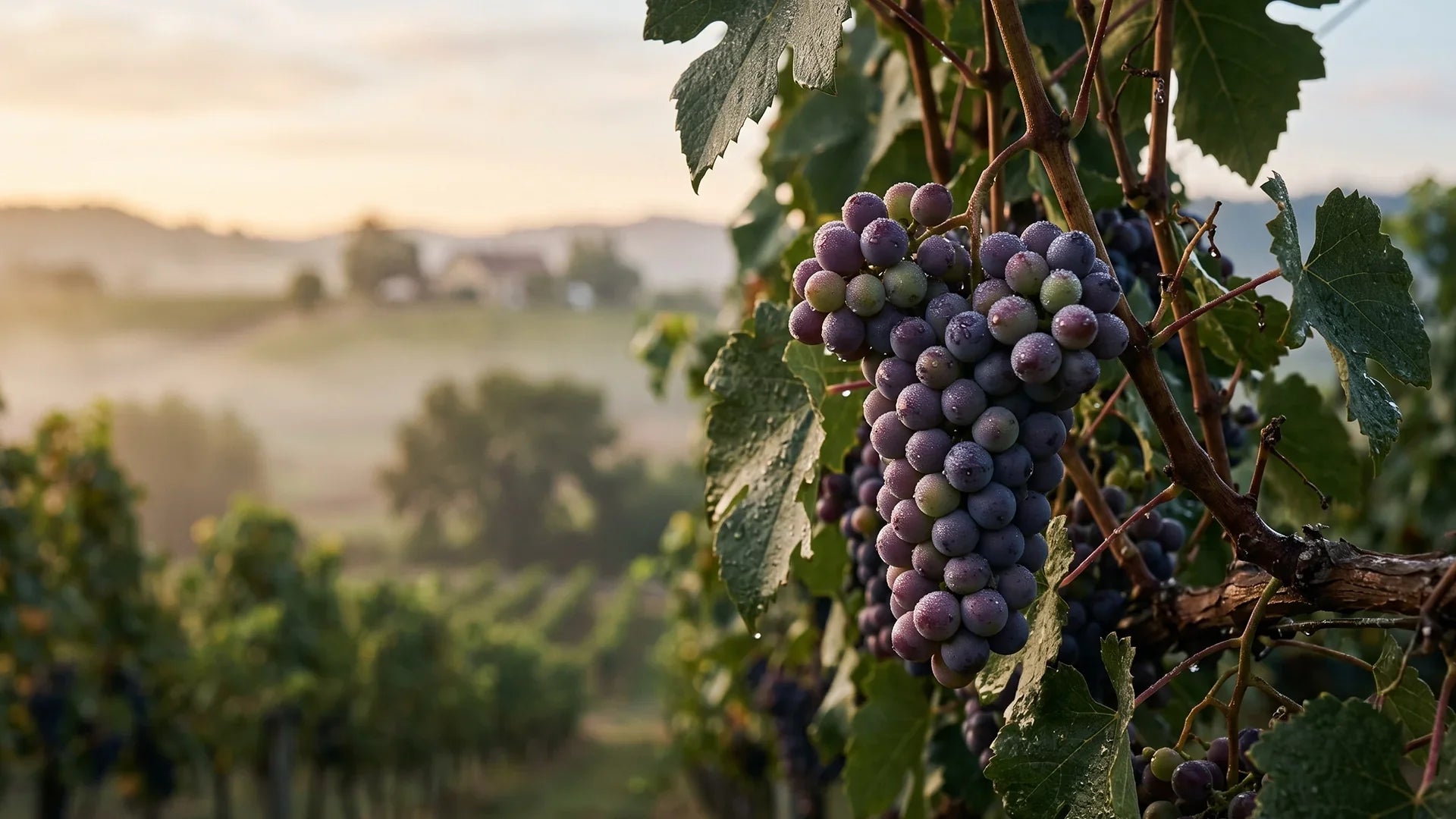
Wine grapes ripen through three overlapping processes: sugar accumulates, acidity falls, and skin compounds reach phenolic maturity.
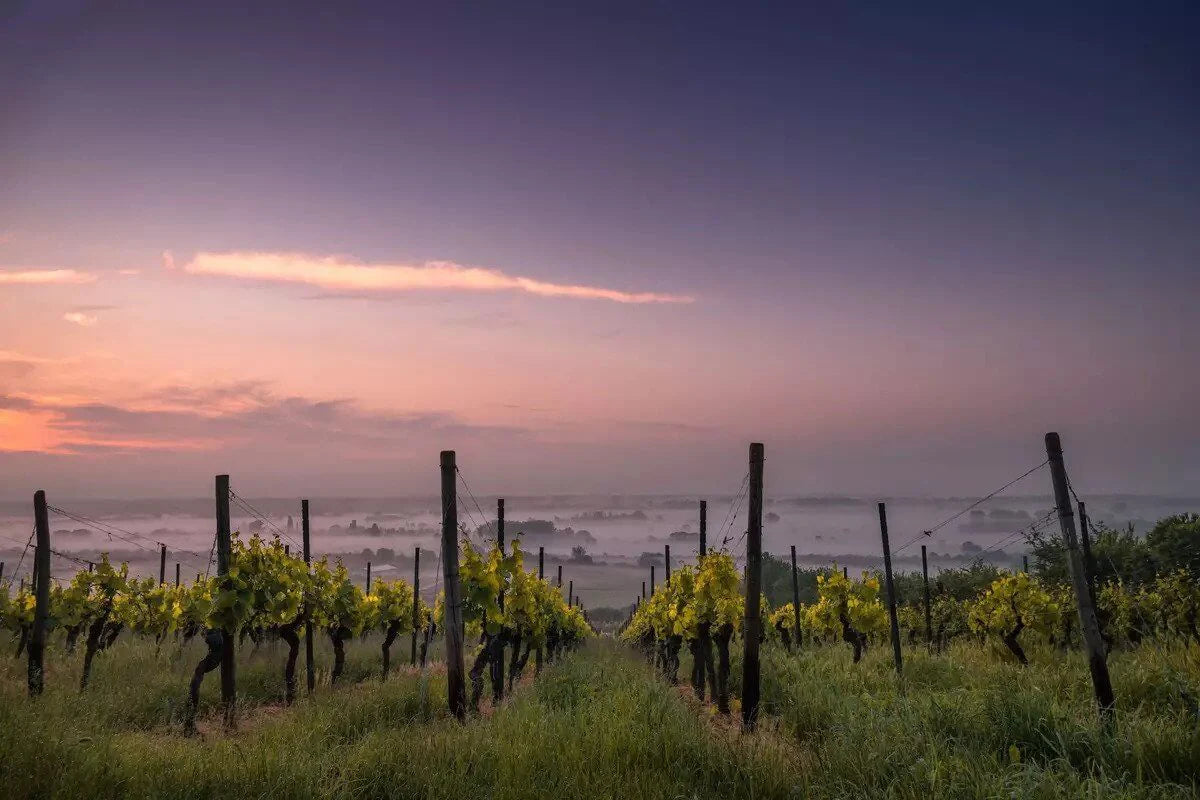
All three are driven by climate. Most grapes grow between 30° and 50° latitude in both hemispheres — warm enough to ripen fully, cool enough to retain acidity.
Cool climates produce lean, high-acid wines. Warm climates produce riper, fuller wines. Climate is the first thing to read in any bottle.
Key Takeaways
- Grapes ripen through three simultaneous processes: sugar rises, acidity falls, and skin compounds reach phenolic maturity. These don’t always finish at the same speed — that gap is one of the winemaker’s central challenges.
- Véraison marks the start of ripening: the moment red grapes turn color and sugar accumulation begins in earnest.
- Most wine grapes grow in the wine belt — roughly 30°–50° latitude north and south — where temperatures support full ripening with acidity preserved.
- Cool climates produce high-acid, lower-alcohol wines with restrained fruit. Warm climates produce riper, fuller-bodied wines. Diurnal temperature variation — the swing between warm days and cold nights — is the great moderating force in between.
- Old World wine regions are in Europe; New World covers California, South America, Australia, New Zealand, and South Africa. They differ in labeling tradition, flavor profile, and winemaking philosophy.
- You can read climate from the bottle: ABV, body, fruit profile, and acidity are all climate signals.
2.1 How Grapes Ripen

The grape on the vine in June is not the grape at harvest in October. It’s a different object.
At the start of the growing season, a grape is small, hard, and green. It contains mostly water, acid, and chlorophyll. It looks like something you would not want in a glass. That’s not an exaggeration — a June grape is barely a grape in the wine sense of the word.
Then, around midsummer, something shifts.
Véraison: The Starting Gun
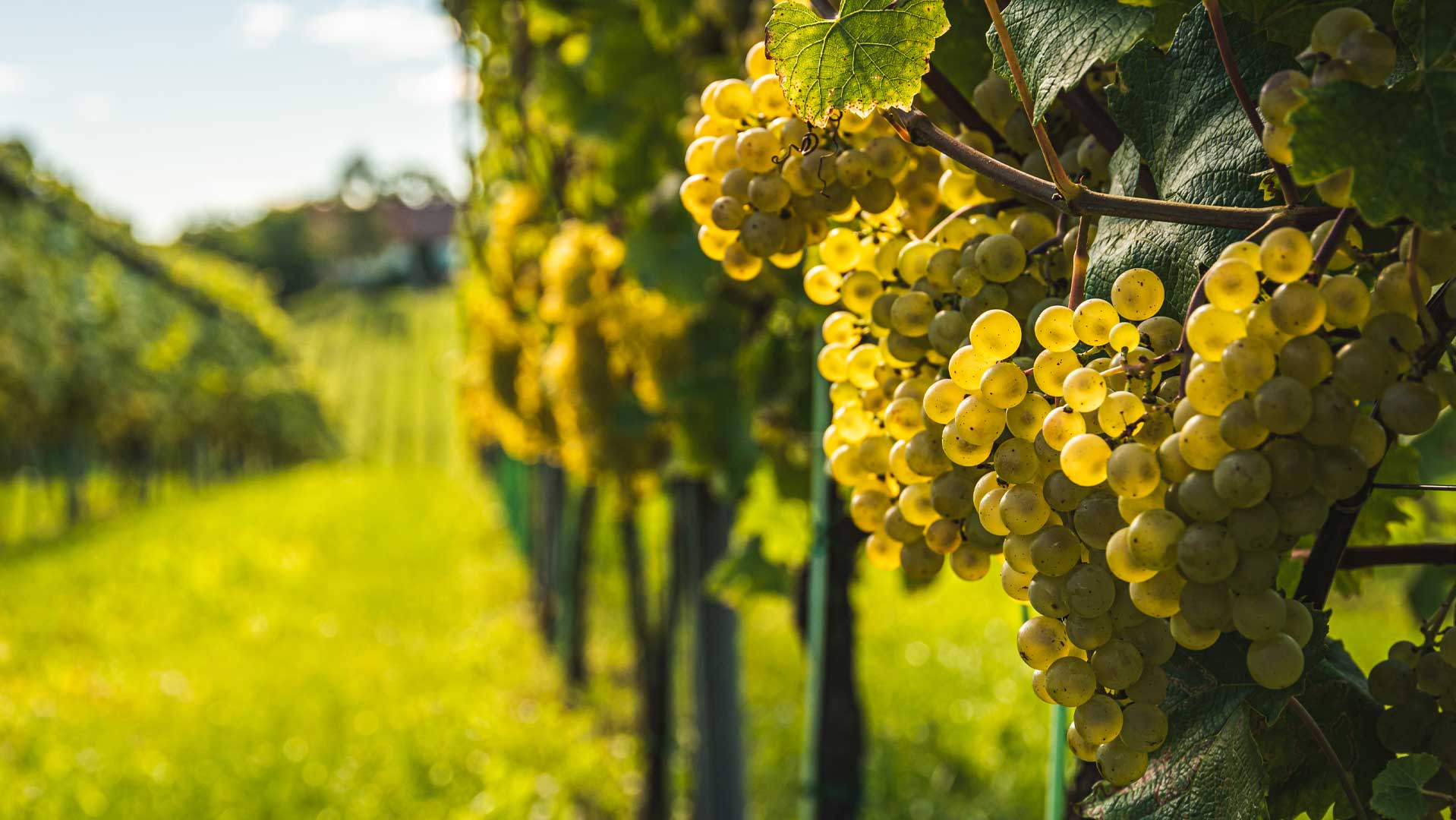
In red grape varieties, the berries change color — green turns purple, then red or black. In white varieties, the change is subtler: grapes soften and go from opaque green to a more translucent gold-green. This moment is véraison, the French term for the onset of ripening.
Véraison signals that the vine has switched from vegetative growth (building leaves and shoots) to reproductive work (developing the fruit). From this point, three processes run simultaneously.
Sugar Accumulates
The vine pulls sucrose from its leaves through photosynthesis and moves it into the grape, where it converts to glucose and fructose. Sugar content is measured in Brix — roughly, 1 degree Brix equals 1 gram of sugar per 100 grams of juice.
At véraison, a grape might measure 5–10 Brix. At harvest, a table wine grape typically lands between 20 and 26 Brix. Dessert wine grapes can push 30 Brix or higher. More sugar at harvest means more potential alcohol in the finished wine.
Acidity Falls
As sugar rises, acidity drops. Malic acid — one of the two primary acids in grapes — is metabolized by the vine as temperatures rise. Tartaric acid, the other primary acid, is more stable, but it dilutes as the berry expands with water and sugar.
The result: a fully ripe grape in a hot year can lose so much acid that the finished wine tastes flat. A grape harvested early in a cool year retains more acid than the winemaker might want. This tension between ripeness and acidity is the defining challenge of viticulture.
The Skins Develop
Color compounds (anthocyanins in red varieties) and tannins in the skins and seeds undergo a parallel process called phenolic ripening. Early in the season, tannins are green and harsh. Over time, they polymerize into smoother, rounder structures. Aromatic compounds develop in both red and white varieties.
Here’s the complication: phenolic ripeness doesn’t always arrive at the same time as sugar ripeness. A hot year can push Brix to harvest-ready levels before the skins have fully matured — leaving the winemaker with a choice between picking early with under-ripe tannins or hanging longer and risking very high alcohol.
|
What is hang time? Hang time is the period between véraison and harvest. A long, cool, slow ripening season extends hang time — giving the grape time to develop full phenolic maturity at moderate sugar levels. That combination of complexity and balance is the goal. Warm years compress hang time, which is why warm-climate winemakers often struggle to achieve the same tension. |
The Harvest Decision
There is no formula for when to pick. Winemakers taste grapes daily as the season matures. They measure Brix. They look at seed color (green seeds mean unripe; brown seeds mean phenolically mature). They assess skin texture — does the pulp pull cleanly from the seed?
They also watch the forecast. A heat spike can push Brix from 24 to 27 in two days. A rainstorm at the wrong moment dilutes juice and invites rot. The harvest call is the most consequential decision of the year, and it’s made under real pressure.
2.2 Cool vs. Warm Climates

The single biggest factor in how a wine tastes is where the grapes were grown. Not the winemaker, not the barrel program, not the label design. Climate.
The Wine Belt
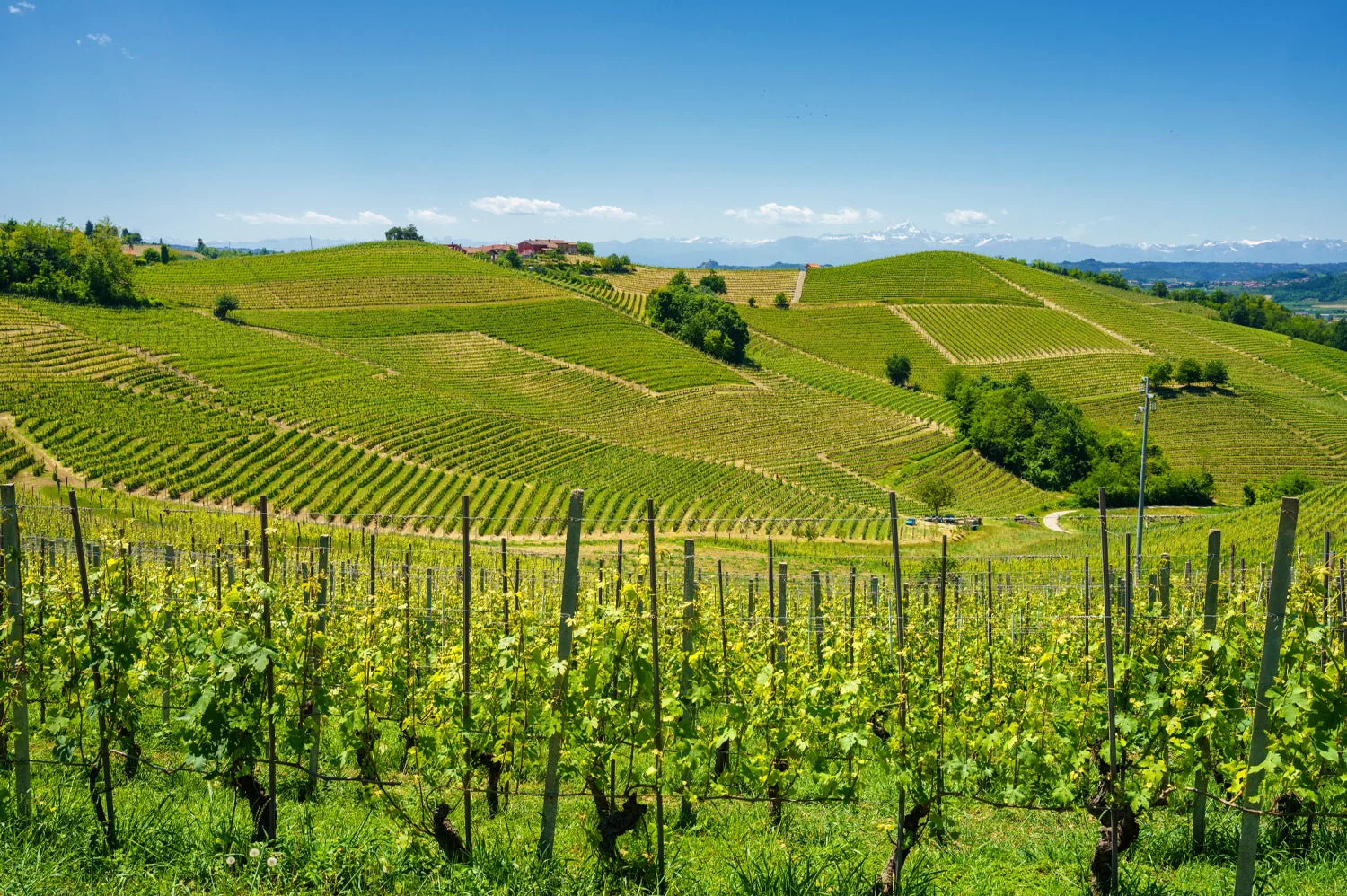
Wine grapes grow best within a band roughly 30° to 50° latitude in both hemispheres. Inside this band, summers are warm enough to ripen grapes fully, and winters are cold enough to give the vine a period of dormancy — a reset between growing seasons.
Too close to the equator (below 30°): often too hot year-round. No cold season means no rest for the vine, and sugar accumulates so fast that acidity barely registers before harvest. Above 50°N or 50°S: too cold in most years to ripen reliably. Germany’s Mosel sits near 50°N and is marginal in cold vintages. England’s emerging vineyards push past 51° — possible now, but a recent development.
Cool Climate Characteristics
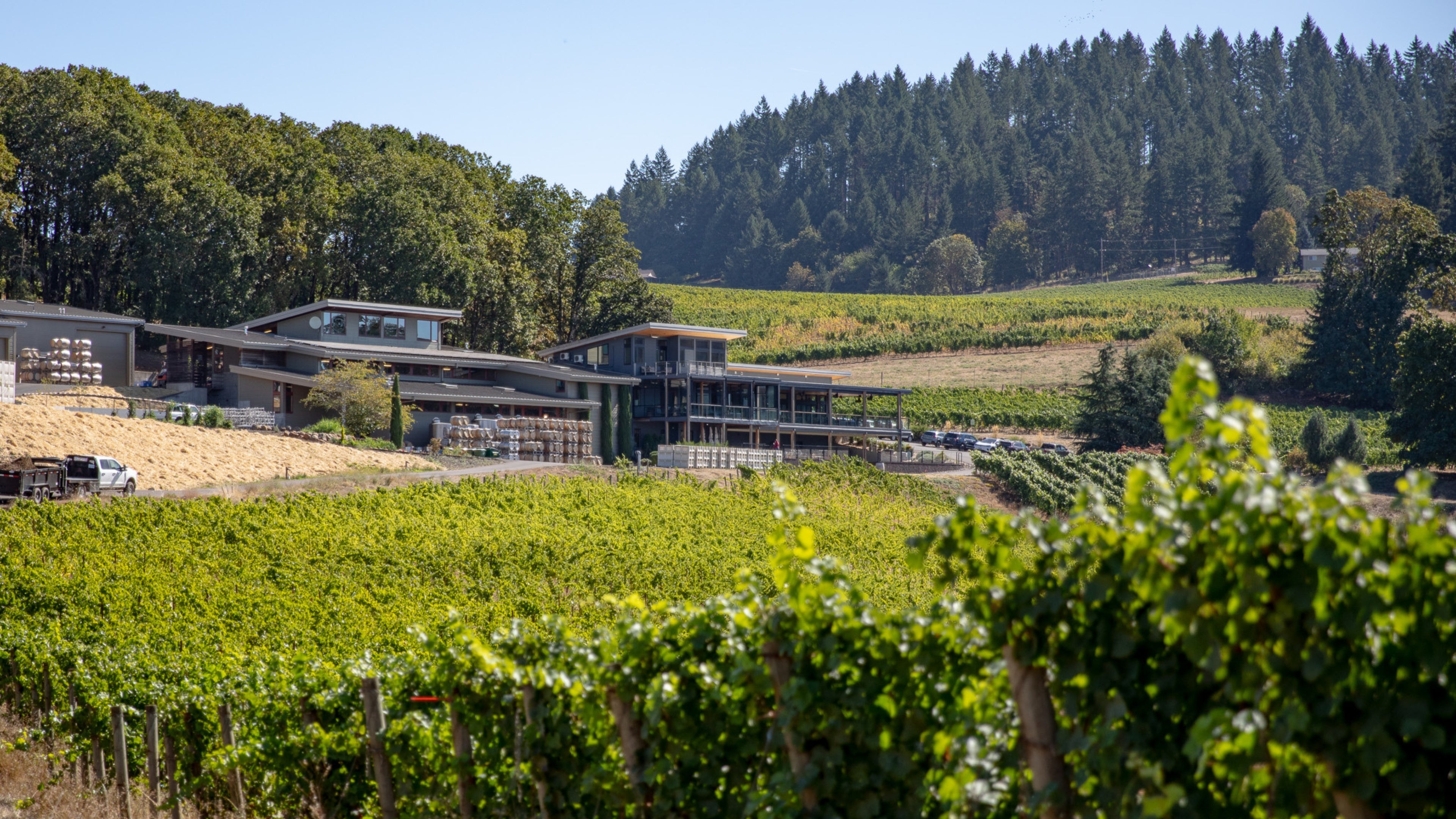
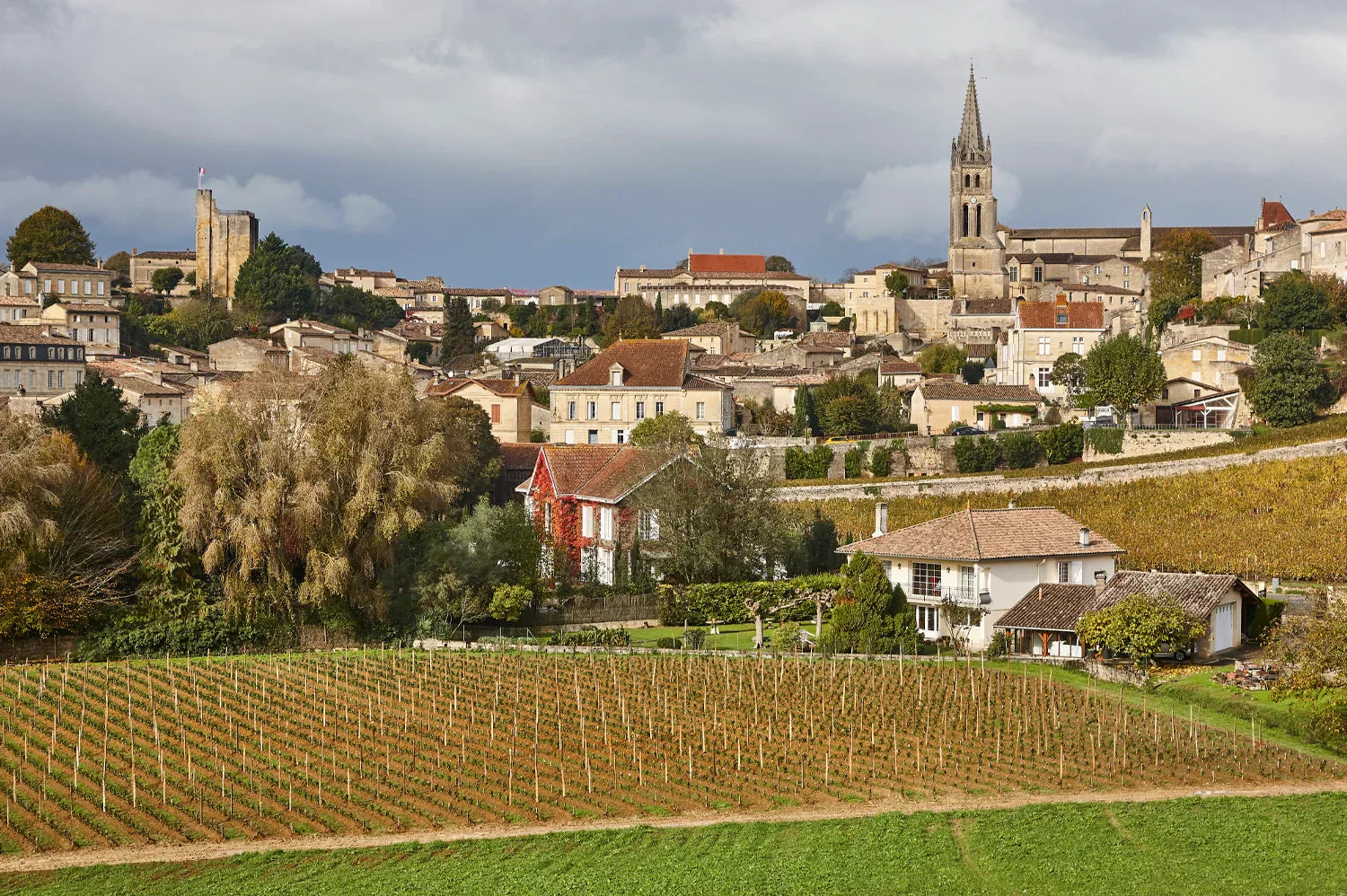
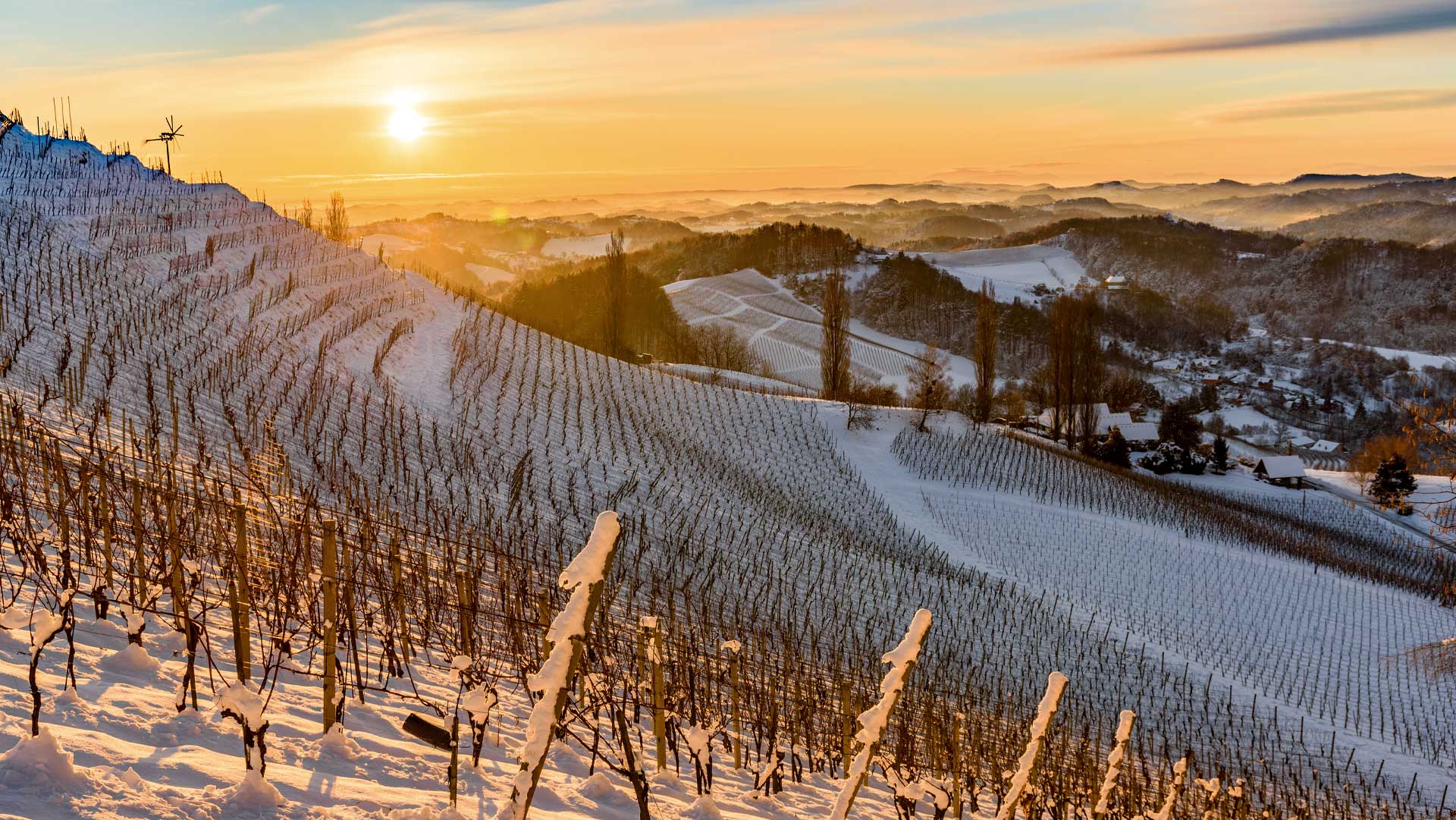
Cool climate wine regions include Champagne, Burgundy, the Mosel, Austria’s Wachau, Oregon’s Willamette Valley, and New Zealand’s Marlborough. The defining feature is a long, slow growing season in which temperatures stay moderate enough that the grape holds its acidity.
What ends up in the glass: higher acidity, lower alcohol (often 11–13%), more restrained fruit (citrus, red berries, green apple rather than dark jam), lighter body, and — in the best examples — a tension and minerality that structured bottles develop over years.
Vintage variation matters more in cool climates. A warm year in Burgundy produces a very different wine from a cool year — the season matters, and serious wine drinkers pay attention to it.
Warm Climate Characteristics
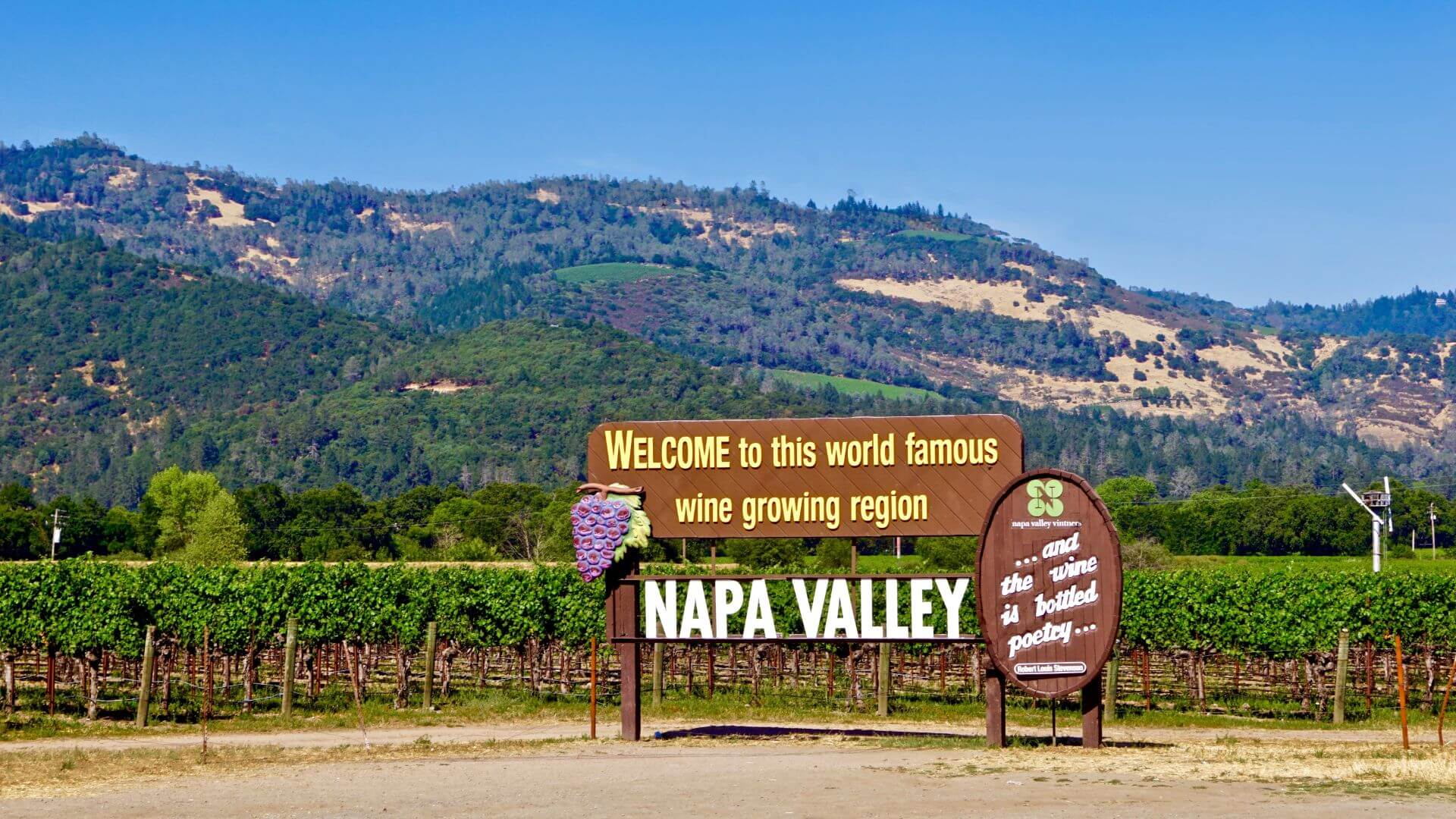
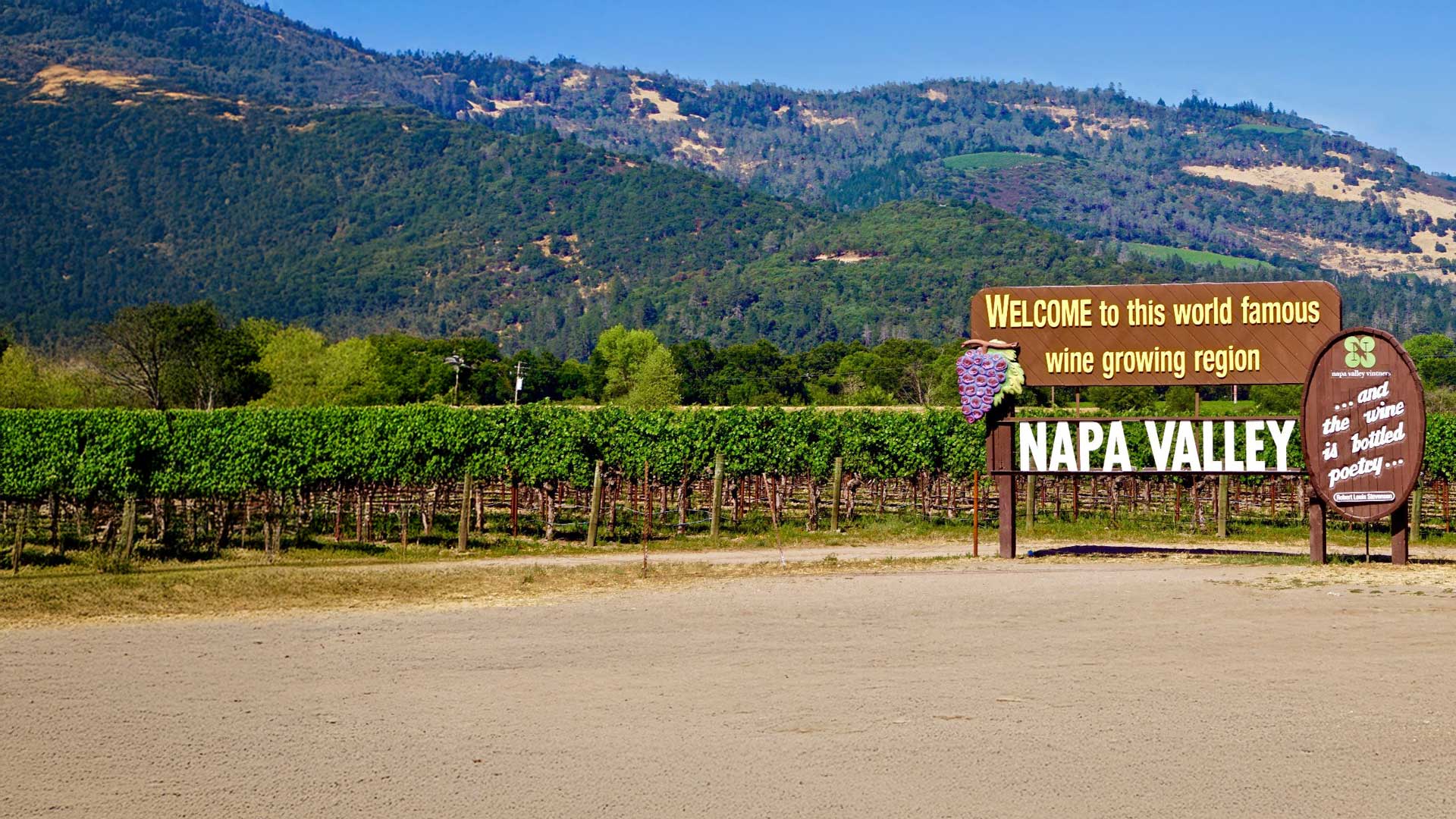
Warm climate regions include Napa Valley, the Barossa Valley in South Australia, Rioja in Spain, and Châteauneuf-du-Pape in the southern Rhône. Grapes ripen fast and fully here. Sugar accumulates quickly. Acidity drops.
What ends up in the glass: riper fruit (dark berries, tropical fruit, dried fruit), fuller body, higher alcohol (often 13.5–15.5%), rounder texture, and less requirement for extended aging. Warm-climate wines are generally built to deliver pleasure relatively early.
Vintage variation is lower in warm climates — years are more consistent, and the best producers focus on finesse and restraint rather than waiting for the rare perfect season.
Diurnal Temperature Variation: The Great Moderator
Here’s where it gets more interesting. Some of the world’s most compelling wines come from places that are genuinely warm during the day but dramatically cool at night. That swing — the diurnal temperature variation — slows ripening after sunset, preserves the acids built up during daylight, and allows aromatic complexity to develop without the sugar racing ahead.
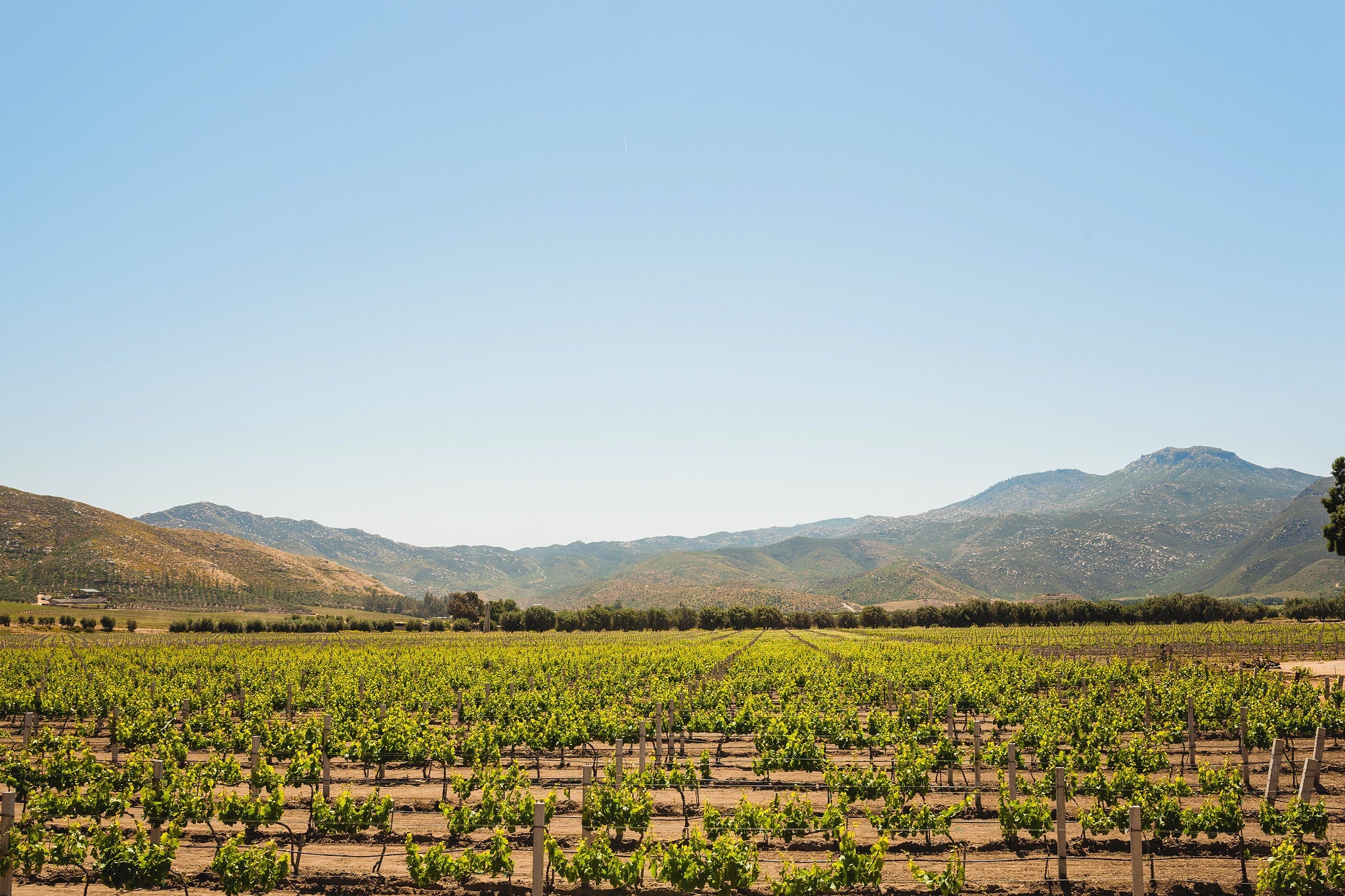
Mendoza in Argentina sits at elevation — warm days, cold Andean nights. Happy Canyon in Santa Barbara, California works the same way: warm inland afternoons, then Pacific air drops temperatures sharply as the sun goes down. Paso Robles’ west side. Marlborough. Casablanca Valley in Chile. These regions produce wines with the fruit ripeness of warm climates and the structural backbone of cool ones. That combination is the sweet spot, and it’s what makes these regions exciting.
|
Field note — Happy Canyon, Santa Barbara: I make Martellotto wines in Happy Canyon, which sits at the eastern end of the Santa Ynez Valley. It’s warm enough during the day to ripen Cabernet Sauvignon fully, but Pacific air pushes through the valley floor at night and drops temperatures by 40°F or more. That swing is the reason the wines hold their structure. Take the same variety and plant it 30 miles east in flatter, more sheltered terrain and you get a different wine entirely. Climate is that specific. — Greg Martellotto |
Cool vs. Warm Climate: Side by Side

2.3 Where Wine Grapes Grow
The wine belt spans both hemispheres, and within it, every continent except Antarctica now has a wine industry. But most of the world’s finest wine still comes from a handful of core regions with centuries of accumulated knowledge about what grows best where.
Old World: Europe
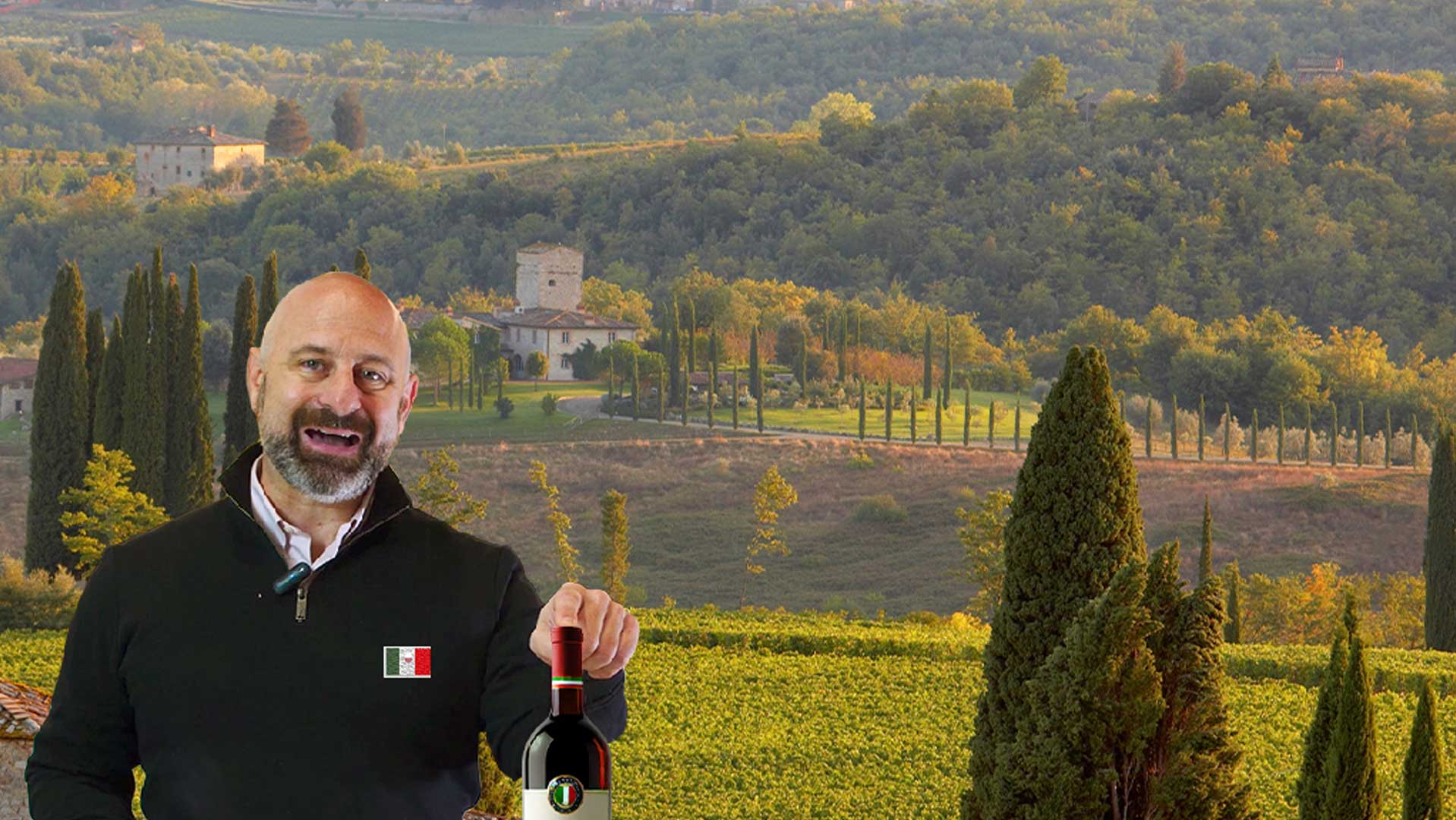
Old World is the collective term for Europe’s original wine-producing countries: France, Italy, Spain, Germany, Portugal, Austria, Greece, and others. These regions have been growing specific varieties in specific soils for centuries, and their wine laws reflect that accumulated experience.
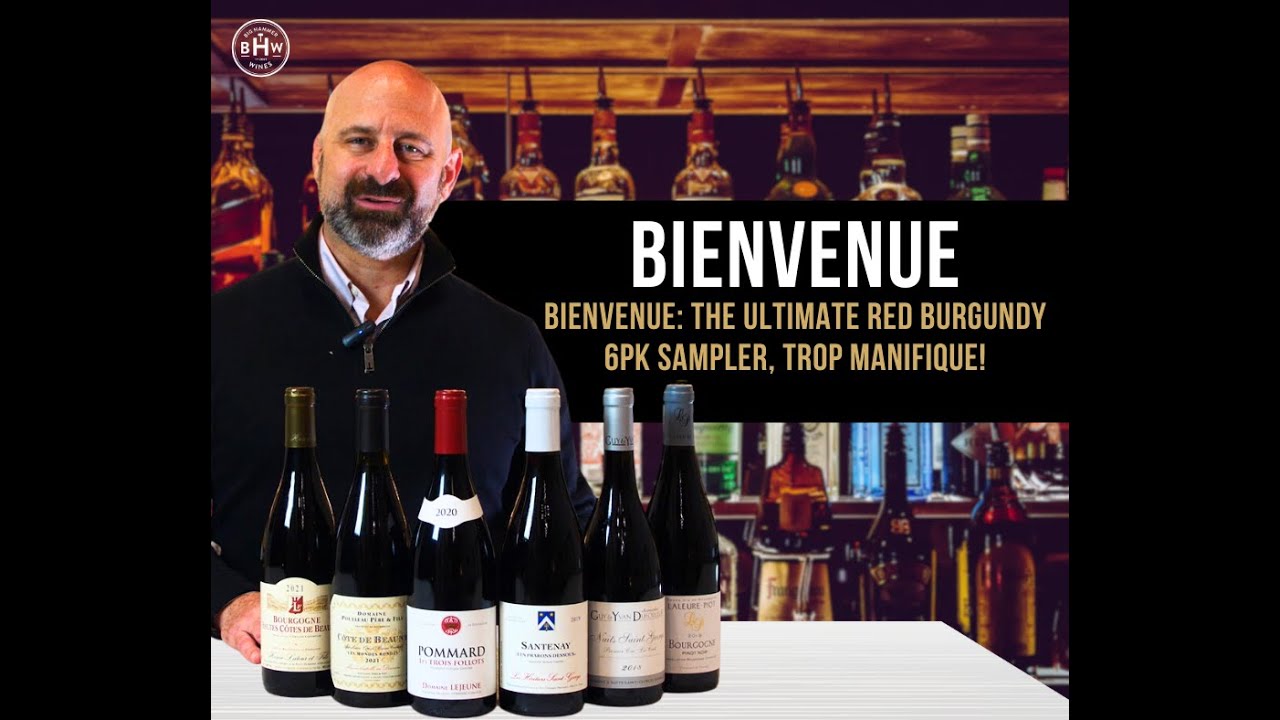
Old World wines are typically labeled by region, not grape variety. You buy a Burgundy, not a Pinot Noir from Burgundy. You buy a Barolo, not a Nebbiolo from Piedmont. The region’s name is the shorthand for what to expect. This system can be confusing for new wine drinkers, but it reflects a deep conviction that place matters as much as variety.
Climate varies enormously across Europe. Champagne and the Mosel are among the coolest wine regions on the planet. Châteauneuf-du-Pape and southern Rioja are as warm as many New World regions. Old World is geography and tradition — not a flavor.
New World: Everywhere Else
New World wine countries — the United States, Argentina, Chile, Australia, New Zealand, and South Africa — built their modern wine industries mostly in the 20th century, largely learning from European models and then developing their own styles.
New World regions generally label by grape variety, which makes them easier to navigate when you’re building a palate. You know you’re buying a Cabernet, a Malbec, or a Sauvignon Blanc before you know anything else about the bottle.
New World regions also vary dramatically. Oregon’s Willamette Valley is as cool and damp as parts of Burgundy. The Barossa Valley in Australia gets as hot as the southern Rhône. Patagonia in Argentina is producing serious Pinot Noir at high altitude. The style range inside the New World is wider than most people expect.
Emerging Regions
Climate change is expanding the viable wine belt northward. England now produces award-winning sparkling wine in Surrey and Sussex — the same chalky geology as Champagne, 200 miles north. Parts of Canada’s Okanagan Valley in British Columbia are producing serious Bordeaux-variety reds. These aren’t novelties anymore.
Major Wine Regions at a Glance

Decision Framework: How to Read Climate Clues on a Label
You don’t need to memorize every wine region. You can read the bottle. Here’s what to look for:
- Read the region: Champagne, Mosel, Burgundy, Willamette Valley, Marlborough — cool climate. Napa Valley, Barossa, Rioja, Châteauneuf — warm. Most regions have a reputation that takes 10 minutes to learn and lasts a lifetime.
- Check the ABV: Under 12.5%: almost certainly cool climate or lightly extracted. Over 14.5%: warm climate or a hot vintage in a normally cooler region. The 13–14% range is the overlap zone — could be either, depending on the year.
- Consider the vintage year: Vintage variation matters most in cool climates. A warm year in Burgundy produces a very different wine than a cool one. In Napa, years are more consistent. If you’re buying a cool-climate wine, the vintage is part of the decision.
- Trust the acidity in the glass: Pour it. If your mouth waters after swallowing, the acidity is doing its job — cool climate or high-altitude signal. If the finish is round and fruit-forward without much grip, you’re in warm-climate territory. Your palate is the most reliable instrument you have.
Wine Glossary
Véraison
The moment during the growing season when grapes change color and begin accumulating sugar. Red grapes shift from green to purple or red; white grapes soften and turn translucent. Véraison marks the start of the ripening phase.
Brix
A measurement of sugar content in grape juice. One degree Brix equals approximately one gram of sugar per 100 grams of juice. Table wine grapes are typically harvested between 20 and 26 Brix; dessert wines can push 30 or higher.
Phenolic Ripeness
The maturity of tannins, color compounds, and flavor compounds in grape skins and seeds. Phenolic ripeness develops separately from sugar ripeness and is assessed by tasting the grape, examining seed color, and evaluating skin texture.
Hang Time
The period between véraison and harvest. Longer hang time in a cool season allows grapes to develop full phenolic maturity at moderate sugar levels, producing wines with complexity and balance.
The Wine Belt
The latitudinal band between roughly 30° and 50° north and south of the equator where most wine grapes are grown. Within this band, summers are warm enough to ripen grapes and winters are cold enough to allow dormancy.
Diurnal Temperature Variation
The difference between the highest daytime temperature and the lowest nighttime temperature in a growing region. A large diurnal range — warm days followed by cold nights — preserves acidity and aromatic complexity, even in warm climates.
Cool Climate
A wine-growing environment characterized by moderate temperatures, long growing seasons, and high natural acidity. Typically produces wines with lower alcohol, restrained fruit, and higher aging potential.
Warm Climate
A wine-growing environment with higher average temperatures, faster ripening, and lower natural acidity. Typically produces fuller-bodied wines with riper fruit flavors and higher alcohol.
Old World
The traditional wine-producing countries of Europe: France, Italy, Spain, Germany, Portugal, Austria, Greece, and others. Old World wines are generally labeled by region rather than grape variety.
New World
Wine-producing countries outside Europe, including the United States, Argentina, Chile, Australia, New Zealand, and South Africa. New World wines are generally labeled by grape variety.
Malic Acid
One of the two primary acids in wine grapes (alongside tartaric acid). Malic acid — the acid you taste in green apple — is metabolized by the vine as temperatures rise during ripening. Cool climates preserve more malic acid in the finished wine.
Tartaric Acid
The dominant acid in ripe wine grapes and the most stable of the primary grape acids. Tartaric acid is not metabolized during ripening the way malic acid is, making it the backbone of a wine’s acidity. Winemakers also add tartaric acid to adjust pH in warm-climate wines where natural acidity has dropped.
Frequently Asked Questions
How do grapes ripen?
Grapes ripen through three simultaneous processes: sugar accumulates (measured in Brix), acidity falls as malic acid is metabolized, and tannins and color compounds in the skins reach phenolic maturity. These processes are all driven by temperature, sunlight, and the length of the growing season.
What is véraison in wine?
Véraison is the onset of ripening in wine grapes, marked by color change in red varieties (green to purple or red) and a softening in white varieties. It typically occurs around midsummer and signals that the vine has shifted from vegetative growth to fruit development. Harvest usually follows 6–8 weeks later.
What is Brix in wine?
Brix is the unit used to measure sugar content in grape juice. One degree Brix equals approximately one gram of sugar per 100 grams of juice. Winemakers use Brix readings throughout the ripening season to track sugar accumulation and time the harvest. Most table wine grapes are picked between 20 and 26 Brix.
What is phenolic ripeness?
Phenolic ripeness refers to the maturity of tannins, anthocyanins (color compounds), and flavor compounds in the grape’s skins and seeds. It is distinct from sugar ripeness — a grape can be high in Brix but still have green, harsh tannins. Winemakers assess phenolic ripeness by tasting the grape, checking seed color (green = unripe, brown = mature), and evaluating skin texture.
What is the wine belt?
The wine belt is the latitudinal band, roughly 30° to 50° north and south of the equator, where most commercial wine grapes are grown. Within this band, summers are warm enough to ripen grapes fully and winters cold enough to provide dormancy. Below 30°, conditions are often too hot and consistent for quality viticulture. Above 50°, reliable ripening becomes difficult in most years.
At what latitude do wine grapes grow?
Most wine grapes grow between 30° and 50° latitude in both hemispheres. In the Northern Hemisphere, this covers southern France, California, and northern Spain at the warmer end, and Germany and England at the cooler edge. In the Southern Hemisphere, the equivalent latitudes cover much of Argentina, Chile, South Africa, Australia, and New Zealand.
What is the difference between cool climate and warm climate wine?
Cool climate wines typically show higher acidity, lower alcohol (11–13%), restrained fruit (citrus, red berry), and lighter body. Warm climate wines typically show lower acidity, higher alcohol (13.5–15.5%), riper fruit (dark berry, tropical, jam), and fuller body. These differences trace directly to how quickly grapes ripen and how much acidity is preserved before harvest.
What is diurnal temperature variation in wine?
Diurnal temperature variation is the daily swing between daytime highs and nighttime lows in a wine region. A large diurnal range — 30°F or more between day and night — allows grapes to accumulate sugar and phenolic ripeness during warm days while retaining acidity during cool nights. Mendoza, Marlborough, Happy Canyon, and Paso Robles’ west side all benefit significantly from large diurnal ranges.
How does climate affect wine taste?
Climate determines the three structural pillars of a wine: alcohol (set by sugar at harvest), acidity (set by how much is preserved during ripening), and tannin structure in reds (set by how fully the skins developed). Everything a winemaker does in the cellar works within the constraints that climate has already established.
What are Old World wine regions?
Old World wine regions are in Europe: France (Bordeaux, Burgundy, Champagne, Rhône, Alsace), Italy (Piedmont, Tuscany, Veneto, Sicily), Spain (Rioja, Ribera del Duero, Priorat), Germany (Mosel, Rheingau), Portugal, Austria, and Greece are the main ones. Old World regions generally label wine by place rather than by grape variety.
What are New World wine regions?
New World wine regions are outside Europe: California (Napa, Sonoma, Central Coast, Santa Barbara), Oregon, Washington, Argentina (Mendoza, Patagonia), Chile (Casablanca, Colchagua, Maipo), Australia (Barossa, McLaren Vale, Margaret River, Yarra Valley), New Zealand (Marlborough, Central Otago), and South Africa (Stellenbosch, Swartland) are the most established.
Why does wine from different regions taste different?
Climate is the largest variable: it determines how much sugar, acid, and phenolic development grapes achieve before harvest. Soil affects drainage, mineral availability, and vine stress. Local varieties have evolved over centuries to suit specific conditions. And winemaking tradition shapes the decisions made in the cellar. All of these compound. A Pinot Noir from Burgundy and a Pinot Noir from Marlborough share a grape variety but almost nothing else about their growing conditions.
When do winemakers decide to harvest?
There is no single formula. Winemakers track Brix readings daily as harvest approaches, taste grapes to assess phenolic ripeness, examine seed color and skin texture, and monitor weather forecasts. The goal is to pick when sugar, acidity, and phenolic maturity align — but that alignment is rarely perfect, and external pressure (weather, labor availability, storage capacity) forces the call.
Can wine grapes grow outside the wine belt?
Increasingly, yes. Climate change has pushed viable viticulture further north and south in both hemispheres. England now produces commercially significant sparkling wine, particularly in counties with chalky subsoils similar to Champagne. British Columbia’s Okanagan Valley is producing serious Bordeaux-variety reds. These regions were experimental a generation ago and are established today.
Explore the Collection
Climate is abstract until it’s in your glass. The best way to understand the difference between cool and warm is to taste it.
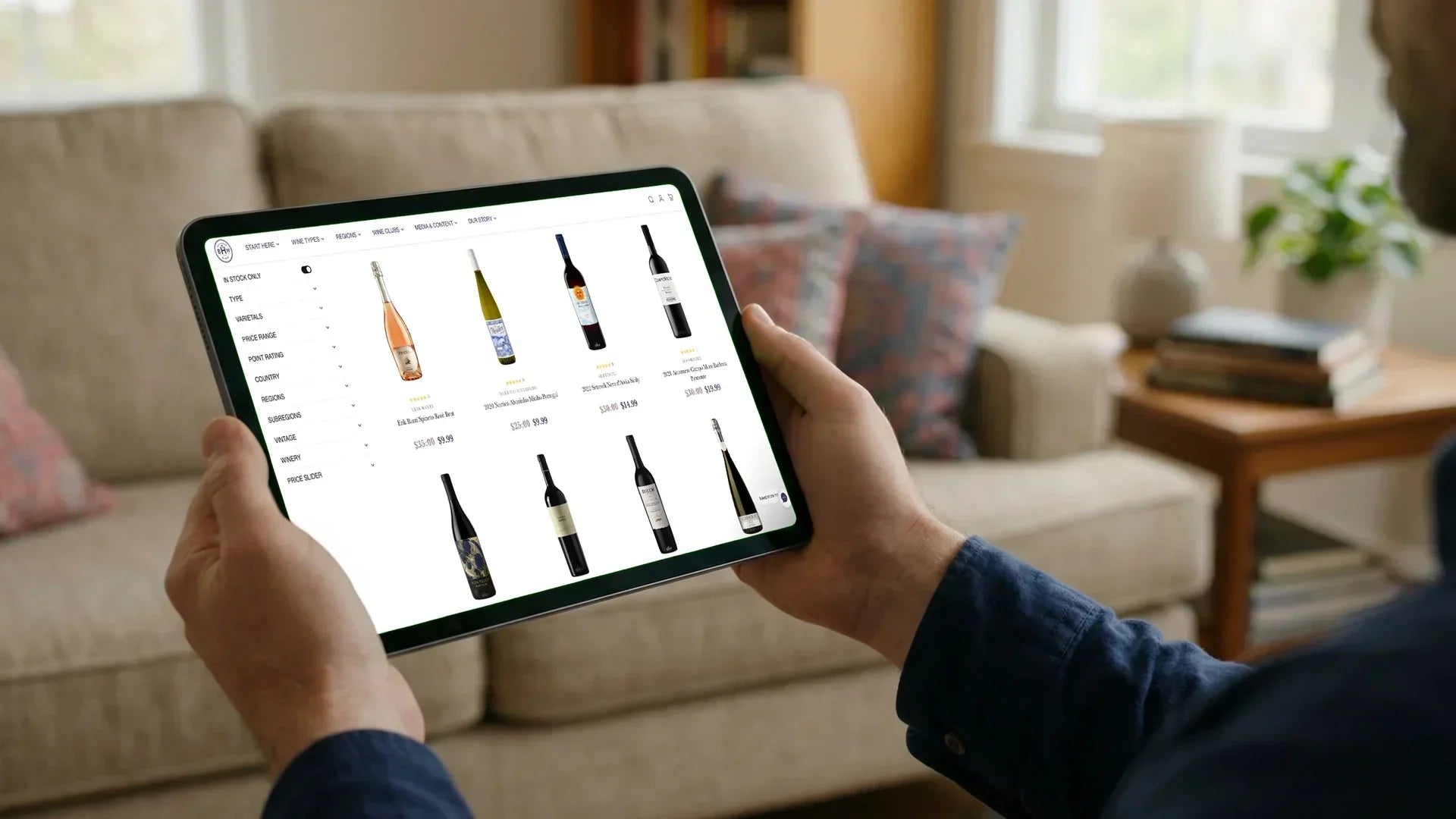
Shop available wines by region and variety: All Wines at Big Hammer Wines
Start with what’s proven: Best Sellers






















Share:
How Is Wine Made?
Comments Section