

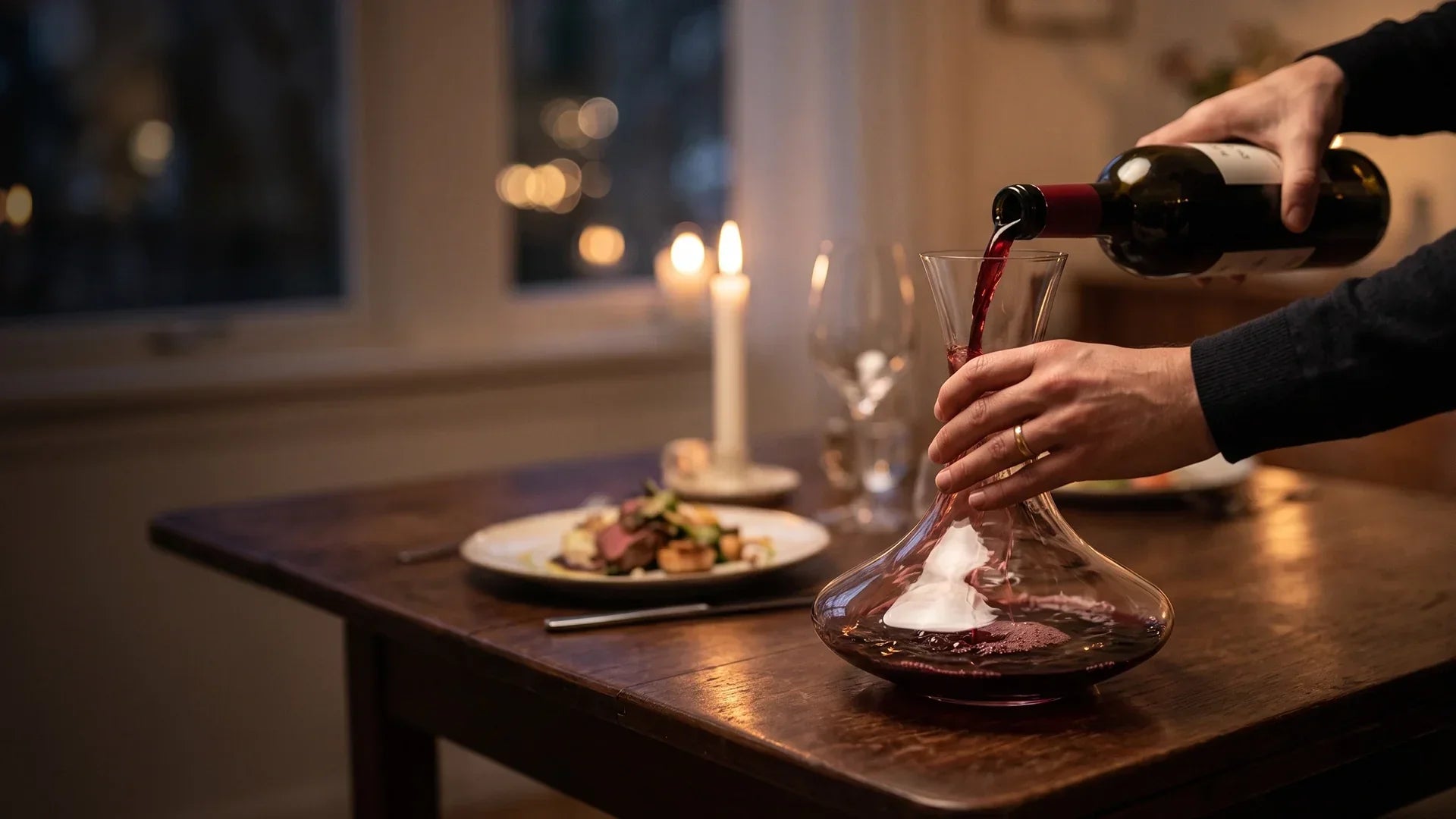
Yes, decanting and aerating make a measurable difference—but not for every wine. Young, tannic reds (Cabernet, Barolo, Bordeaux blends) soften and open with 1–2 hours of aeration. Older wines (15+ years) can fade fast; taste before you commit to decanting.
Most whites, rosés, and sparkling wines don't need it at all. The difference isn't magic—it's chemistry.
Key Takeaways
- Decanting is about exposure to oxygen; aeration is continuous exposure in the glass.
- Young, high-tannin reds benefit most from 60–120 minutes of decanting.
- Older wines (15+ years) should be tasted before decanting; they can lose character quickly.
- A quality decanter with a wide base does most of the work; the bottle shape matters more than the price tag.
- Wine aerators, pour spouts, and wine glasses designed for oxygenation offer quick alternatives to traditional decanting.
The Difference Between Decanting and Aerating
I've watched enough dinner guests pull a wine decanter off the shelf and pour without thinking about why. It looks elegant. It's traditional. But does it matter?
The short answer: sometimes. The long answer depends on what you're drinking.
Here's the split. Decanting and aerating are related but different:

Which Wines Benefit from Decanting?
I don't decant everything. Here's my rule: if it's young and tannic, decant. If it's old and fragile, taste first.
Young, High-Tannin Reds (Best Candidates)
These wines benefit the most from decanting:
- Cabernet Sauvignon (especially Napa, Paso Robles, Bordeaux)—full-bodied, high tannin, young (5–15 years old). Decant 1–2 hours.
- Barolo and Barbaresco (Piedmont, Italy)—powerful, structured, age-worthy. Decant 1.5–2 hours.
- Bordeaux blends—Merlot-heavy or Cabernet-forward bottles from the Left Bank or New World. Decant 1–2 hours.
- Syrah/Shiraz (especially from cool climates like Northern Rhône or Margaret River)—can be tight when young. Decant 45 minutes to 1 hour.
Older Wines (15+ Years)—Handle with Care
This is where I pause. Older wines are like antiques—beautiful but fragile.
When a wine reaches 15+ years old, it has undergone slow oxidation in the bottle. The tannins have softened, and secondary flavors—earth, leather, tobacco, dried fruit—have developed. Opening the bottle and decanting too aggressively can cause these aromatics to blow off into the air, leaving you with flat, empty wine.
My approach: open the bottle, pour a small taste, wait 10 minutes, taste again. If the wine is opening and improving, a gentle pour into a decanter is fine. If it's already in its sweet spot, just pour it into a glass and drink it. You may get 30 minutes of evolution in the glass anyway.
Wines That Don't Need Decanting at All
- White wines (except full-bodied Burgundy or oaked Chardonnay in rare cases)
- Sparkling wines and Champagne (decanting kills the bubbles)
- Rosés (delicate, low tannin)
- Light-bodied reds (Pinot Noir, Gamay, young Grenache)
The Science: What's Actually Happening?
Here's what oxygen does to a young red wine:
- It softens tannins. Tannins are compounds in red wine (mostly from grape skins and oak aging) that create a drying feeling in your mouth. When tannins oxidize, they polymerize—they link together and become less astringent. Your palate feels smoother.
- It releases aromatics. Young wines are "closed"—their aromas are bound up with volatile compounds. Oxygen helps those compounds vaporize, so you smell more complexity: dark fruit, spice, leather, tobacco.
- It changes the flavor profile. Over time, decanted wine tastes rounder, richer, and more integrated. Harsh edges smooth out.
But here's the catch: oxidation is also the reason old wines degrade. Too much oxygen, too fast, and you go from "opening up" to "falling apart" in a hurry.
Wine Accessories: Tools That Actually Make a Difference

You don't need a $300 decanter to aerate wine. Here are the tools I actually use (and recommend):
The Wide-Base Decanter (The Classic)
Why it works: The wider the base, the more surface area the wine has to interact with oxygen. That's it. Price doesn't matter nearly as much as shape.
What to look for:
-
Base diameter of 4–5 inches (the bigger, the better)
-
Clear glass so you can see sediment (important for old wines)
-
A pouring spout that's easy to control (prevents drips and spills)
Cost: $15–$75 for a solid decanter. Riedel and Spiegelau make excellent mid-range options. Even a $20 decanter beats a $300 one if the base is wide.
Wine Aerator / Pouring Spout (The Fast Track)
Why it works: As wine flows through the aerator into the glass, it mixes with air. You get aeration instantly, with zero wait time.
What to look for:
- A snug fit on the bottle (no spills mid-pour)
- Multiple aeration chambers or a turbulence design (mixes wine with air effectively)
- Easy to clean (avoid complicated internal channels that trap sediment)
Cost: $15–$30. Look for brands like Vacu Vin or Trudeau. These are my go-to when I'm serving multiple wines or want to skip the 90-minute wait.
Aeration Wine Glasses (Form-Follows-Function)
Why it works: Some wine glasses are designed with extra-wide bowls, thin walls, or textured interiors that promote oxygen exchange as you swirl and drink.
Popular styles:
- Riedel Decanter-Style Glasses—large, open bowls that encourage swirling. Every sip gets air.
- Zalto Universal Glass—ultra-thin glass, wide opening, designed to be the best all-arounder for any wine. Oxygen exchange is built into the design.
- Burgundy/Pinot Noir glasses—wider than standard, great for light reds that need gentle aeration.
Cost: $20–$80 per glass. Worth it if you drink wine multiple times a week. These glasses aerate every sip without you thinking about it.
Vacuum Stopper / Wine Preserver (For Next-Day Drinking)
Why it works: If you decant and don't finish the bottle, a vacuum stopper removes oxygen from the decanter, preventing over-oxidation overnight. Some decanters have stoppers built in.
What to look for:
- Manual pump (Vacu Vin style)—simple, effective, no batteries
- Keeps wine fresh for 2–3 days (though freshly decanted is always better)
Cost: $10–$15. Smart investment if you like to taste the same wine over a few days and notice the evolution.
Decanting Cradle / Wine Holder (For Show, and Sediment Control)
Why it works: A wine cradle holds a bottle at an angle as it breathes, slowing the pour and giving you more control over sediment. It also looks great on a sideboard.
Best for: Old Bordeaux, Burgundy, or Italian reds where sediment removal is the main goal (not just aeration).
Cost: $20–$60. Not essential, but if you're decanting a $200+ bottle, it's worth the insurance.
How Long Should You Decant?
Time matters. Decant too short, and you miss the benefit. Decant too long, and you oxidize past peak.

Pro tip: Taste the wine every 30 minutes while it's decanting. You'll learn your own preferences and dial in the exact sweet spot for your palate.
To Decant or Not: A Quick Decision Tree
Is the wine younger than 5 years old?
- Yes → Decant 1–2 hours. It's still tight and will benefit.
- No → Go to next question.
Is it a high-tannin red (Cabernet, Barolo, Bordeaux)?
- Yes → Decant. These need the oxygen.
- No → Go to next question.
Is the wine older than 15 years?
- Yes → Open the bottle and taste first. If it's fading, skip decanting. If it's fresh, a quick 15–30 minute pour is fine.
- No → Decant gently for 45–90 minutes.
Is it white wine, rosé, or sparkling?
-
Yes → Skip decanting entirely. Pour and drink.
Frequently Asked Questions
Does it matter what container I decant into?
Technically, no. A water pitcher works just fine. What matters is surface area. If you're going to buy a decanter, prioritize shape (wide base) over brand or price. A $20 decanter with a 5-inch base outperforms a $300 one with a narrow base.
How can I tell if my wine is over-decanted?
Over-decanted wine tastes flat, dull, or oxidized (like a bruised apple). The aromatics disappear, and the fruit fades. This happens faster with older wines (15+ years) than young wines. If you're unsure, taste your wine every 30 minutes while it's decanting to find your own breaking point.
Is it ever a bad idea to decant a young wine?
Rarely. Young, tannic wines almost always improve with 1–2 hours of air. The only real risk is if you decant for way too long (4+ hours), but that's hard to do by accident.
Do I have to wait before opening a decanted wine, or can I drink it right away?
You can drink it right away if you use a pouring aerator. But for a decanter, I'd wait at least 30 minutes to let the aeration do its work. The first glass will be noticeably different from the last glass, so you'll see the evolution unfold.
What's the difference between "breathing" and decanting?
"Breathing" usually means opening the bottle and letting it sit in the bottle for an hour or so. This gives some aeration from the neck, but it's minimal. Decanting gives you 30–100x more surface area. Proper decanting is far more effective than just opening a bottle.
Can I decant sparkling wine or Champagne?
Technically yes, but you'll lose all the bubbles—and with sparkling wine, the bubbles are the main show. I never decant Champagne or Prosecco.
What if I decant a wine and then can't drink it right away?
Use a vacuum stopper to remove oxygen from the decanter. This keeps the wine fresh for 2–3 days. Or pour it back into the bottle and recork. Some decay will happen, but it's better than leaving it exposed for 48 hours.
Do I need to decant wine if I'm using a wine aerator?
No. A wine aerator gives you instant aeration as you pour. You get 80–90% of the benefit of decanting in the time it takes to fill a glass. Perfect if you're impatient or don't own a decanter.
Should I decant rosé?
No. Rosé is typically light, delicate, and low in tannin. It doesn't need aeration, and decanting can strip away its subtle aromas. Just chill it and pour it into a regular wine glass.
What's the best way to decant a wine with visible sediment?
Slow and steady. Pour the wine gently into the decanter, watching the bottle neck as you pour. You'll see a dark layer of sediment approaching the opening as you near the end. Stop pouring when sediment reaches the neck. Use a wine cradle or hold the bottle at an angle to make this easier. Some sediment in a glass won't hurt you, but a whole mouthful is unpleasant.
Will decanting a wine make it taste completely different?
Not completely different—but noticeably better, if it's the right wine. You'll taste rounder tannins, more aromatics, and a smoother finish. The wine becomes more pleasant and approachable. But the core character stays the same—it's just refined.
Merchant's Note
I've seen wine lovers stress endlessly about whether to decant. Here's my honest take: if you own a young Cabernet or Barolo, a decanter—any decanter—will improve it. If you're drinking something older, taste first, then decide. And if you're impatient (and who isn't?), an aerator spout costs $20 and works beautifully. The ritual matters less than the result.
Glossary
Aeration
The process of introducing oxygen into wine. Can happen via decanting, pouring through an aerator, or swirling in a glass.
Decanting
Pouring wine from its bottle into a separate vessel (a decanter) to expose it to oxygen and separate it from sediment.
Tannins
Compounds in red wine (from grape skins and oak aging) that cause a drying, astringent feeling in the mouth. Young wines have more aggressive tannins; oxidation softens them.
Oxidation
The chemical reaction that occurs when wine is exposed to oxygen. Controlled oxidation (decanting) opens up a wine; excessive oxidation (over-decanting or leaving a bottle open for days) degrades it.
Sediment
Particles that settle at the bottom of older wine bottles, composed of tannins, color molecules, and yeast. Removing sediment via decanting improves clarity and mouthfeel.
Aromatics
The volatile compounds that give wine its smell. Aeration helps release aromatics by allowing them to vaporize.
Open/Closed Wine
A "closed" wine is young and tight, with aromas and flavors that haven't fully developed. An "open" wine has released its aromatics and flavors, typically after oxidation.
Secondary Flavors
Flavors that develop in wine as it ages, such as dried fruit, leather, tobacco, and earth (as opposed to primary fruit flavors like berry and stone fruit).
Ready to Find Your Next Bottle?
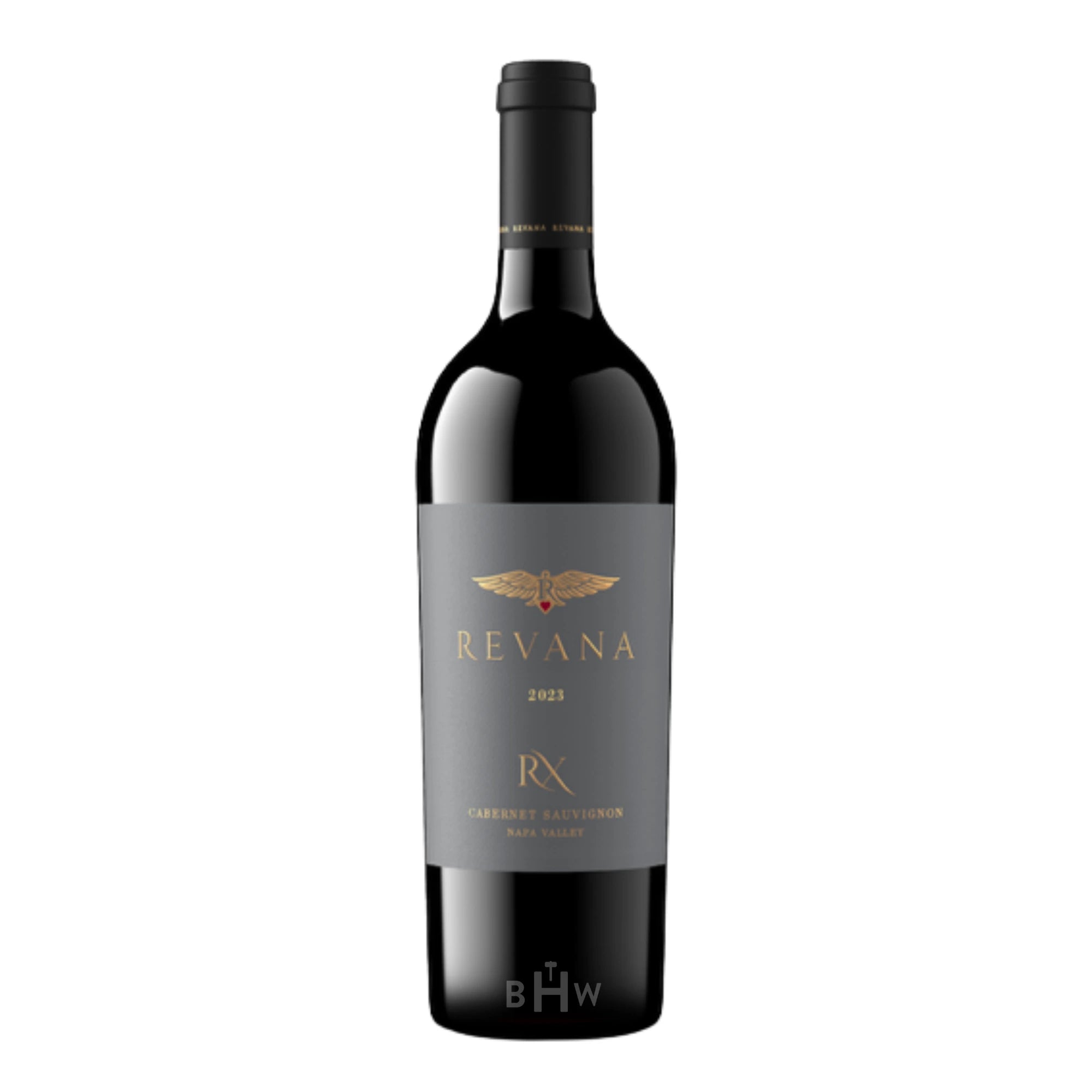
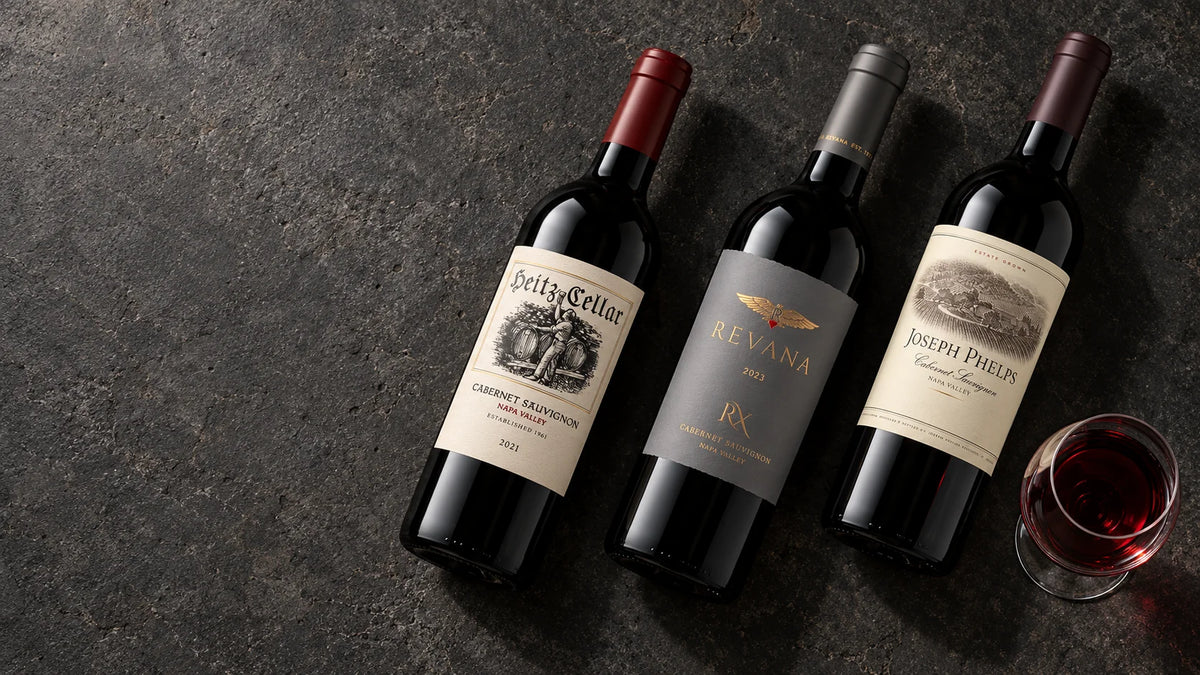
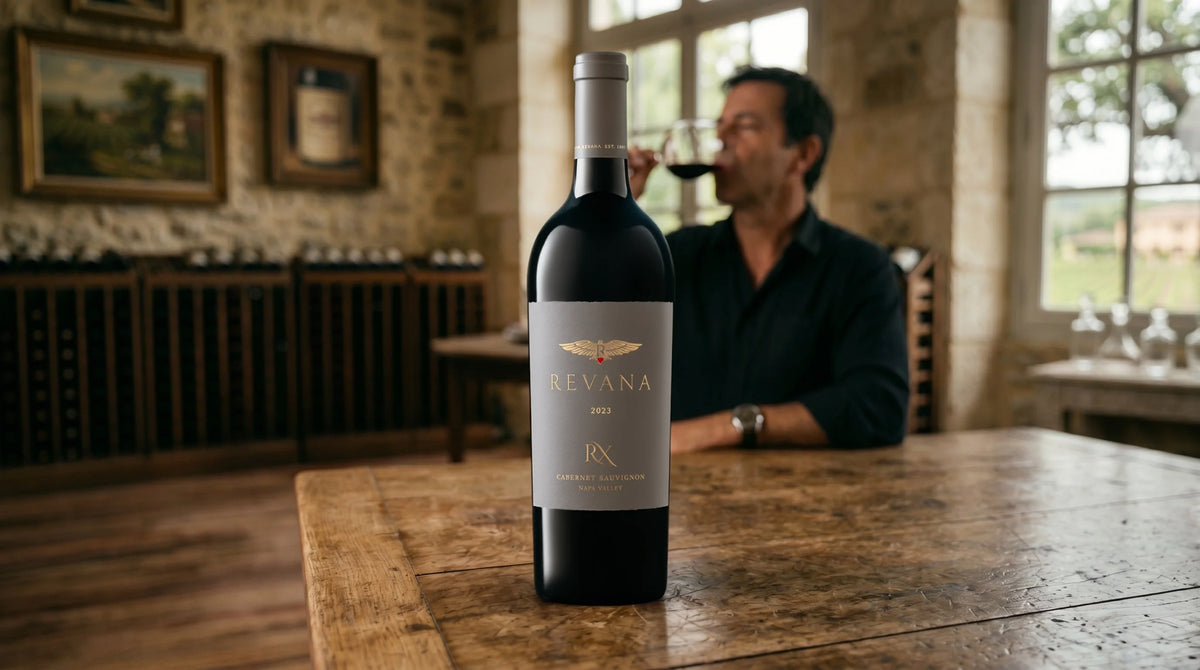
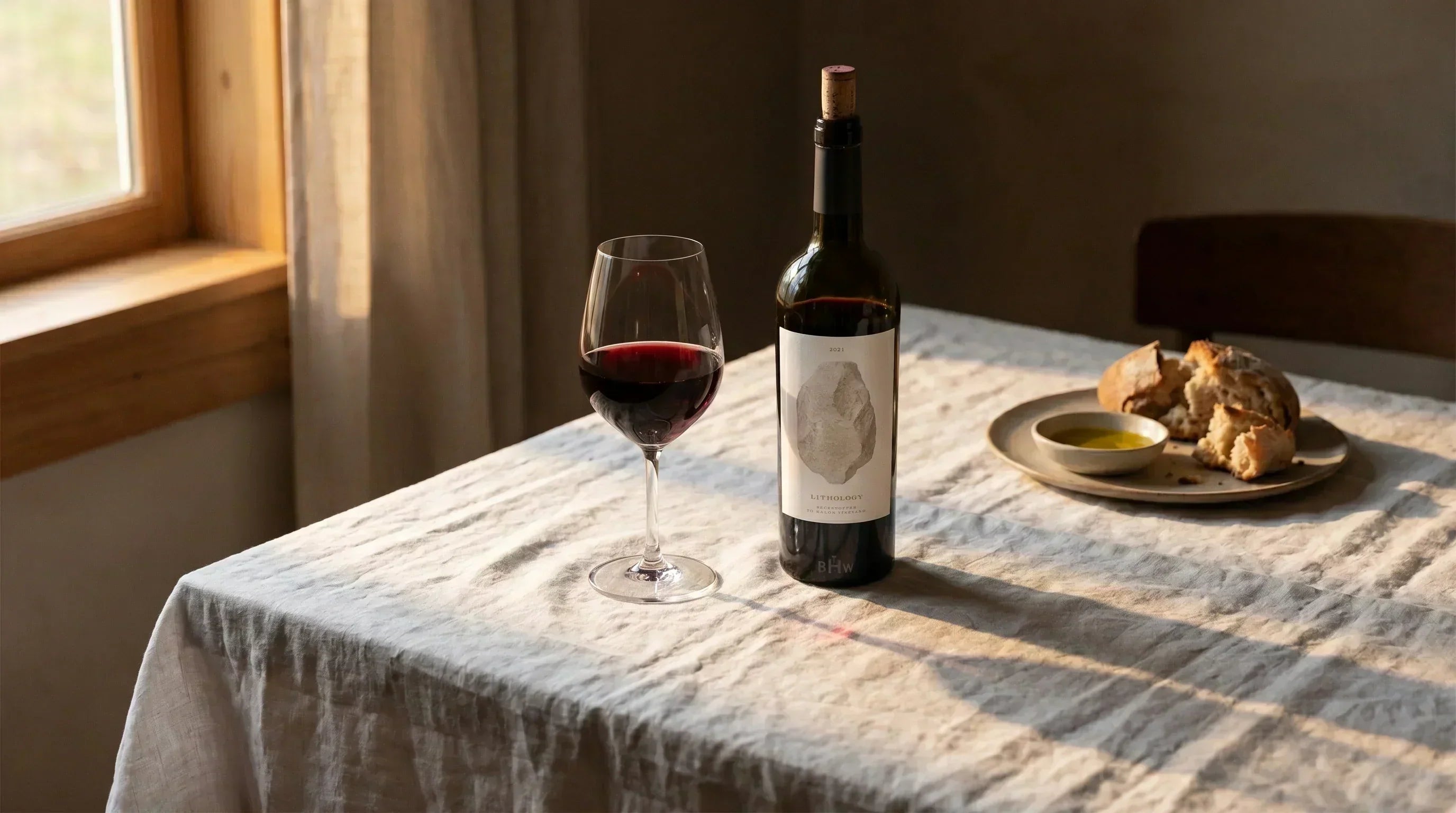
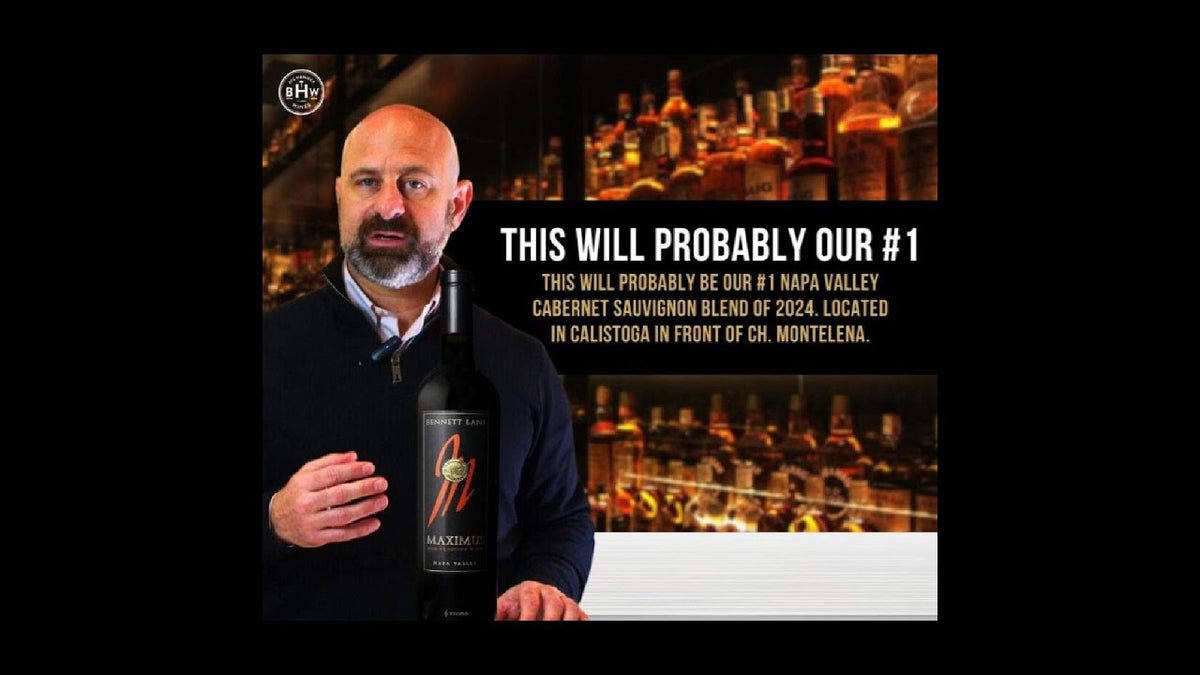
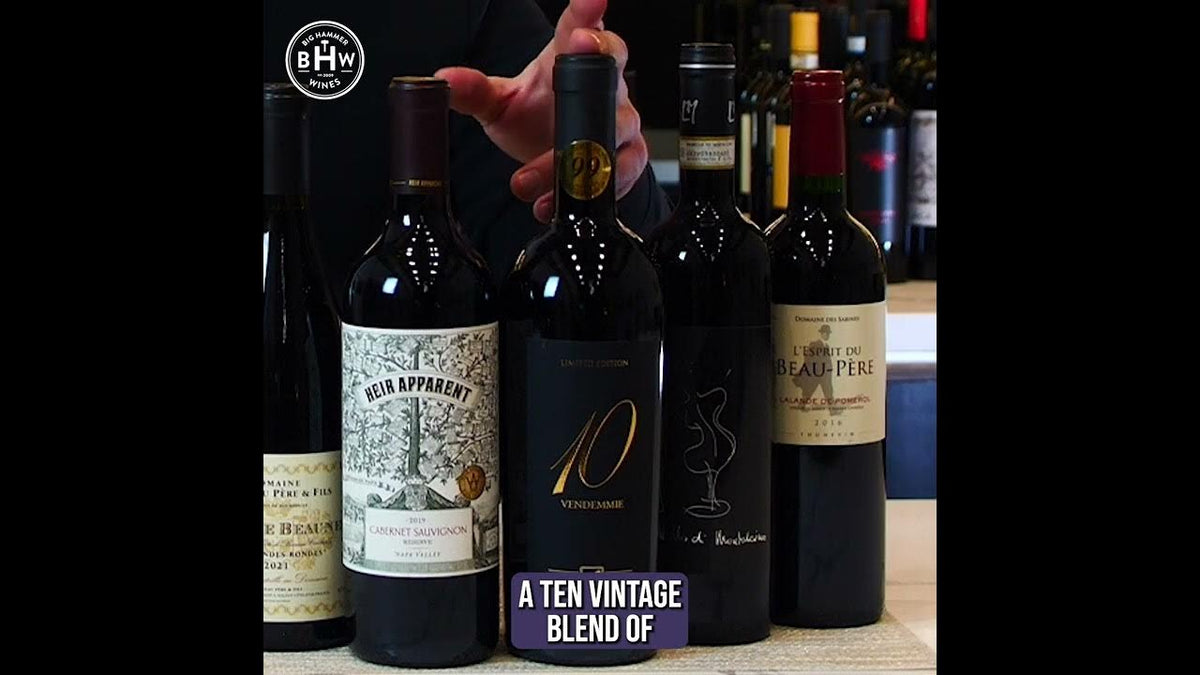
Now that you know when and how to decant, it's time to put it into practice. Young Cabernet Sauvignon is the perfect starting point—bold, tannic, and built for oxygen. Spend 90 minutes with a decanter, pour a glass, and you'll taste exactly what this guide is talking about.
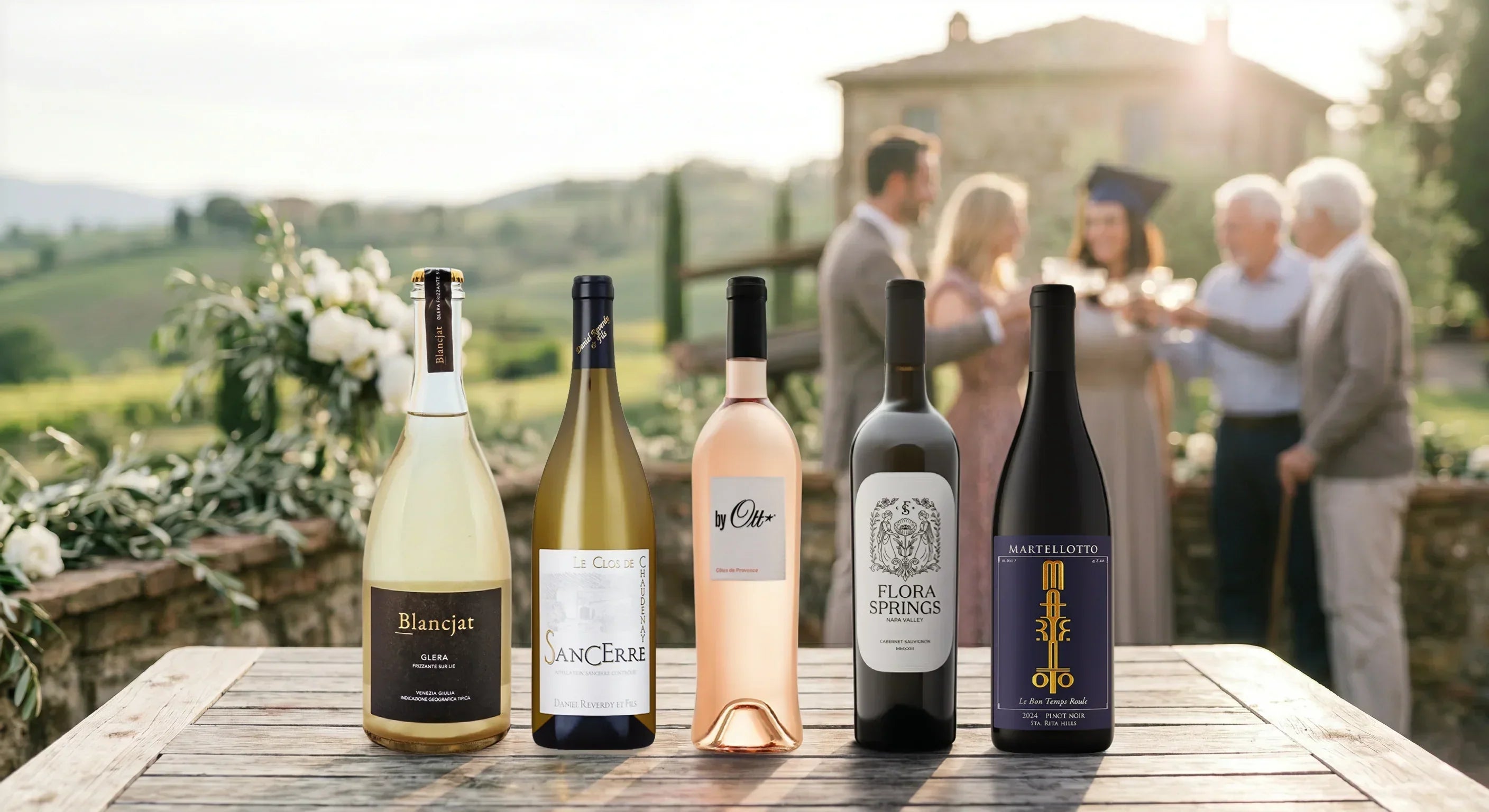
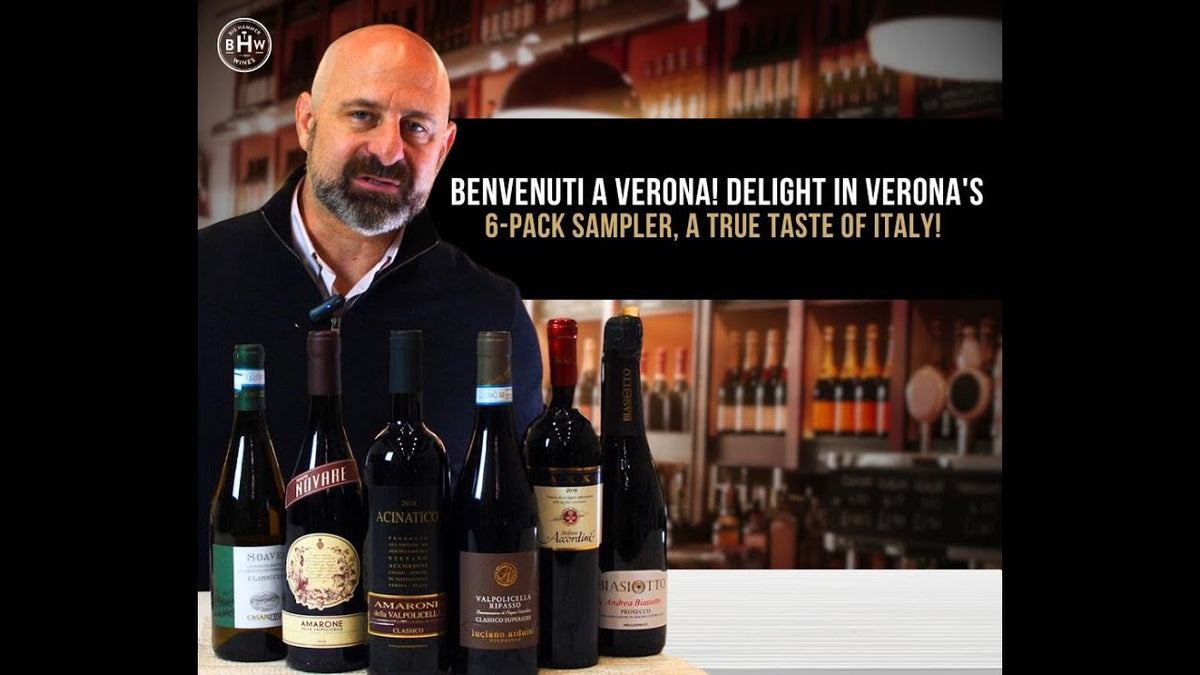
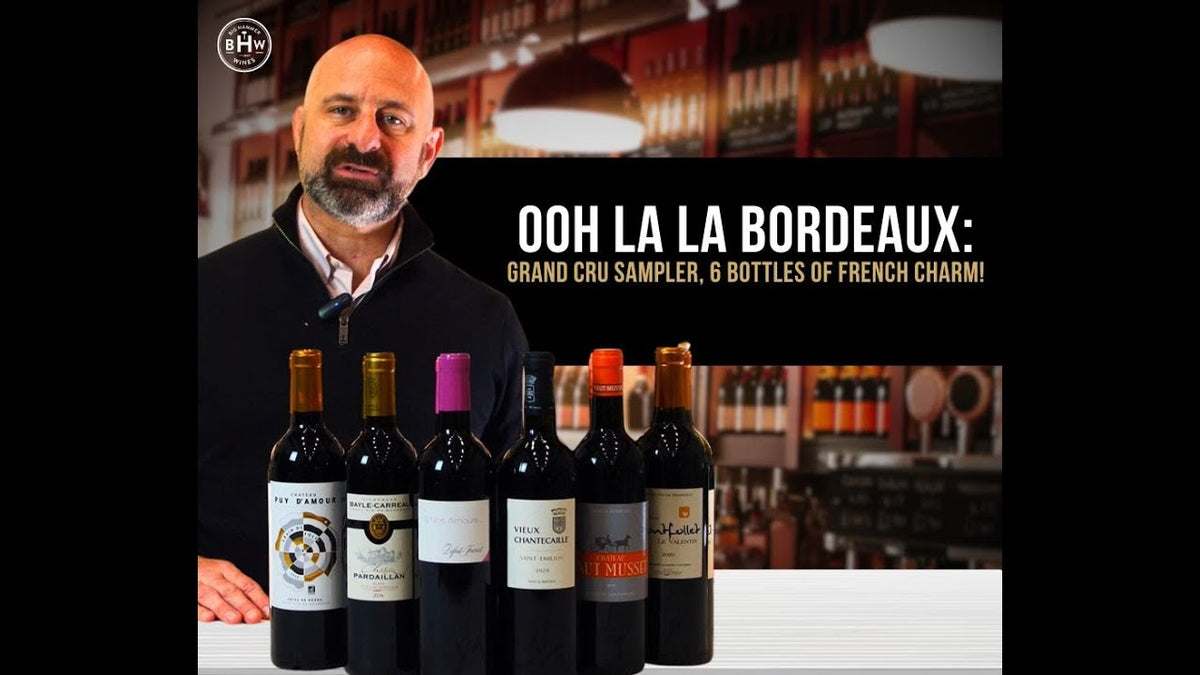
If you're ready to stock your cellar with wines that reward proper aeration, browse our collection of premium Cabernet Sauvignon, Barolo, and Bordeaux blends.
All of these are young enough to benefit from decanting, and all are priced to make you feel smart about the decision.













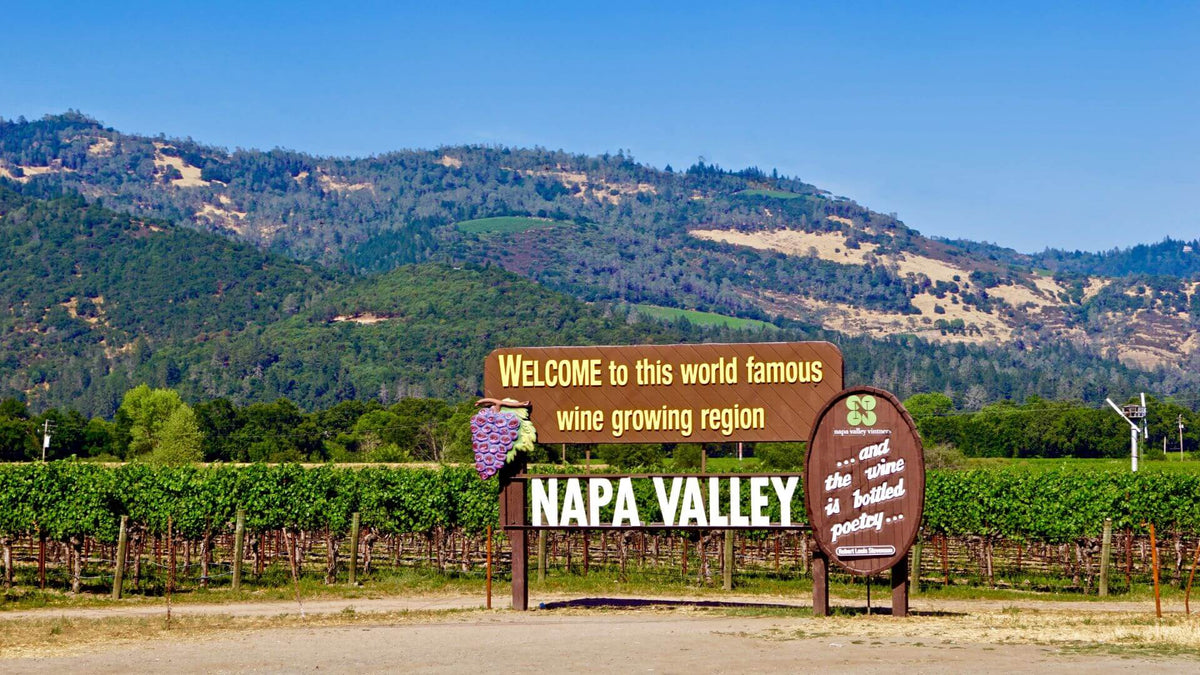

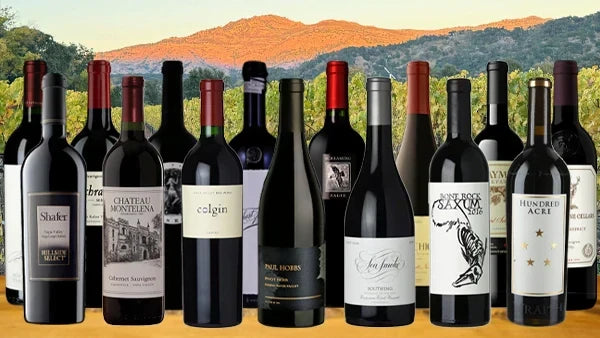


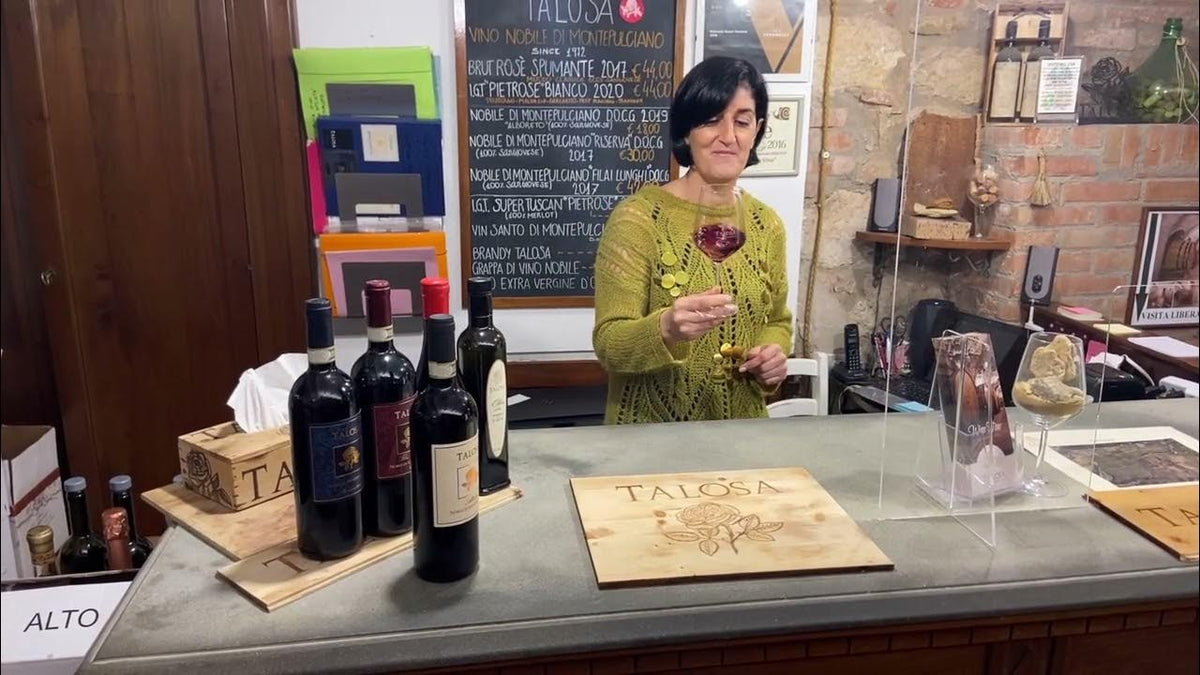
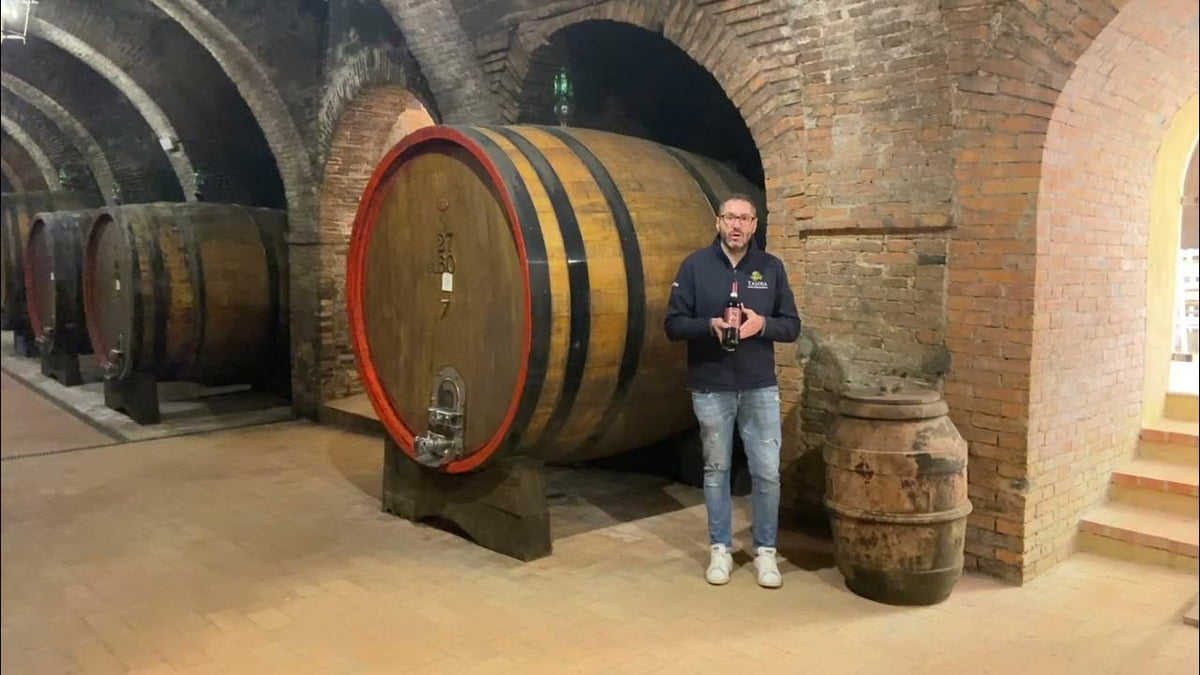
Wines Worth Decanting: Premium Cabernet
SHOP COLLECTIONShare:
Where Wine Grapes Grow
Mosel Riesling: The Secret Behind the World’s Most Elegant White Wine
Comments Section