

Quick Answer
It depends on where you ask. In the European Union, de-alcoholized wine has been legally considered wine since 2021: real wine, fermented from grapes, with the alcohol removed afterward. In the United States, a bottle under 7% ABV falls outside federal wine labeling rules, so the label reads "de-alcoholized wine" instead of wine on its own. Either way, it starts as real wine. The better question is whether it's good.
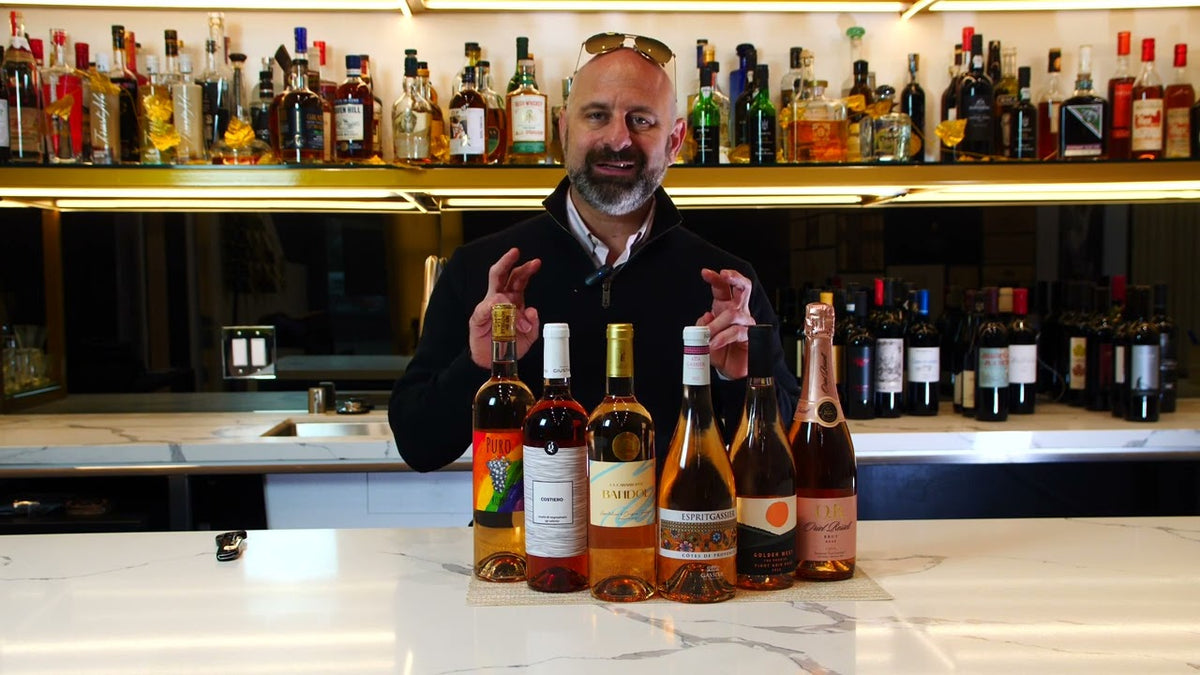
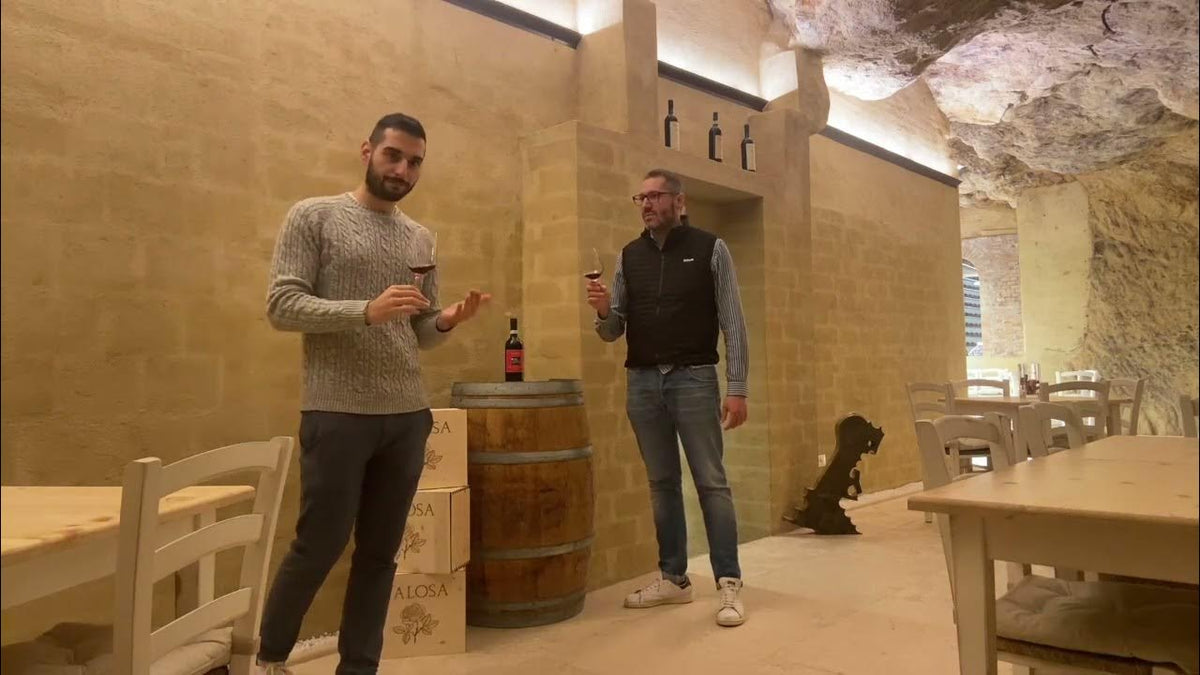
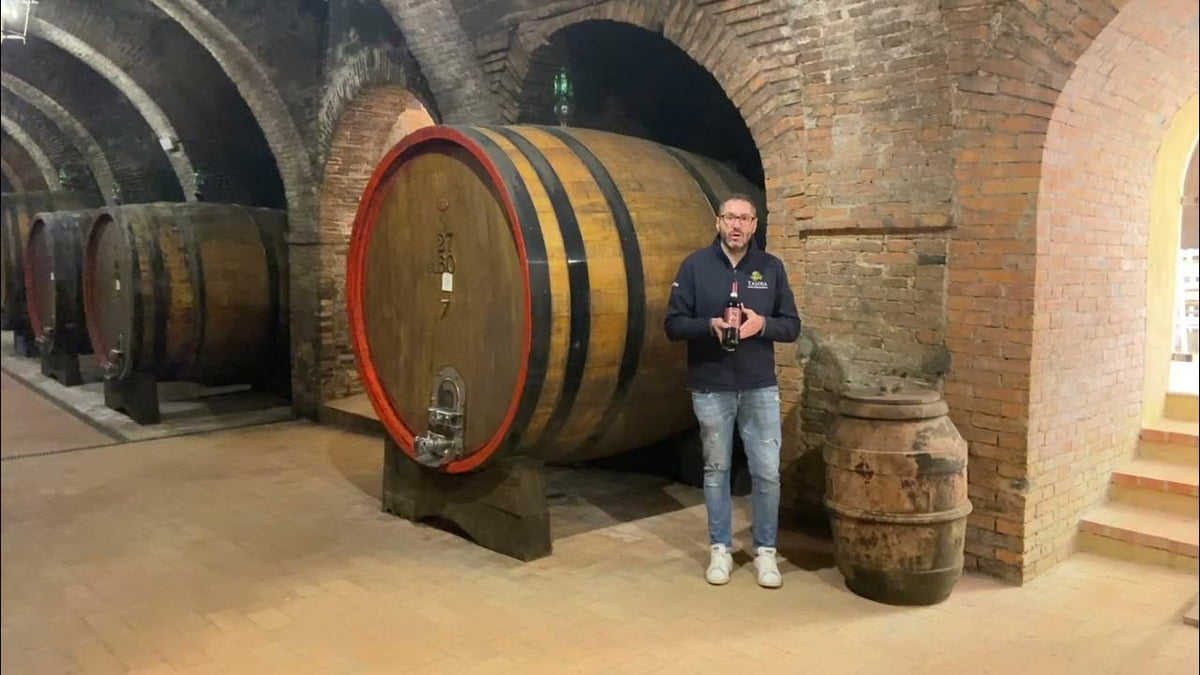
I put the whole question on camera, tasting included. Watch it, then read on for the fine print.
Key Takeaways
- The law is split — In the EU, de-alcoholized wine (0.5% ABV or less) has been a legal category of wine since 2021. In the US, anything under 7% ABV sits outside federal wine labeling rules and is labeled "de-alcoholized wine" or similar.
- It starts as real wine — Producers ferment actual grapes into wine, then remove the alcohol using techniques like vacuum distillation or reverse osmosis.
- Taste depends on the producer — Good alcohol-free wines taste like wine; cheap ones taste thin. Brands matter, just like traditional wine.
- Trace alcohol remains — Even "alcohol-free" isn't truly 0%. Most have ≤0.5% ABV — less than a ripe banana.
- Use case beats definition — It works for pregnancy, sobriety, designated drivers, and people who simply don't want alcohol. That's a real use case.
What Alcohol-Free Wine Actually Is

Here's the legal truth: it depends which side of the Atlantic you're standing on.
In the United States, federal wine labeling rules apply to wine at 7% ABV and above. Below that line, the bottle is labeled under FDA food rules instead, which is why you see "de-alcoholized wine" or "wine-based" language on the label rather than the word wine standing alone.
The EU went the other way. Since a 2021 regulation (EU 2021/2117), "de-alcoholised wine" at 0.5% ABV or less is a legal category of wine. In Europe, the bottle is wine, full stop, and the label tells you the alcohol was removed.
Why the fussiness? Because alcohol is structurally necessary to traditional wine: a preservative, a flavor carrier, and part of the balance that makes wine wine. Remove it entirely and you've changed the drink. The American answer is to label it differently. The European answer is to call it wine and say what was done to it.
How Alcohol Is Removed (The Production Side)
Alcohol-free wines don't start non-alcoholic. They start exactly like every other wine: grapes ferment, yeast eats sugar, alcohol is the byproduct.
The divergence happens at the end. Here are the main removal methods:
Vacuum Distillation
The gentlest approach. Wine is heated under low pressure — much lower than normal distillation — so alcohol evaporates at a cooler temperature. This preserves delicate aromas and flavors that would burn off in standard distillation. Think of it as coaxing, not forcing. Most premium alcohol-free wines use this method.
Reverse Osmosis
Wine is forced through a fine membrane that separates alcohol and water from the rest of the wine's components (tannins, color, flavor). The alcohol is stripped out; the flavorful liquid is blended back together. It's effective but can strip some subtlety if not done carefully.
Spinning Cone (Inverted Rotating Cone System)
The most complex (and expensive) method. A tall, stainless steel column with rotating cones gently separates the wine into layers using vacuum and low heat in multiple stages. It's precise enough to preserve aroma and flavor while removing alcohol. Only the best producers use this — it's why their bottles cost more.
The trade-off: All three methods remove alcohol but also affect the final wine slightly. You lose some of the structure alcohol provides. A good producer compensates by adjusting residual sugar or acidity to create balance. A lazy one doesn't, and the result tastes thin.
The Taste Test: Does It Actually Taste Like Wine?

Here's where the definition argument becomes less important. Does it taste like wine?
I don't ask you to trust me on this one. The video at the top of this page is me answering it out loud, glass in hand.
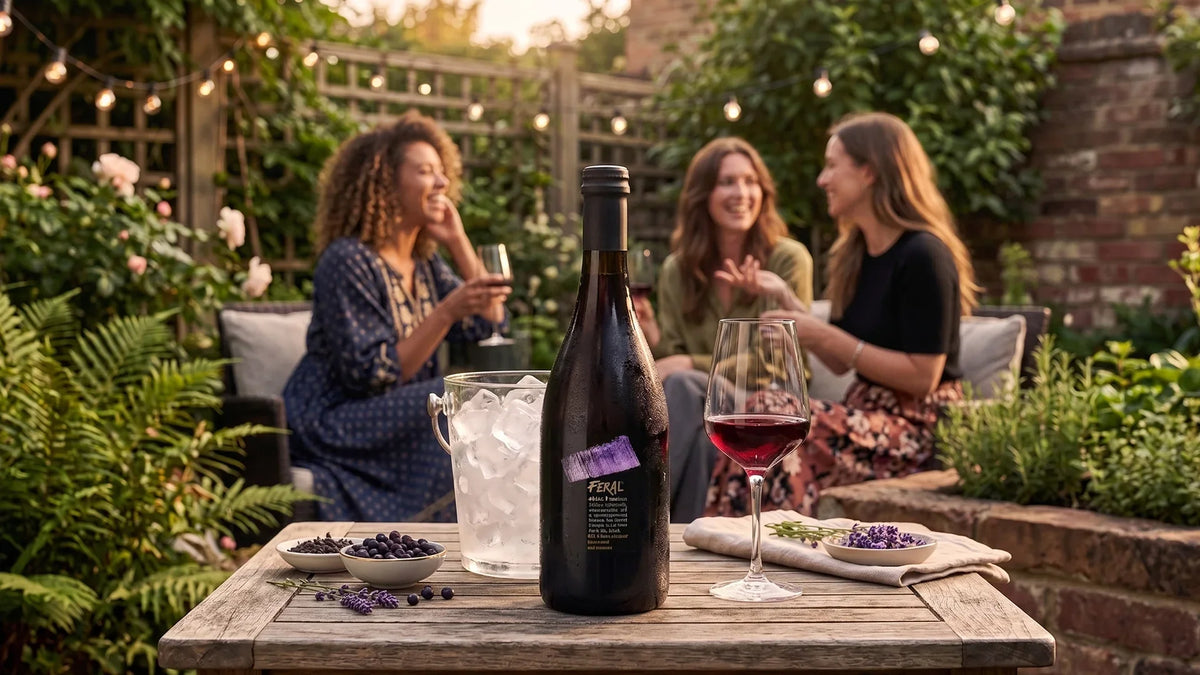
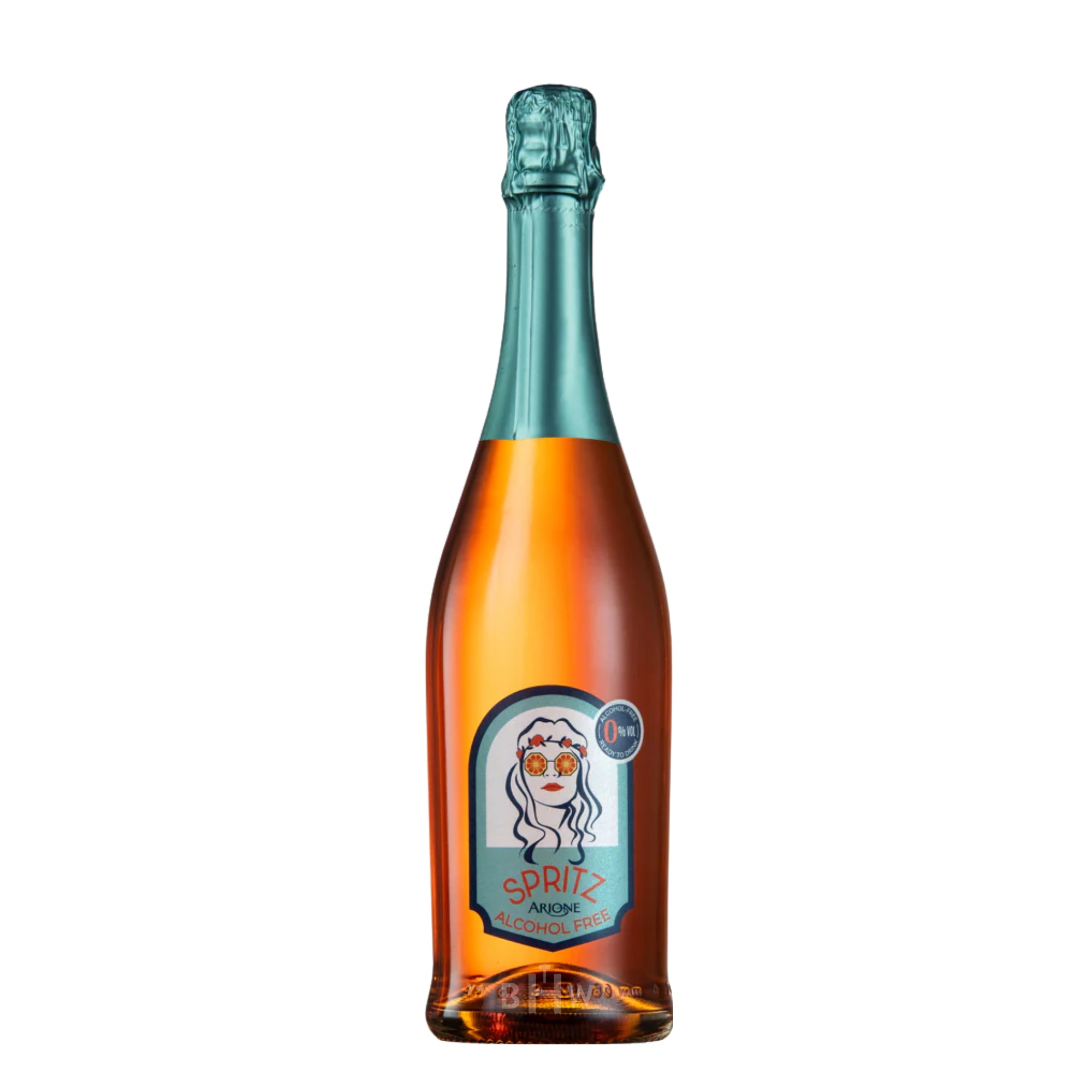
For good producers, the answer is yes. If you've had a modern alcohol-free wine from a serious maker — Arione's Spritz from Piedmont, Feral's fermented botanical, or a quality Muscat de-alcoholized — you know they have structure, flavor, and presence. They're not grape juice.
For cheap ones, the answer is often no. They taste thin, slightly sweet, and apologetic. Skip them.
The texture and body are lighter — alcohol adds volume and warmth, and you can't fully replicate that chemically. But if you're not expecting it to behave like a 13% Malbec, you won't be disappointed. It behaves like what it is: a lower-alcohol, lighter-bodied drink with actual flavor.
Real talk: If you're comparing a $15 alcohol-free wine to a $60 traditional Burgundy, yes, the Burgundy wins. But compare it to a $15 traditional wine of the same region, and a good alcohol-free alternative holds its ground.
The Alcohol That Remains (It's Not Zero)
Here's a detail that surprises people: alcohol-free wine isn't actually alcohol-free.
In the US, a drink labeled "non-alcoholic" must be under 0.5% ABV. The EU's de-alcoholised wine category draws the same 0.5% line. The stricter 0.05% figure you sometimes see is UK guidance, not EU law. Either way, there's alcohol — just a trace. A fully ripe banana contains around 0.3% ABV from natural fermentation. Most alcohol-free wines sit at the same level.
Does this matter? Not for most people. It's not enough to impair. Someone pregnant or on medications that interact with alcohol should still consult a doctor, but the amount is genuinely negligible for legal, driving, or sobriety purposes.
The more honest name is "de-alcoholized" wine, not "alcohol-free," but marketing teams prefer the simpler language.
Who Drinks It (And When It Actually Makes Sense)

Alcohol-free wine isn't a compromise for everyone. It's a real choice for real reasons:
- Pregnant women who want a sip of something at dinner or a toast without the guilt.
- People in recovery or practicing sobriety who want to feel included at meals without being reminded that everyone else is drinking something they can't have.
- Designated drivers who want a glass that's not sparkling water or cola.
- People on medications that react poorly with alcohol.
- Folks who just don't like alcohol — and that's legitimate. You can enjoy the flavors of wine without enjoying the ethanol hit. It's not weird.
In every case, a good alcohol-free wine solves a real problem. It's not a workaround for a medical condition; it's a drink with its own value.
Ready to try one? Explore our non-alcoholic collection.
A Comparison: Alcohol-Free Wine vs. Other Options

Definitions: What You Need to Know
Alcohol-free wine: A drink made from wine with 0.5% ABV or less. In the EU this is the "de-alcoholised wine" category, legally wine since 2021. In the US it is labeled as de-alcoholized wine or a wine-based drink.
Non-alcoholic wine: Often used interchangeably with alcohol-free, but technically non-alcoholic wine is made by stopping fermentation early, preventing alcohol from forming. Same result, different method.
De-alcoholized wine: Wine that had alcohol removed after fermentation. More precise term; same product.
Wine-based drink: A labeling term for drinks made from wine that fall below the threshold for standard wine labeling, which in the US is 7% ABV.
Dealcoholization: The process of removing alcohol from finished wine using vacuum distillation, reverse osmosis, spinning cones, or other methods.
Residual sugar: Sugar left in the wine after fermentation stops. Wine can be dry (≤1.5% RS) or sweet (higher RS). Alcohol-free wines often have slightly higher RS to compensate for the body that alcohol would provide.
FAQs
Is alcohol-free wine gluten-free?
Most are, but it depends on the producer. Check the label or contact the winery. Since the wine goes through the same fermentation process, gluten from grains isn't a typical issue — but cross-contamination during production is possible.
Can you get drunk on alcohol-free wine?
No. You'd need to drink dozens of bottles of 0.5% ABV wine to consume the alcohol equivalent of one standard drink. It's physically and practically impossible.
Do alcohol-free wines age?
Most don't, not like traditional wine. Without alcohol as a preservative, shelf life is typically 12–18 months. Buy fresh and drink it within a year of purchase.
How much does alcohol-free wine cost?
Anywhere from $8 to $25+. Quality producers charge more because the de-alcoholization process is expensive. You get what you pay for: cheap alcohol-free wine tastes thin; good alcohol-free wine tastes like wine.
Is alcohol-free wine vegan?
It depends on the producer. Some use animal products (like egg white) for fining during production. Check the label for vegan certification, or email the producer.
Can you cook with alcohol-free wine?
Technically yes, but there's no point. In cooking, alcohol burns off and adds complexity. Alcohol-free wine skips both steps. Use regular wine or skip it.
Is alcohol-free wine healthier than regular wine?
That's not a claim we make. It's not a health product, and we don't sell it as one. It's a drink for people who don't want alcohol. If you're avoiding alcohol for medical reasons, that's a conversation for your doctor, not a wine merchant.
What's the difference between alcohol-free wine and grape juice?
Fermentation. Grape juice is unfermented. Alcohol-free wine is fermented (producing alcohol) and then de-alcoholized. The yeast and fermentation create flavors and structure that juice doesn't have.
Why does alcohol-free wine sometimes taste sweet?
Because the producer often adds residual sugar to compensate for the body that alcohol normally provides. Not all do — some keep it dry. Check the label for sweetness level, or taste before buying.
Can you tell the difference between alcohol-free wine and regular wine in a blind tasting?
Usually, yes. The body and texture are noticeably lighter, and you might detect a thin finish. But a well-made alcohol-free wine is close enough that a casual sip won't disappoint you.
The Bottom Line
Is alcohol-free wine actually wine? In the EU, yes, by law since 2021. In the US, not on the label: under 7% ABV it can't be labeled simply as wine. Either way it's made with real wine production methods and then de-alcoholized.
Is it worth drinking? If you don't want alcohol, yes. Full stop. A good one tastes like wine, has real flavor, and solves a real problem. A bad one tastes like juice. The same rule applies to regular wine: brands matter.
The real take: Don't ask whether it's "wine." Ask whether you want to pour it. If you do, and it's from a producer who cares, you'll have something worth your time.
Merchant's Note
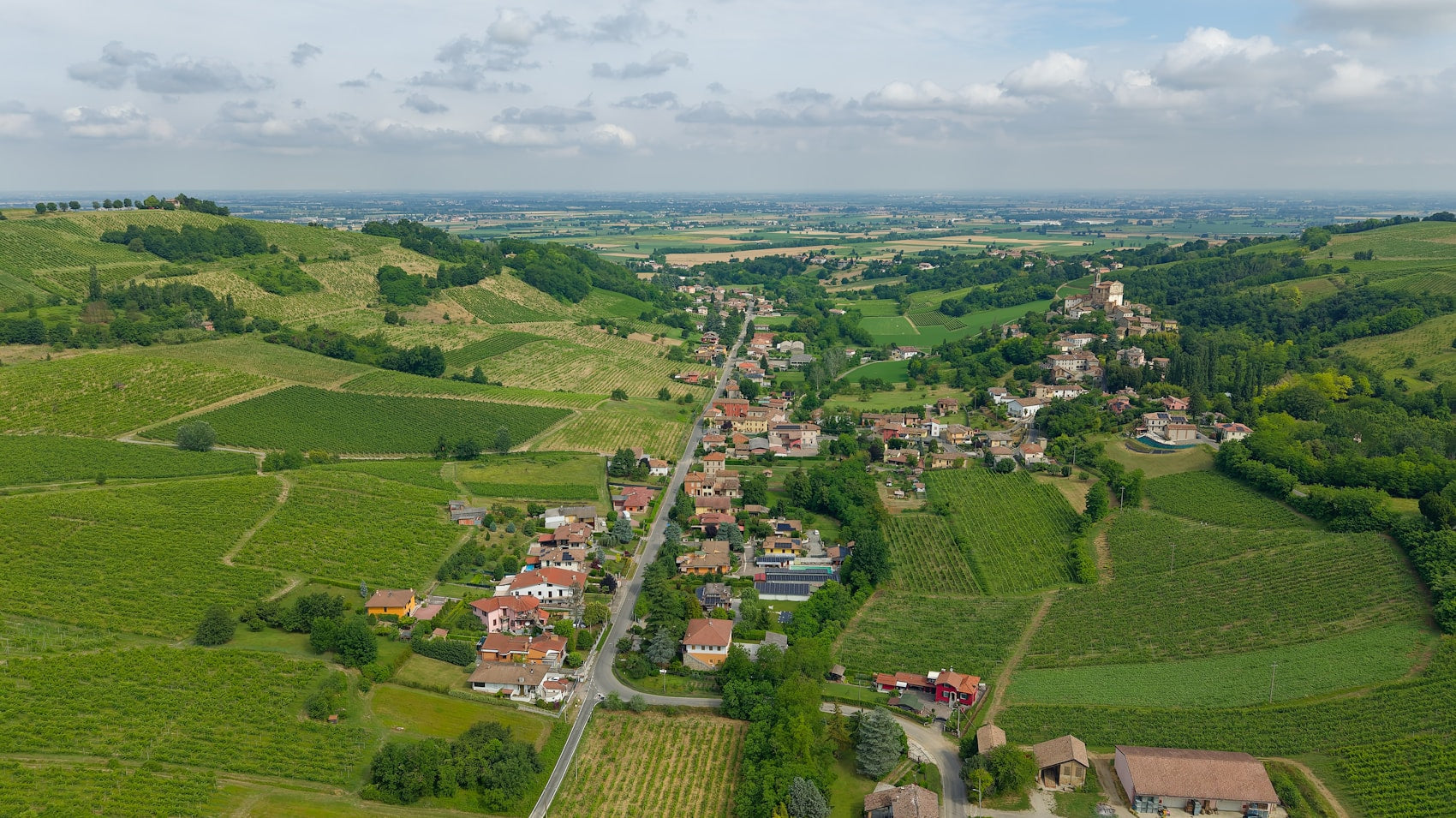
I've tasted hundreds of alcohol-free wines over the years, and I've seen the category go from "what we pour at baby showers" to genuinely sophisticated beverages. Arione brings a 155-year-old Piedmont estate's expertise to a spritz that tastes like a real aperitivo.
Feral is doing things in the fermented-botanical space that deserve respect. These aren't workarounds — they're products made with craft. If someone at your table doesn't drink alcohol, pour them something that shows you care. A good alcohol-free wine does that. A bad one does the opposite.












Shop Our Alcohol-Free & Low-Alcohol Wines
SHOP COLLECTIONShare:
Mosel Riesling: The Secret Behind the World’s Most Elegant White Wine
The Complete Guide to Wine Collecting, Cellars, Consulting, and Selling
Comments Section