

The best Italian red wines to buy are one from each of Italy's ten defining styles: Barolo, Brunello di Montalcino, Vino Nobile di Montepulciano, Chianti Classico, Super Tuscan, Amarone, Montepulciano d'Abruzzo, Taurasi, Primitivo, and Nero d'Avola.
Buy family-estate bottles from a direct importer, expect to pay $25 to $75 for a serious one, and match the wine to the dish rather than the score.
Ask me for the best Italian red wine and I'll ask you what's for dinner.
That isn't a dodge. Italy makes ten reds that barely resemble each other. Barolo is not trying to be Primitivo. Amarone has nothing in common with Chianti except the country on the label. Naming one of them "the best" tells you nothing about which one to open tonight.
So this list works differently. One bottle per style, running north to south. Every one comes from a family estate we import directly, and every one is a wine I've tasted and put my name on. Price and critic score sit next to each pick so you can check the math yourself.
If you only read one line: choose the dish first, then the wine. The table further down does that for you.

Key Takeaways
- Italian red wine is defined by grape and place together: Nebbiolo in Piedmont, Sangiovese in Tuscany, Corvina in Valpolicella, Montepulciano in Abruzzo, Aglianico in Campania, Primitivo in Puglia, and Nero d'Avola in Sicily.
- The ten picks below cover one bottle per style, priced from about $25 to $75, all from family-owned estates imported directly by Big Hammer Wines.
- Beginners should start with Chianti Classico or a Sangiovese-Cabernet Super Tuscan. Both are ready to drink tonight and honest about what Italian wine tastes like.
- Three of the ten picks come in under $30: Chianti Classico, Super Tuscan, and Nero d'Avola.
- Match the wine to the sauce, not the score. Tomato wants Sangiovese or Montepulciano, braised meat wants Nebbiolo or Aglianico, grilled steak wants a Super Tuscan or Amarone.
How I Picked These Ten Italian Reds
I taste through a lot of Italian wine every year, and most of it doesn't make the cut. Four tests get a bottle onto this list.
- It tastes like where it's from. A Barolo that drinks like Napa Cabernet fails, however good it is.
- A family farms it. Every estate here is family-owned, and we bring the wine in directly. No distributor tier, no middle markup.
- It's ready to drink. I'll tell you which ones improve with a few years in the cellar. None of them needs a decade.
- The price holds up against the region's benchmarks. Where a famous neighbour sells for several times more, I'll say so.
The 10 Best Italian Red Wines, One Per Style
Prices, vintages, and scores below are current as of the last update. Scores are labelled by critic: James Suckling, Wines Critic, Luca Maroni.
1. Barolo: 2021 Boasso 'Lazzarito' Barolo DOCG
93 points, James Suckling · Serralunga d'Alba, Piedmont · Piedmont collection
Lazzarito is one of Serralunga d'Alba's great vineyards. Vietti's Barolo from the same cru sells for around $240. Boasso is a small traditional family house on that same hill, and 2021 earned a 99-point vintage rating from Wine Spectator. Expect tar, dried rose and sour cherry over real tannin. Open it with braised beef now, or wait five years and it gets better. This is the Barolo I'd hand to a first-timer. New to Nebbiolo? Start with Barolo vs Barbaresco.
2. Brunello di Montalcino: 2021 Colle Nero 'Tra Di Noi' Brunello di Montalcino DOCG
94 points, James Suckling · Montalcino, Tuscany · Brunello collection
The vineyard sits next door to Poggio di Sotto, whose Brunello sells for around $300 a bottle. Same hill, same Sangiovese, a fraction of the price. Suckling summed it up as "concentration and finesse," which is exactly the balance Montalcino is supposed to strike. Tra Di Noi is our exclusive label from Montalcino, and it's the bottle I open when somebody tells me Brunello is overpriced.
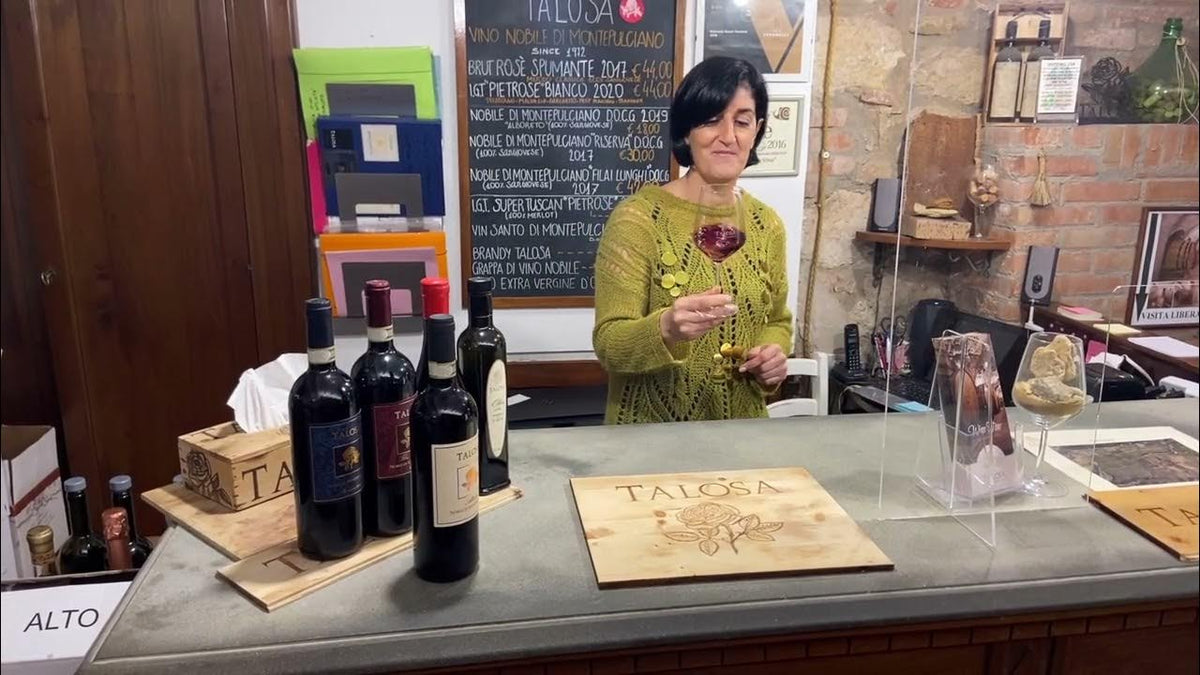
3. Vino Nobile di Montepulciano: 2022 Talosa 'Alboreto' Vino Nobile di Montepulciano DOCG
93 points, Wines Critic · Montepulciano, Tuscany · Montepulciano collection
Vino Nobile is Sangiovese from the hill town of Montepulciano, half an hour from Montalcino and permanently in its shadow. I've been making this argument for years and I'm not stopping: for the money, this is the serious Tuscan Sangiovese to buy. Talosa is our number-one producer in the town, year after year. Vinous wrote, "I love the balance here." Pour it with a slow ragù.

4. Chianti Classico: 2023 Losi 'Pontignanello' Chianti Classico DOCG
Chianti Classico, Tuscany · Chianti Classico collection
The Losi family has farmed this estate since 1870, for five generations, beside the monastery that once hosted Pope Paul III. The wine carries the Gallo Nero seal and backing from the Biondi Santi family, the people credited with creating Brunello. No critic has scored the 2023 yet, and I don't need one. Bright cherry, dusty tannin, proper acidity. This is the pasta wine on the list, and the bottle I'd start a beginner on.
5. Super Tuscan: 2023 Nesios Cabernet-Sangiovese Super Tuscan IGT
98 points, Luca Maroni · Tuscany · Tuscany collection
Super Tuscans broke the rules in the 1970s by blending Cabernet into Sangiovese and bottling it under the humble IGT label. Nesios does exactly that, hand-harvested and oak-aged, for less than thirty dollars. It's our best-selling value Super Tuscan for a reason: Sangiovese brightness up front, Cabernet weight behind it. If you drink Napa Cabernet and want a way into Italy, this is the door.
The Super Tuscan flight: four more new arrivals
2022 Octoginta 'Passione di Famiglia' Super Tuscan Blend · 98 points, Luca Maroni. From the Barbanera family, named Best Italian Wine Producer by Luca Maroni four times.
2022 Corte Medicea 'Aristeo' Super Tuscan · 98 points, Luca Maroni. Southern Tuscan hills, clay-loam soils, a winemaker trained at Poggio Bonelli and Ruffino.
2022 Bibbiani 'Montereggi' Cabernet Sauvignon Rosso Toscano · 94 points.100% Cabernet from 50-year-old vines at a former Benedictine monastery with 1,300 years of history.
2024 Bibbiani 'R' Bordeaux Red Blend Toscana IGT · 97 points, Luca Maroni, the second-highest-rated wine in Italy in his 2026 annual.
Line up all five if you want to understand what "Super Tuscan" actually means.

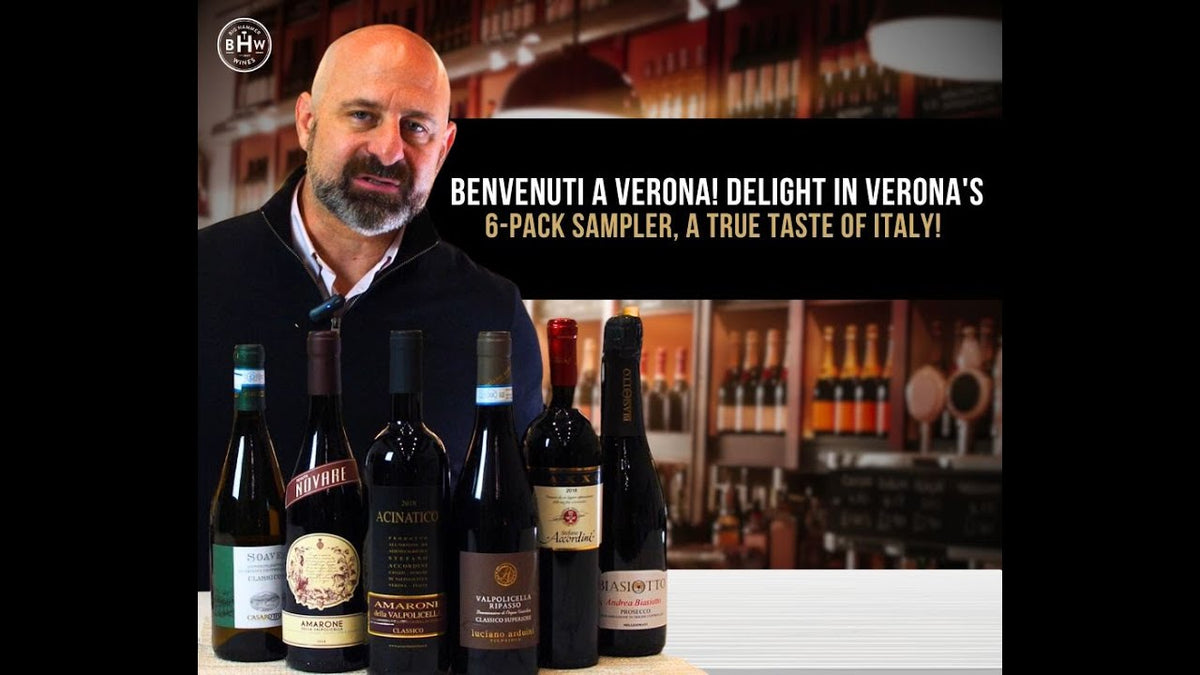
6. Amarone della Valpolicella: 2022 Luciano Arduini Amarone della Valpolicella Classico DOCG
99 points, Luca Maroni · Valpolicella Classico, Veneto · Amarone collection
Amarone is made from grapes dried for months before fermentation, which is why it drinks so dense and warm while staying dry. The Arduini family's Classico has been on our shelves across several vintages, and Luca Maroni gave the 2022 a 99. Dried cherry, cocoa, a long savoury finish. Pour it with braised short rib or a hard aged cheese. Not a Tuesday wine.

7. Montepulciano d'Abruzzo: 2019 Don Rocco Perrucci Montepulciano d'Abruzzo Riserva DOC
93 points, Luca Maroni · Abruzzo · Abruzzo collection
First, the confusion. Montepulciano d'Abruzzo is a grape, grown in Abruzzo on the Adriatic side. Vino Nobile di Montepulciano, pick number three, is Sangiovese from a Tuscan town. Different wines entirely. This Riserva comes from Tenuta Tre Gemme, family land since the early 1800s and one of Abruzzo's largest private estates, named for the founder himself. Dark plum, soft tannin, a red that pleases the whole table. For the weeknight version, the estate's Terroir Line Montepulciano is $34.99.
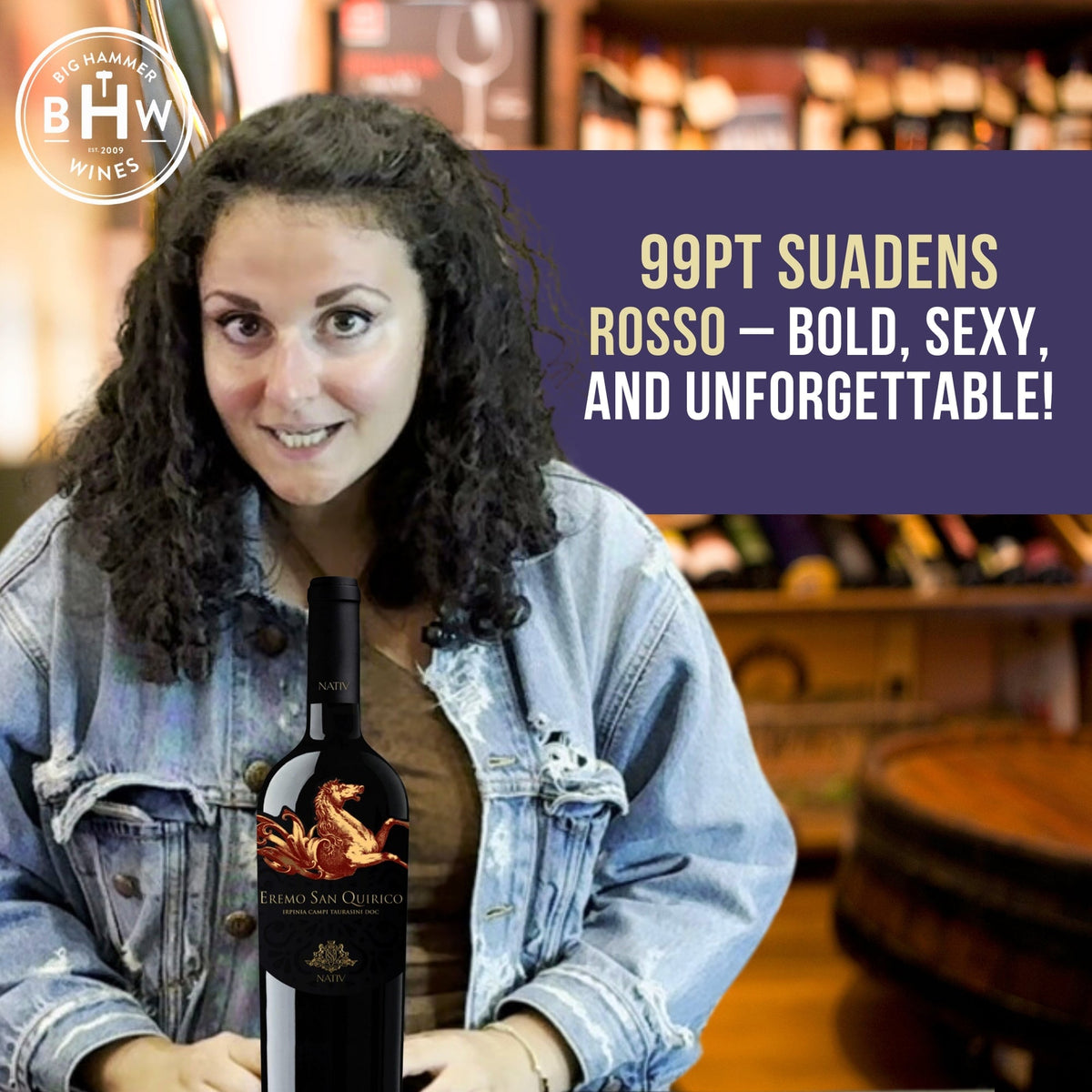
8. Taurasi: 2018 Nativ 'Rue 333' Taurasi DOCG
96 points, Luca Maroni · Irpinia, Campania · Campania collection
Taurasi gets called the Barolo of the South, and for once the nickname is earned. Aglianico from the Irpinia hills, four years of aging, two in French oak and two in bottle. Nativ is owned by Mario Ercolino, the man behind Feudi di San Gregorio's rise. Marasca cherry, licorice and a velvet texture over serious tannin. I tell people to stop decanting most wines. Young Aglianico is one of my two exceptions, so give this an hour. More on the region in southern Italian reds.
9. Primitivo: 2023 Barbanera 'Ngudra' Primitivo del Salento
99 points, Luca Maroni · Salento, Puglia · Puglia collection
Primitivo is Zinfandel's Italian twin, grown in the heel of the boot, where my own family comes from. Barbanera has been named Best Italian Wine Producer by Luca Maroni four times, and Ngudra has been our best-selling Primitivo four years running. Ripe black fruit, warm spice and a plush finish that reads sweet but is technically dry. If Zinfandel is your comfort wine, this is the upgrade.
10. Nero d'Avola: 2020 Montedidio 'Real Academia' Nero d'Avola Sicilia DOC
Sicily · Sicily collection
Nero d'Avola is Sicily's signature red, and at its best it drinks like a Mediterranean Shiraz: dark fruit, black pepper, sunshine. Montedidio is another Mario Ercolino project. Hand-picked fruit, cold-soaked, five months on the lees. No critic has scored it, and at this price it doesn't need one. The least expensive bottle on the list and the one I'd carry to a pizza night.

Prefer someone else to choose? Every Italian wine I've put my name on lives in the Ambassador Picks collection.
The Ten Italian Reds At a Glance

JS = James Suckling · WC = Wines Critic · LM = Luca Maroni
Which Italian Red Wine Should You Buy?
Skip the rankings. Find your situation.
- Never had a serious Italian red: Chianti Classico (#4) or the Nesios Super Tuscan (#5). Both drink well tonight and cost under $30.
- Under $30: #4, #5, and #10.
- Pasta with tomato sauce: Chianti Classico (#4). The acidity is built for tomato.
- Ragù, lasagna, Sunday sauce: Vino Nobile (#3).
- Grilled steak or burgers: the Super Tuscan flight, especially the Bibbiani Montereggi, or Primitivo (#9).
- Braised or roasted meat: Barolo (#1) or Taurasi (#8).
- Something to cellar five to ten years: Barolo (#1), Brunello (#2), Taurasi (#8). The age-worthy Italian wines guide goes deeper.
- A gift that lands: Brunello (#2). Everyone recognises the name, and this one is the real thing.
- Pizza night: Nero d'Avola (#10).
Not sure yet? Pick the line above that sounds most like your week.
Italian Red Wine Terms, Defined
- DOCG / DOC / IGT — Italy's quality tiers. DOCG is the strictest (defined zone, approved grapes, minimum aging, government tasting panel); DOC is the broad appellation tier; IGT is a regional category that many Super Tuscans use by choice.
- Classico — The historic heartland of a wine zone, such as Chianti Classico or Valpolicella Classico. It usually earns its premium.
- Riserva — A wine given extra aging before release, as defined by each appellation. Not a quality guarantee on its own.
- Super Tuscan — A Tuscan red that blends or replaces Sangiovese with grapes like Cabernet Sauvignon or Merlot, usually labelled Toscana IGT. The category began in the 1970s.
- Appassimento — Drying harvested grapes for weeks or months before fermentation. The method behind Amarone.
- Cru — A single named vineyard, such as Lazzarito in Serralunga d'Alba. Barolo's crus are officially mapped.
- Nebbiolo — The grape of Barolo and Barbaresco. Pale in colour, high in tannin and acid, with aromas of tar, rose and sour cherry.
- Sangiovese — Italy's most planted red grape and the backbone of Chianti Classico, Brunello di Montalcino and Vino Nobile di Montepulciano.
- Aglianico — The great red grape of Campania and Basilicata, structured and long-lived. Taurasi is its DOCG benchmark.
Frequently Asked Questions
What is the best Italian red wine for beginners?
Chianti Classico or a Sangiovese-Cabernet Super Tuscan. Both are medium-bodied, soft enough to drink young, and available under $30 from family estates. Barolo and Amarone are better second bottles; their tannin and weight can put a newcomer off.
What is the best Italian red wine under $30?
Chianti Classico, entry-level Super Tuscans, Montepulciano d'Abruzzo and Nero d'Avola deliver the most under $30. On this list, picks 4, 5 and 10 all sit below that line. For a wider net across countries, see best red wines under $30.
What is the difference between Barolo and Brunello?
Barolo is 100% Nebbiolo from Piedmont in the north-west; Brunello di Montalcino is 100% Sangiovese from Tuscany. Barolo is more tannic and aromatic, with tar, rose, and sour cherry; Brunello is fuller and darker-fruited, with leather and dried cherry. Both can age for decades.
What is a Super Tuscan wine?
A Super Tuscan is a Tuscan red that blends or replaces Sangiovese with international grapes such as Cabernet Sauvignon or Merlot, or is made outside DOCG rules. They are usually labelled Toscana IGT. The category began in the 1970s with wines like Sassicaia and Tignanello.
Should I decant Italian red wine?
Most Italian reds don't need decanting. Young Aglianico (Taurasi) and young Sagrantino are the exceptions; an hour in a decanter softens their tannin. Older Barolo and Brunello may throw sediment, so pour carefully rather than aerating them. More on why I tell people to stop decanting.
What does DOCG mean on an Italian wine label?
DOCG (Denominazione di Origine Controllata e Garantita) is Italy's strictest wine classification. It guarantees the wine comes from a defined zone, uses approved grapes, meets minimum aging rules, and passes a government tasting panel. DOC is the broader tier below it; IGT is the regional category used by many Super Tuscans.
Merchant's Note
I'm a certified Italian Wine Ambassador, and people still ask me for "a good Italian red" as if it were one thing. Buy the Chianti Classico and the Super Tuscan first, then the Barolo when you want to understand the fuss. And if you only ever try one southern wine from this list, make it the Taurasi.
The rest of what I've put my name on is in the Ambassador Picks.
Pick the dish. Then pick the bottle. Italy already did the hard part.
Browse every Italian wine we're pouring →
Want the whole map? The Italian wine guide to all twenty regions covers everything from Alto Adige to Sicily.
















Shop Our Best Selection of Italian Wines & Top Picks
SHOP COLLECTIONShare:
Sancerre Wine Guide: What It Is, How It Tastes, and Which Bottle to Buy
The 12 Best Pinot Noirs to Buy Right Now, From Everyday Bottles to the Splurge
Comments Section