

Sooner or later, most serious collectors face the same question: what do I do with all this wine? Tastes change. People downsize, retire, move. A cellar fills up. Health changes the math. Sometimes a collection arrives all at once, inherited from someone who spent decades building it. Whatever brought you here, you have more options than ever - and they are not created equal.
Your six ways to sell a wine collection
1. The auction house. The traditional route, and still a fair one for rare, high-demand lots with impeccable provenance. The trade-offs: you wait for a sale date, you pay seller fees and commissions, and the final number is whatever the room decides. For most collections - good wine, but not unicorns - the economics and the waiting favor other routes.
2. The broker. A middleman who shops your collection to their buyers. Less waiting than auction, but you are still paying for the introduction, and the wine can sit while the broker hunts.
3. The private sale. Selling bottles directly to another collector sounds simple until you hit the two hard parts: finding a trustworthy buyer at a fair price, and the fact that in most of the U.S., individuals cannot simply retail alcohol on their own - selling wine generally requires a license. The clean, compliant route is selling to a licensed wine business.
4. Bottle by bottle online. Listing each bottle yourself takes enormous time and effort for very uncertain returns - and the same licensing question applies. For a handful of bottles it is a project; for a real collection it is a part-time job.
5. The local wine shop. Some shops buy collections; each has its own requirements about size, provenance, and the type of wine it will take. Worth a call if your collection is small and local - but a single shop's shelf space caps what it can pay.
6. The licensed dealer with a real market. A wine business that buys collections outright, evaluates them expertly, and already has the customers to sell to. No fees, no commissions, no waiting on an auction calendar - you get an offer based on fair market value, and the number you agree on is the number you are paid. This is what we do at Big Hammer Wines, and you can start with a free valuation here.
What your collection is actually worth
Five things drive the value of collectible wine:
- Producer. The name on the label matters more than anything else.
- Vintage. Great years command premiums; lesser years from great producers still find buyers.
- Provenance. Where the wine came from and the paper trail behind it.
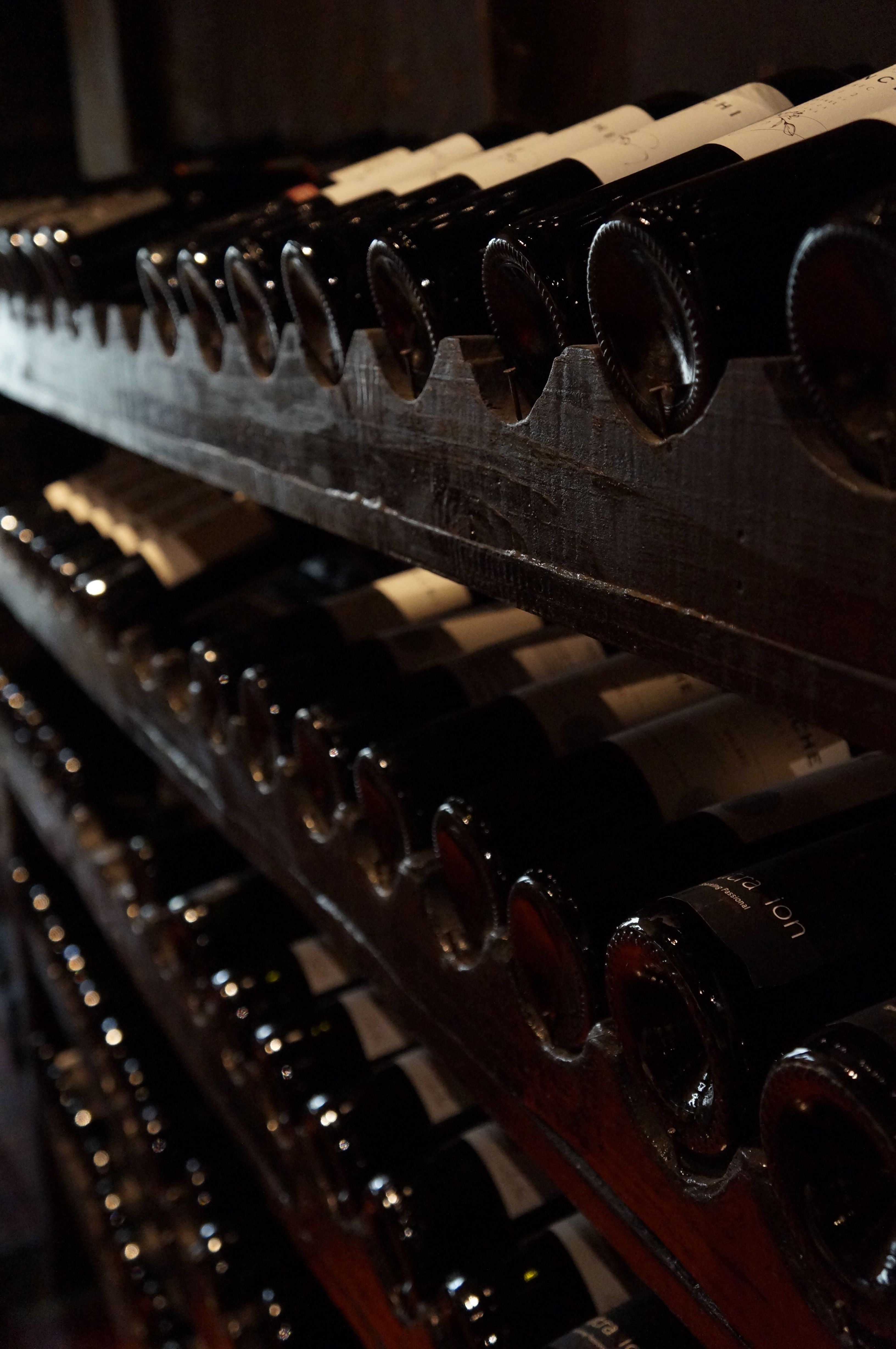
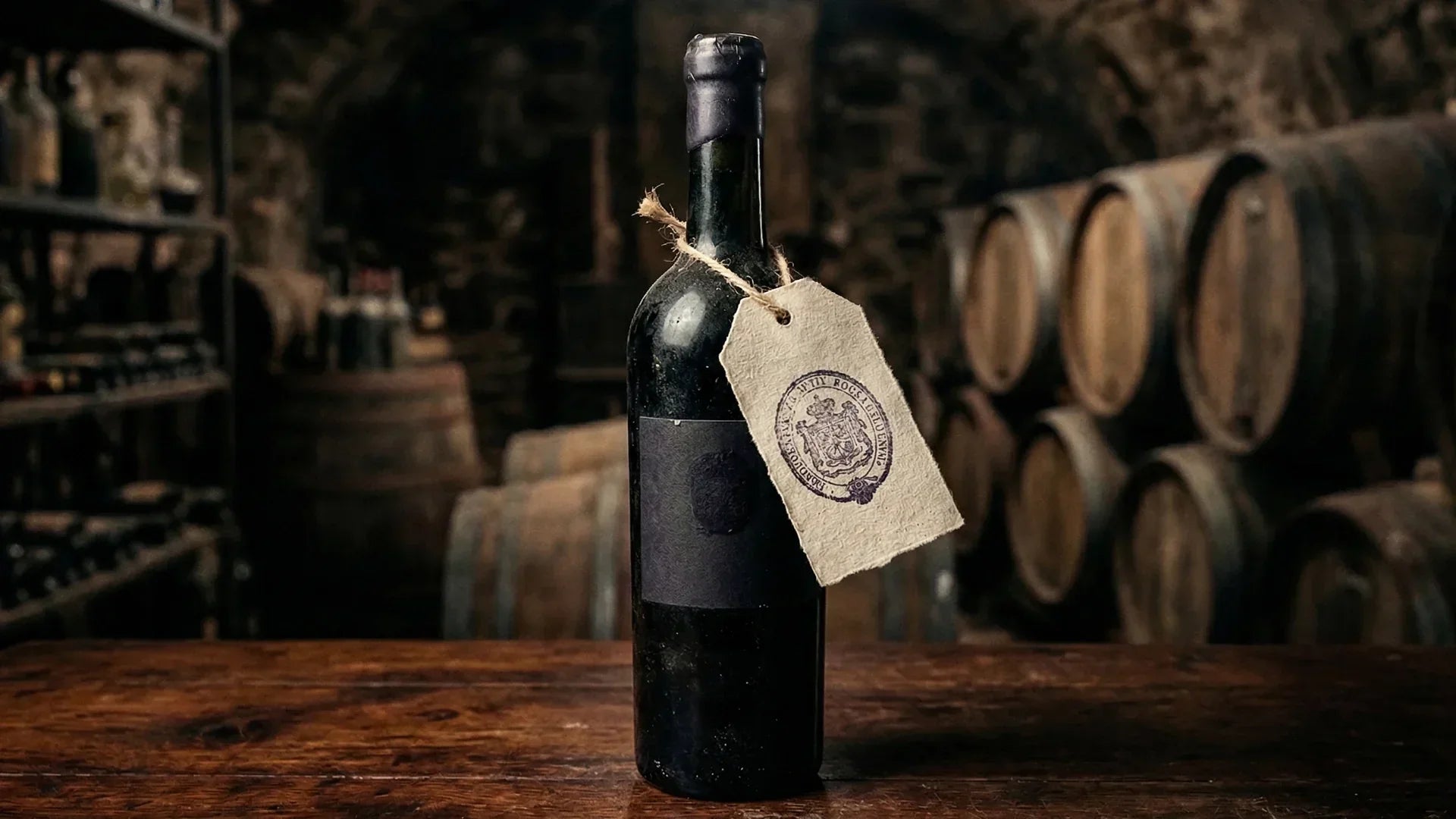
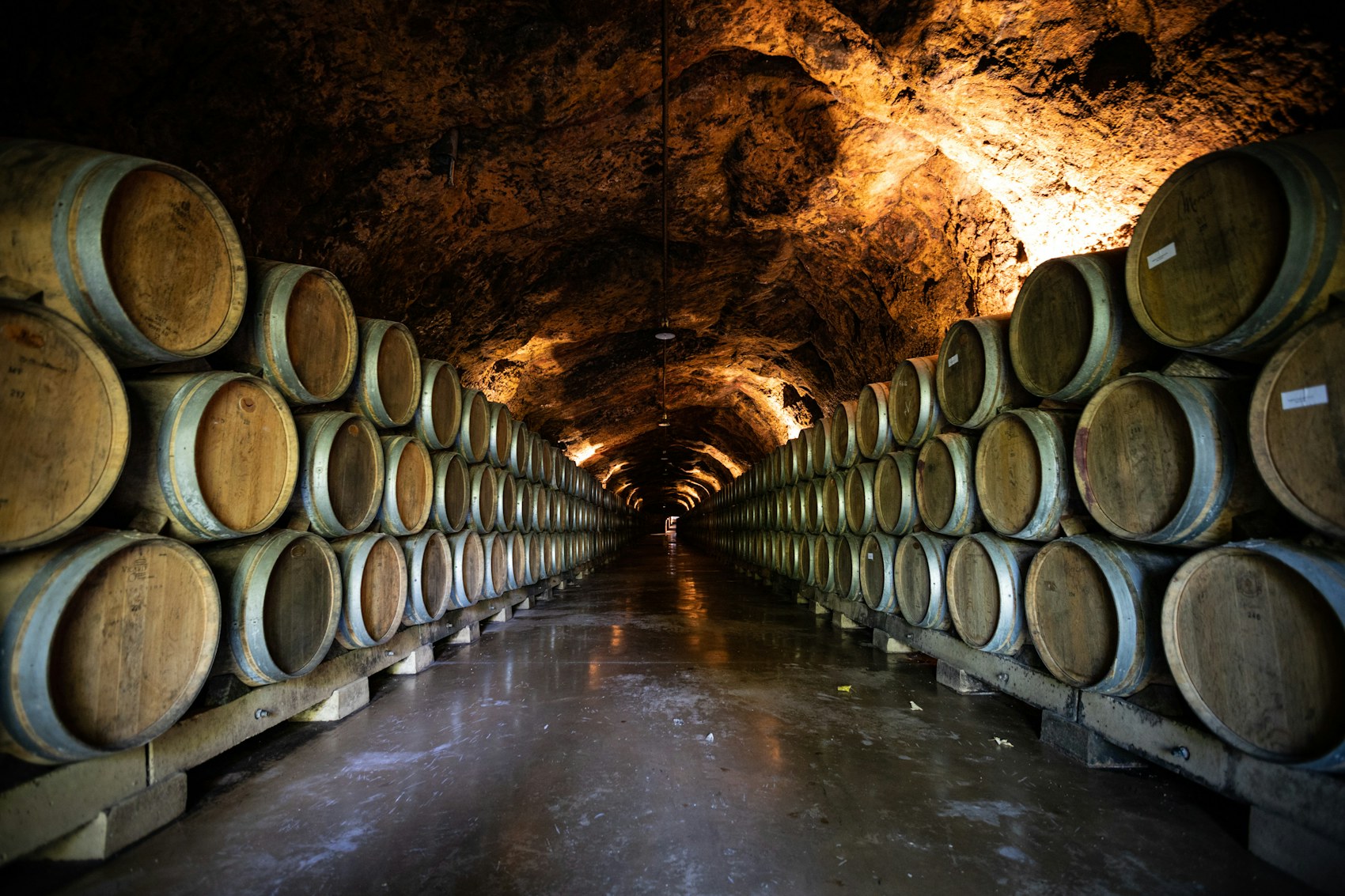
- Storage. The factor sellers underestimate most. Wine that rested in professional storage or a proper cellar holds its value; wine that spent summers in a warm garage usually does not, no matter the label.
- The market right now. Demand moves. The same bottle can be worth meaningfully more or less than it was three years ago, which is why a current valuation beats an old insurance appraisal.
Getting a collection ready to sell
Do not move the wine, and do not let it get warm - condition is value. Photograph the bottles, gather any storage records or purchase receipts you have, and make a list. Rough is fine: producer, wine, vintage, quantity. If you inherited the collection, resist the urge to rush; an expert can tell you quickly what has real value and what does not.
The option nobody talks about: trading
Selling is not the only door. If the collection you built years ago no longer matches how you drink, you can trade all or part of it for similarly priced but different wines - the verticals you will never open become the Champagne, Barolo, or Napa Cabernet you will actually pour. It is a rare option in this business, and one we offer.
The short version
Auctions suit unicorns. Brokers charge for introductions. Private sales and bottle-by-bottle listings run into licensing reality. The straightest line for most collections is a licensed buyer with a ready market: expert evaluation, a fair-market offer, no fees, and done. If that sounds like the right door, tell us what is in your cellar or call 707-302-4664 - and if you are building rather than selling, our wine consulting team is the one to talk to.












































Share:
The Complete Guide to Wine Collecting, Cellars, Consulting, and Selling
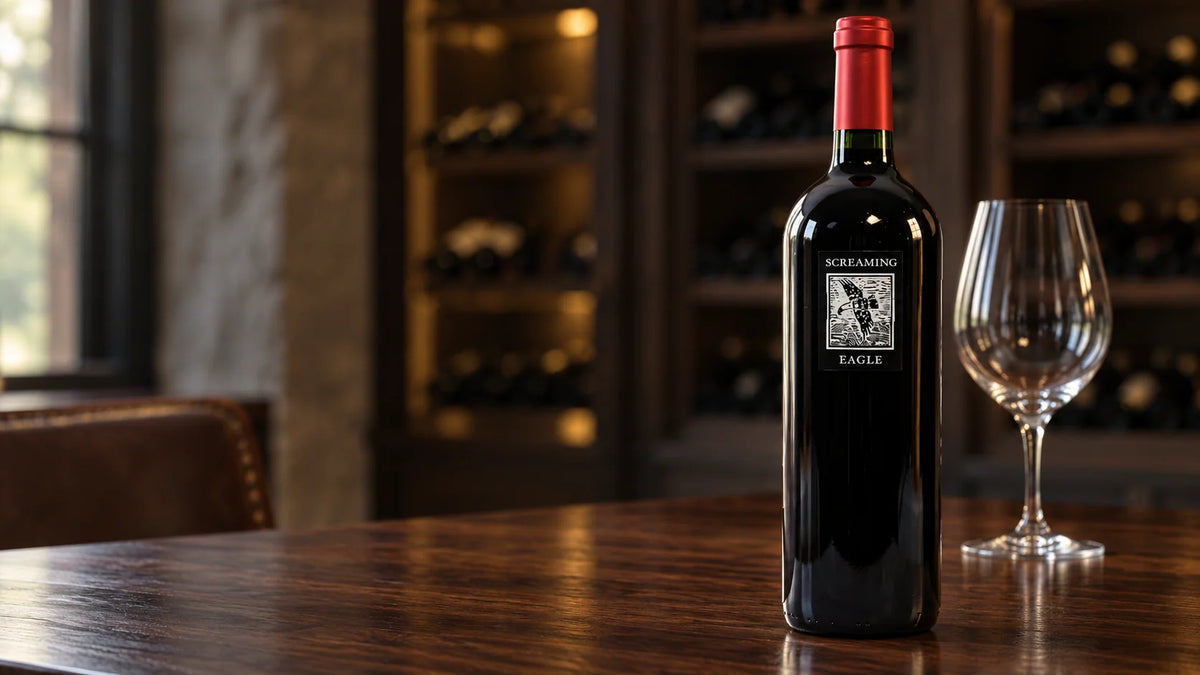
Here are the 12 Napa Cabernets you should buy right now — and why
Comments Section