


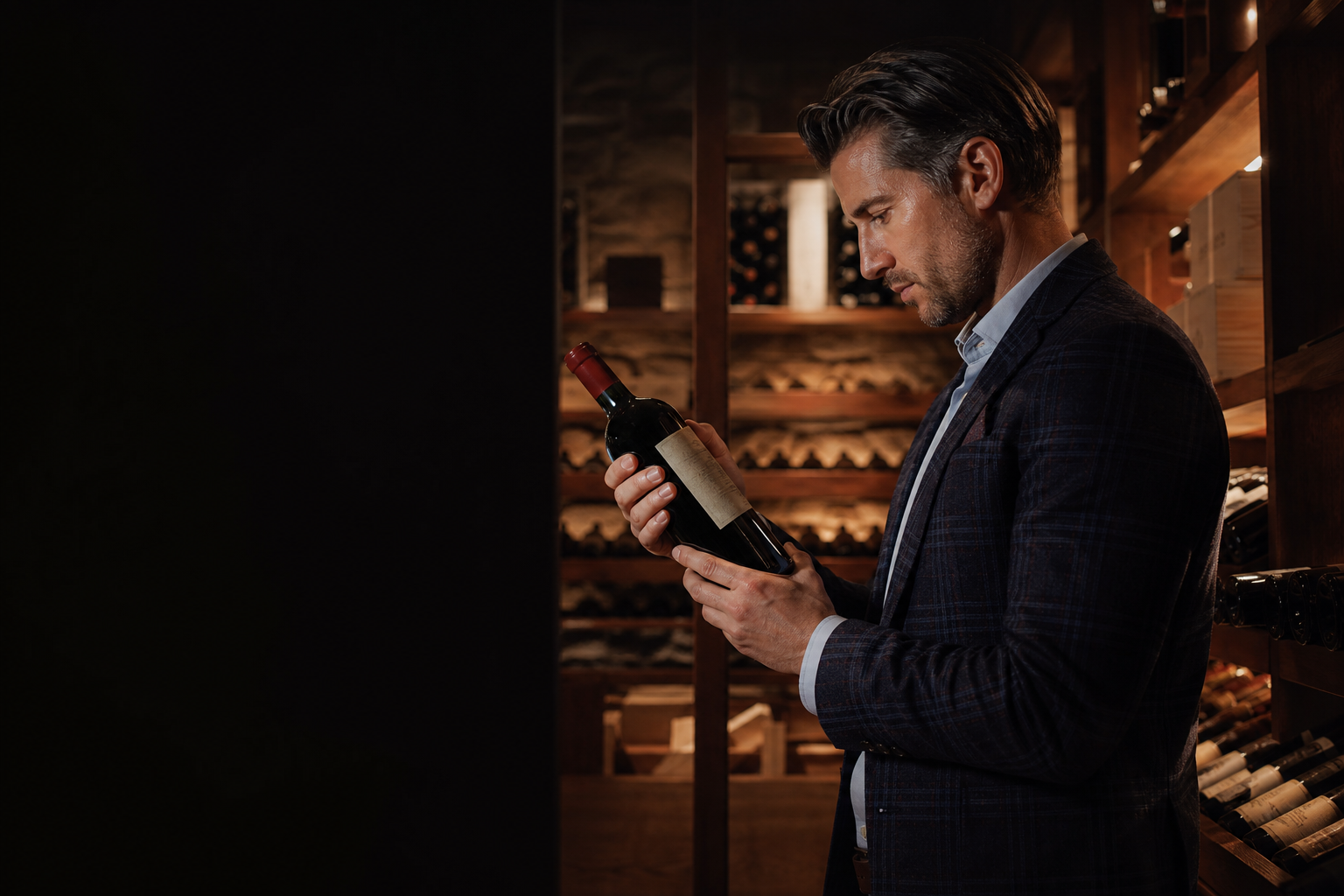
Wine collecting can be as simple as keeping a few favorite bottles on hand or as involved as managing a temperature-controlled cellar of mature, rare, and collectible wines. The right approach depends on why you are collecting, what you enjoy drinking, how long you plan to hold the wine, your storage conditions, and your budget.
This guide explains what a wine consultant does, how to start and organize a collection, what proper storage and provenance mean, how wine values are considered, what to know before selling a collection, and when expert help can save time and prevent costly mistakes.
What does a wine consultant do?
A wine consultant helps people make better decisions about buying, storing, organizing, enjoying, sourcing, or selling wine. Unlike a general recommendation engine, a good consultant considers the person behind the collection: palate, budget, space, drinking habits, time horizon, existing bottles, and practical goals.
Wine consulting may include:
- Building a new collection or improving an existing cellar
- Identifying gaps, duplicates, and bottles that should be enjoyed sooner
- Sourcing specific producers, vintages, regions, or bottle formats
- Developing buying plans by budget, style, occasion, or drinking window
- Organizing and documenting a cellar for easier access and insurance records
- Reviewing storage, provenance, and bottle condition
- Helping an owner understand options for selling all or part of a collection
- Selecting wine for events, gifts, hospitality, or business needs
Who benefits from wine consulting?
Wine consulting is not only for owners of large or expensive cellars. It can help a new collector avoid buying too much of one style, an experienced collector rebalance mature holdings, a family understand an inherited cellar, or a business find appropriate wine for an important event.
Professional guidance is especially useful when the decision involves significant value, older bottles, unfamiliar regions, limited allocations, storage questions, or a potential sale.
How do you start a wine collection?
Start with the way you actually drink rather than with labels you think a collector is supposed to own. A useful first collection contains a mix of bottles for the near term and bottles that can develop over time.
- Define the purpose. Are you building for everyday enjoyment, dinners and celebrations, long-term aging, education, gifting, or a combination?
- Set a working budget. Include storage and organization costs, not only the cost of the bottles.
- Describe your palate. Note grapes, regions, producers, body, acidity, tannin, sweetness, and oak styles you enjoy.
- Plan drinking windows. Buy some wines ready to drink now, some for the next few years, and a smaller number for longer-term cellaring.
- Record every bottle. Track producer, wine, vintage, quantity, bottle size, purchase source, price, storage location, and intended drinking window.
- Review before replenishing. A cellar should evolve with your taste rather than accumulate by habit.
What are the benefits of a home wine cellar?
A well-managed cellar protects wine and makes a collection more useful. Depending on the collector, it can provide:
- Stable conditions for wines intended to age
- A dedicated, organized place for bottles
- Better visibility into what is ready to drink and what should be held
- Records that can support insurance, provenance, and future evaluation
- The ability to buy thoughtfully by the case or during favorable releases
- A balanced supply for everyday meals, special occasions, and guests
- A practical way to deepen knowledge of regions, vintages, and producers
A cellar does not have to be a custom-built room. For many collectors, a quality wine refrigerator or professionally managed off-site storage is more appropriate. The essential requirement is a stable environment suited to the value and intended holding period of the wine.
How should wine be stored?
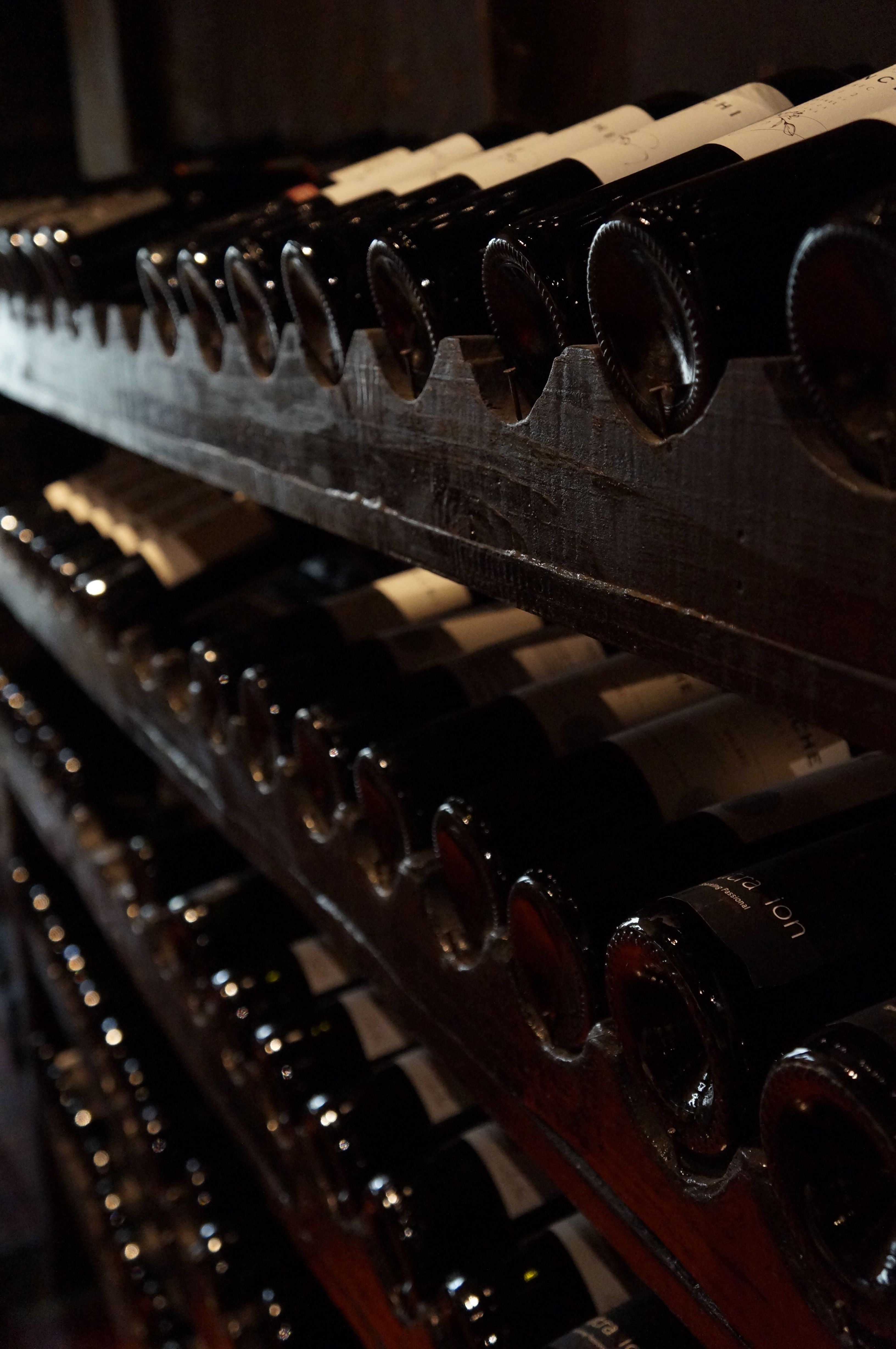
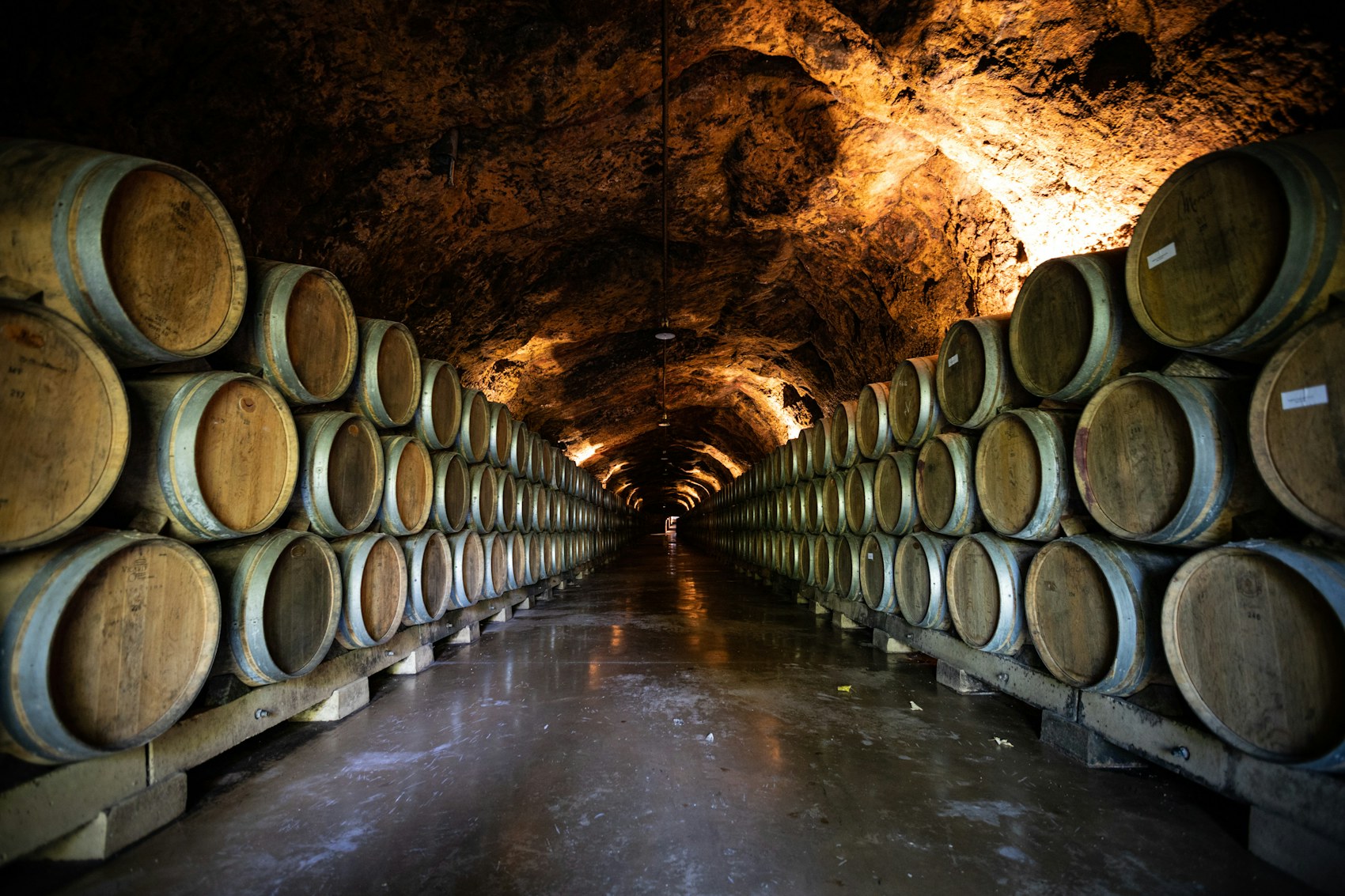
Long-term wine storage should be cool, dark, stable, and protected from vibration. A temperature near 55°F is commonly used for long-term storage, but consistency is more important than chasing a perfect number. Excessive heat and repeated temperature swings can accelerate aging and damage wine.
Humidity should be sufficient to protect corks and labels without encouraging mold. Bottles closed with natural cork are typically stored on their sides. Collections should also be protected from ultraviolet light, strong odors, and unnecessary movement.
If wine may eventually be sold, document where and how it was stored. Professional storage records, purchase receipts, original invoices, and photographs can help establish provenance.
How should a wine cellar be organized?
The best organization system is the one that lets you find a bottle quickly and maintain accurate records. Common systems organize bottles by region, producer, grape, drinking window, or physical location.
At minimum, a cellar inventory should include:
- Producer and wine name
- Vintage and appellation
- Bottle size and quantity
- Purchase source and date
- Purchase price, when useful
- Storage location
- Condition notes
- Estimated drinking window
Review the inventory periodically. Remove bottles as they are consumed, note changes in condition, and identify wines approaching the end of their preferred drinking window.
Which wines are worth cellaring?
Not every well-made wine improves with age. Wines that cellar successfully generally have enough acidity, tannin, concentration, sugar, or other structural elements to develop rather than simply fade. Producer history, vintage conditions, closure, bottle size, and storage all influence the result.
A consultant can help distinguish between bottles intended for immediate pleasure and bottles with credible aging potential. This is often more valuable than relying only on a point score or a broad regional reputation.
Can wine be an investment?
Some fine wines have active secondary markets, but wine is not a guaranteed investment. Values can rise or fall based on producer reputation, vintage, critic attention, supply, global demand, economic conditions, storage, provenance, bottle condition, fees, taxes, and the timing of a sale.
Anyone considering wine partly for financial reasons should understand:
- Only a small portion of global wine production has meaningful resale demand
- Transaction, storage, insurance, shipping, and commission costs reduce returns
- Wine is less liquid than publicly traded investments
- Counterfeit bottles and incomplete provenance are real risks
- Past price appreciation does not ensure future performance
- Wine intended for resale should be kept separate from everyday drinking inventory
Buy wine first because you understand and value it. Treat any potential appreciation as uncertain, and obtain independent financial, tax, or legal advice when appropriate.
What is provenance, and why does it matter?
Provenance is the documented history of a bottle or collection. It may include where the wine was purchased, previous ownership, invoices, import information, storage records, inspection history, and evidence that the bottles have remained in appropriate conditions.
For older or higher-value wine, strong provenance reduces uncertainty. Original wooden cases, intact packaging, appropriate fill levels, sound capsules, clean labels, and consistent storage can all support confidence, although none alone guarantees authenticity or value.
How is a wine collection evaluated?
A collection is not valued by adding up current retail prices. A buyer or evaluator considers the market that actually exists for each bottle and the costs and risks involved in inspection, transport, storage, and resale.
Important factors include:
- Producer, wine, vintage, and appellation
- Quantity and bottle format
- Current market demand and recent comparable transactions
- Provenance and purchase documentation
- Storage history
- Fill level, capsule, cork, label, and packaging condition
- Original wooden cases or cartons
- Collection location and transportation requirements
- The selling method and associated fees
Age alone does not make wine valuable. Many everyday bottles, poorly stored wines, and bottles with limited demand may have little or no resale market.
What information should you prepare before selling a wine collection?
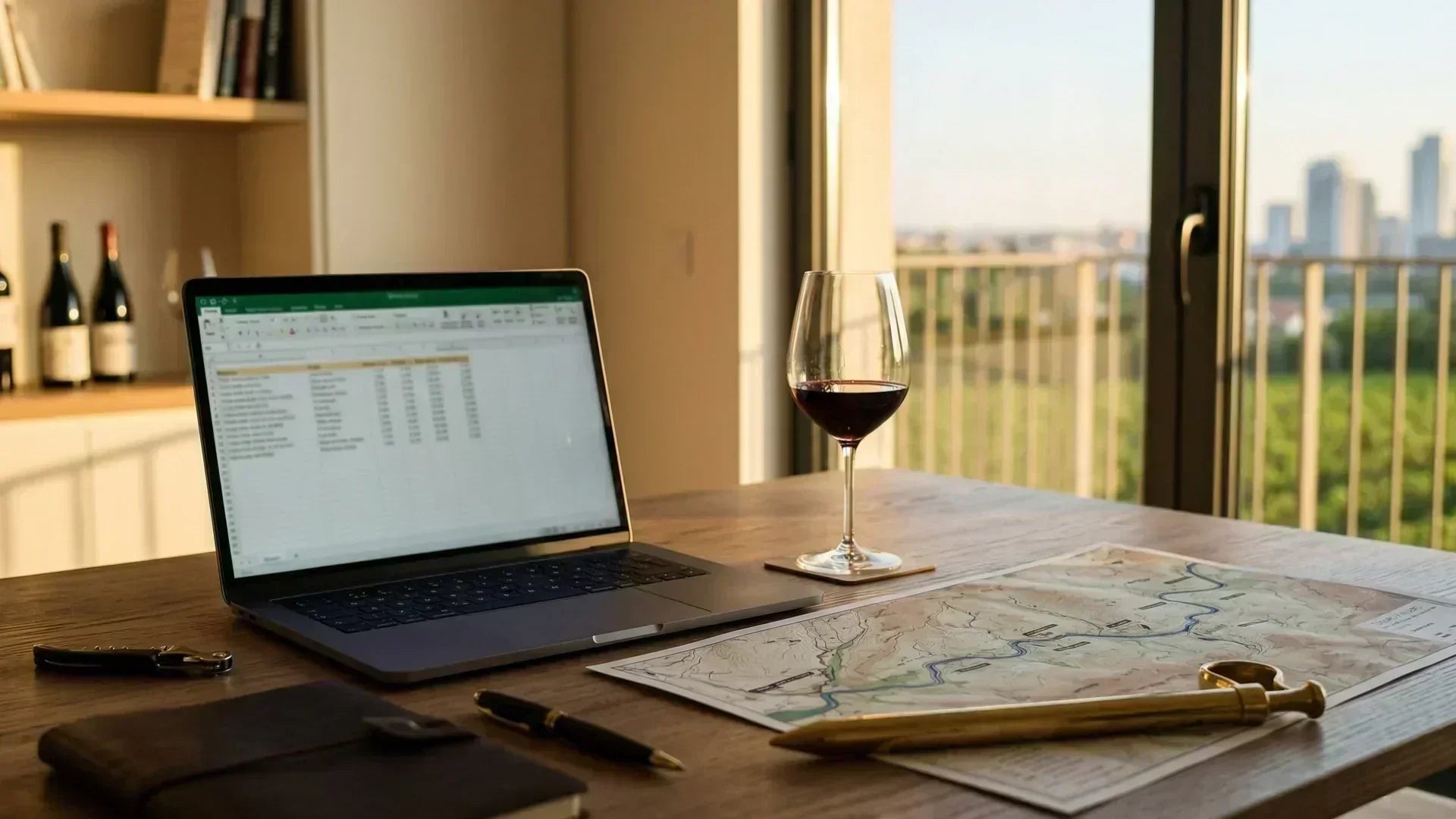
A clear inventory is the best starting point. Include the producer, wine, vintage, bottle size, and quantity. Add photographs showing labels, capsules, fill levels, original cases, and the storage environment. Note where the collection is located and how it has been stored.
If a spreadsheet feels overwhelming, begin with representative photographs and a description of the collection. A knowledgeable buyer can explain what additional details are needed before providing meaningful guidance.
What are the ways to sell a wine collection?
Depending on the collection and applicable laws, options may include an auction house, a licensed retailer, a broker, a consignment arrangement, or a direct sale to a knowledgeable industry buyer.
Compare more than the headline estimate. Ask about:
- Seller commissions and other fees
- Insurance and transportation responsibility
- Inspection and final acceptance
- Whether payment occurs immediately or only after resale
- Minimum collection requirements
- Expected timing
- How unsold or rejected bottles are handled
- Licensing and compliance with federal, state, and local alcohol laws
Private individuals may face significant restrictions on selling and shipping alcoholic beverages. Work with appropriately licensed parties and obtain legal guidance when needed.
When should you sell part of a collection?
Collectors sell for many reasons: changing tastes, duplicate holdings, relocation, downsizing, inheritance, storage limitations, bottles approaching maturity, or a desire to fund new purchases. Selling does not have to mean liquidating everything. A cellar review can identify which bottles still fit the owner's goals and which may be candidates for sale.
How can a consultant help source rare or special wine?
Sourcing is not simply finding a bottle with the right name. For older, rare, or highly allocated wine, the source, storage history, authenticity, condition, price, and delivery method matter. A knowledgeable consultant can compare options, locate alternative vintages or formats, and determine whether the bottle suits the occasion and budget.
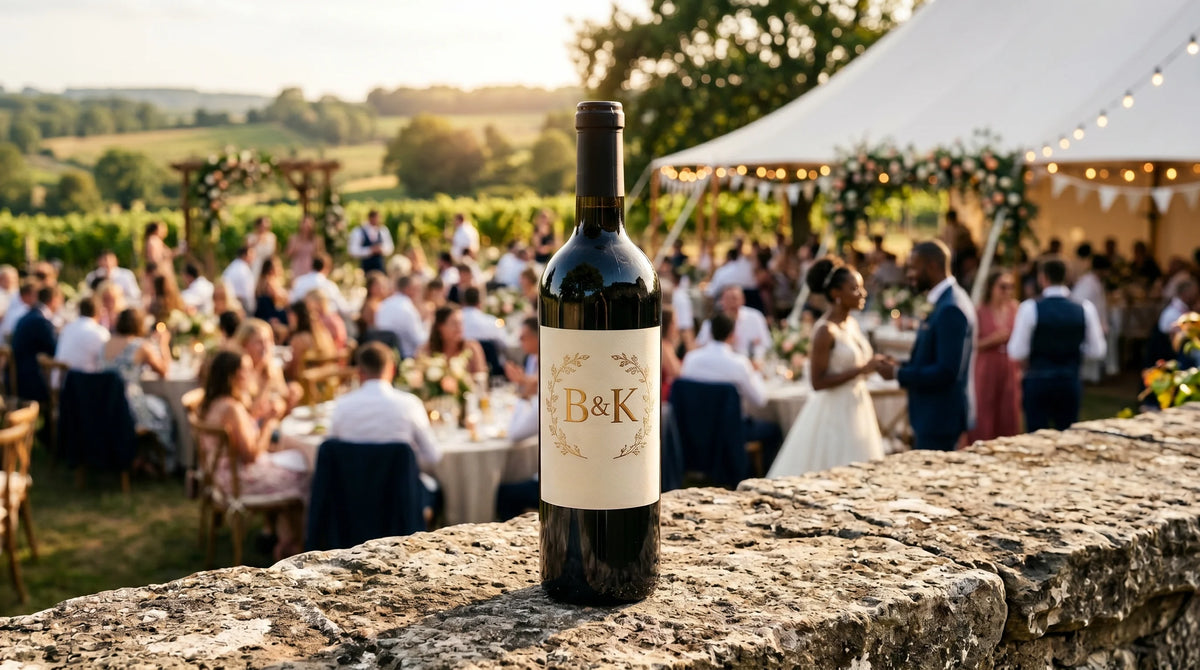
Special sourcing may be useful for weddings, anniversaries, milestone birthdays, corporate gifts, large-format bottles, client entertainment, private dinners, tastings, and cellar completion.
How do you choose a wine consultant?
Look for relevant wine-trade experience, clear communication, transparent compensation, practical knowledge of storage and logistics, and the ability to explain why a recommendation suits your needs. Ask whether the consultant sells wine, buys collections, receives commissions, or has other financial interests in a transaction.
A strong consultant should be comfortable saying that a bottle is not worth buying, that a collection is not currently marketable, or that a simpler solution would serve you better.
Frequently asked questions about wine collecting and consulting
Do I need a large budget to start a wine collection?
No. A thoughtful collection can begin with a small number of bottles selected for different occasions and drinking windows. Good storage and disciplined buying matter more than an impressive bottle count.
Is a wine refrigerator enough for a collection?
For many small and medium collections, a quality wine refrigerator provides appropriate stable storage. Larger, longer-term, or especially valuable collections may justify a custom cellar or professional off-site facility.
How often should I review my cellar?
Review it at least once or twice a year and whenever your tastes, storage, budget, or plans change. Update quantities, condition notes, and drinking windows.
Can every old bottle be sold?
No. Market demand, provenance, storage, condition, producer, vintage, and quantity determine whether a bottle is commercially viable. Old age alone is not enough.
What photographs help evaluate a collection?
Provide clear images of front labels, capsules, fill levels, bottle sizes, original cases, and the storage area. For valuable bottles, additional close-ups may be requested.
Can a wine consultant guarantee investment returns?
No. Wine markets change, and storage, fees, provenance, timing, and demand all affect results. Be cautious of guaranteed appreciation or guaranteed resale claims.
Can Big Hammer Wines help with buying and selling?
Big Hammer Wines can review inquiries involving cellar building, wine sourcing, and potential collection sales. Services and transaction options depend on the wines, collection size, condition, location, and current market demand.
Talk with a wine expert
Big Hammer Wines has served wine lovers since 2009 with fine-wine expertise, direct sourcing, and real-human service. If you are building a cellar, searching for a special bottle, reviewing an inherited collection, or considering a sale, request a confidential wine consultation.




































Share:
Is Alcohol-Free Wine Actually Wine? The Merchant's Answer
How to Sell Your Wine Collection: Every Option, Honestly Compared
Comments Section