


Quick answer: what to drink instead of Caymus
People hunting for wines like Caymus are chasing a style, not a label. That style is Napa Valley Cabernet Sauvignon picked ripe, raised in sweet oak, and finished with tannins polished soft enough that the wine tastes good the night you open it — no decade in a cellar required. A great many Napa producers make wine in exactly that register and charge meaningfully less for it, because they have not spent fifty years becoming a household name. Every wine on this page was picked for that profile: Napa Valley Cabernet, rated 90 points or better, ready to ship the day you read this, and priced from about half what Caymus costs up to just under it.
Worth saying plainly: Caymus is a good wine. It is also a wine you are partly paying a famous name for, and what it costs on a restaurant list has very little to do with what is in the bottle. The valley is full of people doing the same thing — late-picked fruit, generous oak, tannins sanded smooth — who simply are not on the same number of wine lists.
What to look for on a back label. The vocabulary is a reliable tell. Plush, velvety, mouth-filling, mocha, vanilla, cocoa: that is the profile you are after. Firm, linear, austere, mineral, built for the cellar: that is the opposite one — frequently a superb Cabernet, and the wrong answer to this particular craving. Everything below sits on the first side of that line, and each entry says why.
One more thing before you scroll: this page keeps itself honest. Good Napa Cabernet at a fair price moves, and a guide recommending a bottle nobody can buy is just an advertisement for disappointment. When a wine here sells through it comes off the list automatically and the next one we would genuinely recommend takes its place. Every price and every bottle below is live — this is what is in the cellar today, not a snapshot from whenever this page was written.
Napa Cabernets With the Lush, Ripe Style Caymus Drinkers Want

1. 2022 Cerro Cabernet Sauvignon Napa Valley
94 Tastings
Charlie Wagner's nephew, who spent his college summers working at Caymus.
If you want the shortest possible distance between Caymus and something that is not Caymus, this is it. J. Derek Beitler is Charlie Wagner's nephew — Wagner founded Caymus — and he spent his college summers working there before starting JDB Wines in 2007. He also owns Carne Humana in Napa with his cousin Joey Wagner. The family signature is where it counts: blueberry and dark cherry lifted by vanilla, cinnamon and toast off a healthy dose of oak, then plums, coffee and baking spice over polished tannins. It is a shade fresher and a little lower in alcohol than the bottle you are comparing it to, which for a lot of people is the whole point. Fruit off the northern edge of Oak Knoll, where San Pablo Bay keeps the heat in check.

2. 2022 Paul Hobbs Coombsville Napa Valley Cabernet Sauvignon
96 James Suckling
The Caymus price, from the first winemaker at Opus One.
Paul Hobbs was Robert Mondavi's right hand and the first winemaker at Opus One before Forbes started calling him the Steve Jobs of the wine world, and this is what he makes in Coombsville, the cool southeastern corner of Napa. Eighty-eight percent Cabernet with Petit Verdot, Cabernet Franc and Merlot. Deep garnet, and a nose that is rich and inviting from the start: lush blackberry, black currant and dark chocolate, moving into leather and sweet tobacco over the graphite and anise that mark the district. James Suckling: ninety-six points. If you are used to paying Caymus money, this is what that money buys from a winemaker with a longer resume.
Take 6+: $98.99 a bottle

3. 2021 Mt. Brave Cabernet Sauvignon Mount Veeder Napa Valley
99 James Suckling
Mountain Cabernet from the man who makes Lokoya and Cardinale.
Chris Carpenter has spent two decades making 100-point wines for Lokoya and Cardinale, and Mt. Brave is where that same obsessiveness goes into a bottle you can open tonight. Mount Veeder sits between 1,400 and 1,800 feet, above the fog line, on thin volcanic soil and slopes as steep as thirty degrees — under two percent of Napa's output. The 2021 is full-bodied with velvety tannins: violets and ripe blueberry deepening into cassis and plum paste, real opulence through the middle, a long focused finish. James Suckling called it "dreamy" and asked whether it might be the best ever. Twenty-three months in eighty percent new French oak.

4. 2023 Schrader Cellars Double Diamond Oakville Cabernet Sauvignon Napa Valley
95 James Suckling
The most decorated name in Napa, at its most reachable.
Schrader is one of the most awarded wineries in the history of American wine, and its single-vineyard bottlings are very limited and very expensive. Double Diamond is the way in: Thomas Rivers Brown, who has made more hundred-point wines than anyone can count, working Oakville fruit into a Cabernet made to be opened rather than cellared. Ripe black cherry, dark plum, graphite and violets over sweet tobacco and baking spice, then an expansive, silky palate of blackberry, cassis and dark chocolate with refined tannins and a vibrant core of acidity, crushed rock and cedar on the long finish. James Suckling: ninety-five points. Plush in exactly the way a Caymus drinker means it, from a name Caymus drinkers already know.
Take 6+: $74.97 a bottle · 12+: $69.97 a bottle

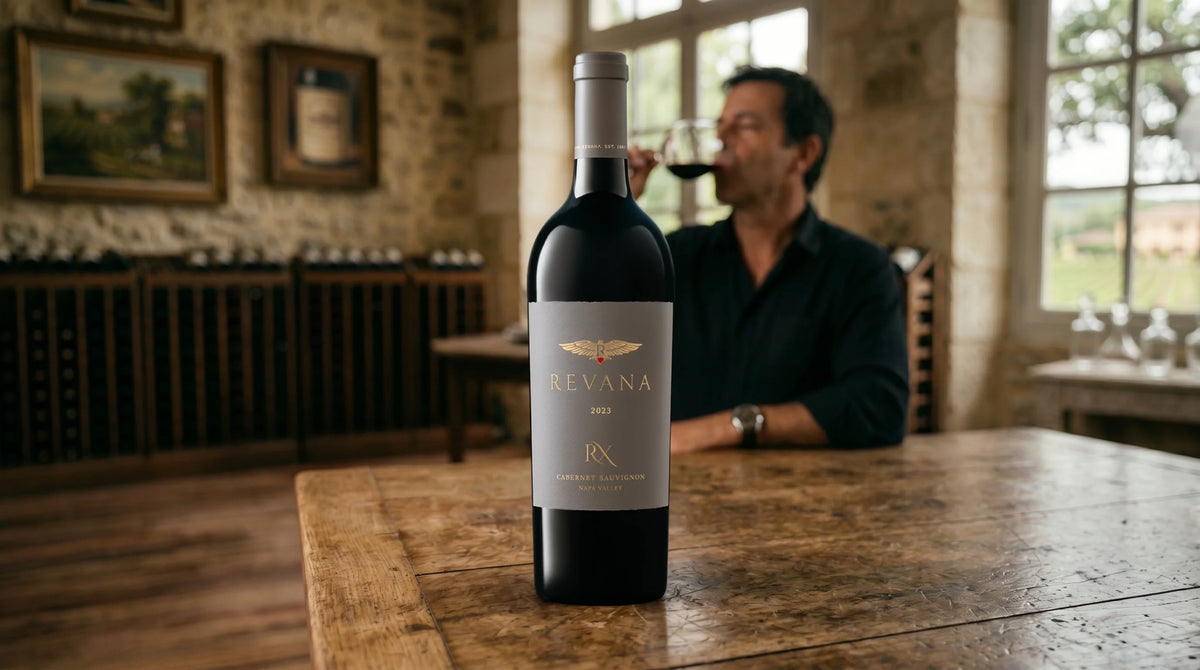
5. 2023 Revana ‘RX’ Cabernet Sauvignon Napa Valley
95 International Wine Report
If you buy Special Selection: a waiting-list estate's second label.
Revana built its name on a tiny St. Helena estate and a mailing list collectors wait years to get on. RX is the second label, same team and same pedigree, and the estate calls 2023 the best vintage in the twelve years it has made this wine, with a run of just five hundred and forty-three cases. Seventy-five percent Cabernet with Cabernet Franc and Merlot: black currant, Bing cherry and a hint of blueberry lifted by violets, crushed graphite, spice and dried herb, then a full-bodied, concentrated palate with a dense core of ripe black fruit, velvety tannins and a long, expansive finish built to go a decade. International Wine Report: ninety-five points. This is the bottle for the Caymus buyer who usually reaches for the Special Selection, at well under that price.
Take 6+: $99.00 a bottle · 12+: $89.00 a bottle

6. 2023 Turley Wine Cellars Cabernet Sauvignon Napa Valley
93 Vinous
Allocation-list Cabernet that shows up plush on night one.
Turley built its name on Zinfandel and a mailing list people wait years to climb. This is the Cabernet: one vineyard in northern Napa, planted in 1989 on volcanic and alluvial soil, farmed organically under ancient oaks and a 150-year-old olive grove. Eighteen months in French oak, forty percent of it new. What comes out is dark currant and freshly roasted coffee over a surge of juicy ripe raspberry, plush and silky and already approachable. Structured enough to hold to 2038. Soft enough to pull the cork tonight.

7. 2019 Alluvium Estate Gnome Cabernet Sauvignon Coombsville
95 Decanter
Ashley Hepworth spent fifteen years at Joseph Phelps making Insignia and the Backus single-vineyard Cabernet before turning her attention to this hillside in Coombsville, where twenty-year-old vines sit on ancient alluvial soil among neighbors whose bottles run well into three figures. Cooler days and a longer growing season give it layers: blackcurrant, blackberry and cassis, cedar and a savory mushroom note through the middle, then velvety tannins and bakers chocolate on a finish that keeps going.
Take 6+: $64.99 a bottle · 12+: $59.99 a bottle

8. 2023 Flora Springs Cabernet Sauvignon Napa Valley
93 James Suckling
The Komes family bought 325 acres in St. Helena in 1977 intending to retire, found an abandoned 1885 stone winery on the land, and released 100 cases of Cabernet the following year instead. They went on to create Trilogy, one of the first meritage blends in the valley. In 2020 the owners of Bordeaux's Chateau Smith Haut Lafitte bought the winery and the Komes ranch. The wine keeps a lush core of black cherry, red plum and kirsch, with cedar and graphite around it and bitter cooking chocolate emerging as it opens.
Take 6+: $52.99 a bottle · 12+: $47.99 a bottle

9. 2016 Brookman Napa Valley Cabernet Sauvignon
94 Decanter
Gary Brookman helped plant the Stagecoach vineyard alongside Dr. Jan Krupp, and spent thirty-plus years making wine at Miner, Insignia and Grace Family before putting his own name on a label. Stagecoach now feeds a long list of Napa Cabernets that sell for three figures. This one is closing in on a decade old and drinking beautifully right now: garrigue, violets and white flowers on the nose, then a silk-laden rush of creme de cassis, cocoa, blackberry and plum, at a restrained fourteen percent alcohol.
Take 6+: $44.99 a bottle · 12+: $39.99 a bottle

10. 2023 Silverado Vineyards Cabernet Sauvignon Napa Valley
93 James Suckling
Disney money, Stags Leap dirt, four decades of practice.
Lillian Disney — Walt's widow — bought Stags Leap District land from the See's Candies family in the 1970s, sold the fruit to Napa's most celebrated wineries for years, and only then decided to put her own name on a bottle. Four decades later the estate farms more than 300 acres across Stags Leap, Oakville and volcanic Coombsville. The wine is built the way you would hope: a round entry, dark chocolate and mocha through the middle, vanilla and cedar and a touch of cola from the barrel, then a long polished close.
Take 6+: $42.95 a bottle

11. 2023 Robert Mondavi Winery Cabernet Sauvignon Napa Valley
93 James Suckling
To Kalon fruit, French oak, plush the whole way down.
Robert Mondavi opened his winery in 1966 with one stated goal: make Napa wine that could stand with the best in the world. He chose To Kalon in Oakville to do it, and Genevieve Janssens, one of the most respected winemakers in the valley, has held that line ever since. This is what people mean when they say Napa Cabernet. Deep ruby, dark cherry and plum, that whiff of cedar and sweet tobacco. The palate is full-bodied and plush, tannins medium to full but smoothly polished, vanilla and warm cinnamon off eighteen months in French oak. Give it an hour in a decanter.

12. 2022 The Hess Collection Lion Tamer Cabernet Sauvignon Napa Valley
91 James Suckling
A splash of Malbec turns the tannins to velvet.
Donald Hess climbed Mount Veeder in 1978 and planted vines at an elevation almost nobody in Napa was willing to farm, betting that volcanic soil and mountain exposure would give him power and finesse at the same time. Lion Tamer is that bet in its friendliest form. Twelve percent Malbec and a touch of Petite Sirah soften the Cabernet's edges into velvet, and the fruit does the rest: lush black cherry, plum and blackberry, cocoa, vanilla and baking spice, and a long, smooth, fruit-driven finish that fills the mouth.
Buy All 12 Napa Cabernets as One Case
Every wine on this list, in one case — $832.62
$1,336.99 if you bought all twelve separately at list — you save $504.37.
See the case and everything in it
FREE shipping — every order of 12 bottles or more ships free. This case updates automatically as vintages sell through, so what you see here is what is actually in the cellar today.
How to Serve Napa Cabernet: Temperature and Decanting
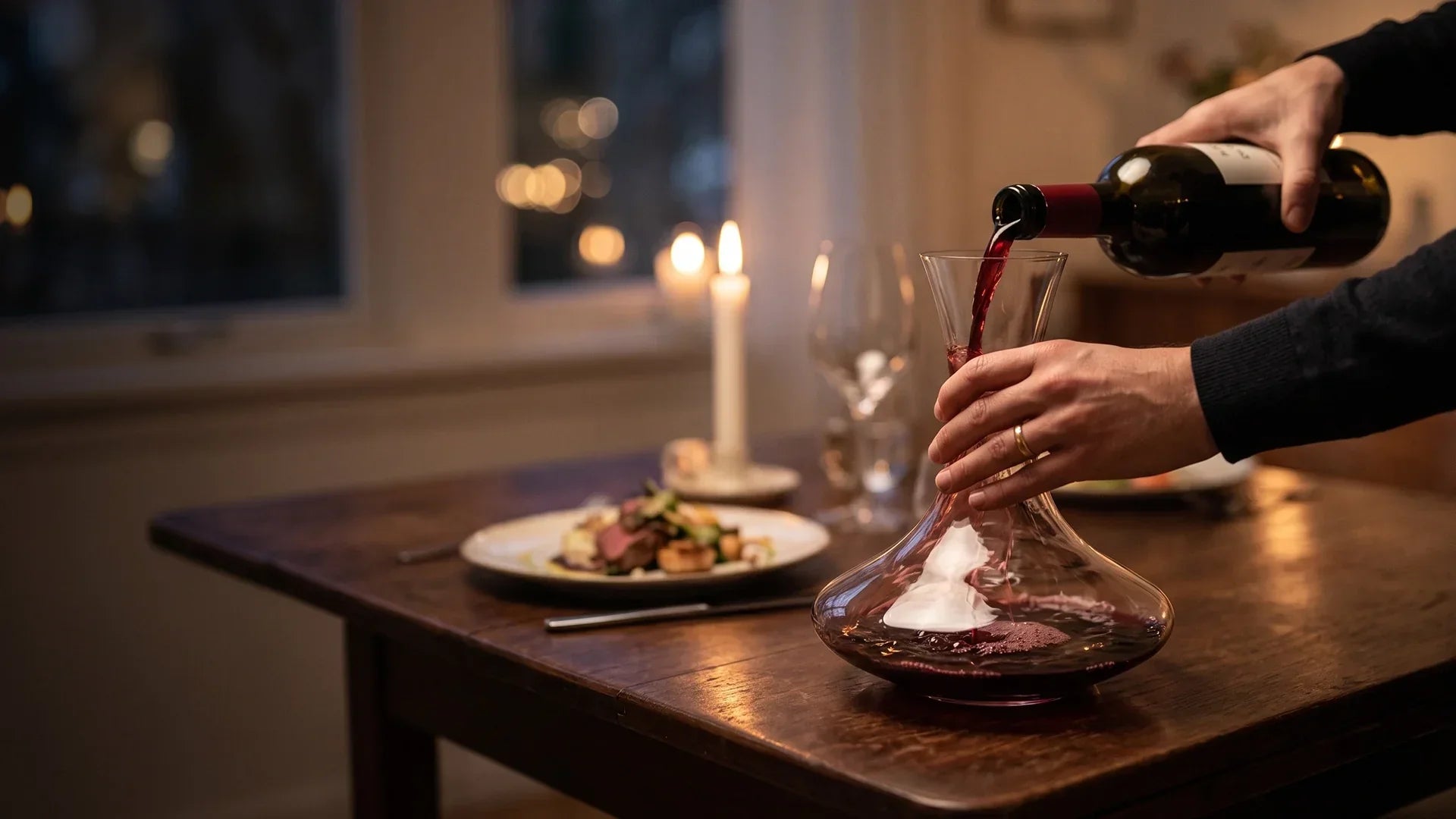
Serve these cooler than your kitchen. Sixty to sixty-five degrees is the window, which is cellar temperature, not room temperature — a rich Cabernet served warm reads flabby and alcoholic, and all that lovely ripe fruit turns to heat on the finish. If the bottle has been standing out, fifteen minutes in the refrigerator before you pour fixes it.
Decanting helps more than people expect. Thirty to sixty minutes in a decanter, or even just a wide glass and some patience, softens young tannins and lets the oak settle back behind the fruit. Older bottles need less air, not more. And if you are opening one of these with dinner, give it fat and char to work against — ribeye, short ribs, lamb, a proper burger. Tannin binds to protein and fat, which is exactly why a big Cabernet tastes rounder alongside a steak than it does on its own.

What You Are Actually Paying For in a Napa Cabernet
Three things drive the price on a bottle of Napa Cabernet, and only two of them are in the glass. The first is fruit: an acre on the valley floor in Oakville or Rutherford costs a fortune, and that cost lands in the bottle whoever makes it. The second is the cellar — new French oak barrels are expensive, and the sweet vanilla-and-mocha frame this style depends on comes from them. The third is the name on the label, and that one you can absolutely opt out of.
That is the whole arbitrage. Buy the first two, skip the third. It is also why the wines on this list come from producers you may not recognise sitting next to a couple you certainly do — we are not avoiding famous names, we are avoiding famous prices. If you want to go further down this road, our guide to the Napa Cabernets we rate most highly right now spans a wider price range, the Napa versus Sonoma film covers why the neighbouring valley tastes different, and if the ripe California style is what you love rather than the address, the French wines we pick for California drinkers is the same idea pointed across the Atlantic. And if it is the lighter, silkier grape you are after, our guide to the best Pinot Noirs to buy right now is built the same way: rated, in stock, refreshed as bottles sell through. Everything we ship from the state sits in our California range.
Caymus alternative questions, answered
What is the best Caymus alternative to buy right now?
Our current top pick is 2022 Cerro Cabernet Sauvignon Napa Valley at $44.99 — the highest-conviction wine on this list of twelve. If you want the whole spread, the complete 12-bottle case is $832.62 and ships free.
What is the best Caymus alternative under $50?
Right now we recommend 2022 Cerro Cabernet Sauvignon Napa Valley ($44.99); 2016 Brookman Napa Valley Cabernet Sauvignon ($49.99); 2023 Silverado Vineyards Cabernet Sauvignon Napa Valley ($49.95); 2023 Robert Mondavi Winery Cabernet Sauvignon Napa Valley ($39.99). Every wine on this page is in stock and scored 90+ — the list refreshes automatically as vintages sell through.
How much does a good Caymus alternative cost?
More than it should, usually — but it does not have to. The twelve wines on this list run $40 to $125. Genuine, critic-scored Caymus alternative starts around $40 when you buy from a direct importer instead of a restaurant list or grocery shelf.
What wine is most similar to Caymus Cabernet Sauvignon?
Look for the three things Caymus is built on rather than the label: ripe fruit picked late, a generous dose of sweet American or French oak, and tannins polished soft enough to drink on release. Napa Cabernets described as plush, velvety or mouth-filling are chasing the same target. Wines described as firm, linear or built for the cellar are chasing the opposite one, however good they are.
Why is Caymus so expensive?
Brand equity, mostly. Caymus has been a household name since the 1970s and prices like one, and restaurant lists reinforce it. The fruit and the winemaking are genuinely good, but you are also paying for four decades of recognition. Plenty of Napa producers make wine in the same ripe, oak-framed style and charge half, simply because fewer people have heard of them.
Is Napa Cabernet supposed to be sweet?
It is almost always fermented dry, but a ripe Napa Cabernet can taste sweet because of high alcohol, very ripe fruit and vanilla or coconut notes picked up from new oak. That impression of sweetness is exactly what people mean when they call a wine lush or plush. If you like it, say so — it is a style, not a flaw.
What should I serve with a rich Napa Cabernet?
Fat and char. Ribeye, short ribs, lamb, a burger with real cheese on it. The tannins in a big Cabernet bind to protein and fat, which is why the wine tastes softer and rounder alongside a steak than it does on its own. Avoid anything delicate — this style will roll straight over fish or a light salad.
How long should I decant a Napa Cabernet?
Thirty to sixty minutes covers most of them, and young, tannic bottles benefit most. Serve at sixty to sixty-five degrees, which is cellar temperature, not room temperature — a rich Cabernet served warm tastes flabby and alcoholic. Fifteen minutes in the refrigerator before pouring fixes that more often than people expect.
Related
 ▶WatchNapa VS Sonoma
 ReadNapa Valley Cabernet Sauvignon: Oakville vs. RutherfordReadHere are the 12 Napa Cabernets you should buy right now — and why




















These wines are waiting for you – shop now!
SHOP COLLECTIONShare:
The 12 Best French Wines to Try if You Usually Drink California
Sancerre Wine Guide: What It Is, How It Tastes, and Which Bottle to Buy
Comments Section