

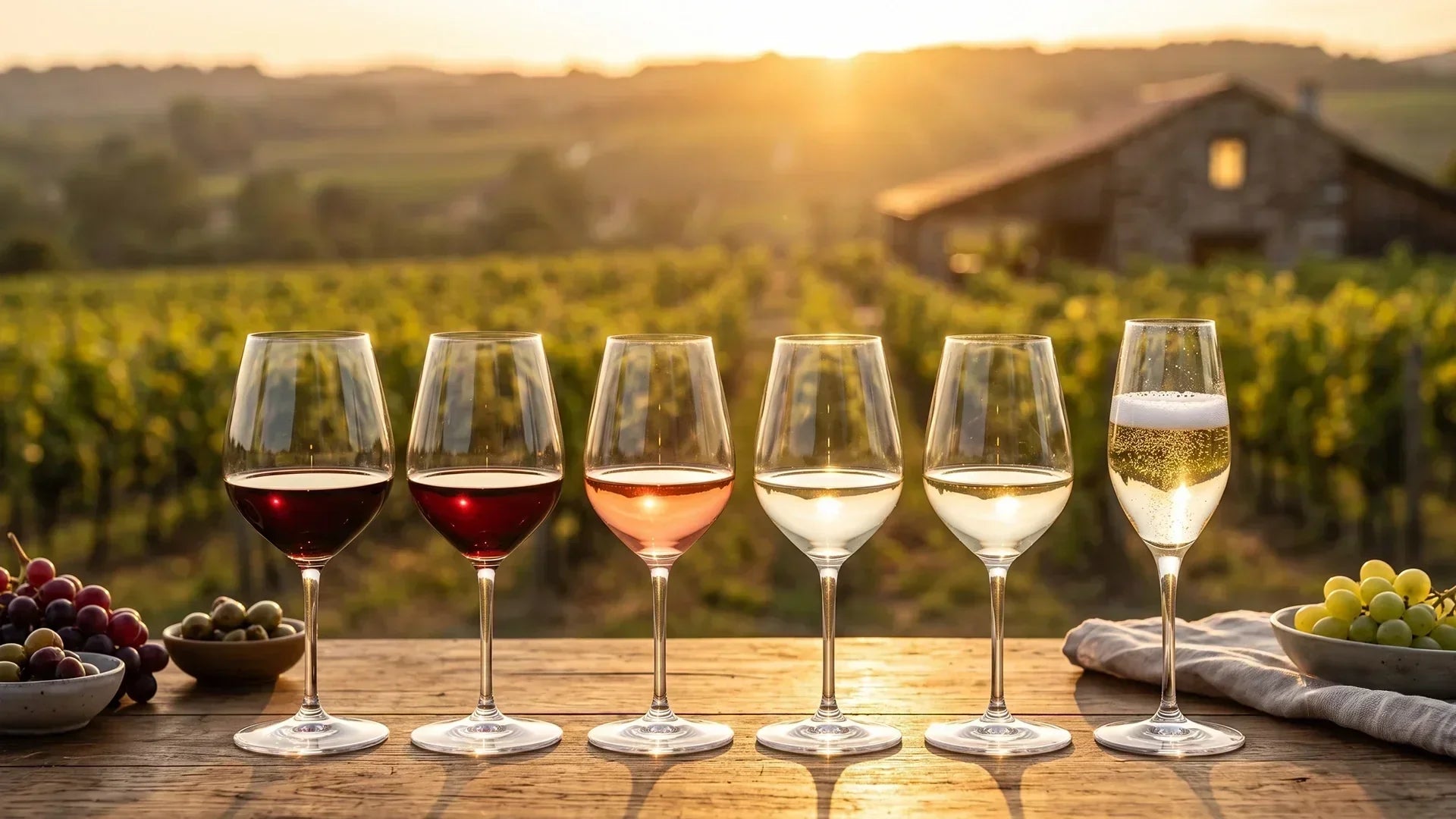
Most wine lasts about 24 hours after opening, not the 3 to 5 days you usually hear. Sparkling, white and rosé wines are best the same day. Most reds start to fade within a day. Structured reds can go 48 hours or longer, sweet wines several weeks, and fortified wines weeks to months.
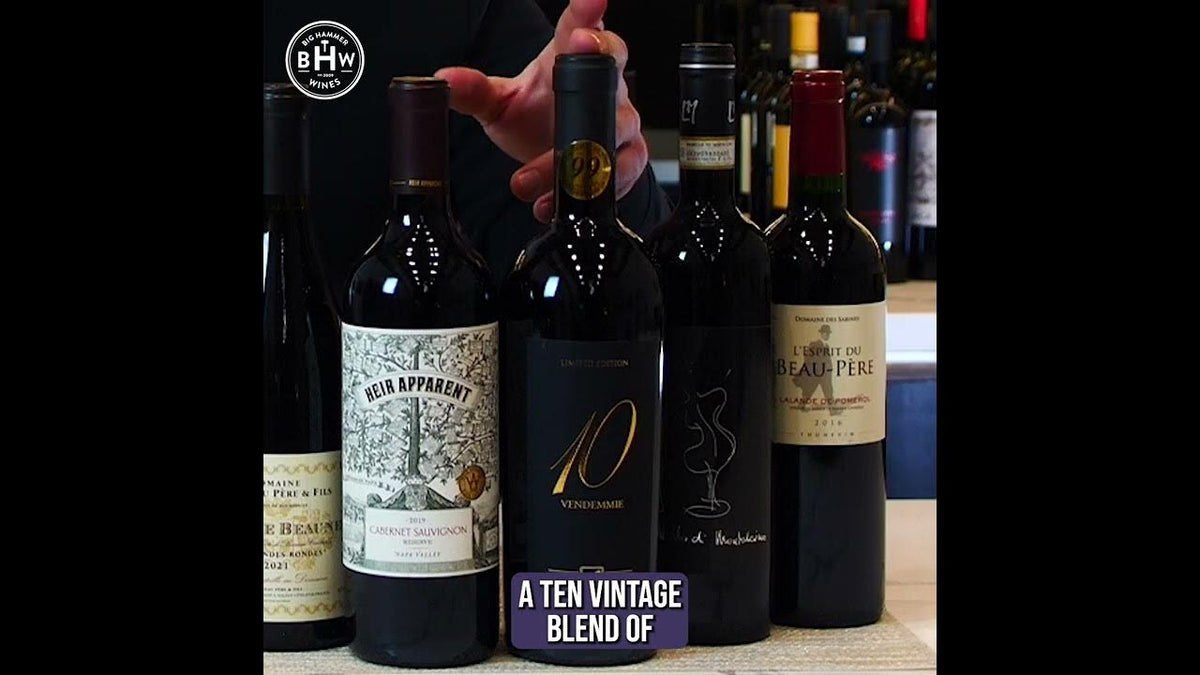
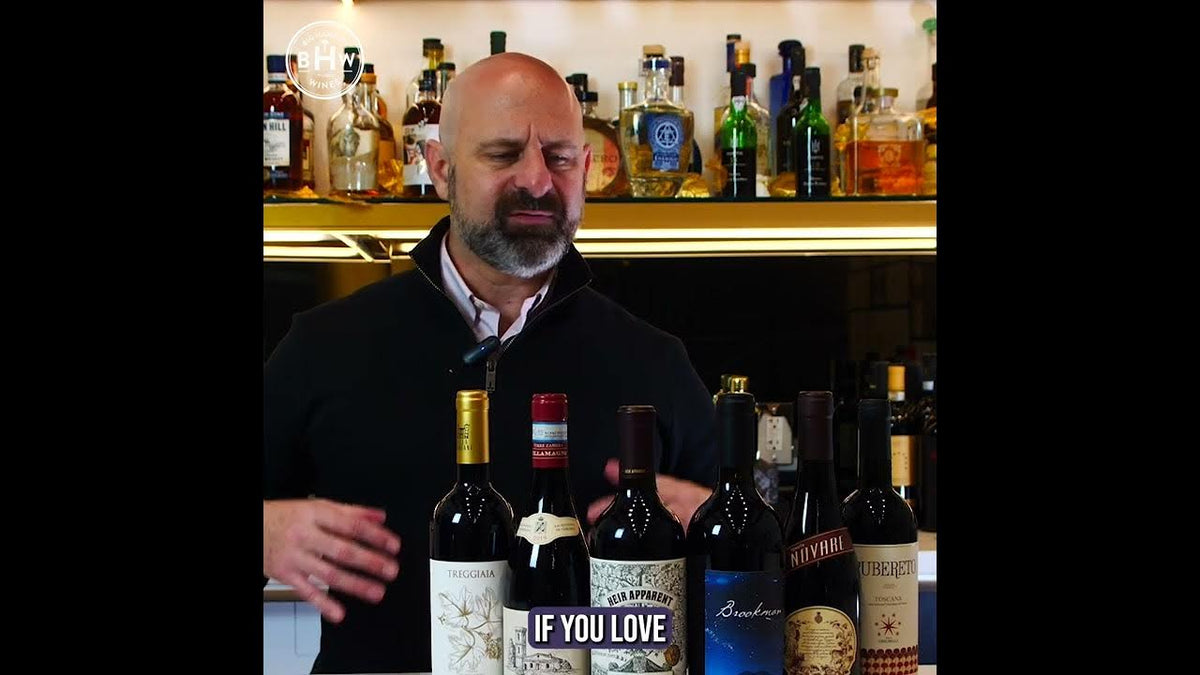
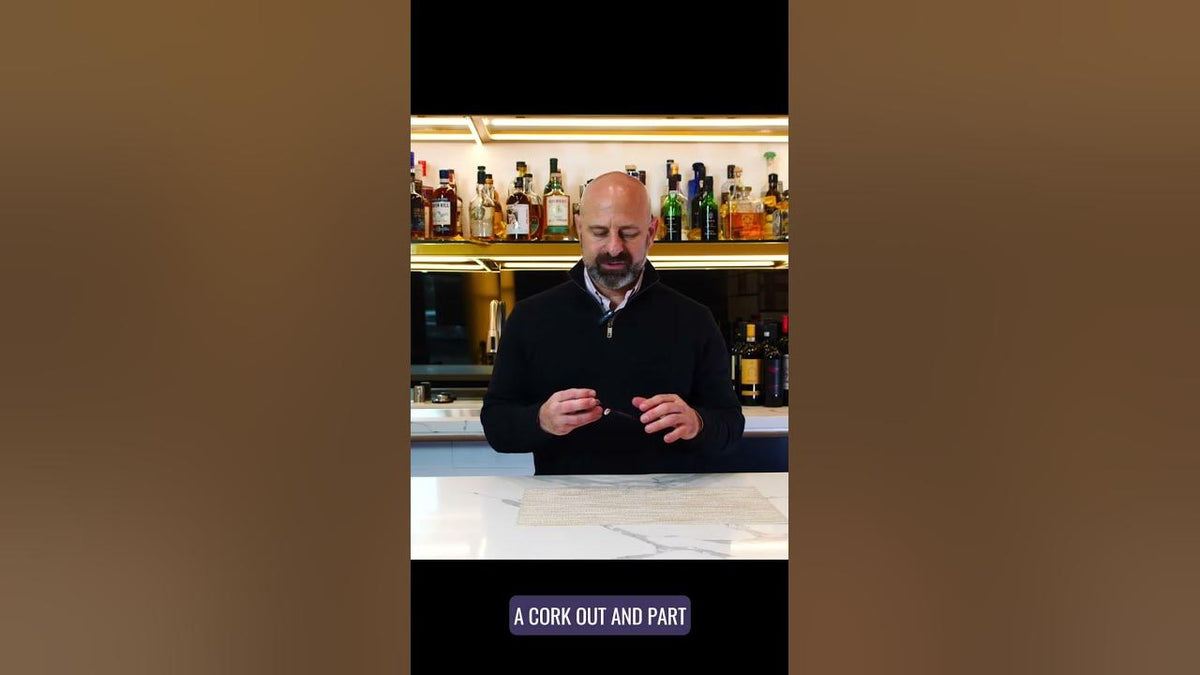
I made a short video on this, including the one sign that tells me a red has real aging potential.
Key Takeaways
- Most open wine is past its best within about 24 hours, especially mass-produced grocery store bottles.
- Sparkling wine is the most fragile. Even with a proper stopper, it lasts 2 to 3 days at most.
- Most whites and rosés are best the day you open them. A few high-acid wines, like German Riesling, might hold 24 to 48 hours in the fridge.
- A red that tastes better on day two often has real structure and aging potential. That's rare.
- Sugar and added alcohol buy time. Sweet wines can last several weeks, and port, sherry and Madeira can last weeks or even months.
Why the 3-to-5-Day Rule Is Mostly Wrong
You've probably been told that an open bottle lasts 3 to 5 days. For most wine, that advice is mostly wrong. Most wines, especially mass-produced grocery store brands, are usually toast after 24 hours.
The 3-to-5-day figure answers a different question: how long until a wine becomes undrinkable. I care about how long it still tastes like the wine you paid for. I taste about 5,000 wines a year, and that window is much shorter than most people think.
How Long Each Type of Wine Lasts After Opening

Sparkling Wine and Champagne
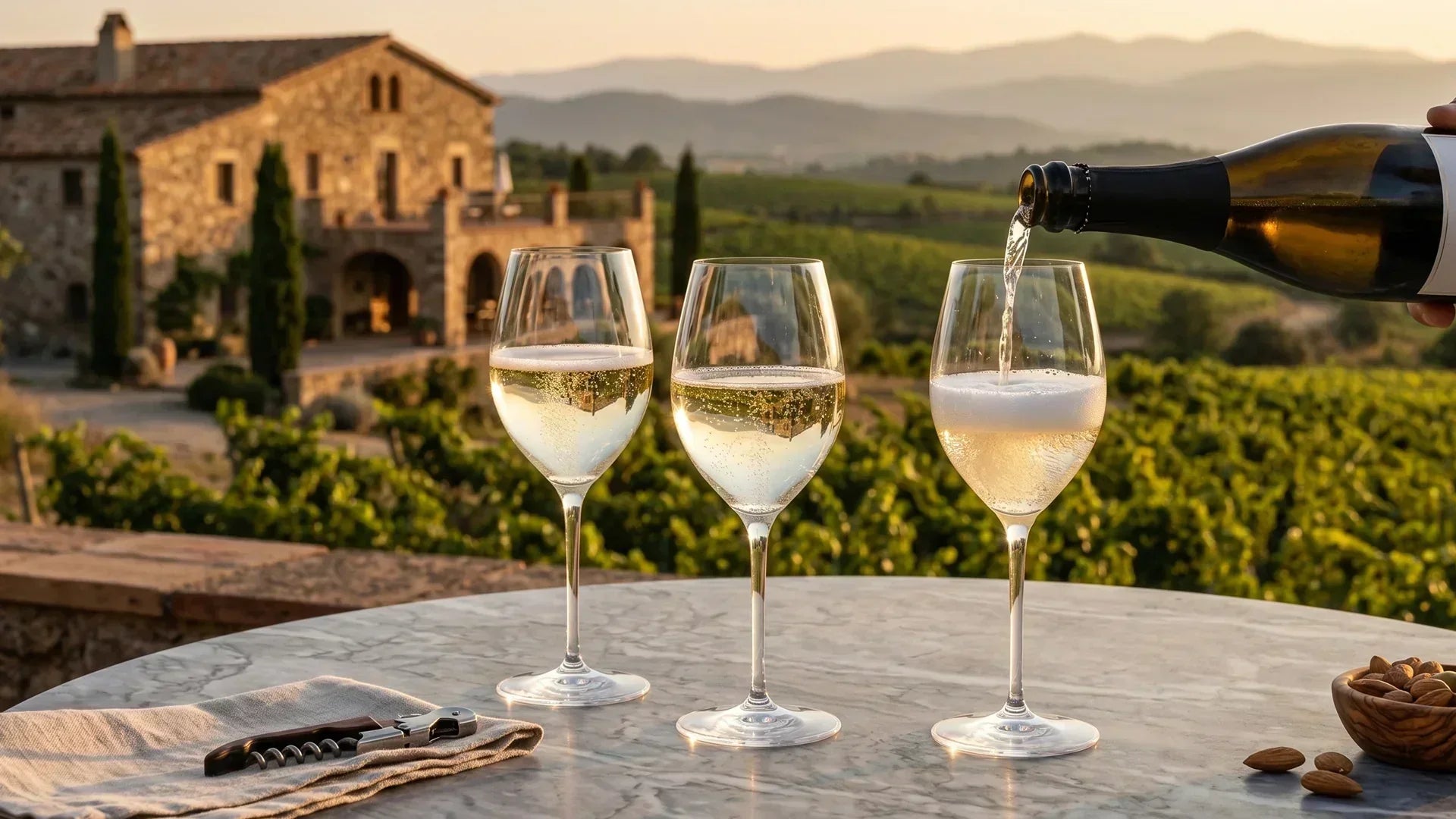
Sparkling wine is the most fragile. The moment it's opened, it starts losing carbon dioxide and freshness, and the bubbles go away. Even with a proper sparkling wine stopper, most are best the same day.
They might last 2 to 3 days with that stopper. Without one, expect the wine to be flat and tired by the next day. That goes for Champagne and Cava alike.
White Wine and Rosé
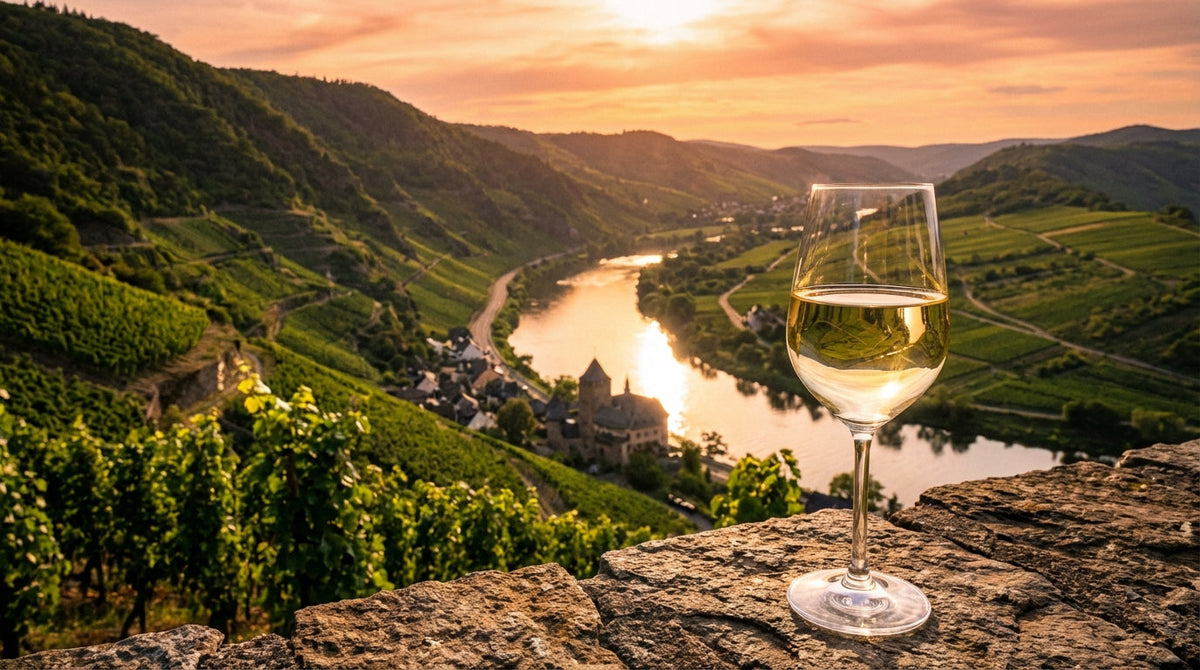
Most white wines and rosés are best the same day they're opened. A very small percentage of high-quality whites with real acidity and structure, German Riesling for instance, might hold 24 to 48 hours in the refrigerator. That's the exception and not the rule.
Red Wine
With most red wines, you'll start to see degradation within 24 hours. That's especially true of lighter styles and mass-produced grocery brands. If you've ever wondered what's going on with those bottles, here's where your $10 actually goes.
The Insider Tip: The Day-Two Test
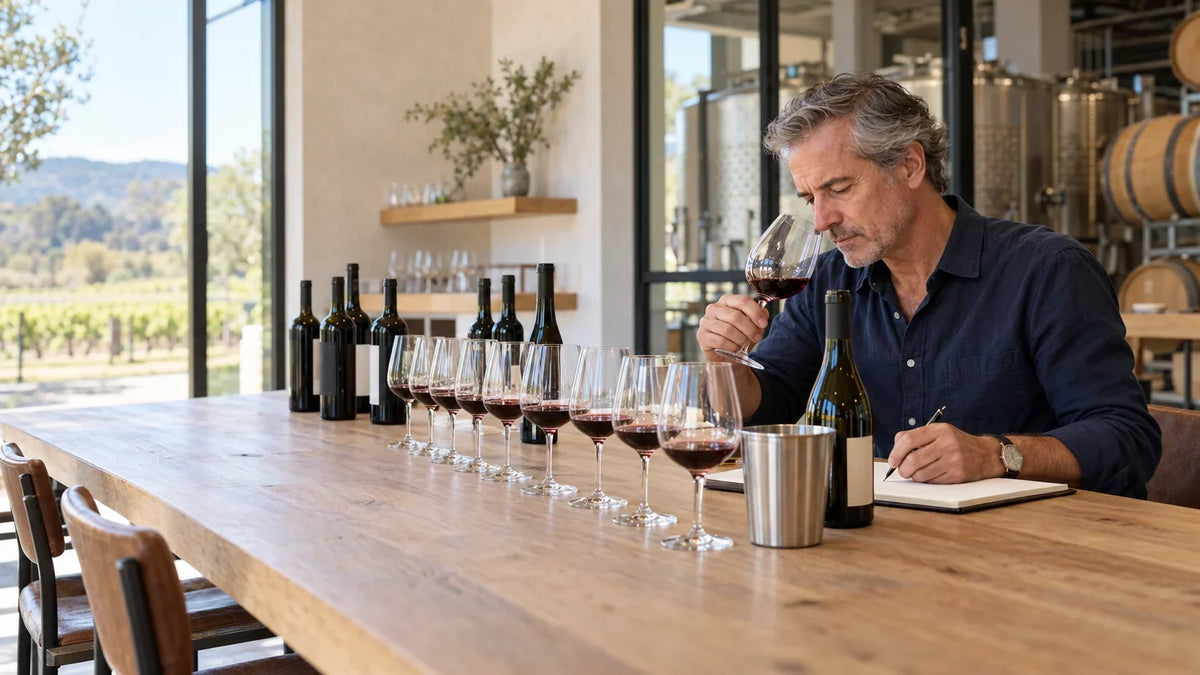
Here's a sign of quality I look for. If a red actually tastes better the next day, or even 48 hours later, that's often a sign of longevity. It means the wine has real structure and aging potential.
That's rare. I'd estimate it happens in fewer than 5% of all the red wines produced, and those bottles tend to cost $50 to $100 or more.
Sweet and Fortified Wines
Sweet and dessert wines last longer after opening because sugar slows down the oxidative process. Stored properly, they can often last several weeks.
Fortified wines like port, sherry and Madeira are the outliers because of the added alcohol. They can last weeks, even months, after opening.
Why Your Leftover Wine Tastes Like Vinegar

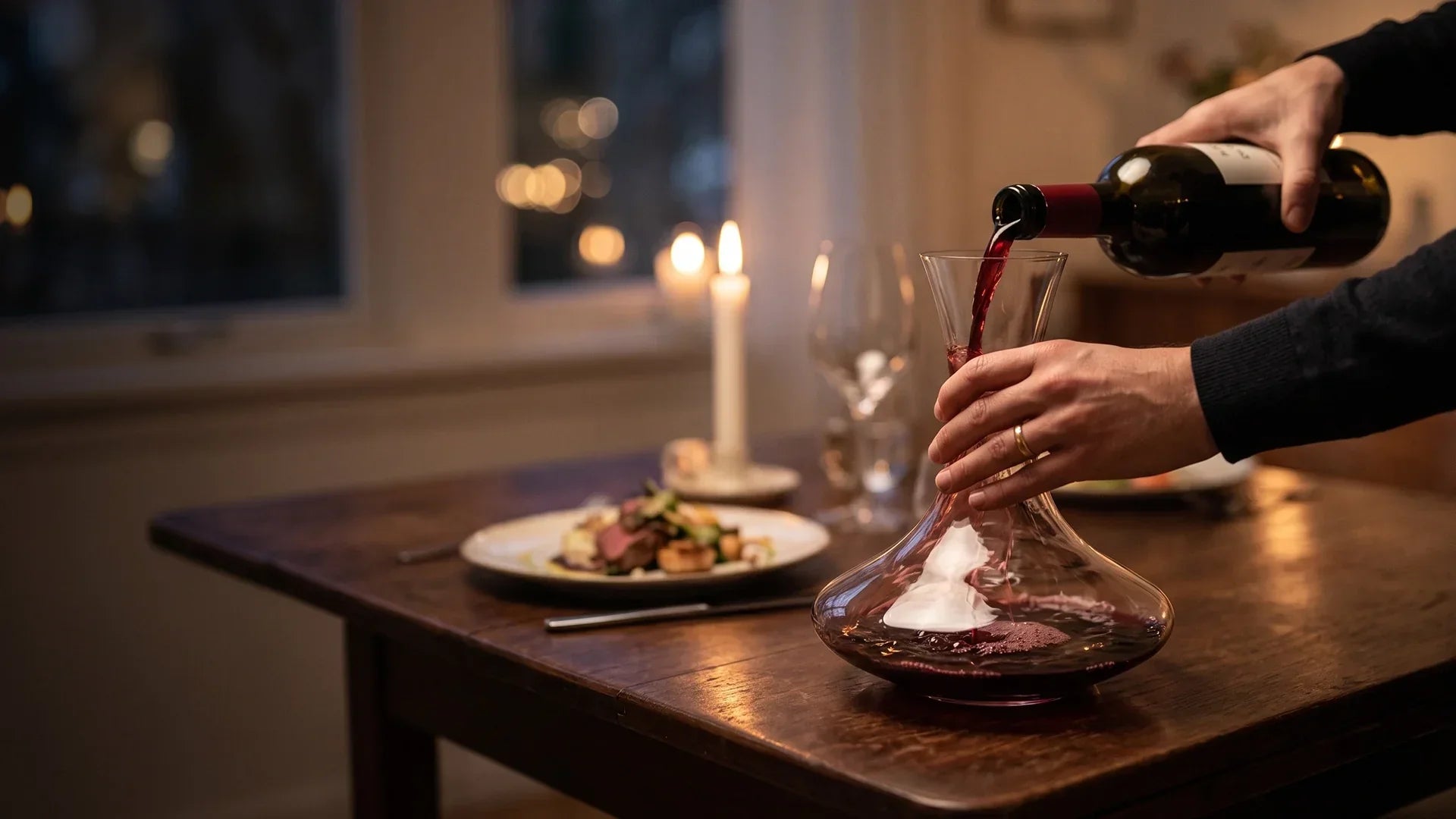
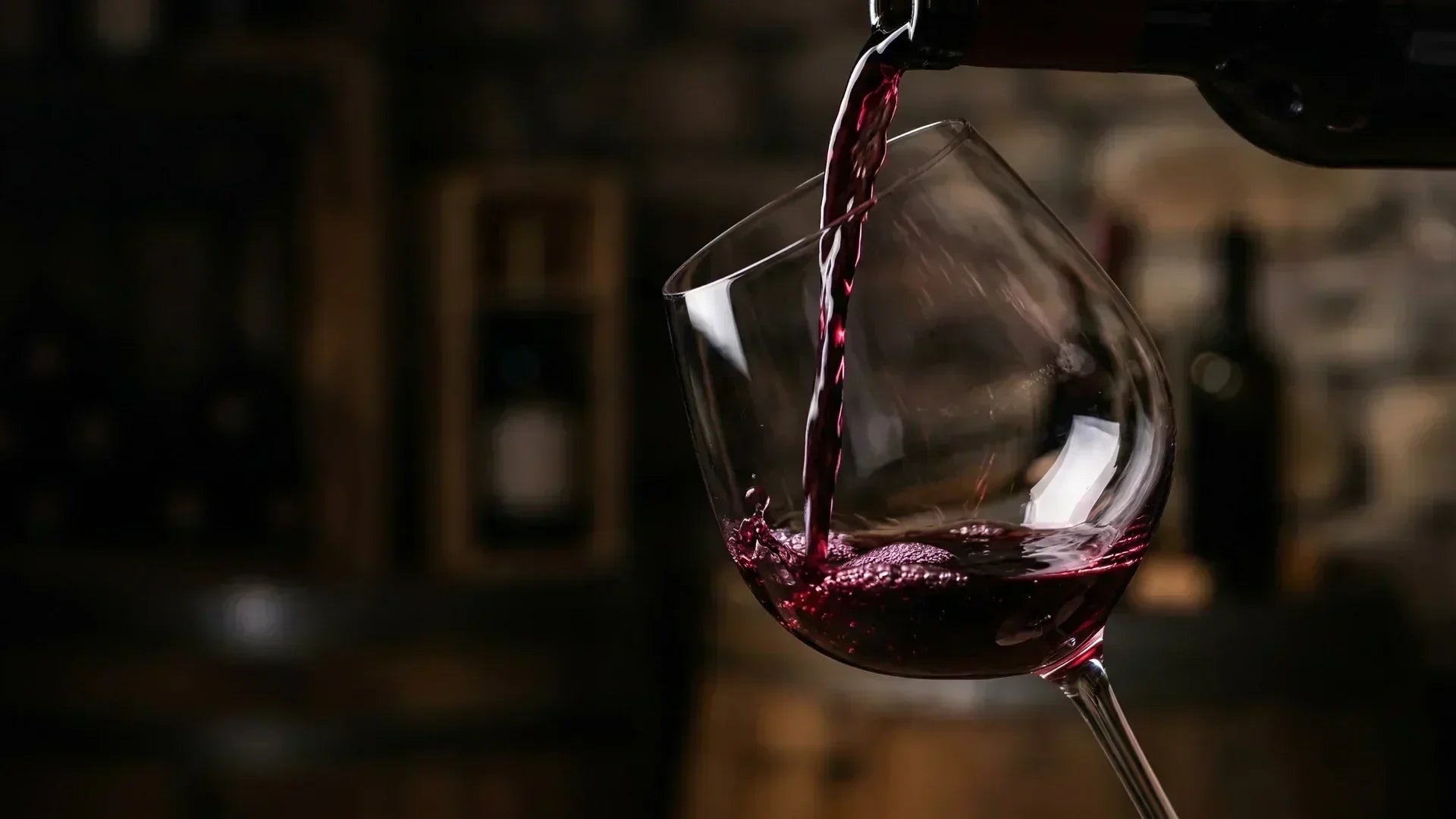
The moment you open a bottle, the wine contacts air, and air is wine's enemy. Oxygen starts a chemical process called oxidation. At first, a little oxygen helps the wine open up after being enclosed in a reductive environment, which is why decanting can help.
But very quickly, oxygen starts breaking the wine down. If that continues, it turns into acetic acid, which is vinegar. That's the stuff you put on salads, not the stuff you want to drink.
Wine doesn't suddenly go bad. It slowly oxidizes until there's nothing left worth drinking. So if you're opening bottles and thinking, "Why does this already taste tired?" it's not you.
Should You Drink That Open Bottle? A Three-Step Check

How to Store an Open Bottle of Wine
Honestly, the best way to make wine last after opening is to finish the bottle. Problem solved. If you can't, here's how to slow things down.
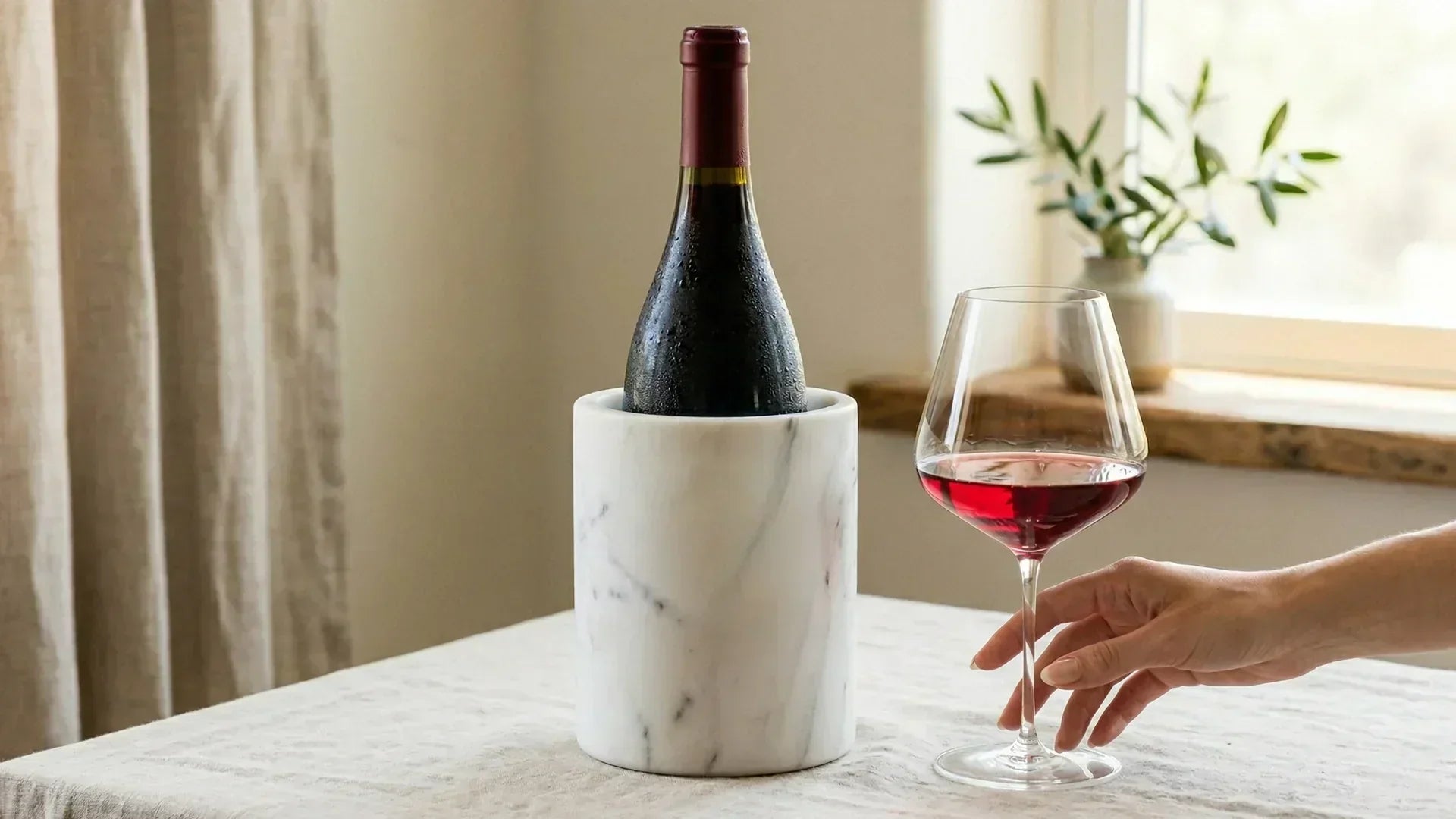
- Recork it and refrigerate it. That includes reds. Cold slows the decline, and you can take a red out a little before you pour. Here's the best temperature to serve wine.
- Use a proper sparkling wine stopper. A regular cork won't hold the pressure, and the bubbles are the first thing to go.
- Try a vacuum stopper. It removes some of the air and buys you a little time, but it doesn't stop oxidation.
- Pour leftovers into a smaller container. Less empty space means less air sitting on the wine.
- Use a Coravin for special bottles. It lets you pour a glass without pulling the cork. If you already own one, we carry the capsules.

Wine Terms in This Guide
Oxidation: The chemical reaction that starts when oxygen reaches wine. A little can help a wine open up, but too much breaks it down.
Acetic acid: The sharp acid in vinegar. It forms in wine left open to oxygen, with help from naturally occurring bacteria.
Reductive environment: The low-oxygen conditions inside a sealed bottle.
Structure: The framework of acidity, tannin and alcohol that helps a wine hold up over time.
Dessert wine: A sweet wine, usually served with or as dessert.
Fortified wine: Wine with added alcohol, such as port, sherry or Madeira.
Sparkling wine stopper: A clamp-style closure that seals an open bottle of bubbles and helps hold in the carbon dioxide.
Frequently Asked Questions
How long does wine last after opening?
Most wine is at its best for about 24 hours after opening, not the 3 to 5 days you often hear. Sparkling, white and rosé wines are best the same day, while sweet and fortified wines last weeks or longer.
How long does red wine last after opening?
Most reds start to degrade within 24 hours, especially lighter styles and mass-produced grocery brands. A small share of structured reds can hold 48 hours or longer, and some even taste better on the second day.
How long does white wine last after opening?
Most whites are best the day you open them. A few high-quality whites with real acidity and structure, such as German Riesling, might hold 24 to 48 hours in the refrigerator.
How long does rosé last after opening?
Treat rosé like most whites. It's best the day you open it, so recork it and refrigerate it if you do keep some.
How long does Champagne last after opening?
Champagne and other sparkling wines are best the same day. With a proper sparkling wine stopper, they might last 2 to 3 days. Without one, expect them to be flat by the next day.
How long does port last after opening?
Port and other fortified wines can last weeks, even months, after opening because of the added alcohol.
Does wine go bad after opening?
Yes, but not all at once. It slowly oxidizes until there's nothing left worth drinking.
How can you tell if wine has gone bad?
Smell it first. Tired wine smells flat, nutty or like bruised apples, and fully oxidized wine smells like red wine vinegar or even nail polish.
Does wine turn into vinegar?
It can. Left open, oxygen keeps breaking wine down, and it can eventually turn into acetic acid, the acid in vinegar.
Does wine need to be refrigerated after opening?
Yes, if you plan to keep it past tonight. The fridge slows the decline of most open wine, though it doesn't stop it.
Should you refrigerate red wine after opening?
Yes. Recork it and put it in the fridge, then take it out a little before you pour so it isn't served too cold.
Why does some red wine taste better the next day?
A little air can open up a wine with real structure. If a red improves after 24 to 48 hours, that's often a sign of aging potential, which I'd estimate applies to fewer than 5% of all reds.
Do vacuum stoppers make wine last longer?
They remove some of the air, so they can slow the decline. They buy you a little time, but they don't stop oxidation.
What can you do with leftover wine?
If it's tired but not sour, cook with it. If it smells like vinegar or nail polish, pour it out.
What is the best way to make wine last after opening?
Finish the bottle. If you can't, recork it and keep it in the fridge.
Find a Bottle Worth Finishing
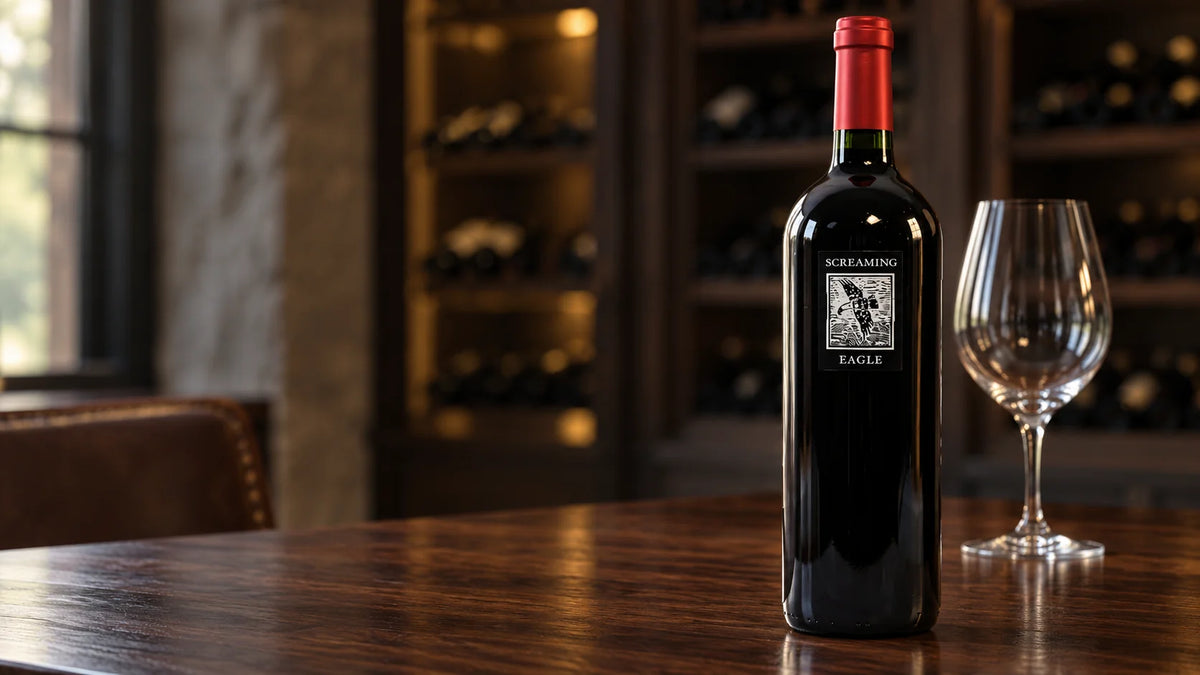
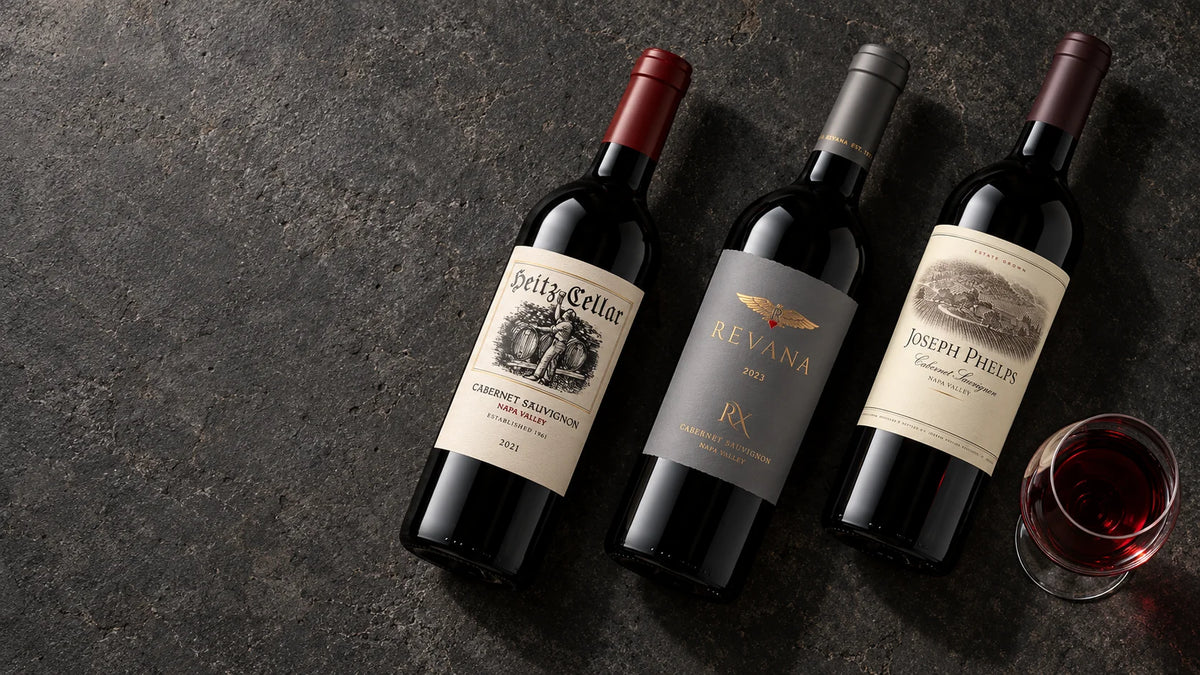
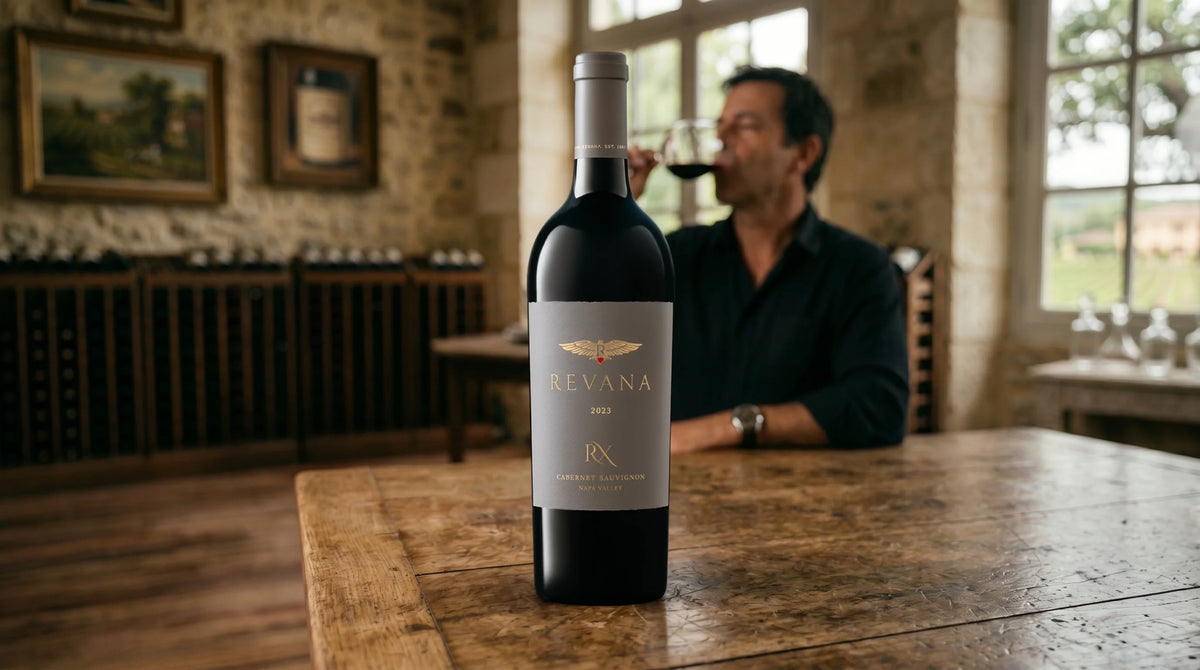
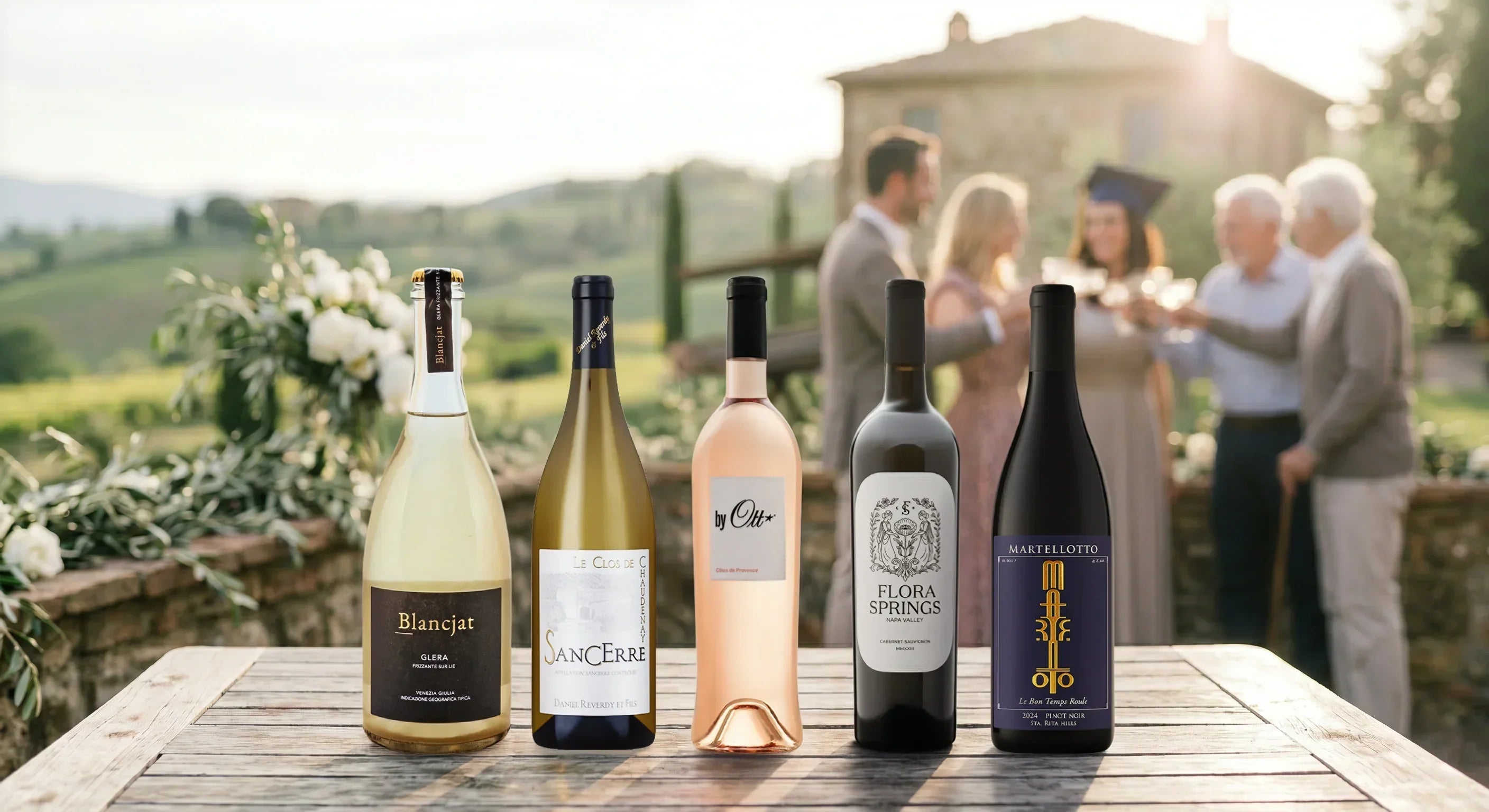
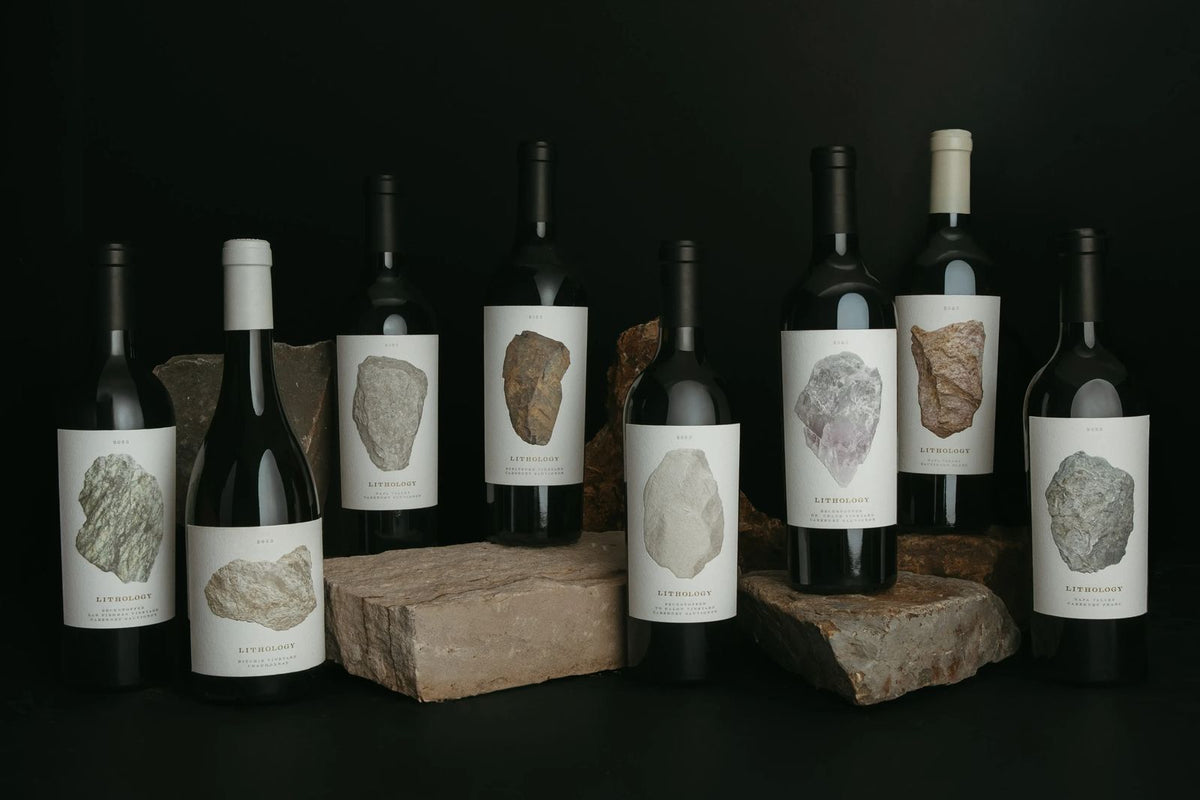
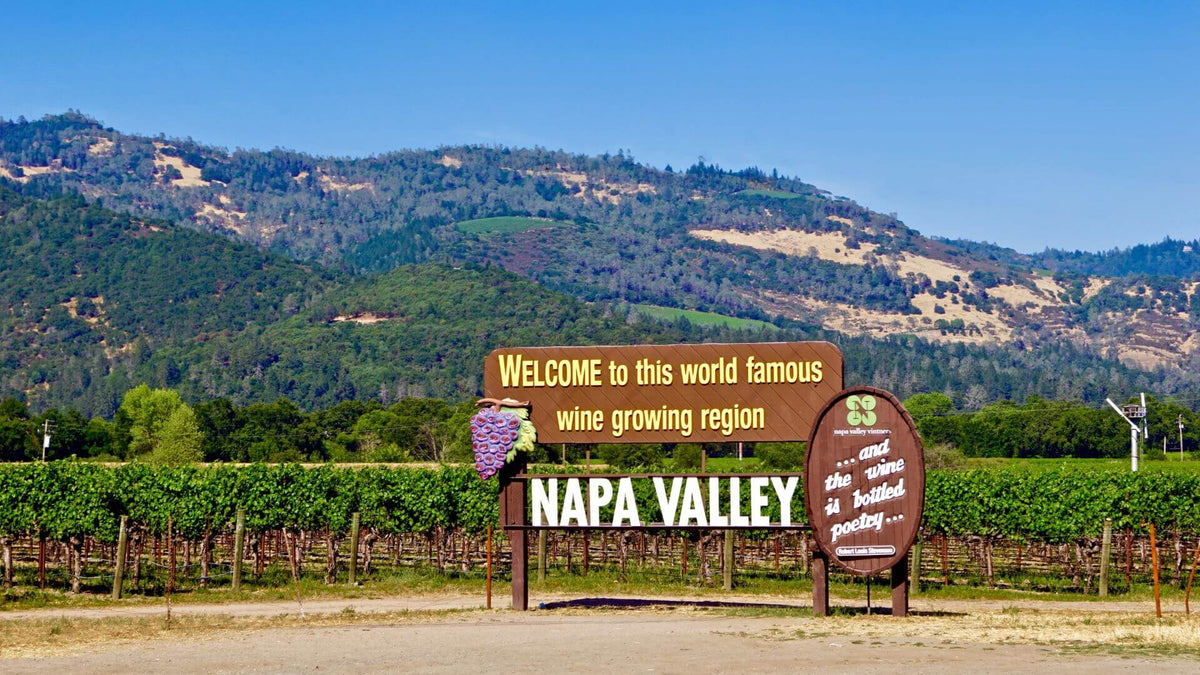
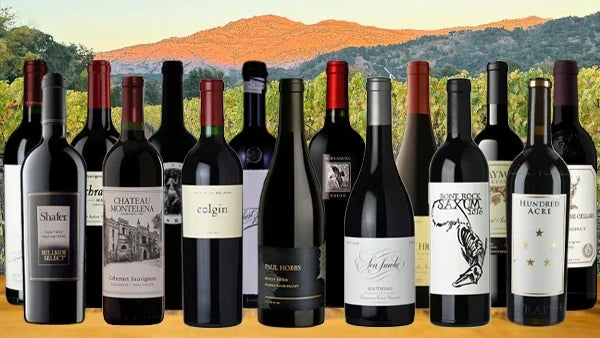
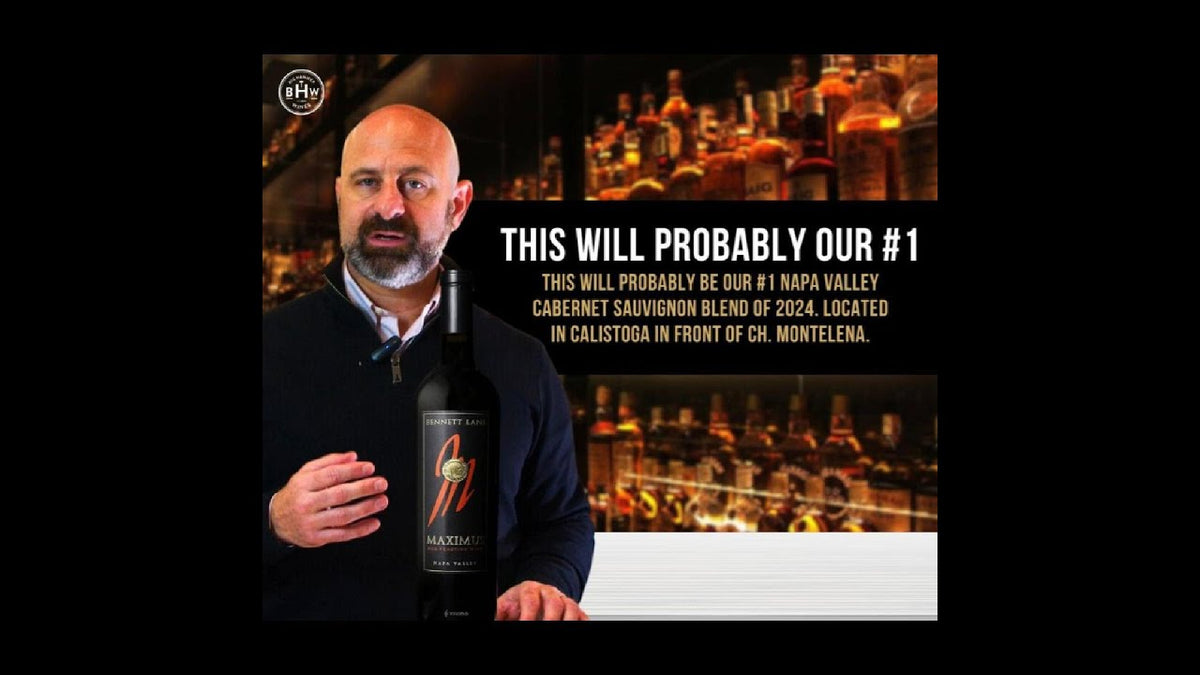
Want to try the day-two test yourself? Start with our top Napa Valley Cabernets.
Opening bubbles for a crowd instead? Browse our Champagne and sparkling wines, and serve them right so nothing's left over.
A Merchant's Note
I taste about 5,000 wines a year and buy roughly 4% of them. Day two is one of the simplest tests I know for telling a wine with real structure from one built for the first glass. For everything else, my advice stays the same: open it when you're ready to finish it.









Try the Day-Two Test: Top Napa Valley Cabernets
SHOP COLLECTIONShare:
The Wine That Named a Supermodel: Margaux Hemingway and Chateau Margaux
Comments Section