

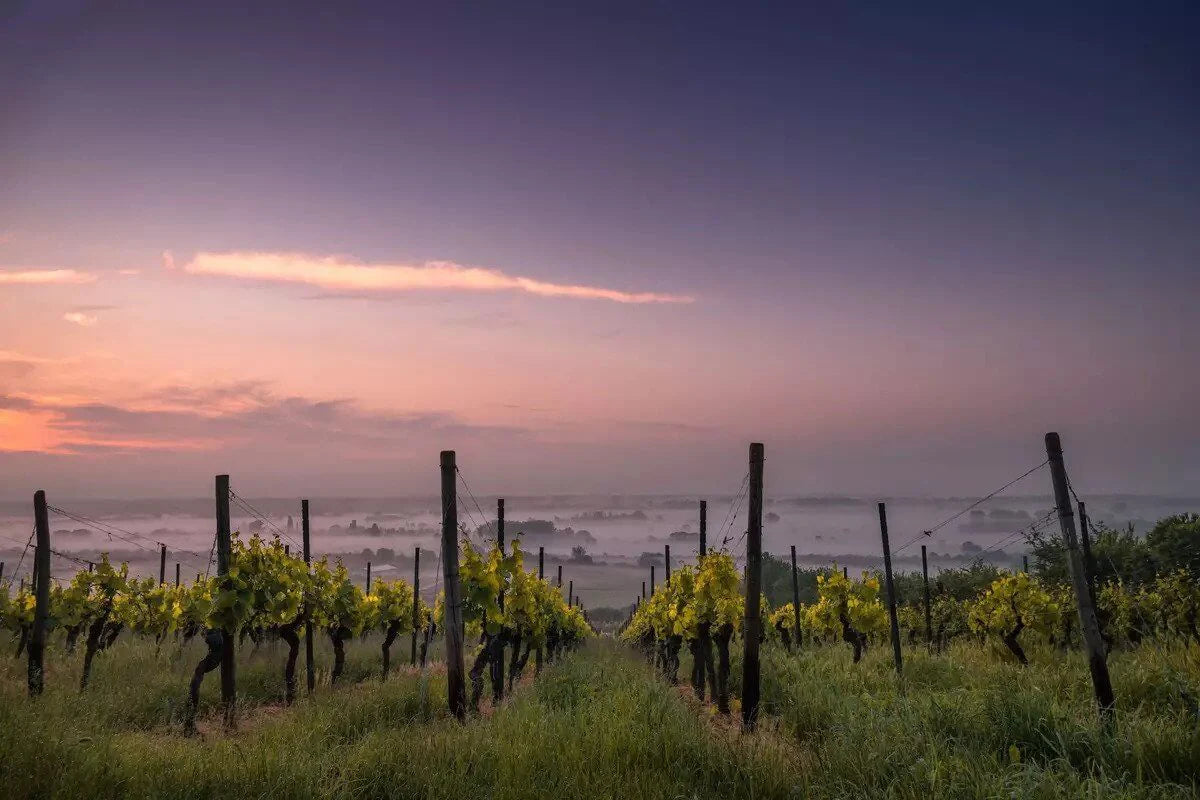
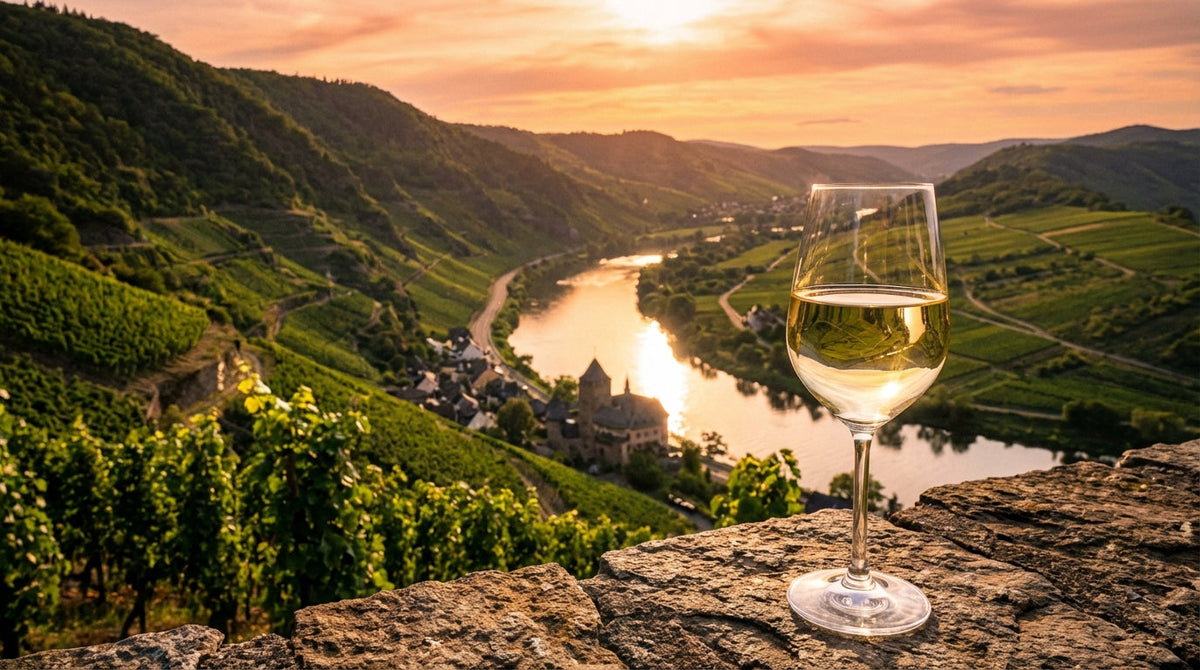
When you look at a glass of golden Mosel Riesling, you aren't just looking at wine—you are looking at history.
What makes this German region so unique? Is it the steep slopes? The vines driving their roots 30 feet down into solid slate? Or is it the families who have tended this land for centuries?
In this exclusive feature, we sit down with Johannes Selbach of the legendary Weingut Selbach-Oster to uncover the secrets of the Mosel Valley. With a family tradition dating back over 400 years, Johannes explains why these wines are unlike anything else on Earth—and why they deserve a spot in your cellar.

A Legacy Older Than Rome
The Mosel Valley isn't just an old wine region; it is ancient. As Johannes explains, viticulture in this area dates back to pre-Roman times—that’s over 2,000 years of continuous farming.
For the Selbach family, this isn't just a business; it's a heritage. They have held property in Zeltingen for over four centuries. When you drink a bottle of Selbach-Oster, you are tasting the result of generations of knowledge passed down through hands that have worked the same steep, slate-covered hills.

The Terroir: Steep Slopes and "Simmered" Fruit
The French concept of terroir combines the soil and the microclimate. In the Mosel, this combination is extreme.
-
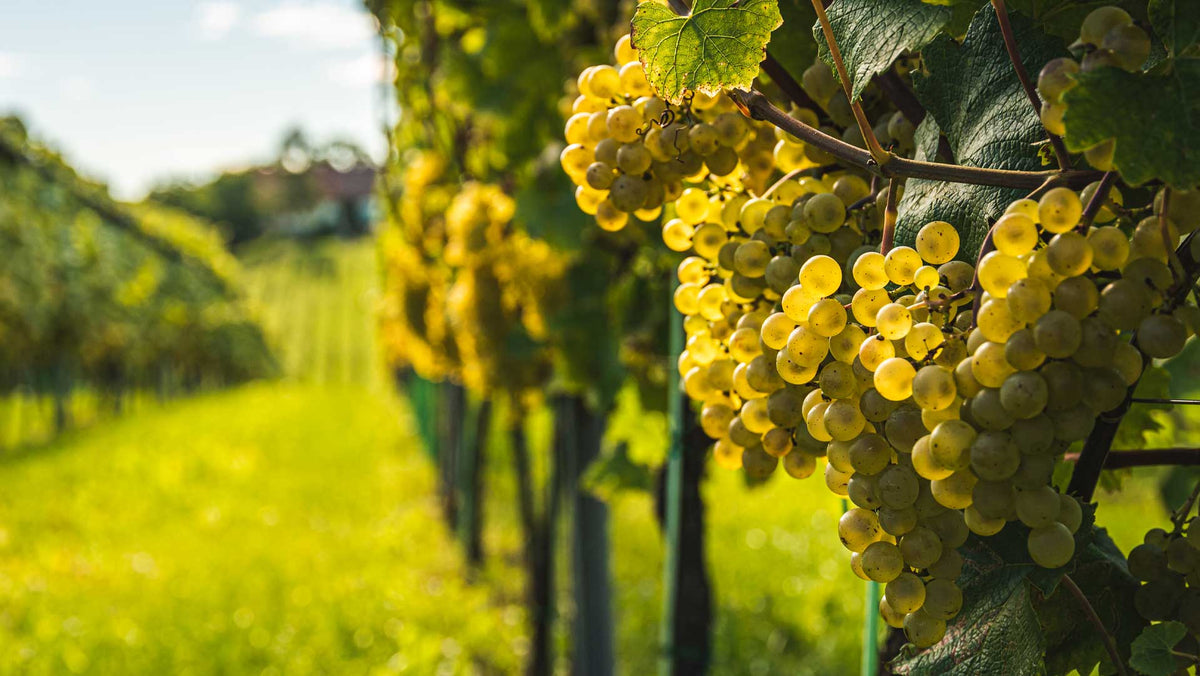
The Soil: The vineyards are incredibly steep and composed of slate rich in minerals. This forces the vines to dig deep for nutrients, imparting that signature "minerality" Mosel wines are famous for.
-
The Climate: The region has a very long, cool growing season.
Johannes uses a brilliant cooking analogy to explain why this matters: "The fruit is simmered to ripeness, not cooked."
Because the grapes ripen slowly over a long period, they develop intense flavors and delicate perfumes without accumulating high sugar or alcohol levels. The result? A wine that is light on its feet but heavy on flavor.
The "Hands-Off" Philosophy
In a world of industrial winemaking, Selbach-Oster remains a bastion of tradition. Their philosophy is simple: Do as little as possible.
There are no chemical tricks or shortcuts. The process involves:
-
Gentle Picking: Harvesting by hand on dangerous slopes.
-
Slow Fermentation: Letting nature take its course.
-
Lees Aging: Allowing the young wine to sit on its yeast (lees) for a long time.
This traditional method makes the wines incredibly stable and gives them a texture and depth that modern technology just can't replicate.
Aging Potential: The 12-Year Rule
One of the biggest misconceptions about white wine is that it must be drunk immediately. Johannes sets the record straight: Mosel Riesling is built for the long haul.
Thanks to the high natural acidity and mineral structure, even the most "basic" wine from an artisan producer like Selbach-Oster can age for a dozen years or more. The top-tier bottles? They can last for decades, evolving into something complex and magical.
Dry vs. Sweet: It’s All About Balance
Riesling is often misunderstood as just a "sweet wine." The reality is that Riesling is the chameleon of the wine world.
-
Trocken: Bone dry and crisp.
-
Medium-Dry: A touch of fruitiness.
-
Fruity/Sweet: Lush and dessert-like.
Johannes emphasizes that the key to a great Mosel Riesling isn't the sugar level—it’s the balance. The high acidity cuts through the sweetness, making the wine feel fresh and lively, never cloying.
Frequently Asked Questions (FAQs)
Q: I thought all German Riesling was sweet. Is that true?
A: Not at all! Riesling is incredibly versatile. You can find "Trocken" (dry) versions that are crisp and mineral-driven, as well as sweeter styles. The cool Mosel climate ensures that even sweet wines have high acidity to keep them balanced.
Q: What does "slate soil" do to the wine?
A: Slate soil retains heat to help grapes ripen in the cool climate and provides excellent drainage. Flavor-wise, it imparts a stony, flinty, or "mineral" quality that is the signature of the Mosel region.
Q: How long can I keep a bottle of Mosel Riesling?
A: Longer than you think! Johannes Selbach notes that even entry-level wines from quality producers can age for 12+ years. Premium vintages can age for 20, 30, or even 40 years.
Q: Why is the alcohol content often lower in Mosel wines?
A: The cool climate and long growing season allow the grapes to develop flavor (phenolic ripeness) without developing massive amounts of sugar (which turns into alcohol). This makes them perfect for enjoying without feeling weighed down.
Conclusion
Mosel Riesling is more than just fermented grape juice; it is heritage in a glass. It is the story of families working impossibly steep slopes for centuries to create a wine that balances delicacy with power.
Whether you prefer your white wine dry and crisp or fruity and lush, the Mosel offers a bottle for every palate. As Johannes Selbach says, the key is balance.











Share:
Decanting vs. Aerating: Does It Actually Make a Difference?
Is Alcohol-Free Wine Actually Wine? The Merchant's Answer
Comments Section