

San Diego, November 2026. By Greg Martellotto, founder of Big Hammer Wines. Photos and video: Big Hammer Wines and the Paul Hobbs wineries, as credited.
At 8:15 on the morning of November 13, 2026, Paul Hobbs's phone rang. His daughter was calling from Miami, where she was about to give a seminar of her own, with news: Wine Spectator had just named his 2023 Paul Hobbs Cabernet Sauvignon Coombsville its Wine of the Year, the No. 1 wine on its Top 100 list. Emails and calls from the magazine's senior editors followed. Paul turned his phone off.
A few hours later he sat down to lunch with a small table of wine buyers at Parc Bistro in San Diego, and I was lucky enough to be at that table. "It's, like, a once in a lifetime thing, and here we are together around the table," he said as we raised our glasses. "I feel a little overwhelmed, very privileged."
It caps nearly 50 years in wine. Paul Hobbs grew up on an apple farm in western New York, tasted his first great wine from a paper Dixie cup, and was on the team that made the first Opus One. He crossed the Andes in 1988 and helped launch Catena, and Malbec, in the United States. Today he makes wine at seven wineries on four continents, from Sonoma to Mendoza to a mountainside in Armenia, a couple of miles from the oldest known winery on earth.
Over lunch and six wines, Paul told the stories behind all of it, and I recorded as much as I could. Here's everything we learned: the Wine of the Year and the estate it comes from, how a teetotal farm family produced one of the world's great winemakers, his rules for making wine, every one of his wineries, the wines we tasted, and how to get your hands on them. You can hear much of it in Paul's own words in the videos below.

Paul Hobbs at a Glance
- Who: Paul Hobbs, 73, owner and winemaker. He grew up on his family's apple farm in western New York, one of 11 children.
- Training: a chemistry degree from Notre Dame, then a master's in viticulture and enology from UC Davis; Robert Mondavi Winery from 1977, including the first Opus One team in 1979; then Simi Winery.
- Argentina: from 1989 he made Nicolás Catena's wines for export and helped launch Catena and Malbec in the U.S.; Catena helped provide the seed money for Paul Hobbs Winery.
- Consulting: more than 150 wineries around the world over his career, by his count. He was one of wine's first flying winemakers.
- Paul Hobbs Winery: founded in 1991. Its home is the Katherine Lindsay Estate in Sebastopol, in Sonoma County.
- Seven wineries, four continents: Paul Hobbs Winery and CrossBarn in California, Hillick & Hobbs in New York, Viña Cobos in Argentina, Crocus in Cahors, France, Alvaredos-Hobbs in Galicia, Spain, and Yacoubian-Hobbs in Armenia.
- Known for: single-vineyard Chardonnay and Pinot Noir from western Sonoma, Napa Valley Cabernet from Coombsville and from Andy Beckstoffer's To Kalon and Dr. Crane vineyards, and Malbec from Mendoza.
- How it's made: picked by hand at night, fermented with native yeast, bottled unfined and unfiltered.
- 2026 Wine of the Year: the 2023 Paul Hobbs Cabernet Sauvignon Coombsville, 95 points from Wine Spectator.
- Visits: by reservation at the Katherine Lindsay Estate in Sebastopol, with tastings from $95.
The Wine of the Year: 2023 Paul Hobbs Coombsville Cabernet
Wine Spectator's Wine of the Year isn't simply its top score. The editors look for a great review, a wine made in enough quantity that people can find it, and a fair price, and the 2023 Paul Hobbs Cabernet Sauvignon Coombsville checks all three: 95 points from James Molesworth, 8,730 cases, and about $120 a bottle, low for top Napa Cabernet. The magazine praised its "terroir-first style highlighting a breakout AVA" and called Paul's move into Coombsville a bet on "a corner of Napa Valley that hadn't yet seen the limelight." It suggests drinking the wine from 2027 through 2040.
Coombsville sits in the southeast corner of Napa Valley, just east of the city of Napa, in a caldera rimmed with volcanic soils. It's cooler than the famous districts up the valley, like Oakville. For decades, wineries quietly bought Coombsville Cabernet to freshen their blends. Paul told us that at Mondavi they used fruit from Tom Farella's Coombsville vineyard to give their blends more color and lift, and he credits Tom with getting Coombsville its own appellation, which came in 2011.
Paul moved in the next year. In 2012 he bought the 60-plus-acre Tourmaline Vineyard, planted in 2002, 2004 and 2007, and renamed it the Nathan Coombs Estate, after the man who founded the city of Napa. He grafted over sections to grow more Cabernet and less Merlot. The estate is now the heart of his Cabernet, and according to Wine Spectator, the 2023 includes fruit from its oldest, first-planted blocks. The winery says its 2021 Nathan Coombs Estate Cabernet earned the first 100-point score ever given to a Coombsville Cabernet, from Decanter.

The 2023 Coombsville that won isn't out yet: in mid-November 2026 it was still a couple of months from release. If it isn't in the wines listed in this article when you read it, contact us and we'll try to get it for you.
Our pick while you wait: the 2023 ALH Cabernet Sauvignon, Coombsville
Same estate, same vintage, in stock now. ALH comes from neighboring blocks of the same Nathan Coombs Estate, made by Paul and his daughter Agustina in a fresher style with less new oak: the first ALH, the 2022, spent 18 months in French oak, 29% of it new, where the winning 2023 Coombsville spent 20 months in barrels that were 51% new. VinePair gave the 2023 ALH 95 points, from the vintage that just produced the Wine of the Year.
It's our insider buy: $74.99 a bottle, $69.99 each for six, and $59.99 each by the case of 12 (our prices in November 2026).
Want the Paul Hobbs label itself? The vintage before the winner, the 2022 Paul Hobbs Coombsville Cabernet Sauvignon, comes from the same estate and is in stock too. Expect it to go fast.
From an Apple Farm to a Dixie Cup of Yquem
Paul started the lunch where his story starts: the family farm in western New York, which he says his great-grandmother, Katherine Lindsay, started. He was one of 11 children. "My mother always said she wanted girls, but she kept getting boys," he said. "After 11 children, she did get two girls." She also made a pact with Paul's father: no alcohol at the family table. Paul grew up on milk, Tang, Kool-Aid "and apple juice, of course."
His father broke the pact in January 1969. He had decided the farm couldn't survive selling apples as a commodity: processors graded the fruit and told the family the price months later. He wanted a business with a brand of its own. He'd been visiting the Finger Lakes, Paul said, where two pioneers, Dr. Konstantin Frank and Hermann J. Wiemer, were growing European wine grapes, and they told him that if he planted wine grapes, he could think about a winery. He wasn't going to run it himself. "But among my sons, I think, Paul's the guy."
So one night he poured the older kids a taste of something golden in paper Dixie cups, out of his wife's sight: a 1962 Château d'Yquem, the great sweet wine of Sauternes. Paul was a teenager. The bottle cost $29.95, and "we still have the bottle," he said. His father kept it, his mother found it in the basement after his father died and mailed it to Paul in California, and today it sits in the library at Paul Hobbs Winery.
Even then, Paul didn't know wine could be a career. He was finishing a chemistry degree at Notre Dame, planning on medical school like his great-grandfather, Edward James, a doctor, when a botany professor and priest, Father James McGrath, invited him into his wine appreciation class. Paul told him his mother wouldn't allow it, so the priest called his father, who said yes, "as long as you don't tell his mother." The two men took it from there. By graduation, Paul found he had been accepted at UC Davis and Fresno State, and they urged him to put medicine on hold and study wine. "If you don't like wine," he recalls, "you can basically go back to medicine." He left for California in August 1975.
Mondavi, Opus One and the Skunkworks
At UC Davis, Paul says he did his graduate work comparing French and American oak, which got him hired at Robert Mondavi Winery, part time in 1977 and full time after he finished his master's in 1978. Mondavi was one of the first in California to age wine in small French oak barrels, and "the French would sell you their expensive barrel, but they wouldn't tell you how to use it." Mondavi wanted someone who understood the chemistry.
In 1979 Robert Mondavi put Paul on the first Opus One team, the joint venture with Baron Philippe de Rothschild of Château Mouton Rothschild. Paul was a junior winemaker, and he says he got the job for his chemistry, not his experience: Mondavi wanted him there "in case the French ask any indelicate questions." He became, he says, the person who carried out the decisions of Mouton's winemaker, Lucien Sionneau.
After hours, Paul ran what he calls the skunkworks at Mondavi, named for the secret aircraft lab, with a small crew solving problems nobody in Napa, or even Europe, had solved yet. How do different barrels change a wine? How do you close a barrel so it won't leak or crack? How do you move wine through hoses and pumps, and what do you sanitize them with? "These are like basic stuff today," Paul said. "That's pretty much been worked out for the people that come into the industry today." In the late 1970s and early '80s, nobody knew, and "those are heady times." Looking back, he added: "What I didn't realize is that most of what we were doing was wrong, in a sense, but we thought we were the cat's meow."
In 1985 he moved to Simi Winery in Sonoma's Alexander Valley and became its winemaker, before going out on his own.
The Flying Winemaker
Those after-hours experiments became the foundation of a second career. Paul was one of wine's first flying winemakers, making two harvests a year in two hemispheres, and he told us that over his career he has consulted for more than 150 wineries around the world, from Peter Michael, his first California client, in 1990, to Catena in Argentina and Stag's Leap Wine Cellars in Napa. Much of what he brought them, he worked out in the Mondavi skunkworks, at a time when Napa was still learning the basics.
"We Just Don't Add Stuff": How Paul Hobbs Makes Wine
What Paul saw at Mondavi and Simi became the rules of his own winery. Opus One was fined with egg whites in those days, he said, and the wine lost "some of the personality of place." Filtering stripped out good things too. Commercial yeasts were aggressive. And California treated growing grapes and making wine as two separate jobs, with "a hard wall" between them. When he started Paul Hobbs Winery, he wanted to be involved "soup to nuts."
So every Paul Hobbs wine is picked by hand at night, with shears. Nothing is added: no fining agents, no filtration, no cultured yeast. "Basically, no, no, no," he said. "We just don't add stuff." Every one of the winery's tech sheets ends the same way: bottled unfined and unfiltered.

The Chardonnay shows how far that goes. The grapes are picked from midnight and pressed as whole clusters while still cold. The juice settles for two or three hours in steel, and nothing is added: no nutrients, no acid. By mid-afternoon it's in barrel, filled to about 90 percent to leave room for the fermentation, which starts on its own from the yeast on the grape skins. Native yeast, Paul says, gives "a much cleaner mousse," the foam you see on a fermenting barrel, and a more elegant fermentation.
Both fermentations run at once: the yeast turning sugar into alcohol, and the malolactic fermentation, in which bacteria soften the wine's tart malic acid. Most wineries keep them apart. Running them together, as Paul says the monks worked out in Burgundy, means the two compete for the same nutrients, and the barrels go quiet in winter. That's on purpose. Paul learned the trick in France in the 1980s, drinking with growers at their tables in January and February, "when they got a little alcohol flowing in their blood" and loosened up. They opened the cellar doors, let the cold in and let the fermentations sleep until spring. Paul does the same. The wines wake up with the vines and finish in May or June.
A quarter to a third of the barrels are new, depending on the wine, and the long, slow fermentation is what marries wine and wood. Someone at the table asked whether native yeast ever leaves a fermentation stuck. Not once in more than 20 years, Paul said. "The secret is not the yeast, it's how you grow the grapes." Vines that get everything they need, but not too much, give the yeast what it needs to finish. His Chardonnays come in around 14 to 14.5 percent alcohol, down from close to 15 at one time.
Paul's Lunch Lesson: Hens, Chicks and Suitcase Cuttings
Over the Chardonnay, Paul gave the table a short course in vines. What most people call Chardonnay "clones" are often selections: a vineyard's worth of slightly different vines propagated together. He prefers the non-aromatic ones, and especially the old Wente selection, known for what the French call millerandage, or "hens and chicks." Each cluster carries normal berries and tiny seedless ones. The small berries have more skin for their juice, and much of a wine's flavor comes from the skin. Growers hate it, because a vineyard that's half chicks weighs far less, and they're paid by the ton. Paul loves it.
He had a word for the opposite problem, too: coulure, when flowers don't set and a cluster ends up with green "shot berries." Malbec is prone to it, Paul said, and one storm during flowering can wipe out a crop.
Then he told how California learned to make great Pinot Noir. UC Davis used to heat-treat vine cuttings to rid them of viruses. On a variety as delicate as Pinot, Paul says, that stripped out its personality, like the lobotomy in One Flew Over the Cuckoo's Nest. Pioneers like Josh Jensen of Calera brought back their own cuttings from Burgundy's great vineyards, "on moonless nights," as Paul tells it. "Had they not done that, maybe we'd still be struggling to figure out how to make Pinot Noir."
The Sparkling Wine You Can Only Get at the Winery
Lunch opened with a glass of Paul Hobbs sparkling wine, and it came with a story. Paul resisted making sparkling wine for years, he said, because he had no training in it. Then, in November 1984, Henri and Rémi Krug gave him a tour of the Krug cellars in Champagne. He noticed old gray barrels and asked whether the base wines went through malolactic fermentation. Yes, Henri told him, but they hadn't known that until they hired an oenologist eight years earlier. The lesson Paul took: you don't need all the chemistry to make something great.
So when guests at the winery wanted something with bubbles to start, he decided to make his own "rather than serving Krug, which I can't afford." It's a Blanc de Noirs, about 80 percent Pinot Noir and 20 percent Chardonnay; the winery calls 2017 its first vintage. It's sold only at the winery. A Blanc de Blancs is coming, Paul said, under HOBBS, his top label, but it needs years on the yeast: six or seven before it's released.
How Paul Hobbs Found Malbec
In 1988, Paul was at a crossroads. To stay in wine, he felt he had to go out on his own, and he had no idea how to pay for it. Chile was then the most exciting new wine region in the world, and a UC Davis classmate teaching at the Catholic University in Santiago set up visits for him there. Paul invited Jorge Catena, younger brother of the Argentine vintner Nicolás Catena, to come along.
That was a mistake, Paul says. Pinochet was still in power, and an Argentine guest wasn't welcome. Paul told Jorge he couldn't take him on visits, but Jorge wouldn't leave: Nicolás had told him not to come home without Paul. Paul's hosts finally disinvited him, and on a Friday morning the two drove over the Andes to Mendoza.
Paul had always heard Argentina was too warm for fine wine. Driving down the mountains, he saw high plateaus and alluvial fans and started to doubt it. Then he tasted the wines, and met his first Malbec. At the time, Paul said, Argentina drank all of its own wine, mostly everyday bulk wine; there were no exports. The next day he met Nicolás Catena.

Paul Hobbs and Nicolás Catena
The two made a deal. Paul had come to South America with one big problem: "I didn't know how to finance a startup." Catena needed someone who could make wine the rest of the world would buy. "Nicolás helped provide the seed money for me to start Paul Hobbs Winery," Paul told us. "And I basically provided the knowledge and the expertise they needed to make wines for the export market, and help them understand the U.S. market, and also actively worked in the market to launch the wines."
He consulted for Catena from 1989 through the 1997 vintage, spending four or five months a year in Argentina. He built Alamos, the brand Paul calls the launch vehicle for Malbec, and imported it to the U.S. himself, walking the streets of the U.S. selling a grape nobody had heard of. "When I would explain that it was from Argentina," he said, "invariably people would say, what part of Chile did you say that's from?" Wine Spectator calls Paul and Catena "catalysts" for Argentina's Malbec boom. 2028 will be Paul's 40th year in the country.
Nicolás's daughter Laura picked up the mantle. "Laura came later," Paul said; by then they had already launched the brand. She earned her medical degree at Stanford (Paul went to her graduation), joined the family winery in 1995 and, living in the U.S., could do the travel and the marketing Catena needed here.
In 1998 he started his own Argentine winery, Viña Cobos, with Andrea Marchiori and Luis Barraud. Its first vintage was the 1999.
Seven Wineries on Four Continents
Paul counts seven physical wineries. "Of course, Paul Hobbs, CrossBarn in California," he said, then Viña Cobos in Argentina and Hillick & Hobbs in New York, "that concludes the Americas." Then France, Spain and Armenia. Brands like ALH and HOBBS are made inside them. Robert Parker twice named him Wine Personality of the Year.
Paul Hobbs Winery, Sebastopol, California
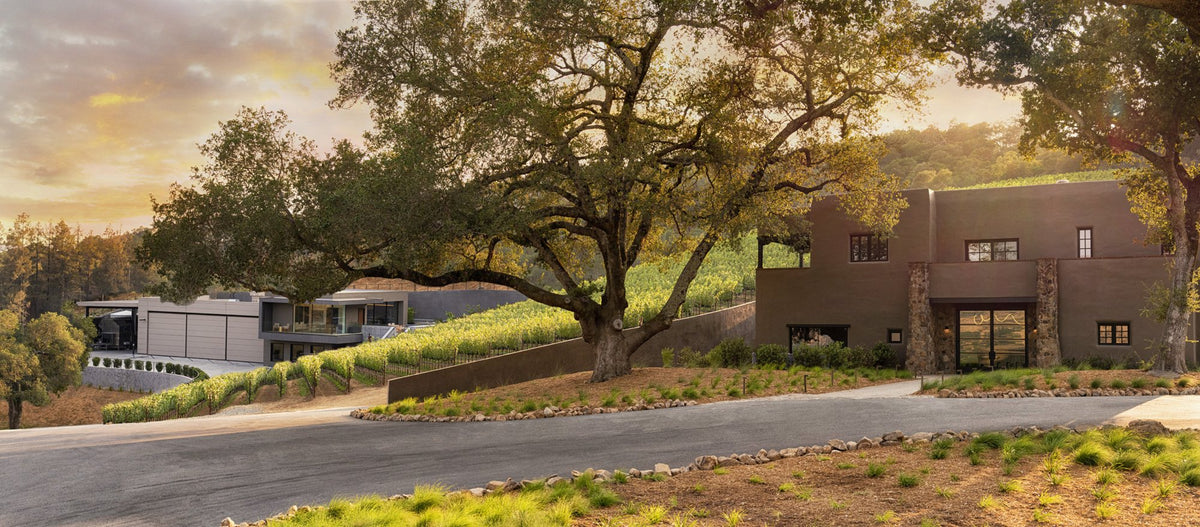
Founded in 1991, with Chardonnay from Richard Dinner's vineyard on Sonoma Mountain and Chardonnay, Pinot Noir and Cabernet from Larry Hyde's vineyard in Carneros among the first wines. Paul bought the Katherine Lindsay Estate in Sebastopol in 1998, planted it in 2000 and built his winery there in time for the 2003 vintage; 2026 is the winery's 35th year. Today nearly everything comes from estates Paul owns or vineyards he has farmed for decades: Katherine Lindsay, Goldrock, George Menini, Edward James, Ross Station and Cleary in western Sonoma, the Nathan Coombs Estate in Coombsville, and Andy Beckstoffer's To Kalon and Dr. Crane vineyards in Napa. At the very top sits HOBBS, Paul's own cult Cabernet, first made in 2015 and sold through its own allocation list.
CrossBarn, Sonoma County
Paul's second label, started in 2000 and made in Sebastopol: Sonoma Coast Pinot Noir and Chardonnay, Napa Valley Cabernet and more, with the same care at a gentler price. It's the easiest way into Paul's wines.
Viña Cobos, Mendoza, Argentina
Founded in 1998 with Andrea Marchiori and Luis Barraud in Luján de Cuyo. Its Malbecs run from Felino to Bramare to the single-estate wines, including the Hobbs Estate in Agrelo and the Chañares Estate, up to Cobos, its top wine. See every Viña Cobos wine we have.
Hillick & Hobbs, Finger Lakes, New York
The story comes full circle on Seneca Lake. In 2013 Paul bought a hillside site there to make dry Riesling in the region where his father once went looking for advice, and his younger brother David lives on the estate. The first release was the 2019 Estate Dry Riesling.

Crocus, Cahors, France
Malbec's birthplace. Paul began consulting in Cahors in 2009 and in 2011 started Crocus with Bertrand Gabriel Vigouroux, whose family has made wine there since 1887. Its Malbecs include L'Atelier, Le Calcifère and La Roche Mère.

Alvaredos-Hobbs, Ribeira Sacra, Spain
In Galicia's Ribeira Sacra, with Antonio López Fernández: about 11 acres in 13 parcels on steep terraces above the Sil River, planted to Godello and Mencía. The first wine was the 2018 Godello.

Yacoubian-Hobbs, Vayots Dzor, Armenia
The most unlikely of the seven, and the story Paul's lunch guests asked for. Here it is.
Two Seeds in a Silver Vial: How Paul Hobbs Came to Armenia
The Armenia story starts in Napa. Around 2000, when Warren Winiarski was preparing to step down at Stag's Leap Wine Cellars, he held a lunch for the winemakers who had helped build it. Paul protested that he had only been a consultant there, but Winiarski insisted. Paul says each winemaker pressed their hands into a mold for a display at the winery. Then Winiarski gave each of them a small silver vial holding two grape seeds from Armenia, the cradle of wine: Vitis vinifera sylvestris, the wild grapevine. Paul put his in a cabinet and forgot about it.
In early 2003, a man named Vigen Yacoubian ordered a 2001 Paul Hobbs Cuvée Agustina Pinot Noir at dinner and wrote to the winery to say how much he loved it. Paul answered him personally the next morning. Vigen and his brother Vahe, Armenian-Americans born in Beirut and living in Southern California, had read about what Paul had done in Argentina, and, as Paul tells it, they soon had a question: would he do something like it for Armenia?
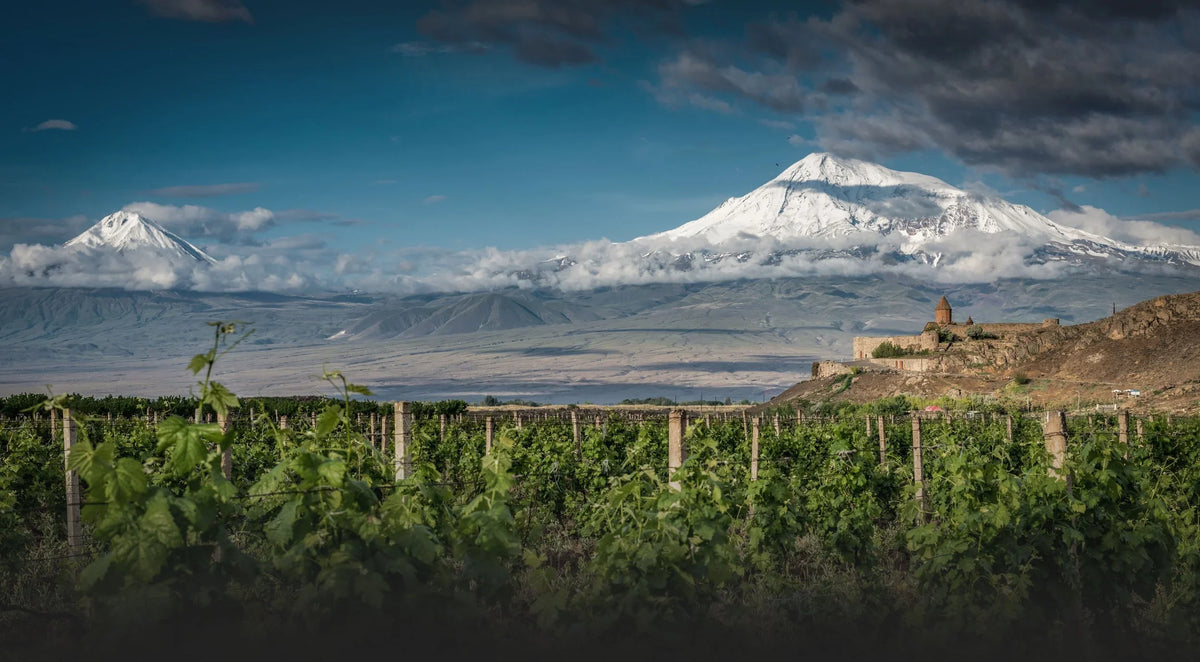
Paul first went in 2005 and toured the country with them. Nobody knew which grapes would work, so they made small test batches first, and in 2008 they founded Yacoubian-Hobbs. Their vineyard sits on a mountainside near the village of Aghavnadzor in Vayots Dzor, at 4,500 to 4,700 feet: 44 acres, planted on its own roots to ten grape varieties, Armenia's native Areni among them. A rickety power line crossed the land, Paul told us, and when the mayor asked whether there was anything he didn't like about it, he mentioned the line. Two months later it was gone.

Just over two miles away, and far below, is the Areni-1 cave by the Arpa River. In 2011, archaeologists announced that it held the oldest known winery in the world, about 6,100 years old, with a grape press and fermentation jars. Georgia, next door, has found even older traces of wine, Paul notes. "But we have the world's oldest known winery."


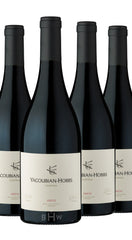
We carry the 2022 Yacoubian-Hobbs Sarpina Areni Noir, made from Armenia's native Areni grape. James Suckling gave it 95 points.
What We Tasted
Lunch was six Paul Hobbs wines in pairs, each pair with a course, after the sparkling wine. Our host told us all six are available to stores and restaurants this year, some in very small amounts, out of the 15 single-vineyard wines Paul Hobbs released this year.
2024 Paul Hobbs Cuvée Louisa Chardonnay, Goldrock Estate
Paul has three daughters, and each has a wine named for her: Cuvée Agustina, a Pinot Noir from the Katherine Lindsay Estate; Cuvée Sophia, a red from the Nathan Coombs Estate; and Cuvée Louisa, for his youngest. Louisa comes from Goldrock Estate, on a ridge about five miles from the Pacific on the West Sonoma Coast, at about 550 feet. Paul calls it one of his coldest sites: it's far north and close to the ocean, so the storms arrive earlier. We had it with crab cakes.

2024 Paul Hobbs George Menini Estate Chardonnay
This vineyard closes a circle. George Menini was one of the pioneer growers who made Sebastopol famous for its Gravenstein apples, more than 100 years ago. Generations later, his descendants were still growing apples on the land and went looking for someone to take it on. They had read that Paul grew up on an apple farm in New York, and he says they liked the idea of an apple farmer's son turning Menini's orchard into a vineyard. Paul bought it in the early 2010s and planted Chardonnay in 2015. It was heartbreaking to pull out the Gravensteins, he said, so he left a section of the orchard standing in Menini's honor.
Will he make cider from those apples? Not yet, Paul said, and if he ever does, it will probably be from New York apples. Lake Ontario keeps the orchards along its shore cold in winter but holds off the frost in fall. "Apples love cold," he said.

The Menini Chardonnay is a mix of old California selections, including Wente selections and the Mount Eden and "Montrachet" vines Paul talked about. Both Chardonnays are dry-farmed in Goldridge soil, the sandy, weathered sandstone of western Sonoma, which drains well and lets roots go deep: Paul's team has taken core samples showing roots more than 30 feet down.
2024 Paul Hobbs Katherine Lindsay Estate Pinot Noir
Katherine Lindsay is Paul's home vineyard, in the Russian River Valley in Sebastopol, with about 13 acres of vines around the winery. It's named for Paul's great-grandmother. She married Edward James, a doctor, "whose footsteps I was to follow," Paul said, "but, as you know, I got detoured." We had the Pinots with wild mushroom ravioli.

2024 Paul Hobbs Cleary Estate Pinot Noir
Cleary is just outside Freestone, about eight miles from the Pacific: about 23 acres on steep slopes facing southwest, planted in 1997 in Goldridge and Blucher soils. Paul called it one of his coldest Pinot sites. The vines are on Riparia Gloire rootstock, a shallow-rooted variety, in thin hillside soil, and they're dry-farmed, which Paul called "an insane combination." Pierce's disease has hit part of the vineyard, so the upper section is coming out to rest fallow for a year or two before it's replanted.
Our host told us the Cleary is usually sold only at the winery, in small amounts, and that it surprises a lot of people. It did at our table: darker than the Katherine Lindsay, from the colder site, and one of the standouts of the lunch.

2022 Paul Hobbs Nathan Coombs Estate Cabernet Franc
From the same Coombsville estate as the Wine of the Year, and another wine our host said is usually sold only at the winery. Decanter lists the 2022 as 89 percent Cabernet Franc, with Petit Verdot and a little Cabernet Sauvignon.
2022 Paul Hobbs Beckstoffer Dr. Crane Vineyard Cabernet Sauvignon
Dr. Crane is one of Andy Beckstoffer's six Heritage Vineyards, a group that includes To Kalon and Las Piedras. It sits on the west side of St. Helena, toward the Mayacamas Mountains. Dr. George Belden Crane first planted it in the 1850s; in the 1980s it was proposed as the site of a hotel. Beckstoffer bought it in 1997 and replanted it in 1998. Paul describes it as "sandwiched between an elementary school on one side and a gravel pit on the other," about 20 acres in three main blocks.
Because of their friendship, Paul says, Beckstoffer gave him "the pick of the litter": the first walk through the new vineyard to choose his rows. That matters, because no vineyard is uniform. Paul stays away from the gravel pit and the school, and from Block B, where water underground makes the vines too vigorous; his Dr. Crane comes mainly from blocks A and C. The 2022 is 100 percent Cabernet Sauvignon, aged 20 months in oak, most of it new.

Paul has made wine from Beckstoffer To Kalon, the other side of that friendship, for nearly 30 years. We carry his 2022 and the ten-year-old 2016, which Wine Advocate scored 99 points.
The Next Generation: Agustina and ALH
ALH stands for Agustina Lindsay Hobbs, Paul's eldest daughter, and she's the founder of the label. Paul's first Cuvée Agustina, a Chardonnay, was released in 1994, the year she was born.
Paul told us he set a rule for his children, one he learned from his own father: none of them could join the family company until they had spent at least eight years proving themselves somewhere else. Agustina studied viticulture and enology at Cornell, graduating in 2017, worked harvests at Crocus and Viña Cobos, and then worked in wine sales in Asia and New York. ALH launched in 2025 with a 2022 Coombsville Cabernet, eight years after she graduated. Someone at the table praised the label. "We had fun developing the label," he said. "I was fortunately allowed to be a participant in the process."
ALH comes from select blocks in the southern part of the Nathan Coombs Estate, the same estate as the Wine of the Year, made in a fresher style with less new oak. VinePair gave the 2023 95 points. It's the wine we'd buy right now while the winning Coombsville is on its way: the 2023 ALH Cabernet Sauvignon Coombsville, best priced by the case of 12.
Built on a Shoestring
Someone asked Paul whether he had ever thought about selling. "No," he said. "I never think about that." Most of his wineries started with very little money, and he likes it that way. "You have to be scrappy," he said. "You have to find a way to make money," and when you're hungry, "survival is the only way." Viña Cobos nearly went under in its early years, he has said, and he admitted there was a time in Argentina when he wondered whether he'd have to walk away. "But then when you invest so much," he said, "you decide, if I give up now, and then you turn around, I'm gonna regret it."
He's 73. The Wine of the Year was a few hours old, and he still had a dinner to host in San Jose that night. Does it feel like a long journey? It doesn't, Paul said, "but in truth, it is."
Why Paul Hobbs Wines Are Hard to Find
Paul makes some wines in real volume. CrossBarn and the Coombsville Cabernet are widely sold, and Wine Spectator counted 8,730 cases of the Wine of the Year. But most of the Paul Hobbs list is small single-vineyard wines, sold mostly by allocation to the winery's own list, and some never leave the winery at all: the sparkling wine, and wines like the Cleary Pinot Noir and the Nathan Coombs Estate Cabernet Franc. HOBBS has an allocation list of its own. What does reach stores and restaurants goes fast.
A Wine of the Year makes that harder. Buyers go looking for the winning wine first, and then for the winery's other wines. Expect the 2023 Coombsville, and anything else from the Nathan Coombs Estate, to be scarce this winter.
Can You Visit Paul Hobbs Winery?
Yes, by reservation. Tastings are held at the Lindsay House on the Katherine Lindsay Estate, 3355 Highway 116 North in Sebastopol, for guests 21 and over. When we checked on November 13, 2026, the winery listed:
- Signature Tasting: $95 per person, about 75 minutes, four wines with house-made dips, flatbreads and vegetables from the garden.
- Vineyard Designate Experience: $250 per person, a walk through the Katherine Lindsay Estate, then a seated tasting of six single-vineyard wines.
- Barrel Hunter: from $600 per person.
Requests are confirmed by the winery's staff, so book ahead at paulhobbswinery.com. The sparkling wine is poured only here. If you go, ask about the 1962 Yquem bottle in the library, and the Gravensteins still standing at the George Menini Estate.
How to Buy Paul Hobbs Wine
Paul Hobbs's best wines are made in small amounts, many go only to the winery's own customers, and now the Wine of the Year has put a spotlight on everything he makes. When we can get these wines, we buy them, and when a vintage sells out, it's gone.
A few buying notes from the lunch:
- Our pick right now: the 2023 ALH Cabernet Sauvignon Coombsville, the same estate and the same vintage as the Wine of the Year, in a fresher style. Our best price is by the case of 12.
- For the Paul Hobbs label from the same estate: the 2022 Paul Hobbs Coombsville Cabernet Sauvignon, the vintage before the winner. Expect it to go fast.
- To start: CrossBarn, Paul's second label: the Sonoma Coast Pinot Noir or the Sonoma Coast Chardonnay.
- For Sonoma Pinot Noir: the 2023 Paul Hobbs Russian River Valley Pinot Noir.
- For a big occasion: Beckstoffer To Kalon, the 2022 or the 2016, or the 2021 Nathan Coombs Estate Cabernet, the vintage that earned Coombsville's first 100 points.
- For Malbec: Viña Cobos, from the 2023 Bramare Malbec to the Hobbs Estate Malbec.
- For something no one at your table has tried: the 2022 Yacoubian-Hobbs Sarpina Areni Noir from Armenia.
Shop Paul Hobbs at Big Hammer
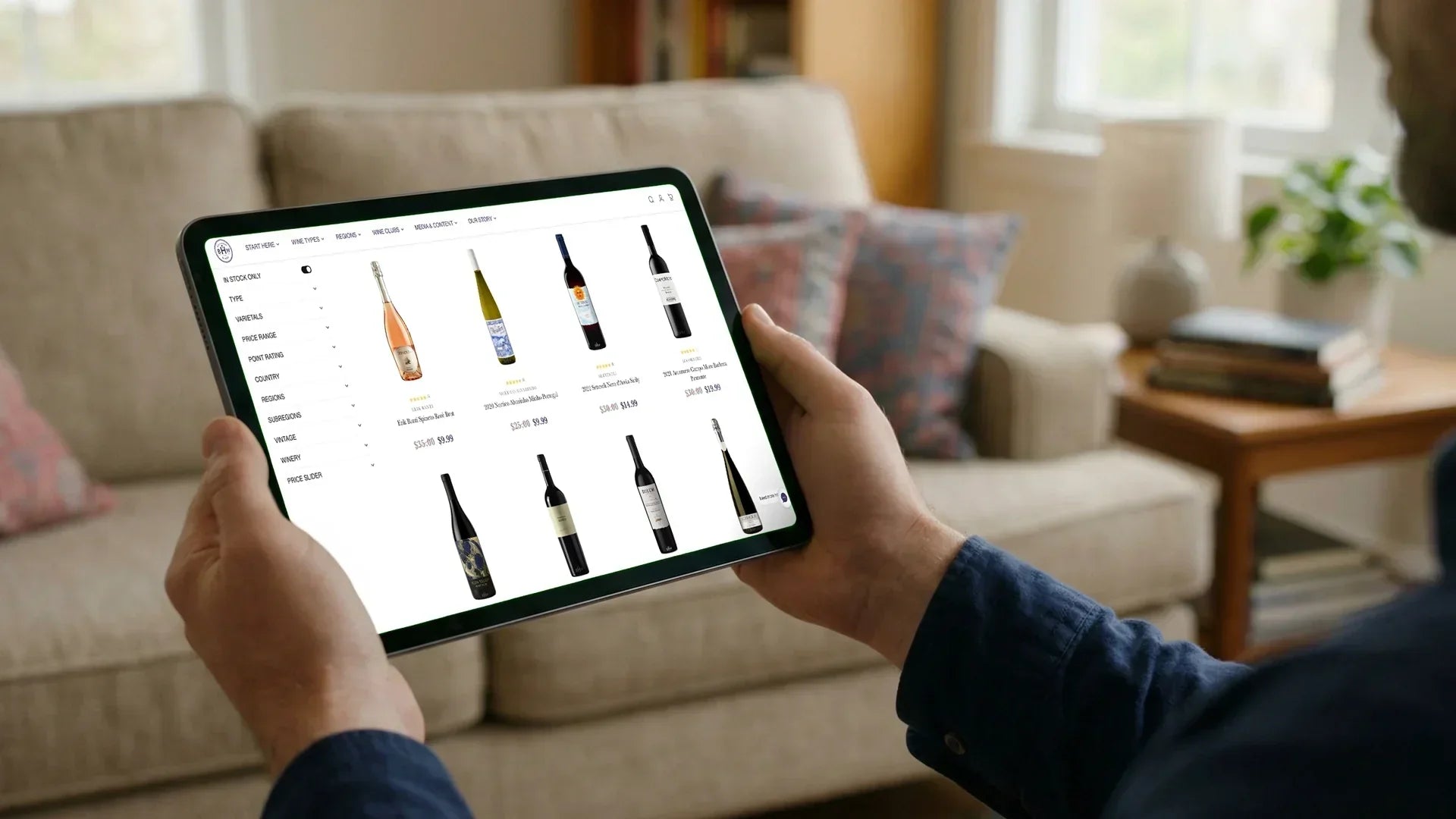
14 Paul Hobbs wines in stock now.
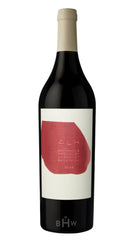
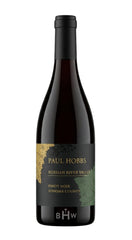
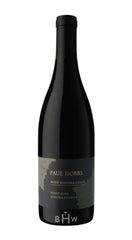
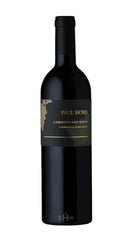
See all Paul Hobbs wines in our shop
Looking for another vintage or a bottle you don't see here? Contact us and we'll find it.
Quick Answers: Paul Hobbs
Who is Paul Hobbs?
Paul Hobbs is a winemaker who grew up on an apple farm in western New York, trained at UC Davis and Robert Mondavi Winery, and worked on the first Opus One. He founded Paul Hobbs Winery in Sonoma County in 1991 and now makes wine at seven wineries on four continents. His 2023 Coombsville Cabernet is Wine Spectator's 2026 Wine of the Year.
What is Wine Spectator's 2026 Wine of the Year?
The 2023 Paul Hobbs Cabernet Sauvignon Coombsville, from Napa Valley. It scored 95 points, sells for about $120, and Paul Hobbs made 8,730 cases. Wine Spectator named it No. 1 on its Top 100 list on November 13, 2026.
When is the 2023 Paul Hobbs Coombsville released?
It wasn't out yet when it was named Wine of the Year: in mid-November 2026 it was still a couple of months from release. While you wait, the 2023 ALH Cabernet Sauvignon comes from the same Nathan Coombs Estate and the same vintage.
Where is Paul Hobbs Winery?
On the Katherine Lindsay Estate at 3355 Highway 116 North in Sebastopol, in the Russian River Valley of Sonoma County, California. Its Cabernets come from Napa Valley: the Nathan Coombs Estate in Coombsville and Andy Beckstoffer's To Kalon and Dr. Crane vineyards.
How many wineries does Paul Hobbs own?
Seven, on four continents: Paul Hobbs Winery and CrossBarn in California, Hillick & Hobbs in New York's Finger Lakes, Viña Cobos in Mendoza, Argentina, Crocus in Cahors, France, Alvaredos-Hobbs in Ribeira Sacra, Spain, and Yacoubian-Hobbs in Armenia. The ALH and HOBBS labels are made within them.
What is the Nathan Coombs Estate?
Paul Hobbs's 60-plus-acre vineyard in Coombsville, the cool southeast corner of Napa Valley. He bought it in 2012 and named it for Nathan Coombs, the founder of the city of Napa. It is the source of the Wine of the Year, ALH, Cuvée Sophia and the Nathan Coombs Estate Cabernet.
What does ALH stand for?
Agustina Lindsay Hobbs, Paul Hobbs's eldest daughter and the founder of the label. ALH is a Coombsville Cabernet Sauvignon from select blocks of the Nathan Coombs Estate, first made in 2022 and launched in 2025.
What is CrossBarn?
CrossBarn is Paul Hobbs's second label, started in 2000 and made in Sebastopol: Sonoma Coast Pinot Noir and Chardonnay, Napa Valley Cabernet and more, at a gentler price than the single-vineyard wines.
How is Paul Hobbs wine made?
Grapes are picked by hand at night, fermented only with the native yeast that comes in on the grapes, and bottled unfined and unfiltered. Nothing is added to the juice. The Chardonnays ferment slowly through the winter in barrel and finish in spring.
Did Paul Hobbs make Opus One?
He was part of the first Opus One team in 1979, as a young winemaker at Robert Mondavi Winery, carrying out the decisions of Mouton Rothschild's winemaker, Lucien Sionneau.
What is Paul Hobbs's connection to Catena?
From 1989 through the 1997 vintage, Paul made Nicolás Catena's wines for export and helped launch Catena, and Malbec, in the U.S. In return, Nicolás Catena helped provide the seed money for Paul Hobbs Winery, founded in 1991. Nicolás's daughter Laura, a Stanford-trained doctor, joined the family winery in 1995 and carried the brand forward.
How did Paul Hobbs start making wine in Argentina?
In 1988 he was disinvited from a trip to Chile for bringing along Jorge Catena, so the two drove over the Andes to Mendoza, where Paul tasted his first Malbec and met Nicolás Catena. He consulted for Catena from 1989 and founded his own winery, Viña Cobos, in 1998.
Can you visit Paul Hobbs Winery?
Yes, by reservation, at the Lindsay House on the Katherine Lindsay Estate in Sebastopol. When we checked in November 2026, tastings started at $95 per person. Book through paulhobbswinery.com.
Where can I buy Paul Hobbs wine?
Paul Hobbs's single-vineyard wines are made in small amounts and sold mostly to the winery's own list, and some never leave the winery. Big Hammer Wines buys them when we can get them; the wines we have in stock are listed in this article. For a specific bottle or vintage, contact us.
Which Paul Hobbs wine should I try first?
CrossBarn Sonoma Coast Pinot Noir for an easy start, then the 2023 ALH or the 2022 Paul Hobbs Coombsville Cabernet to taste the estate behind the Wine of the Year.
Ready to taste the estate behind the Wine of the Year? Paul Hobbs's best wines rarely reach store shelves, and once a vintage sells out, it's gone. Start with the 2023 ALH, from the same estate and vintage as the winner, or the 2022 Paul Hobbs Coombsville Cabernet, or see every Paul Hobbs wine we have. And if you're hunting a specific bottle or back vintage, contact us for a quote. We source wine globally, with a 12-bottle minimum on special orders.








Shop every Paul Hobbs wine we have in stock
SHOP COLLECTIONShare:
Realm Cellars: Inside the Napa Winery Behind The Bard and Moonracer
Comments Section