

Dundee Hills, Oregon, November 2026. By Greg Martellotto, founder of Big Hammer Wines. Photos: Big Hammer Wines and Alexana, as credited.
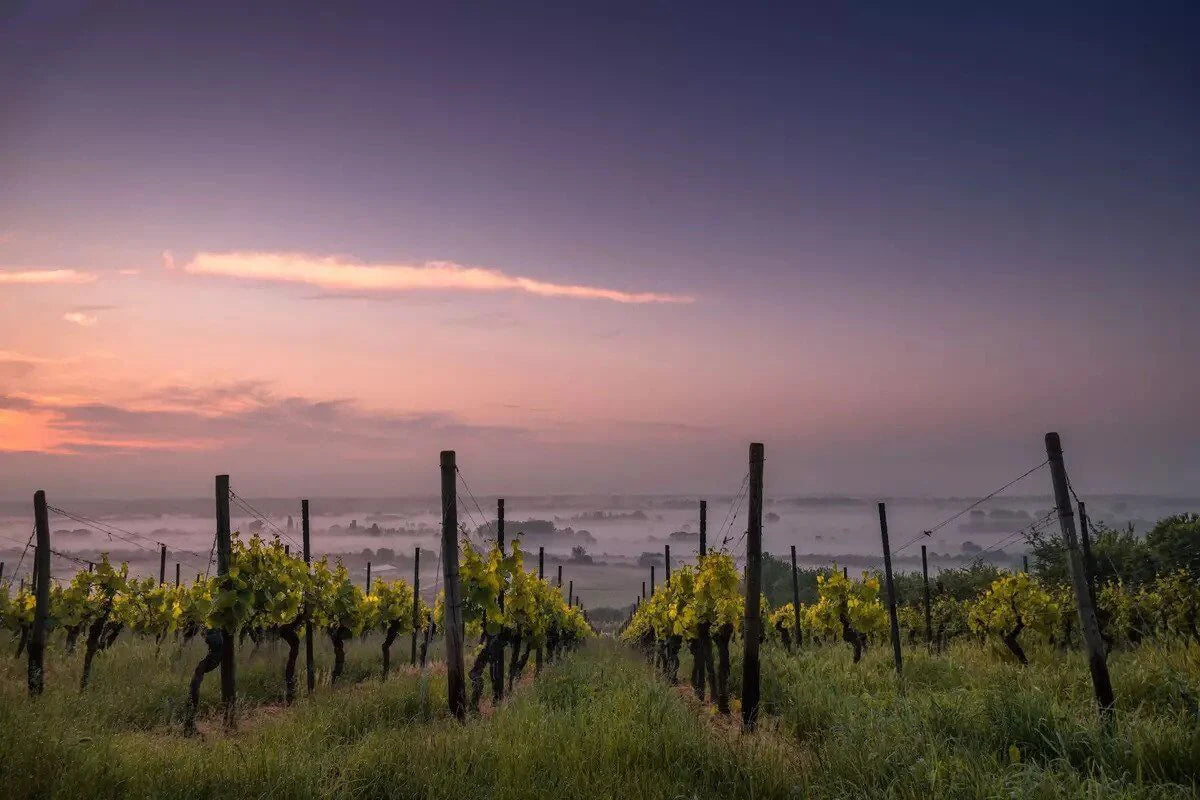
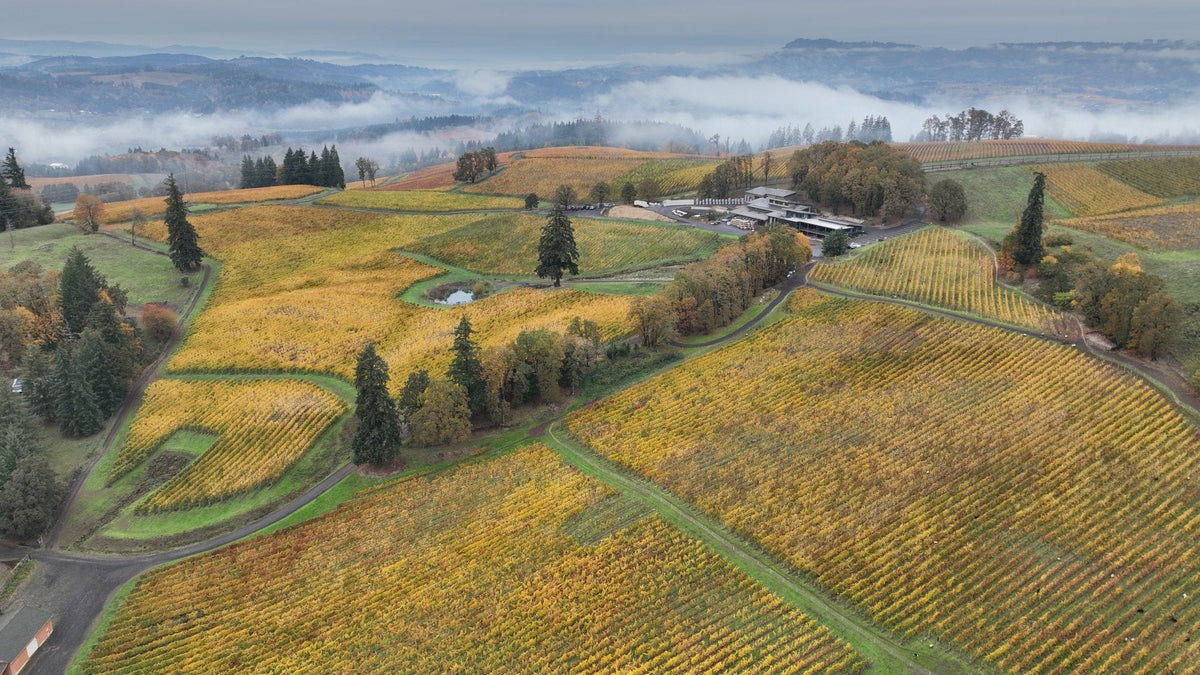
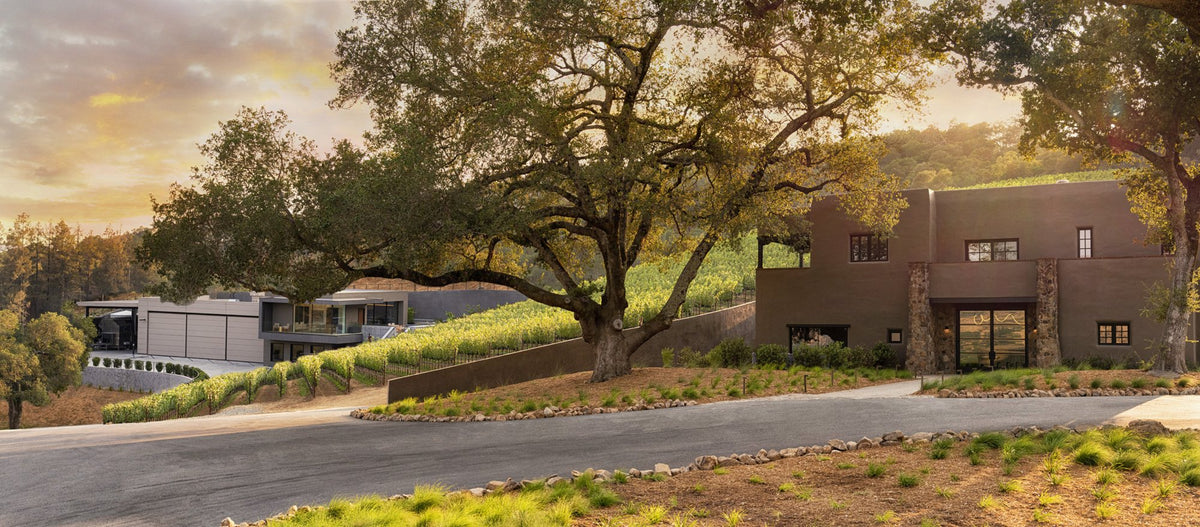
Walk downhill from the Alexana winery and the ground changes under your feet. Up top it's the red volcanic soil the Dundee Hills are famous for. A few hundred yards down, past a line of power poles, it turns almost white: ancient seabed, tens of millions of years old, with fossil seashells in it. Between them, Alexana's two estate vineyards hold 22 different soil types.
That dirt is why the vineyard exists. In 2005, Oregon winemaker Lynn Penner-Ash found Dr. Madaiah Revana a hillside she believed could be the most diverse vineyard in the state. Two decades later, Wine Spectator named Alexana's 2024 Mosaic Pinot Noir No. 31 on its Top 100 Wines of 2026. It's the third time an Alexana Pinot Noir has made that list.
I think Alexana has been one of the most underrated wineries in the Willamette Valley, and its Pinot Noirs are some of the most precise in Oregon. That's about to change. In November we spent a morning in the cellar with winemaker Tresider "Tres" Burns, tasting the 2026 vintage out of barrel and talking about what he's after. You can hear him, in his own voice, below.
Here's everything we learned: how a Houston cardiologist came to farm 22 soils in the Dundee Hills, how Tres turns hundreds of small fermentations into a handful of wines, how the Willamette Valley's hills differ, and which Alexana Pinot Noirs to buy now.
Alexana at a Glance
- Founder: Dr. Madaiah Revana, a Houston cardiologist, who named the winery for his daughter. He also founded Revana in Napa Valley and Corazón del Sol in Argentina.
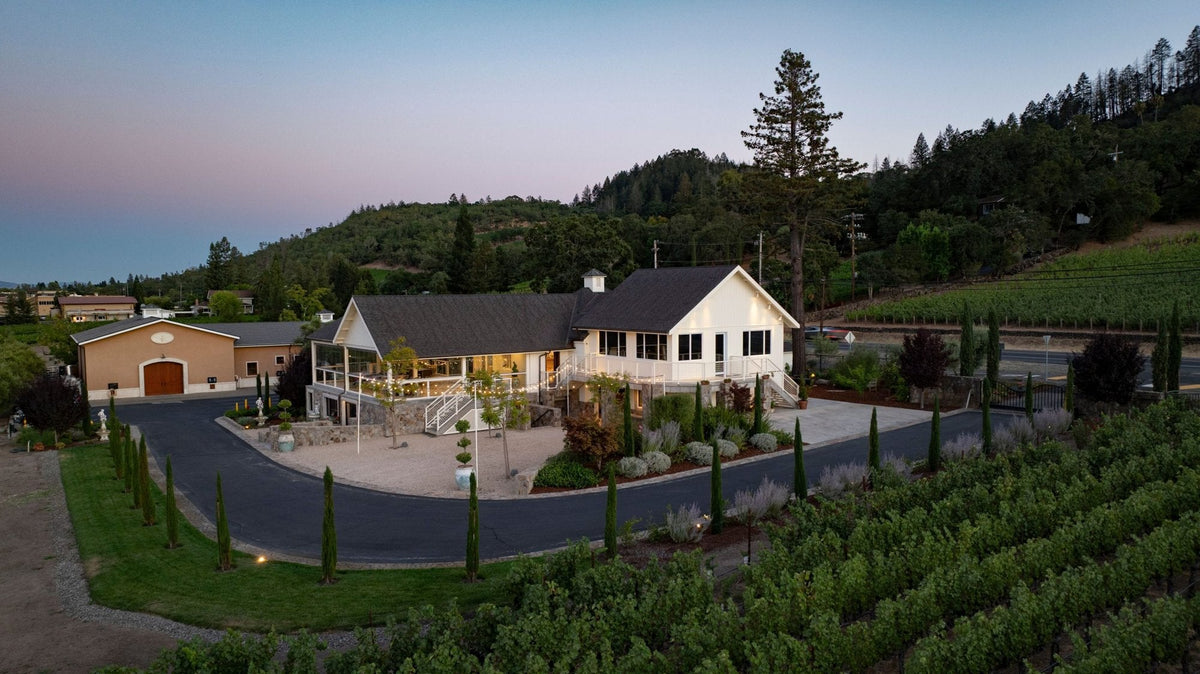
- Location: 12001 NE Worden Hill Road, Newberg, on the western slope of the Dundee Hills AVA in Oregon's Willamette Valley, about 45 minutes from downtown Portland.
- History: founded 2005, first vintage 2006, gravity-flow winery opened in 2012.
- Winemakers: Tresider "Tres" Burns, head winemaker since 2022, with associate winemaker Julia Cresto. Lynn Penner-Ash made the first seven vintages; Bryan Weil followed her.
- Vineyards: the Alexana Estate Vineyard (18 soil types) and Kinney Ranch next door: 22 soil types and about 50 blocks between them.
- Farming: organic and dry-farmed. Alexana says both vineyards are certified organic by Oregon Tilth.
- Signature wines: Mosaic Pinot Noir, the Estate Vineyard Pinot Noir, the soil series (Lava Lands, Landslide, Marine Ridge) and the Hillsides Pinot Gris.
- Wine Spectator Top 100: No. 17 in 2013 (2010 estate Pinot Noir), No. 14 in 2021 (2018 estate Pinot Noir), No. 31 in 2026 (2024 Mosaic).
- Sister wineries: Revana in St. Helena, Napa Valley, and Corazón del Sol in Argentina's Uco Valley.
- Visits: open daily; reservations recommended; tastings from $50.
Where We Tasted: The Cellar, Two Months After Harvest
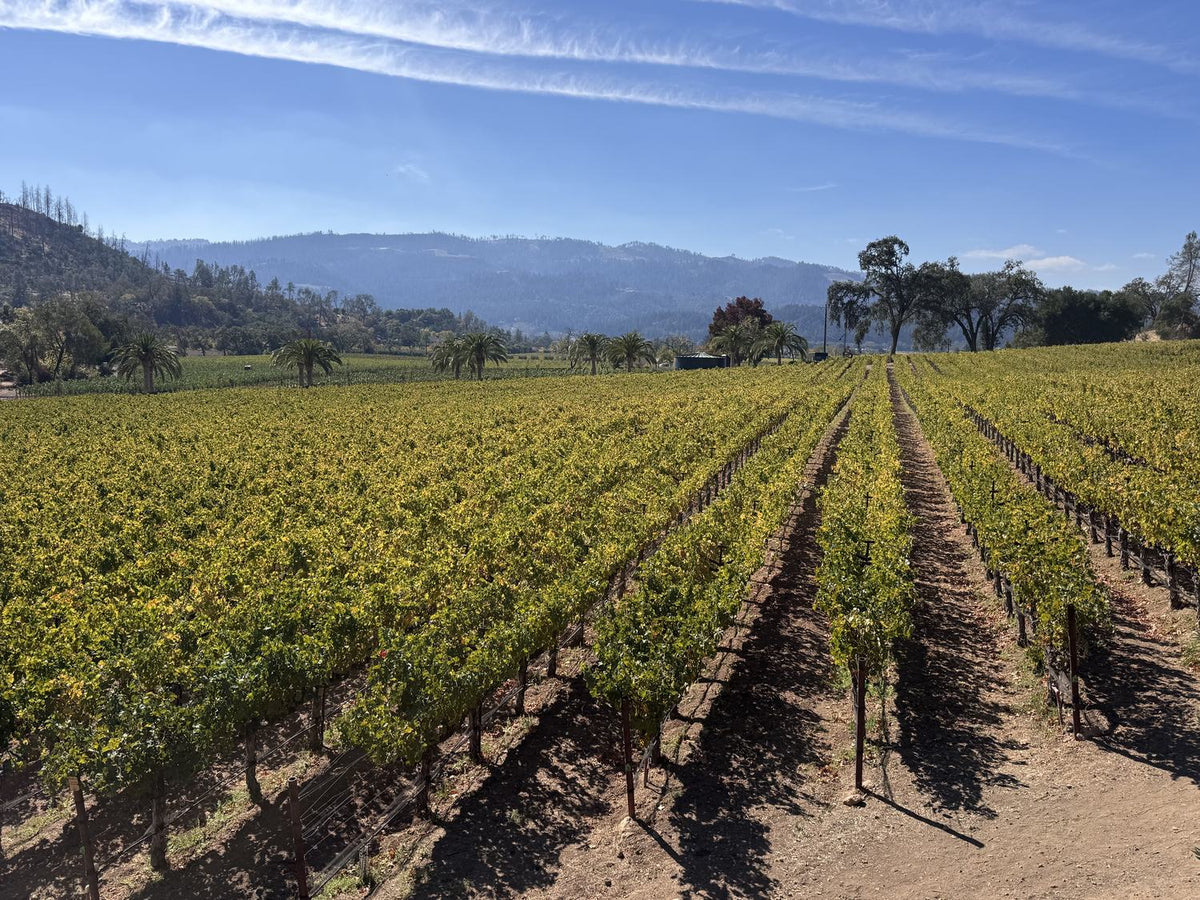
We arrived on a gray November morning with the vines gone gold. Harvest had just ended; the interns had gone home the week before. A few weeks earlier, our host told us, the fermentation floor had been covered wall to wall with small stainless steel tanks and barrels. Now it was empty and clean, and the new wine was down in the barrel rooms.

We started with a glass of the Hillsides Pinot Gris in hand and walked through the original winery, which the team calls "the OG." Alexana built it in 2012 as a gravity-flow winery, and has since added a bigger building by the entrance. Then we went downstairs, where Tres was waiting with a wine thief.


A Vineyard Picked for Its Dirt
Alexana is the Oregon chapter of Dr. Madaiah Revana's story. He grew up on a farm in a village in India, became a cardiologist in Houston, fell for great Bordeaux, and in 1997 bought bare land in St. Helena to build Revana, the Napa Cabernet estate. (We wrote about that visit in our Revana article.)
Oregon came next, by way of Burgundy. Doc loved it, and in 2005, at a wine conference in Houston, he met Lynn Penner-Ash, the winemaker behind Penner-Ash Wine Cellars. As our host told it, he asked her what excited her most in the Willamette Valley, what nobody had tapped yet. She found an 80-acre parcel on the western slope of the Dundee Hills and told him it could be the most diverse vineyard in Oregon, and that if she were starting Penner-Ash again, she'd do it there. Doc's answer: how about I buy the land and you make the wine for me? He named the winery Alexana, for his daughter, and Lynn made its first seven vintages, starting in 2006.

Like Revana in Napa and Corazón del Sol in Argentina, Alexana is something Doc built rather than bought. There was no winery on the land, just young vines: the previous owner had planted 13 acres in 2003. Doc's team planted dozens of acres more, and in 2012 opened the winery. In 2019 he bought Kinney Ranch, 64 acres next door that were once a horse farm, and planted it in 2019 and 2021. It sits between Alexana's estate vineyard, Domaine Serene's Two Barns Vineyard and the Thomas Vineyard.

Volcanic Up Top, Ancient Seabed Below
When the vineyards were laid out, the team dug soil pits and took cores all over both properties. They found 18 soil types on the estate vineyard and four more at Kinney Ranch. The Dundee Hills are known for one thing, volcanic soil. Alexana sits on the western slope, right where the volcanic soils give way to marine sediment laid down when this part of Oregon was the floor of the Pacific.
"That's ancient seabed," Tres said, pointing down the slope. "The soils are almost white down there, and they have old seashell fossils in there." The difference shows up in the grapes before it shows up in the wine:
- Marine sediment (the lower slope): basically sandstone. Water drains out fast during the growing season, so the berries don't swell much. Tres sees smaller clusters and smaller berries with thicker skins, more skin to juice, and more intensity in the wine.
- Volcanic clay (up top): the clay holds on to water, so the berries keep growing longer. Plumper, juicier berries mean less skin to juice and a lighter wine.
His working method is simple, he says: look at the cluster, and react to what you see. Hear him explain it:
Alexana bottles the two sides of the hill separately, too. Its soil series has three Pinot Noirs: Lava Lands, from the oldest vines on volcanic soil; Marine Ridge, from the marine sediment of the West Blocks; and Landslide, from the center blocks, where a series of ancient landslides reshaped the hill. Tasted side by side, they're the clearest lesson in Oregon soil you can buy.

One Vineyard, Many Pinot Noirs
Add 13 clones of Pinot Noir to 22 soils and you get about 50 vineyard blocks across the two properties, according to the winery. Alexana treats each one as its own wine. "We really want to focus on block by block," our host said. "Microferments, really to get the most complex and diverse expression of the Pinot Noir here."
For a winery its size, Alexana's tanks are small. Most lots ferment in two- and three-ton stainless steel tanks, with concrete and wood tanks alongside. During harvest the staff triples, because that many small fermentations take a lot of hands. "Every year is a chance for us to learn," Tres said: which soils respond best to whole-cluster fermentation, which do best in concrete, which in the wood tanks, where extended maceration works.

One of his habits says a lot about the place. The Pommard block, a big block on the ridge of marine soil, gets split up at harvest: Tres gives each member of his team two tons of fruit and their own tank to make wine their own way. Everybody learns from the decisions everybody else made.
Mosaic, Alexana's best-known wine, is named for all of this. "It's sort of that tapestry," Tres said, "of so many different clones and soils and winemaking techniques coming together."

Meet Tres Burns

Tres had just finished his fifth vintage at Alexana, where he became head winemaker in May 2022, taking over from Bryan Weil. He came to wine the long way. He grew up on the southern Oregon coast, went to the University of Virginia, and spent about a decade in technology in New York and San Francisco before studying fermentation science at Oregon State.
His first harvest job was at Lemelson Vineyards, where he stayed four years and learned organic farming. In 2015 he became associate winemaker to Robert Brittan, making wine for five labels from almost thirty vineyards at a shared winery in McMinnville. In 2019 he took over the winemaking at White Rose Estate, a small Dundee Hills winery devoted to whole-cluster Pinot Noir. At Alexana he works with associate winemaker Julia Cresto and cellar master Andrew Rolph. For three of his years here, his fellow winemaker was Rose Ballantine, who is now Revana's winemaker in Napa. "It's all connected," he said.
About the name. Tres is short for Tresider, and he's named, by way of his father's alma mater, after a building: Stanford's Tresidder Memorial Union, which honors Donald Tresidder, the university's president from 1943 until his death in 1948. When Tres finally went to see it, he admits, it wasn't one of the campus's prettier buildings. He has never met another Tresider.
What Tres Is Chasing: Elegance in a Warm Spot
The estate vineyard faces west and bakes on hot summer afternoons. "We can make some pretty stout wines here," Tres said. His question every year is how to find elegance in a site that wants to give power.
Part of the answer is picking time. He described Pinot Noir's ripening as a ladder of fruit:
- Cranberry: where ripeness starts. Before it, the wine is green and unpleasant.
- Raspberry, then cherry, then black cherry: the zone he works in.
- Fig and prune: too far. "For Pinot, that just is a sign that you've gone too far," he said. Those wines tend to be heavy and high in alcohol, and they don't age well.
The other part is the cellar. Concrete fermenters run cooler and extract less, so Tres uses them, with earlier picks, to pull back from the dark-fruit end. Here he is, in the cellar:

Dundee Hills, Eola-Amity Hills, Yamhill-Carlton: A Winemaker's Map
Alexana also makes single-vineyard wines from top sites outside the Dundee Hills, so Tres works with Pinot Noir from several corners of the Willamette Valley. If you're trying to understand Oregon Pinot Noir, his short version is a good place to start:
- Dundee Hills: volcanic soil, and some of Oregon's oldest Pinot Noir vineyards. "I think we make kind of softer, prettier Pinot Noirs," he said of his home hills.
- Eola-Amity Hills: Alexana makes single-vineyard Pinot Noirs from Temperance Hill and Zena Crown there. Temperance Hill, planted in 1981 and farmed for years by Dai Crisp, climbs to nearly 900 feet and catches the ocean wind that pours through the Van Duzer Corridor, the one gap in the Coast Range between the valley and the Pacific. Tres finds "an electricity and intensity" there. The wind cools the vines fast, so the wines keep their acidity and freshness.
- Yamhill-Carlton: all marine sediment, a bit warmer, and sheltered from those winds. The vines struggle for water in the heat, and you get "darker fruit, chewier wine," he said. "It's just a very different style than we can make here or in the Eola-Amity Hills."
For more on the region, see our Willamette Valley and Portland travel guide and Oregon Pinot Noir at the 45th parallel.

Whole Clusters, Native Yeast, Not Much Else
Alexana ferments some Pinot Noir with whole clusters, stems and all, anywhere from 10 percent to 100 percent. When Tres arrived, the winery was destemming everything. Now there's much more whole cluster, at Alexana and across the valley, for two reasons, he says: winemakers are more comfortable with the method, and warmer vintages ripen the stems. Green stems give a wine a bell-pepper note. Stems that have turned brown and woody add structure, and years later they turn into "really nice aromas like tobacco and white pepper." Whole clusters work especially well on Alexana's younger vines, which bring soft, ripe fruit and need the support.

Fermentations start on their own, with the yeast that comes in on the grapes. For the last four years, Tres says, the winery hasn't added the bacteria for malolactic fermentation either; it happens naturally. The vineyards are farmed organically, but the wines aren't labeled organic, because Tres uses sulfur. He's made organic and biodynamic wines before. Here, a small amount of sulfur keeps the wines fresh and protects them as they age, and he'd rather not give that up.
Alexana is a gravity-flow winery. Pipes connect the floors, so wine moves gently from one level down to the next, and Tres protects it with inert gas when it moves before bottling. The result is wine that can be tightly wound when young. "In the first two years," he said, a decanter "or just a little extra swirl" helps. "But my hope is that that means these wines last for years and years."
New Oak: "The Most Aggravating" Decision

Across the cellar, about 25 percent of the barrels are new French oak each year. Reserve wines go to 30 to 35 percent, and some wines get as little as 7 to 10 percent. A new barrel costs the winery around $1,500, and Tres calls choosing them the most aggravating part of the job. "Of all the hundreds of decisions that come together to make a wine over two years, the new barrel you select has such an outsized impact."
The racks hold barrels from a long list of French forests: Allier, Bertranges, Jura, Châtillon, Vosges, Tronçais. As Tres explained it, the trees are often 200 years old, the French government decides how many are cut each year, coopers bid on the logs at auction, and the staves sit outside for two or three years before they become barrels. Every barrel is handmade, so even ten "identical" barrels, he says, would give you ten slightly different wines.

Timing makes it harder for an Oregon winemaker. Tres orders barrels in March, so they can be built in France and shipped through the Panama Canal in time for harvest, months before he knows whether the vintage will be warm or cool. So he buys across the range and hopes.
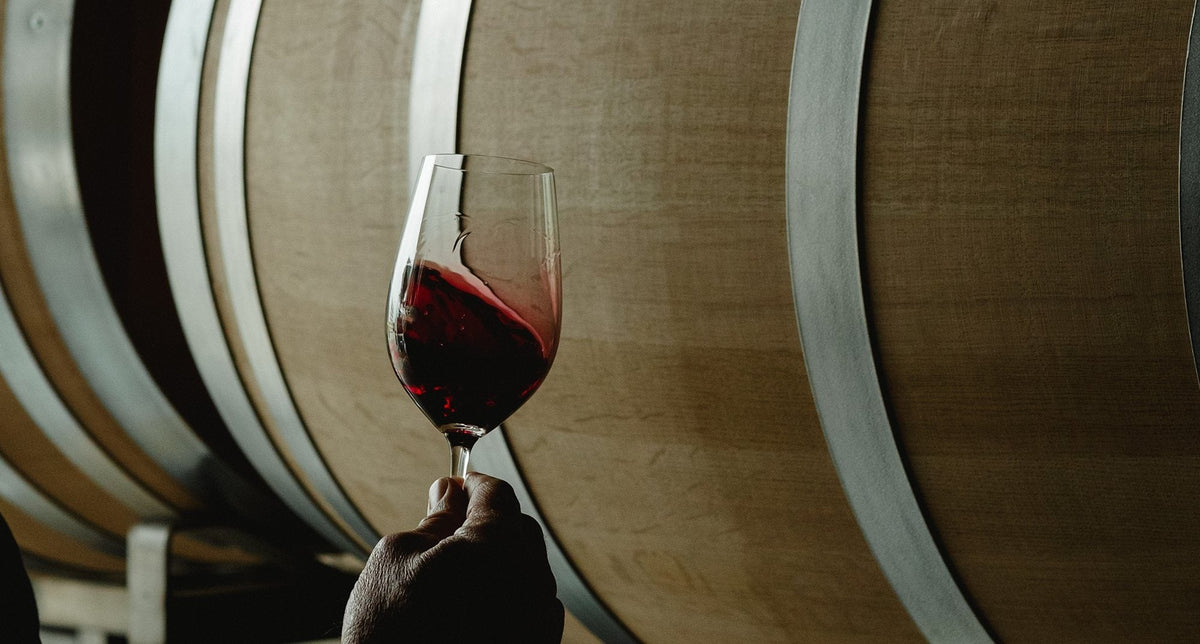
He showed us what a new barrel does. He poured the same young Pinot Noir twice, first from a neutral barrel and then from a brand-new Allier barrel. The second was tighter, and the oak's tannin dried out our mouths. "It needs that year to really smooth out," he said. Some barrels lift a wine into a better bottling; some don't.
Blending 400 Barrels: Every Drop Matters
Alexana has about 400 barrels of Pinot Noir. In May, once the wines have grown up enough to show where they're going, Tres and his team taste every barrel, rank it and write notes, then start putting barrels together. It takes a long time, and it's his least favorite part of the year. "It's a lot less cool than it sounds," he said.
One of our group asked whether technology could do it. Tres, who spent a decade in tech, says a glass of wine holds a matrix of about 400 aroma compounds, and they don't combine in predictable ways:
"If the first barrel was all cherry, and then you grab another barrel and it's all chocolate because it's a new barrel, if you put those together, you're not necessarily guaranteed chocolate-covered cherry. Once the matrix resets, they can become something completely different, and you don't know until you try."
That, he joked, is what protects his job from AI, at least for a while. Hear it from him:
Small amounts matter. At Lemelson, Tres says, they once ran a trial with a 300-barrel blend and the same blend with one more, unusual barrel added: a 0.3 percent difference. Tasted blind, everybody chose the 300-barrel blend. "That always told me every drop matters," he said.
Every Alexana barrel gets the same farming and the same care; the blending decides which wine it becomes. Tres also tastes Mosaic blind against about 30 wines that sit next to it on the shelf at its price. "We felt pretty good about where we sat," he said. Wine Spectator, it turns out, agrees.
Tasting the 2026 Vintage From Barrel
Tres says Oregon is on a three-year winning streak: 2024, 2025 and 2026 have all been fantastic, each in its own way. The 2026 season started early, with budbreak a few weeks ahead of normal in March, and the team expected to pick in August. Then a cool July and August slowed things down, and September rain gave the grapes about ten more days on the vine without pushing sugar up. Almost the whole harvest, about 97 percent, came in between September 11 and 24.

Two-month-old wine still fermenting in barrel is a preview, not a finished wine, so we'll keep this short. A few highlights:
- A Temperance Hill Chardonnay: pressed with all its solids and fermented warm in barrel, so it was "nice and stinky," with a flinty, reductive edge and, as Tres put it, "great texture, great bones."
- Pommard block, the first pick of 2026: picked September 12 from the marine soil, native yeast, fermented in concrete with 30 percent whole clusters. Cherry and flower petals, graham cracker on the nose, and bright cranberry in the mouth.
- A volcanic block picked a week later: so dark in the glass, Tres said, "it almost looks like Syrah." A week of extra ripening made that much difference.
- Temperance Hill Pinot Noir: blocks 13 and 18, clones 115 and 667, fermented in concrete. The nose was a little closed, but the fruit opened up on the palate with that Eola-Amity electricity.
There are experiments in the cellar, too. Tres showed us a few barrels of Sauvignon Blanc, now including fruit from Kinney Ranch, and told us 2026 brought the first harvest of Cabernet Franc, grafted onto one of the warmest Pinot Noir blocks.
The Alexana Wines to Know

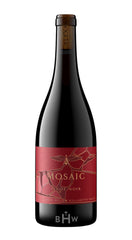
2024 Alexana Mosaic Pinot Noir, Dundee Hills
No. 31 on Wine Spectator's Top 100 Wines of 2026, with 93 points from Tim Fish, whose note opens: "Sleek and elegantly structured, with vibrant cherry and cranberry flavors." That's Tres's cranberry zone, in a critic's words. Mosaic is both estate vineyards in one bottle: about 50 blocks of Pinot Noir, fermented separately in more than 100 small lots, whole cluster and whole berry, then aged in French oak (23 percent new) with a little in concrete. If you want to know what Alexana does, start here. The winery's suggested price is $49. We carry the 2024 Alexana Mosaic.

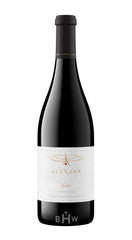
2023 Alexana Estate Vineyard Pinot Noir, Dundee Hills
The estate vineyard alone: at least one barrel from each of its Pinot Noir blocks, 18 soils and 13 clones, from organic, dry-farmed vines about 20 years old. Each block ferments separately before aging in French oak, 35 percent new. At the 2026 Decanter World Wine Awards it won a Platinum medal with 97 points; the judges' note opens: "Delicate red flower, rosehip and raspberry fragrance." Owen Bargreen gave it 94. This is the estate wine that made Wine Spectator's Top 100 twice under its earlier name, Revana Vineyard: the 2010 at No. 17 in 2013 and the 2018 at No. 14 in 2021. We carry the 2023 Alexana Estate Vineyard Pinot Noir.

The soil, clone and single-vineyard wines
These are the wines to look for once you know Mosaic and the Estate, made in small amounts. Owen Bargreen scored the 2023s:
- Soil series: Lava Lands (volcanic, 94), Landslide (95) and Marine Ridge (marine sediment, 95).
- Clone and block wines: Pommard Clone (95), Heritage Clones (95) and Best Block (95), plus Madaiah, named for Doc.
- Single vineyards: Kinney Ranch, and from outside the Dundee Hills, Temperance Hill, Zena Crown and Fennwood.
The white wines
The Hillsides Pinot Gris, the wine in our hands on the walk through the winery, comes from old hillside Pinot Gris blocks, including own-rooted vines planted in 1980, made with an eye to the grand cru wines of Alsace. Owen Bargreen gave the 2023 93 points. Alexana also makes Signature and Gran Moraine Vineyard Chardonnays, and its trade list this fall adds the 2023 RX, which the winery calls its first 100 percent organic, estate-grown Chardonnay.
The Revana Family: Napa, Oregon, Argentina
Alexana is one of three estates Dr. Revana built. Revana, in St. Helena, makes Napa Cabernet; Corazón del Sol, in Los Chacayes in Argentina's Uco Valley, makes Malbec, Cabernet Franc and Rhône-style blends. All three are farmed organically, under a philosophy the family puts in five words: work with nature, not against it. The winemakers move between them, too, as Rose Ballantine's path from Alexana to Revana shows. At Alexana, you can even taste Revana's Napa Cabernet and Corazón del Sol's Argentine wines.

Why Alexana Is Hard to Find
Alexana is a small estate. The soil, clone and single-vineyard wines are made a few barrels at a time, so there's never much to go around. The estate Pinot Noir that made the Top 100 in 2013 and 2021 was made in fewer than 2,000 cases each time, according to Wine Spectator. Mosaic reaches more people, but a Top 100 listing changes that fast. When a Pinot Noir under $50 lands on that list, collectors who had never heard of it start looking, and bottles disappear from shelves. Finding it is the hard part, which is why we buy it when we can.

Can You Visit Alexana?
Yes. Alexana is at 12001 NE Worden Hill Road in Newberg, in the Dundee Hills, about 45 minutes from downtown Portland. When we checked on November 17, 2026, it was open daily from 10 a.m. to 5 p.m., with seated tastings from 10 a.m. to 3:30 p.m., and the winery highly recommends reservations. The options included:
- Soils & Clones Tasting: $50 per guest, waived with a $150 bottle purchase per person.
- Anthology Tasting: five wines, $50.
- Vineyard Walk ($75) and Vineyard Rover Tour ($150): seasonal, Friday to Monday at 10 a.m.
- Hemispheres Collide: wines from the Revana family's estates, including Argentina, with cheese and charcuterie, $125.
- Legends of Napa Valley: Revana Cabernet, $200.
- Origins: a four-course wine lunch, $175, Friday to Sunday at noon; call to book.

There's no lodging at the winery; Alexana suggests partner hotels including The Allison in McMinnville, The Dundee in Dundee and Inn the Ground in Carlton. Book at alexanawinery.com. If you go, sit on the terrace, and ask about the soils.

How to Buy Alexana
Alexana's Pinot Noirs come from a small estate that just landed on Wine Spectator's Top 100, so the Mosaic and the Estate won't be easy to find this year. We've secured both. Buying notes from the visit:
- To start: the 2024 Mosaic. It's the whole estate in one bottle, and it's the wine Wine Spectator ranked.
- To go deeper: the 2023 Estate Vineyard Pinot Noir, 97 points and Platinum at Decanter, with one barrel or more from every block.
- When to open: Tres builds his wines to age. In their first two years, decant them or give them time in the glass.
- If you love Oregon Pinot Noir: taste Alexana next to a Pinot from the Eola-Amity Hills or Yamhill-Carlton, and you'll taste what Tres described.
Shop Alexana at Big Hammer
2 Alexana wines in stock now.
See all Alexana wines in our shop
Looking for another vintage or a bottle you don't see here? Contact us and we'll find it.
Quick Answers: Alexana Winery
What is Alexana?
Alexana is a Pinot Noir and Chardonnay estate in the Dundee Hills of Oregon's Willamette Valley, founded in 2005 by Dr. Madaiah Revana and named for his daughter. It's known for its Mosaic and Estate Vineyard Pinot Noirs and for one of the most geologically diverse vineyards in Oregon, with 22 soil types across its two estate vineyards.
Who owns Alexana?
Dr. Madaiah Revana, a Houston cardiologist, who founded it. He also founded Revana in Napa Valley and Corazón del Sol in Argentina's Uco Valley.
Who is Alexana's winemaker?
Tresider "Tres" Burns has been head winemaker since 2022, with associate winemaker Julia Cresto. Lynn Penner-Ash made Alexana's first seven vintages, starting in 2006, and Bryan Weil followed her.
Where is Alexana winery?
At 12001 NE Worden Hill Road, Newberg, Oregon, on the western slope of the Dundee Hills AVA in the Willamette Valley, about 45 minutes from downtown Portland.
Can you visit Alexana?
Yes. When we checked in November 2026, the winery was open daily from 10 a.m. to 5 p.m., with seated tastings from $50, vineyard walks and tours, and a four-course wine lunch on weekends. Reservations are highly recommended, at alexanawinery.com.
What is Alexana Mosaic Pinot Noir?
Mosaic is Alexana's estate Pinot Noir blend, drawn from about 50 blocks across its two organic, dry-farmed vineyards and fermented in more than 100 small lots. The 2024 Mosaic is No. 31 on Wine Spectator's Top 100 Wines of 2026, with 93 points.
What's the difference between Alexana Mosaic and the Estate Vineyard Pinot Noir?
Mosaic blends both estate vineyards, the Alexana Estate Vineyard and Kinney Ranch, with 22 soils between them. The Estate Vineyard Pinot Noir comes only from the original estate vineyard, with at least one barrel from each of its Pinot Noir blocks, and gets more new oak (35 percent for the 2023, versus 23 percent for the 2024 Mosaic).
Has Alexana been on the Wine Spectator Top 100?
Three times. The estate Pinot Noir, then labeled Revana Vineyard, was No. 17 in 2013 (the 2010 vintage) and No. 14 in 2021 (the 2018). The 2024 Mosaic is No. 31 on the Top 100 of 2026.
Is Alexana organic?
Alexana farms its vineyards organically and without irrigation, and says both are certified organic by Oregon Tilth. The wines aren't labeled organic because the winemaker uses a small amount of sulfur to protect them.
Why is the Alexana vineyard special?
It sits where the Dundee Hills' volcanic soils meet ancient marine sediment. The winery counts 18 soil types on the estate vineyard and 22 across both estate vineyards, planted to 13 clones of Pinot Noir. Its soil series (Lava Lands, Landslide and Marine Ridge) bottles the differences separately.
How much does Alexana wine cost?
The winery's suggested prices for current releases are $49 for the 2024 Mosaic Pinot Noir and $35 for the Hillsides Pinot Gris. Check each wine's page in our shop for our current price.
When should I drink Alexana Pinot Noir?
Tres Burns makes his wines to age. In their first two years they can be tightly wound, so decant them or give them a few swirls; after that, they should keep improving for years.
Where can I buy Alexana wine?
Alexana's soil and single-vineyard wines are made in small lots, and since the Mosaic made Wine Spectator's Top 100, it's harder to find in stores too. Big Hammer Wines carries Alexana when we can get it; the wines we have in stock are listed in this article. For a specific bottle or vintage, contact us.
Is Alexana related to Revana?
Yes. Both were founded by Dr. Madaiah Revana, along with Corazón del Sol in Argentina. Revana's winemaker, Rose Ballantine, made wine at Alexana before moving to Napa. Read our visit to Revana.
Ready to taste the Dundee Hills' 22 soils? Alexana rarely stays on shelves, and the Top 100 just made it harder. Start with the 2024 Mosaic, then go to the 2023 Estate Vineyard Pinot Noir. If you're hunting a specific bottle or back vintage, contact us for a quote. We source wine globally, with a 12-bottle minimum on special orders.



















Shop every Alexana wine we have in stock
SHOP COLLECTIONShare:
Paul Hobbs: Lunch With the Winemaker Behind the 2026 Wine of the Year
Comments Section