

In 1716, Cosimo III de' Medici signed an edict drawing boundaries around four Tuscan wine zones, Chianti among them, and declared that only wine from inside those lines could carry the name. It was one of the first appellation laws in history, two centuries before France formalized its own.
That instinct to define, protect, and argue about place is the through-line of Tuscan wine, and it explains both the region's greatest tradition and its most famous rebellion.
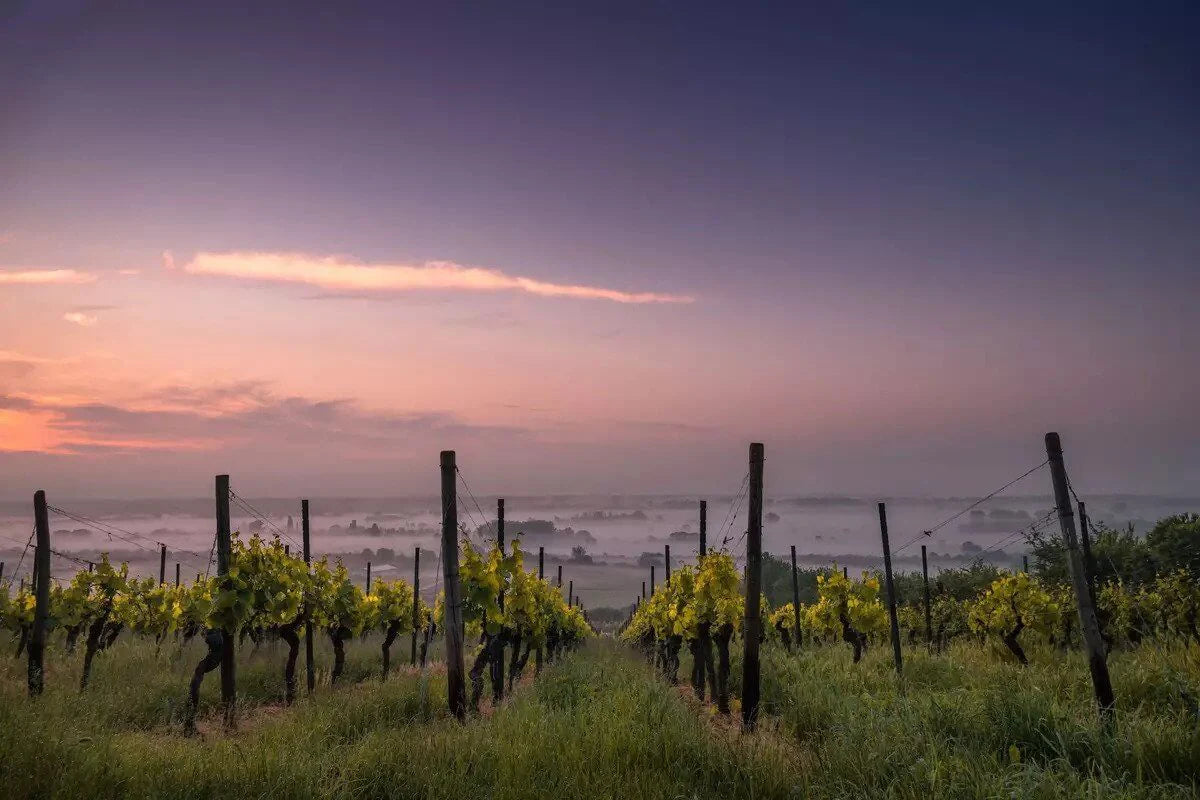
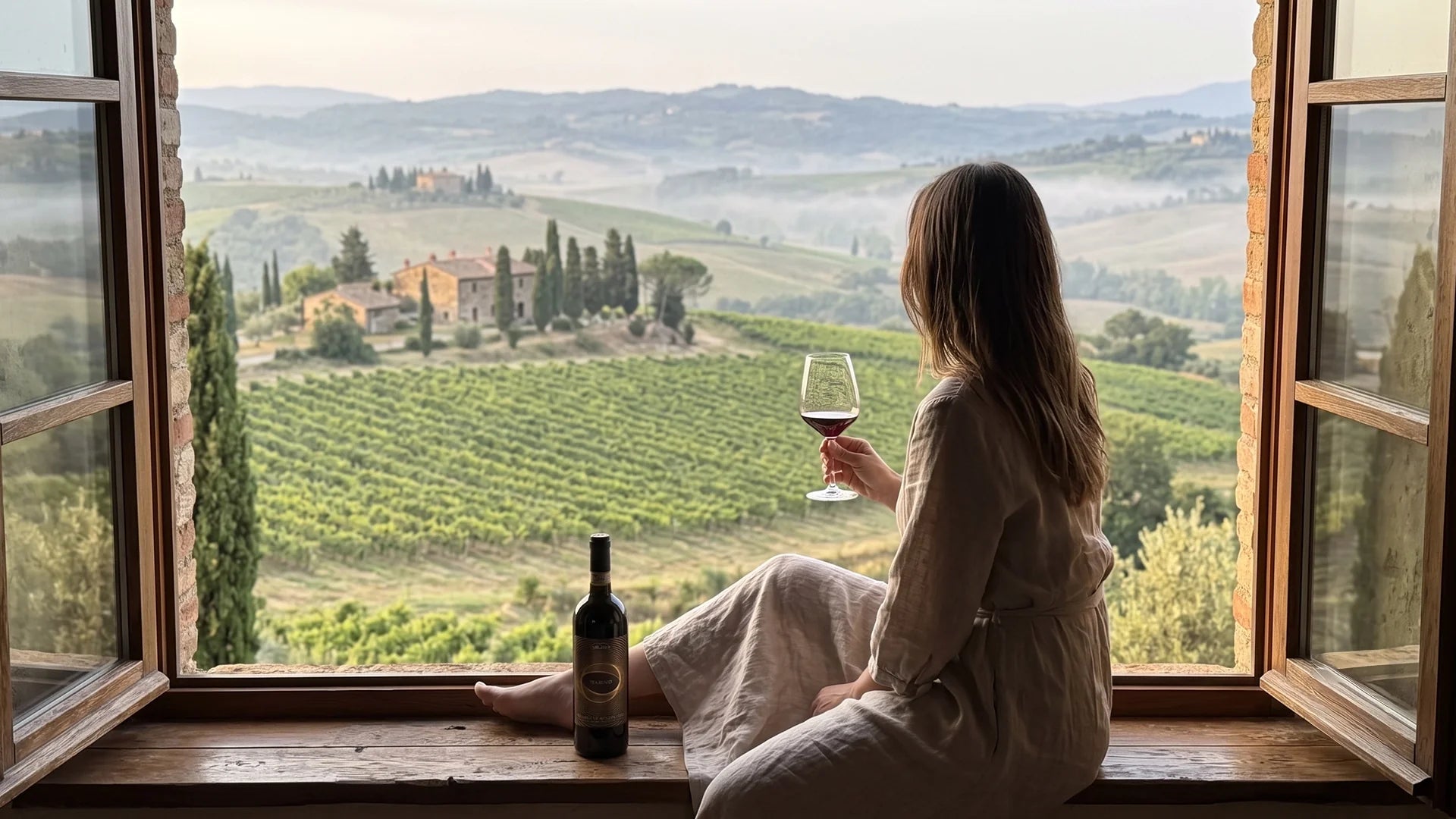
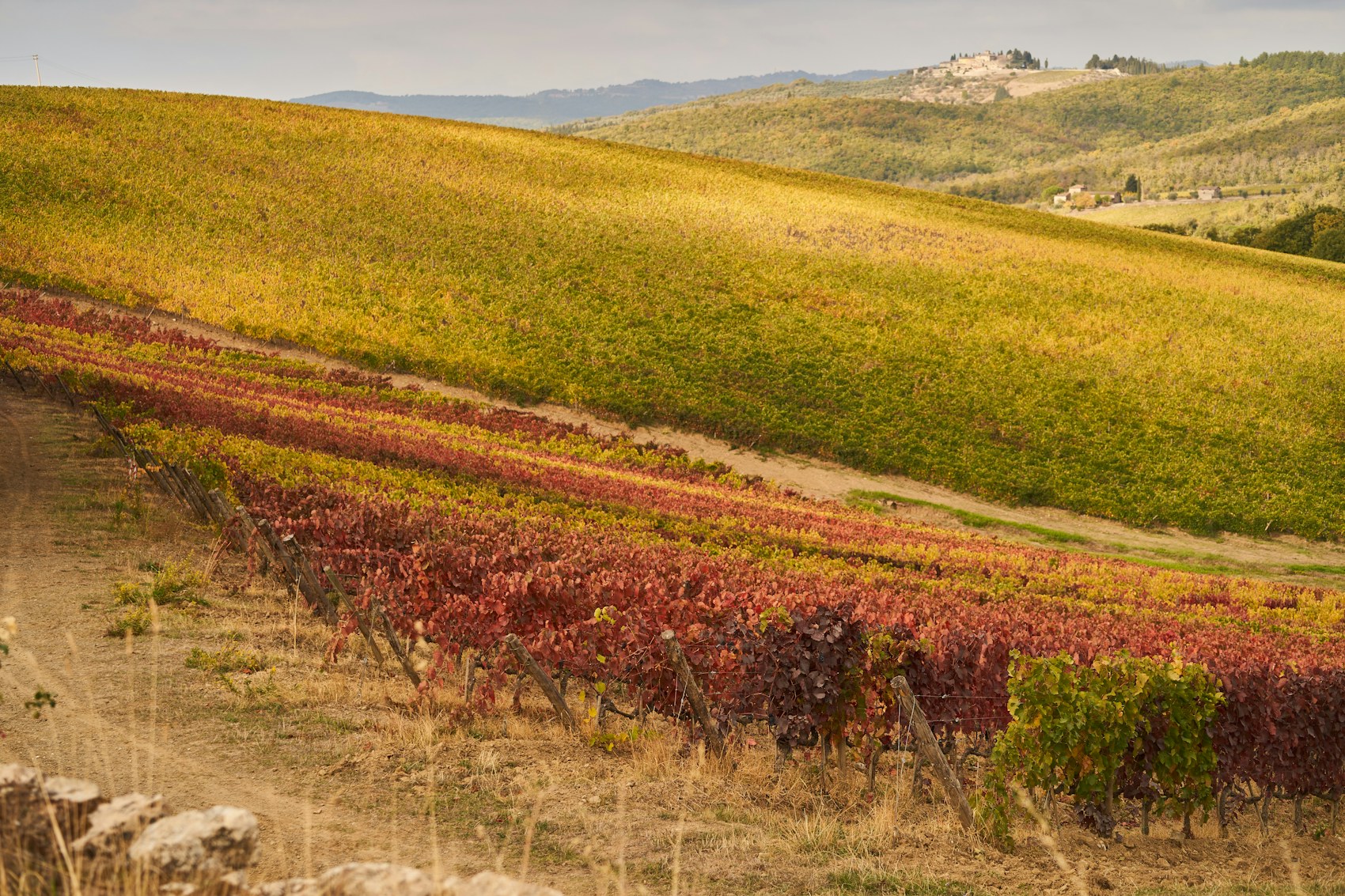
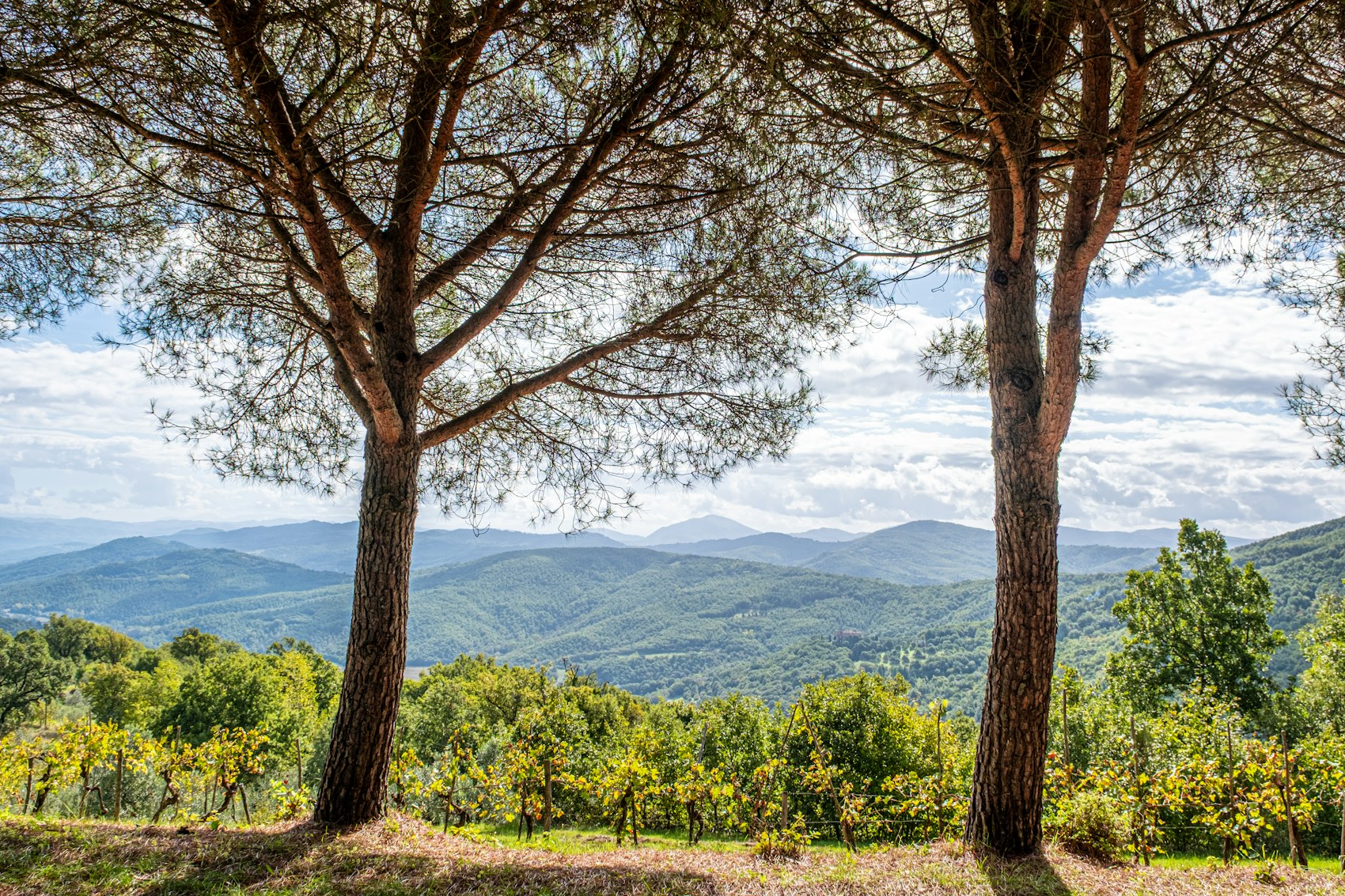
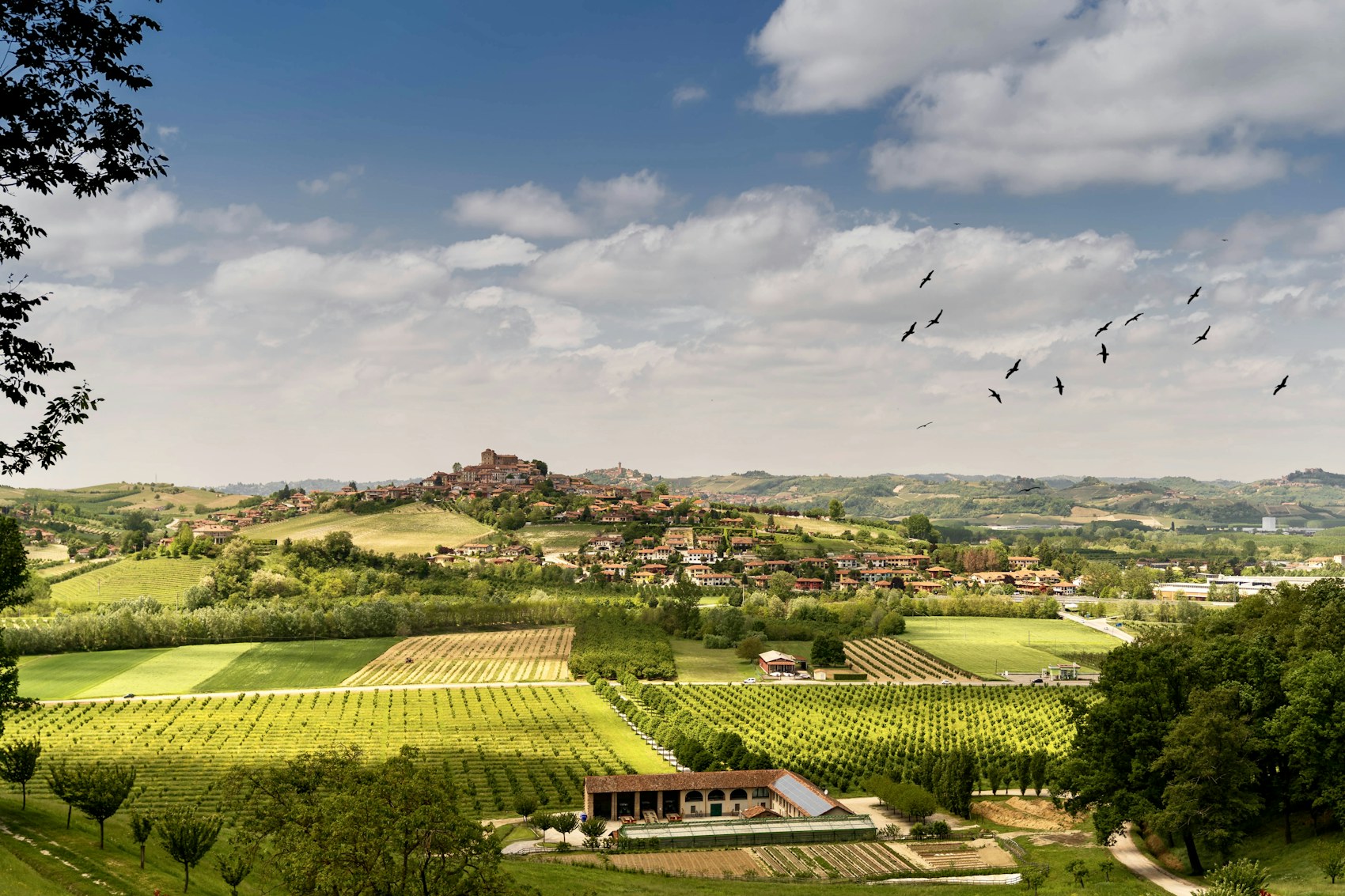
This is a landscape of cypress-lined ridges and stone farmhouses that looks exactly like the postcard, growing one difficult, brilliant grape, Sangiovese, that reveals every centimeter of difference in the dirt beneath it.

Sangiovese: The Grape That Tastes Like the Place
Sangiovese is Italy's most-planted red and Tuscany's soul: high acid, firm tannin, a translucent ruby color, and flavors of sour cherry, dried herbs, tomato leaf, leather, and orange peel. It's thin-skinned, late-ripening, and famously site-sensitive.
Plant it in warm clay, and you get generous, round wine. Plant it on cool, stony galestro and alberese marl at 400 metres, and you get something structured, savoury, and built for twenty years.
That volatility is why Tuscany is a map of a hundred arguments, and why one grape can produce wines as different as a bright Chianti Rufina and a monumental Brunello.
Chianti Classico: The Black Rooster
The historic heart sits between Florence and Siena, and the emblem on the neck of every bottle, the Gallo Nero or black rooster, dates to a medieval border dispute settled by a horse race at cockcrow. Chianti Classico is a wine of hills: vineyards at 250 to 600 metres, cool nights, and a quality ladder worth learning.

Base Chianti Classico is fresh and food-driven; Riserva adds two years of aging; and since 2014 the top tier is Gran Selezione, estate fruit only, with the newer village-level UGA names (Panzano, Radda, Gaiole, Castellina, and several more) now appearing on labels, Tuscany quietly building its own version of Burgundy's commune map. One distinction to keep straight: plain "Chianti" from the wider zone is a different, simpler animal than "Chianti Classico."
Brunello di Montalcino: The Monument
Ninety minutes south, the hill town of Montalcino is warmer, drier, and more Mediterranean, and its 100 percent Sangiovese (locally, Sangiovese Grosso) becomes something else entirely.
In the 1880s Ferruccio Biondi-Santi isolated the clone and made the first Brunello, aging it for years before release, and the estate's legendary old vintages helped invent the idea of Italian fine wine. Modern law demands five years of aging before release, six for Riserva, the strictest in Italy, and the wines repay decades. Style splits by compass: the cooler, higher north gives perfume and elegance, the warmer south gives power.
When Brunello feels too steep, Rosso di Montalcino is the same fruit released early, the smartest value in the region.
The Super Tuscan Rebellion
In the 1970s, a handful of producers grew impatient with rules requiring white grapes in their red blends and forbidding Cabernet. They made the wines they wanted anyway, and had to label them vino da tavola - table wine, the lowest legal category. Sassicaia (Cabernet planted near the coast at Bolgheri), Tignanello and Solaia (Sangiovese with Bordeaux varieties) then proceeded to outsell and out-score the appellation wines they were legally beneath. The law eventually surrendered: the IGT Toscana category was created to house them, and Bolgheri got its own DOC in 1994. Today Bolgheri - flat, maritime, warm - is Tuscany's Bordeaux outpost, and the Super Tuscan idea has become simply another Tuscan tradition.

The Rest of the Map
Vino Nobile di Montepulciano (Sangiovese, locally Prugnolo Gentile) is the region's underpriced aristocrat - named noble in the 1600s, structured, and routinely half the price of Brunello. Do not confuse it with Montepulciano d'Abruzzo, an entirely different grape from another region. Chianti Rufina, in the cool hills east of Florence, makes the most age-worthy classic-style Chianti. Carmignano, west of Florence, has legally blended Cabernet with Sangiovese since the 1700s - the original Super Tuscan, centuries early. Maremma on the southern coast is the modern frontier, warm and generous. And Vernaccia di San Gimignano, from the town of towers, is Tuscany's serious white - crisp, almond-edged, and the first Italian wine ever awarded DOC status in 1966. Save room for Vin Santo: grapes dried in lofts for months, fermented in small sealed casks for years, poured with cantucci at the end of a long meal.
How to Buy Tuscany Well
Match the wine to the occasion, not the price tier. A good Chianti Classico is one of the great food reds in Italy: tomato, olive oil, grilled meat, pecorino, and it rarely needs to cost more than thirty dollars.
Step up to Riserva or Gran Selezione for structure, and to a single UGA village when you want personality. Buy Rosso di Montalcino for Tuesday and Brunello for the cellar in the great structured vintages.
Treat Vino Nobile as the value play among the region's classics, and Bolgheri when you want polish and plush fruit. Above all, producer first. In a region this fragmented, the name in small print on the label decides everything.
Quick Answers: Tuscan Wine
What is the difference between Chianti and Chianti Classico?
Chianti Classico comes only from the original hill zone between Florence and Siena and carries the black rooster seal, with stricter rules and higher minimum quality. Plain Chianti comes from a much larger surrounding area and is generally simpler, lighter and cheaper.
What grape is Brunello di Montalcino made from?
One hundred percent Sangiovese, locally called Sangiovese Grosso. Brunello must age five years before release (six for Riserva), the strictest requirement in Italy, which is why it arrives mature and ages for decades.
What is a Super Tuscan?
A Tuscan wine made outside traditional appellation rules, typically using Cabernet Sauvignon or Merlot with or instead of Sangiovese. Pioneers like Sassicaia and Tignanello were legally labelled table wine in the 1970s, then outsold the wines ranked above them.
What should I drink instead of expensive Brunello?
Rosso di Montalcino is the same fruit released young at a fraction of the price, and Vino Nobile di Montepulciano offers comparable structure for roughly half. Both are Sangiovese and both drink beautifully with Tuscan food.
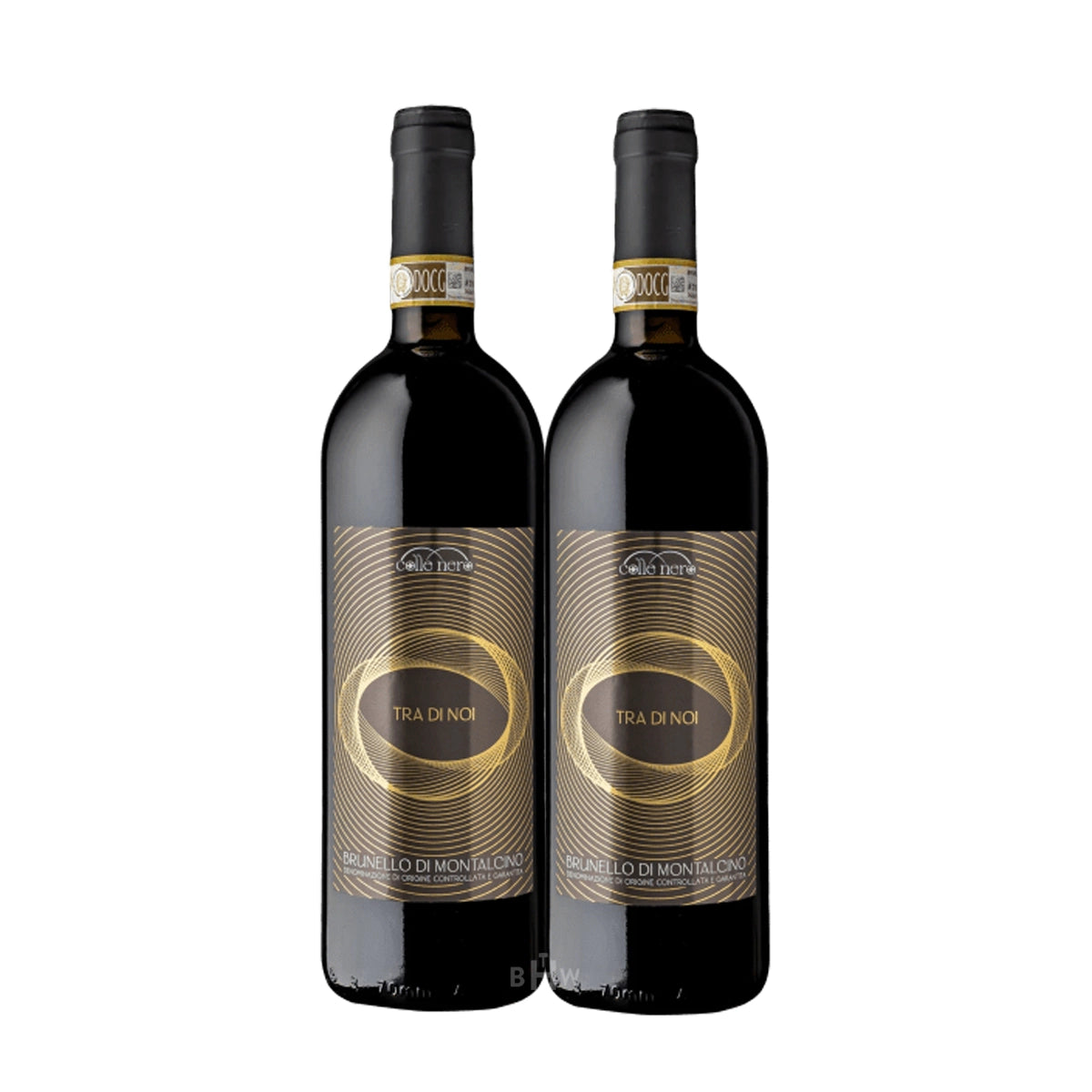
Ready to explore? Our Tuscany collection carries our current selection. And if you are hunting a specific bottle from the region, contact us for a quote - we source wine globally, with a 12-bottle minimum on special orders.


Shop Our Tuscany Collection
SHOP COLLECTIONShare:
New York Wine: Glacial Lakes, Riesling Nerve, and the Doctor Who Proved Everyone Wrong
Burgundy Wine: Two Grapes, One Slope, and 1,247 Arguments
Comments Section